
Maoballoon
Maoballoon Istanbulis — kirurgiavaba ajutine maosisene balloon KMI vahemikus 27–35. Paigaldatakse endoskoopiliselt, kantakse 6 või 12 kuud ja seejärel eemaldatakse. Kombineeritud toitumisnõustamisega, et kujundada püsivad harjumused. Meditsiiniline järelevalve dr Güleş, JCI-akrediteeringuga haiglad.
alates2780 €$3,220£2,390CA$4,480A$4,530NZ$5,500· Kõik hinnas
Meditsiiniliselt üle vaadanud Mustafa Ekrem Güleş, Op. Dr., Board-Certified Plastic Surgeon· Viimati üle vaadatud:
Meid usaldab üle 1500 rahvusvahelise patsiendi
Küsige tasuta konsultatsioon
Meie partnerite meditsiinimeeskond vaatab teie juhtumi üle ja saadab teile 24 tunni jooksul isikliku raviplaani.
500 € deposit, refundable for 14 days or until your flight is booked · Our guarantee
Säästke Istanbulis kuni 82%
Tüüpilised kõik hinnas paketi hinnad riikide kaupa. Allikad: ASPS, RealSelf, suuremate Briti ja USA kliinikute hinnakirjad, 2025.
Türgi (Istanbul)
alates 2780 €$3,220£2,390CA$4,480A$4,530NZ$5,500
sääst 82%
Ühendkuningriik
alates 12 500 €$14,500£10,750CA$20,130A$20,380NZ$24,750
Ameerika Ühendriigid
alates 15 500 €$17,980£13,330CA$24,960A$25,270NZ$30,690
Itaalia
alates 8500 €$9,860£7,310CA$13,690A$13,860NZ$16,830
Saksamaa
alates 8500 €$9,860£7,310CA$13,690A$13,860NZ$16,830
Kestus
20–30 minutes
Anesteesia
Sedation
Haiglas viibimine
Day procedure
Tööle naasmine
3 days
Taastumisaeg
3–5 days
Tulemused nähtavad
6–12 months
Lühidalt
- Mis see on?
- Maoballoon Istanbulis — kirurgiavaba ja ajutine (6 või 12 kuud). KMI 27–35 korral sillana…
- Hind
- €2,780 — hinnas sisalduvad kirurg, haigla, hotell, transfeerid ja järelhooldus; lennupiletid ei sisaldu
- Taastumine
- 3–5 days
- Ohutus ja riskid
- Tehakse Istanbuli JCI akrediteeringuga haiglates. Meditsiinilise sisu on üle vaadanud dr Mustafa Ekrem Güleş. Iga protseduuriga kaasneb teatav risk — konsultatsioonil räägime ausalt nii sobivusest kui ka võimalikest tüsistustest.
Maoballoon on mittekirurgiline ajutine kaalujälgimise abivahend. Pehme silikoonballoon paigaldatakse endoskoopiliselt makku, täidetakse füsioloogilise lahusega ja jäetakse sinna kuueks või kaheteistkümneks kuuks (olenevalt valitud seadmest). See võtab maos ruumi, aeglustab mao tühjenemist ja vähendab söögikorra mahtu — tulemuseks on raviperioodi jooksul tavaliselt 10–20% kehakaalu langus. Perioodi lõpus eemaldatakse balloon endoskoopiliselt.
Nimetame seda kohe alguses abivahendiks, mitte lahenduseks — sest see on aus sõnastus ja just see määrab, kas konkreetne patsient saab sellest kasu või jääb kahetsema. Balloon toimib nende kuude jooksul, mil see on paigal. Mis juhtub pärast, sõltub sellest, milline käitumine on muutunud. Patsiendi jaoks, kes võtab neid kuut või kahtteist kuud kui akent oma toidusuhte ümberkujundamiseks ja püsivate harjumuste loomiseks, on balloon kasulik sekkumine. Patsiendi jaoks, kes peab seda kiirlahenduseks ja naaseb pärast eemaldamist ballooni-eelsete söömismustrite juurde, on kaalu tagasitulek järgneva aasta jooksul tavaline.
Kellele maoballoon sobib
Sobival kandidaadil on tavaliselt kehamassiindeks (BMI) vahemikus 27–35 — üle ülekaalu piiri, kuid allpool läve, kust muutuvad näidustatuks maovähendus või maošunteerimine; ta on proovinud mittekirurgilist kaalulangetust (dieet, liikumine ja sageli GLP-1 ravimid) piiratud eduga ning soovib struktuurset abivahendit, et järgmine katse õnnestuks; ta on valmis osalema raviperioodi ajal struktureeritud toitumis- ja käitumismuutuse programmis (see on tingimusteta nõue); tal ei ole aktiivseid seedetrakti haigusi, mis endoskoopilise paigaldamise vastunäidustavad (suur hiaatusesong, peptiline haavandtõbi, varasem maooperatsioon, aktiivne H. pylori infektsioon — need selgitatakse enne paigaldamist välja).
Kellele balloon ei sobi: patsiendid, kelle BMI on üle 35 ja kellel on kaasuvad haigused (õige operatsioon on maovähendus või maošunteerimine, mitte balloon); patsiendid, kelle BMI on alla 27 (meditsiiniline näidustus puudub); patsiendid, kellel on aktiivne refluksihaigus (GORD) — balloon võib seda süvendada; rasedad või need, kes plaanivad järgmise aasta jooksul rasestuda.
Balloon või GLP-1 — kumb sobib?
See on küsimus, millega enamik ingliskeelse maailma patsiente meie juurde tuleb, sest GLP-1 ravimid (Ozempic, Wegovy, Mounjaro) on nüüd laialdaselt saadaval Ühendkuningriigis, USA-s, Austraalias ja mujal. Mõlemad annavad kaalulangust; mõlemad on ajutised (kaalu tagasitulek pärast lõpetamist on tavaline); mõlemad toimivad paremini koos käitumismuutusega.
Balloon on tavaliselt parem valik siis, kui: soovite ühekordset sekkumist 6–12 kuu jooksul, mitte pidevat ravimikuuri; pidev GLP-1 ravi (erapraksises ~£200+ kuus) käib pikas plaanis rahaliselt üle jõu; olete kogenud GLP-1 kõrvaltoimeid (iiveldus, seedevaevused, juuste hõrenemine), mida soovite vältida; või olete GLP-1 proovinud ja pärast lõpetamist kaalu tagasi võtnud ning soovite järgmiseks katseks teistsugust vahendit.
GLP-1 on tavaliselt parem valik siis, kui: eelistate meditsiinilist sekkumist protseduurilisele; soovite võimalust ravi pikaajaliselt jätkata; teil on kaalulangusest kaugemale ulatuvaid meditsiinilisi näidustusi (2. tüüpi diabeet, südame-veresoonkonna risk); ballooni paigaldamine on vastunäidustatud.
Konsultatsioonil arutame mõlemat ausalt. Osa patsientide puhul on õige vastus GLP-1, mitte balloon — ja me ütleme seda välja.
Ballooni tüübid
Kasutusel on kaks peamist seadmekategooriat. Valik sõltub patsiendist ja raviperioodi pikkusest.
Vedelikuga täidetav endoskoopiline balloon (6 või 12 kuud): paigaldatakse endoskoopiliselt kerges sedatsioonis, täidetakse füsioloogilise lahuse ja metüleensinisega (lekke korral muudab värvaine uriini siniseks ja annab nii varajase hoiatuse). Kantakse 6 või 12 kuud. Eemaldatakse endoskoopiliselt. See on valdkonna töökas põhiseade ja meie tavapärane soovitus.
Allaneelatav balloon (Allurion — 4 kuud): neelatakse alla kapslina, avaneb maos ja väljub umbes neljandal kuul loomulikul teel seedetrakti kaudu, ilma eemaldusprotseduurita. Kaalulangetusaega on vähem ja üldine kaalulangus väiksem, kuid paigaldus- ega eemaldusprotseduuri ei ole. Näidustatud kindlatele patsientidele, kes soovivad kõige lühema perioodiga varianti.
Protseduur samm-sammult
Paigaldamine tehakse endoskoopiliselt kerges veenisiseses sedatsioonis. Protseduur kestab 20–30 minutit. Kirurgilisi lõikeid ei tehta. Tegemist on päevaprotseduuriga — pärast lühikest taastumisperioodi naasete hotelli. Toimub JCI akrediteeringuga haiglas.
Eemaldamine (6 või 12 kuu pärast, olenevalt seadmest) on samuti endoskoopiline ja tehakse kerges sedatsioonis, tavaliselt 15–20 minutiga. See tehakse meie partnerkliinikus, kui teil on võimalik Istanbuli tagasi tulla, või — patsientidele, kes tagasi reisida ei saa — korraldatakse soovitatud kliinikus teie koduriigis. Lepime mõlemad variandid kokku juba esmase paigaldamise ajal.
Taastumine ja esimesed nädalad
Esimesed kolm kuni seitse päeva pärast paigaldamist on kõige raskemad. Magu kohaneb ballooniga — iiveldus, kerge kuni mõõdukas kõhuvalu ja isu vähenemine on oodatavad ning neid ravitakse haiglast lahkumisel kaasa antavate iiveldus- ja spasmivastaste ravimitega. Enamik patsiente suhtub sellesse perioodi tõsiselt — puhkus, piisav vedelik ja toidu väga järkjärguline taaskasutuselevõtt vastavalt antud juhisele.
Esimese nädala lõpuks sööb enamik patsiente juba tavapäraselt (kuid oluliselt vähem) ja naaseb tavapärase tegevuse juurde. Kaalulangus algab tavaliselt juba selle esmase kohanemisperioodi jooksul ja jätkub kogu raviperioodi vältel.
Toitumis- ja käitumismuutuse programm — tingimusteta osa
Balloon ilma käitumismuutuseta annab ajutise kaalulanguse ja peaaegu kindla tagasituleku. Seetõttu kuulub iga meie paigaldatud ballooni juurde 12-kuuline toitumis- ja käitumismuutuse programm (ka 6-kuuliste balloonide puhul — pärast eemaldamist jätkame tuge veel 6 kuud). Programm sisaldab ingliskeelse toitumisnõustaja tuge WhatsAppi kaudu menüü planeerimisel ja probleemide lahendamisel, igakuiseid kontrolle kaalu ja käitumismustrite osas ning teie profiilist lähtuvaid konkreetseid käitumuslikke fookusteemasid (emotsionaalne söömine, portsjonite kontroll, alkohol, söögiaegade rütm, liikumise lõimimine).
Patsiendid, kes programmis järjepidevalt osalevad, saavutavad parimad ja kõige püsivamad tulemused. Patsiendid, kes ei osale, võtavad tavaliselt 12–18 kuu jooksul pärast eemaldamist kaalu tagasi. Räägime sellest konsultatsioonil ausalt.
Oodatavad tulemused
Tavapärane kaalulangus ravi ajal: 10–20% kehakaalust raviperioodi jooksul, suure individuaalse varieeruvusega. Kaal 12 kuud pärast eemaldamist: käitumisprogrammis osalenud patsientidest säilitab enamik suurema osa langusest; patsientidel, kes programmist eemale jäävad, on märkimisväärne tagasitulek tavaline.
Riskid ja realistlikud ootused
Ausad riskid: iiveldus ja kõhuvalu esimesel nädalal (oodatav, hästi ravitav); talumatus, mis nõuab väikesel osal patsientidest varajast eemaldamist; ballooni tühjenemine (harv — tuvastatav metüleensinise värvaine tõttu sinise uriini järgi); varajane migreerumine (praeguste seadmete puhul väga harv); refluks ehk GORD; endoskoopilise paigaldamise ja sedatsiooni riskid (minimaalsed JCI akrediteeringuga keskkonnas, kus on kohal anestesioloog).
Kõige olulisem „risk” on kaalu tagasitulek pärast eemaldamist, kui käitumine ei ole muutunud. Sõnastame selle otsesõnu pikaajalise tulemuse peamise määrajana.
Miks Istanbul, mitte mõni muu sihtkoht
Endoskoopiliste protseduuride maht loeb nii paigaldamise ohutuse kui ka tugiprogrammi kvaliteedi seisukohalt. Meie meeskond paigaldab balloone regulaarselt, JCI akrediteeringuga haiglates, kus on kohal anestesioloog, ning 12-kuulist teekonda toetab lõimitud ingliskeelne toitumismeeskond. Hinnavahe võrreldes Ühendkuningriigi, USA ja Austraaliaga on märkimisväärne.
Dr. Mustafa Ekrem Güleş kiidab iga patsiendi enne paigaldamist kliiniliselt heaks.
Miks mitte 800 € maoballoon
Ballooni puhul makstakse põrandahinna eest sellega, et protseduur tehakse JCI akrediteeringuta keskkonnas, toitumisprogrammi ei ole (balloonist saab ajutine kaalulangetusvahend ilma pikaajalise kasuta) ja teil puudub plaan juhuks, kui tekib talumatus või on vaja varajast eemaldamist. Kliinik, kes pakub ballooni hinnaga 800 €, jätab sageli välja toitumisprogrammi, jätab välja anesteesiakulud, jätab välja eemaldamise ega oma ingliskeelset järelkontrolli personali.
See, mille eest te meie juures maksate, on kontrollitav: JCI akrediteeringuga haigla koos anestesioloogiga, paigaldamine ja eemaldamine (mõlemad sisalduvad hinnas), 12-kuuline ingliskeelne toitumisprogramm ning plaan varajaseks eemaldamiseks, kui see peaks vajalikuks osutuma.
Ingliskeelne meeskond — kogu 12-kuulise teekonna vältel
Meie meeskond vastab inglise keeles WhatsAppis, telefoni teel ja e-kirjaga. Ballooni patsientidele kuulub 12-kuulise programmi juurde ingliskeelne toitumisnõustaja, kes on kogu selle aja kättesaadav menüü planeerimiseks, sümptomite lahendamiseks ja käitumisnõustamiseks. Ballooniperiood on 12 keskendunud muutuse kuud — toetame seda inglise keeles algusest lõpuni.
Küsige tasuta konsultatsiooni — meie meeskond vastab Ühendkuningriigi ja Iirimaa tööajal ning teises ajaaknas, mis katab USA idaranniku kuni Austraalia hommikuni. Samal päeval saate BMI-põhise sobivushinnangu ja ausa soovituse, kas balloon või GLP-1.
Teie teekond. Meie käed.
Esimesest sõnumist kuni kodulennuni — logistika on meie asi. Teie keskendute tulemusele, mille pärast tulite.
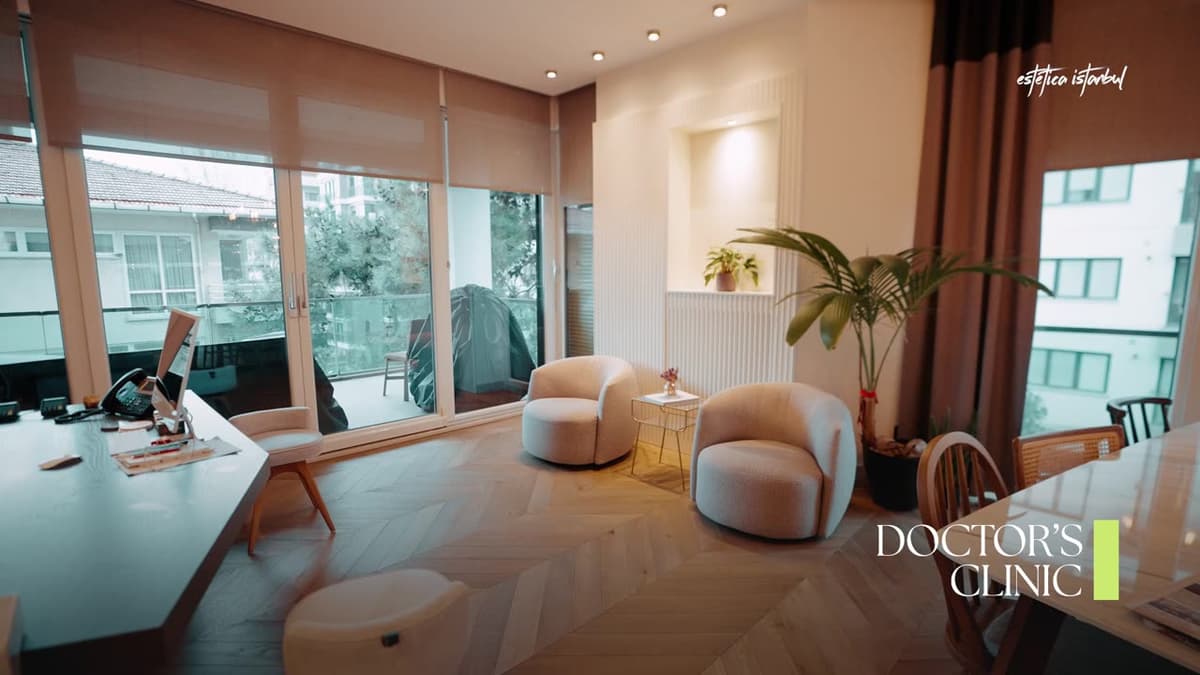
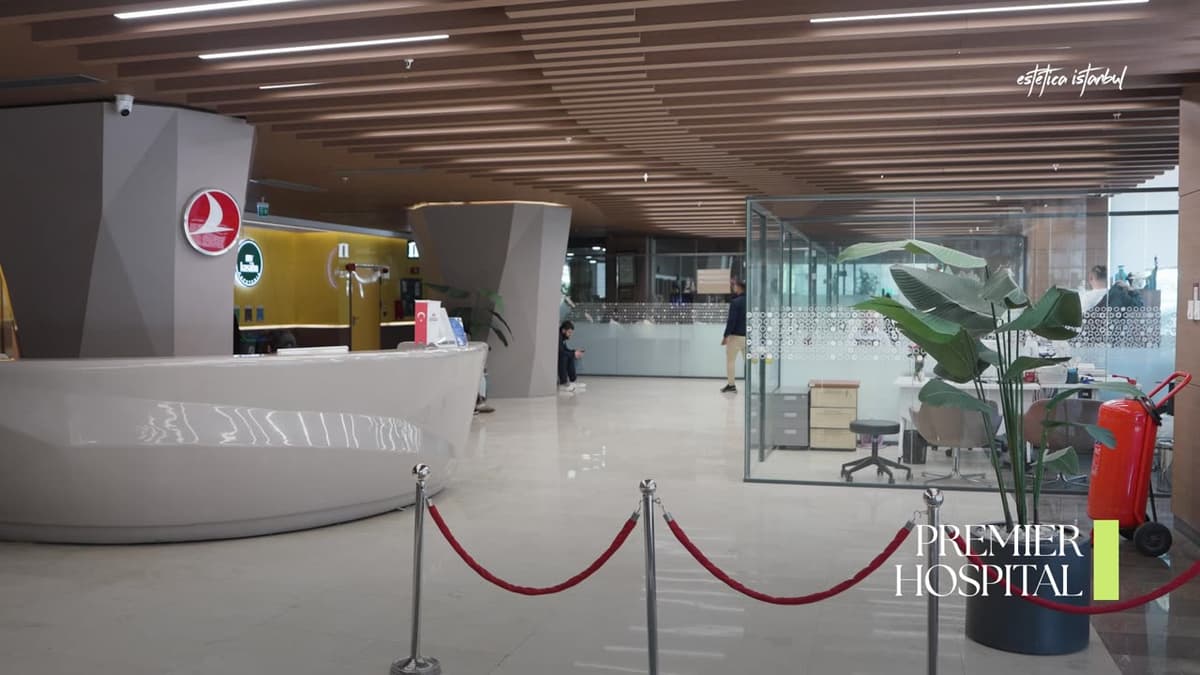

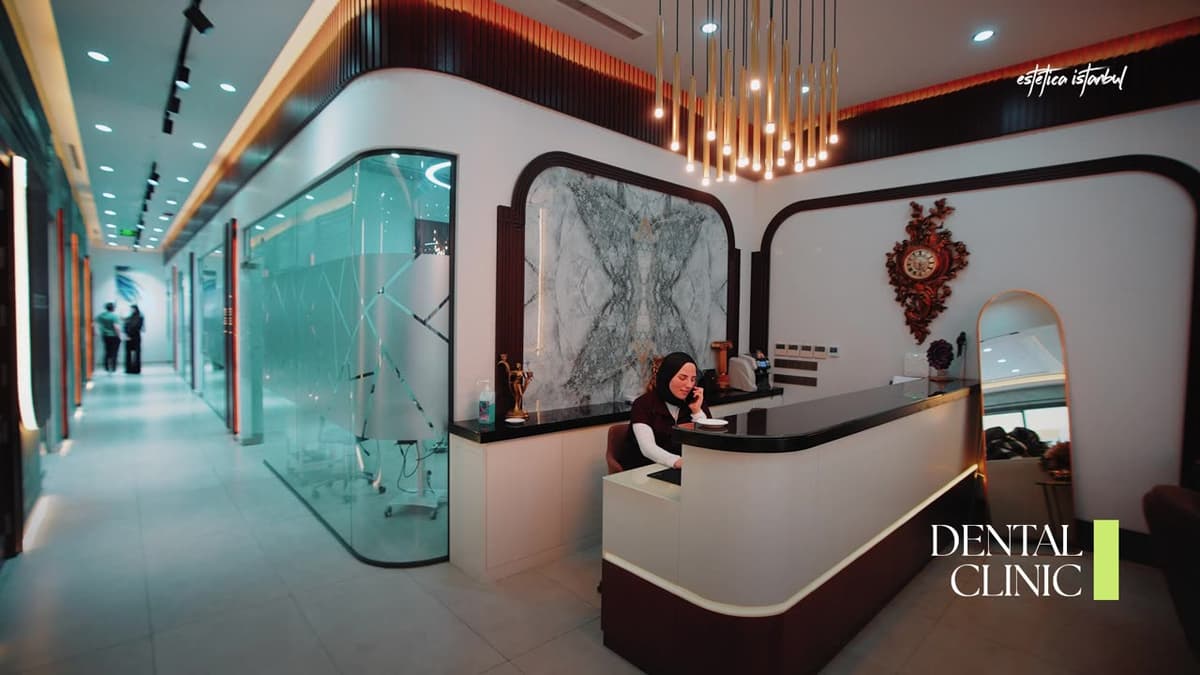
Tasuta konsultatsioon
Saatke meile WhatsAppis fotod ja kirjeldage oma soove. Vaatame need koos kirurgiga üle ja saadame 24 tunni jooksul üksikasjaliku hinnapakkumise, milles sisaldub kõik. Vestlus ei nõua ettemaksu.
Logistika jääb meie hooleks
Kui olete otsustanud, broneerime teie lennud, hotelli ja VIP-transfeerid. Operatsioonieelsed analüüsid, haiglasse vastuvõtt, ingliskeelne tugi — kõik on korraldatud enne teie maandumist.
Operatsioon JCI akrediteeringuga haiglas
Teie operatsioon toimub täielikult akrediteeritud haiglas — oma anesteesia- ja õendusmeeskond, intensiivravi samal korrusel, rahvusvahelised ohutusstandardid. Mitte kunagi tagatänava päevakliinik.
Erikliinikud naeratuse ja juuste jaoks
Mittekirurgilised protseduurid toimuvad spetsiaalselt selleks ehitatud kohtades — hambafassetid, hambakroonid ja implantaadid meie partnerite hambakliinikus, siirdamised partner-juuksekliinikus. Mõlemat juhivad meeskonnad, kes teevad iga päev ainult seda.
Taastumine, järelkontroll ja teie naeratus
Te taastute hotellis, kus on kohapeal meditsiiniline abi, ja lendate siis koju. Terve aasta jooksul jälgime teie taastumist kaugteel — ja kui tekib tüsistus, katame kaugkonsultatsioonid teie kirurgiga ning harvadel juhtudel ka korduvoperatsiooni — Antwelli uuendusega.
Tasuta konsultatsioon
Saatke meile WhatsAppis fotod ja kirjeldage oma soove. Vaatame need koos kirurgiga üle ja saadame 24 tunni jooksul üksikasjaliku hinnapakkumise, milles sisaldub kõik. Vestlus ei nõua ettemaksu.
Logistika jääb meie hooleks
Kui olete otsustanud, broneerime teie lennud, hotelli ja VIP-transfeerid. Operatsioonieelsed analüüsid, haiglasse vastuvõtt, ingliskeelne tugi — kõik on korraldatud enne teie maandumist.
Operatsioon JCI akrediteeringuga haiglas
Teie operatsioon toimub täielikult akrediteeritud haiglas — oma anesteesia- ja õendusmeeskond, intensiivravi samal korrusel, rahvusvahelised ohutusstandardid. Mitte kunagi tagatänava päevakliinik.
Erikliinikud naeratuse ja juuste jaoks
Mittekirurgilised protseduurid toimuvad spetsiaalselt selleks ehitatud kohtades — hambafassetid, hambakroonid ja implantaadid meie partnerite hambakliinikus, siirdamised partner-juuksekliinikus. Mõlemat juhivad meeskonnad, kes teevad iga päev ainult seda.
Taastumine, järelkontroll ja teie naeratus
Te taastute hotellis, kus on kohapeal meditsiiniline abi, ja lendate siis koju. Terve aasta jooksul jälgime teie taastumist kaugteel — ja kui tekib tüsistus, katame kaugkonsultatsioonid teie kirurgiga ning harvadel juhtudel ka korduvoperatsiooni — Antwelli uuendusega.
Mis on hinnas
Ei sisaldu
Korduma kippuvad küsimused
Mis on maoballoon?
Kui palju kaalu saan maoballooniga kaotada?
Kui palju maksab maoballoon?
Kas ballooni paigaldamine on valus?
Mida võin ballooniga süüa?
Kas ballooni saab varem eemaldada, kui see tekitab ebamugavust?
Lisalugemist
 alates 1180 €
Bihhektoomia hind 2026: 1180 € Istanbulis, 2300 € Saksamaal, 2600 € Itaalias ja 4083 € Ühendkuningriigis
Istanbuli pakett algab 1180 eurost, Saksamaal 2300 €, Itaalias 2600 €, Ühendkuningriigis 4083 € ja USA-s on realistlik põhi 4403 €. Ühendkuningriigi ja USA vastu jääb sääst püsima iga reisikulu järel. Saksamaa ja Itaalia vastu neelab 350-eurone lend umbes kolmandiku vahest.
 alates 3550 €
Kulmutõste hind 2026: 3 550 eurot Istanbulis, odavam kui Ühendkuningriigis, Saksamaal ja USA-s, kuid mitte odavam kui Itaalias
Kulmutõste maksab Estetica Istanbuli kaudu 3 550 eurot kõik hinnas, Londonis 5 500–10 500 naela, Ameerika Ühendriikides 5 460 dollarit ainuüksi kirurgitasuna ja Saksamaal 8 000–13 000 eurot endoskoopilise tehnika eest. Itaalia avaldatud vahemik 2 500–5 000 eurot kattub Istanbuli paketiga ja jääb alumises otsas sellest allapoole, seega ainult hind ei õigusta reisi Itaaliast.
 alates 4370 €
Lõuaimplantaadi hind 2026: 4370 € Istanbulis, odavam kui Ühendkuningriigis ja USA-s, kuid mitte odavam kui Saksamaal või Itaalias
Estetica Istanbuli kaudu broneeritud lõuaimplantaat maksab 4370 € kõike hõlmava paketina. See on selge kokkuhoid võrreldes Ühendkuningriigiga (4500-6500 £) ja Ameerika Ühendriikidega (3500 $ kuni üle 11000 $) ning mitte mingit kokkuhoidu võrreldes Saksamaa keskmise 3466 € või Itaalia keskmise 3276 €-ga. Siin on numbrid, allikad ja see üks olukord, kus lõua pärast tasub ikkagi Istanbuli lennata.