
Gastric Balloon
Gastric balloon in Istanbul — non-surgical, temporary intragastric balloon for BMI 27–35. Placed endoscopically, worn for 6 or 12 months, removed. Paired with nutrition coaching to build lasting habits. Medical oversight Dr. Güleş, JCI-accredited hospitals.
ó€2,780$3,220£2,390CA$4,480A$4,530NZ$5,500· Gach rud san áireamh
Athbhreithniú leighis déanta ag Mustafa Ekrem Güleş, Op. Dr., Board-Certified Plastic Surgeon· Athbhreithniú deireanach:
Tá muinín ag 5,000+ othar idirnáisiúnta asainn
Faigh do chomhairliúchán saor in aisce
Déanfaidh ár bhfoireann leighis athbhreithniú ar do chás agus seolfaidh siad plean cóireála pearsantaithe chugat laistigh de 24 uair an chloig.
Coigil suas le 82% in Iostanbúl
Gnáthphraghsanna ina bhfuil gach rud san áireamh de réir tíre. Foinsí: ASPS, RealSelf, bileoga rátaí ó mhórchlinicí sa Ríocht Aontaithe agus sna Stáit Aontaithe, 2025.
An Tuirc (Iostanbúl)
ó €2,780$3,220£2,390CA$4,480A$4,530NZ$5,500
coigil 82%
An Ríocht Aontaithe
ó €12,500$14,500£10,750CA$20,130A$20,380NZ$24,750
Na Stáit Aontaithe
ó €15,500$17,980£13,330CA$24,960A$25,270NZ$30,690
An Iodáil
ó €8,500$9,860£7,310CA$13,690A$13,860NZ$16,830
An Ghearmáin
ó €8,500$9,860£7,310CA$13,690A$13,860NZ$16,830
Fad
20–30 minutes
Ainéistéise
Sedation
Fanacht san ospidéal
Day procedure
Ar ais ag obair
3 days
Am téarnaimh
3–5 days
Torthaí le feiceáil
6–12 months
Achoimre thapa
- Cad é féin?
- Gastric balloon in Istanbul — non-surgical, temporary (6 or 12 months). For BMI 27–35 as…
- Costas
- €2,780 — gach rud san áireamh: an máinlia, an t-ospidéal, an t-óstán, aistrithe agus iarchúram; níl eitiltí san áireamh
- Téarnamh
- 3–5 days
- Sábháilteacht agus rioscaí
- Déantar í in ospidéil in Iostanbúl atá creidiúnaithe ag JCI. Rinne an Dr. Mustafa Ekrem Güleş athbhreithniú ar an ábhar leighis. Bíonn riosca éigin ag baint le gach obráid — pléifear go macánta le linn do chomhairliúcháin cé acu an bhfuil tú oiriúnach agus cad iad na fadhbanna a d'fhéadfadh teacht chun cinn.
Gastric balloon is a non-surgical, temporary weight-management tool. A soft silicone balloon is placed endoscopically in the stomach, filled with saline, and left in place for six or twelve months (depending on the device chosen). It occupies stomach space, slows gastric emptying, and reduces meal capacity — producing weight loss of typically 10–20% of body weight over the treatment period. At the end of the period, the balloon is removed endoscopically.
We describe it at the start as a tool, not a solution — because that is the honest framing, and it is what determines whether a given patient will benefit or regret. The balloon works during the months it is in place. What happens afterwards is determined by what behaviour has changed. For patients who treat the six or twelve months as a window to rebuild their relationship with food and develop sustainable habits, the balloon is a useful intervention. For patients who treat it as a quick fix and return to pre-balloon eating patterns on removal, weight regain over the following year is common.
Who gastric balloon is suitable for
The right candidate typically has BMI in the 27–35 range — above overweight, below the threshold where sleeve or bypass become indicated; has tried non-surgical weight loss (diet, exercise, and often GLP-1 medication) with limited success, and wants a structural aid to make the next attempt successful; is willing to engage with a structured nutrition and behaviour-change programme during the treatment period (this is the non-negotiable piece); does not have active gastrointestinal conditions that contraindicate endoscopic placement (large hiatus hernia, peptic ulcer disease, previous gastric surgery, active H. pylori infection — these are screened before placement).
Who should not have a balloon: patients with BMI over 35 and comorbidities (sleeve or bypass is the correct operation, not balloon); patients with BMI under 27 (the medical indication is not present); patients with active GORD/reflux disease (balloon can worsen it); pregnant patients or those planning pregnancy in the next year.
Balloon or GLP-1 — which is right?
This is the question most anglosphere patients arrive with, because GLP-1 medications (Ozempic, Wegovy, Mounjaro) are now widely available in the UK, US, Australia and elsewhere. Both produce weight loss; both are temporary (weight regain on stopping is common); both work better paired with behaviour change.
Balloon is typically the better choice when: you want a one-time intervention over 6–12 months rather than an ongoing medication; cost makes ongoing GLP-1 medication (~£200+/month privately) unsustainable long-term; you have experienced GLP-1 side effects (nausea, GI discomfort, hair thinning) that you want to avoid; or you have tried GLP-1 and regained after stopping, and want a different tool for the next attempt.
GLP-1 is typically the better choice when: you prefer a medical over a procedural intervention; you want the option of continuing long-term; you have specific medical indications beyond weight loss (type 2 diabetes, cardiovascular risk); balloon placement is contraindicated.
At consultation we discuss both honestly. For a subset of patients, the right answer is GLP-1, not balloon — and we say so.
The balloon types
Two main device categories are used. The choice depends on the patient and the treatment window.
Fluid-filled endoscopic balloon (6 or 12 months): placed endoscopically under light sedation, filled with saline and methylene blue (the dye turns urine blue if the balloon leaks, providing an early warning). Worn 6 or 12 months. Removed endoscopically. The workhorse device and our typical recommendation.
Swallowable balloon (Allurion — 4 months): swallowed as a capsule, expands in the stomach, and passes naturally through the GI tract at approximately month four without removal. Less weight-loss time and lower overall weight loss, but no placement or removal procedure. Indicated for specific patients who want the shortest-window option.
The procedure, step by step
Placement is performed endoscopically under light intravenous sedation. The procedure takes 20–30 minutes. No surgical incisions. Day-procedure — you return to the hotel after a brief recovery period. In a JCI-accredited hospital.
Removal (at 6 or 12 months depending on device) is also endoscopic, under light sedation, typically 15–20 minutes. Performed at our partner clinic if you are able to return to Istanbul, or — for patients unable to travel back — arranged at a recommended clinic in your home country. We coordinate both options at the time of initial placement.
Recovery and the first weeks
The first three to seven days after placement are the most difficult. The stomach is adjusting to the balloon — nausea, mild-to-moderate abdominal discomfort and reduced appetite are expected and are treated with anti-emetic and anti-spasmodic medications provided at discharge. Most patients take this period significantly — rest, hydration, and very gradual reintroduction of food according to the provided protocol.
By the end of week one, most patients are eating normally (but significantly less) and returning to normal activity. Weight loss typically begins during this initial adjustment period and continues throughout the treatment window.
The nutrition and behaviour-change programme — non-negotiable
Balloon without behaviour change produces temporary weight loss and near-certain regain. For that reason, every balloon we place includes a 12-month nutrition and behaviour-change programme (even for 6-month balloons — we continue support for 6 months after removal). The programme includes English-speaking nutritionist support via WhatsApp for meal planning and troubleshooting, monthly check-ins on weight and behaviour patterns, and specific behavioural focus areas depending on your profile (emotional eating, portion control, alcohol, meal timing, exercise integration).
Patients who engage with the programme consistently achieve the best and most durable outcomes. Patients who do not engage typically regain weight within 12–18 months of removal. We are honest about this at consultation.
Expected outcomes
Typical weight loss during treatment: 10–20% of body weight over the treatment window, with substantial individual variation. Weight at 12 months post-removal: for patients engaged with the behaviour programme, most sustain the large majority of loss; for patients who disengage, significant regain is common.
Risks and realistic expectations
Honest risks: nausea and abdominal discomfort in the first week (expected, well-treated); intolerance requiring early removal in a small percentage of patients; balloon deflation (rare — detected by blue urine from methylene blue dye); early migration (very rare with current devices); reflux/GORD; risks of endoscopic placement and sedation (minimal in a JCI-accredited setting with an anaesthesiologist).
The most relevant "risk" is regain post-removal if behaviour hasn't changed. We frame this explicitly as the primary determinant of long-term outcome.
Why Istanbul versus other destinations
Endoscopic experience volume matters for both placement safety and for the quality of the supporting programme. Our team places balloons regularly, in JCI-accredited hospitals with an anaesthesiologist present, with an integrated English-speaking nutrition team for the 12-month pathway. The price gap versus UK/US/Australia is substantial.
Dr. Mustafa Ekrem Güleş approves every patient clinically before placement.
Why not the €800 gastric balloon
On balloon, the rock-bottom price is paid in non-JCI settings, no nutrition programme (the balloon becomes a temporary weight-loss tool with no long-term benefit), and no pathway if you experience intolerance or need early removal. A clinic quoting balloon at €800 often excludes the nutrition programme, excludes anaesthesia costs, excludes removal, and has no follow-up staff in English.
What you pay for with us is verifiable: JCI-accredited hospital with anaesthesiologist, placement and removal (both included), 12-month English-speaking nutrition programme, pathway for early-removal if required.
English-speaking team — for the full 12-month journey
Our team replies in English on WhatsApp, phone and email. For balloon patients specifically, the 12-month programme includes an English-speaking nutritionist available throughout for meal planning, symptom troubleshooting and behaviour coaching. The balloon period is a focused 12 months of change — we support it in English from start to finish.
Request your free consultation — our team replies in UK/IE business hours and in a second window covering US Eastern through Australian morning. BMI-based candidacy assessment and an honest balloon-vs-GLP-1 recommendation on the same day.
Do Thuras. Ár Lámha.
Ón gcéad teachtaireacht uait go dtí d'eitilt abhaile — déanaimidne an lóistíocht a bhainistiú. Díríonn tusa ar an toradh ar tháinig tú faoina dhéin.
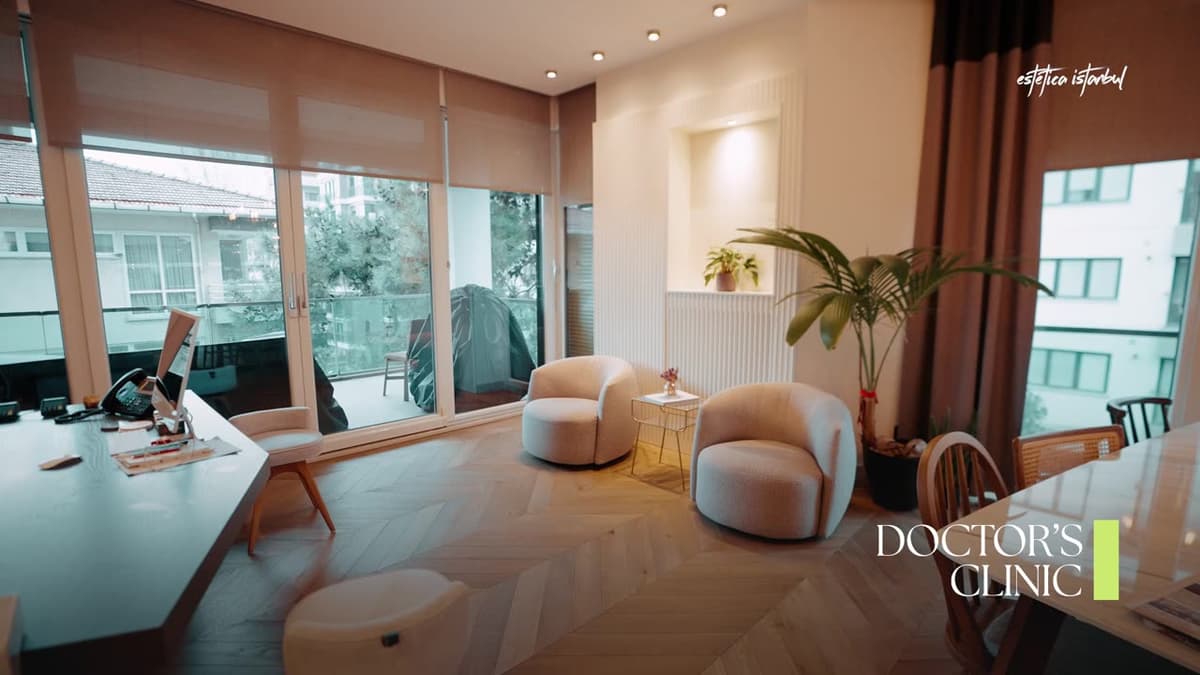


Comhairliúchán Saor in Aisce
Seol grianghraif agus do chuid spriocanna chugainn ar WhatsApp. Déanaimid iad a mheas in éineacht leis an máinlia agus seolaimid meastachán mionsonraithe chugat laistigh de 24 uair an chloig, agus gach rud san áireamh. Níl aon éarlais ag teastáil chun labhairt linn.
Déanaimid an Lóistíocht a Láimhseáil
Chomh luath is a dhéanann tú an cinneadh, cuirimid d'eitiltí, d'óstán agus na haistrithe VIP in áirithe. Tástálacha réamhobráide, iontráil san ospidéal, tacaíocht i mBéarla — socraítear gach rud sula dtuirlingíonn tú.
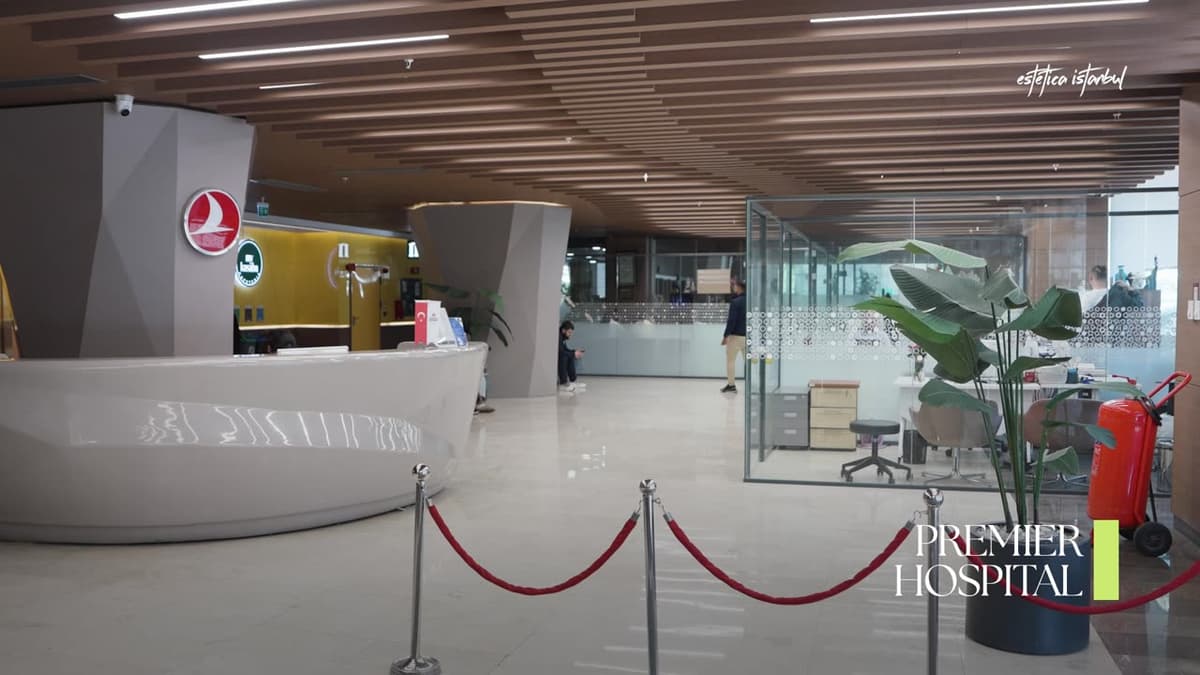
An Obráid san Ospidéal atá Creidiúnaithe ag JCI
Déantar d'obráid taobh istigh d'ospidéal atá creidiúnaithe go hiomlán — foirne tiomnaithe ainéistéise agus altranais, dianchúram ar an urlár céanna, caighdeáin idirnáisiúnta sábháilteachta. Ní clinic lae ar chúlsráid é riamh.
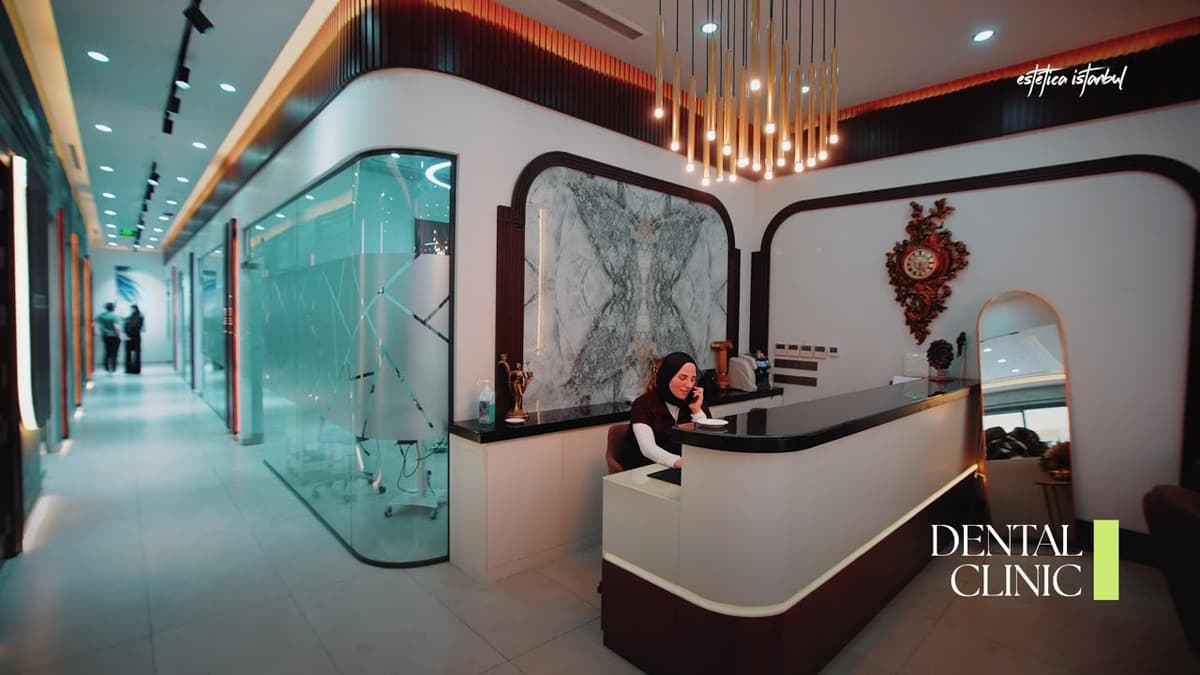
Clinicí Speisialtóireachta don Mhiongháire agus don Ghruaig
Déantar cóireálacha neamh-mháinliachta in ionaid a tógadh chuige sin — ár gclinic fiaclóireachta tiomnaithe do shnasáin, do choróin agus d'ionchlannáin, agus ár gclinic athchóirithe gruaige don trasphlandú. Foirne nach ndéanann ach an obair sin, lá i ndiaidh lae, a reáchtálann gach ceann acu.
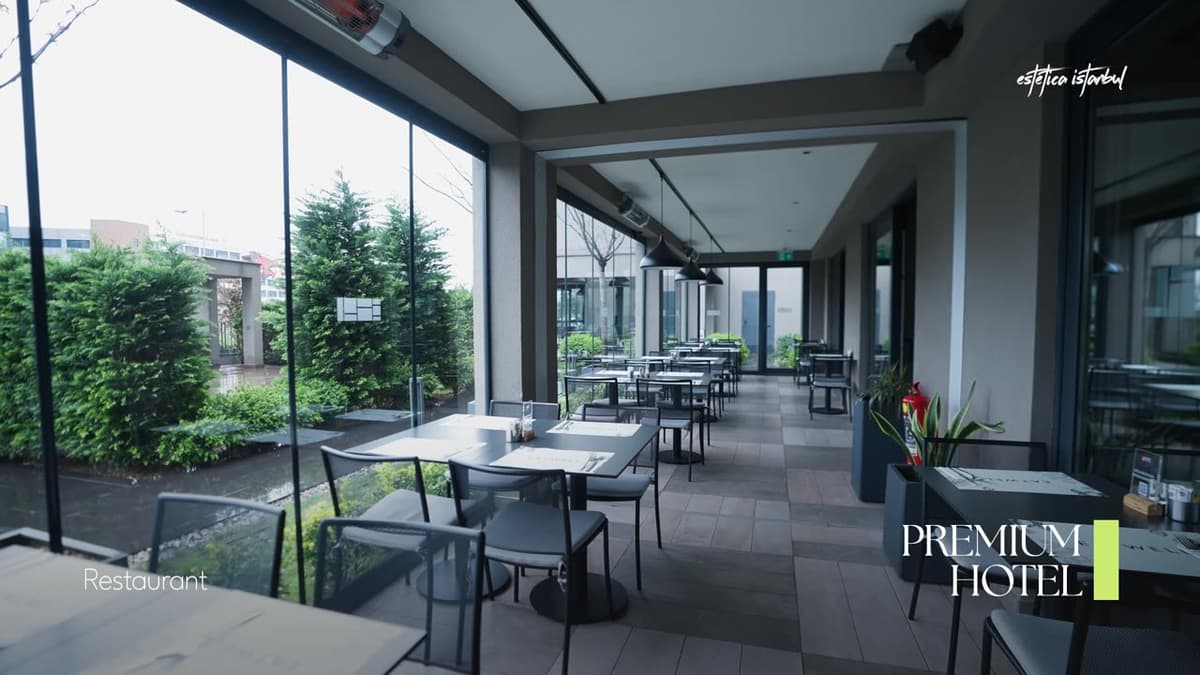
Téarnamh, Cúram Leantach agus Do Mhiongháire
Déanann tú téarnamh in óstán ina bhfuil cúram leighis ar an láthair, agus ansin eitlíonn tú abhaile. Coinnímid teagmháil leantach leat go cianda ar feadh bliana iomláine — agus má thagann aimhréidh chun cinn, íocaimid as comhairliúcháin chianda le do mháinlia agus, i gcásanna neamhchoitianta, as obráid athbhreithnithe — leis an uasghrádú Antwell.
Comhairliúchán Saor in Aisce
Seol grianghraif agus do chuid spriocanna chugainn ar WhatsApp. Déanaimid iad a mheas in éineacht leis an máinlia agus seolaimid meastachán mionsonraithe chugat laistigh de 24 uair an chloig, agus gach rud san áireamh. Níl aon éarlais ag teastáil chun labhairt linn.
Déanaimid an Lóistíocht a Láimhseáil
Chomh luath is a dhéanann tú an cinneadh, cuirimid d'eitiltí, d'óstán agus na haistrithe VIP in áirithe. Tástálacha réamhobráide, iontráil san ospidéal, tacaíocht i mBéarla — socraítear gach rud sula dtuirlingíonn tú.
An Obráid san Ospidéal atá Creidiúnaithe ag JCI
Déantar d'obráid taobh istigh d'ospidéal atá creidiúnaithe go hiomlán — foirne tiomnaithe ainéistéise agus altranais, dianchúram ar an urlár céanna, caighdeáin idirnáisiúnta sábháilteachta. Ní clinic lae ar chúlsráid é riamh.
Clinicí Speisialtóireachta don Mhiongháire agus don Ghruaig
Déantar cóireálacha neamh-mháinliachta in ionaid a tógadh chuige sin — ár gclinic fiaclóireachta tiomnaithe do shnasáin, do choróin agus d'ionchlannáin, agus ár gclinic athchóirithe gruaige don trasphlandú. Foirne nach ndéanann ach an obair sin, lá i ndiaidh lae, a reáchtálann gach ceann acu.
Téarnamh, Cúram Leantach agus Do Mhiongháire
Déanann tú téarnamh in óstán ina bhfuil cúram leighis ar an láthair, agus ansin eitlíonn tú abhaile. Coinnímid teagmháil leantach leat go cianda ar feadh bliana iomláine — agus má thagann aimhréidh chun cinn, íocaimid as comhairliúcháin chianda le do mháinlia agus, i gcásanna neamhchoitianta, as obráid athbhreithnithe — leis an uasghrádú Antwell.
Céard atá san áireamh
Nach bhfuil san áireamh
Ceisteanna coitianta
What is a gastric balloon?
How much weight can I lose with a gastric balloon?
How much does a gastric balloon cost?
Is balloon insertion painful?
What can I eat with a balloon?
Can I remove the balloon early if I'm uncomfortable?
Tuilleadh léitheoireachta
Gastric Sleeve Cost 2026: Turkey vs UK, US, Germany and Italy
A sleeve gastrectomy is the same operation everywhere. The invoice is not. Five countries, sourced 2026 prices, and an honest look at what the price gap is actually made of.
Combining Multiple Procedures in One Trip: What's Safe
Combining procedures nearly doubles complication odds — 7.6% versus 4.2% across 28,171 cases — but the risk sits in specific pairings and in operating time. Which combinations work in one Istanbul trip, and which are worth two.

Blood Clots and Flying After Surgery: The DVT Risk Explained
A clot in a leg vein is the complication that matters most after surgery abroad, and the flight home usually falls inside the highest-risk window. Here are the real numbers and what lowers them.