
Beard Transplant
Beard transplant in Istanbul — DHI (Direct Hair Implantation) to restore or densify patchy beard, moustache and sideburn zones. Grafts taken from the scalp donor zone; permanent and natural. Medical oversight Dr. Güleş.
ó€1,860$2,160£1,600CA$2,990A$3,030NZ$3,680· Gach rud san áireamh
Athbhreithniú leighis déanta ag Akın İnalöz, MD, Board-Certified Plastic Surgeon· Athbhreithniú deireanach:
Tá muinín ag 5,000+ othar idirnáisiúnta asainn
Faigh do chomhairliúchán saor in aisce
Déanfaidh ár bhfoireann leighis athbhreithniú ar do chás agus seolfaidh siad plean cóireála pearsantaithe chugat laistigh de 24 uair an chloig.
Coigil suas le 87% in Iostanbúl
Gnáthphraghsanna ina bhfuil gach rud san áireamh de réir tíre. Foinsí: ASPS, RealSelf, bileoga rátaí ó mhórchlinicí sa Ríocht Aontaithe agus sna Stáit Aontaithe, 2025.
An Tuirc (Iostanbúl)
ó €1,860$2,160£1,600CA$2,990A$3,030NZ$3,680
coigil 87%
An Ríocht Aontaithe
ó €9,500$11,020£8,170CA$15,300A$15,480NZ$18,810
Na Stáit Aontaithe
ó €14,000$16,240£12,040CA$22,540A$22,820NZ$27,720
An Iodáil
ó €6,500$7,540£5,590CA$10,470A$10,600NZ$12,870
An Ghearmáin
ó €7,000$8,120£6,020CA$11,270A$11,410NZ$13,860
Fad
4–6 hours
Ainéistéise
Local anesthesia
Fanacht san ospidéal
Day procedure
Ar ais ag obair
2–3 days
Am téarnaimh
7–10 days
Torthaí le feiceáil
6–9 months
Achoimre thapa
- Cad é féin?
- Beard transplant in Istanbul — DHI technique to fill patchy or sparse beard, moustache…
- Costas
- €1,860 — gach rud san áireamh: an máinlia, an t-ospidéal, an t-óstán, aistrithe agus iarchúram; níl eitiltí san áireamh
- Téarnamh
- 7–10 days
- Sábháilteacht agus rioscaí
- Déantar í in ospidéil in Iostanbúl atá creidiúnaithe ag JCI. Rinne an Dr. Mustafa Ekrem Güleş athbhreithniú ar an ábhar leighis. Bíonn riosca éigin ag baint le gach obráid — pléifear go macánta le linn do chomhairliúcháin cé acu an bhfuil tú oiriúnach agus cad iad na fadhbanna a d'fhéadfadh teacht chun cinn.
Beard transplant is a hair-restoration procedure specifically for the beard, moustache and sideburn zones. Using the DHI (Direct Hair Implantation) technique, grafts are taken from the scalp donor zone and placed individually into the beard area at the exact angle, direction and density required for a natural result. The result is permanent — the transplanted follicles keep the growth characteristics of their donor location (permanent growth for life) but adapt in density and texture to the facial configuration.
It is an increasingly requested procedure among anglosphere men in the 25–45 range — both for genetic patchy beard (the most common presentation) and for scarring from acne, injury, or alopecia areata that has left visible bald patches in an otherwise full beard.
Who beard transplant is suitable for
The right candidate is male, typically 25 or over (waiting until beard-growth potential is clear — beard continues to fill in through the mid-20s for some men), with genetically patchy or uneven beard growth, scar-related bald patches from acne or injury, alopecia areata affecting the beard zone (typically after at least 12 months of stability without active flares), or under-developed sideburns or moustache; has adequate scalp donor density for the planned extraction (typically at least moderate hair density in the back of the scalp); has realistic expectations (the result is natural-looking but not the same as a genetically full beard — angle and density can be made excellent, but individual hair texture depends on the donor zone).
Patients with active alopecia areata not in stable remission, active acne in the beard zone, or keloid scarring tendencies should postpone or reconsider — we screen for these at consultation.
The DHI technique — and why it matters for the beard
For hair transplant to the scalp, both FUE and DHI are reasonable techniques. For the beard, DHI is significantly preferable. Here is why.
The beard is a millimetric zone. The angle at which each hair exits the skin varies across every millimetre of the beard — hairs on the cheek grow outward and slightly downward; hairs on the chin grow downward and forward; hairs at the sideburns grow in a specific cascade pattern; hairs at the moustache corners grow outward. A transplant that does not respect these angles produces a "grass-like" or "plush-doll" appearance that is immediately identifiable as transplanted.
DHI places each graft using a Choi implanter pen, which allows the surgeon to control both the angle of entry and the depth of placement. No pre-channel is required. The result, in experienced hands, is a beard where the angles are matched to the native pattern at each zone — and the density is calibrated to look natural, not over-dense.
A clinic offering FUE for beard transplant is typically doing so because DHI is more technically demanding and slower. The result often looks denser on day one and less natural long-term.
The session, step by step
Local anaesthesia only. Duration is six to nine hours depending on the number of grafts required (typically 800–2,500 for a beard procedure, versus 3,000–5,000 for a scalp transplant). Performed in a single session in a hair-transplant-specialised clinic with medical oversight.
Stage one: the donor zone — typically the back and sides of the scalp — is trimmed and anaesthetised, and grafts are extracted individually using a micro-punch (0.7–0.8 mm). Stage two: the grafts are sorted and prepared under the operating microscope. Stage three: grafts are implanted using Choi implanter pens into the beard, moustache and sideburn zones according to the pre-operative plan, with angles and density calibrated to each sub-zone.
Recovery
Week 1
Tiny crusts form on each implantation site; these fall away over the first seven to ten days as the skin heals. Mild redness in the beard area. No shaving for two weeks. The donor zone on the scalp is covered by existing hair and heals invisibly within three to five days. Most patients return to normal work from day three to five — with the note that the beard area will be visibly peppered with small scabs for the first week.
Weeks 2–8
The transplanted hairs shed by approximately week three to four. This is expected and is called "shock loss" — the hair shafts are shed, but the follicles remain viable and will regrow. The beard will appear thinner during this phase than it did on the day after surgery.
Months 3–6
New growth begins to emerge from the transplanted follicles. Beard fills progressively. By month six, most patients see approximately 70% of the final result.
Months 9–12
Final density and growth characteristics stabilise by month nine to twelve. The beard can be shaved, trimmed and styled normally from this point.
Risks and realistic expectations
Honest risks: shock loss of adjacent native hairs in the beard (usually recovers within months); folliculitis (small infection of individual follicles, treated with local care); graft survival below expectation if post-operative instructions are not followed (specifically if the patient touches or disturbs the grafts in the first seven days); donor-zone over-harvesting if the surgeon is not careful about density (why we are conservative about extraction quantities); slight texture mismatch between scalp-donor hair and native beard hair — usually not visually apparent but is a technical reality we explain up front.
The result is permanent for the transplanted hairs. What this operation cannot do: it cannot create a beard where no potential existed, it cannot produce a transformation from zero to full if the donor zone is insufficient, and it cannot change coarse/fine hair texture beyond what the donor follicle determines.
Why Istanbul versus other destinations
Turkey is the world capital of hair transplantation, and our partner clinic performs beard transplants regularly with surgeons specifically experienced in facial-hair angle and density calibration. The price gap versus UK/US/Australia is substantial, the technique used (DHI with Choi pen) matches or exceeds Western clinics, and our aftercare and English support are structured.
Dr. Mustafa Ekrem Güleş provides medical oversight. Our hair transplant team is led by specialists who operate weekly.
Why not the €800 beard transplant
On beard transplant, the rock-bottom price is paid in wrong-angle implantation producing the "plush-doll" look, over-extraction from the donor zone (leaving visible thin patches at the back of the scalp), and FUE-only technique not matched to facial-hair zones. A clinic quoting beard transplant at €800 often bundles the extraction into a factory workflow, skips the millimetric angle planning, and has no post-operative follow-up.
What you pay for with us is verifiable: DHI with Choi implanter pens, millimetric angle planning per sub-zone, conservative donor-zone extraction with post-operative density preserved, JCI-partnered clinical oversight, English-speaking follow-up at 3, 6 and 12 months.
English-speaking team — from first message to 12-month check-in
Our team replies in English on WhatsApp, phone and email. Beard regrowth has specific milestones and expected stages (shock loss, early regrowth, full maturation) that patients often need to discuss — especially in the anxious months 1–4 when the transplant appears to have shed. We provide that support in English throughout.
Request your free quote — our team replies in UK/IE business hours and in a second window covering US Eastern through Australian morning. Photo-based pre-assessment on the same day, with a specific graft estimate and plan.
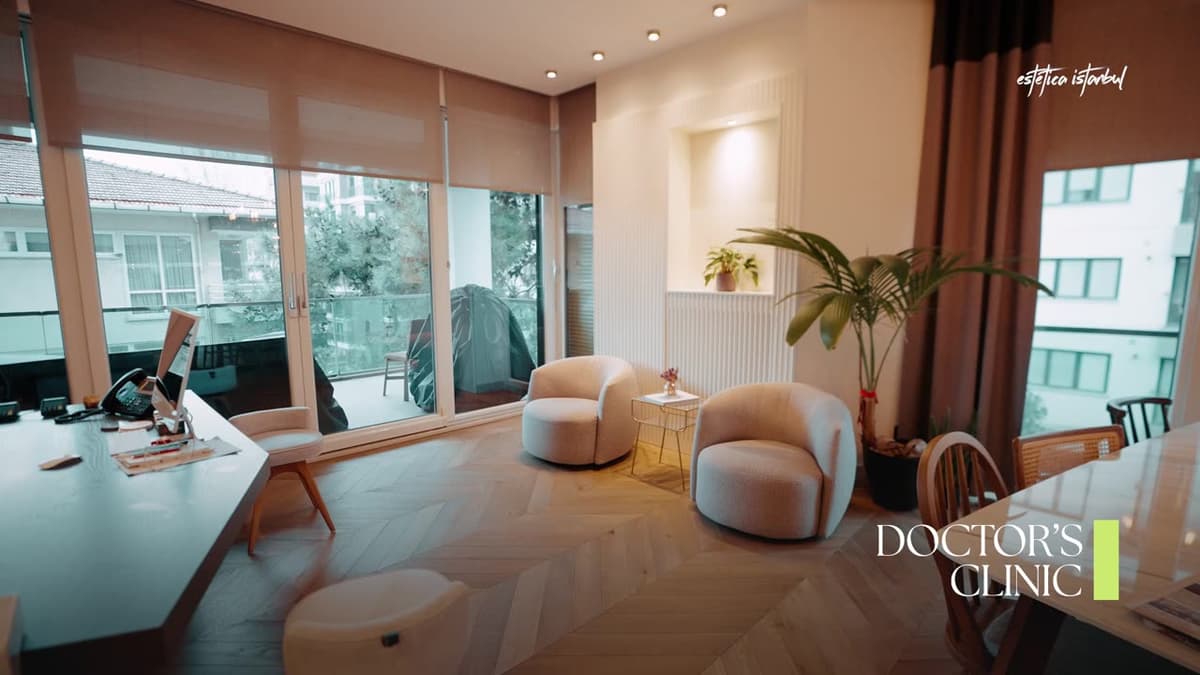
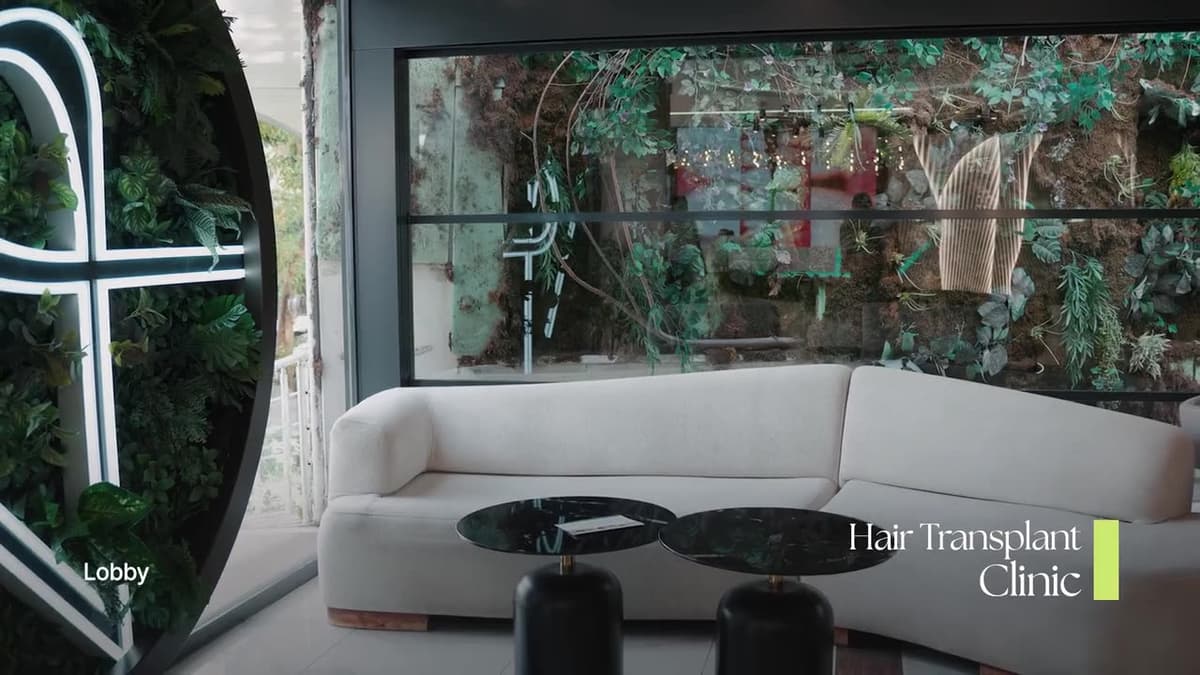
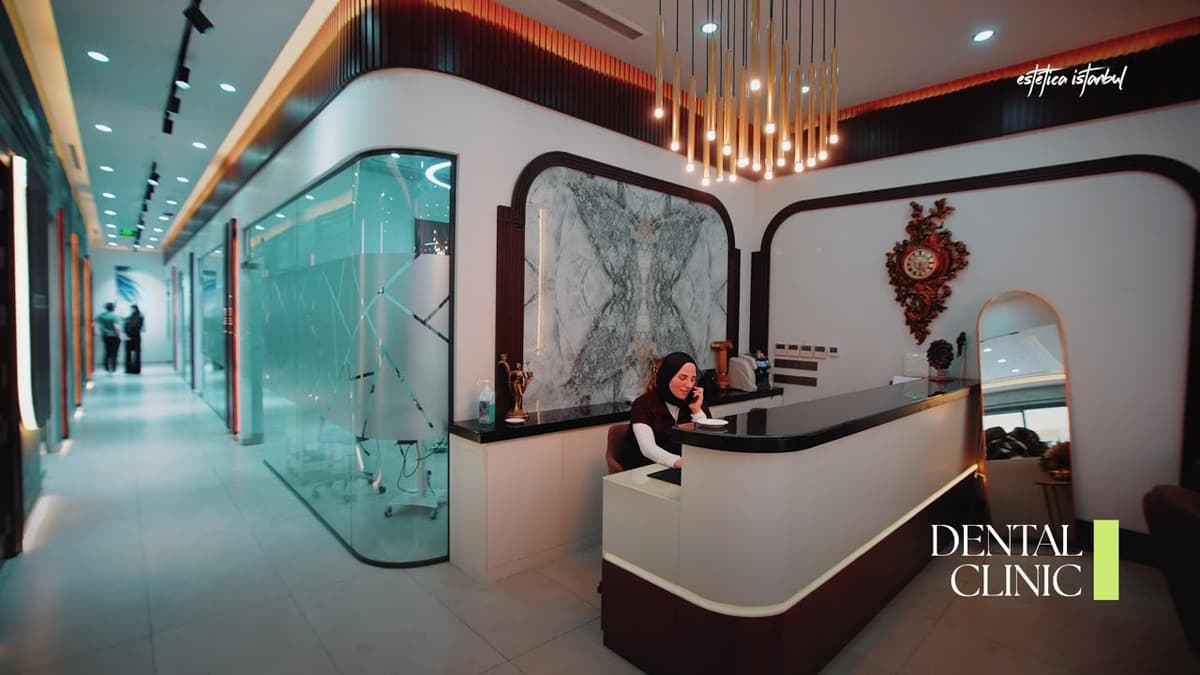
Istigh sa chlinic ina ndéantar do thrasphlandú
Scannánaithe i Meán Fómhair 2026 — gan aon phíosaí stoic. An forhalla, an seomra comhairliúcháin, an seomra PRP, na seomraí cóireála. Is í ár bhfoireann de mháistir-theicneoirí a dhéanann do thrasphlandú sa chlinic gruaige tiomnaithe seo, agus ár n-ospidéal comhpháirtíochta creidiúnaithe ag JCI ar fuireachas.
Do Thuras. Ár Lámha.
Ón gcéad teachtaireacht uait go dtí d'eitilt abhaile — déanaimidne an lóistíocht a bhainistiú. Díríonn tusa ar an toradh ar tháinig tú faoina dhéin.
Comhairliúchán Saor in Aisce
Seol grianghraif agus do chuid spriocanna chugainn ar WhatsApp. Déanaimid iad a mheas in éineacht leis an máinlia agus seolaimid meastachán mionsonraithe chugat laistigh de 24 uair an chloig, agus gach rud san áireamh. Níl aon éarlais ag teastáil chun labhairt linn.
Déanaimid an Lóistíocht a Láimhseáil
Chomh luath is a dhéanann tú an cinneadh, cuirimid d'eitiltí, d'óstán agus na haistrithe VIP in áirithe. Tástálacha réamhobráide, iontráil san ospidéal, tacaíocht i mBéarla — socraítear gach rud sula dtuirlingíonn tú.
An Obráid san Ospidéal atá Creidiúnaithe ag JCI
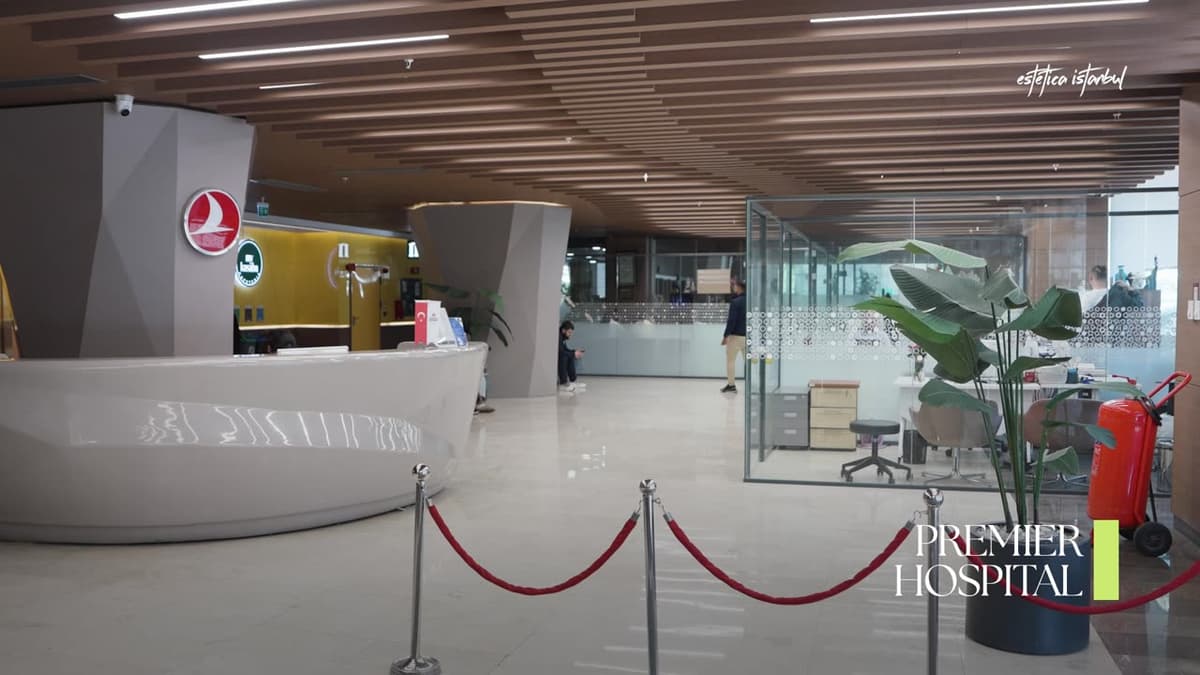
Déantar d'obráid taobh istigh d'ospidéal atá creidiúnaithe go hiomlán — foirne tiomnaithe ainéistéise agus altranais, dianchúram ar an urlár céanna, caighdeáin idirnáisiúnta sábháilteachta. Ní clinic lae ar chúlsráid é riamh.
Clinicí Speisialtóireachta don Mhiongháire agus don Ghruaig
Déantar cóireálacha neamh-mháinliachta in ionaid a tógadh chuige sin — ár gclinic fiaclóireachta tiomnaithe do shnasáin, do choróin agus d'ionchlannáin, agus ár gclinic athchóirithe gruaige don trasphlandú. Foirne nach ndéanann ach an obair sin, lá i ndiaidh lae, a reáchtálann gach ceann acu.
Téarnamh, Cúram Leantach agus Do Mhiongháire
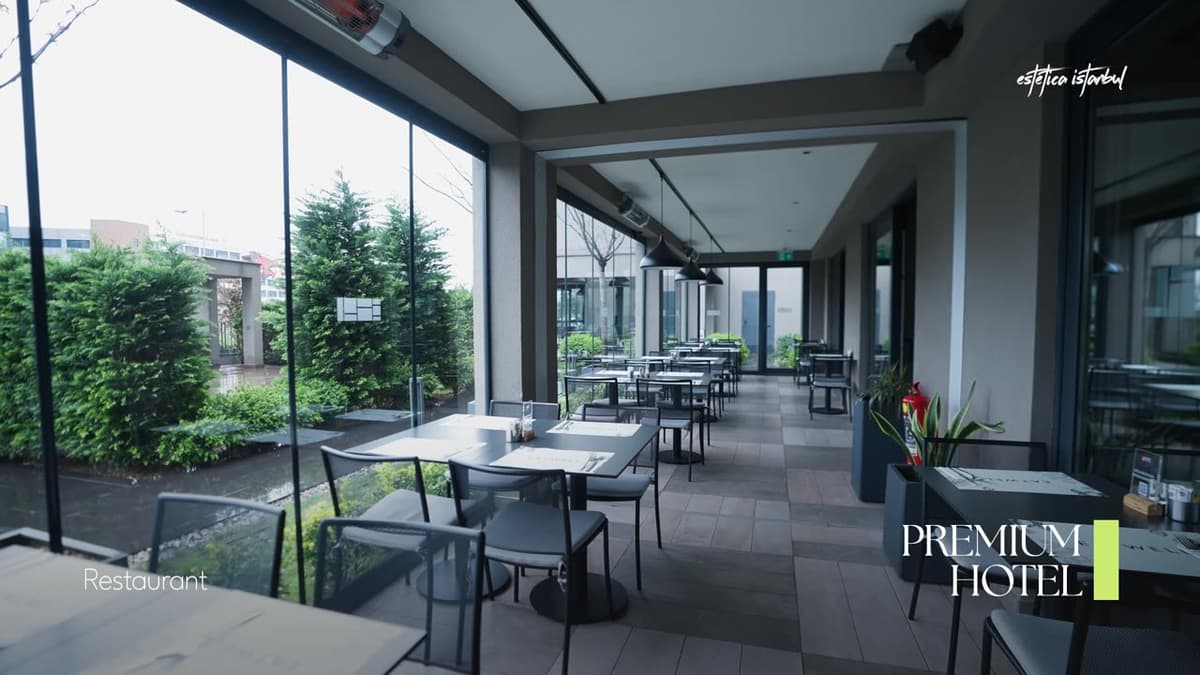
Déanann tú téarnamh in óstán ina bhfuil cúram leighis ar an láthair, agus ansin eitlíonn tú abhaile. Coinnímid teagmháil leantach leat go cianda ar feadh bliana iomláine — agus má thagann aimhréidh chun cinn, íocaimid as comhairliúcháin chianda le do mháinlia agus, i gcásanna neamhchoitianta, as obráid athbhreithnithe — leis an uasghrádú Antwell.
Comhairliúchán Saor in Aisce
Seol grianghraif agus do chuid spriocanna chugainn ar WhatsApp. Déanaimid iad a mheas in éineacht leis an máinlia agus seolaimid meastachán mionsonraithe chugat laistigh de 24 uair an chloig, agus gach rud san áireamh. Níl aon éarlais ag teastáil chun labhairt linn.
Déanaimid an Lóistíocht a Láimhseáil
Chomh luath is a dhéanann tú an cinneadh, cuirimid d'eitiltí, d'óstán agus na haistrithe VIP in áirithe. Tástálacha réamhobráide, iontráil san ospidéal, tacaíocht i mBéarla — socraítear gach rud sula dtuirlingíonn tú.
An Obráid san Ospidéal atá Creidiúnaithe ag JCI
Déantar d'obráid taobh istigh d'ospidéal atá creidiúnaithe go hiomlán — foirne tiomnaithe ainéistéise agus altranais, dianchúram ar an urlár céanna, caighdeáin idirnáisiúnta sábháilteachta. Ní clinic lae ar chúlsráid é riamh.
Clinicí Speisialtóireachta don Mhiongháire agus don Ghruaig
Déantar cóireálacha neamh-mháinliachta in ionaid a tógadh chuige sin — ár gclinic fiaclóireachta tiomnaithe do shnasáin, do choróin agus d'ionchlannáin, agus ár gclinic athchóirithe gruaige don trasphlandú. Foirne nach ndéanann ach an obair sin, lá i ndiaidh lae, a reáchtálann gach ceann acu.
Téarnamh, Cúram Leantach agus Do Mhiongháire
Déanann tú téarnamh in óstán ina bhfuil cúram leighis ar an láthair, agus ansin eitlíonn tú abhaile. Coinnímid teagmháil leantach leat go cianda ar feadh bliana iomláine — agus má thagann aimhréidh chun cinn, íocaimid as comhairliúcháin chianda le do mháinlia agus, i gcásanna neamhchoitianta, as obráid athbhreithnithe — leis an uasghrádú Antwell.
Céard atá san áireamh
Nach bhfuil san áireamh
An méid a deir ár n-othair
Ceisteanna coitianta
How natural does a beard transplant look?
How many grafts do I need for a full beard?
Does a beard transplant hurt?
How long until I can shave after beard transplant?
How much does beard transplant cost in Istanbul?


Tuilleadh léitheoireachta

DHI Hair Transplant Turkey Cost: The 2026 Price, and When to Pay Less
DHI hair transplant in Turkey starts from €2,450 all-inclusive. What that covers, why standard FUE at €2,150 is often the smarter buy, and how to judge a clinic without using price as the filter.
Female Hair Transplant in Turkey: Cost, Candidacy and What to Check First
A female hair transplant in Turkey costs from €2,450 all-inclusive with a no-shave DHI technique. But many women should treat the cause of their hair loss before booking surgery — here is the real cost, who is a candidate, and who should wait.
Hair Transplant in Italy: Cost, How It Works and Turkey Compared
A hair transplant in Italy costs from €3,500 all-inclusive when the Istanbul team travels to an authorised Italian partner clinic — €1,350 more than Turkey, with no flight. What is included, who each option suits, and honest risks.