
Gastric Sleeve
Gastric sleeve di Istanbul — sleeve gastrectomy laparoskopik untuk penurunan berat badan yang signifikan ketika pendekatan lain tidak berhasil. Sudah termasuk semua dengan jalur perawatan lanjutan 12 bulan: gizi, psikologi, pemeriksaan darah, dan kontrol dalam bahasa Inggris. Pengawasan medis Dr. Güleş, rumah sakit terakreditasi JCI.
mulai€3.570US$4,140£3,070CA$5,750A$5,820NZ$7,070· Sudah termasuk semua
Dipercaya oleh 6,000+ pasien internasional
Dapatkan Konsultasi Gratis Anda
Tim medis mitra kami akan meninjau kasus Anda dan mengirimkan rencana perawatan yang dipersonalisasi dalam 24 jam.
Hemat hingga 82% di Istanbul
Harga sudah termasuk semua pada umumnya berdasarkan negara. Sumber: ASPS, RealSelf, daftar tarif klinik besar di Inggris/Amerika, 2025.
Turki (Istanbul)
mulai €3.570US$4,140£3,070CA$5,750A$5,820NZ$7,070
hemat 82%
Inggris Raya
mulai €16.000US$18,560£13,760CA$25,760A$26,080NZ$31,680
Amerika Serikat
mulai €19.500US$22,620£16,770CA$31,400A$31,780NZ$38,610
Italia
mulai €10.500US$12,180£9,030CA$16,910A$17,120NZ$20,790
Jerman
mulai €10.500US$12,180£9,030CA$16,910A$17,120NZ$20,790
Durasi
1–2 jam
Anestesi
Bius total
Menginap di Rumah Sakit
3 malam
Kembali Bekerja
2 minggu
Waktu Pemulihan
3–4 minggu
Hasil Terlihat
12–18 bulan
Sekilas
- Apa itu?
- Gastric sleeve di Istanbul — pengangkatan 75–80% lambung secara laparoskopik. Sudah…
- Biaya
- €3,570 — sudah termasuk semua meliputi dokter bedah, rumah sakit, hotel, transfer, dan perawatan lanjutan; penerbangan tidak termasuk
- Pemulihan
- 3–4 minggu
- Keamanan & risiko
- Dilakukan di rumah sakit terakreditasi JCI di Istanbul. Konten medis ditinjau oleh Dr. Mustafa Ekrem Güleş. Setiap prosedur memiliki risiko — konsultasi Anda akan membahas kelayakan dan kemungkinan komplikasi secara jujur.
Gastric sleeve — sleeve gastrectomy laparoskopik — adalah operasi bariatrik yang paling banyak dilakukan di dunia dan umumnya menjadi pilihan yang kami rekomendasikan bagi pasien yang memenuhi kriteria bariatrik dan tidak merespons pendekatan nonbedah. Dokter bedah mengangkat sekitar 75–80% lambung, menyisakan bagian berbentuk tabung (menyerupai selongsong) dengan kapasitas sekitar 150 ml. Asupan makanan berkurang secara signifikan; perubahan hormonal (menurunnya produksi ghrelin dari bagian yang direseksi) mengurangi rasa lapar; penurunan berat badan selama dua belas hingga delapan belas bulan umumnya mencapai 60–70% dari kelebihan berat badan.
Sebelum menjelaskan operasinya, kami perlu jujur tentang seperti apa program bariatrik yang serius — dan mengapa media di Inggris, Amerika Serikat, dan Australia benar ketika memperingatkan tentang wisata bariatrik murah yang tidak memilikinya. Gastric sleeve bukan sekadar operasinya; ia adalah operasi ditambah dua belas hingga delapan belas bulan dukungan gizi, pemantauan psikologis, dan kontrol medis. Klinik yang melakukan operasinya tanpa program ini meninggalkan pasien terlantar setelah pulang ke negaranya, dan dari situlah komplikasi, kenaikan berat badan kembali, serta tragedi yang diberitakan media itu bermula.
Siapa yang cocok menjalani gastric sleeve
Bedah bariatrik ditujukan bagi pasien yang memenuhi kriteria medis tertentu, bukan untuk pengelolaan berat badan secara umum. Kandidat yang tepat umumnya memiliki IMT di atas 35 dengan penyakit penyerta terkait obesitas yang signifikan (diabetes tipe 2, hipertensi, apnea tidur, gangguan sendi yang berat), atau IMT di atas 40 tanpa penyakit penyerta; telah menjalani setidaknya dua belas bulan upaya penurunan berat badan nonbedah yang terdokumentasi (diet, olahraga, sering kali obat GLP-1) tanpa mencapai hasil yang diperlukan; berusia antara delapan belas hingga sekitar enam puluh lima tahun (di luar rentang ini dinilai kasus per kasus); tidak memiliki kontraindikasi medis aktif (penyakit kardiovaskular yang tidak stabil, gangguan fungsi hati yang berat, kanker aktif, penyalahgunaan zat aktif); siap secara psikologis — kriteria yang paling sering diremehkan — untuk perubahan pola makan yang permanen, serta bersedia berkomitmen pada suplemen gizi dan kontrol seumur hidup; dan tidak merokok atau telah berhenti merokok setidaknya empat minggu sebelum operasi.
Konteks GLP-1
Dalam dua hingga tiga tahun terakhir kami melihat kelompok pasien yang signifikan dan terus bertambah, yaitu mereka yang telah menurunkan berat badan cukup banyak dengan semaglutide atau tirzepatide (Ozempic, Wegovy, Mounjaro) lalu mengalami stagnasi, naik kembali setelah berhenti, atau menghadapi kendala biaya dan akses untuk melanjutkan obatnya. Bagi banyak pasien tersebut, sleeve adalah langkah logis berikutnya — perubahan struktural pada anatomi yang tidak menuntut suntikan bulanan untuk mempertahankannya.
Saat konsultasi kami menilai hal ini secara jujur: sebagian pasien yang menggunakan GLP-1 justru lebih terbantu dengan melanjutkan obatnya (sleeve tidak selalu menjadi jawaban); sebagian lainnya memang kandidat untuk melangkah ke pembedahan. Kami membahas keputusan ini dengan kehati-hatian yang diperlukan.
Prosedur bedah, langkah demi langkah
Dilakukan dengan anestesi umum di rumah sakit terakreditasi JCI dengan tim anestesi yang terspesialisasi di bidang bariatrik. Durasinya satu hingga satu setengah jam. Menginap dua malam di rumah sakit adalah hal yang standar.
Operasi dilakukan secara laparoskopik — empat hingga lima sayatan kecil (5–12 mm) di perut bagian atas, yang melaluinya dokter bedah dan timnya melihat lambung dan melakukan reseksi. Lambung dipisahkan sepanjang sisinya menggunakan garis stapler; bagian berlebih diangkat; sisa lambung diuji kebocorannya lalu ditutup. Tidak ada sayatan terbuka di luar tubuh.
Program perawatan lanjutan — pembeda kami
Inilah yang membedakan program bariatrik yang serius dari wisata bariatrik. Untuk setiap pasien gastric sleeve, kami menyertakan:
Praoperasi: pemeriksaan darah menyeluruh (termasuk vitamin, mineral, tiroid, fungsi hati), penilaian gizi, skrining psikologis, dan minimal dua minggu diet praoperasi untuk mengecilkan hati yang diberikan dalam bahasa Inggris beserta rencana makan yang spesifik.
Di rumah sakit: minimal dua malam menginap dengan pemantauan berkelanjutan, uji kebocoran sebelum pemulangan, protokol penanganan nyeri, dan pemulangan hanya bila kondisi klinis sudah stabil.
Segera setelah operasi: progresi diet yang terstruktur (cairan bening → cairan penuh → makanan lumat → makanan lunak → makanan padat) dengan jadwal yang spesifik; suplemen gizi (protein, multivitamin, B12, zat besi, vitamin D, kalsium) yang diberikan saat pemulangan beserta petunjuk suplementasi lanjutan; obat antirefluks selama minimal tiga bulan.
Pemantauan jangka panjang: pemeriksaan darah pada bulan ke-3, ke-6, dan ke-12 yang dikoordinasikan dengan dokter umum Anda di Inggris/Irlandia/AS/Kanada/Australia/Selandia Baru; ahli gizi berbahasa Inggris yang dapat dihubungi melalui WhatsApp selama dua belas bulan pascaoperasi untuk perencanaan makan, penanganan gejala, dan pemecahan masalah; dukungan psikologis yang tersedia bila diminta; serta pemeriksaan pada bulan ke-24 untuk menilai risiko kenaikan berat badan kembali.
Program ini sudah termasuk dalam harga paket. Ini bukan tambahan dan bukan pilihan opsional.
Pemulihan
Minggu 1
Dua malam menginap di rumah sakit, dilanjutkan pemulihan di hotel. Hanya cairan bening selama tujuh hari pertama — seruputan kecil yang sering, meningkat hingga sekitar 1,5 liter per hari. Rasa tidak nyaman ringan hingga sedang di perut yang dikendalikan dengan analgesik yang diresepkan. Berjalan kaki sejak hari pertama — berjalan mengurangi risiko trombosis dan sifatnya wajib. Penerbangan pulang dijadwalkan pada hari ketujuh hingga kesepuluh, disesuaikan dengan pemulangan klinis.
Minggu 2–4
Beralih ke cairan penuh, lalu makanan lumat, kemudian makanan lunak, sesuai protokol yang spesifik. Ukuran porsi sangat kecil (3–4 sendok makan per waktu makan, 6 kali makan per hari). Suplementasi protein dilanjutkan. Kembali ke pekerjaan kantor realistis pada minggu kedua hingga ketiga. Tidak mengangkat beban berat selama enam minggu.
Bulan 2–6
Beralih ke makanan padat. Penurunan berat badan paling cepat pada fase ini (umumnya 10–15 kg/bulan pada awalnya, lalu melambat). Suplementasi gizi dilanjutkan. Pemeriksaan darah rutin pada bulan ke-3 dan ke-6.
Bulan 6–18
Penurunan berat badan berlanjut secara lebih bertahap. Pada bulan ke-12–18 sebagian besar pasien telah kehilangan 60–70% kelebihan berat badannya. Pemantauan gizi terus berlanjut. Pertimbangan untuk bedah pembentukan tubuh pascabariatrik biasanya mulai dibahas pada bulan ke-12–18, ketika berat badan sudah stabil.
Risiko dan ekspektasi yang realistis
Risiko yang perlu dikatakan jujur: kebocoran pada garis stapler (komplikasi dini yang paling serius — kami mengujinya sebelum pemulangan dan kasus yang serius muncul dalam hitungan hari, bukan minggu); perdarahan yang memerlukan operasi ulang; tromboemboli vena (alasan kami menegaskan mobilisasi dini); refluks/GERD (dapat muncul atau memburuk setelah sleeve — sebagian pasien pada akhirnya memerlukan konversi ke gastric bypass); defisiensi gizi jangka panjang bila suplementasi tidak dijaga (itulah sebabnya program kami mencakup pemantauan terstruktur); serta kenaikan berat badan kembali pada tahun ke-3–10 bila pola makan kembali seperti sebelum operasi.
Kami jujur mengenai risiko naiknya kembali berat badan. Sleeve bukan solusi selamanya yang terlepas dari perilaku — ia adalah perubahan struktural yang memungkinkan perubahan perilaku, dan 20% pasien yang berat badannya naik kembali secara signifikan pada 5+ tahun adalah mereka yang tidak menggarap dimensi perilakunya. Program perawatan lanjutan dirancang untuk menekan risiko ini.
Gastric sleeve vs gastric bypass vs balon lambung — pohon keputusan yang jujur
Gastric sleeve: rekomendasi kami yang paling sering untuk pasien yang memenuhi kriteria bariatrik dengan IMT 35–50. Perubahan struktural yang permanen, penurunan 60–70% kelebihan berat badan, dan lebih mempertahankan anatomi dibandingkan bypass.
Gastric bypass: umumnya untuk IMT di atas 50, untuk pasien dengan refluks yang berat, atau ketika sleeve tidak berhasil. Operasi yang lebih kompleks dengan kebutuhan pemantauan gizi jangka panjang yang lebih tinggi, tetapi hasil penurunan berat badan jangka panjangnya lebih baik pada rentang IMT tertinggi.
Balon lambung: bersifat sementara (enam atau dua belas bulan), nonbedah, untuk rentang IMT 27–35, biasanya sebagai jembatan menuju perubahan perilaku. Bukan pengganti sleeve atau bypass bagi pasien yang memenuhi syarat bariatrik.
Saat konsultasi kami menilai IMT, penyakit penyerta, riwayat refluks, dan konteks gaya hidup Anda, lalu merekomendasikan operasi yang sesuai. Kami tidak menjual sleeve kepada setiap penelepon — operasi yang tepat adalah operasi yang cocok dengan pasiennya.
Mengapa Istanbul dibandingkan destinasi lain
Volume bariatrik di Turki termasuk yang tertinggi di dunia, dan itu menghasilkan dua hal: pengalaman bedah kumulatif yang sulit ditandingi, serta efisiensi biaya yang tidak dapat ditiru sistem kesehatan lain. Digabungkan dengan rumah sakit yang benar-benar terakreditasi JCI dan program perawatan lanjutan yang serius, hasil klinis dan keamanannya setara dengan praktik swasta di Inggris atau Amerika Serikat dengan biaya jauh lebih rendah.
Dr. Mustafa Ekrem Güleş memberikan persetujuan klinis untuk setiap pasien sebelum operasi. Tim bariatrik mitra kami telah melakukan ribuan sleeve gastrectomy dan volume pengalaman itu terlihat hasilnya.
Mengapa bukan gastric sleeve €2.000
Pada gastric sleeve, harga termurah dibayar dengan model "bariatrik kilat" tiga hari yang memang pantas dikritik media Inggris dan Amerika Serikat. Klinik yang menawarkan sleeve seharga €2.000 sering melakukan operasi tanpa pemeriksaan praoperasi yang menyeluruh, memulangkan pasien dalam 48 jam (sebelum kebocoran realistis terdeteksi), tidak menyediakan program perawatan lanjutan, dan tidak punya jalur penanganan untuk komplikasi yang pasti muncul pada sebagian pasien.
Yang Anda bayar bersama kami dapat diverifikasi: penilaian praoperasi yang menyeluruh (pemeriksaan darah, psikologi, gizi), minimal dua malam menginap di rumah sakit, uji kebocoran sebelum pemulangan, program perawatan lanjutan 12 bulan yang terstruktur dengan ahli gizi berbahasa Inggris, rumah sakit terakreditasi JCI, serta kontrol pada bulan ke-1, ke-3, ke-6, dan ke-12 dengan pemeriksaan darah yang dikoordinasikan dengan dokter umum Anda.
Komitmen kami — dan kejujuran kami
Dokter bedah mitra kami tidak akan melanjutkan operasi bagi pasien yang tidak memenuhi kriteria bariatrik. Mereka tidak akan melanjutkan operasi bagi pasien yang kondisi psikologis atau medisnya membuat operasi menjadi kontraindikasi. Mereka tidak akan melanjutkan operasi bagi perokok yang menolak berhenti. Standar itu ada demi alasan keselamatan. Menghormatinya adalah yang membedakan program yang serius dari operasi yang sekadar mengejar angka.
Tim berbahasa Inggris — dari pesan pertama hingga pemeriksaan bulan ke-24
Tim kami membalas dalam bahasa Inggris melalui WhatsApp, telepon, dan email. Khusus untuk gastric sleeve, Anda memiliki kontak tambahan: ahli gizi berbahasa Inggris selama 12 bulan pascaoperasi untuk perencanaan makan dan pemecahan masalah gejala, serta koordinator berbahasa Inggris untuk pemeriksaan darah lanjutan dan komunikasi dengan dokter umum Anda. Pemulihan bariatrik memunculkan banyak pertanyaan pada banyak tahap — kami memberikan jawaban dalam bahasa Inggris secara langsung sepanjang prosesnya.
Mintalah konsultasi gratis Anda — tim kami membalas pada jam kerja Inggris/Irlandia dan pada jendela kedua yang mencakup wilayah AS bagian Timur hingga pagi hari di Australia. Penilaian awal berbasis IMT dan evaluasi kelayakan pada hari yang sama.
Tentukan arti keberhasilan selain angka pada timbangan
Sampaikan kepada tim bariatrik apa yang ingin Anda perbaiki melalui perawatan: mobilitas, kemampuan menjalankan kegiatan sehari-hari, pengalaman Anda saat makan, atau kondisi medis yang sudah Anda alami. Tanyakan tujuan mana yang mungkin dapat dicapai melalui operasi dan mana yang memerlukan perawatan tersendiri. Perkiraan angka penurunan berat badan tidak boleh menggantikan pembahasan tersebut.
Simpan catatan perawatan sebelumnya, termasuk obat-obatan, dukungan pengelolaan berat badan yang terstruktur, dan operasi terdahulu. Jelaskan apa yang membantu, apa yang sulit, dan mengapa suatu perawatan berakhir. Konsultasi seharusnya menggunakan riwayat tersebut tanpa menganggap kesulitan sebelumnya sebagai kegagalan pribadi.
Pahami bahwa operasi ini bersifat permanen
Penjelasan NIDDK tentang prosedur bariatrik membedakan operasi sleeve, yang mengangkat sebagian lambung, dari prosedur bypass yang mengubah jalur makanan melalui saluran pencernaan. Mintalah dokter bedah menjelaskan perubahan anatomi yang direncanakan dan mengapa perubahan itu direkomendasikan untuk Anda.
Tanyakan juga hal-hal yang tidak otomatis teratasi oleh operasi. Jika Anda menggunakan obat-obatan atau mengalami gejala refluks, bicarakan hal tersebut dengan tim bariatrik sebelum memilih operasi. Jangan berhenti menggunakan obat hanya karena sebuah situs web menjelaskan adanya perbaikan setelah operasi.
Masukkan tindak lanjut ke dalam anggaran dan jadwal Anda
Mintalah rencana tertulis yang menyebutkan tenaga klinis yang terlibat dalam tindak lanjut, jadwal konsultasi yang diharapkan setelah Anda pulang, dan siapa yang mengatur pemantauan jika diperlukan. Tanyakan biaya layanan di luar paket.
Jangan berasumsi bahwa dokter yang biasanya merawat Anda telah menyetujui untuk melakukan seluruh pemeriksaan yang direncanakan. Bicarakan pengaturan setempat sebelum bepergian, dan bagikan ringkasan perawatan yang diusulkan kepada tenaga klinis yang mungkin akan merawat Anda setelahnya. Kontak jarak jauh dengan koordinator berbeda dari konsultasi klinis.
Sesuaikan rencana makan dengan kehidupan Anda
Mintalah ahli diet menjelaskan bagaimana rencana yang diresepkan dapat diterapkan sesuai dengan kehidupan rumah tangga, jadwal kerja, preferensi budaya, dan anggaran Anda. Mintalah panduan untuk situasi yang mungkin Anda hadapi, alih-alih menyalin daftar makanan pasien lain.
Jika sarannya sulit dipahami, mintalah penjelasan sebelum Anda dipulangkan. Jangan menyusun sendiri tahapan pola makan, aturan penggunaan suplemen, atau target asupan cairan yang dianggap berlaku untuk semua orang berdasarkan media sosial. Rincian tersebut seharusnya berasal dari tim yang merawat Anda.
Apakah paket mencakup program jangka panjang yang lengkap?
Tanyakan konsultasi dan layanan apa saja yang termasuk serta berapa lama cakupannya. Mintalah daftar layanan yang sebenarnya secara tertulis; nama paket saja tidak cukup.
Apakah operasi sleeve selalu menjadi langkah berikutnya setelah obat penurun berat badan?
Jangan berasumsi bahwa ada tahapan lanjutan yang otomatis. Mintalah dokter bariatrik membandingkan pilihan yang tersedia berdasarkan riwayat medis Anda.
Bisakah saya menentukan tanggal kepulangan berdasarkan jumlah malam dalam paket?
Tidak. Pastikan baik akomodasi yang telah dipesan maupun rencana perjalanan individual berdasarkan pertimbangan klinis. Penerbangan tidak termasuk.
Perjalanan Anda. Kami yang Mengurus.
Dari pesan pertama Anda hingga penerbangan pulang — kami yang mengatur logistiknya. Anda cukup fokus pada hasil yang Anda tuju.

Konsultasi Gratis
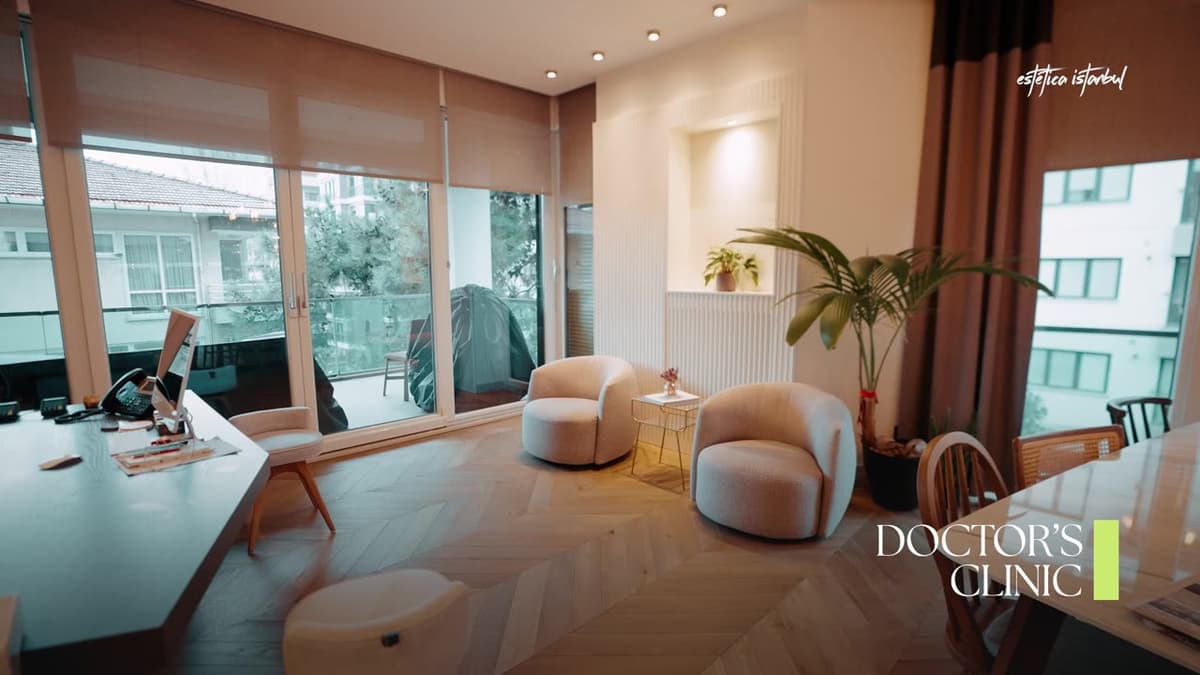
Kirimkan foto dan tujuan Anda melalui WhatsApp. Kami membahasnya bersama dokter bedah dan mengirimkan penawaran harga terperinci yang sudah termasuk semua dalam 24 jam. Tanpa deposit untuk berkonsultasi.
Kami Mengurus Logistiknya
Setelah Anda memutuskan, kami memesan penerbangan, hotel, dan transfer VIP Anda. Pemeriksaan pra-operasi, penerimaan di rumah sakit, dukungan berbahasa Inggris — semua diatur sebelum Anda mendarat.
Operasi di Rumah Sakit Terakreditasi JCI
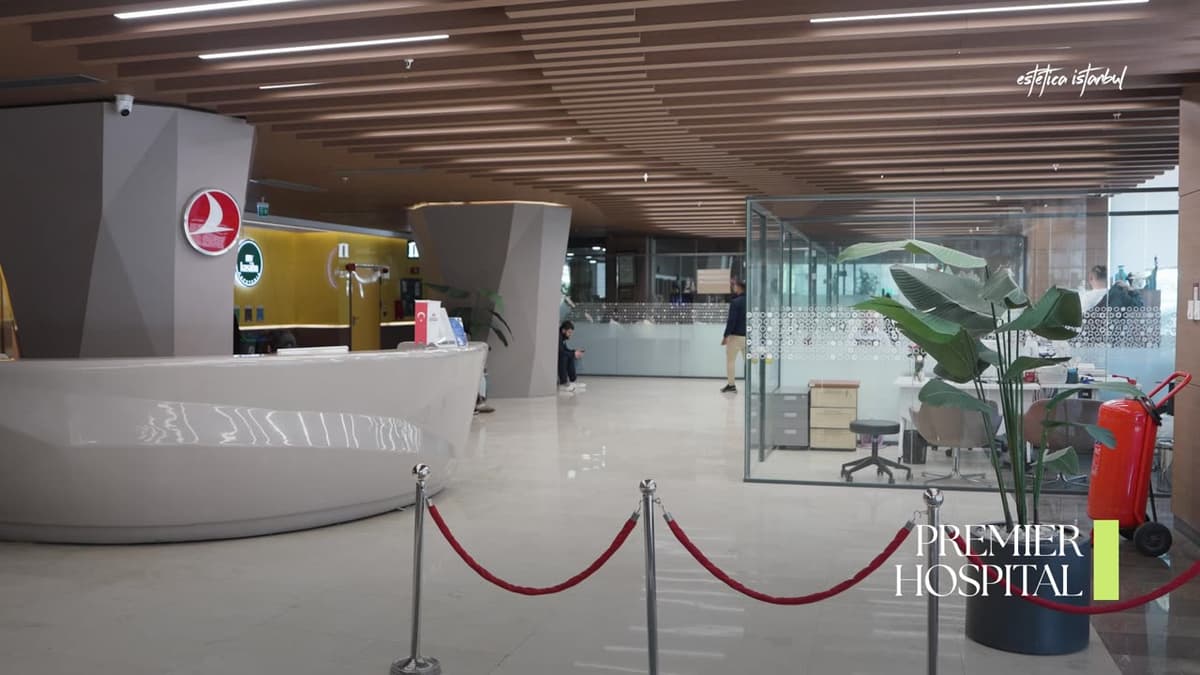
Operasi Anda berlangsung di dalam rumah sakit yang terakreditasi penuh — tim anestesi dan keperawatan khusus, unit perawatan intensif di lantai yang sama, standar keselamatan internasional. Bukan klinik harian pinggir jalan.
Klinik Spesialis untuk Senyum & Rambut
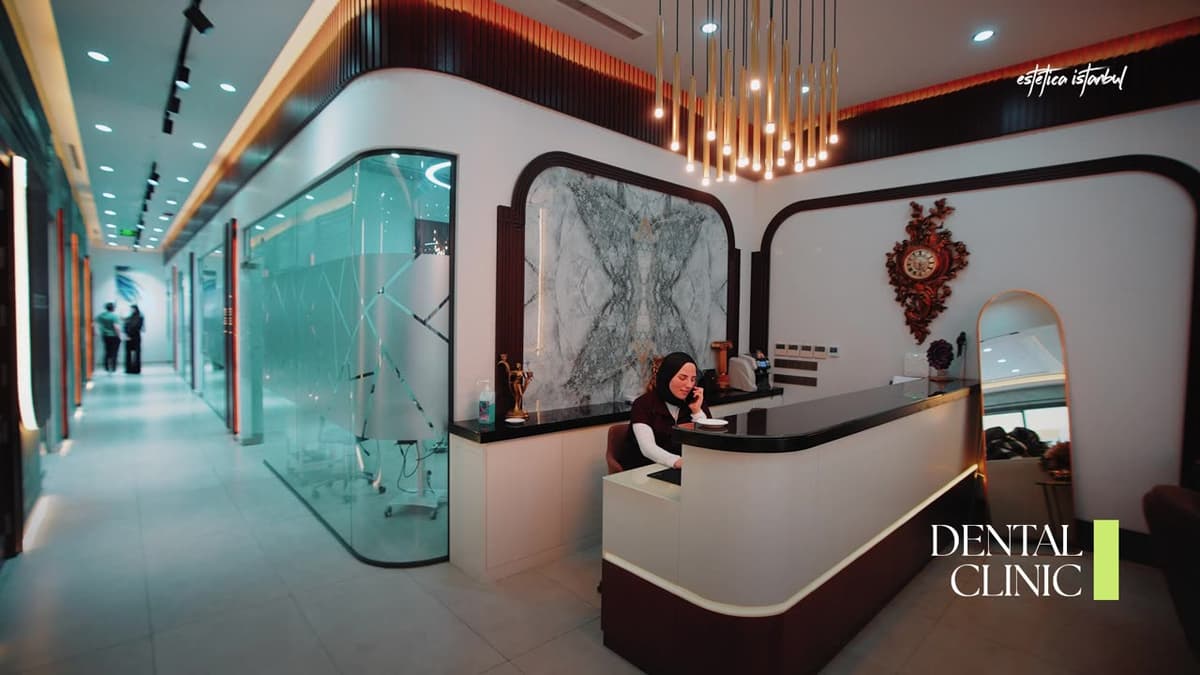
Perawatan non-bedah dilakukan di fasilitas yang dirancang khusus — klinik gigi mitra kami untuk veneer, mahkota, dan implan, serta klinik restorasi rambut mitra kami untuk transplantasi. Masing-masing dijalankan oleh tim yang hanya menangani bidang itu, setiap hari.
Pemulihan, Kontrol Lanjutan & Senyum Anda
Anda memulihkan diri di hotel dengan layanan medis di lokasi, lalu terbang pulang. Kami menindaklanjuti dari jarak jauh selama satu tahun penuh — dan jika terjadi komplikasi, kami menanggung konsultasi jarak jauh dengan dokter bedah Anda dan, pada kasus yang jarang terjadi, operasi revisi — dengan upgrade Antwell.
Konsultasi Gratis
Kirimkan foto dan tujuan Anda melalui WhatsApp. Kami membahasnya bersama dokter bedah dan mengirimkan penawaran harga terperinci yang sudah termasuk semua dalam 24 jam. Tanpa deposit untuk berkonsultasi.
Kami Mengurus Logistiknya
Setelah Anda memutuskan, kami memesan penerbangan, hotel, dan transfer VIP Anda. Pemeriksaan pra-operasi, penerimaan di rumah sakit, dukungan berbahasa Inggris — semua diatur sebelum Anda mendarat.
Operasi di Rumah Sakit Terakreditasi JCI
Operasi Anda berlangsung di dalam rumah sakit yang terakreditasi penuh — tim anestesi dan keperawatan khusus, unit perawatan intensif di lantai yang sama, standar keselamatan internasional. Bukan klinik harian pinggir jalan.
Klinik Spesialis untuk Senyum & Rambut
Perawatan non-bedah dilakukan di fasilitas yang dirancang khusus — klinik gigi mitra kami untuk veneer, mahkota, dan implan, serta klinik restorasi rambut mitra kami untuk transplantasi. Masing-masing dijalankan oleh tim yang hanya menangani bidang itu, setiap hari.
Pemulihan, Kontrol Lanjutan & Senyum Anda
Anda memulihkan diri di hotel dengan layanan medis di lokasi, lalu terbang pulang. Kami menindaklanjuti dari jarak jauh selama satu tahun penuh — dan jika terjadi komplikasi, kami menanggung konsultasi jarak jauh dengan dokter bedah Anda dan, pada kasus yang jarang terjadi, operasi revisi — dengan upgrade Antwell.
Apa Saja yang Termasuk
Tidak Termasuk
Sebelum & Sesudah
Pertanyaan yang Sering Diajukan
Berapa berat badan yang akan turun dengan gastric sleeve?
Berapa biaya gastric sleeve di Istanbul?
Berapa lama masa pemulihannya?
Berapa tingkat keberhasilan gastric sleeve?
Apakah akan ada kulit berlebih setelah berat badan turun?
Apa yang boleh saya makan setelah gastric sleeve?
Bacaan Lanjutan
 mulai dari €1.180
Biaya bichectomy 2026: €1.180 di Istanbul dibanding €2.300 di Jerman, €2.600 di Italia, dan €4.083 di Inggris
Paket Istanbul mulai €1.180, dibanding €2.300 di Jerman, €2.600 di Italia, €4.083 di Inggris, dan €4.403 sebagai batas bawah realistis di AS. Terhadap Inggris dan AS, penghematan bertahan melewati semua biaya perjalanan. Terhadap Jerman dan Italia, penerbangan €350 memakan sekitar sepertiga selisihnya.
 mulai dari €3.550
Biaya Pengangkatan Alis 2026: €3.550 di Istanbul, Lebih Murah daripada Inggris, Jerman, dan AS tetapi Tidak Lebih Murah daripada Italia
Pengangkatan alis berharga €3.550 sudah termasuk semuanya melalui Estetica Istanbul, £5.500 hingga £10.500 di London, $5.460 sebagai honor dokter bedah saja di Amerika Serikat, dan €8.000 hingga €13.000 untuk teknik endoskopik di Jerman. Rentang Italia yang dipublikasikan, €2.500 hingga €5.000, beririsan dengan paket Istanbul dan berada di bawahnya pada ujung terendah, sehingga harga saja tidak membenarkan perjalanan dari Italia.
 mulai dari €4.020
Biaya Implan Dagu 2026: €4020 di Istanbul, Lebih Murah dari Inggris dan Amerika Serikat tetapi Tidak Lebih Murah dari Jerman atau Italia
Implan dagu yang dipesan melalui Estetica Istanbul berharga €4020 sebagai paket all-inclusive. Itu adalah penghematan yang jelas dibandingkan Inggris (£4500-£6500) dan Amerika Serikat ($3500 hingga lebih dari $11000), dan sama sekali bukan penghematan dibandingkan rata-rata Jerman sebesar €3466 atau rata-rata Italia sebesar €3276. Berikut angka-angkanya, sumbernya, dan satu situasi ketika terbang ke Istanbul demi dagu masih sepadan.