
Transplantasi Alis
Transplantasi alis di Istanbul — DHI (Direct Hair Implantation) untuk memulihkan atau membentuk ulang alis yang tipis, terlalu sering dicabut atau terkena jaringan parut. Sudut dan kepadatan yang presisi hingga milimeter. Hasil permanen — tidak perlu lagi retouch microblading. Pengawasan medis Dr. Güleş.
mulai€1.750US$2,030£1,510CA$2,820A$2,850NZ$3,470· Sudah termasuk semua
Ditinjau secara medis oleh Mustafa Ekrem Güleş, Op. Dr., dokter bedah plastik bersertifikat
Dipercaya oleh 6,000+ pasien internasional
Dapatkan Konsultasi Gratis Anda
Tim medis mitra kami akan meninjau kasus Anda dan mengirimkan rencana perawatan yang dipersonalisasi dalam 24 jam.
Hemat hingga 87% di Istanbul
Harga sudah termasuk semua pada umumnya berdasarkan negara. Sumber: ASPS, RealSelf, daftar tarif klinik besar di Inggris/Amerika, 2025.
Turki (Istanbul)
mulai €1.750US$2,030£1,510CA$2,820A$2,850NZ$3,470
hemat 87%
Inggris Raya
mulai €9.000US$10,440£7,740CA$14,490A$14,670NZ$17,820
Amerika Serikat
mulai €13.000US$15,080£11,180CA$20,930A$21,190NZ$25,740
Italia
mulai €6.000US$6,960£5,160CA$9,660A$9,780NZ$11,880
Jerman
mulai €6.500US$7,540£5,590CA$10,470A$10,600NZ$12,870
Durasi
2–3 jam
Anestesi
Bius lokal
Menginap di Rumah Sakit
Prosedur sehari
Kembali Bekerja
2–3 hari
Waktu Pemulihan
2–3 minggu
Hasil Terlihat
6–9 bulan
Sekilas
- Apa itu?
- Transplantasi alis di Istanbul — teknik DHI untuk membangun kembali alis yang tipis,…
- Biaya
- €1,750 — sudah termasuk semua meliputi dokter bedah, rumah sakit, hotel, transfer, dan perawatan lanjutan; penerbangan tidak termasuk
- Pemulihan
- 2–3 minggu
- Keamanan & risiko
- Dilakukan di rumah sakit terakreditasi JCI di Istanbul. Konten medis ditinjau oleh Dr. Mustafa Ekrem Güleş. Setiap prosedur memiliki risiko — konsultasi Anda akan membahas kelayakan dan kemungkinan komplikasi secara jujur.
Transplantasi alis membangun kembali alis yang tipis, jarang, terlalu sering dicabut atau rusak akibat jaringan parut menggunakan teknik DHI (Direct Hair Implantation). Graft diambil dari zona donor di kulit kepala dan ditempatkan satu per satu ke alis pada sudut, arah dan kepadatan yang persis diperlukan agar hasilnya alami. Prosedur ini bersifat permanen — berbeda dengan microblading, yang memerlukan retouch setiap dua belas hingga delapan belas bulan dan memudar secara bertahap selama bertahun-tahun.
Bagi sebagian besar pasien berbahasa Inggris yang memesan layanan kami, jalan menuju keputusan ini adalah sebuah perhitungan. Bertahun-tahun melakukan microblading seharga £400–600 per sesi, setiap 12–18 bulan, menghasilkan total pengeluaran selama satu dekade yang melampaui biaya sekali transplantasi. Hasil microblading memudar; hasil transplantasinya permanen; dan tampilan rambut asli — yang tumbuh pada sudut yang nyata dari folikel yang nyata — terlihat berbeda dari jarak dekat dibandingkan bentuk pigmen tato apa pun, seterampil apa pun pengerjaannya.
Siapa yang cocok menjalani transplantasi alis
Kandidat yang tepat umumnya wanita (70–80% pasien alis kami) atau pria (kelompok yang terus bertambah), biasanya berusia 30–55 tahun, dengan alis yang terlalu sering dicabut sejak era 1990-an/2000-an dan tidak pulih kembali; alis yang tipis atau jarang secara genetik; area yang terkena jaringan parut akibat cedera, tindik, atau prosedur kosmetik sebelumnya; alopesia areata yang mengenai zona alis (biasanya dengan remisi stabil setidaknya 12 bulan); rasa frustrasi terhadap siklus microblading yang memudar dan harus diulang; atau keinginan memiliki alis permanen yang dapat dipangkas, disikat dan dibentuk seperti rambut asli.
Pasien dengan alopesia areata yang belum berada dalam remisi stabil, penyakit kulit inflamasi yang masih aktif di area alis, atau trikotilomania yang saat ini mengenai alis (kebiasaan menarik rambut, yang juga akan memengaruhi rambut hasil transplantasi) sebaiknya menunda atau mempertimbangkannya kembali. Kami menapis kondisi-kondisi ini saat konsultasi.
DHI — mengapa tekniknya penting untuk alis
Alis adalah zona yang paling menuntut ketelitian milimeter dalam seluruh bidang restorasi rambut. Setiap helai rambut alis asli tumbuh pada sudut, arah dan kedalaman tertentu. Pangkal alis di bagian medial — bagian dalam yang paling dekat dengan hidung — tumbuh hampir tegak lurus ke atas. Badan alis tumbuh ke arah luar dan sedikit ke atas. Ekor alis — bagian terluar — tumbuh ke arah luar dan sedikit ke bawah. Transplantasi yang tidak menghormati sudut-sudut ini menghasilkan tampilan "terkejut" atau "seperti rumput" yang langsung dikenali sebagai hasil transplantasi.
DHI menggunakan pena implanter Choi, yang memungkinkan operator mengendalikan sudut masuk sekaligus kedalamannya. Inilah teknik pilihan untuk alis. Klinik yang menawarkan FUE dengan kanal yang dibuat lebih dulu untuk alis biasanya melakukannya karena DHI lebih menuntut secara teknis dan lebih lambat — dan perbedaannya terlihat dari jarak dekat enam bulan kemudian.
Sesi tindakan, tahap demi tahap
Hanya dengan anestesi lokal. Durasinya empat hingga enam jam tergantung jumlah graft — transplantasi alis pada umumnya menggunakan 150–400 graft per alis (60–120 per sisi untuk penyempurnaan, lebih banyak untuk rekonstruksi penuh). Dilakukan dalam satu sesi di klinik khusus transplantasi rambut dengan pengawasan medis.
Tahap pertama: zona donor di kulit kepala dipangkas (area kecil, biasanya tidak terlihat di bawah rambut yang menutupinya) dan dibius, lalu graft diambil satu per satu menggunakan micro-punch 0,6–0,7 mm. Tahap kedua: graft disortir — graft berambut tunggal diprioritaskan untuk zona alis karena rambut alis asli sebagian besar merupakan folikel berambut tunggal. Tahap ketiga: penanaman dengan pena Choi mengikuti desain alis yang telah direncanakan, pada sudut, arah dan kepadatan yang tepat untuk setiap sub-zona.
Desain alis — perencanaan praoperasi
Desain alis yang baru dibuat bersama pasien sebelum tindakan. Tim klinik memotret wajah, menganalisis posisi alis yang ada (bila masih tersisa) beserta proporsi wajah, membahas tujuan estetikanya (pemulihan alami vs. bentuk tertentu), lalu menandai desain akhir dengan pensil kosmetik untuk disetujui. Pasien melihat bentuknya di wajahnya sendiri dan menyetujuinya sebelum penanaman dimulai.
Langkah inilah yang membedakan hasil yang baik dari hasil yang buruk. "Bentuk standar" yang diterapkan pada setiap pasien menghasilkan hasil yang seragam dan tidak sesuai dengan proporsi wajah masing-masing. Kami merancang setiap alis secara individual.
Pemulihan
Minggu 1
Kerak kecil terbentuk di setiap titik penanaman dan rontok dalam tujuh hingga sepuluh hari pertama. Kemerahan ringan dan sedikit pembengkakan di area alis. Zona donor di kulit kepala tertutup rambut di sekitarnya dan sembuh tanpa terlihat dalam tiga hingga lima hari. Sebagian besar pasien kembali bekerja seperti biasa mulai hari ketiga hingga kelima, dengan catatan bahwa area alis akan tampak bertitik-titik oleh kerak kecil pada minggu pertama.
Minggu 2–8
Rambut yang ditransplantasikan rontok sekitar minggu ketiga hingga keempat — fase "shock loss". Ini memang diperkirakan dan bukan tanda kegagalan. Alis akan tampak lebih tipis pada fase ini dibandingkan hari pertama.
Bulan 3–6
Pertumbuhan baru mulai muncul dari folikel yang ditransplantasikan. Alis terisi secara bertahap. Pada bulan keenam, sebagian besar pasien melihat sekitar 70% dari hasil akhir.
Bulan 9–12
Kepadatan akhir dan karakteristik pertumbuhan menjadi stabil pada bulan kesembilan hingga kedua belas. Alis sudah dapat dipangkas, disikat dan ditata seperti biasa.
Keunikan rambut alis hasil transplantasi
Rambut yang ditransplantasikan mempertahankan karakteristik pertumbuhan dari lokasi donornya — artinya rambut itu akan terus tumbuh dengan laju rambut kulit kepala, bukan rambut alis. Dalam praktiknya, ini berarti rambut alis perlu dipangkas kira-kira setiap empat hingga delapan minggu agar panjangnya tetap alami. Sebagian besar pasien melakukannya sendiri dengan gunting kecil dalam tiga puluh detik; inilah satu-satunya perawatan rutin yang dituntut prosedur ini dan kami menjelaskannya secara jujur sejak awal.
Risiko dan ekspektasi yang realistis
Risiko yang perlu diketahui secara jujur: folikulitis (infeksi kecil, ditangani dengan perawatan setempat); sudut yang kurang tepat pada sebagian kecil graft sehingga perlu dieksisi atau diterima apa adanya; asimetri antara kedua alis (diminimalkan dengan desain yang cermat, tetapi perbedaan kecil masih mungkin terjadi); shock loss pada rambut alis asli di sekitarnya (biasanya pulih dalam beberapa bulan); tekstur rambut donor dari kulit kepala yang sedikit lebih kasar dibandingkan rambut alis asli (biasanya tidak kentara, tetapi ini kenyataan teknis).
Hasilnya permanen untuk rambut yang ditransplantasikan. Yang tidak dapat dilakukan prosedur ini: tidak dapat menciptakan alis dari nol bila pasien menginginkan bentuk yang tidak didukung ketersediaan donor; tidak dapat menghilangkan kebutuhan memangkas alis setiap beberapa minggu; dan tidak dapat mengubah tekstur rambut kasar/halus di luar apa yang diberikan folikel donornya.
Transplantasi alis vs microblading
Microblading adalah tato kosmetik yang diterapkan secara semipermanen. Warnanya memudar dalam 12–18 bulan dan memerlukan retouch. Biayanya biasanya £400–600 per sesi. Hasilnya: tanda pigmen yang terbaca sebagai alis pada jarak pandang normal, dan kurang meyakinkan dari jarak dekat.
Transplantasi alis adalah rambut asli yang tumbuh secara permanen. Biayanya: satu kali tindakan saja. Hasilnya: rambut asli dengan tekstur nyata pada jarak dekat, yang memerlukan pemangkasan berkala.
Bagi pasien yang menginginkan solusi permanen dan siap dengan perawatan pemangkasan, transplantasi adalah pilihan jangka panjang yang lebih baik. Bagi pasien yang menginginkan opsi semipermanen tanpa perawatan harian, microblading tetap merupakan jalan yang masuk akal.
Mengapa Istanbul dibandingkan destinasi lain
Volume transplantasi rambut di Turki menghasilkan keahlian sudut milimeter yang secara khusus dituntut oleh transplantasi alis. Klinik mitra kami melakukan transplantasi alis secara rutin, dengan tenaga spesialis yang berpengalaman menangani kebutuhan sudut yang berbeda pada setiap sub-zona. Selisih harganya dibandingkan Inggris/AS/Australia sangat besar.
Dr. Mustafa Ekrem Güleş memberikan pengawasan medis.
Mengapa bukan transplantasi alis €600
Pada transplantasi alis, harga termurah dibayar dengan penanaman pada sudut yang salah ("alis terkejut"), bentuk standar seragam yang diterapkan pada setiap wajah, dan pengambilan berlebihan dari zona donor yang seharusnya dihemat oleh tim yang cermat. Klinik yang menawarkan alis seharga €600 sering melakukan pengambilan graft dengan alur kerja ala pabrik tanpa perencanaan desain yang individual.
Yang Anda bayar bersama kami dapat diverifikasi: desain alis praoperasi yang individual sesuai proporsi wajah Anda, DHI dengan pena Choi untuk presisi sudut, prioritas graft berambut tunggal demi kepadatan yang alami, pengawasan medis yang bermitra dengan rumah sakit terakreditasi JCI, serta pemantauan berbahasa Inggris pada bulan ke-3, 6 dan 12.
Tim berbahasa Inggris — dari pesan pertama hingga hasil 12 bulan
Tim kami membalas dalam bahasa Inggris melalui WhatsApp, telepon dan email. Pertumbuhan kembali alis memiliki bulan-bulan yang menegangkan (periode pascashock loss pada bulan ke-2–4 ketika alis tampak lebih tipis daripada hari pertama) — kami memberikan penjelasan yang menenangkan dan pemantauan dalam bahasa Inggris sepanjang periode itu.
Ajukan penawaran harga gratis Anda — tim kami membalas pada jam kerja UK/IE dan pada jendela kedua yang mencakup waktu US Eastern hingga pagi hari di Australia. Prapenilaian berbasis foto dan pratinjau desain pada hari yang sama.
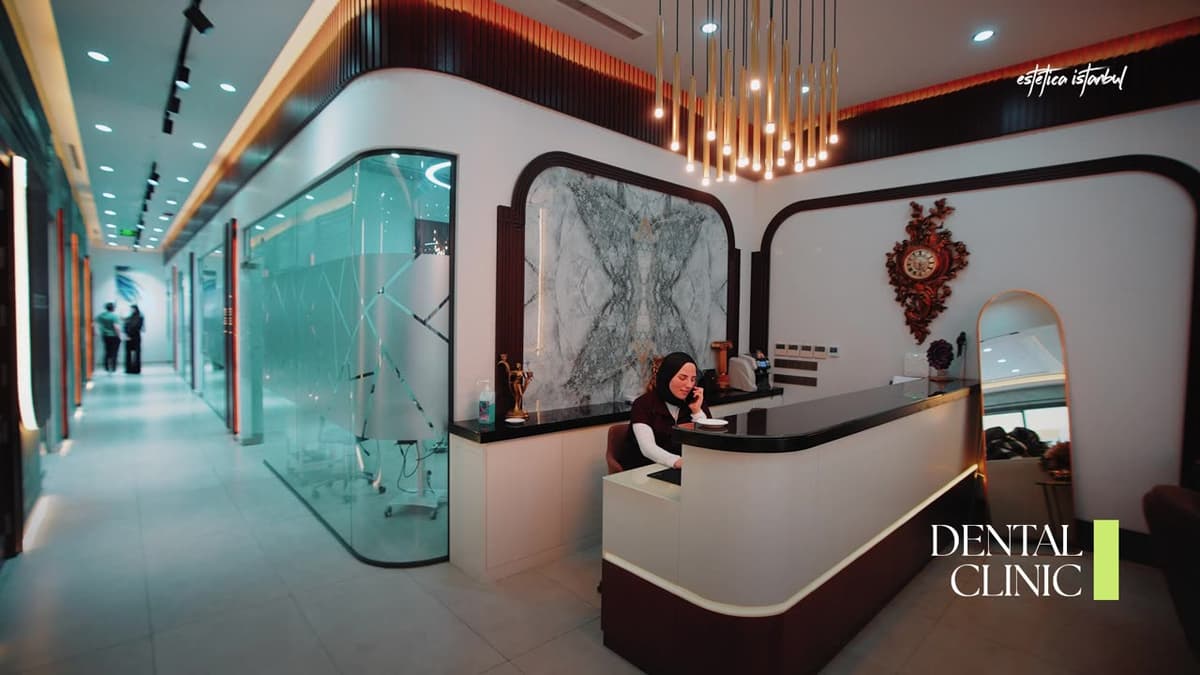
Di dalam klinik tempat transplantasi Anda dilakukan
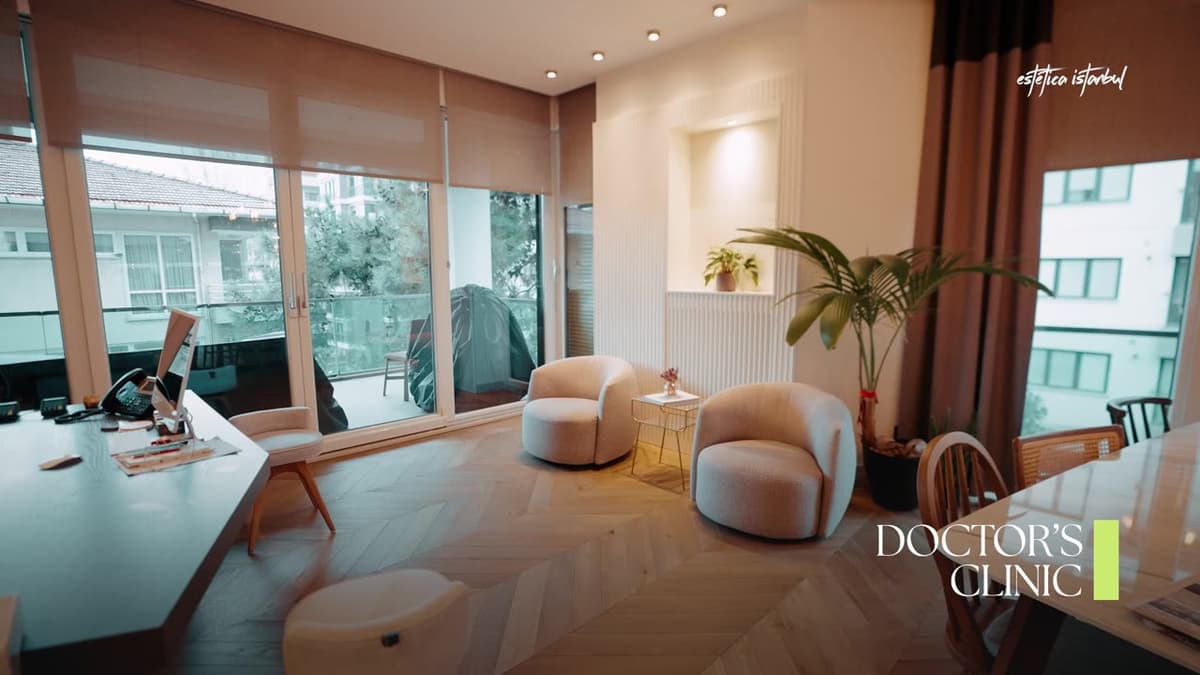
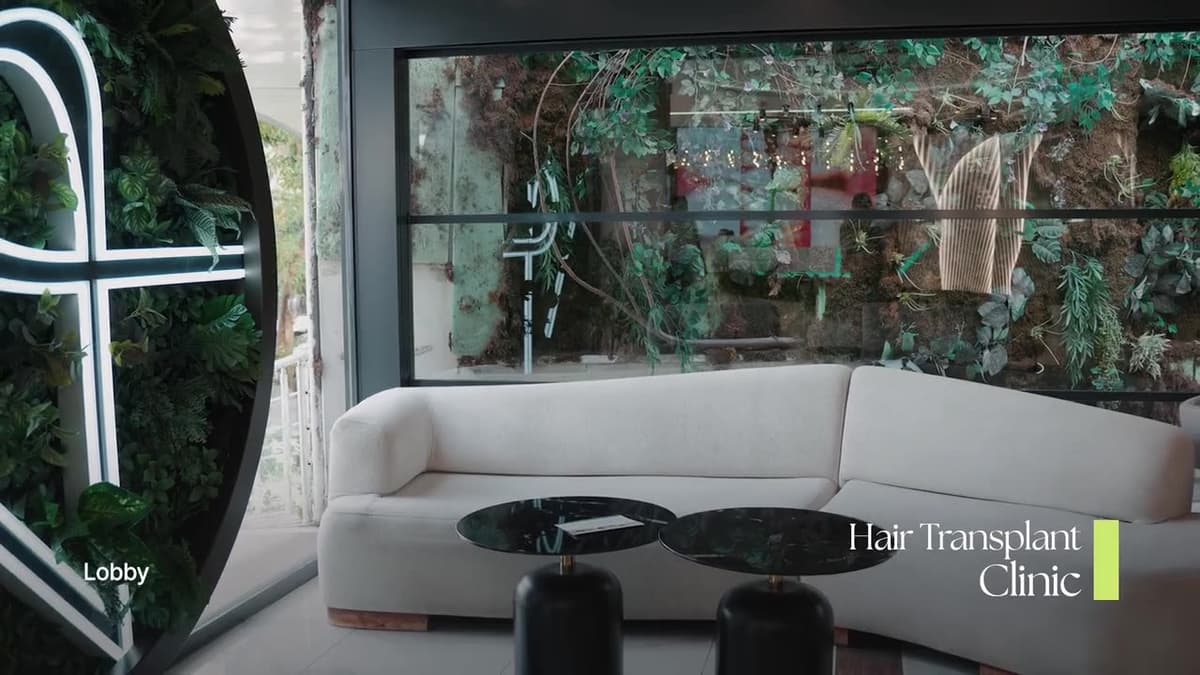
Direkam September 2026 — bukan stok video. Lobi, ruang konsultasi, ruang PRP, ruang tindakan. Transplantasi Anda dikerjakan oleh tim teknisi ahli kami di klinik khusus ini, dengan rumah sakit mitra kami berakreditasi JCI dalam kesiapsiagaan.
Kenali Ahmet Tosun, spesialis transplantasi rambut di klinik mitra kami
Perjalanan Anda. Kami yang Mengurus.
Dari pesan pertama Anda hingga penerbangan pulang — kami yang mengatur logistiknya. Anda cukup fokus pada hasil yang Anda tuju.
Konsultasi Gratis
Kirimkan foto dan tujuan Anda melalui WhatsApp. Kami membahasnya bersama dokter bedah dan mengirimkan penawaran harga terperinci yang sudah termasuk semua dalam 24 jam. Tanpa deposit untuk berkonsultasi.
Kami Mengurus Logistiknya
Setelah Anda memutuskan, kami memesan penerbangan, hotel, dan transfer VIP Anda. Pemeriksaan pra-operasi, penerimaan di rumah sakit, dukungan berbahasa Inggris — semua diatur sebelum Anda mendarat.
Operasi di Rumah Sakit Terakreditasi JCI
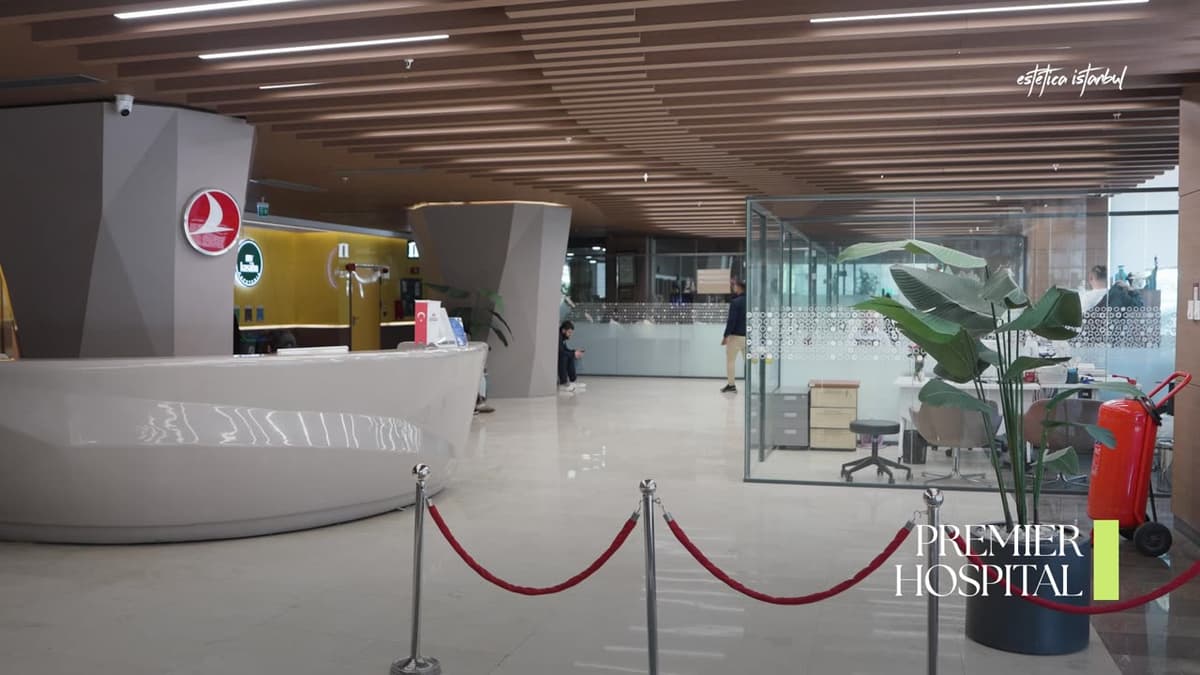
Operasi Anda berlangsung di dalam rumah sakit yang terakreditasi penuh — tim anestesi dan keperawatan khusus, unit perawatan intensif di lantai yang sama, standar keselamatan internasional. Bukan klinik harian pinggir jalan.
Klinik Spesialis untuk Senyum & Rambut
Perawatan non-bedah dilakukan di fasilitas yang dirancang khusus — klinik gigi mitra kami untuk veneer, mahkota, dan implan, serta klinik restorasi rambut mitra kami untuk transplantasi. Masing-masing dijalankan oleh tim yang hanya menangani bidang itu, setiap hari.
Pemulihan, Kontrol Lanjutan & Senyum Anda
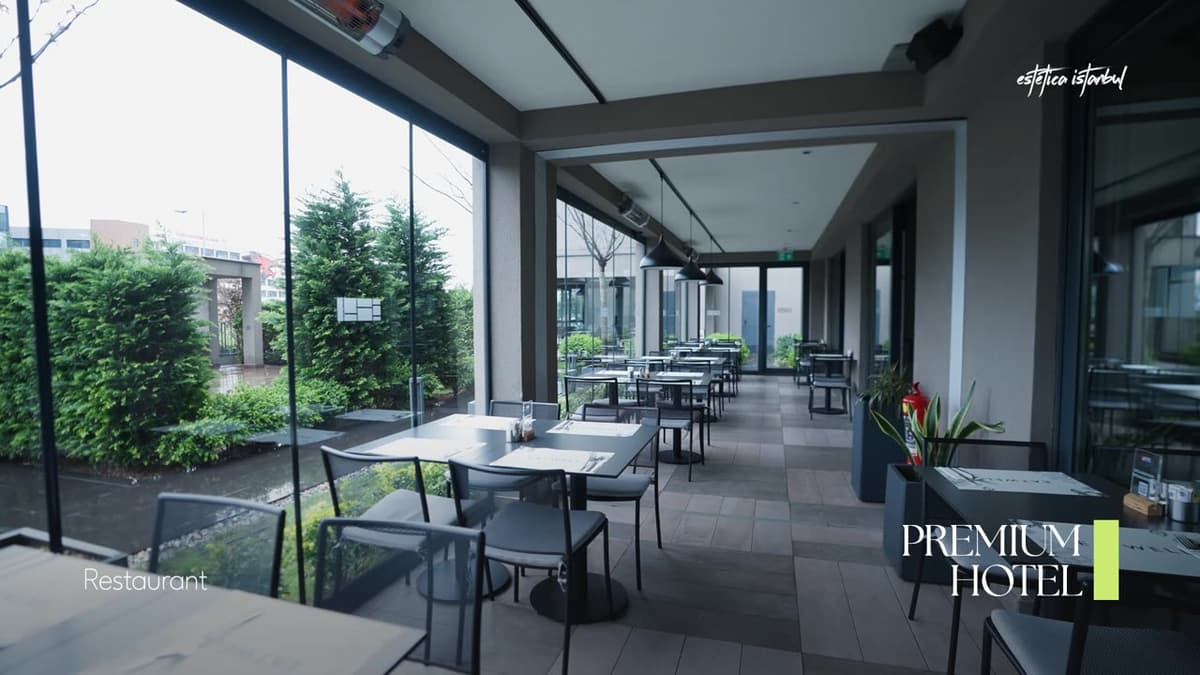
Anda memulihkan diri di hotel dengan layanan medis di lokasi, lalu terbang pulang. Kami menindaklanjuti dari jarak jauh selama satu tahun penuh — dan jika terjadi komplikasi, kami menanggung konsultasi jarak jauh dengan dokter bedah Anda dan, pada kasus yang jarang terjadi, operasi revisi — dengan upgrade Antwell.
Konsultasi Gratis
Kirimkan foto dan tujuan Anda melalui WhatsApp. Kami membahasnya bersama dokter bedah dan mengirimkan penawaran harga terperinci yang sudah termasuk semua dalam 24 jam. Tanpa deposit untuk berkonsultasi.
Kami Mengurus Logistiknya
Setelah Anda memutuskan, kami memesan penerbangan, hotel, dan transfer VIP Anda. Pemeriksaan pra-operasi, penerimaan di rumah sakit, dukungan berbahasa Inggris — semua diatur sebelum Anda mendarat.
Operasi di Rumah Sakit Terakreditasi JCI
Operasi Anda berlangsung di dalam rumah sakit yang terakreditasi penuh — tim anestesi dan keperawatan khusus, unit perawatan intensif di lantai yang sama, standar keselamatan internasional. Bukan klinik harian pinggir jalan.
Klinik Spesialis untuk Senyum & Rambut
Perawatan non-bedah dilakukan di fasilitas yang dirancang khusus — klinik gigi mitra kami untuk veneer, mahkota, dan implan, serta klinik restorasi rambut mitra kami untuk transplantasi. Masing-masing dijalankan oleh tim yang hanya menangani bidang itu, setiap hari.
Pemulihan, Kontrol Lanjutan & Senyum Anda
Anda memulihkan diri di hotel dengan layanan medis di lokasi, lalu terbang pulang. Kami menindaklanjuti dari jarak jauh selama satu tahun penuh — dan jika terjadi komplikasi, kami menanggung konsultasi jarak jauh dengan dokter bedah Anda dan, pada kasus yang jarang terjadi, operasi revisi — dengan upgrade Antwell.
Apa Saja yang Termasuk
Tidak Termasuk
Pertanyaan yang Sering Diajukan
Berapa lama hasil transplantasi alis bertahan?
Berapa banyak graft yang dibutuhkan untuk transplantasi alis?
Apakah alis hasil transplantasi akan terlihat alami?
Berapa lama waktu pemulihan transplantasi alis?
Berapa biaya transplantasi alis di Istanbul?


Bacaan Lanjutan
 mulai dari €2.650
Biaya Transplantasi Rambut DHI di Turki: Harga 2026, dan Kapan Anda Sebaiknya Membayar Lebih Sedikit
Transplantasi rambut DHI di Turki mulai dari €2.650 sudah termasuk semua. Apa saja yang tercakup, mengapa FUE standar seharga €2.350 sering kali merupakan pilihan yang lebih cerdas, dan cara menilai klinik tanpa menjadikan harga sebagai penyaring.
 mulai dari €2.650
Transplantasi Rambut Wanita di Turki: Biaya, Kelayakan, dan Apa yang Harus Diperiksa Lebih Dulu
Transplantasi rambut wanita di Turki mulai dari €2.650 sudah termasuk semua dengan teknik DHI tanpa cukur. Namun banyak wanita sebaiknya menangani penyebab kerontokan rambutnya sebelum memesan transplantasi — inilah biaya sebenarnya, siapa yang menjadi kandidat, dan siapa yang sebaiknya menunggu.
 mulai dari €2.350
Transplantasi Rambut di Italia atau Turki: Biaya dan Apa yang Benar-Benar Anda Dapatkan
Cara klinik di Italia menetapkan harga transplantasi rambut, apa saja yang termasuk dalam paket FUE tetap seharga €2.350 di Istanbul, siapa yang sebenarnya melakukan prosedur, dan cara memilih di antara keduanya secara jujur.