
Kuņģa šuntēšana
Kuņģa šuntēšana Stambulā — laparoskopiska Roux-en-Y šuntēšana pacientiem ar augstāku ĶMI, smagu refluksu vai 2. tipa diabētu. Sarežģītāka nekā kuņģa aploksne, prasa vitamīnu kontroli mūža garumā. Iekļauta 12 mēnešu pēcaprūpes programma. Medicīnisko uzraudzību nodrošina Dr. Güleş, JCI akreditētas slimnīcas.
no3 870 €US$4,490£3,330CA$6,230A$6,310NZ$7,660· Viss iekļauts
Uzticas 6000+ pacientu no visas pasaules
Saņemiet bezmaksas konsultāciju
Mūsu partneru medicīnas komanda izskatīs Jūsu gadījumu un nosūtīs personalizētu ārstēšanas plānu.
Stambulā ietaupiet līdz 82%
Tipiskas cenas ar visu iekļauto pa valstīm. Avoti: ASPS, RealSelf, lielāko Lielbritānijas un ASV klīniku cenrāži, 2025.
Turcija (Stambula)
no 3 870 €US$4,490£3,330CA$6,230A$6,310NZ$7,660
ietaupiet 82%
Lielbritānija
no 17 500 €US$20,300£15,050CA$28,180A$28,520NZ$34,650
ASV
no 21 500 €US$24,940£18,490CA$34,620A$35,050NZ$42,570
Itālija
no 11 500 €US$13,340£9,890CA$18,520A$18,750NZ$22,770
Vācija
no 11 500 €US$13,340£9,890CA$18,520A$18,750NZ$22,770
Ilgums
2–4 stundas
Anestēzija
Vispārējā anestēzija
Uzturēšanās slimnīcā
3 naktis
Atgriešanās darbā
2–3 nedēļas
Atveseļošanās laiks
4–6 nedēļas
Rezultāti redzami
12–18 mēneši
Īsumā
- Kas tas ir?
- Kuņģa šuntēšana Stambulā — Roux-en-Y pacientiem ar augstāku ĶMI, smagu refluksu vai 2.…
- Izmaksas
- €3,870 — viss iekļauts — ķirurgs, slimnīca, viesnīca, transfēri un aprūpe pēc operācijas; lidojumi nav iekļauti
- Atveseļošanās
- 4–6 nedēļas
- Drošība un riski
- Tiek veikta JCI akreditētās Stambulas slimnīcās. Medicīnisko saturu ir izvērtējis Dr. Mustafa Ekrem Güleş. Katra procedūra ir saistīta ar zināmu risku — konsultācijā godīgi pārrunāsim piemērotību un iespējamās komplikācijas.
Kuņģa šuntēšana — precīzāk, laparoskopiska Roux-en-Y kuņģa šuntēšana — ir sarežģītākā no primārajām bariatriskajām operācijām un tā, kurai ir spēcīgākie ilgtermiņa rezultāti gan svara zudumā, gan 2. tipa diabēta remisijā. Tā nav pareizā operācija katram bariatriskajam pacientam — ja ĶMI ir 35–45 bez smaga refluksa, pirmā izvēle parasti ir kuņģa aploksne. Šuntēšana ir indicēta konkrētās situācijās: augstāks ĶMI (parasti virs 50), izteikta refluksa slimība (šuntēšana refluksu novērš, aploksne to var pastiprināt), 2. tipa diabēts, ja mērķis ir spēcīgākais iespējamais remisijas rezultāts, un — arvien biežāk — pacienti, kuriem pirms pieciem līdz piecpadsmit gadiem tika veikta kuņģa aploksnes operācija un kuri ir ievērojami atguvuši svaru.
Operācija neatgriezeniski pārveido augšējo gremošanas traktu: tiek izveidots neliels kuņģa maisiņš aptuveni 30 ml apjomā, tas tiek savienots tieši ar tievo zarnu (apejot lielāko kuņģa daļu un tievās zarnas sākumdaļu), un žults un aizkuņģa dziedzera sulas tiek novadītas tā, lai tās ar pārtiku satiktos zemāk tievajā zarnā. Anatomiskās izmaiņas rada trīs efektus: samazinātu pārtikas ietilpību, samazinātu uzsūkšanos un hormonālas pārmaiņas, kas spēcīgi maina bada un sāta signālus.
Kam kuņģa šuntēšana ir piemērota
Operācija ir indicēta konkrētās klīniskās situācijās, nevis vispārējai svara kontrolei. Piemērotam kandidātam parasti ir ĶMI virs 50; vai ĶMI 35–50 kopā ar 2. tipa diabētu, ja galvenais mērķis ir diabēta remisija (šuntēšana panāk remisiju 60–80% 2. tipa diabēta pacientu — ievērojami biežāk nekā aploksne); vai ĶMI 35–50 ar smagu refluksa slimību (šuntēšana refluksu novērš, savukārt aploksne to var pastiprināt); vai arī iepriekš veikta kuņģa aploksnes operācija un tagad nepieciešama pārveide svara atgūšanas vai noturīga refluksa dēļ; ir dokumentēti neķirurģiski svara samazināšanas mēģinājumi divpadsmit vai vairāk mēnešu garumā; ir psiholoģiska gatavība neatgriezeniskām anatomiskām izmaiņām un vitamīnu lietošanai mūža garumā; pacients nesmēķē vai ir pārtraucis smēķēt četras nedēļas pirms operācijas; nav kontrindicējošu veselības stāvokļu.
Kam šuntēšanu veikt nevajadzētu: pacientiem, kuriem piemērotāka ir kuņģa aploksne (lielākajai daļai pacientu ar ĶMI 35–45 bez smaga refluksa vai diabēta); pacientiem, kuri nav gatavi mūža garumā lietot vitamīnus un ik gadu veikt asins analīzes; pacientiem ar aktuālām alkohola vai vielu lietošanas problēmām (šuntēšana būtiski maina alkohola vielmaiņu); pacientiem ar nozīmīgu iekaisīgu tievās zarnas slimību.
Kāpēc šuntēšana dod tik spēcīgus rezultātus diabēta gadījumā
Šuntēšanai ir spēcīgākā zinātniskā bāze starp visām ķirurģiskajām metodēm 2. tipa diabēta remisijas panākšanai. Mehānisms nav tikai svara zudums — tas ir anatomisks. Novirzot pārtiku garām divpadsmitpirkstu zarnai un tievās zarnas sākumdaļai, operācija maina hormonālo signālu sistēmu, kas regulē glikozes līmeni asinīs. Daudziem 2. tipa diabēta pacientiem glikozes līmenis būtiski uzlabojas jau dažu dienu laikā pēc operācijas, vēl pirms ir sācies nozīmīgs svara zudums. Ilgtermiņa remisiju (normalizēts HbA1c bez medikamentiem) sasniedz lielākā daļa piemēroto pacientu.
Diabēta pacientam, kuram citādi mūža garumā jālieto metformīns, insulīns vai GLP-1 medikamenti, šuntēšana bieži ir operācija ar spēcīgāko ilgtermiņa rezultātu — un motivētam pacientam ar atbilstošu ĶMI un diabēta raksturojumu mēs tieši šā iemesla dēļ bieži iesakām šuntēšanu, nevis aploksni.
Operācija soli pa solim
To veic vispārējā anestēzijā JCI akreditētā slimnīcā ar bariatriskajā ķirurģijā specializējušos anestēzijas komandu. Ilgums parasti ir divas līdz trīs stundas — ilgāk nekā aploksnes gadījumā, jo operācijā tiek veidotas divas atsevišķas anastomozes (ķirurģiski savienojumi), nevis viena rezekcija. Standarts ir divas līdz trīs naktis slimnīcā.
Operācija ir laparoskopiska — četri līdz seši nelieli griezumi vēdera augšdaļā, caur kuriem ķirurgs izveido nelielo kuņģa maisiņu, pārdala tievo zarnu, pievieno vienu zarnas daļu maisiņam, zemāk atkal pievieno žults un aizkuņģa dziedzera zarnas daļu un pārbauda, vai anastomozēs nav noplūdes. Atvērta griezuma nav.
Pēcaprūpes programma
Šuntēšanas pēcaprūpe ir apjomīgāka nekā aploksnes gadījumā, un mēs to iekļaujam nepārprotami. Pirmsoperācijas izmeklējumi un aknu sarukšanu veicinošā diēta pirms operācijas ir tādi paši kā aploksnei. Pēcoperācijas protokols ir plašāks:
Uzturēšanās slimnīcā: divas līdz trīs naktis ar nepārtrauktu novērošanu un noplūdes testu pirms izrakstīšanas.
Tūlīt pēc operācijas: strukturēta diētas maiņa, identiska aploksnes protokolam (dzidri šķidrumi → pilnvērtīgi šķidrumi → biezeņi → mīksts ēdiens → cieta barība); uztura bagātinātāji tiek nodrošināti jau no izrakstīšanas brīža — šuntēšanai nepieciešams vairāk papildu uzturvielu nekā aploksnei samazinātās uzsūkšanās dēļ (īpašs protokols, kas ietver dzelzi, kalcija citrātu, D3 vitamīnu, B12, tiamīnu un bariatriskajiem pacientiem paredzētu multivitamīnu); pretrefluksa un čūlu profilakses medikamenti vismaz sešus mēnešus.
Uzraudzība mūža garumā: asins analīzes pēc 3, 6 un 12 mēnešiem un pēc tam katru gadu — tas ir uz mūžu, nevis pēc izvēles. Šuntēšanas pacientiem gadus pēc operācijas var attīstīties olbaltumvielu, dzelzs, B12, kalcija, D vitamīna, folskābes un tiamīna deficīts, ja papildu uzturvielu lietošana ir nepietiekama. Mēs saskaņojam kontroles asins analīzes ar Jūsu ģimenes ārstu Lielbritānijā, Īrijā, ASV, Kanādā, Austrālijā vai Jaunzēlandē un norādām konkrētas atsauces vērtības un robežas, pie kurām jārīkojas. Angliski runājošs uztura speciālists ir pieejams 12 mēnešus pēc operācijas.
„Dempinga sindroms“ — priekšrocība vai trūkums
Šuntēšanas pacientiem var rasties „dempinga sindroms“ — fizioloģiska reakcija uz ēdienu ar augstu cukura vai ogļhidrātu saturu, kas izpaužas kā svīšana, sirdsklauves, krampjveida sāpes vēderā un dažkārt caureja. Lielākajai daļai pacientu tas kalpo kā spēcīgs uzvedības atgriezeniskās saites mehānisms — organisms soda par saldumu ēšanu, un ēšanas paradumi mainās. Daļai pacientu tas ir pietiekami nepatīkami, lai uzturs būtu rūpīgi jāplāno. Mēs to nepārprotami izskaidrojam konsultācijā, jo tā ir raksturīga pēcšuntēšanas pieredzes iezīme un tieši ar to šuntēšana atšķiras no aploksnes.
Atveseļošanās
1. nedēļa
Divas līdz trīs naktis slimnīcā, pēc tam atveseļošanās viesnīcā. Septiņas dienas tikai dzidri šķidrumi. Viegls līdz mērens diskomforts vēderā. Staigāšana no pirmās dienas ir obligāta. Atpakaļlidojums astotajā līdz vienpadsmitajā dienā pēc ārsta atļaujas.
2.–6. nedēļa
Pakāpeniska pāreja uz pilnvērtīgiem šķidrumiem, biezeņiem, mīkstu un pēc tam cietu ēdienu atbilstoši protokolam. Porcijas ir ļoti mazas. Turpinās olbaltumvielu un vitamīnu papildu lietošana. Atgriešanās biroja darbā no otrās līdz trešajai nedēļai. Sešas nedēļas nedrīkst celt smagumus.
2.–6. mēnesis
Straujā svara zuduma fāze — sākumā parasti 10–15 kg mēnesī. Turpinās strukturēta uztura bagātinātāju lietošana. Asins analīzes pēc 3 un 6 mēnešiem.
6.–24. mēnesis
Svara zudums turpinās lēnāk. Lielākā daļa pacientu sasniedz stabilu svaru 18 līdz 24 mēnešu laikā, zaudējot 70–80% liekā svara. Diabēta remisija parasti nostabilizējas līdz 6. mēnesim. Ķermeņa kontūru korekcijas operācijas pēc bariatriskās operācijas var plānot no 18. mēneša, kad svars ir stabilizējies.
Riski un reālistiskas gaidas
Godīgi par riskiem: anastomozes noplūde (nopietnākā agrīnā komplikācija — to pārbauda pirms izrakstīšanas); anastomozes čūla vai sašaurinājums (var attīstīties nedēļas vai gadus pēc operācijas, var būt nepieciešama endoskopiska paplašināšana vai medikamenti); asiņošana, kuras dēļ nepieciešama atkārtota operācija; vēnu trombembolija; iekšēja trūce (specifiska vēlīna šuntēšanas komplikācija — var izpausties pēc gadiem ar sāpēm vēderā un prasa ķirurģisku korekciju); dempinga sindroms (aprakstīts iepriekš); uzturvielu deficīts, ja papildu uzturvielas netiek lietotas konsekventi — tas var būt nopietni (piemēram, tiamīna trūkums var izraisīt neatgriezeniskus neiroloģiskus bojājumus); izmaiņas alkohola vielmaiņā, kas prasa piesardzību; svara atgūšana pēc 5–10 gadiem nelielai daļai pacientu.
Šuntēšana ir neatgriezeniska un grūtāk atgriežama nekā aploksne. Mēs to uzsveram konsultācijā. Atgriešanās pie normālas anatomijas tehniski ir iespējama, taču reti indicēta un saistīta ar saviem riskiem.
Kuņģa šuntēšana vai kuņģa aploksne — godīgs lēmuma ceļvedis
Lielākajai daļai pacientu ar ĶMI 35–45 bez smaga refluksa vai diabēta mūsu pirmais ieteikums ir aploksne — īsāka operācija, mazāks papildu uzturvielu slogs, mazākas anatomiskas pārmaiņas.
Ja ĶMI ir >50, ja pacientam ir 2. tipa diabēts un mērķis ir remisija, ja ir izteikts reflukss vai ja aploksne nav devusi rezultātu, labākā operācija ir šuntēšana.
Lēmums ir individuāls, un mēs tam veltām konsultācijas laiku. Mēs nepiedāvājam šuntēšanu pacientiem, kuriem piemērota aploksne, lai paaugstinātu cenu, un nepiedāvājam aploksni pacientiem, kuriem indicēta šuntēšana, lai vienkāršotu procesu. Pareizā operācija ir tā, kas atbilst pacientam.
Kāpēc Stambula, nevis citi galamērķi
Lielos apjomos gūta pieredze ir svarīgākais šuntēšanas rezultātu priekšnoteikums, un Turcijas bariatriskie centri veic tik daudz šuntēšanas operāciju, cik reti kurš Lielbritānijas, ASV vai Austrālijas centrs. Kopā ar JCI akreditētām slimnīcām, bariatriskajā ķirurģijā specializētu anestēziju un mūsu nopietno pēcaprūpes programmu klīniskais un drošības līmenis ir salīdzināms ar Rietumu privātpraksi par daļu no izmaksām.
Dr. Mustafa Ekrem Güleş klīniski apstiprina katru pacientu pirms operācijas.
Kāpēc ne kuņģa šuntēšana par 2 500 €
Šuntēšanas gadījumā par viszemāko cenu maksā tāpat kā par lētu aploksni — ar nepilnīgiem pirmsoperācijas izmeklējumiem, saīsinātu uzturēšanos slimnīcā un nopietnas pēcaprūpes trūkumu — un turklāt ar papildu šuntēšanai raksturīgiem riskiem: nepietiekami uztura papildināšanas protokoli, kas 5. gadā noved pie tiamīna vai B12 deficīta, nav risinājuma vēlīni radušās iekšējas trūces gadījumā, nav anastomozes čūlas uzraudzības.
Tas, par ko Jūs maksājat pie mums, ir pārbaudāms: pilnvērtīgi pirmsoperācijas bariatriskie izmeklējumi, divas līdz trīs naktis slimnīcā ar noplūdes testu, strukturēts uztura papildināšanas protokols mūža garumā, angliski runājošs uztura speciālists 12 mēnešus, asins analīžu saskaņošana ar Jūsu ģimenes ārstu pēc 3, 6 un 12 mēnešiem un pēc tam katru gadu, JCI akreditēta slimnīca.
Angliski runājoša komanda — no pirmās konsultācijas līdz ikgadējām kontrolēm mūža garumā
Šuntēšana ir attiecības uz mūžu — nevis viens brauciens. Mūsu komanda atbild angliski WhatsApp, pa tālruni un e-pastā no pirmās konsultācijas līdz ikgadējām kontrolēm tik ilgi, kamēr Jūs esat mūsu pacients. Uz jautājumiem par uzturu, palīdzību ar uztura bagātinātājiem un simptomu skaidrojumu (vai tas ir normāli? vai jāvēršas pie ārsta?) mēs atbildam angliski un bez kavēšanās.
Piesakiet bezmaksas konsultāciju — mūsu komanda atbild Lielbritānijas un Īrijas darba laikā, kā arī otrā laika logā, kas aptver laiku no ASV Austrumu piekrastes līdz Austrālijas rītam. ĶMI un piemērotības izvērtējums tajā pašā dienā, tostarp godīgs ieteikums par aploksni vai šuntēšanu, balstoties uz Jūsu situāciju.
Jautājiet, kāda kuņģa apvedceļa operācija tiek piedāvāta
Reklāmās apzīmējumu “kuņģa apvedceļa operācija” var lietot neprecīzi. Lūdziet savā rakstiskajā ārstēšanas plānā norādīt precīzu operācijas nosaukumu un lūdziet ķirurgam izskaidrot tās radītās anatomiskās pārmaiņas. Jautājiet, vai piedāvātā operācija ir Roux-en-Y kuņģa apvedceļa operācija vai cita metode un kā atšķiras tās uzbūve un turpmākās uzraudzības prasības.
NIDDK procedūru pārskats apraksta, kā kuņģa apvedceļa operācijā izveido nelielu kuņģa kabatu un maina ceļu caur zarnām. Šis vispārīgais apraksts palīdz jums uzdot jautājumus, taču neapstiprina operācijas piemērotību, ņemot vērā jūsu slimību vēsturi.
Pārrunājiet esošās slimības, negaidot izārstēšanu
Ņemiet līdzi informāciju par diabēta ārstēšanu, atviļņa simptomiem un citām ilgstošām slimībām. Jautājiet, kā piedāvātā operācija varētu ietekmēt to ārstēšanu un kurš uzraudzīs jebkādas izmaiņas zāļu lietošanā.
Pētījumā konstatētais vidējais ieguvums negarantē remisiju konkrētam cilvēkam. Jautājiet, kādus rezultātus komanda uzraudzīs un kā tā rīkosies, ja slimība saglabāsies. Ir pamatoti meklēt otru viedokli, ja ieteikums tiek pasniegts kā neapšaubāms vai ja alternatīvās iespējas paliek neizskaidrotas.
Sagatavojiet uzraudzības plānu pirms ceļojuma
Jautājiet, ko turpmākā uzraudzība nozīmē praksē: klīniskās pārbaudes, uztura atbalstu, izmeklējumus un jebkurus uztura bagātinātājus, ko nozīmē ārstējošā komanda. Noskaidrojiet, kurš organizē katru no šiem pasākumiem un vai tas ir iekļauts cenā.
Ja plānojat daļu pārbaužu veikt mājās, saskaņojiet šo kārtību ar vietējo ārstu. Lūdziet skaidru izrakstu un iespēju šim ārstam saņemt papildu informāciju. Neuzskatiet WhatsApp numura esamību par saskaņotu vietējās aprūpes plānu.
Salīdziniet visu ārstēšanas gaitu ar piedāvāto kuņģa piedurknes rezekciju
Lūdziet ķirurgam izskaidrot, kāpēc tiek ieteikta apvedceļa operācija, nevis kuņģa piedurknes rezekcija, medicīniska ārstēšana vai cita piemērota iespēja. Salīdzinājumā jāiekļauj paredzētais ieguvums, būtiskie riski un turpmākās uzraudzības prasības.
Salīdziniet arī praktisko organizāciju: vizītes, uzturēšanos slimnīcā, naktsmītni, vietējo turpmāko uzraudzību un iespējamus papildu ceļojumus. 2026. gada oktobrī publicētā šīs procedūras sākumcena ir €3,870; individuālajā rakstiskajā cenas piedāvājumā jānorāda konkrētā operācija un pakalpojumi. Lidojumi nav iekļauti.
Vai operācija ļaus man pārtraukt diabēta zāļu lietošanu?
Šāds lēmums jāpieņem tikai ārstiem, kuri vada jūsu aprūpi. Jautājiet, kā tiks uzraudzīta jūsu ārstēšana, nevis pieņemiet, ka zāļu lietošanu var pārtraukt.
Vai apvedceļa operācija ir vienkārši efektīvāka kuņģa piedurknes rezekcijas versija?
Jautājiet, kāpēc jums tiek ieteikta cita operācija. Dažādām procedūrām jāsalīdzina ieguvumi, riski un ilgtermiņa saistības.
Kas man jānoskaidro pirms depozīta iemaksas?
Precīzs operācijas nosaukums, ārsts, ārstniecības iestāde, pilns cenas piedāvājums un atbildība par turpmāko uzraudzību gan Stambulā, gan jūsu mītnes valstī.
Jūsu ceļš. Mūsu rokās.
No pirmās ziņas līdz lidojumam mājup — loģistiku kārtojam mēs. Jūs koncentrējaties uz rezultātu, pēc kura atbraucāt.


Bezmaksas konsultācija
Atsūtiet fotoattēlus un savus mērķus WhatsApp. Mēs tos izskatām kopā ar partneru medicīnas komandu un nosūtām detalizētu rakstisku piedāvājumu ar visu iekļauto. Sarunai depozīts nav vajadzīgs.
Loģistiku kārtojam mēs
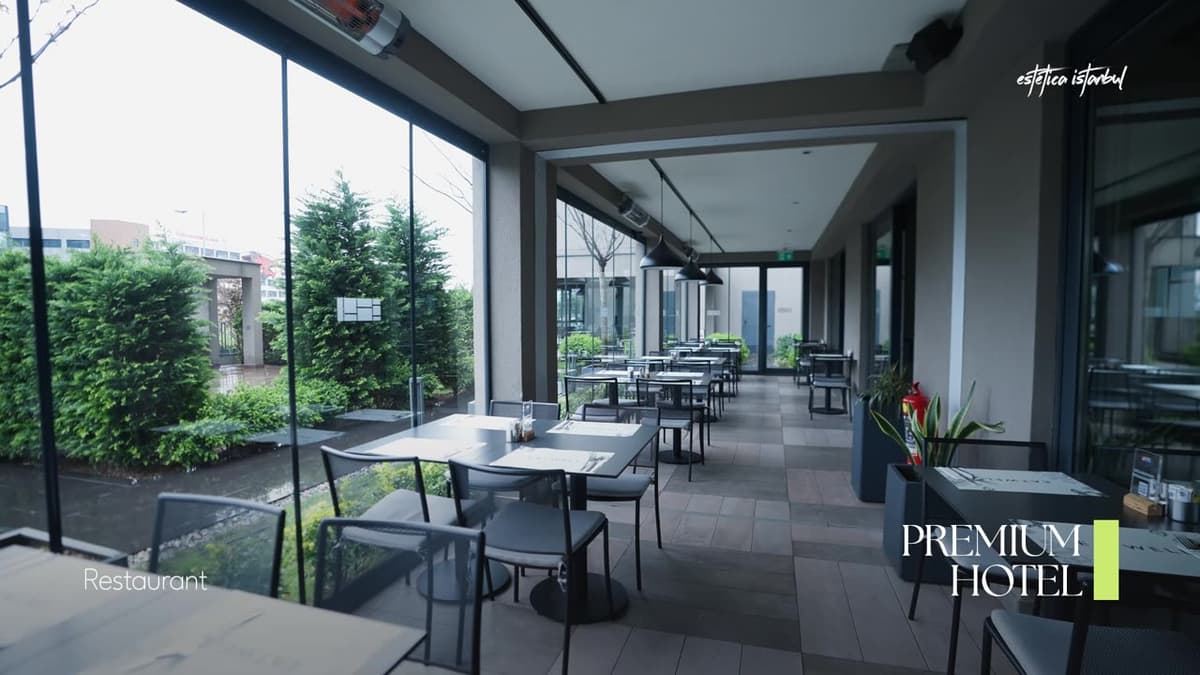
Kad esat izlēmis, mēs rezervējam lidojumus, viesnīcu un VIP transfērus. Pirmsoperācijas izmeklējumi, uzņemšana slimnīcā, atbalsts angļu valodā — viss sakārtots, pirms nolaižaties.
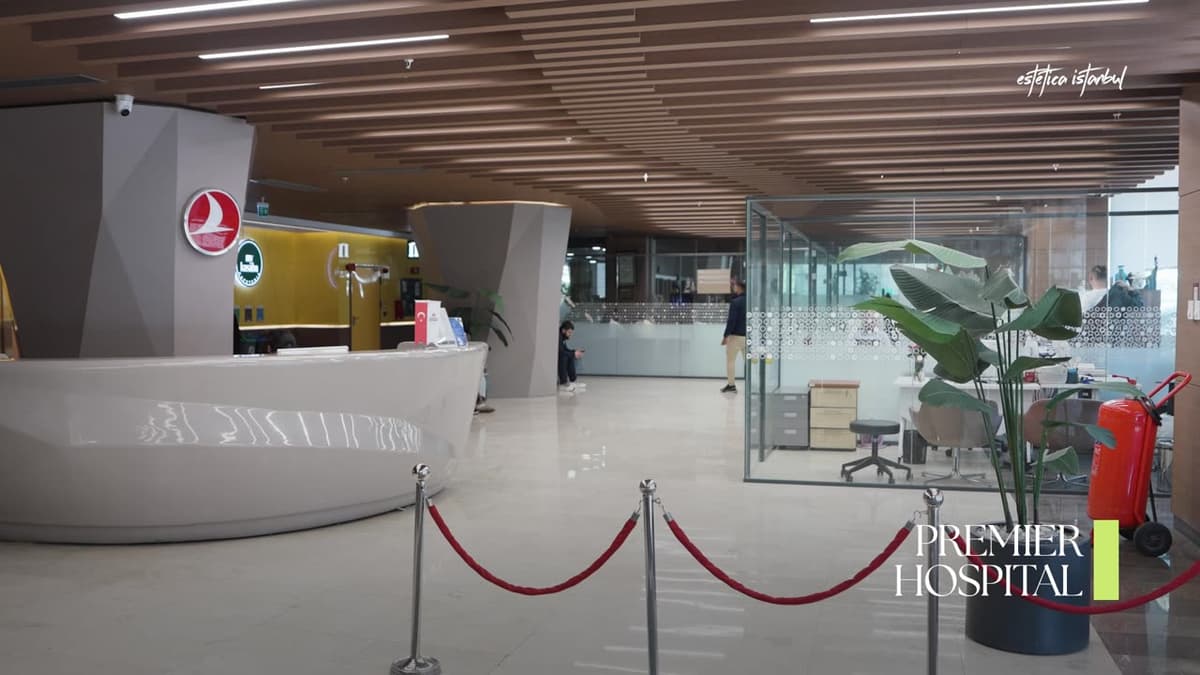
Operācija JCI akreditētā slimnīcā
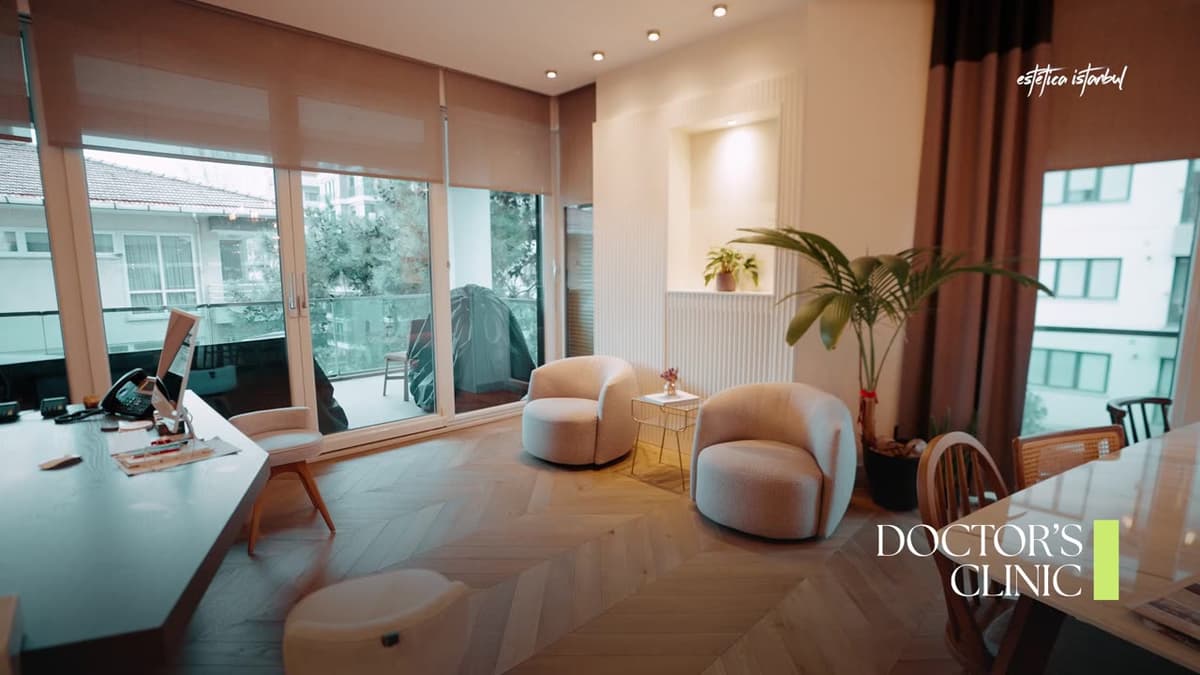
Jūsu operācija notiek pilnībā akreditētā slimnīcā — ar atsevišķām anestēzijas un māsu komandām, intensīvo terapiju tajā pašā stāvā un starptautiskiem drošības standartiem. Nekad kādā pagalma dienas klīnikā.
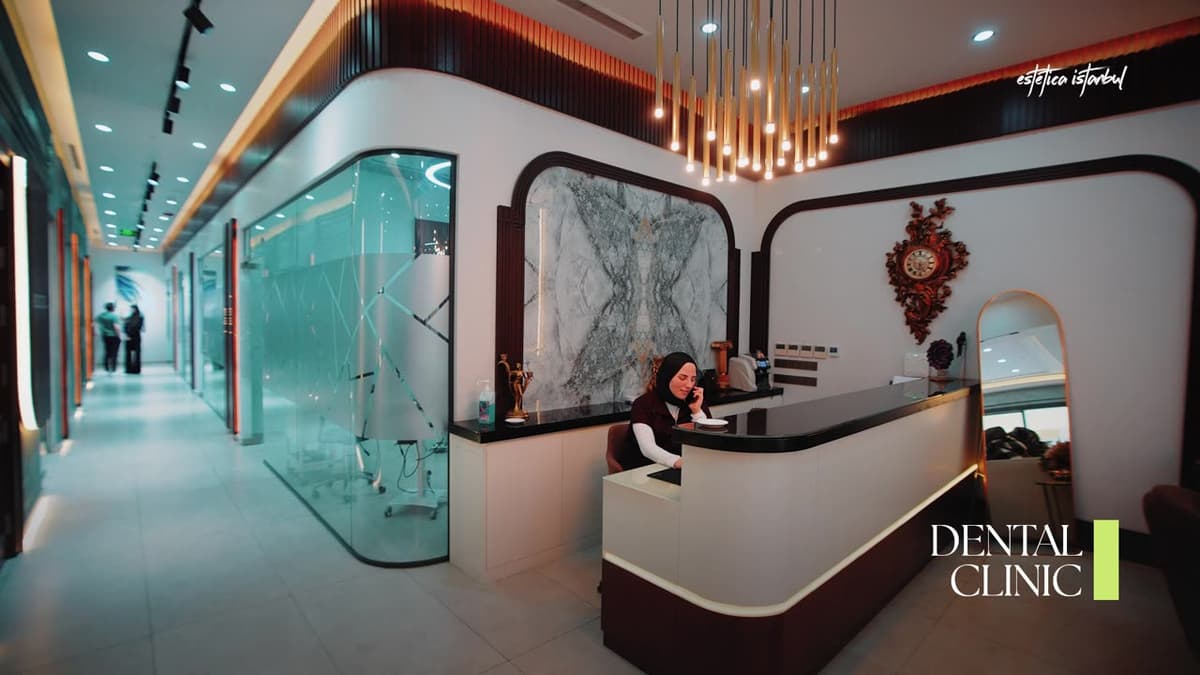
Specializētas klīnikas smaidam un matiem
Neķirurģiskās procedūras notiek īpaši tam veidotās vietās — mūsu partneru zobārstniecības klīnikā fasetēm, kroņiem un implantiem un mūsu partneru matu atjaunošanas klīnikā transplantācijām. Katrā strādā komandas, kas ik dienu dara tikai to.
Atveseļošanās, kontrole un Jūsu smaids
Jūs atveseļojaties viesnīcā ar medicīnisko aprūpi uz vietas un pēc tam lidojat mājup. Mēs sazināmies attālināti veselu gadu — un, ja rodas komplikācija, mēs sedzam attālinātas konsultācijas ar Jūsu ķirurgu un retos gadījumos arī korekcijas operāciju — ar Antwell uzlabojumu.
Bezmaksas konsultācija
Atsūtiet fotoattēlus un savus mērķus WhatsApp. Mēs tos izskatām kopā ar partneru medicīnas komandu un nosūtām detalizētu rakstisku piedāvājumu ar visu iekļauto. Sarunai depozīts nav vajadzīgs.
Loģistiku kārtojam mēs
Kad esat izlēmis, mēs rezervējam lidojumus, viesnīcu un VIP transfērus. Pirmsoperācijas izmeklējumi, uzņemšana slimnīcā, atbalsts angļu valodā — viss sakārtots, pirms nolaižaties.
Operācija JCI akreditētā slimnīcā
Jūsu operācija notiek pilnībā akreditētā slimnīcā — ar atsevišķām anestēzijas un māsu komandām, intensīvo terapiju tajā pašā stāvā un starptautiskiem drošības standartiem. Nekad kādā pagalma dienas klīnikā.
Specializētas klīnikas smaidam un matiem
Neķirurģiskās procedūras notiek īpaši tam veidotās vietās — mūsu partneru zobārstniecības klīnikā fasetēm, kroņiem un implantiem un mūsu partneru matu atjaunošanas klīnikā transplantācijām. Katrā strādā komandas, kas ik dienu dara tikai to.
Atveseļošanās, kontrole un Jūsu smaids
Jūs atveseļojaties viesnīcā ar medicīnisko aprūpi uz vietas un pēc tam lidojat mājup. Mēs sazināmies attālināti veselu gadu — un, ja rodas komplikācija, mēs sedzam attālinātas konsultācijas ar Jūsu ķirurgu un retos gadījumos arī korekcijas operāciju — ar Antwell uzlabojumu.
Kas ir iekļauts
Nav iekļauts
Biežāk uzdotie jautājumi
Kāda ir atšķirība starp kuņģa šuntēšanu un kuņģa aploksni?
Cik daudz svara es zaudēšu ar kuņģa šuntēšanu?
Cik maksā kuņģa šuntēšana Stambulā?
Kādi ir kuņģa šuntēšanas riski?
Vai pēc kuņģa šuntēšanas man būs jālieto vitamīni?
Cik ilga ir atveseļošanās pēc kuņģa šuntēšanas?
Vairāk par tēmu
 sākot no 1 180 €
Bihektomijas cena 2026: 1180 € Stambulā pret 2300 € Vācijā, 2600 € Itālijā un 4083 € Lielbritānijā
Stambulas pakete sākas no 1180 €, pret 2300 € Vācijā, 2600 € Itālijā, 4083 € Lielbritānijā un 4403 € kā reālistisku apakšējo robežu ASV. Pret Lielbritāniju un ASV ietaupījums pārdzīvo jebkurus ceļa izdevumus. Pret Vāciju un Itāliju lidojums par 350 € apēd apmēram trešdaļu atšķirības.
 sākot no 3 550 €
Uzacu pacelšanas cena 2026. gadā: 3 550 € Stambulā, lētāk nekā Lielbritānijā, Vācijā un ASV, bet ne lētāk nekā Itālijā
Uzacu pacelšana ar Estetica Istanbul starpniecību maksā 3 550 € ar visu iekļauto, Londonā no 5 500 līdz 10 500 £, Amerikas Savienotajās Valstīs 5 460 $ tikai kā ķirurga honorārs un Vācijā no 8 000 līdz 13 000 € par endoskopisko tehniku. Itālijas publicētais diapazons no 2 500 līdz 5 000 € pārklājas ar Stambulas paketi un apakšgalā ir zemāks par to, tāpēc cena vien neattaisno ceļojumu no Itālijas.
 sākot no 4 020 €
Zoda implanta cena 2026: 4020 € Stambulā, lētāk nekā Lielbritānijā un ASV, bet ne lētāk nekā Vācijā vai Itālijā
Zoda implants, rezervēts caur aģentūru Estetica Istanbul, maksā 4020 € kā pakete ar visu iekļautu. Tas ir skaidrs ietaupījums salīdzinājumā ar Lielbritāniju (4500–6500 £) un Amerikas Savienotajām Valstīm (no 3500 $ līdz vairāk nekā 11000 $) un nekāds ietaupījums salīdzinājumā ar Vācijas vidējo 3466 € vai Itālijas vidējo 3276 €. Lūk, skaitļi, avoti un viena situācija, kurā lidojums uz Stambulu zoda dēļ tomēr atmaksājas.