
Bypass Gastrik
Bypass gastrik në Stamboll — bypass laparoskopik Roux-en-Y për pacientët me BMI më të lartë, reflux të rëndë ose diabet të tipit 2 — më kompleks se sleeve, kërkon monitorim të vitaminave gjatë gjithë jetës. Program pas-kujdesi 12-mujor i përfshirë. Mbikëqyrje mjekësore Dr. Güleş, spitale të akredituara nga JCI.
nga€3.870$4,490£3,330CA$6,230A$6,310NZ$7,660· Gjithëpërfshirëse
Rishikuar mjekësisht nga Mustafa Ekrem Güleş, Op. Dr., Board-Certified Plastic Surgeon· Rishikimi i fundit:
Të besuar nga mbi 1,500 pacientë ndërkombëtarë
Merrni Konsultën Tuaj Falas
Ekipi ynë mjekësor partner do të shqyrtojë rastin tuaj dhe do t'ju dërgojë një plan trajtimi të personalizuar brenda 24 orëve.
Kurseni deri në 82% në Stamboll
Çmime tipike gjithëpërfshirëse sipas vendit. Burimet: ASPS, RealSelf, listat e tarifave të klinikave kryesore britanike/amerikane, 2025.
Turqia (Stamboll)
nga €3.870$4,490£3,330CA$6,230A$6,310NZ$7,660
kursen 82%
Mbretëria e Bashkuar
nga €17.500$20,300£15,050CA$28,180A$28,520NZ$34,650
Shtetet e Bashkuara
nga €21.500$24,940£18,490CA$34,620A$35,050NZ$42,570
Italia
nga €11.500$13,340£9,890CA$18,520A$18,750NZ$22,770
Gjermania
nga €11.500$13,340£9,890CA$18,520A$18,750NZ$22,770
Kohëzgjatja
2–4 hours
Anestezia
General anesthesia
Qëndrimi në Spital
3 nights
Kthimi në Punë
2–3 weeks
Koha e Rikuperimit
4–6 weeks
Rezultatet të Dukshme
12–18 months
Me një shikim
- Çfarë është?
- Bypass gastrik në Stamboll — Roux-en-Y për BMI më të lartë, reflux të rëndë ose diabet të…
- Kostoja
- €3,870 — gjithëpërfshirëse me kirurgun, spitalin, hotelin, transfertat dhe kujdesin pas procedurës; fluturimet nuk përfshihen
- Rikuperimi
- 4–6 weeks
- Siguria & rreziqet
- Kryhet në spitalet e Stambollit të akredituara nga JCI. Përmbajtja mjekësore e rishikuar nga Dr. Mustafa Ekrem Güleş. Çdo procedurë mbart një farë rreziku — konsulta juaj do të mbulojë me ndershmëri përshtatshmërinë dhe komplikimet.
Bypass gastrik — konkretisht bypass gastrik laparoskopik Roux-en-Y — është më i ndërlikuari nga operacionet parësore bariatrike dhe ai me rezultatet më të forta afatgjata për humbjen e peshës dhe për remisionin e diabetit të tipit 2. Nuk është operacioni i duhur për çdo pacient bariatrik — për BMI 35–45 pa reflux të rëndë, mëngë gastrike zakonisht është zgjedhja e parë e saktë. Bypass indikohet për skenarë specifikë: BMI më i lartë (zakonisht mbi 50), sëmundje e konsiderueshme e refluksit (bypass e zgjidh refluksin, mëngë gastrike mund ta përkeqësojë atë), diabeti i tipit 2 ku qëllimi është rezultati më i fortë i remisionit, dhe — gjithnjë e më shumë — pacientë që kanë kryer një mëngë gastrike pesë deri në pesëmbëdhjetë vjet më parë dhe kanë rifituar peshë ndjeshëm.
Operacioni rikonfiguron përgjithmonë traktin e sipërm gastrointestinal: krijon një xhep të vogël gastrik prej afërsisht 30 ml, e lidh atë xhep drejtpërdrejt me zorrën e hollë (duke anashkaluar pjesën më të madhe të stomakut dhe zorrën e hollë proksimale), dhe ridrejton lëngjet biliare dhe pankreatike që të takohen me ushqimin më poshtë në zorrën e hollë. Ndryshimet anatomike prodhojnë tre efekte: kapacitet të reduktuar për ushqim, përthithje të reduktuar, dhe ndryshime hormonale që ndryshojnë fuqishëm sinjalet e urisë dhe të ngopjes.
Për kë është i përshtatshëm bypass gastrik
Operacioni indikohet në skenarë klinikë specifikë, jo për menaxhimin e përgjithshëm të peshës. Kandidati i duhur zakonisht ka BMI mbi 50; ose BMI 35–50 me diabet të tipit 2 ku remisioni i diabetit është qëllimi kryesor (bypass prodhon remision në 60–80% të pacientëve me diabet të tipit 2, ndjeshëm më i lartë se mëngë gastrike); ose BMI 35–50 me sëmundje të rëndë të refluksit (bypass e eliminon refluksin, ndërsa mëngë gastrike mund ta përkeqësojë atë); ose ka kryer një operacion mëngë gastrike më parë dhe po kthehet për konvertim për shkak të rifitimit të peshës ose refluksit të vazhdueshëm; ka përfunduar përpjekje të dokumentuara jokirurgjikale për humbje peshe gjatë dymbëdhjetë ose më shumë muajve; është i përgatitur psikologjikisht për ndryshim anatomik të përhershëm dhe suplementim vitaminash për gjithë jetën; është joduhanpirës ose ka ndaluar duhanin katër javë më parë; nuk ka gjendje mjekësore kundërindikuese.
Kush nuk duhet t'i nënshtrohet bypass-it: pacientët rasti i të cilëve trajtohet më mirë me mëngë gastrike (shumica e pacientëve me BMI 35–45 pa reflux të rëndë ose diabet); pacientët që nuk janë të gatshëm të përkushtohen ndaj suplementimit të vitaminave për gjithë jetën dhe monitorimit vjetor të gjakut; pacientët me shqetësime aktive për përdorimin e alkoolit ose të substancave (bypass ndryshon ndjeshëm metabolizmin e alkoolit); pacientët me sëmundje të konsiderueshme inflamatore të zorrëve në zorrën e hollë.
Pse bypass prodhon rezultate kaq të forta për diabetin
Bypass ka bazën e provave më të fortë nga çdo ndërhyrje kirurgjikale për remisionin e diabetit të tipit 2. Mekanizmi nuk është vetëm humbja e peshës — është anatomik. Duke ridrejtuar ushqimin përtej duodenit dhe jejunumit proksimal, operacioni ndryshon sinjalizimin hormonal që rregullon glukozën në gjak. Shumë pacientë me diabet të tipit 2 shohin përmirësime të konsiderueshme të glukozës në gjak brenda ditësh nga operacioni, para se të ketë ndodhur një humbje peshe e ndjeshme. Remisioni afatgjatë (HbA1c i normalizuar pa medikamente) arrihet te shumica e pacientëve të përshtatshëm.
Për një pacient diabetik që përballet me metforminë, insulinë ose medikamente GLP-1 për gjithë jetën, bypass është shpesh operacioni me rezultatin më të fortë afatgjatë — dhe për një pacient të motivuar me BMI të përshtatshëm dhe karakteristika diabeti të përshtatshme, ne shpesh rekomandojmë bypass përpara mëngës gastrike pikërisht për këtë arsye.
Operacioni, hap pas hapi
Kryhet nën anestezi të përgjithshme në një spital të akredituar nga JCI me një ekip anestezie të specializuar në fushën bariatrike. Kohëzgjatja është zakonisht dy deri në tre orë — më e gjatë se mëngë gastrike sepse operacioni përfshin dy anastomoza të veçanta (lidhje kirurgjikale) në vend të një reseksioni të vetëm. Dy deri në tre netë qëndrim në spital janë standard.
Operacioni është laparoskopik — katër deri në gjashtë prerje të vogla në pjesën e sipërme të barkut, përmes të cilave kirurgu krijon xhepin e vogël gastrik, ndan zorrën e hollë, lidh njërën degë me xhepin, rilidh degën biliare/pankreatike më poshtë, dhe teston anastomozat për rrjedhje. Pa prerje të hapur.
Programi i kujdesit pas operacionit
Kujdesi pas operacionit për bypass është më i përfshirë se kujdesi pas mëngës gastrike dhe ne e përfshijmë atë në mënyrë të qartë. Vlerësimi paraoperativ dhe dieta paraoperative për tkurrjen e mëlçisë janë të njëjta si për mëngë gastrike. Protokolli pasoperativ është i zgjeruar:
Qëndrimi në spital: dy deri në tre netë me monitorim të vazhdueshëm dhe test për rrjedhje para daljes.
Menjëherë pas operacionit: progresion i strukturuar i dietës identik me mëngë gastrike (lëngje të kthjellëta → lëngje të plota → të bëra pure → të buta → të ngurta); suplemente ushqyese të ofruara që nga dalja — bypass kërkon më shumë suplementim se mëngë gastrike për shkak të përthithjes së reduktuar (një protokoll specifik që përfshin hekur, citrat kalciumi, vitaminë D3, B12, tiaminë, dhe një multivitaminë të formuluar për pacientë bariatrikë); medikamente kundër refluksit dhe për parandalimin e ulçerave për të paktën gjashtë muaj.
Ndjekja për gjithë jetën: analiza gjaku në muajin 3, 6, 12 dhe çdo vit më pas — kjo është për gjithë jetën, jo opsionale. Pacientët e bypass-it mund të zhvillojnë mangësi të proteinave, hekurit, B12, kalciumit, vitaminës D, folatit dhe tiaminës vite pas operacionit nëse suplementimi është i pamjaftueshëm. Ne koordinojmë analizat e ndjekjes së gjakut me mjekun tuaj të familjes në UK/IE/US/CA/AU/NZ dhe ofrojmë intervale specifike dhe pragje veprimi. Nutricionist anglishtfolës i disponueshëm për 12 muaj pas operacionit.
Sindroma e "dumping" — veçori apo defekt
Pacientët e bypass-it mund të përjetojnë "sindromën e dumping" — një përgjigje fiziologjike ndaj ushqimeve me shumë sheqer ose me shumë karbohidrate, që prodhon djersitje, palpitacione, ngërçe barku dhe ndonjëherë diarre. Për shumicën e pacientëve kjo shërben si një mekanizëm i fuqishëm reagimi sjellor — trupi e ndëshkon ngrënien me shumë sheqer, dhe sjellja përshtatet. Për disa pacientë është mjaftueshëm e pakëndshme sa të kërkojë planifikim të kujdesshëm të dietës. Ne e shpjegojmë këtë në mënyrë të qartë gjatë konsultës sepse është një veçori përcaktuese e përvojës pas bypass-it dhe e dallon bypass-in nga mëngë gastrike.
Rikuperimi
Java 1
Dy deri në tre netë qëndrim, të ndjekura nga rikuperimi në hotel. Vetëm lëngje të kthjellëta për shtatë ditë. Shqetësim barku i lehtë deri në mesatar. Ecja që nga dita e parë është e detyrueshme. Fluturimi i kthimit në ditën e tetë deri në të njëmbëdhjetë, pas miratimit klinik.
Javët 2–6
Progresion nëpër lëngje të plota, ushqime të bëra pure, të buta dhe të ngurta sipas protokollit. Madhësi porcionesh shumë të vogla. Suplementim i vazhdueshëm me proteina dhe vitamina. Kthim në punën në zyrë nga java e dytë deri në të tretën. Pa ngritje peshash të rënda për gjashtë javë.
Muajt 2–6
Faza e humbjes së shpejtë të peshës — zakonisht 10–15 kg/muaj në fillim. Suplementim i strukturuar i vazhdueshëm. Analiza gjaku në muajin 3 dhe 6.
Muajt 6–24
Humbja e peshës vazhdon më gradualisht. Shumica e pacientëve arrijnë peshë të qëndrueshme midis muajit 18 dhe 24 me 70–80% humbje të peshës së tepërt. Remisioni i diabetit zakonisht stabilizohet deri në muajin 6. Kirurgjia e konturimit të trupit pas operacionit bariatrik mund të planifikohet nga muaji 18 e tutje, pasi pesha të jetë stabilizuar.
Rreziqet dhe pritshmëritë realiste
Rreziqe të ndershme: rrjedhje anastomotike (komplikacioni më serioz i hershëm — testohet para daljes); ulçerë ose ngushtim anastomotik (mund të zhvillohet nga javë deri në vite pas operacionit, mund të kërkojë dilatim endoskopik ose medikamente); gjakderdhje që kërkon rioperim; tromboembolizëm venoz; hernie e brendshme (një komplikacion specifik i vonshëm i bypass-it — mund të shfaqet vite më vonë me dhimbje barku dhe kërkon korrigjim kirurgjikal); sindroma e dumping (e diskutuar më sipër); mangësi ushqyese nëse suplementimi nuk ruhet — këto mund të jenë serioze (mangësia e tiaminës, për shembull, mund të shkaktojë dëmtim të përhershëm neurologjik); ndryshime në metabolizmin e alkoolit që kërkojnë menaxhim të kujdesshëm; rifitim peshe në 5–10 vjet te një pakicë pacientësh.
Bypass është i përhershëm dhe më i vështirë për t'u kthyer se mëngë gastrike. Ne e theksojmë këtë gjatë konsultës. Kthimi në anatominë normale është teknikisht i mundur, por rrallë indikohet dhe mbart rreziqet e veta.
Bypass gastrik kundrejt mëngës gastrike — pema e ndershme e vendimit
Për shumicën e pacientëve me BMI 35–45 pa reflux të rëndë ose diabet, mëngë gastrike është rekomandimi ynë i parë — operacion më i shkurtër, ngarkesë më e ulët suplementimi, më pak rirregullim anatomik.
Për BMI >50, për pacientët me diabet të tipit 2 ku remisioni është qëllimi, për pacientët me reflux të konsiderueshëm, ose për pacientët të cilëve u ka dështuar mëngë gastrike, bypass është operacioni më i mirë.
Vendimi është individual dhe ne i kushtojmë kohë konsulte për të. Ne nuk u shesim bypass pacientëve që janë të përshtatshëm për mëngë gastrike për të rritur çmimin, dhe nuk u shesim mëngë gastrike pacientëve të indikuar për bypass për të ulur ndërlikueshmërinë. Operacioni i duhur është ai që i përshtatet pacientit.
Pse Stamboll kundrejt destinacioneve të tjera
Përvoja e nxitur nga vëllimi është parashikuesi i vetëm më i madh i rezultateve të bypass-it, dhe qendrat bariatrike turke kryejnë një vëllim operacionesh bypass që pak qendra në UK, US ose Australi e barazojnë. E kombinuar me objekte të akredituara nga JCI, anestezi të specializuar në fushën bariatrike, dhe programin tonë serioz të kujdesit pas operacionit, profili klinik dhe i sigurisë është i krahasueshëm me praktikën private perëndimore me një fraksion të kostos.
Dr. Mustafa Ekrem Güleş miraton çdo pacient klinikisht para operacionit.
Pse jo bypass-i gastrik prej €2,500
Te bypass, çmimi më i ulët i mundshëm paguhet në të njëjtat mënyra si mëngë gastrike e lirë — vlerësim paraoperativ i pamjaftueshëm, qëndrime spitalore të shkurtuara, pa program serioz kujdesi pas operacionit — plus rreziqe shtesë specifike për bypass: protokolle të pamjaftueshme suplementimi që çojnë në mangësi tiamine ose B12 në vitin e 5-të, pa rrugë trajtimi për hernien e brendshme që shfaqet vonë, pa monitorim për ulçerimin anastomotik.
Ajo për të cilën paguani me ne është e verifikueshme: vlerësim gjithëpërfshirës paraoperativ bariatrik, dy deri në tre netë qëndrim spitalor me test për rrjedhje, protokoll të strukturuar suplementimi për gjithë jetën, nutricionist anglishtfolës për 12 muaj, koordinim të analizave të gjakut me mjekun tuaj të familjes në muajin 3, 6, 12 dhe çdo vit, spital të akredituar nga JCI.
Ekip anglishtfolës — nga konsulta e parë deri te ndjekja vjetore për gjithë jetën
Bypass është një marrëdhënie për gjithë jetën — jo një udhëtim i vetëm. Ekipi ynë përgjigjet në anglisht në WhatsApp, telefon dhe email nga konsulta e parë e deri te ndjekja vjetore për aq kohë sa mbeteni pacient. Pyetjet ushqimore, zgjidhja e problemeve të suplementimit, interpretimi i simptomave (a është kjo normale? a duhet të shoh një mjek?) marrin përgjigje në anglisht menjëherë.
Kërkoni konsultën tuaj falas — ekipi ynë përgjigjet gjatë orarit të punës në UK/IE dhe në një dritare të dytë që mbulon nga US Eastern deri në mëngjesin australian. Vlerësim i BMI-së dhe i përshtatshmërisë brenda së njëjtës ditë, duke përfshirë një rekomandim të ndershëm midis mëngës gastrike dhe bypass-it bazuar në rastin tuaj.
Udhëtimi Juaj. Duart Tona.
Nga mesazhi juaj i parë deri te fluturimi për në shtëpi — ne drejtojmë logjistikën. Ju përqendrohuni te rezultati për të cilin erdhët.


Konsultë Falas
Na dërgoni foto dhe qëllimet tuaja në WhatsApp. Ne i shqyrtojmë me kirurgun dhe ju dërgojmë një ofertë të detajuar e gjithëpërfshirëse brenda 24 orëve. Pa depozitë për të biseduar.
Ne Kujdesemi për Logjistikën
Sapo vendosni, ne rezervojmë fluturimet, hotelin dhe transfertat VIP. Testet paraprake, pranimi në spital, mbështetja anglishtfolëse — të gjitha të organizuara para se të zbrisni.
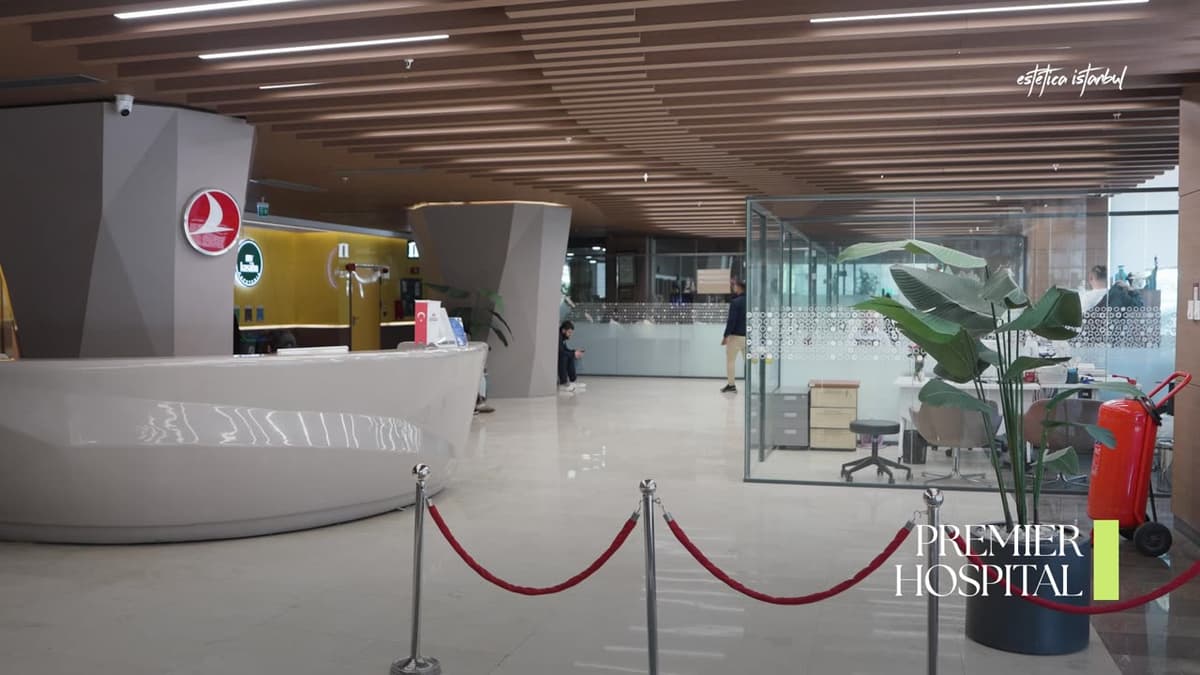
Operacioni në Spitalin e Akredituar nga JCI
Operacioni juaj zhvillohet brenda një spitali plotësisht të akredituar — ekipe të dedikuara anestezie dhe infermierie, kujdes intensiv në të njëjtin kat, standarde ndërkombëtare sigurie. Kurrë një klinikë ditore në rrugicë të prapaskenës.
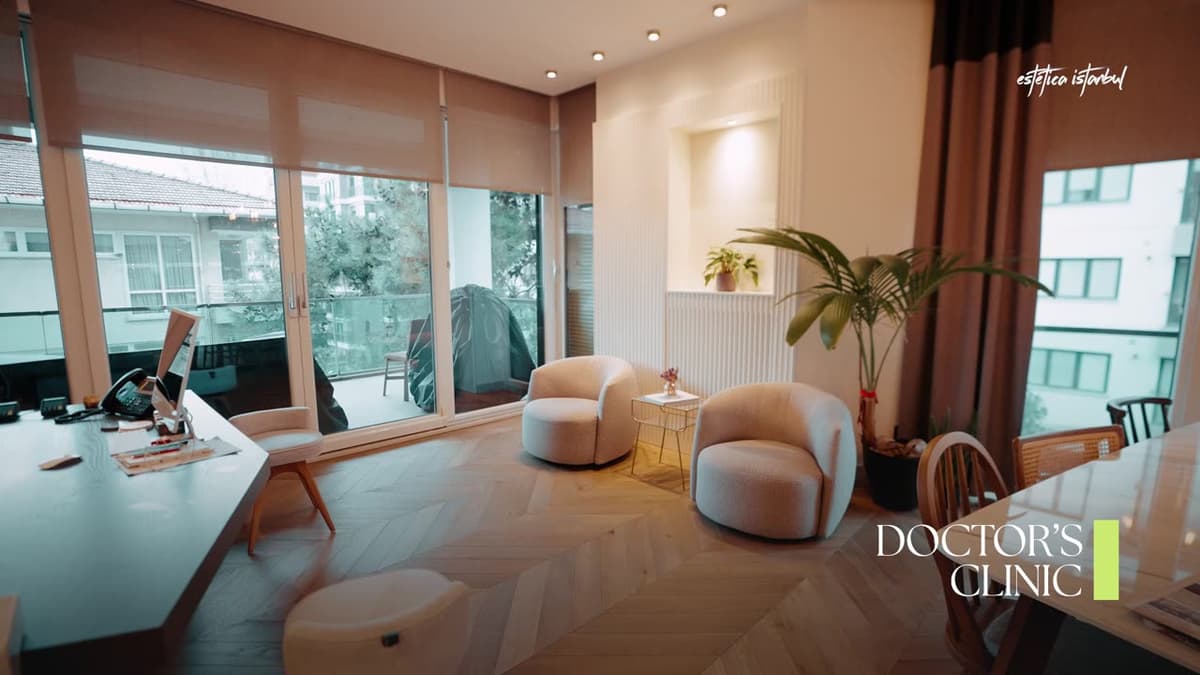
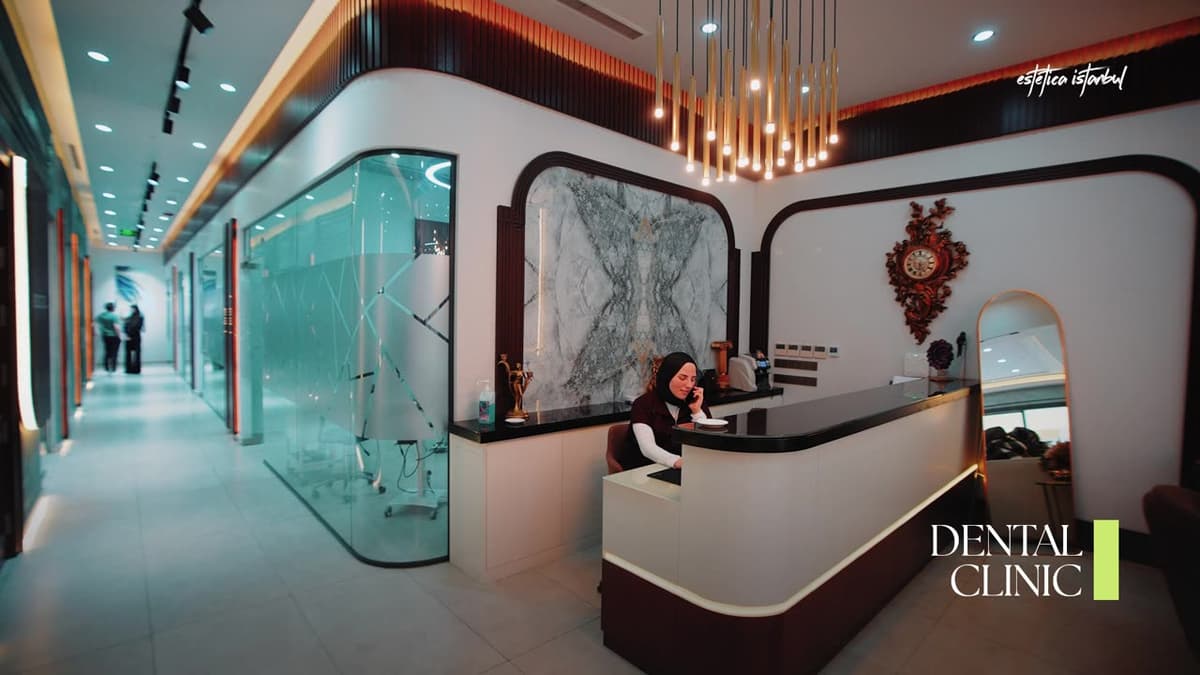
Klinika të Specializuara për Buzëqeshjen & Flokët
Trajtimet jokirurgjikale kryhen në ambiente të ndërtuara posaçërisht — klinika jonë e dedikuar dentare partnere për faseta, kurora dhe implante, dhe klinika jonë partnere e restaurimit të flokëve për transplantet. Secila drejtohet nga ekipe që bëjnë vetëm atë, çdo ditë.
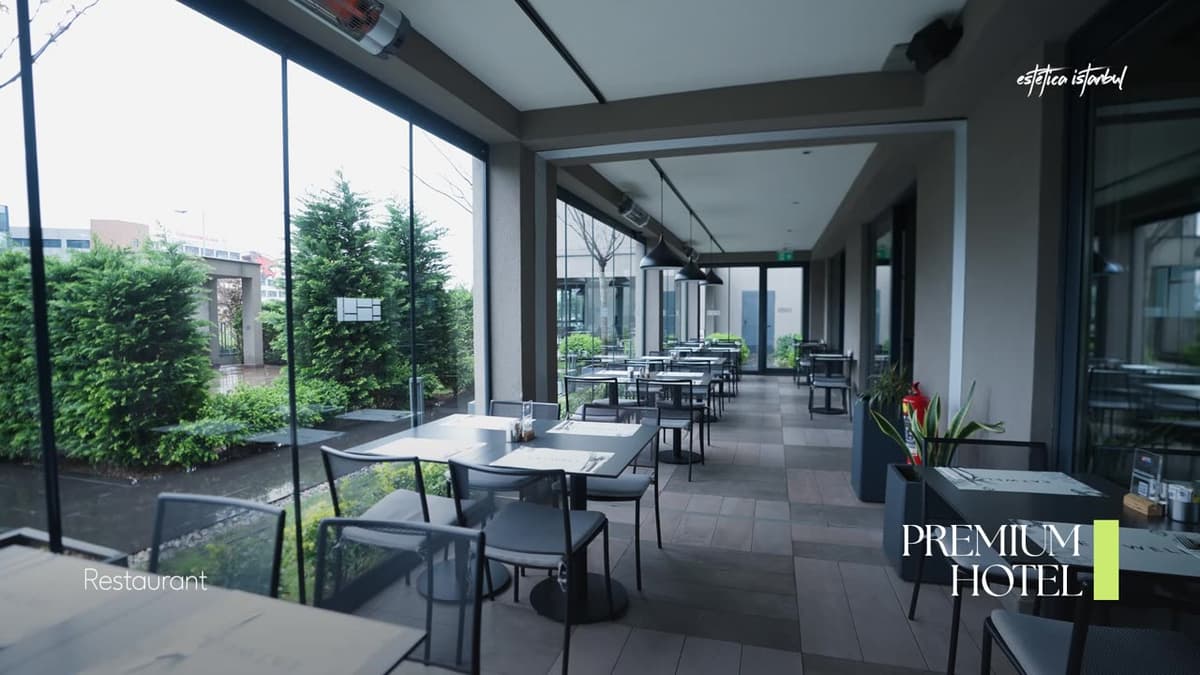
Rikuperimi, Ndjekja & Buzëqeshja Juaj
Ju rikuperoheni në një hotel me kujdes mjekësor në vend, pastaj fluturoni për në shtëpi. Ne ju ndjekim nga distanca për një vit të plotë — dhe nëse lind një ndërlikim, mbulojmë konsultat nga distanca me kirurgun tuaj dhe, në raste të rralla, kirurgjinë e rishikimit — me përmirësimin Antwell.
Konsultë Falas
Na dërgoni foto dhe qëllimet tuaja në WhatsApp. Ne i shqyrtojmë me kirurgun dhe ju dërgojmë një ofertë të detajuar e gjithëpërfshirëse brenda 24 orëve. Pa depozitë për të biseduar.
Ne Kujdesemi për Logjistikën
Sapo vendosni, ne rezervojmë fluturimet, hotelin dhe transfertat VIP. Testet paraprake, pranimi në spital, mbështetja anglishtfolëse — të gjitha të organizuara para se të zbrisni.
Operacioni në Spitalin e Akredituar nga JCI
Operacioni juaj zhvillohet brenda një spitali plotësisht të akredituar — ekipe të dedikuara anestezie dhe infermierie, kujdes intensiv në të njëjtin kat, standarde ndërkombëtare sigurie. Kurrë një klinikë ditore në rrugicë të prapaskenës.
Klinika të Specializuara për Buzëqeshjen & Flokët
Trajtimet jokirurgjikale kryhen në ambiente të ndërtuara posaçërisht — klinika jonë e dedikuar dentare partnere për faseta, kurora dhe implante, dhe klinika jonë partnere e restaurimit të flokëve për transplantet. Secila drejtohet nga ekipe që bëjnë vetëm atë, çdo ditë.
Rikuperimi, Ndjekja & Buzëqeshja Juaj
Ju rikuperoheni në një hotel me kujdes mjekësor në vend, pastaj fluturoni për në shtëpi. Ne ju ndjekim nga distanca për një vit të plotë — dhe nëse lind një ndërlikim, mbulojmë konsultat nga distanca me kirurgun tuaj dhe, në raste të rralla, kirurgjinë e rishikimit — me përmirësimin Antwell.
Çfarë Përfshihet
Nuk Përfshihet
Pyetjet e Bëra Shpesh
Cili është ndryshimi midis bypass-it gastrik dhe sleeve-it gastrik?
Sa peshë do të humbas me bypass gastrik?
Sa kushton bypass-i gastrik në Stamboll?
Cilat janë rreziqet e bypass-it gastrik?
A më duhen vitamina pas bypass-it gastrik?
Sa zgjat rikuperimi nga bypass-i gastrik?
Lexim i Mëtejshëm
 nga €4.370
Kostoja e implantit të mjekrës 2026: 4370 € në Stamboll, më lirë se në Mbretërinë e Bashkuar dhe SHBA, por jo më lirë se në Gjermani ose Itali
Një implant mjekre i rezervuar përmes Estetica Istanbul kushton 4370 € si paketë gjithëpërfshirëse. Kjo është një kursim i qartë krahasuar me Mbretërinë e Bashkuar (4500-6500 £) dhe Shtetet e Bashkuara (nga 3500 $ deri në më shumë se 11000 $), dhe asnjë kursim fare krahasuar me mesataren gjermane prej 3466 € ose mesataren italiane prej 3276 €. Ja shifrat, burimet dhe i vetmi rast kur fluturimi për në Stamboll për një mjekër ende ia vlen.

Nikotina para operacionit jashtë vendit: sa kohë duhet vërtet të ndalesh
Nikotina ngushton enët që mbajnë gjallë një plagë kirurgjikale të freskët, dhe duhanpirësit kanë rreth 3,6 herë më shumë gjasa për nekrozë të indeve. Këtu do të gjesh sa javë para operacionit dhe pas tij duhet të ndalesh, pse fasha dhe cigarja elektronike janë po aq të rrezikshme, dhe çfarë do të bëjë një kirurg në Stamboll nëse nuk e ke ndalur.
 nga €10.060
Kostoja e feminizimit të fytyrës 2026: Turqia, Britania, SHBA, Gjermania dhe Italia
Një paketë e kombinuar FFS nis nga 10.060 € në Stamboll. Ja sa kushton i njëjti grup ndërhyrjesh në Britani, SHBA, Gjermani dhe Itali, me burime të përmendura, kurset e BQE-së dhe përjashtimet që fsheh çdo ofertë.