Flying After a BBL: How Long to Wait Before You Board a Plane

Most surgeons will not clear a BBL patient to fly before day 10, and many prefer three weeks. The constraint is not cabin pressure. It is the two things a plane forces you to do: sit on freshly grafted fat, and stay still for hours. Here is what the evidence supports, what it does not, and how to plan the flight home so it does not cost you the result you paid for.
Why a BBL is the strictest flight case in cosmetic surgery
Transferred fat arrives with no blood supply of its own. For the first days it survives on diffusion from the surrounding tissue, and new vessels only grow into the graft from the edges inward, a process that begins within roughly 48 hours and takes weeks to finish. Anything that compresses the graft during that window squeezes shut the tiny vessels feeding it. The three-zone model used in the fat grafting literature describes exactly this: an outer layer that survives, a middle layer that partly regenerates, and a poorly perfused core that is reabsorbed.
An aircraft seat is a compression device. Six hours of body weight on the buttocks in a 43-centimetre economy seat is not the same as sitting briefly on a chair at home, and there is no way to stand up during takeoff, landing or turbulence. That is the real reason BBL carries the longest travel restriction of any procedure on the list, longer than rhinoplasty and longer than breast augmentation.
What aviation medicine says, and what it does not cover
The UK Civil Aviation Authority advises avoiding air travel for 10 days after abdominal surgery, and about 24 hours after a laparoscopic procedure, because intestinal gas expands by roughly 30 percent at a typical cabin altitude of 8,000 feet. Useful context, but a BBL does not enter the abdominal cavity, so that is not the rule that governs your flight date.
No aviation authority publishes a BBL-specific waiting period. The date comes from three other things: how the grafts are healing, the clot risk created by surgery plus hours of immobility, and whether the surgeon has physically examined you. Long-haul immobility raises venous thromboembolism risk on its own, and recent surgery to the thighs, flanks and buttocks raises it further. Treat any waiting period you read online as a starting point, not a clearance.
The realistic timeline
Days 0 to 10: you should still be in Istanbul
BBL patients should plan 10 to 14 nights in Istanbul, not because agencies enjoy selling hotel nights, but because this is the window in which a seroma, an infection or a fat necrosis problem shows itself, and where an in-person check changes the outcome. Flying on day 5 means the first person to see a complication is a doctor at home with no history of your case.
Days 10 to 14: the earliest most surgeons clear a flight
By day 10 to 14 the incisions are usually closed, any drains are out, and the swelling pattern is readable. This is the earliest reasonable departure, and it comes with conditions: written clearance after a physical check, a graft-protecting cushion, an aisle seat, and a flight short enough that you can stand up regularly. A three-hour hop to Rome or Berlin is a different proposition from eleven hours to Los Angeles.
Week 3 onward: the window most surgeons prefer
From week three the grafts are substantially revascularised, the clot risk has fallen back toward baseline, and sitting on a cushion is tolerable rather than painful. If your job, budget and family situation allow it, flying at three weeks instead of ten days is the cheapest single thing you can do to protect the result. Long-haul patients in particular should build the trip around week three.
How to fly home without wrecking the result
Book an aisle seat and stand or walk every 30 to 60 minutes, with an alarm rather than trusting yourself to remember. Bring the cushion your surgeon recommends and use it for the whole flight, including takeoff and landing. Wear the compression garment and the graduated compression stockings you were given, drink water properly, and skip alcohol and sleeping tablets: both keep you in one position for hours, which is precisely what you are trying to avoid.
Carry your operative note, medication list and clinic contact details in your hand luggage, not in the hold. If something starts during the flight, a spreading redness, one calf swelling, breathing that feels wrong, the cabin crew and any doctor on the ground need to know what was done and when. Ask your coordinator for a written summary in English before you leave, and remember that on a 24/7 line a photo of the incision is worth more than a description.
The money side of getting this wrong
A BBL package with a partner surgeon starts from €4,050, all-inclusive of the surgeon's fee and the hotel nights. Flights are never included, and they are also the part of the trip you should be most willing to change. Rebooking a flight typically costs tens to a couple of hundred euros. Fixing a compressed, partly resorbed graft means a revision procedure, a second flight and another block of time off work, and the revision may not fully restore the shape.
So price the flexibility in from the start. Book a changeable fare, or accept that you may pay a change fee. Hold the departure date open until your day-10 check, and assume extra hotel nights are your cost unless the package states otherwise. A €500 deposit secures the surgery date; it does not lock you into flying on a particular day.
How to book the trip so the flight is not the problem
Ask three questions before you pay for anything: what is the surgeon's own flight-clearance protocol for BBL, on which days are the post-operative checks scheduled, and what happens if the surgeon extends your stay for medical reasons. If a coordinator quotes you a flight date before the surgeon has seen you, that is a sales answer rather than a medical one. Direct flights also beat connections, because two boardings, two sitting cycles and a transfer sprint are worse than one longer leg with a cushion and an aisle.
Frequently asked questions
Can I fly seven days after a BBL?
Some patients do and most are fine, but it is earlier than most surgeons will clear in writing, and it puts you in the air during the highest-risk window for both graft compression and clots. If it is unavoidable, get explicit written clearance after a physical examination, and treat a short flight very differently from a long-haul one.
Is a cushion enough to protect the grafts on a plane?
A cushion shifts weight from the buttocks to the thighs, which helps considerably, but it is not a substitute for waiting. It reduces pressure without removing it, and it does nothing about the clot risk of sitting still. Use it in addition to the waiting period, not instead of it.
Does business class make flying after a BBL safe?
A flat bed lets you lie on your side, which genuinely reduces pressure on the grafts, and the extra room makes moving around easier. That is a real improvement, not a clearance. Low-risk is not risk-free, and the surgeon's timeline does not change because the seat is wider.
If you are planning a BBL in Istanbul and want the actual flight-clearance protocol for your case, the surgeon's own rules, your check-up days and the earliest realistic departure date, our coordinators can map it against your travel dates in a free assessment before you book a ticket.
Povezani članci
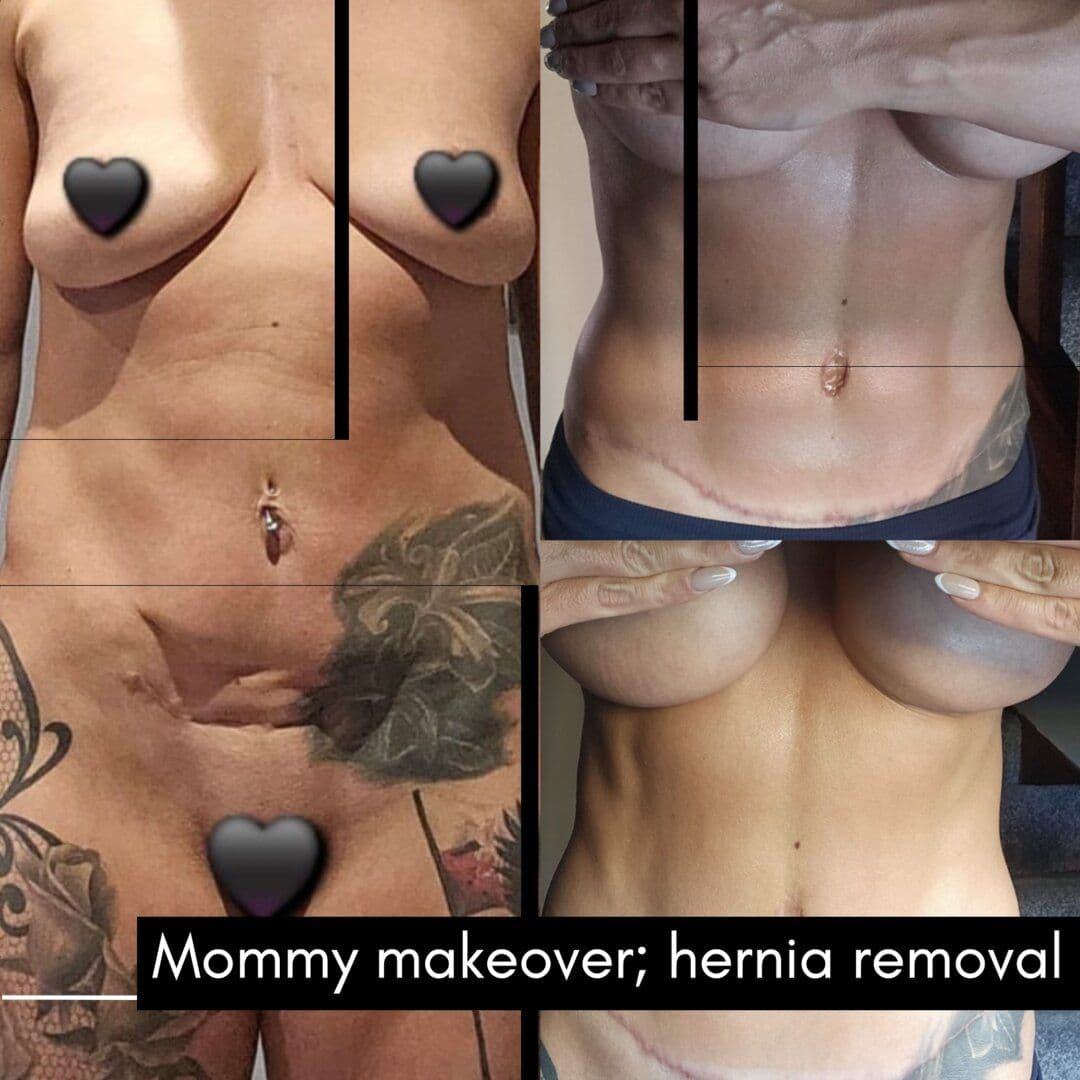
Mommy Makeover Cost 2026: Turkey vs UK, US, Germany and Italy
6. septembar 2026.
Cena liposukcije po zemljama 2026: Turska, Ujedinjeno Kraljevstvo, SAD, Nemačka, Italija
4. septembar 2026.
Cena operacije ginekomastije 2026.: poređenje Turske, Ujedinjenog Kraljevstva, SAD-a, Nemačke i Italije
3. septembar 2026.
Zatražite svoju besplatnu konsultaciju
Naš medicinski tim pregledaće vaš slučaj i poslati vam personalizovani plan lečenja u roku od 24 sata.