Back to BlogMedical Tourism
İstanbul Seyahat Rehberi Tıp Turizmi Hastaları İçin (2026)
EEstetica Istanbul Medical TeamMay 2, 20269 min read
Best Time to Visit Istanbul for Medical Tourism
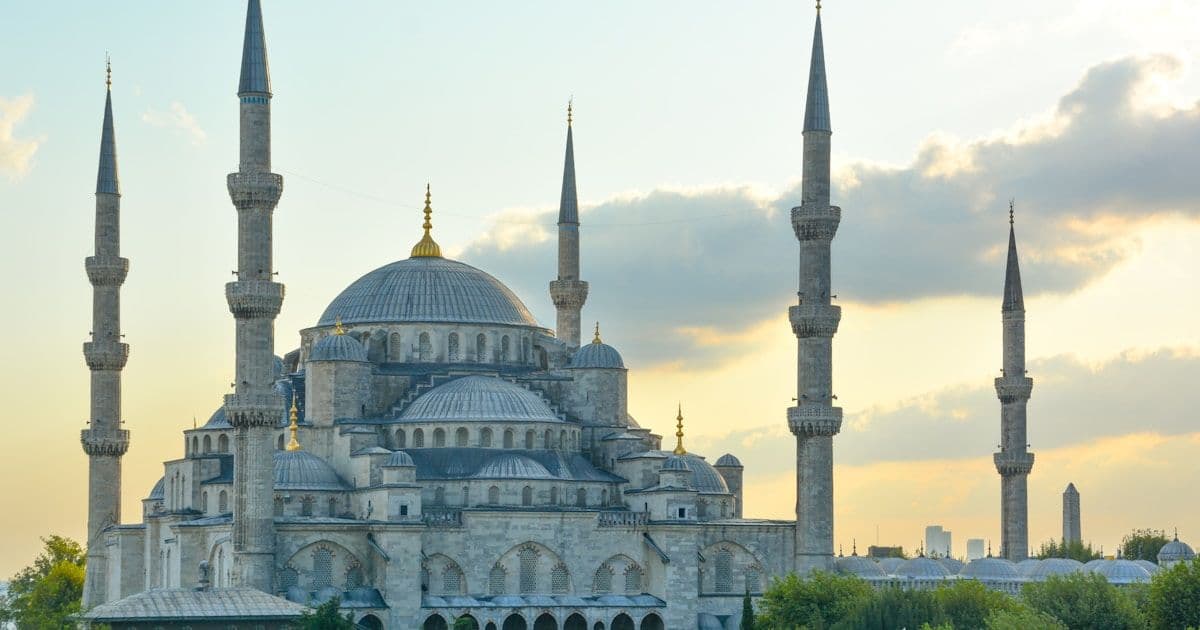
Istanbul's climate significantly affects your recovery experience, and choosing the right season matters. Spring (April-May) and early autumn (September-October) offer ideal conditions: temperatures between 15-25°C, comfortable humidity levels, and minimal rainfall. These seasons are perfect for medical tourists because moderate weather reduces swelling compared to hot summers, and your recovery won't be complicated by extreme heat. Summer (June-August) is extremely hot and humid (25-35°C), which exacerbates post-operative swelling, increases infection risk through heat and humidity, and makes wearing compression garments uncomfortable. Winter (November-February) is cool but rainy, which limits the outdoor activities that aid recovery.
For hair transplantation and most cosmetic procedures, spring is optimal. The moderate weather supports healing, you can begin walking for light exercise by week two without overheating, and you can experience Istanbul's outdoor culture (parks, waterfront, neighborhoods) during your recovery without heat-related complications. Autumn is equally excellent for these reasons. Book your procedure 2-3 months in advance and time it for spring or early autumn. If you must travel during summer or winter, plan your recovery activities accordingly—summer means staying in air-conditioned spaces and avoiding heat exposure, while winter means planning indoor activities and waterproof wound care.
Where to Stay: Neighborhoods for Medical Tourism Recovery
Istanbul is divided by the Bosphorus, with European and Asian sides. Medical tourists typically stay on the European side where most top hospitals and boutique surgical centers are located. Kadıköy is increasingly popular among medical tourists seeking authentic neighborhood experience combined with good accommodation. Located on the Asian side across from downtown Istanbul, Kadıköy offers excellent restaurants, bookstores, and a vibrant neighborhood atmosphere without the tourist crowds of Sultanahmet. The neighborhood has several quality hotels in the 100-200 dollar-per-night range, offering better value than tourist-centric areas. For recovery, Kadıköy's waterfront is perfect for gentle walking, and the neighborhood is compact enough for short distances that don't strain newly healing bodies.
Nişantaşı, on the European side, is Istanbul's upscale shopping and dining district. It's quieter than downtown but offers excellent restaurants, contemporary boutiques, and a less touristy atmosphere than Sultanahmet. Many high-end medical tourists stay in Nişantaşı because it offers luxury without overwhelming tourist energy. Hotels here range from 150-400 dollars per night. Sisli, adjacent to Nişantaşı, offers similar amenities with slightly lower prices. For budget-conscious patients, Aksaray (near the Blue Mosque and major tourist sites) offers very affordable accommodation (40-80 dollars per night) but is crowded and touristy—better for patients focused on clinic visits than recovery comfort. Regardless of neighborhood, choose accommodation within walking distance of restaurants and pharmacies, but not directly on loud main streets.
Transportation: Getting Around During Recovery
Public transportation in Istanbul includes metro, tram, bus, and ferry services. During the first week of recovery, minimize public transportation use because crowded metro cars and buses increase infection risk and put pressure on fresh incisions. Use taxis or ride-sharing apps (Uber and local alternatives like BiTaksi and Bolt operate in Istanbul) for clinic visits and essential activities. A five-minute taxi ride costs roughly 3-5 dollars, making taxis extremely affordable for medical tourists. By week two, as your recovery progresses and you're cleared for light activity, public transportation becomes safer. The metro is modern, relatively clean, and efficient for getting around the city. Download the Istanbulkart app for refillable transit cards—much cheaper than paying per ride.
For longer excursions once cleared for activity (typically week 3+), consider hiring a private driver for a day through your hotel or a tour company. This provides flexibility and comfort without the infection risks of crowded public transit. Ferry services across the Bosphorus are iconic Istanbul experiences and excellent for light post-operative activity by week 3—the gentle motion of ferries doesn't stress fresh incisions, and the water views are genuinely therapeutic. Walking distance from your accommodation should be short—clinic appointments, restaurants, and basic shopping shouldn't require more than 10-15 minutes walking even when you're not at full recovery capacity.
What to Pack: Recovery-Specific Packing List
Beyond standard travel items, pack recovery-specific essentials. Bring prescribed medications and antibiotics in original pharmacy bottles (in case you need refills). Bring multiple compression garments if your surgery requires them—have at least two so you can wear one while the other is washed. Pack sterile gauze, antibiotic ointment, and wound care supplies your surgeon recommends. Bring loose, comfortable clothing that doesn't compress incision sites—button-up shirts are ideal because you don't need to pull shirts over your head. Avoid tight pants if you've had liposuction or BBL; loose sweatpants or athletic wear are ideal. Bring a neck pillow for flight and sleeping—proper neck support reduces strain on facial incisions if you've had facelift or rhinoplasty. Pack prescription pain medication if your surgeon prescribed it (check Turkish customs regulations for your specific medication).
Bring entertainment for your early recovery when activity is limited: books, tablets for streaming, or noise-canceling headphones. Bring your phone charger, plug adapters (Turkey uses type-F European plugs), and a power bank. If you take daily vitamins or supplements that aid healing, bring adequate supply. Bring detailed before-and-after photos from your surgeon's portfolio on your phone in case you want to reference realistic outcome expectations while recovering. Pack sunscreen (SPF 50+) even for winter—sun exposure affects healing scars and pigmentation changes. Avoid heavy luggage; carry minimal belongings and arrange clinic transfers rather than hauling luggage between locations.
Recovery-Friendly Activities and Exploring Istanbul
Your activity level depends on your procedure type and healing progress. For the first week, recovery means rest: your clinic visits, short walks to nearby restaurants, and light neighborhood exploration. By week two for minimally invasive procedures (hair transplant, minor dental work), you can walk for 20-30 minutes at a comfortable pace, exploring your neighborhood, visiting local cafes, and engaging in gentle sightseeing. By week three, you can visit museums and major sites that involve moderate walking but not standing for extended periods. Avoid strenuous activities, sports, and heavy exercise for 4-6 weeks depending on your procedure.
The Bosphorus waterfront is perfect for recovery walks—the scenery is therapeutic, walking is gentle, and ferries provide rest breaks. Galata Tower offers 500 steps of climbing—fine for week 4+ recovery but not earlier. The Turkish and Islamic Arts Museum is excellent because it's not crowded, viewing doesn't require standing, and you can rest frequently. Grand Bazaar is overwhelming during early recovery (crowded, overstimulating, much walking); visit it week 3+ only. Topkapi Palace is spread over a large area; visit week 4+ only. Quiet neighborhoods like Balat and Fener offer authentic Istanbul character without tourist overwhelm. Sit in cafes, watch neighborhood life, take gentle walks—this type of activity aids psychological recovery and allows you to experience Istanbul authentically.
Food Recommendations for Recovery
Turkish cuisine offers excellent options for medical recovery. Turkish breakfast—fresh vegetables, white cheese, bread, olives, and light herbs—is ideal for early post-operative nutrition. Restaurants serving traditional Turkish breakfast (kahvaltı) are everywhere and inexpensive (8-15 dollars). Grilled fish (balık) is excellent protein for wound healing; visit waterfront restaurants in Kadıköy or Ortaköy for fresh seafood. Soup (çorba) is ideal for recovery—ask for chicken or vegetable soup without heavy oils. Stuffed vegetables (dolma) are gentle, nutritious, and authentic. Avoid spicy food during the first week because spices can increase inflammation. Turkish tea (çay) is served everywhere, free at hotels, and excellent for hydration. Turkish coffee is strong and excellent for alert recovery days.
Food safety is excellent in Istanbul—the tourism infrastructure ensures high hygiene standards at most restaurants. Eat at established restaurants rather than street vendors during early recovery when your immune system is compromised. Stay hydrated—drink 2-3 liters of water daily, more in summer. Ask restaurants for water without ice initially (until you're sure your stomach handles cold water). Avoid heavy foods like kebab and fatty meats during the first two weeks; save these for week 3+ when your digestion is fully recovered. Fresh fruit (pomegranate, apricots, grapes) is excellent for healing and available year-round in Istanbul's markets. Turkish yogurt is probiotic-rich and aids digestion and recovery.