
Шлунковий балон
Шлунковий балон у Стамбулі — нехірургічний тимчасовий внутрішньошлунковий балон для BMI 27–35. Встановлюється ендоскопічно, носиться 6 або 12 місяців, потім видаляється. У поєднанні з супроводом дієтолога для формування сталих звичок. Медичний нагляд Dr. Güleş, лікарні з акредитацією JCI.
від2 780 €US$3,220£2,390CA$4,480A$4,530NZ$5,500· Все включено
Нам довіряють понад 6 000 пацієнтів з усього світу
Отримайте безкоштовну консультацію
Медична команда наших партнерів розгляне ваш випадок і надішле персональний план лікування протягом 24 годин.
Заощаджуйте до 82% у Стамбулі
Типові ціни «все включено» за країнами. Джерела: ASPS, RealSelf, прайси провідних клінік Великої Британії та США, 2025.
Туреччина (Стамбул)
від 2 780 €US$3,220£2,390CA$4,480A$4,530NZ$5,500
економія 82%
Велика Британія
від 12 500 €US$14,500£10,750CA$20,130A$20,380NZ$24,750
США
від 15 500 €US$17,980£13,330CA$24,960A$25,270NZ$30,690
Італія
від 8 500 €US$9,860£7,310CA$13,690A$13,860NZ$16,830
Німеччина
від 8 500 €US$9,860£7,310CA$13,690A$13,860NZ$16,830
Тривалість
20–30 minutes
Анестезія
Sedation
Перебування в лікарні
Day procedure
Повернення до роботи
3 days
Час відновлення
3–5 days
Видимий результат
6–12 months
Коротко
- Що це таке?
- Шлунковий балон у Стамбулі — без операції, тимчасово (6 або 12 місяців). Для BMI 27–35 як…
- Вартість
- €2,780 — все включено: хірург, лікарня, готель, трансфери та післяопераційний догляд; переліт не входить
- Відновлення
- 3–5 days
- Безпека та ризики
- Виконується у стамбульських лікарнях з акредитацією JCI. Медичний зміст перевірено д-ром Мустафою Екремом Ґюлешем. Будь-яка процедура має певні ризики — на консультації ми чесно обговоримо показання та можливі ускладнення.
Шлунковий балон — це нехірургічний, тимчасовий інструмент керування вагою. М’який силіконовий балон встановлюють у шлунок ендоскопічно, заповнюють фізіологічним розчином і залишають на шість або дванадцять місяців (залежно від обраного пристрою). Він займає об’єм шлунка, уповільнює його спорожнення та зменшує кількість їжі за прийом — забезпечуючи зниження ваги зазвичай на 10–20% маси тіла за період лікування. Наприкінці цього періоду балон видаляють ендоскопічно.
Ми від початку називаємо це інструментом, а не рішенням — бо це чесне формулювання й саме воно визначає, чи отримає пацієнт користь, чи шкодуватиме. Балон працює ті місяці, поки він на місці. Що буде далі, вирішує те, які звички змінилися. Для пацієнтів, які сприймають ці шість або дванадцять місяців як вікно можливостей, щоб перебудувати свої стосунки з їжею та виробити сталі звички, балон — корисне втручання. Для тих, хто бачить у ньому швидке рішення й після видалення повертається до попередньої моделі харчування, повернення ваги протягом наступного року — звична річ.
Кому підходить шлунковий балон
Типовий кандидат має BMI у діапазоні 27–35 — вище за надлишкову вагу, але нижче за поріг, з якого показані рукавна резекція чи шунтування; уже пробував знизити вагу без операції (дієта, фізичні навантаження, часто препарати GLP-1) з обмеженим успіхом і хоче структурної допомоги, щоб наступна спроба вдалася; готовий працювати за структурованою програмою харчування та зміни поведінки протягом лікування (це умова, яка не обговорюється); не має активних захворювань шлунково-кишкового тракту, що є протипоказанням до ендоскопічного встановлення (велика грижа стравохідного отвору діафрагми, виразкова хвороба, попередні операції на шлунку, активна інфекція H. pylori — усе це перевіряють до встановлення).
Кому балон не підходить: пацієнтам із BMI понад 35 і супутніми захворюваннями (правильна операція — рукавна резекція чи шунтування, а не балон); пацієнтам із BMI менше ніж 27 (медичних показань немає); пацієнтам з активною гастроезофагеальною рефлюксною хворобою (GORD) — балон може її погіршити; вагітним або тим, хто планує вагітність протягом найближчого року.
Балон чи GLP-1 — що обрати?
Це питання, з яким приходить більшість пацієнтів з англомовних країн, адже препарати GLP-1 (Ozempic, Wegovy, Mounjaro) тепер широко доступні у Великій Британії, США, Австралії та інших країнах. Обидва підходи знижують вагу; обидва тимчасові (повернення ваги після припинення — поширене явище); обидва працюють краще в поєднанні зі зміною поведінки.
Балон зазвичай є кращим вибором, коли: ви хочете одноразове втручання на 6–12 місяців, а не постійний прийом ліків; вартість тривалого приймання GLP-1 (~200 £+ на місяць у приватному секторі) є непідйомною в довгій перспективі; ви стикалися з побічними ефектами GLP-1 (нудота, дискомфорт у шлунково-кишковому тракті, порідіння волосся) і хочете їх уникнути; або ви вже пробували GLP-1 і після припинення набрали вагу знову, тож для наступної спроби шукаєте інший інструмент.
GLP-1 зазвичай є кращим вибором, коли: ви віддаєте перевагу медикаментозному, а не процедурному втручанню; ви хочете мати змогу продовжувати лікування тривало; у вас є окремі медичні показання поза зниженням ваги (цукровий діабет 2 типу, серцево-судинний ризик); встановлення балона протипоказане.
На консультації ми чесно обговорюємо обидва варіанти. Для частини пацієнтів правильна відповідь — GLP-1, а не балон, і ми про це прямо кажемо.
Види балонів
Використовують дві основні категорії пристроїв. Вибір залежить від пацієнта та бажаного періоду лікування.
Ендоскопічний балон, наповнений рідиною (6 або 12 місяців): встановлюють ендоскопічно під легкою седацією, заповнюють фізіологічним розчином і метиленовим синім (барвник забарвлює сечу в синій колір, якщо балон протікає, — це раннє попередження). Носять 6 або 12 місяців. Видаляють ендоскопічно. Це основний робочий пристрій і наша типова рекомендація.
Балон, що ковтається (Allurion — 4 місяці): проковтується у вигляді капсули, розправляється у шлунку й приблизно на четвертому місяці природно виходить через шлунково-кишковий тракт без процедури видалення. Менше часу на зниження ваги й менший загальний результат, але жодних процедур встановлення чи видалення. Показаний окремим пацієнтам, які хочуть найкоротший варіант.
Як усе відбувається, крок за кроком
Встановлення виконують ендоскопічно під легкою внутрішньовенною седацією. Процедура триває 20–30 хвилин. Жодних хірургічних розрізів. Це процедура одного дня — після короткого періоду відновлення ви повертаєтеся до готелю. У лікарні з акредитацією JCI.
Видалення (через 6 або 12 місяців залежно від пристрою) також ендоскопічне, під легкою седацією, зазвичай 15–20 хвилин. Виконується в нашій клініці-партнері, якщо ви можете повернутися до Стамбула, або — для пацієнтів, які не мають змоги приїхати, — організовується в рекомендованій клініці у вашій країні. Обидва варіанти ми узгоджуємо ще на етапі встановлення.
Відновлення та перші тижні
Перші три–сім днів після встановлення найважчі. Шлунок пристосовується до балона: нудота, легкий чи помірний дискомфорт у животі та зниження апетиту очікувані й контролюються протиблювотними та спазмолітичними препаратами, які видають при виписці. Більшість пацієнтів ставляться до цього періоду серйозно — відпочинок, питний режим і дуже поступове повернення до їжі за наданим протоколом.
До кінця першого тижня більшість пацієнтів харчуються звично (але значно менше) і повертаються до звичайної активності. Зниження ваги зазвичай починається вже в цей адаптаційний період і триває протягом усього часу лікування.
Програма харчування та зміни поведінки — умова, яка не обговорюється
Балон без зміни поведінки дає тимчасове зниження ваги й майже гарантоване її повернення. Тому кожне встановлення балона в нас включає 12-місячну програму харчування та зміни поведінки (навіть для 6-місячних балонів — підтримку ми продовжуємо ще 6 місяців після видалення). Програма охоплює англомовний супровід дієтолога у WhatsApp для планування харчування та вирішення проблем, щомісячні перевірки ваги й поведінкових патернів і конкретні напрями роботи залежно від вашого профілю (заїдання емоцій, контроль порцій, алкоголь, час прийомів їжі, залучення фізичної активності).
Пацієнти, які послідовно працюють за програмою, досягають найкращих і найстійкіших результатів. Ті, хто не залучається, зазвичай набирають вагу знову протягом 12–18 місяців після видалення. Ми чесно говоримо про це на консультації.
Очікувані результати
Типове зниження ваги під час лікування: 10–20% маси тіла за період носіння, зі значними індивідуальними відмінностями. Вага через 12 місяців після видалення: пацієнти, залучені до поведінкової програми, здебільшого утримують більшу частину втраченого; ті, хто відходить від програми, часто суттєво набирають знову.
Ризики та реалістичні очікування
Чесно про ризики: нудота та дискомфорт у животі в перший тиждень (очікувані, добре піддаються лікуванню); непереносимість, що потребує раннього видалення, у невеликого відсотка пацієнтів; здування балона (рідко — виявляється за синім кольором сечі через метиленовий синій); рання міграція (дуже рідко з сучасними пристроями); рефлюкс/GORD; ризики ендоскопічного встановлення та седації (мінімальні в умовах лікарні з акредитацією JCI за участю анестезіолога).
Найважливіший «ризик» — це повернення ваги після видалення, якщо поведінка не змінилася. Ми прямо називаємо це головним чинником довгострокового результату.
Чому Стамбул, а не інші напрямки
Обсяг ендоскопічної практики важливий і для безпеки встановлення, і для якості супровідної програми. Наша команда встановлює балони регулярно, у лікарнях з акредитацією JCI за присутності анестезіолога, з інтегрованою англомовною командою дієтологів на весь 12-місячний шлях. Різниця в ціні порівняно з Великою Британією, США чи Австралією — суттєва.
Dr. Mustafa Ekrem Güleş клінічно погоджує кожного пацієнта перед встановленням.
Чому не варто брати шлунковий балон за 800 €
У випадку балона найнижча ціна оплачується умовами без акредитації JCI, відсутністю програми харчування (балон стає тимчасовим засобом зниження ваги без довгострокової користі) та відсутністю плану дій, якщо у вас виникне непереносимість або знадобиться раннє видалення. Клініка, що називає за балон 800 €, часто не включає програму харчування, витрати на анестезію та саме видалення, а супроводу англійською в неї немає.
Те, за що ви платите в нас, можна перевірити: лікарня з акредитацією JCI та анестезіолог, встановлення і видалення (обидві процедури включено), 12-місячна англомовна програма харчування, план дій на випадок раннього видалення.
Англомовна команда — на всі 12 місяців шляху
Наша команда відповідає англійською у WhatsApp, телефоном та електронною поштою. Саме для пацієнтів із балоном 12-місячна програма включає англомовного дієтолога, доступного впродовж усього періоду для планування харчування, розв’язання проблем із симптомами та роботи зі звичками. Період із балоном — це сфокусовані 12 місяців змін, і ми супроводжуємо його англійською від початку до кінця.
Запишіться на безкоштовну консультацію — наша команда відповідає в робочі години Великої Британії та Ірландії, а також у другому вікні, що охоплює час від Східного узбережжя США до ранку в Австралії. Оцінка показань за BMI та чесна рекомендація «балон чи GLP-1» — того ж дня.
Перш ніж порівнювати ціни, з’ясуйте, про який саме балон ідеться
Запитайте назву пристрою, як його встановлюють, на який термін він має залишатися в організмі та як його видаляють або як він виходить з організму. Різні вироби не слід представляти як один взаємозамінний метод лікування. Поточна опублікована початкова ціна €2,780 стосується балона на шість місяців, який не призначений для ковтання, у каталозі цін; це не підтверджена ціна для кожного згаданого бренду чи терміну використання. Перельоти не включені.
Якщо у вашій ціновій пропозиції зазначено бренд, попросіть підтвердити, що до неї включено саме цей виріб. Запитайте, що станеться, якщо після огляду команда порадить інший пристрій, і чи зміниться через це вартість.
Плануйте завершення лікування від самого початку
Запитайте, чи потрібна окрема процедура для видалення, чи доведеться знову їхати до Стамбула та чи включені ці витрати. Не робіть зі слова «тимчасовий» висновку, що балон зникне сам або що його видалення безкоштовне.
Попросіть надати відповідні дати й порядок зв’язку письмово. Якщо протягом запланованого періоду лікування ви зміните країну перебування, запитайте, як це вплине на контрольні огляди та видалення. Збережіть відомості про пристрій, щоб показати їх медичному фахівцеві, якщо вам знадобиться оцінка стану в іншому місці.
Порівнюйте програму підтримки так само ретельно, як і пристрій
Запитайте, хто надає підтримку з питань харчування, як організовують консультації та якою послугою ви зможете користуватися після повернення додому. Якщо зазначено, що підтримка включена, мають бути вказані її тривалість та обсяг.
Розкажіть про свій режим харчування, робочий графік і попередній досвід лікування. Запитайте, як команда адаптуватиме рекомендації до цих обставин. Балон не слід рекламувати як засіб, що усуває потребу в індивідуальному плані або гарантує збереження змін ваги після завершення лікування.
Знайте, до кого звертатися, якщо перебіг лікування зміниться
Запитайте, чим очікувані симптоми на ранньому етапі відрізняються від проблем, які потребують оцінки, і куди звертатися по невідкладну допомогу. Попросіть медичного фахівця, який проводить лікування, надати інструкції саме для вашого пристрою.
Якщо раннє видалення необхідне або рекомендоване, запитайте, які витрати на лікування, подорож і проживання можуть виникнути. Агенція, надавач медичних послуг і страховик мають різні ролі; попросіть надати застосовні умови, а не припускайте, що хтось один покриває витрати інших.
Чи включає початкова ціна встановлення та видалення?
Попросіть детальну відповідь за окремими статтями для зазначеного пристрою. Не припускайте, що прийом для видалення включено.
Чи можу я обрати балон лише за тривалістю його перебування в організмі?
Обговоріть із медичним фахівцем придатність методу та весь план, зокрема встановлення, подальше спостереження й видалення.
Чи пропонують тут усі види балонів?
Запитайте, який пристрій доступний зараз. Згадка бренду в інформаційній статті не є підтвердженням його доступності.
Ваша подорож. Наші руки.
Від першого повідомлення до перельоту додому — логістику беремо на себе ми. Ви зосереджуєтеся на результаті, заради якого приїхали.


Безкоштовна консультація
Надішліть нам фото та свої побажання у WhatsApp. Ми розглянемо їх разом із хірургом і надішлемо детальний розрахунок «все включено» протягом 24 годин. Розмова без передоплати.
Ми беремо логістику на себе
Щойно ви ухвалите рішення, ми бронюємо переліт, готель і VIP-трансфери. Передопераційні аналізи, госпіталізація, підтримка вашою мовою — усе організовано ще до вашого прильоту.
Операція в лікарні з акредитацією JCI
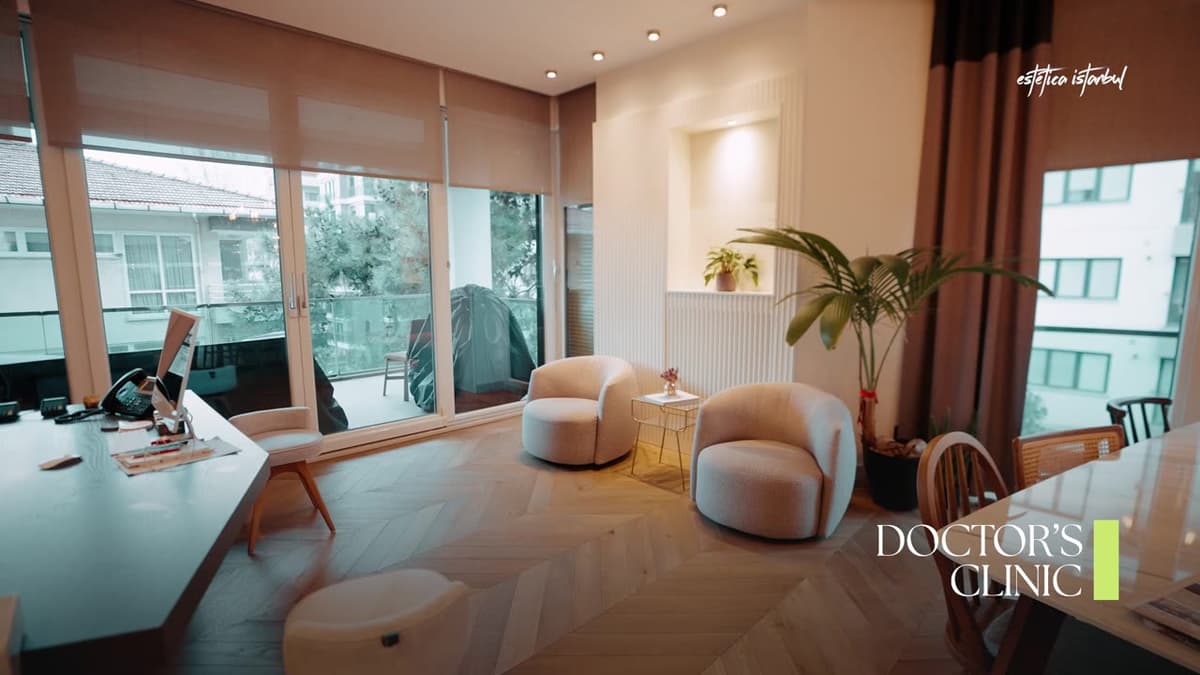
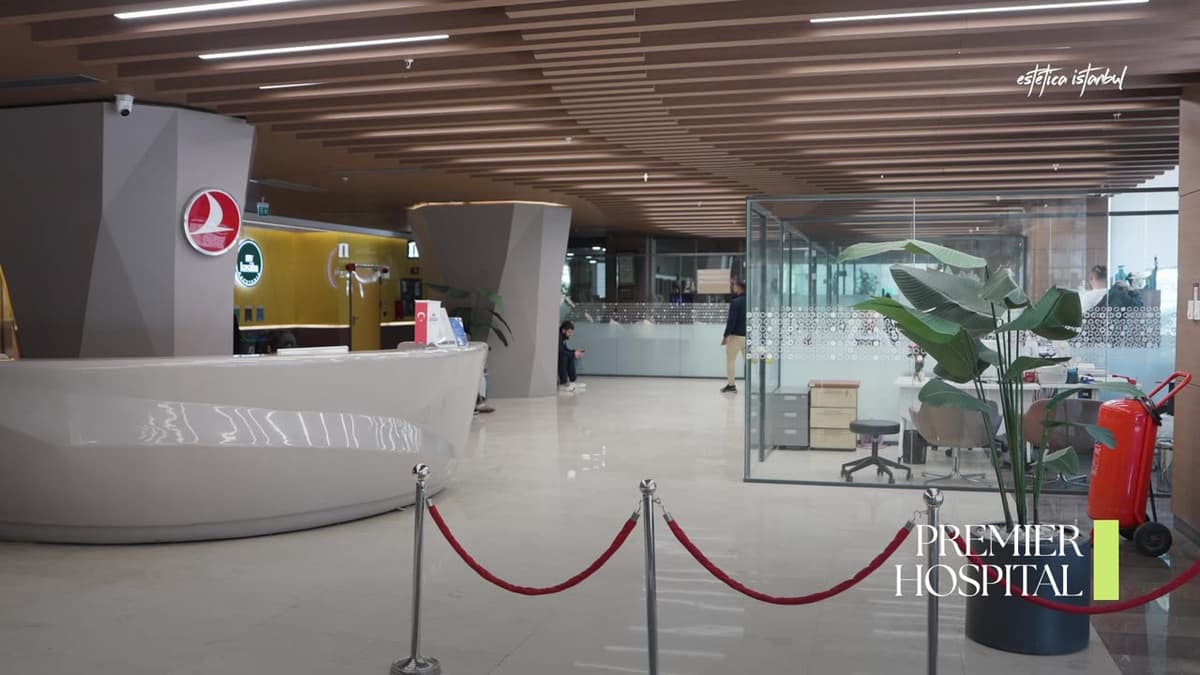
Ваша операція проходить у повністю акредитованій лікарні — окремі команди анестезіологів і медсестер, реанімація на тому ж поверсі, міжнародні стандарти безпеки. Ніяких підвальних одноденних клінік.
Спеціалізовані клініки для усмішки та волосся
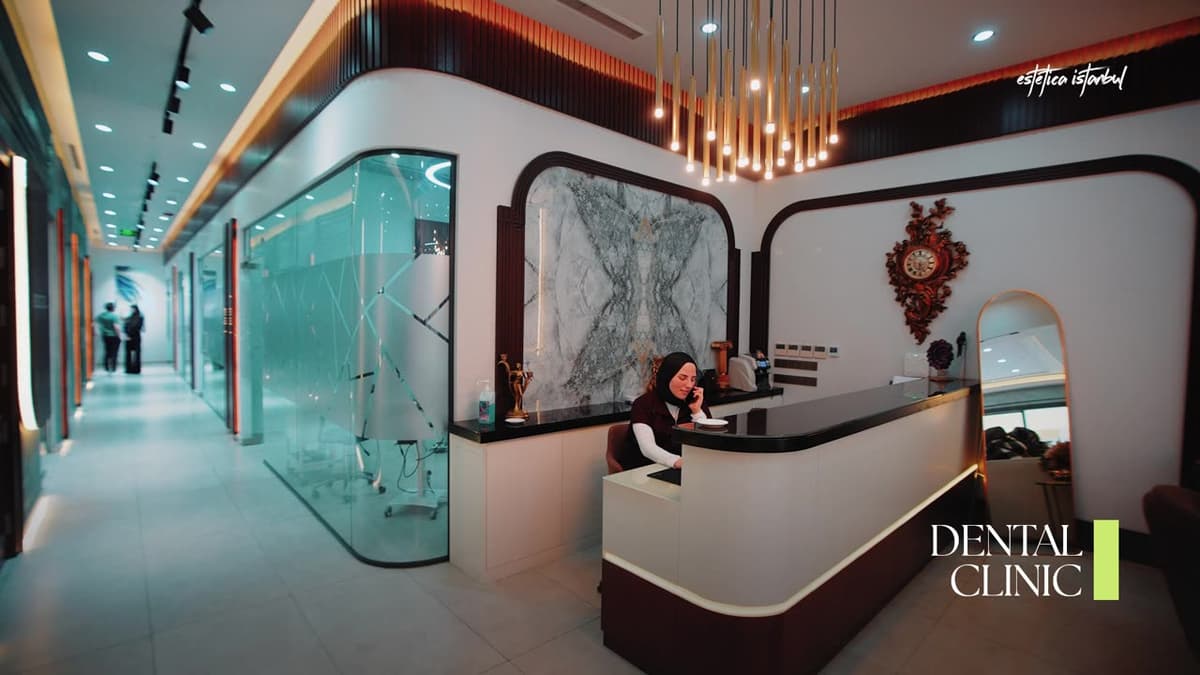
Нехірургічні процедури виконуються у спеціально обладнаних закладах — наша партнерська стоматологічна клініка для вінірів, коронок та імплантів і партнерська клініка відновлення волосся для пересадок. Кожну веде команда, яка щодня займається лише цим.
Відновлення, контроль і ваша усмішка
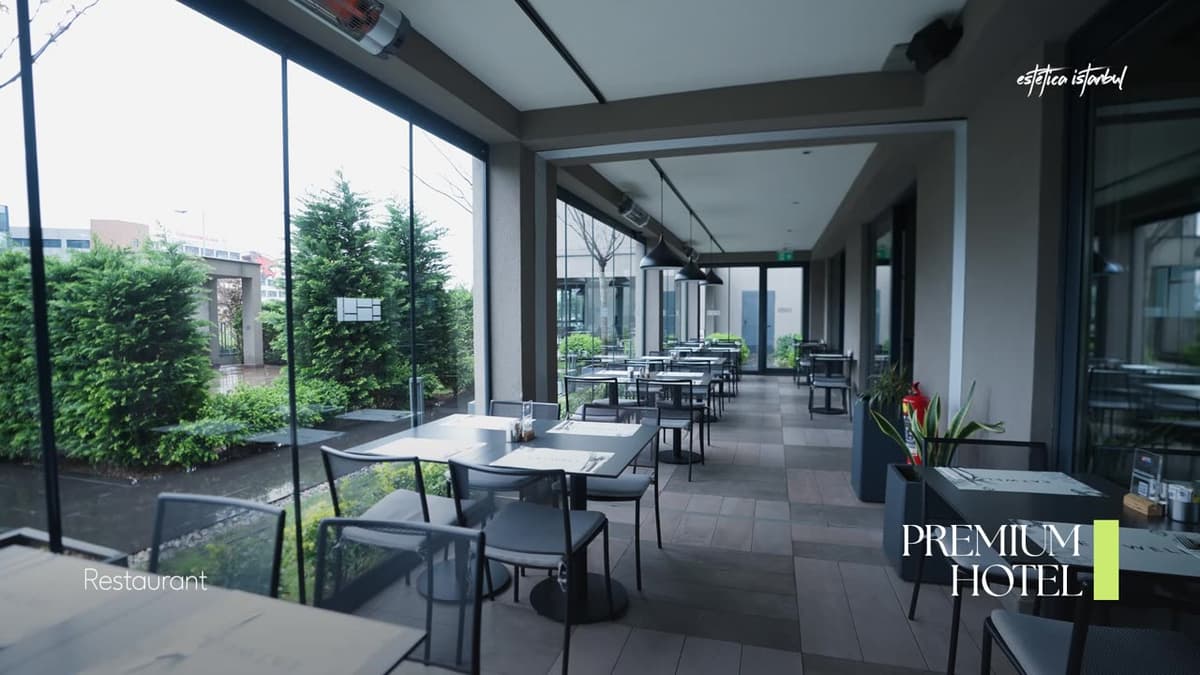
Ви відновлюєтеся в готелі з медичним супроводом на місці, а потім летите додому. Ми підтримуємо зв'язок дистанційно цілий рік — і якщо виникає ускладнення, ми покриваємо дистанційні консультації з вашим хірургом, а у рідкісних випадках і повторну операцію — з опцією Antwell.
Безкоштовна консультація
Надішліть нам фото та свої побажання у WhatsApp. Ми розглянемо їх разом із хірургом і надішлемо детальний розрахунок «все включено» протягом 24 годин. Розмова без передоплати.
Ми беремо логістику на себе
Щойно ви ухвалите рішення, ми бронюємо переліт, готель і VIP-трансфери. Передопераційні аналізи, госпіталізація, підтримка вашою мовою — усе організовано ще до вашого прильоту.
Операція в лікарні з акредитацією JCI
Ваша операція проходить у повністю акредитованій лікарні — окремі команди анестезіологів і медсестер, реанімація на тому ж поверсі, міжнародні стандарти безпеки. Ніяких підвальних одноденних клінік.
Спеціалізовані клініки для усмішки та волосся
Нехірургічні процедури виконуються у спеціально обладнаних закладах — наша партнерська стоматологічна клініка для вінірів, коронок та імплантів і партнерська клініка відновлення волосся для пересадок. Кожну веде команда, яка щодня займається лише цим.
Відновлення, контроль і ваша усмішка
Ви відновлюєтеся в готелі з медичним супроводом на місці, а потім летите додому. Ми підтримуємо зв'язок дистанційно цілий рік — і якщо виникає ускладнення, ми покриваємо дистанційні консультації з вашим хірургом, а у рідкісних випадках і повторну операцію — з опцією Antwell.
Що входить
Не входить
Часті запитання
Що таке шлунковий балон?
Скільки ваги можна скинути зі шлунковим балоном?
Скільки коштує шлунковий балон?
Чи боляче встановлювати балон?
Що можна їсти з балоном?
Чи можна видалити балон раніше, якщо мені некомфортно?
Читати далі
 від 1 180 €
Вартість бішектомії 2026: 1 180 € у Стамбулі проти 2 300 € у Німеччині, 2 600 € в Італії та 4 083 € у Великій Британії
Пакет у Стамбулі починається від 1 180 € проти 2 300 € у Німеччині, 2 600 € в Італії, 4 083 € у Великій Британії та 4 403 € як реалістичного мінімуму у США. Проти Великої Британії та США економія витримує будь-які витрати на подорож. Проти Німеччини й Італії переліт за 350 € з'їдає приблизно третину різниці.
 від 3 550 €
Вартість підтяжки брів 2026: 3 550 € у Стамбулі — дешевше, ніж у Великій Британії, Німеччині та США, але не дешевше, ніж в Італії
Підтяжка брів коштує 3 550 € з усім включеним через Estetica Istanbul, від 5 500 £ до 10 500 £ у Лондоні, 5 460 $ лише як гонорар хірурга у Сполучених Штатах і від 8 000 € до 13 000 € за ендоскопічну техніку в Німеччині. Опублікований італійський діапазон від 2 500 € до 5 000 € перекривається зі стамбульським пакетом і в нижній точці опускається нижче за нього, тож сама лише ціна не виправдовує поїздки з Італії.
 від 4 020 €
Вартість імплантата підборіддя у 2026 році: 4020 € у Стамбулі, дешевше, ніж у Великій Британії та США, але не дешевше, ніж у Німеччині чи Італії
Імплантат підборіддя, заброньований через Estetica Istanbul, коштує 4020 € як пакет усе включено. Це явна економія порівняно з Великою Британією (4500-6500 £) та Сполученими Штатами (від 3500 $ до понад 11000 $) і жодної економії порівняно із середньою ціною в Німеччині 3466 € чи середньою ціною в Італії 3276 €. Ось цифри, джерела та єдина ситуація, коли переліт до Стамбула заради підборіддя все ж виправданий.