
Шунтування шлунка
Шунтування шлунка в Стамбулі — лапароскопічне шунтування за Roux-en-Y для пацієнтів із високим BMI, тяжким рефлюксом або діабетом 2 типу. Складніше за рукавну резекцію, потребує довічного контролю вітамінів. Програма супроводу на 12 місяців. Медичний нагляд — д-р Güleş, лікарні з акредитацією JCI.
від3 870 €US$4,490£3,330CA$6,230A$6,310NZ$7,660· Все включено
Нам довіряють понад 6 000 пацієнтів з усього світу
Отримайте безкоштовну консультацію
Медична команда наших партнерів розгляне ваш випадок і надішле персональний план лікування протягом 24 годин.
Заощаджуйте до 82% у Стамбулі
Типові ціни «все включено» за країнами. Джерела: ASPS, RealSelf, прайси провідних клінік Великої Британії та США, 2025.
Туреччина (Стамбул)
від 3 870 €US$4,490£3,330CA$6,230A$6,310NZ$7,660
економія 82%
Велика Британія
від 17 500 €US$20,300£15,050CA$28,180A$28,520NZ$34,650
США
від 21 500 €US$24,940£18,490CA$34,620A$35,050NZ$42,570
Італія
від 11 500 €US$13,340£9,890CA$18,520A$18,750NZ$22,770
Німеччина
від 11 500 €US$13,340£9,890CA$18,520A$18,750NZ$22,770
Тривалість
2–4 hours
Анестезія
General anesthesia
Перебування в лікарні
3 nights
Повернення до роботи
2–3 weeks
Час відновлення
4–6 weeks
Видимий результат
12–18 months
Коротко
- Що це таке?
- Шунтування шлунка в Стамбулі — Roux-en-Y при високому BMI, тяжкому рефлюксі або діабеті 2…
- Вартість
- €3,870 — все включено: хірург, лікарня, готель, трансфери та післяопераційний догляд; переліт не входить
- Відновлення
- 4–6 weeks
- Безпека та ризики
- Виконується у стамбульських лікарнях з акредитацією JCI. Медичний зміст перевірено д-ром Мустафою Екремом Ґюлешем. Будь-яка процедура має певні ризики — на консультації ми чесно обговоримо показання та можливі ускладнення.
Шунтування шлунка — а саме лапароскопічне шунтування за Roux-en-Y — найскладніша з первинних баріатричних операцій і водночас та, що дає найсильніші довгострокові результати у зниженні ваги та ремісії діабету 2 типу. Це не та операція, яка підходить кожному баріатричному пацієнтові: при BMI 35–45 без тяжкого рефлюксу першим правильним вибором зазвичай є рукавна резекція шлунка. Шунтування показане в конкретних ситуаціях: високий BMI (як правило, понад 50), виражена рефлюксна хвороба (шунтування усуває рефлюкс, тоді як рукавна резекція може його посилити), діабет 2 типу, коли метою є максимально стійка ремісія, і — дедалі частіше — пацієнти, які перенесли рукавну резекцію п’ять–п’ятнадцять років тому та суттєво набрали вагу знову.
Операція назавжди змінює будову верхніх відділів травного тракту: формується невеликий шлунковий резервуар обсягом приблизно 30 мл, який з’єднується безпосередньо з тонкою кишкою (в обхід більшої частини шлунка та проксимального відділу тонкої кишки), а жовч і панкреатичний сік спрямовуються до їжі значно нижче по тонкій кишці. Ці анатомічні зміни дають три ефекти: менший обсяг з’їденого, знижене всмоктування та гормональні зміни, які потужно перебудовують сигнали голоду й насичення.
Кому підходить шунтування шлунка
Операція показана в чітко визначених клінічних ситуаціях, а не для загального контролю ваги. Придатний кандидат зазвичай має BMI понад 50; або BMI 35–50 з діабетом 2 типу, коли головна мета — ремісія діабету (шунтування дає ремісію у 60–80% пацієнтів із діабетом 2 типу, що суттєво більше, ніж після рукавної резекції); або BMI 35–50 з тяжкою рефлюксною хворобою (шунтування усуває рефлюкс, тоді як рукавна резекція може його посилити); або вже переніс рукавну резекцію та звертається по конверсію через повторний набір ваги чи стійкий рефлюкс; має задокументовані спроби нехірургічного зниження ваги протягом дванадцяти й більше місяців; психологічно готовий до незворотної зміни анатомії та довічного приймання вітамінів; не курить або відмовився від куріння за чотири тижні до операції; не має протипоказань з боку здоров’я.
Кому шунтування не підходить: пацієнтам, чий випадок краще вирішує рукавна резекція (більшість пацієнтів із BMI 35–45 без тяжкого рефлюксу чи діабету); пацієнтам, які не готові довічно приймати вітаміни та щороку здавати аналізи крові; пацієнтам з активними проблемами вживання алкоголю або психоактивних речовин (шунтування суттєво змінює метаболізм алкоголю); пацієнтам із вираженими запальними захворюваннями тонкої кишки.
Чому шунтування дає такі сильні результати при діабеті
Шунтування має найпотужнішу доказову базу серед усіх хірургічних втручань щодо ремісії діабету 2 типу. Механізм полягає не лише у зниженні ваги — він анатомічний. Спрямовуючи їжу повз дванадцятипалу кишку та проксимальний відділ порожньої кишки, операція змінює гормональні сигнали, які регулюють рівень глюкози в крові. Багато пацієнтів із діабетом 2 типу помічають суттєве покращення показників глюкози вже за кілька днів після операції, ще до помітного зниження ваги. Довгострокової ремісії (нормальний HbA1c без медикаментів) вдається досягти більшості придатних пацієнтів.
Для пацієнта з діабетом, якому інакше загрожує довічний прийом метформіну, інсуліну чи препаратів GLP-1, шунтування часто є операцією з найкращим довгостроковим результатом — і мотивованому пацієнтові з відповідним BMI та характеристиками діабету ми нерідко рекомендуємо саме шунтування замість рукавної резекції саме з цієї причини.
Операція крок за кроком
Виконується під загальним наркозом у лікарні з акредитацією JCI за участю анестезіологічної команди, що спеціалізується на баріатрії. Тривалість зазвичай дві–три години — довше, ніж рукавна резекція, бо операція передбачає два окремі анастомози (хірургічні з’єднання), а не одну резекцію. Стандартом є дві–три ночі в лікарні.
Операція лапароскопічна — від чотирьох до шести невеликих розрізів у верхній частині живота, через які хірург формує малий шлунковий резервуар, перетинає тонку кишку, з’єднує одну петлю з резервуаром, підшиває біліопанкреатичну петлю нижче та перевіряє анастомози на герметичність. Жодного відкритого розрізу.
Програма супроводу
Супровід після шунтування складніший, ніж після рукавної резекції, і ми чітко його прописуємо. Передопераційне обстеження та передопераційна дієта для зменшення печінки такі самі, як і при рукавній резекції. Післяопераційний протокол — розширений:
Перебування в лікарні: дві–три ночі під постійним наглядом із перевіркою на неспроможність швів перед випискою.
Одразу після операції: поетапне розширення дієти, ідентичне до рукавної резекції (прозорі рідини → рідка їжа → пюре → м’яка їжа → тверда їжа); нутритивні добавки надаються від моменту виписки — шунтування потребує більшого обсягу добавок, ніж рукавна резекція, через знижене всмоктування (окремий протокол із залізом, цитратом кальцію, вітаміном D3, B12, тіаміном і баріатричним мультивітамінним комплексом); антирефлюксні та противиразкові препарати щонайменше шість місяців.
Довічне спостереження: аналізи крові через 3, 6, 12 місяців і далі щороку — це довічно, а не за бажанням. У пацієнтів після шунтування навіть через роки після операції можуть розвинутися дефіцити білка, заліза, B12, кальцію, вітаміну D, фолатів і тіаміну, якщо добавки приймаються неналежно. Ми узгоджуємо контрольні аналізи з вашим сімейним лікарем у Великій Британії, Ірландії, США, Канаді, Австралії чи Новій Зеландії та надаємо конкретні референсні діапазони й порогові значення для дій. Англомовний нутриціолог доступний протягом 12 місяців після операції.
«Демпінг-синдром» — перевага чи побічний ефект
У пацієнтів після шунтування може виникати «демпінг-синдром» — фізіологічна реакція на їжу з високим вмістом цукру або вуглеводів, що проявляється пітливістю, серцебиттям, спазмами в животі, іноді діареєю. Для більшості пацієнтів це слугує потужним механізмом зворотного зв’язку: організм «карає» за солодке, і харчова поведінка змінюється. Для декого він достатньо неприємний, щоб потребувати ретельного планування раціону. Ми відверто пояснюємо це на консультації, бо це визначальна риса життя після шунтування і саме вона відрізняє його від рукавної резекції.
Відновлення
Тиждень 1
Дві–три ночі в лікарні, далі відновлення в готелі. Лише прозорі рідини протягом семи днів. Легкий або помірний дискомфорт у животі. Ходьба з першого дня обов’язкова. Зворотний рейс на восьмий–одинадцятий день, після клінічного допуску.
Тижні 2–6
Поступовий перехід від рідкої їжі до пюре, м’якої та твердої їжі згідно з протоколом. Порції дуже маленькі. Продовження приймання білка й вітамінів. Повернення до офісної роботи з другого–третього тижня. Жодних важких навантажень протягом шести тижнів.
Місяці 2–6
Фаза швидкого зниження ваги — зазвичай 10–15 кг на місяць на початку. Продовження структурованого приймання добавок. Аналізи крові на 3-му та 6-му місяці.
Місяці 6–24
Зниження ваги триває, але повільніше. Більшість пацієнтів досягають стабільної ваги між 18 і 24 місяцями, втративши 70–80% надлишкової ваги. Ремісія діабету зазвичай стабілізується до 6-го місяця. Пластику тіла після баріатричної операції можна планувати з 18-го місяця, коли вага стабілізувалася.
Ризики та реалістичні очікування
Чесно про ризики: неспроможність анастомозу (найсерйозніше раннє ускладнення — перевіряється перед випискою); виразка або стриктура анастомозу (може розвинутися через тижні чи роки після операції, іноді потребує ендоскопічної дилатації або медикаментів); кровотеча з потребою в повторній операції; венозна тромбоемболія; внутрішня грижа (специфічне пізнє ускладнення шунтування — може проявитися через роки болем у животі та потребує хірургічної корекції); демпінг-синдром (описаний вище); дефіцити нутрієнтів, якщо не приймати добавки — вони можуть бути серйозними (наприклад, дефіцит тіаміну здатний спричинити незворотні неврологічні ушкодження); зміни метаболізму алкоголю, що потребують обачності; повторний набір ваги через 5–10 років у меншості пацієнтів.
Шунтування є незворотним і складніше піддається реверсії, ніж рукавна резекція. Ми наголошуємо на цьому на консультації. Повернення до звичайної анатомії технічно можливе, але показане рідко й має власні ризики.
Шунтування шлунка чи рукавна резекція — чесне дерево рішень
Більшості пацієнтів із BMI 35–45 без тяжкого рефлюксу чи діабету ми насамперед рекомендуємо рукавну резекцію: коротша операція, менше добавок, менша перебудова анатомії.
При BMI понад 50, для пацієнтів із діабетом 2 типу, коли метою є ремісія, для пацієнтів із вираженим рефлюксом або для тих, у кого рукавна резекція не спрацювала, кращою операцією є шунтування.
Рішення завжди індивідуальне, і ми приділяємо йому час на консультації. Ми не нав’язуємо шунтування пацієнтам, яким показана рукавна резекція, аби підняти ціну, і не пропонуємо рукавну резекцію тим, кому потрібне шунтування, аби спростити собі роботу. Правильна операція — та, що відповідає пацієнтові.
Чому Стамбул, а не інші напрямки
Досвід, напрацьований обсягом операцій, — найвагоміший чинник результату шунтування, а турецькі баріатричні центри виконують таку кількість шунтувань, з якою мало який центр у Великій Британії, США чи Австралії може зрівнятися. У поєднанні з лікарнями, що мають акредитацію JCI, анестезіологією зі спеціалізацією в баріатрії та нашою серйозною програмою супроводу клінічний профіль і рівень безпеки зіставні із західною приватною медициною — за частку її вартості.
Д-р Mustafa Ekrem Güleş клінічно схвалює кожного пацієнта перед операцією.
Чому не шунтування шлунка за 2 500 €
У випадку шунтування за найнижчу ціну платять тим самим, чим і за дешеву рукавну резекцію — неповноцінним передопераційним обстеженням, скороченим перебуванням у лікарні, відсутністю серйозної програми супроводу — плюс додатковими ризиками, властивими саме шунтуванню: неповноцінні протоколи добавок, що призводять до дефіциту тіаміну чи B12 на п’ятий рік, відсутність маршруту допомоги при пізній внутрішній грижі, відсутність контролю за виразкою анастомозу.
Те, за що ви платите в нас, можна перевірити: повне передопераційне баріатричне обстеження, дві–три ночі в лікарні з перевіркою на неспроможність швів, структурований протокол довічного приймання добавок, англомовний нутриціолог протягом 12 місяців, узгодження аналізів крові з вашим сімейним лікарем через 3, 6, 12 місяців і далі щороку, лікарня з акредитацією JCI.
Англомовна команда — від першої консультації до щорічного довічного спостереження
Шунтування — це стосунки на все життя, а не одна поїздка. Наша команда відповідає англійською у WhatsApp, телефоном та електронною поштою від першої консультації й до щорічних оглядів — доти, доки ви залишаєтеся нашим пацієнтом. Питання про харчування, підбір добавок, тлумачення симптомів (це нормально? чи варто звернутися до лікаря?) отримують швидку відповідь англійською.
Замовте безкоштовну консультацію — наша команда відповідає в робочі години Великої Британії та Ірландії, а також у другому вікні, що охоплює час від східного узбережжя США до ранку в Австралії. Оцінка BMI та придатності — того ж дня, разом із чесною рекомендацією між рукавною резекцією та шунтуванням з огляду на ваш випадок.
Запитайте, який саме вид шунтування пропонують
У рекламі термін «шлункове шунтування» можуть використовувати неточно. Попросіть зазначити точну назву операції у вашому письмовому плані лікування та попросіть хірурга пояснити, як вона змінює анатомію. Запитайте, чи пропонують шлункове шунтування за Ру (Roux-en-Y) або іншу методику та чим відрізняються її конфігурація й вимоги до подальшого спостереження.
Огляд процедур NIDDK описує, як під час шлункового шунтування створюють невеликий шлунковий резервуар і змінюють шлях проходження їжі через кишківник. Цей загальний опис допоможе вам ставити запитання, але не підтверджує, що операція підходить вам з огляду на вашу історію хвороби.
Обговоріть наявні захворювання, не очікуючи повного вилікування
Візьміть із собою інформацію про лікування діабету, симптоми рефлюксу та інші тривалі захворювання. Запитайте, як запропонована операція може вплинути на їх лікування та хто контролюватиме будь-які зміни в прийманні ліків.
Середня користь, виявлена в дослідженні, не гарантує ремісії в окремої людини. Запитайте, які результати відстежуватиме команда та що вона робитиме, якщо захворювання збережеться. Доцільно отримати другу думку, якщо рекомендацію подають як безсумнівну або якщо альтернативні варіанти залишаються без пояснення.
Підготуйте план спостереження до поїздки
Запитайте, що подальше спостереження означає на практиці: клінічні огляди, підтримка з питань харчування, обстеження та будь-які добавки, призначені командою, яка вас лікує. З’ясуйте, хто організовує кожен пункт і чи входить він у вартість.
Якщо ви плануєте проходити частину перевірок удома, погодьте це з місцевим лікарем. Попросіть зрозумілу виписку та спосіб, у який цей лікар зможе отримати додаткову інформацію. Не вважайте наявність номера WhatsApp узгодженим планом медичної допомоги за місцем проживання.
Порівняйте весь шлях лікування з пропозицією рукавної резекції шлунка
Попросіть хірурга пояснити, чому рекомендують шунтування, а не рукавну резекцію шлунка, медичне лікування чи інший відповідний варіант. Порівняння має охоплювати очікувану користь, суттєві ризики та вимоги до подальшого спостереження.
Порівняйте також практичні питання: прийоми, перебування в лікарні, проживання, подальше спостереження за місцем проживання та можливі додаткові поїздки. Станом на жовтень 2026 року опублікована початкова вартість цієї процедури становить €3,870; в індивідуальній письмовій ціновій пропозиції мають бути зазначені фактична операція та послуги. Перельоти не включені.
Чи дозволить операція припинити приймання ліків від діабету?
Таке рішення мають ухвалювати лише лікарі, які відповідають за вашу медичну допомогу. Запитайте, як контролюватимуть ваше лікування, замість того щоб припускати, що ліки можна припинити приймати.
Чи є шунтування просто ефективнішою версією рукавної резекції?
Запитайте, чому вам рекомендують іншу операцію. Різні процедури потребують порівняння користі, ризиків і довготривалих зобов’язань.
Що слід уточнити до внесення депозиту?
Точну назву операції, лікаря, заклад, повну цінову пропозицію та відповідальність за подальше спостереження як у Стамбулі, так і у вашій країні.
Ваша подорож. Наші руки.
Від першого повідомлення до перельоту додому — логістику беремо на себе ми. Ви зосереджуєтеся на результаті, заради якого приїхали.
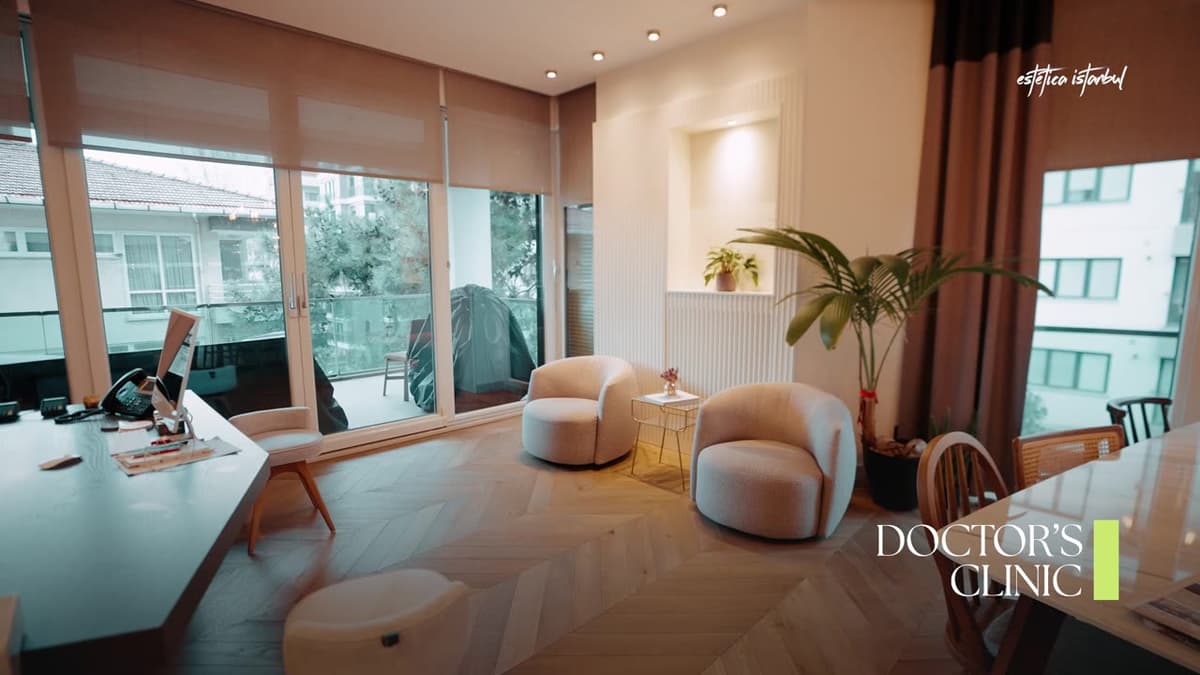
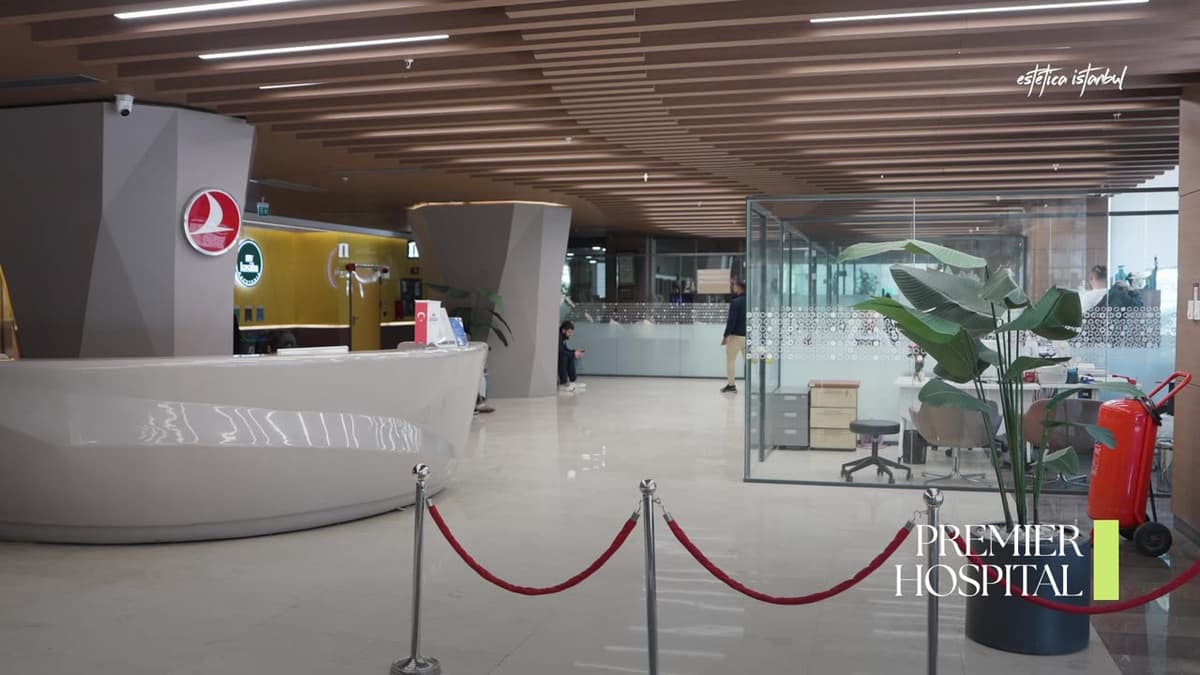
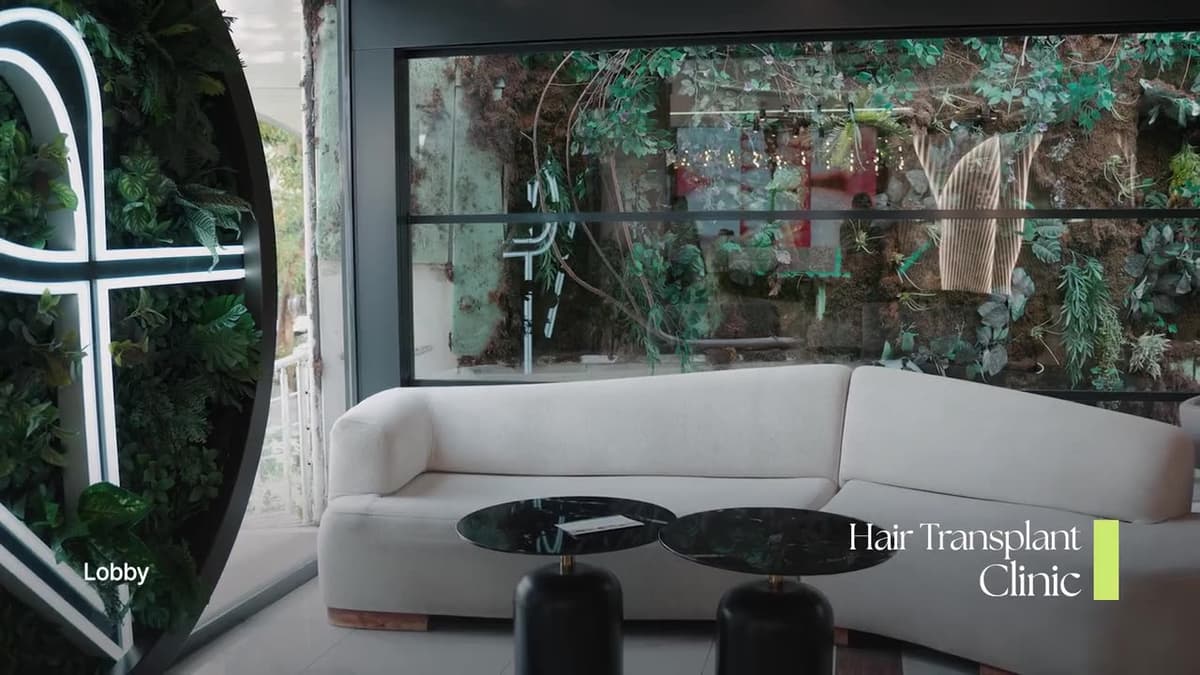
Безкоштовна консультація
Надішліть нам фото та свої побажання у WhatsApp. Ми розглянемо їх разом із хірургом і надішлемо детальний розрахунок «все включено» протягом 24 годин. Розмова без передоплати.
Ми беремо логістику на себе
Щойно ви ухвалите рішення, ми бронюємо переліт, готель і VIP-трансфери. Передопераційні аналізи, госпіталізація, підтримка вашою мовою — усе організовано ще до вашого прильоту.
Операція в лікарні з акредитацією JCI
Ваша операція проходить у повністю акредитованій лікарні — окремі команди анестезіологів і медсестер, реанімація на тому ж поверсі, міжнародні стандарти безпеки. Ніяких підвальних одноденних клінік.
Спеціалізовані клініки для усмішки та волосся
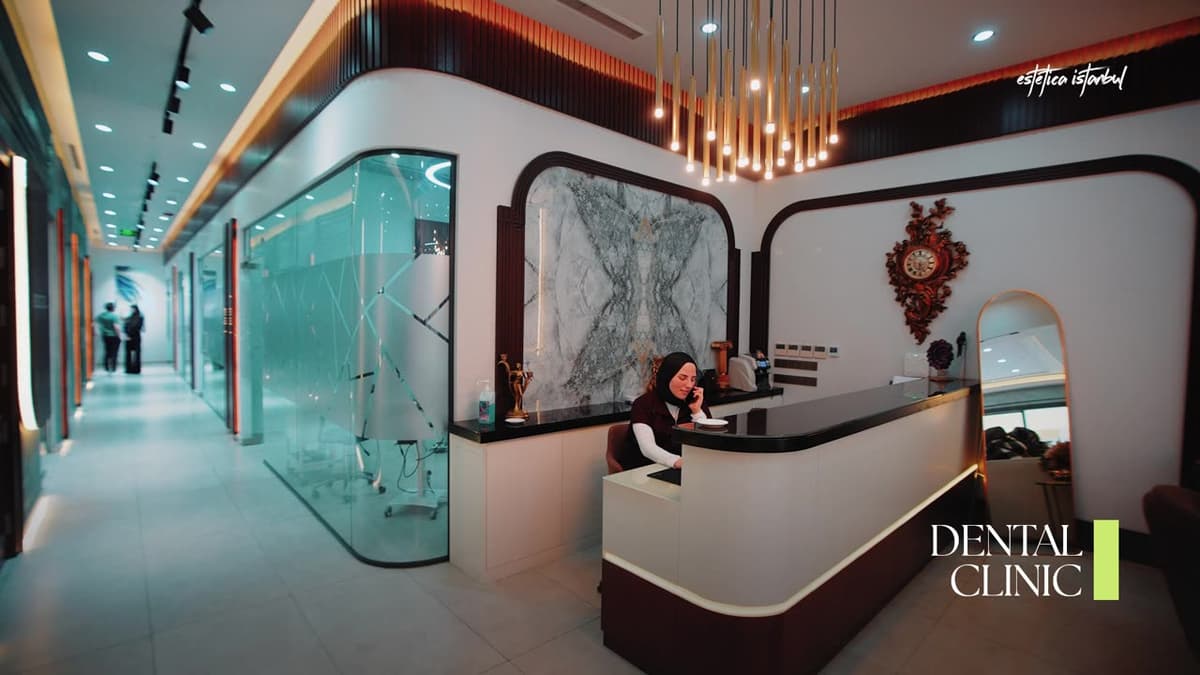
Нехірургічні процедури виконуються у спеціально обладнаних закладах — наша партнерська стоматологічна клініка для вінірів, коронок та імплантів і партнерська клініка відновлення волосся для пересадок. Кожну веде команда, яка щодня займається лише цим.
Відновлення, контроль і ваша усмішка
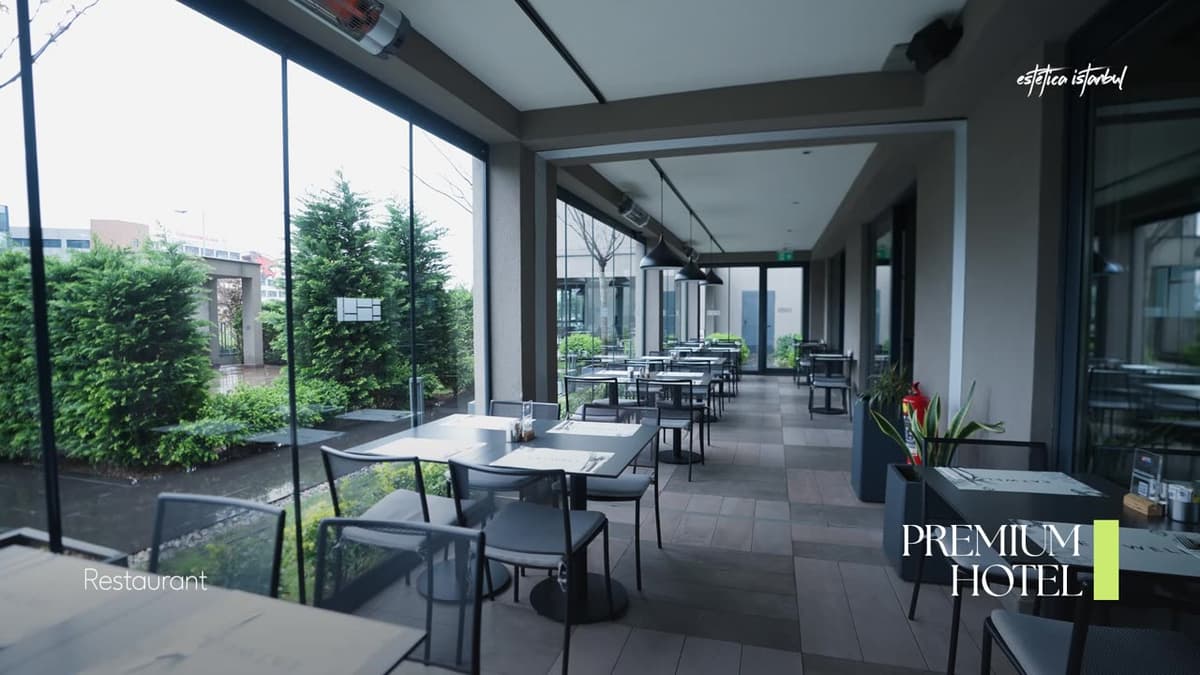
Ви відновлюєтеся в готелі з медичним супроводом на місці, а потім летите додому. Ми підтримуємо зв'язок дистанційно цілий рік — і якщо виникає ускладнення, ми покриваємо дистанційні консультації з вашим хірургом, а у рідкісних випадках і повторну операцію — з опцією Antwell.
Безкоштовна консультація
Надішліть нам фото та свої побажання у WhatsApp. Ми розглянемо їх разом із хірургом і надішлемо детальний розрахунок «все включено» протягом 24 годин. Розмова без передоплати.
Ми беремо логістику на себе
Щойно ви ухвалите рішення, ми бронюємо переліт, готель і VIP-трансфери. Передопераційні аналізи, госпіталізація, підтримка вашою мовою — усе організовано ще до вашого прильоту.
Операція в лікарні з акредитацією JCI
Ваша операція проходить у повністю акредитованій лікарні — окремі команди анестезіологів і медсестер, реанімація на тому ж поверсі, міжнародні стандарти безпеки. Ніяких підвальних одноденних клінік.
Спеціалізовані клініки для усмішки та волосся
Нехірургічні процедури виконуються у спеціально обладнаних закладах — наша партнерська стоматологічна клініка для вінірів, коронок та імплантів і партнерська клініка відновлення волосся для пересадок. Кожну веде команда, яка щодня займається лише цим.
Відновлення, контроль і ваша усмішка
Ви відновлюєтеся в готелі з медичним супроводом на місці, а потім летите додому. Ми підтримуємо зв'язок дистанційно цілий рік — і якщо виникає ускладнення, ми покриваємо дистанційні консультації з вашим хірургом, а у рідкісних випадках і повторну операцію — з опцією Antwell.
Що входить
Не входить
Часті запитання
Чим шунтування шлунка відрізняється від рукавної резекції?
Скільки ваги я втрачу після шунтування шлунка?
Скільки коштує шунтування шлунка в Стамбулі?
Які ризики має шунтування шлунка?
Чи потрібно приймати вітаміни після шунтування шлунка?
Скільки триває відновлення після шунтування шлунка?
Читати далі
 від 1 180 €
Вартість бішектомії 2026: 1 180 € у Стамбулі проти 2 300 € у Німеччині, 2 600 € в Італії та 4 083 € у Великій Британії
Пакет у Стамбулі починається від 1 180 € проти 2 300 € у Німеччині, 2 600 € в Італії, 4 083 € у Великій Британії та 4 403 € як реалістичного мінімуму у США. Проти Великої Британії та США економія витримує будь-які витрати на подорож. Проти Німеччини й Італії переліт за 350 € з'їдає приблизно третину різниці.
 від 3 550 €
Вартість підтяжки брів 2026: 3 550 € у Стамбулі — дешевше, ніж у Великій Британії, Німеччині та США, але не дешевше, ніж в Італії
Підтяжка брів коштує 3 550 € з усім включеним через Estetica Istanbul, від 5 500 £ до 10 500 £ у Лондоні, 5 460 $ лише як гонорар хірурга у Сполучених Штатах і від 8 000 € до 13 000 € за ендоскопічну техніку в Німеччині. Опублікований італійський діапазон від 2 500 € до 5 000 € перекривається зі стамбульським пакетом і в нижній точці опускається нижче за нього, тож сама лише ціна не виправдовує поїздки з Італії.
 від 4 020 €
Вартість імплантата підборіддя у 2026 році: 4020 € у Стамбулі, дешевше, ніж у Великій Британії та США, але не дешевше, ніж у Німеччині чи Італії
Імплантат підборіддя, заброньований через Estetica Istanbul, коштує 4020 € як пакет усе включено. Це явна економія порівняно з Великою Британією (4500-6500 £) та Сполученими Штатами (від 3500 $ до понад 11000 $) і жодної економії порівняно із середньою ціною в Німеччині 3466 € чи середньою ціною в Італії 3276 €. Ось цифри, джерела та єдина ситуація, коли переліт до Стамбула заради підборіддя все ж виправданий.