
Gastric Bypass
Gastric bypass in Istanbul — laparoscopic Roux-en-Y bypass for patients with higher BMI, severe reflux, or type 2 diabetes. More complex than sleeve, requires lifetime vitamin monitoring. 12-month aftercare programme included. Medical oversight Dr. Güleş, JCI-accredited hospitals.
dan3 870 €$4,490£3,330CA$6,230A$6,310NZ$7,660· Hammasi kiritilgan
Tibbiy tekshiruvchi: Mustafa Ekrem Güleş, Op. Dr., Board-Certified Plastic Surgeon· Oxirgi tekshiruv:
1 500+ xalqaro bemor ishonchi
Bepul konsultatsiya oling
Hamkor tibbiy jamoamiz holatingizni koʻrib chiqadi va 24 soat ichida Sizga shaxsiy davolash rejasini yuboradi.
Istanbulda 82% gacha tejang
Mamlakatlar boʻyicha odatiy hammasi kiritilgan narxlar. Manbalar: ASPS, RealSelf, Buyuk Britaniya/AQSHdagi yirik klinikalarning narx roʻyxatlari, 2025.
Turkiya (Istanbul)
dan 3 870 €$4,490£3,330CA$6,230A$6,310NZ$7,660
tejang 82%
Buyuk Britaniya
dan 17 500 €$20,300£15,050CA$28,180A$28,520NZ$34,650
Amerika Qoʻshma Shtatlari
dan 21 500 €$24,940£18,490CA$34,620A$35,050NZ$42,570
Italiya
dan 11 500 €$13,340£9,890CA$18,520A$18,750NZ$22,770
Germaniya
dan 11 500 €$13,340£9,890CA$18,520A$18,750NZ$22,770
Davomiyligi
2–4 hours
Anesteziya
General anesthesia
Shifoxonada yotish
3 nights
Ishga qaytish
2–3 weeks
Tiklanish davri
4–6 weeks
Natija koʻrinadi
12–18 months
Qisqacha
- Bu nima?
- Gastric bypass in Istanbul — Roux-en-Y for higher BMI, severe reflux, or type 2 diabetes.…
- Narxi
- €3,870 — jarroh, shifoxona, mehmonxona, transferlar va operatsiyadan keyingi parvarish kiritilgan; parvozlar kiritilmagan
- Tiklanish
- 4–6 weeks
- Xavfsizlik va xavflar
- Istanbuldagi JCI akkreditatsiyasiga ega shifoxonalarda bajariladi. Tibbiy mazmun Dr. Mustafa Ekrem Güleş tomonidan tekshirilgan. Har bir muolaja maʼlum xavfga ega — konsultatsiyada nomzodlik va asoratlar halol muhokama qilinadi.
Gastric bypass — specifically laparoscopic Roux-en-Y gastric bypass — is the most complex of the primary bariatric operations and the one with the strongest long-term outcomes for weight loss and for type 2 diabetes remission. It is not the right operation for every bariatric patient — for BMI 35–45 without severe reflux, the gastric sleeve is typically the correct first choice. Bypass is indicated for specific scenarios: higher BMI (typically over 50), significant reflux disease (bypass resolves reflux, sleeve can worsen it), type 2 diabetes where the strongest remission outcome is the goal, and — increasingly — patients who had a sleeve five to fifteen years ago and have regained significantly.
The operation permanently reconfigures the upper gastrointestinal tract: it creates a small gastric pouch of approximately 30 ml, connects that pouch directly to the small intestine (bypassing most of the stomach and the proximal small bowel), and reroutes the bile and pancreatic juices to meet the food lower down the small intestine. The anatomical changes produce three effects: reduced food capacity, reduced absorption, and hormonal changes that powerfully alter hunger and satiety signals.
Who gastric bypass is suitable for
The operation is indicated in specific clinical scenarios, not for general weight management. The right candidate typically has BMI over 50; or BMI 35–50 with type 2 diabetes where diabetes remission is the primary goal (bypass produces remission in 60–80% of type 2 diabetic patients, significantly higher than sleeve); or BMI 35–50 with severe reflux disease (bypass eliminates reflux, whereas sleeve can worsen it); or has had a sleeve operation previously and is returning for conversion due to weight regain or persistent reflux; has completed documented non-surgical weight-loss attempts over twelve or more months; is psychologically prepared for permanent anatomical change and lifetime vitamin supplementation; is a non-smoker or has stopped smoking four weeks prior; has no contraindicating medical conditions.
Who should not have bypass: patients whose case is better served by sleeve (most BMI 35–45 patients without severe reflux or diabetes); patients unwilling to commit to lifetime vitamin supplementation and annual blood monitoring; patients with active alcohol or substance-use concerns (bypass significantly alters alcohol metabolism); patients with significant inflammatory bowel disease in the small intestine.
Why bypass produces such strong diabetes outcomes
Bypass has the strongest evidence base of any surgical intervention for type 2 diabetes remission. The mechanism is not only weight loss — it is anatomical. By rerouting food past the duodenum and proximal jejunum, the operation changes the hormonal signalling that regulates blood glucose. Many type 2 diabetic patients see significant improvements in blood glucose within days of surgery, before meaningful weight loss has occurred. Long-term remission (HbA1c normalised without medication) is achieved in the majority of eligible patients.
For a diabetic patient facing lifetime metformin, insulin, or GLP-1 medication, bypass is often the operation with the strongest long-term outcome — and for a motivated patient with appropriate BMI and diabetes characteristics, we often recommend bypass over sleeve specifically for this reason.
The surgery, step by step
Performed under general anaesthesia in a JCI-accredited hospital with a bariatric-specialised anaesthesia team. Duration is typically two to three hours — longer than sleeve because the operation involves two separate anastomoses (surgical connections) rather than a single resection. Two to three overnight stays in hospital are standard.
The operation is laparoscopic — four to six small incisions in the upper abdomen, through which the surgeon creates the small gastric pouch, divides the small intestine, connects one limb to the pouch, reconnects the bile/pancreatic limb lower down, and tests the anastomoses for leaks. No open incision.
The aftercare programme
Bypass aftercare is more involved than sleeve aftercare and we include it explicitly. Pre-operative work-up and the pre-operative liver-shrinking diet are the same as for sleeve. Post-operative protocol is extended:
Hospital stay: two to three overnights with continuous monitoring and leak test before discharge.
Immediate post-operative: structured diet progression identical to sleeve (clear liquids → full liquids → pureed → soft → solid); nutritional supplements provided from discharge — bypass requires more supplementation than sleeve because of reduced absorption (a specific protocol including iron, calcium citrate, vitamin D3, B12, thiamine, and a bariatric-formulated multivitamin); anti-reflux and ulcer-prevention medication for six months minimum.
Lifetime follow-up: blood work at 3, 6, 12 months and annually thereafter — this is lifetime, not optional. Bypass patients can develop protein, iron, B12, calcium, vitamin D, folate and thiamine deficiencies years after surgery if supplementation is inadequate. We coordinate follow-up blood work with your GP in the UK/IE/US/CA/AU/NZ and provide specific ranges and action thresholds. English-speaking nutritionist available for 12 months post-operatively.
The "dumping syndrome" — feature or bug
Bypass patients can experience "dumping syndrome" — a physiological response to high-sugar or high-carbohydrate foods, producing sweating, palpitations, abdominal cramping and sometimes diarrhoea. For most patients this serves as a powerful behavioural feedback mechanism — the body punishes high-sugar eating, and behaviour adjusts. For some patients it is uncomfortable enough to require dietary careful planning. We explain this explicitly at consultation because it is a defining feature of the post-bypass experience and it differentiates bypass from sleeve.
Recovery
Week 1
Two to three overnight stays followed by hotel recovery. Clear liquids only for seven days. Mild to moderate abdominal discomfort. Walking from day one is mandatory. Return flight at day eight to eleven, after clinical clearance.
Weeks 2–6
Progression through full liquids, pureed, soft, and solid foods according to protocol. Portion sizes very small. Continued protein and vitamin supplementation. Return to desk work from week two to three. No heavy lifting for six weeks.
Months 2–6
Rapid weight loss phase — typically 10–15 kg/month initially. Continued structured supplementation. Blood work at 3 and 6 months.
Months 6–24
Weight loss continues more gradually. Most patients reach stable weight between 18 and 24 months with 70–80% excess weight loss. Diabetes remission typically stabilises by month 6. Post-bariatric body contouring surgery can be planned from month 18 onward once weight has stabilised.
Risks and realistic expectations
Honest risks: anastomotic leak (the most serious early complication — tested for before discharge); anastomotic ulcer or stricture (can develop weeks to years post-op, may require endoscopic dilation or medication); bleeding requiring re-operation; venous thromboembolism; internal hernia (a specific late complication of bypass — can present years later with abdominal pain, and requires surgical correction); dumping syndrome (discussed above); nutritional deficiencies if supplementation is not maintained — these can be serious (thiamine deficiency, for example, can cause permanent neurological damage); alcohol metabolism changes requiring careful management; weight regain at 5–10 years in a minority of patients.
Bypass is permanent and more difficult to reverse than sleeve. We emphasise this at consultation. Conversion back to normal anatomy is technically possible but rarely indicated and carries its own risks.
Gastric bypass vs gastric sleeve — the honest decision tree
For most patients with BMI 35–45 without severe reflux or diabetes, sleeve is our first recommendation — shorter operation, lower supplementation burden, less anatomical rearrangement.
For BMI >50, for patients with type 2 diabetes where remission is the goal, for patients with significant reflux, or for patients whose sleeve has failed, bypass is the better operation.
The decision is individual, and we spend consultation time on it. We do not up-sell bypass to sleeve-eligible patients to increase price, and we do not down-sell sleeve to bypass-indicated patients to reduce complexity. The right operation is the one that matches the patient.
Why Istanbul versus other destinations
Volume-driven experience is the single biggest predictor of bypass outcomes, and Turkish bariatric centres perform a volume of bypass operations that few UK, US or Australian centres match. Combined with JCI-accredited facilities, bariatric-specialised anaesthesia, and our serious aftercare programme, the clinical and safety profile is comparable to Western private practice at a fraction of the cost.
Dr. Mustafa Ekrem Güleş approves every patient clinically before surgery.
Why not the €2,500 gastric bypass
On bypass, the rock-bottom price is paid in the same ways as cheap sleeve — inadequate pre-operative work-up, truncated hospital stays, no serious aftercare programme — plus additional bypass-specific risks: inadequate supplementation protocols leading to year-5 thiamine or B12 deficiency, no pathway for internal hernia presenting late, no monitoring for anastomotic ulceration.
What you pay for with us is verifiable: comprehensive pre-operative bariatric work-up, two to three overnight hospital stays with leak test, structured lifetime supplementation protocol, 12-month English-speaking nutritionist, blood work coordination with your GP at 3, 6, 12 months and annually, JCI-accredited hospital.
English-speaking team — from first consultation to annual lifetime follow-up
Bypass is a lifetime relationship — not a single trip. Our team replies in English on WhatsApp, phone and email from first consultation through to annual follow-up for as long as you remain a patient. Nutritional questions, supplementation troubleshooting, symptom interpretation (is this normal? should I see a doctor?) are answered in English promptly.
Request your free consultation — our team replies in UK/IE business hours and in a second window covering US Eastern through Australian morning. BMI and candidacy assessment on the same day, including an honest recommendation between sleeve and bypass based on your case.
Sizning yoʻlingiz. Bizning gʻamxoʻrligimiz.
Birinchi xabaringizdan uyga qaytish parvozingizgacha — barcha tashkiliy ishlarni biz olib boramiz. Siz esa kutgan natijangizga eʼtibor qarating.




Bepul konsultatsiya
Rasmlaringiz va maqsadlaringizni WhatsApp orqali yuboring. Biz ularni jarroh bilan koʻrib chiqamiz va 24 soat ichida batafsil, hammasi kiritilgan narx taklifini yuboramiz. Suhbat uchun depozit talab qilinmaydi.
Tashkiliy ishlarni biz bajaramiz
Qaror qabul qilganingizdan soʻng parvozlaringiz, mehmonxona va VIP transferlarni band qilamiz. Operatsiyadan oldingi tahlillar, shifoxonaga yotqizish, ingliz tilidagi yordam — hammasi Siz yetib kelishingizdan oldin tayyorlanadi.
JCI akkreditatsiyasiga ega shifoxonada operatsiya
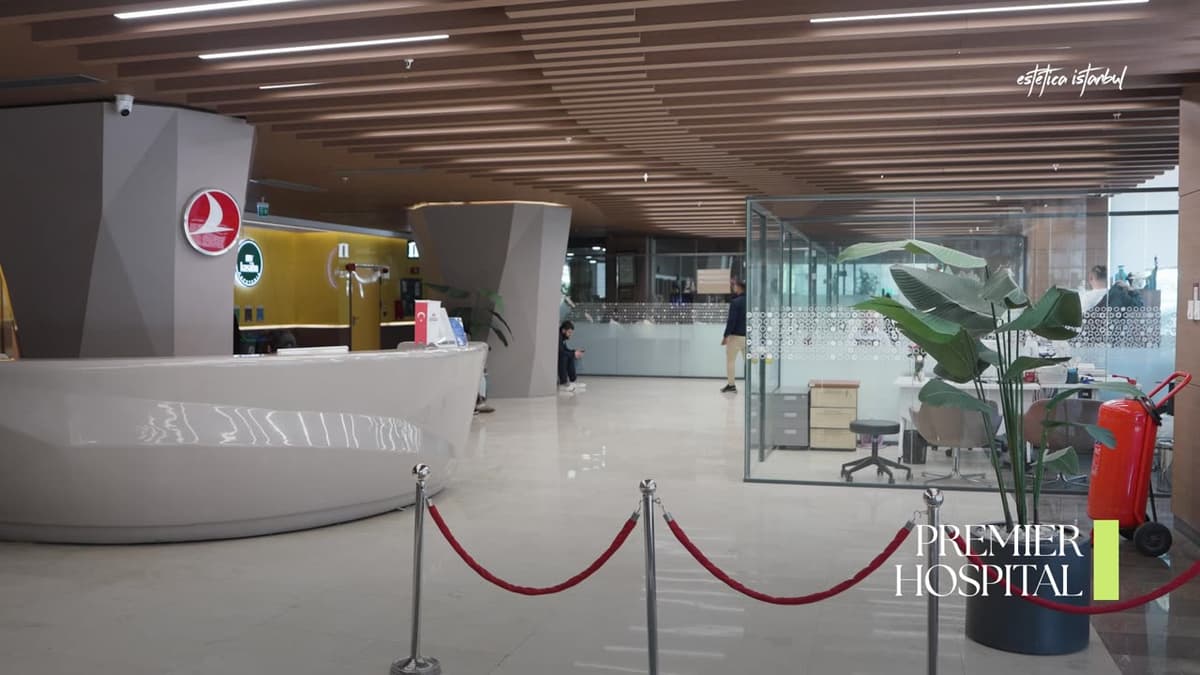
Operatsiyangiz toʻliq akkreditatsiyalangan shifoxonada oʻtkaziladi — alohida anesteziya va hamshiralar jamoasi, oʻsha qavatda reanimatsiya boʻlimi, xalqaro xavfsizlik standartlari. Hech qachon shubhali kunduzgi klinikada emas.
Tabassum va soch uchun ixtisoslashgan klinikalar
Jarrohliksiz muolajalar maxsus jihozlangan joylarda oʻtkaziladi — vinirlar, qoplamalar va implantlar uchun hamkor stomatologiya klinikamizda, soch koʻchirib oʻtkazish uchun esa hamkor soch tiklash klinikamizda. Har birini har kuni faqat shu ish bilan shugʻullanadigan jamoalar boshqaradi.
Tiklanish, nazorat va tabassumingiz
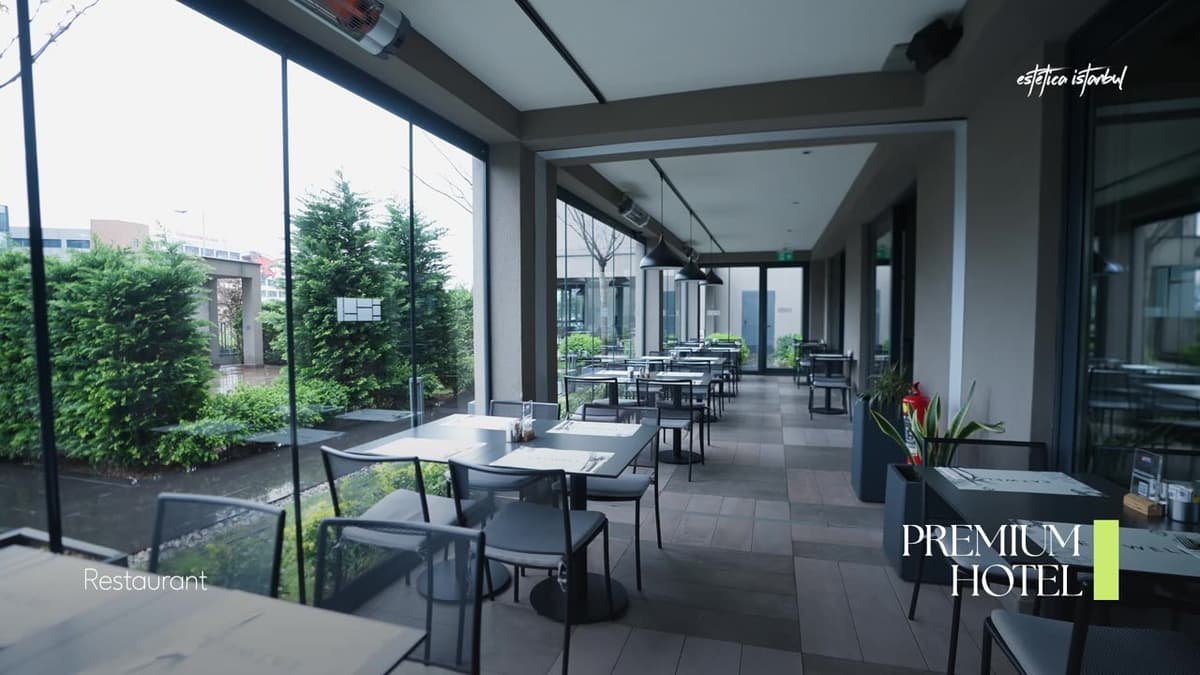
Siz joyida tibbiy yordam mavjud mehmonxonada tiklanasiz, soʻng uyga uchib ketasiz. Biz bir yil davomida masofadan kuzatib boramiz — agar asorat yuzaga kelsa, jarrohingiz bilan masofaviy konsultatsiyalarni va kamdan-kam hollarda qayta operatsiyani qoplaymiz — Antwell tanlovi bilan.
Bepul konsultatsiya
Rasmlaringiz va maqsadlaringizni WhatsApp orqali yuboring. Biz ularni jarroh bilan koʻrib chiqamiz va 24 soat ichida batafsil, hammasi kiritilgan narx taklifini yuboramiz. Suhbat uchun depozit talab qilinmaydi.
Tashkiliy ishlarni biz bajaramiz
Qaror qabul qilganingizdan soʻng parvozlaringiz, mehmonxona va VIP transferlarni band qilamiz. Operatsiyadan oldingi tahlillar, shifoxonaga yotqizish, ingliz tilidagi yordam — hammasi Siz yetib kelishingizdan oldin tayyorlanadi.
JCI akkreditatsiyasiga ega shifoxonada operatsiya
Operatsiyangiz toʻliq akkreditatsiyalangan shifoxonada oʻtkaziladi — alohida anesteziya va hamshiralar jamoasi, oʻsha qavatda reanimatsiya boʻlimi, xalqaro xavfsizlik standartlari. Hech qachon shubhali kunduzgi klinikada emas.
Tabassum va soch uchun ixtisoslashgan klinikalar
Jarrohliksiz muolajalar maxsus jihozlangan joylarda oʻtkaziladi — vinirlar, qoplamalar va implantlar uchun hamkor stomatologiya klinikamizda, soch koʻchirib oʻtkazish uchun esa hamkor soch tiklash klinikamizda. Har birini har kuni faqat shu ish bilan shugʻullanadigan jamoalar boshqaradi.
Tiklanish, nazorat va tabassumingiz
Siz joyida tibbiy yordam mavjud mehmonxonada tiklanasiz, soʻng uyga uchib ketasiz. Biz bir yil davomida masofadan kuzatib boramiz — agar asorat yuzaga kelsa, jarrohingiz bilan masofaviy konsultatsiyalarni va kamdan-kam hollarda qayta operatsiyani qoplaymiz — Antwell tanlovi bilan.
Nimalar kiritilgan
Kiritilmagan
Koʻp beriladigan savollar
What is the difference between gastric bypass and gastric sleeve?
How much weight will I lose with gastric bypass?
What is the cost of gastric bypass in Istanbul?
What are the risks of gastric bypass?
Do I need vitamins after gastric bypass?
How long is recovery from gastric bypass?
Qoʻshimcha oʻqish uchun

Nicotine Before Surgery Abroad: How Long You Really Need to Quit
Nicotine narrows the vessels that keep a fresh surgical wound alive, and smokers face roughly 3.6 times the odds of tissue necrosis. Here is how many weeks before and after surgery you need to stop, why patches and vapes are just as risky, and what a surgeon in Istanbul will do if you have not.
 10 060 € dan
Facial Feminization Surgery Cost 2026: Turkey vs UK, US, Germany and Italy
A combined FFS package starts at €10,060 in Istanbul. Here is what the same set of procedures costs in the UK, the US, Germany and Italy — with named sources, ECB conversion rates and the exclusions each quote hides.
 2 780 € dan
Gastric Balloon Cost 2026: Turkey vs UK, US, Germany and Italy
Gastric balloon prices compared across five countries for 2026, each figure sourced, with the flight added back in and an honest look at when a balloon is the wrong buy.