
Female Hair Transplant
Female hair transplant in Istanbul — no-shave DHI technique for frontal recession, crown thinning, part-line widening and density loss. Full pre-operative medical work-up to identify reversible causes first. Medical oversight Dr. Güleş.
dan2 450 €$2,840£2,110CA$3,940A$3,990NZ$4,850· Hammasi kiritilgan
Tibbiy tekshiruvchi: Akın İnalöz, MD, Board-Certified Plastic Surgeon· Oxirgi tekshiruv:
1 500+ xalqaro bemor ishonchi
Bepul konsultatsiya oling
Hamkor tibbiy jamoamiz holatingizni koʻrib chiqadi va 24 soat ichida Sizga shaxsiy davolash rejasini yuboradi.
Istanbulda 87% gacha tejang
Mamlakatlar boʻyicha odatiy hammasi kiritilgan narxlar. Manbalar: ASPS, RealSelf, Buyuk Britaniya/AQSHdagi yirik klinikalarning narx roʻyxatlari, 2025.
Turkiya (Istanbul)
dan 2 450 €$2,840£2,110CA$3,940A$3,990NZ$4,850
tejang 87%
Buyuk Britaniya
dan 12 500 €$14,500£10,750CA$20,130A$20,380NZ$24,750
Amerika Qoʻshma Shtatlari
dan 18 500 €$21,460£15,910CA$29,790A$30,150NZ$36,630
Italiya
dan 8 500 €$9,860£7,310CA$13,690A$13,860NZ$16,830
Germaniya
dan 9 500 €$11,020£8,170CA$15,300A$15,480NZ$18,810
Nimalar kiritilgan
Kiritilmagan
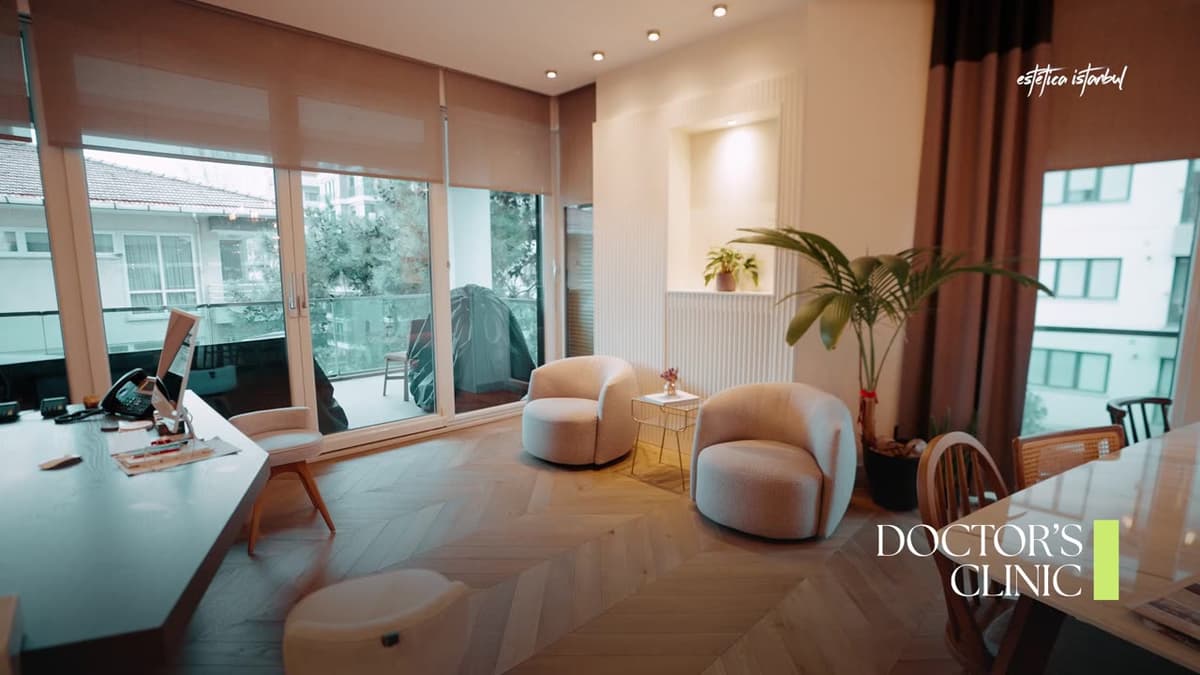
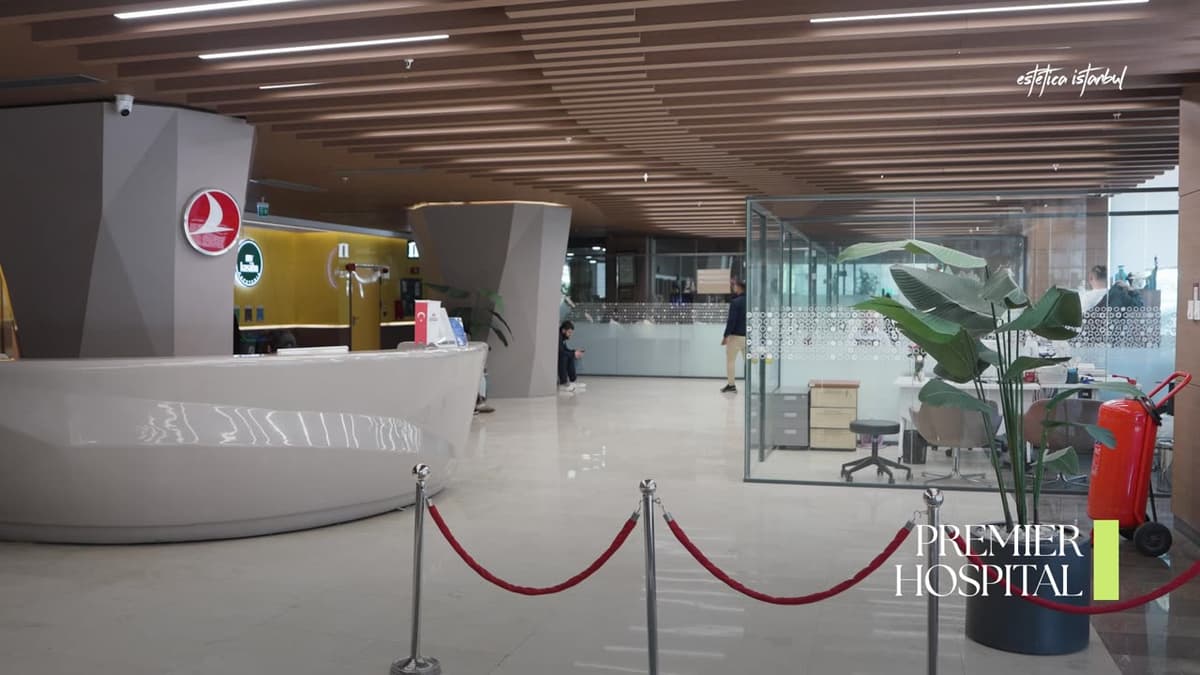
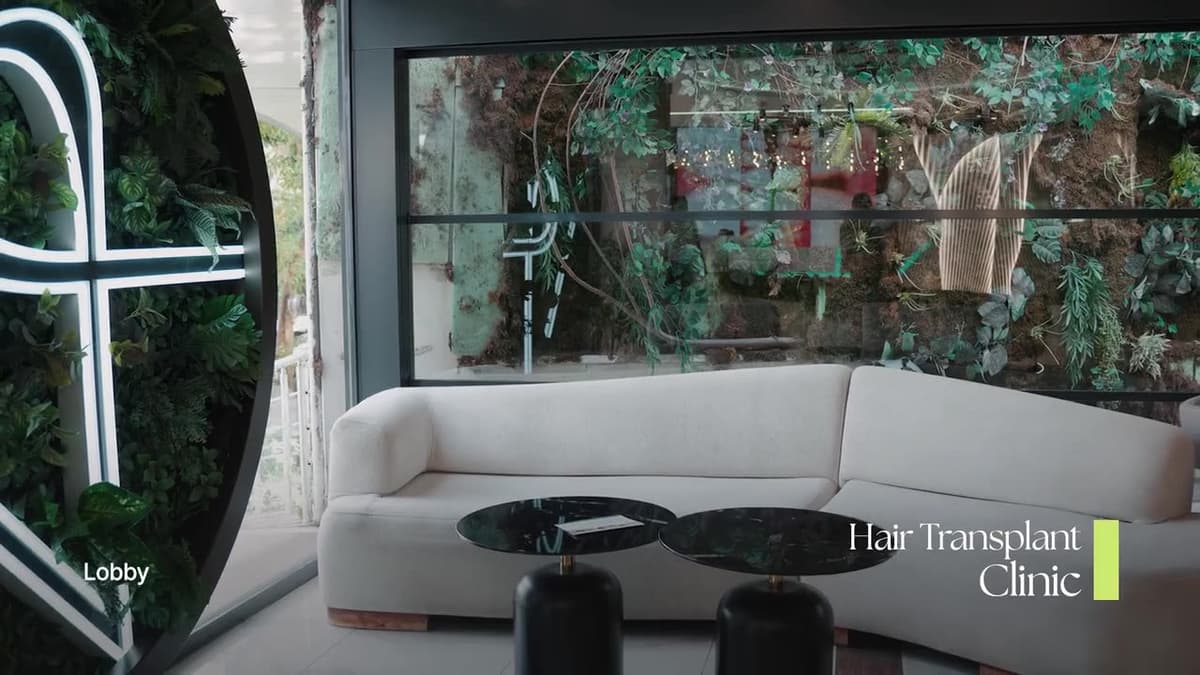
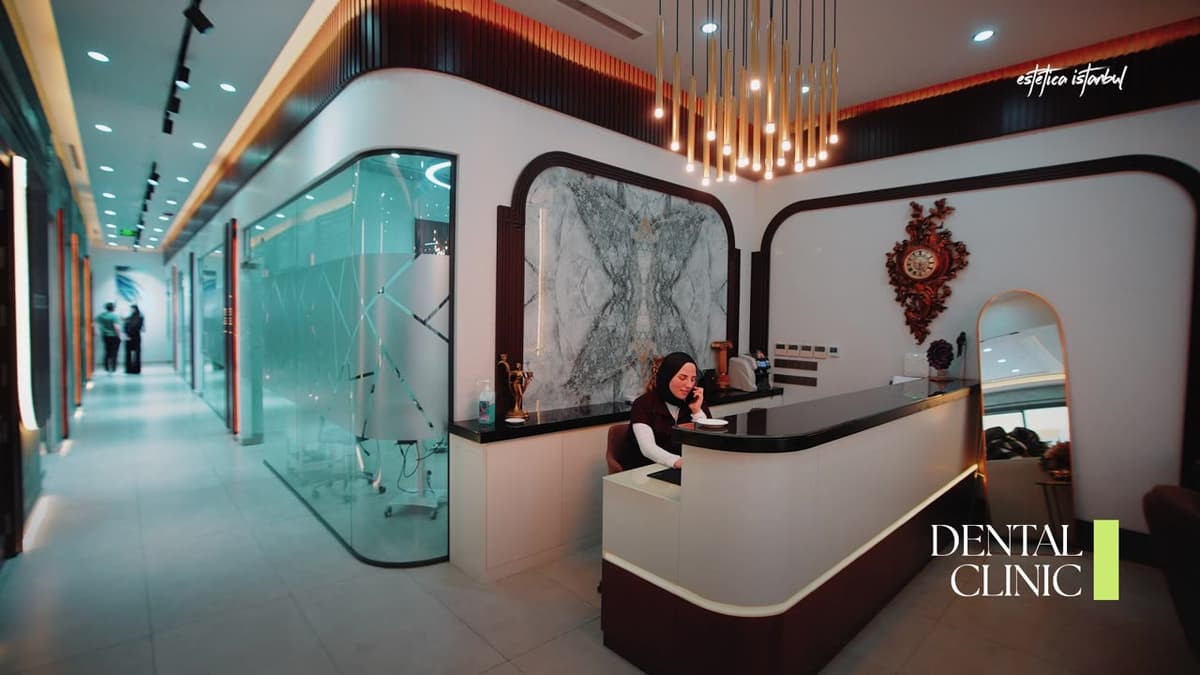
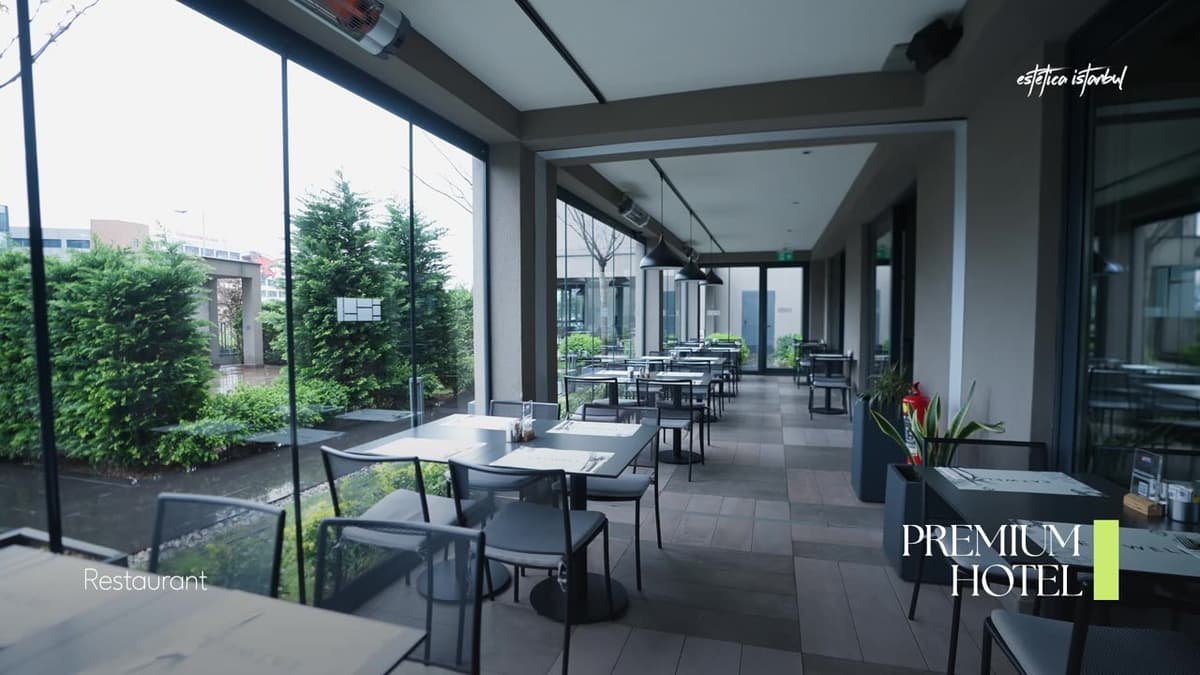
Soch koʻchirib oʻtkazish amalga oshiriladigan klinika ichida
2026-yil sentyabrida suratga olingan — stok videolar yoʻq. Qabulxona, konsultatsiya xonasi, PRP xonasi, muolaja xonalari. Soch koʻchirib oʻtkazishni ushbu maxsus soch klinikasida bizning usta texniklar jamoamiz bajaradi, JCI akkreditatsiyasiga ega hamkor shifoxonamiz esa zaxirada turadi.
Sizning yoʻlingiz. Bizning gʻamxoʻrligimiz.
Birinchi xabaringizdan uyga qaytish parvozingizgacha — barcha tashkiliy ishlarni biz olib boramiz. Siz esa kutgan natijangizga eʼtibor qarating.

Bepul konsultatsiya
Rasmlaringiz va maqsadlaringizni WhatsApp orqali yuboring. Biz ularni jarroh bilan koʻrib chiqamiz va 24 soat ichida batafsil, hammasi kiritilgan narx taklifini yuboramiz. Suhbat uchun depozit talab qilinmaydi.
Tashkiliy ishlarni biz bajaramiz
Qaror qabul qilganingizdan soʻng parvozlaringiz, mehmonxona va VIP transferlarni band qilamiz. Operatsiyadan oldingi tahlillar, shifoxonaga yotqizish, ingliz tilidagi yordam — hammasi Siz yetib kelishingizdan oldin tayyorlanadi.
JCI akkreditatsiyasiga ega shifoxonada operatsiya
Operatsiyangiz toʻliq akkreditatsiyalangan shifoxonada oʻtkaziladi — alohida anesteziya va hamshiralar jamoasi, oʻsha qavatda reanimatsiya boʻlimi, xalqaro xavfsizlik standartlari. Hech qachon shubhali kunduzgi klinikada emas.
Tabassum va soch uchun ixtisoslashgan klinikalar
Jarrohliksiz muolajalar maxsus jihozlangan joylarda oʻtkaziladi — vinirlar, qoplamalar va implantlar uchun hamkor stomatologiya klinikamizda, soch koʻchirib oʻtkazish uchun esa hamkor soch tiklash klinikamizda. Har birini har kuni faqat shu ish bilan shugʻullanadigan jamoalar boshqaradi.
Tiklanish, nazorat va tabassumingiz
Siz joyida tibbiy yordam mavjud mehmonxonada tiklanasiz, soʻng uyga uchib ketasiz. Biz bir yil davomida masofadan kuzatib boramiz — agar asorat yuzaga kelsa, jarrohingiz bilan masofaviy konsultatsiyalarni va kamdan-kam hollarda qayta operatsiyani qoplaymiz — Antwell tanlovi bilan.
Bepul konsultatsiya
Rasmlaringiz va maqsadlaringizni WhatsApp orqali yuboring. Biz ularni jarroh bilan koʻrib chiqamiz va 24 soat ichida batafsil, hammasi kiritilgan narx taklifini yuboramiz. Suhbat uchun depozit talab qilinmaydi.
Tashkiliy ishlarni biz bajaramiz
Qaror qabul qilganingizdan soʻng parvozlaringiz, mehmonxona va VIP transferlarni band qilamiz. Operatsiyadan oldingi tahlillar, shifoxonaga yotqizish, ingliz tilidagi yordam — hammasi Siz yetib kelishingizdan oldin tayyorlanadi.
JCI akkreditatsiyasiga ega shifoxonada operatsiya
Operatsiyangiz toʻliq akkreditatsiyalangan shifoxonada oʻtkaziladi — alohida anesteziya va hamshiralar jamoasi, oʻsha qavatda reanimatsiya boʻlimi, xalqaro xavfsizlik standartlari. Hech qachon shubhali kunduzgi klinikada emas.
Tabassum va soch uchun ixtisoslashgan klinikalar
Jarrohliksiz muolajalar maxsus jihozlangan joylarda oʻtkaziladi — vinirlar, qoplamalar va implantlar uchun hamkor stomatologiya klinikamizda, soch koʻchirib oʻtkazish uchun esa hamkor soch tiklash klinikamizda. Har birini har kuni faqat shu ish bilan shugʻullanadigan jamoalar boshqaradi.
Tiklanish, nazorat va tabassumingiz
Siz joyida tibbiy yordam mavjud mehmonxonada tiklanasiz, soʻng uyga uchib ketasiz. Biz bir yil davomida masofadan kuzatib boramiz — agar asorat yuzaga kelsa, jarrohingiz bilan masofaviy konsultatsiyalarni va kamdan-kam hollarda qayta operatsiyani qoplaymiz — Antwell tanlovi bilan.
Davomiyligi
6–8 hours
Anesteziya
Local anesthesia
Shifoxonada yotish
Day procedure
Ishga qaytish
2–3 days
Tiklanish davri
7–10 days
Natija koʻrinadi
9–12 months
Qisqacha
- Bu nima?
- Female hair transplant in Istanbul — no-shave DHI with medical work-up first. Addresses…
- Narxi
- €2,450 — jarroh, shifoxona, mehmonxona, transferlar va operatsiyadan keyingi parvarish kiritilgan; parvozlar kiritilmagan
- Tiklanish
- 7–10 days
- Xavfsizlik va xavflar
- Istanbuldagi JCI akkreditatsiyasiga ega shifoxonalarda bajariladi. Tibbiy mazmun Dr. Mustafa Ekrem Güleş tomonidan tekshirilgan. Har bir muolaja maʼlum xavfga ega — konsultatsiyada nomzodlik va asoratlar halol muhokama qilinadi.
Bemorlarimiz fikri









Biz haqimizda yozishgan
Yetakchi xalqaro OAVlardagi chiqishlar


Koʻp beriladigan savollar
Is hair transplant different for women?
Do women need to shave their head for hair transplant?
How much does female hair transplant cost in Istanbul?
What causes hair loss in women?
When will I see results after female hair transplant?
Bepul konsultatsiya oling
Hamkor tibbiy jamoamiz holatingizni koʻrib chiqadi va 24 soat ichida Sizga shaxsiy davolash rejasini yuboradi.
Female hair transplant is the most diagnostically complex procedure in the hair-restoration category. The reason: between 40 and 60 per cent of women presenting with hair loss have a treatable underlying medical cause — thyroid dysfunction, iron deficiency, polycystic ovary syndrome, post-partum telogen effluvium, chronic stress, medication side-effects. Transplanting on top of an ongoing medical process produces a poor result: the transplanted hairs will survive, but the native hairs around them will continue to thin, and the overall density will appear lower at six months than before the procedure.
For this reason, every female patient we see begins with a pre-operative medical work-up. Blood work (thyroid function, iron panel, vitamin D, B12, folate, hormonal profile where indicated), scalp trichoscopy, and a detailed history are the first steps — not the extraction chair. For a significant proportion of female patients who come to us, the right answer after work-up is not a transplant: it is targeted medical treatment that will restore density without any transplantation, at a fraction of the cost. We say so honestly.
Only when the medical causes have been investigated and either ruled out or treated, and when the pattern is a genuine androgenetic or scar-related pattern, do we proceed to transplant planning.
Who female hair transplant is suitable for
The right candidate has completed a medical work-up and either has no reversible cause or has had the reversible cause addressed; has a stable hair-loss pattern (not actively shedding) for at least 12 months; has a pattern suitable for transplantation — female androgenetic alopecia with frontal recession, crown thinning, part-line widening, or with scar-related localised alopecia from traction, surgery, injury or cosmetic procedures; has adequate scalp donor density in the donor zone at the back of the head (female-pattern loss typically spares this zone); is at least 25 years old (younger patients rarely have stabilised patterns); and is a non-smoker at the time of the procedure or has stopped four weeks prior.
Who is not a candidate — or not yet: any patient with untreated thyroid dysfunction, unaddressed iron deficiency, untreated PCOS, post-partum telogen effluvium still within its natural 12-month resolution window, or diffuse unpatterned shedding suggestive of an underlying medical cause. We see these patients regularly, and the right answer is medical first, transplant later (if needed at all).
No-shave DHI — the female-specific technique
For female patients, the "no-shave" (or "minimal-shave") DHI technique is preferable to conventional hair transplant for one simple reason: women do not want to return to work with a buzzed head. Conventional FUE requires shaving the donor zone and often the recipient zone entirely, producing a 2–3 week window where the patient's hair is obviously short.
In the no-shave technique, only a small section of the donor zone at the back of the scalp is trimmed — a zone that is covered by surrounding hair and remains invisible once the patient styles normally. The recipient zone is not shaved at all. The grafts are extracted through the surrounding unshaved hair and implanted using DHI Choi pens through the existing native hair. Recovery is dramatically more discreet: women typically return to social and professional life within 5–7 days without anyone noticing.
The technique is slower and more technically demanding than conventional FUE — which is why it is more expensive at serious clinics, and why low-cost clinics often do not offer it. We consider it essential for female patients and we include it in our package.
The medical work-up — what is included
Every female hair transplant starts with the following, before any transplant planning:
Blood work: TSH, free T4, ferritin (iron storage), serum iron, vitamin D, vitamin B12, folate, full blood count, and hormonal profile (DHEA-S, total testosterone, free testosterone, SHBG) when PCOS or androgenic patterns are suspected.
Scalp trichoscopy: magnified examination of the scalp and follicle configuration to assess pattern type (androgenetic vs. scarring vs. diffuse) and active-shedding versus stable presentation.
Detailed history: timing of hair loss, post-partum events, medication changes, stress events, family history, prior treatments (minoxidil, finasteride where prescribed off-label for women, PRP, microneedling).
Based on the work-up, we recommend either (a) medical treatment first, reassessment at 6 months, transplant only if medical treatment has not produced adequate improvement; (b) combined medical + transplant approach, where minoxidil or other treatment continues through and after the procedure; or (c) direct transplant approach if no reversible cause is identified and the pattern is clearly stable.
The session, step by step
Local anaesthesia. Duration six to nine hours depending on graft count (typically 1,500–3,500 grafts for a female patient, reflecting smaller zones than male-pattern work but requiring similar technical precision). Single session for most patients.
The zone at the back of the donor scalp is trimmed (an area roughly the size of a palm, hidden under overlying hair). Grafts are extracted with a 0.7–0.8 mm micro-punch. Grafts are sorted; single-hair grafts prioritised for the hairline and part-line (density matters less than naturalness here); multi-hair grafts placed in the main density zones. Implantation is via Choi implanter pens into the unshaved recipient zone, at the correct angles for each sub-region (part-line, crown, frontal hairline).
Recovery
Week 1
Small crusts on each implantation site, resolving over seven to ten days. Mild redness in the recipient zone. The trimmed donor zone is covered by surrounding hair. Hair can be washed gently from day three using the specific protocol provided. Most female patients return to work between day five and seven, with the existing hair arrangement hiding any remaining signs.
Weeks 2–8
Shock loss of transplanted hairs at week three to four (expected and temporary). Possible mild shock loss of adjacent native hairs (usually recovers). Hair appears thinner during this phase than on the day after the procedure.
Months 3–6
New growth begins from transplanted follicles. Density builds progressively.
Months 9–12
Final density and growth characteristics stabilise by month 9–12.
Risks and realistic expectations
Honest risks: folliculitis; shock loss of adjacent native hairs; imperfect angle on a small proportion of grafts; slight donor-zone density reduction that an experienced technique minimises; graft survival below expectation if post-operative instructions are not followed.
Specific risks in female transplant that differ from male: because the underlying medical cause is a bigger factor in female loss, the most important "risk" is operating on a patient whose underlying condition has not been identified and addressed. The transplant will survive, but the non-transplanted native hairs will continue to thin, producing disappointment at one year. This is why our medical work-up is non-negotiable.
Why Istanbul versus other destinations
Turkey's hair-restoration volume is the highest in the world. Our partner clinic combines this volume expertise with a specific female-focused pathway: mandatory pre-operative medical work-up, no-shave DHI technique, female-specific pattern planning, and English-speaking support through the 12-month growth window.
Dr. Mustafa Ekrem Güleş provides medical oversight.
Why not the €1,500 female hair transplant
On female transplant, the rock-bottom price is paid most often in the omitted medical work-up — transplanting on top of untreated thyroid dysfunction, iron deficiency or PCOS. The hairs grow; the surrounding native hairs continue to thin; the patient is disappointed at 12 months; and no "revision" procedure will fix the underlying medical issue. Also commonly: full-shave technique applied to a female patient (unacceptable for most women's professional and social lives), and no post-operative support for the anxious months 3–6 when shedding is prominent.
What you pay for with us is verifiable: comprehensive pre-operative medical work-up (blood panel + trichoscopy + history), no-shave DHI technique, female-specific pattern planning, JCI-partnered medical oversight, English-speaking follow-up at 3, 6 and 12 months with specific female-cohort guidance (post-partum considerations, menopause, medication interactions).
English-speaking team — for the full 12-month journey
Our team replies in English on WhatsApp, phone and email. Female hair restoration has specific anxiety windows (the shock-loss phase at months 1–3, the slow early regrowth at months 3–6) that benefit from proactive English-language support. We provide it throughout.
Request your free consultation — our team replies in UK/IE business hours and in a second window covering US Eastern through Australian morning. Photo-based pre-assessment, medical-work-up recommendation, and candidacy evaluation on the same day.
Qoʻshimcha oʻqish uchun
 2 450 € dan
DHI Hair Transplant Turkey Cost: The 2026 Price, and When to Pay Less
DHI hair transplant in Turkey starts from €2,450 all-inclusive. What that covers, why standard FUE at €2,150 is often the smarter buy, and how to judge a clinic without using price as the filter.
 2 450 € dan
Female Hair Transplant in Turkey: Cost, Candidacy and What to Check First
A female hair transplant in Turkey costs from €2,450 all-inclusive with a no-shave DHI technique. But many women should treat the cause of their hair loss before booking a transplant — here is the real cost, who is a candidate, and who should wait.
 2 150 € dan
Hair Transplant in Italy: Cost, How It Works and Turkey Compared
A hair transplant in Italy costs from €3,500 all-inclusive when the Istanbul team travels to an authorised Italian partner clinic — €1,350 more than Turkey, with no flight. What is included, who each option suits, and honest risks.