Dental veneers represent one of the most popular cosmetic dentistry solutions worldwide, transforming smiles and boosting confidence for thousands of patients annually. However, the cost of veneers varies dramatically depending on your geographic location, the specific materials used, and the complexity of your case. A patient in the UK or Germany might pay €800-1,500 per tooth for the same veneer that costs €150-300 in Turkey. Understanding these price differences and what's actually included in each package is essential for making an informed decision about your smile transformation. This comprehensive guide breaks down veneer costs across three major markets and explains why Turkish cosmetic dentistry offers such exceptional value.
In Turkey, porcelain veneers typically cost between €150-300 per tooth, depending on the specific clinic, the expertise of the dentist and laboratory technicians, and the quality of materials used. A complete smile makeover with 6-8 veneers on the upper teeth usually costs between €900-2,400 at quality facilities like Estetica Istanbul. Premium E-Max veneers in Turkey cost slightly more—typically €200-350 per tooth—while composite veneers offer a more budget-friendly option at €80-150 per tooth. What's remarkable about Turkish pricing is that these lower costs don't reflect lower quality; Turkish laboratories use the same premium materials, employ highly trained technicians, and follow the same international standards as their European counterparts.
In the United Kingdom, dental veneer costs are substantially higher due to factors including higher overhead costs, more stringent regulatory requirements, and premium positioning of cosmetic dentistry. Porcelain veneers in the UK typically cost between €900-1,200 per tooth (£750-1,000), making a complete upper smile restoration of 6-8 veneers cost €5,400-9,600 (£4,500-8,000). Even budget-conscious UK practices rarely offer veneers below €800 per tooth. Private practices in London and other major cities command even higher fees, often exceeding €1,500 per tooth. The NHS provides minimal cosmetic dentistry coverage, so patients requiring smile makeovers must use private facilities. This cost structure means that UK patients pay approximately 3-4 times more than Turkish patients for the same procedure and materials.
Germany has long been known for excellent dental care standards, and German cosmetic dentistry is highly regarded throughout Europe. However, German veneer costs reflect this premium positioning: porcelain veneers in Germany typically cost between €800-1,400 per tooth (€700-1,200 range being most common), with a full smile restoration costing approximately €4,800-11,200 for 6-8 veneers. Premium practices in Berlin, Munich, and other major cities often exceed €1,500 per tooth. German practices typically include excellent diagnostic technology, precise shade matching, and high-quality restorations. However, the cost premium for German dentistry doesn't always translate to superior outcomes compared to well-established Turkish clinics using the same techniques and materials.
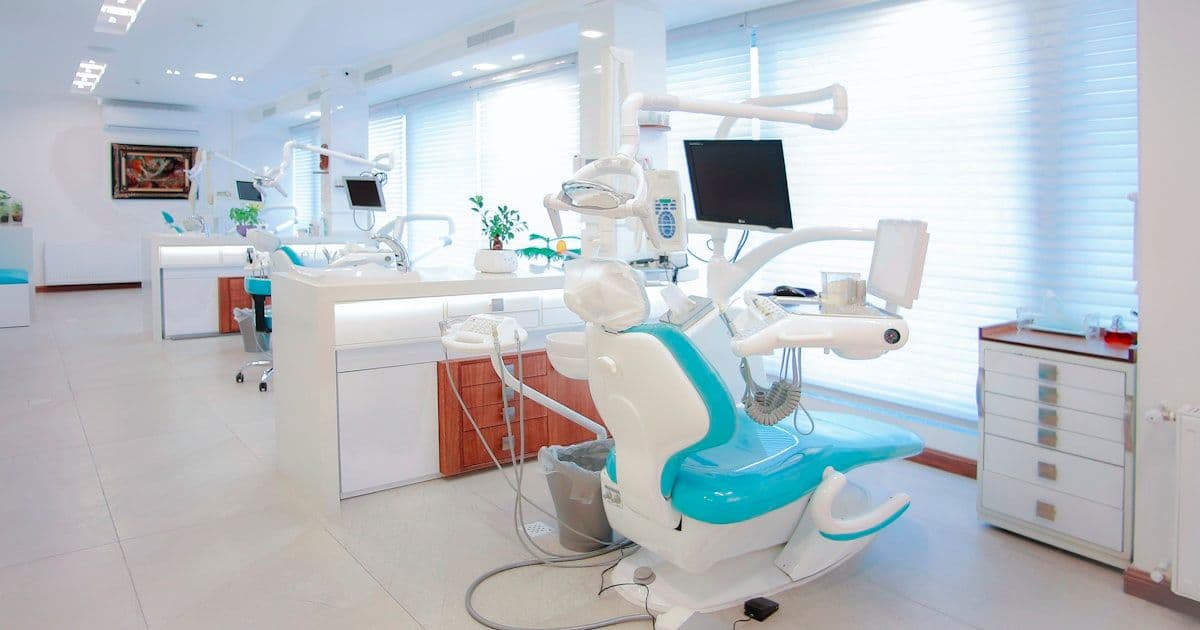
When comparing costs across these three countries, the dramatic price difference becomes immediately apparent. A patient choosing Turkey saves approximately €4,500-7,200 on a typical 6-8 veneer smile makeover compared to the UK, and €3,900-8,800 compared to Germany. For a single veneer, Turkish costs are typically €500-900 cheaper than the UK and €300-700 cheaper than Germany. These savings aren't the result of inferior quality or lower standards; rather, they reflect differences in cost structures including lower operational costs, lower staff salaries (though salaries for experienced specialists remain competitive), lower material costs due to economies of scale in medical tourism, and reduced overhead costs.
Understanding what's included in veneer packages is crucial for accurate price comparisons. At Estetica Istanbul, our all-inclusive veneer packages typically include: comprehensive initial consultation with digital smile design preview, professional teeth cleaning and shade analysis, veneer preparation and temporary restoration, custom-fabricated veneers from premium materials, final veneer placement and adjustment, and follow-up appointments during the first year. Many European practices charge additional fees for these services separately. Digital smile design—showing you exactly how your new smile will look before treatment—costs €200-500 at many UK and German clinics but is included in our comprehensive packages. Professional shade matching can add €100-300 to European costs but is included at Estetica.
Hidden costs represent another critical consideration when comparing veneer expenses across countries. In the UK and Germany, patients often encounter unexpected additional charges: separate diagnostic fees (€150-300), advanced imaging or 3D scans (€200-400), custom shade matching (€100-300), adjustment visits (€150-250 per visit), and maintenance/cleaning appointments beyond the first visit (€100-200). Turkish all-inclusive packages typically incorporate these services without additional charges. For patients requiring multiple appointments or adjustments, these hidden costs can substantially increase the total expense in European practices. Conversely, Turkish packages provide transparency and predictability; patients know exactly what they'll pay before treatment begins.
Quality assurance and material sourcing ensure that Turkish veneers match European standards while costing substantially less. Turkish dental laboratories use the same premium ceramic materials as European laboratories—typically from manufacturers like Ivoclar Vivadent, Shofu, or VITA, which supply both Turkish and Western European markets. The same master ceramists trained at international workshops design veneers in Istanbul as in London or Berlin. The primary difference isn't the materials or expertise but rather the operational efficiency that comes from Turkey's large-scale medical tourism infrastructure. High patient volume allows Turkish clinics to optimize costs without compromising quality. JCI-certified facilities like Estetica Istanbul maintain the same international standards as European hospitals and clinics.
Making your veneer cost decision requires comparing not just price but value—the combination of cost, quality, expertise, and overall experience. Traveling to Istanbul for veneers allows you to save €4,500-8,000 while receiving treatment from highly experienced cosmetic dentists, in modern JCI-certified facilities, using premium materials, with comprehensive follow-up care included. Many European patients find that the combination of quality, safety, and exceptional cost savings makes Turkish dental veneers an obvious choice. At Estetica Istanbul, we've helped thousands of international patients achieve their dream smile at a fraction of what they would pay at home. If you're considering dental veneers, request a free consultation and digital smile preview to see exactly how your transformation will look—and how much you can save.