
کاشت ابرو
کاشت ابرو در استانبول — روش DHI (Direct Hair Implantation) برای بازسازی یا اصلاح فرم ابروهای کمپشت، بیش از حد برداشتهشده یا آسیبدیده از اسکار. زاویه و تراکم میلیمتری. نتیجه دائمی — دیگر نیازی به ترمیم دورهای میکروبلیدینگ نیست. نظارت پزشکی دکتر Güleş.
از€۱٬۷۵۰US$2,030£1,510CA$2,820A$2,850NZ$3,470· همهشمول
بازبینی پزشکی توسط Mustafa Ekrem Güleş, Op. Dr., Board-Certified Plastic Surgeon
مورد اعتماد بیش از ۵٬۰۰۰ بیمار بینالمللی
مشاوره رایگان خود را بگیرید
تیم پزشکی شریک ما پرونده شما را بررسی میکند و ظرف ۲۴ ساعت یک برنامه درمانی شخصیسازیشده برای شما ارسال میکند.
تا 87٪ در استانبول صرفهجویی کنید
قیمتهای معمول همهشمول به تفکیک کشور. منابع: ASPS، RealSelf، نرخنامه کلینیکهای بزرگ بریتانیا/آمریکا، ۲۰۲۵.
ترکیه (استانبول)
از €۱٬۷۵۰US$2,030£1,510CA$2,820A$2,850NZ$3,470
صرفهجویی 87%
بریتانیا
از €۹٬۰۰۰US$10,440£7,740CA$14,490A$14,670NZ$17,820
ایالات متحده
از €۱۳٬۰۰۰US$15,080£11,180CA$20,930A$21,190NZ$25,740
ایتالیا
از €۶٬۰۰۰US$6,960£5,160CA$9,660A$9,780NZ$11,880
آلمان
از €۶٬۵۰۰US$7,540£5,590CA$10,470A$10,600NZ$12,870
مدت زمان
۲–۳ ساعت
بیهوشی
بیحسی موضعی
اقامت در بیمارستان
عمل یکروزه
بازگشت به کار
۲–۳ روز
زمان بهبودی
۲–۳ هفته
نتایج قابل مشاهده
۶–۹ ماه
در یک نگاه
- چیست؟
- کاشت ابرو در استانبول — تکنیک DHI برای بازسازی ابروهای کمپشت، تنک یا آسیبدیده از اسکار.…
- هزینه
- €1,750 — همهشمول جراح، بیمارستان، هتل، ترانسفر و مراقبت پس از عمل؛ پرواز شامل نمیشود
- بهبودی
- ۲–۳ هفته
- ایمنی و خطرات
- در بیمارستانهای دارای اعتبار JCI استانبول انجام میشود. محتوای پزشکی توسط دکتر Mustafa Ekrem Güleş بررسی شده است. هر عملی خطراتی دارد — مشاوره شما تناسب و عوارض را صادقانه پوشش میدهد.
کاشت ابرو، ابروهای کمپشت، تنک، بیشازحد اصلاحشده یا آسیبدیده از اسکار را با استفاده از تکنیک DHI (کاشت مستقیم مو) بازسازی میکند. گرافتها از ناحیه دهنده پوست سر گرفته میشوند و بهصورت تکبهتک با زاویه، جهت و تراکم دقیقی که برای نتیجهای طبیعی لازم است در ابرو جای میگیرند. این عمل دائمی است — برخلاف میکروبلیدینگ که هر دوازده تا هجده ماه به ترمیم نیاز دارد و طی سالها بهتدریج محو میشود.
برای بیشتر بیماران انگلیسیزبانی که با ما رزرو میکنند، مسیر رسیدن به این تصمیم یک محاسبه بوده است. سالها میکروبلیدینگ با هزینه £400–600 در هر جلسه، هر 12–18 ماه، هزینه کلیای در طول یک دهه ایجاد میکند که از هزینه یکباره یک کاشت بیشتر است. نتیجه میکروبلیدینگ محو میشود؛ نتیجه کاشت دائمی است؛ و ظاهر موی واقعی — که با زاویههای واقعی از فولیکولهای واقعی رشد میکند — از نزدیک با هر نوع خالکوبی رنگدانهای، هرچقدر هم ماهرانه، متفاوت است.
کاشت ابرو برای چه کسانی مناسب است
داوطلب مناسب معمولاً زن (70–80% بیماران ابروی ما) یا مرد (گروهی رو به رشد) است، معمولاً 30–55 ساله، با ابروهای بیشازحد اصلاحشده از دهه 1990/2000 که بهبود نیافتهاند؛ ابروهای ژنتیکی تنک یا کمپشت؛ نواحی آسیبدیده از اسکار ناشی از جراحت، پیرسینگ یا اعمال زیبایی قبلی؛ آلوپسی آرهآتا که ناحیه ابرو را درگیر کرده (معمولاً دستکم 12 ماه بهبود پایدار)؛ ناامیدی از چرخههای محوشدن و تکرار میکروبلیدینگ؛ یا تمایل به ابروهای دائمی و قابلفرمدهی که بتوان مانند موی طبیعی آنها را کوتاه، شانه و فرم داد.
بیماران مبتلا به آلوپسی آرهآتای فعال که در بهبود پایدار نیست، بیماری التهابی فعال پوست در ناحیه ابرو، یا تریکوتیلومانیا که در حال حاضر ابروها را درگیر میکند (تمایل به کندن مو، که موهای کاشتهشده را نیز درگیر میکند) باید عمل را به تعویق بیندازند یا در آن تجدیدنظر کنند. ما این موارد را در مشاوره غربالگری میکنیم.
DHI — چرا این تکنیک برای ابرو اهمیت دارد
ابرو ظریفترین ناحیه از نظر میلیمتری در کل بازسازی مو است. هر تار مو در ابروی طبیعی با زاویهای خاص، جهتی خاص و عمقی خاص رشد میکند. سر داخلی ابرو — بخش داخلی، نزدیکترین به بینی — تقریباً بهصورت عمودی رو به بالا رشد میکند. بدنه ابرو رو به بیرون و اندکی رو به بالا رشد میکند. دم ابرو — بخش بیرونی — رو به بیرون و اندکی رو به پایین رشد میکند. کاشتی که این زاویهها را رعایت نکند، ظاهری «هراسان» یا «چمنمانند» ایجاد میکند که بلافاصله بهعنوان کاشتهشده قابلتشخیص است.
DHI از قلم کاشت Choi استفاده میکند که به تیم تکنسینها اجازه میدهد هم زاویه ورود و هم عمق را کنترل کند. این تکنیک منتخب برای ابرو است. کلینیکی که برای ابرو FUE با کانالهای از پیشساخته ارائه میدهد معمولاً به این دلیل چنین میکند که DHI از نظر فنی دشوارتر و کندتر است — و تفاوت شش ماه بعد از نزدیک آشکار میشود.
جلسه، گامبهگام
تنها بیحسی موضعی. مدت آن بسته به تعداد گرافتها چهار تا شش ساعت است — کاشت ابروی معمول 150–400 گرافت برای هر ابرو استفاده میکند (60–120 برای هر چشم برای ترمیم، بیشتر برای بازسازی کامل). در یک جلسه واحد در کلینیکی متخصص کاشت مو با نظارت پزشکی انجام میشود.
مرحله یک: ناحیه دهنده روی پوست سر کوتاه میشود (ناحیهای کوچک که معمولاً زیر موی رویین نامرئی است) و بیحس میشود، و گرافتها بهصورت تکبهتک با استفاده از یک میکروپانچ 0.6–0.7 میلیمتری استخراج میشوند. مرحله دو: گرافتها دستهبندی میشوند — گرافتهای تکمویی برای ناحیه ابرو در اولویت قرار میگیرند زیرا موی طبیعی ابرو عمدتاً فولیکولهای تکمویی است. مرحله سه: کاشت با قلمهای Choi در طرح از پیشبرنامهریزیشده ابرو، با زاویه، جهت و تراکم صحیح برای هر زیرناحیه.
طراحی ابرو — برنامهریزی پیش از عمل
طراحی ابروی جدید پیش از انجام روش بهصورت مشارکتی با بیمار انجام میشود. تیم کلینیک از صورت عکس میگیرد، موقعیت ابروی موجود (وقتی مقداری ابرو باقی مانده باشد) و تناسبات صورت را تحلیل میکند، درباره هدف زیبایی (بازسازی طبیعی در برابر یک فرم خاص) گفتوگو میکند، و طرح نهایی را با یک مداد آرایشی برای تأیید علامتگذاری میکند. بیمار فرم را روی صورت خود میبیند و پیش از آغاز کاشت آن را تأیید میکند.
این گام تفاوت میان یک نتیجه خوب و یک نتیجه ضعیف است. یک «فرم استاندارد خانگی» که به هر بیمار اعمال شود نتایجی یکنواخت به بار میآورد که با تناسبات فردی صورت هماهنگ نیست. ما هر ابرو را بهصورت فردی طراحی میکنیم.
نقاهت
هفته 1
پوستههای کوچکی روی هر محل کاشت تشکیل میشوند و طی هفت تا ده روز نخست میریزند. قرمزی خفیف و تورم جزئی در ناحیه ابرو. ناحیه دهنده روی پوست سر توسط موی اطراف پوشیده میشود و طی سه تا پنج روز بهطور نامرئی بهبود مییابد. بیشتر بیماران از روز سوم تا پنجم به کار عادی بازمیگردند، با این توضیح که ناحیه ابرو در هفته نخست بهطور مشهود با دلمههای ریز پوشیده خواهد بود.
هفتههای 2–8
موهای کاشتهشده تقریباً در هفته سوم تا چهارم میریزند — فاز «ریزش شوکی». این امر مورد انتظار است و نشانه شکست نیست. ابرو در طول این فاز کمپشتتر از روز نخست به نظر خواهد رسید.
ماههای 3–6
رشد جدید از فولیکولهای کاشتهشده آغاز به پدیدار شدن میکند. ابرو بهتدریج پر میشود. تا ماه ششم، بیشتر بیماران تقریباً 70% نتیجه نهایی را میبینند.
ماههای 9–12
تراکم نهایی و ویژگیهای رشد تا ماه نهم تا دوازدهم تثبیت میشوند. ابرو را میتوان بهطور عادی کوتاه، شانه و فرم داد.
ویژگیهای خاص موی کاشتهشده ابرو
موهای کاشتهشده ویژگیهای رشد محل دهنده خود را حفظ میکنند — یعنی همچنان با سرعت موی پوست سر رشد میکنند، نه موی ابرو. در عمل، این به معنای آن است که موهای ابرو تقریباً هر چهار تا هشت هفته باید کوتاه شوند تا طول طبیعی حفظ گردد. بیشتر بیماران این کار را خودشان با قیچی کوچک در سی ثانیه انجام میدهند؛ این تنها الزام نگهداری مداوم این عمل است و ما آن را صادقانه از همان ابتدا توضیح میدهیم.
خطرها و انتظارات واقعبینانه
خطرهای صادقانه: فولیکولیت (عفونتهای کوچک که با مراقبت موضعی درمان میشوند)؛ زاویه ناقص در بخش کوچکی از گرافتها که نیازمند برداشتن یا پذیرش است؛ عدمتقارن میان دو ابرو (با طراحی دقیق به حداقل میرسد اما درجه کوچکی از آن ممکن است)؛ ریزش شوکی موهای طبیعی مجاور ابرو (معمولاً طی چند ماه بهبود مییابد)؛ بافت اندکی زبرتر موی دهنده پوست سر در مقایسه با موی طبیعی ابرو (معمولاً آشکار نیست اما یک واقعیت فنی است).
نتیجه برای موهای کاشتهشده دائمی است. کاری که این روش نمیتواند انجام دهد: نمیتواند ابرویی از صفر بسازد اگر بیمار فرمی بخواهد که با در دسترس بودن دهنده پشتیبانی نمیشود؛ نمیتواند نیاز به کوتاهکردن هر چند هفته را از میان بردارد؛ نمیتواند بافت زبر/نازک مو را فراتر از آنچه فولیکول دهنده فراهم میکند تغییر دهد.
کاشت ابرو در مقابل میکروبلیدینگ
میکروبلیدینگ یک خالکوبی آرایشی است که بهصورت نیمهدائمی اعمال میشود. طی 12–18 ماه محو میشود و به ترمیم نیاز دارد. هزینه معمولاً £400–600 در هر جلسه. نتیجه: یک نشان رنگدانهای که در فاصله دید عادی مانند ابرو دیده میشود، و از نزدیک کمتر باورپذیر است.
کاشت ابرو موی واقعی است که بهطور دائمی رشد میکند. هزینه: یک عمل یکباره. نتیجه: موی واقعی با بافت واقعی از نزدیک، که نیازمند کوتاهکردن دورهای است.
برای بیمارانی که راهحل دائمی میخواهند و برای نگهداری با کوتاهکردن آمادهاند، کاشت انتخاب بلندمدت بهتری است. برای بیمارانی که گزینهای نیمهدائمی بدون نگهداری روزانه میخواهند، میکروبلیدینگ همچنان مسیری معقول باقی میماند.
چرا استانبول در مقابل سایر مقاصد
حجم کاشت موی ترکیه، تخصص میلیمتری در زاویه را که کاشت ابرو بهطور خاص میطلبد پدید میآورد. کلینیک همکار ما بهطور منظم کاشت ابرو انجام میدهد، با متخصصانی که در الزامات زاویهای متمایز هر زیرناحیه باتجربهاند. شکاف قیمت در مقایسه با بریتانیا/آمریکا/استرالیا چشمگیر است.
Dr. Mustafa Ekrem Güleş نظارت پزشکی را بر عهده دارد.
چرا نه کاشت ابروی €600
در کاشت ابرو، قیمت بسیار پایین با کاشت با زاویه نادرست («ابروی هراسان»)، فرمهای استاندارد خانگی که به هر صورتی اعمال میشوند، و برداشت بیشازحد از ناحیه دهندهای که یک تیم دقیق آن را حفظ میکرد، پرداخت میشود. کلینیکی که ابرو را با قیمت €600 اعلام میکند اغلب استخراج را در یک گردشکار کارخانهای بدون برنامهریزی طراحی فردی انجام میدهد.
آنچه با ما بابت آن پول میدهید قابلراستیآزمایی است: طراحی فردی پیش از عمل ابرو با تناسبات صورت شما، DHI با قلمهای Choi برای دقت زاویه، اولویتدهی به گرافتهای تکمویی برای تراکم طبیعی، نظارت پزشکی در همکاری با JCI، پیگیری انگلیسیزبان در ماههای 3، 6 و 12.
تیم انگلیسیزبان — از نخستین پیام تا نتیجه 12 ماهه
تیم ما به انگلیسی در WhatsApp، تلفن و ایمیل پاسخ میدهد. رشد مجدد ابرو ماههای پراضطرابی دارد (دوره پس از ریزش شوکی، ماههای 2–4، هنگامی که ابرو کمپشتتر از روز نخست به نظر میرسد) — ما در سراسر این دوره اطمینانبخشی و پایش به زبان انگلیسی فراهم میکنیم.
قیمت رایگان خود را درخواست کنید — تیم ما در ساعات کاری بریتانیا/ایرلند و در پنجرهای دوم که از شرق آمریکا تا صبح استرالیا را پوشش میدهد پاسخ میدهد. پیشارزیابی مبتنی بر عکس و پیشنمایش طراحی در همان روز.
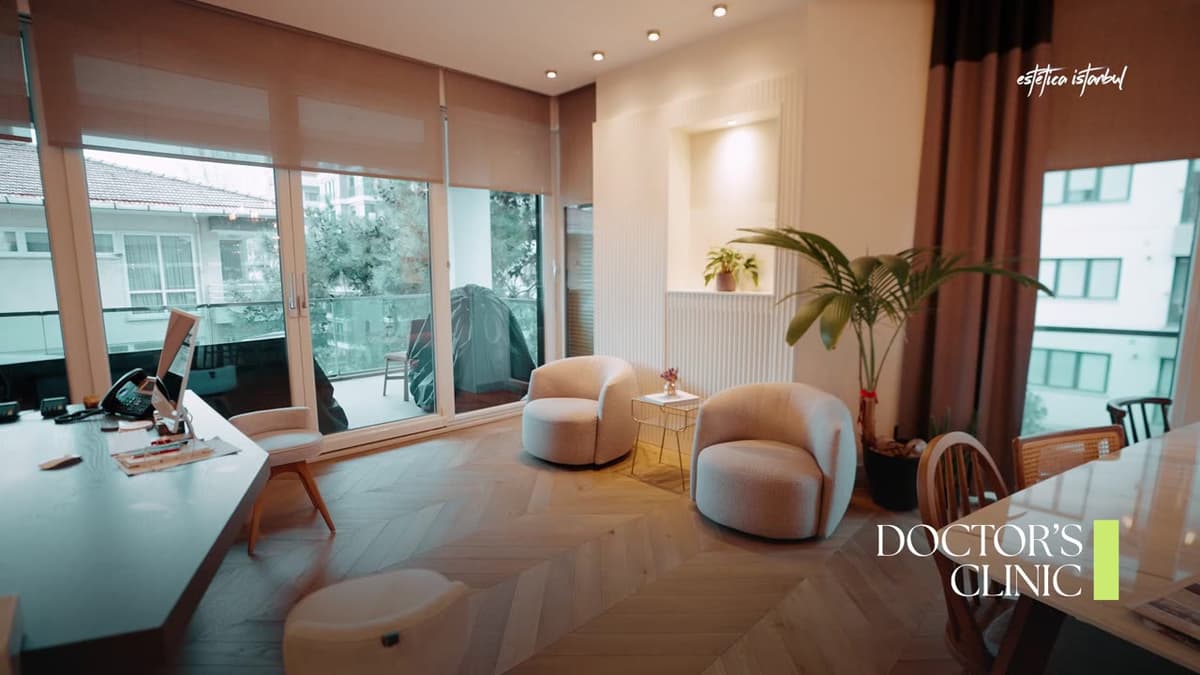
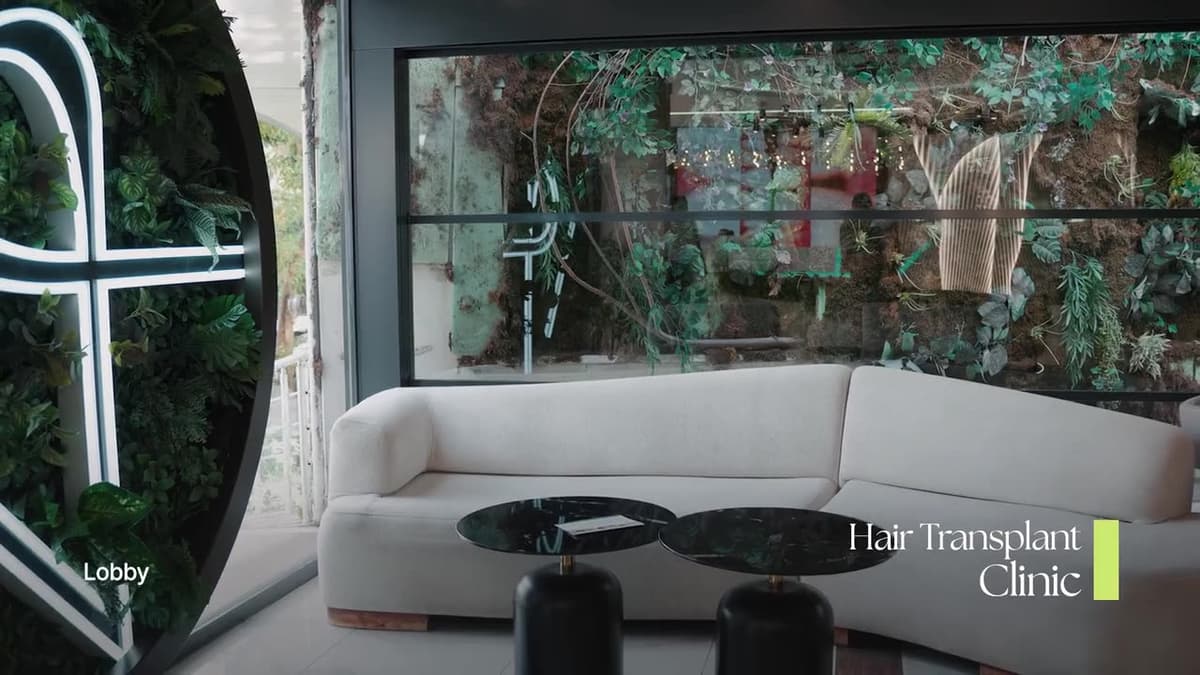
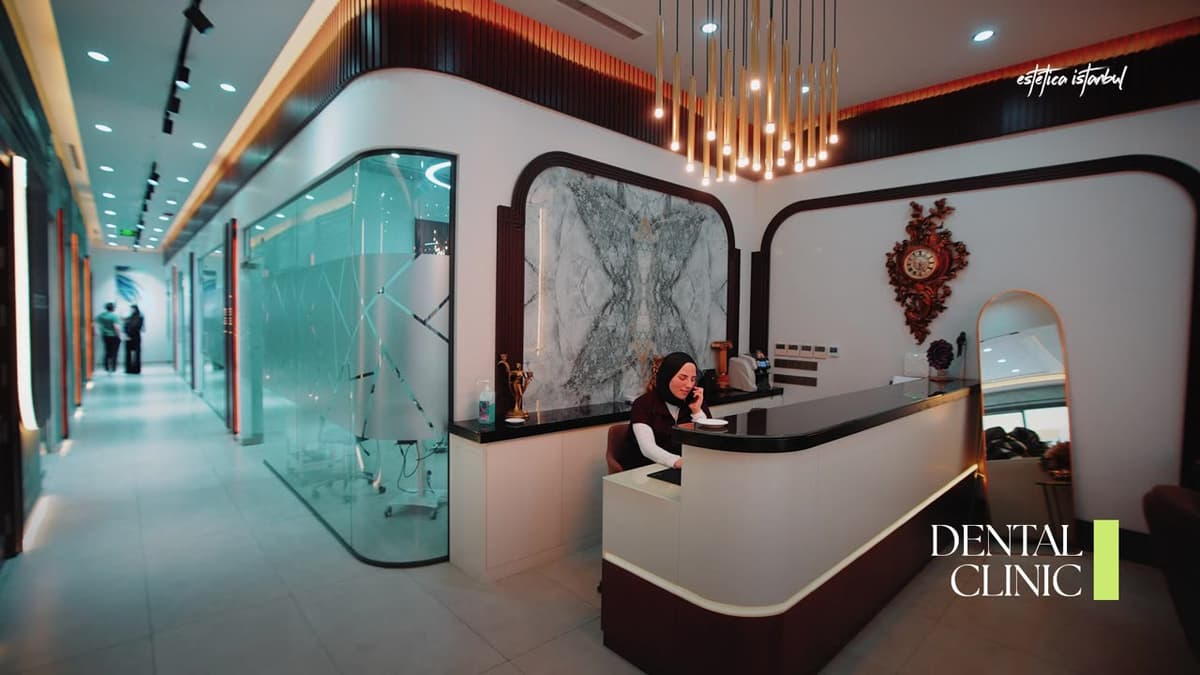
داخل کلینیکی که کاشت موی شما در آن انجام میشود
فیلمبرداریشده در سپتامبر ۲۰۲۶ — بدون تصاویر آرشیوی. لابی، اتاق مشاوره، اتاق PRP، اتاقهای درمان. کاشت موی شما توسط تیم تکنسینهای باتجربه ما در این کلینیک تخصصی انجام میشود و بیمارستان شریک ما با اعتبار JCI در آمادهباش است.
با احمد توسون، متخصص کاشت مو در کلینیک همکار ما آشنا شوید
سفر شما. دستان ما.
از اولین پیام تا پرواز بازگشت — ما لجستیک را مدیریت میکنیم. شما روی نتیجهای که برایش آمدهاید تمرکز کنید.
مشاوره رایگان
عکسها و اهداف خود را در واتساپ برای ما بفرستید. آنها را با جراح بررسی میکنیم و ظرف ۲۴ ساعت یک استعلام دقیق و همهشمول ارسال میکنیم. برای گفتگو نیازی به بیعانه نیست.
ما لجستیک را مدیریت میکنیم
بهمحض تصمیم شما، پرواز، هتل و ترانسفر VIP را رزرو میکنیم. آزمایشهای پیش از عمل، پذیرش بیمارستان، پشتیبانی به زبان شما — همه پیش از فرود شما ترتیب داده میشود.
جراحی در بیمارستان دارای اعتبار JCI
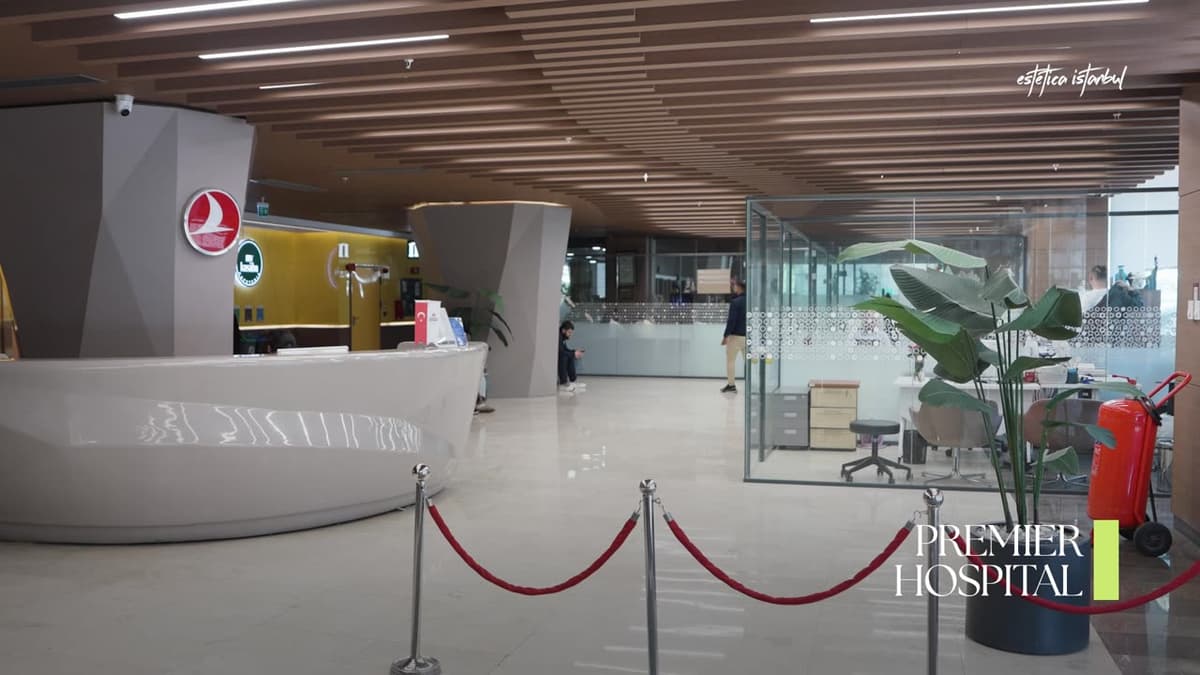
عمل شما در یک بیمارستان کاملاً معتبر انجام میشود — تیم اختصاصی بیهوشی و پرستاری، بخش مراقبتهای ویژه در همان طبقه، استانداردهای ایمنی بینالمللی. هرگز یک درمانگاه روزانه در پسکوچه نیست.
کلینیکهای تخصصی برای لبخند و مو
درمانهای غیرجراحی در مکانهای اختصاصی انجام میشوند — کلینیک دندانپزشکی شریک ما برای لمینت، روکش و ایمپلنت، و کلینیک احیای موی شریک ما برای کاشت مو. هر کدام توسط تیمهایی اداره میشوند که هر روز فقط همان کار را انجام میدهند.
بهبودی، پیگیری و لبخند شما
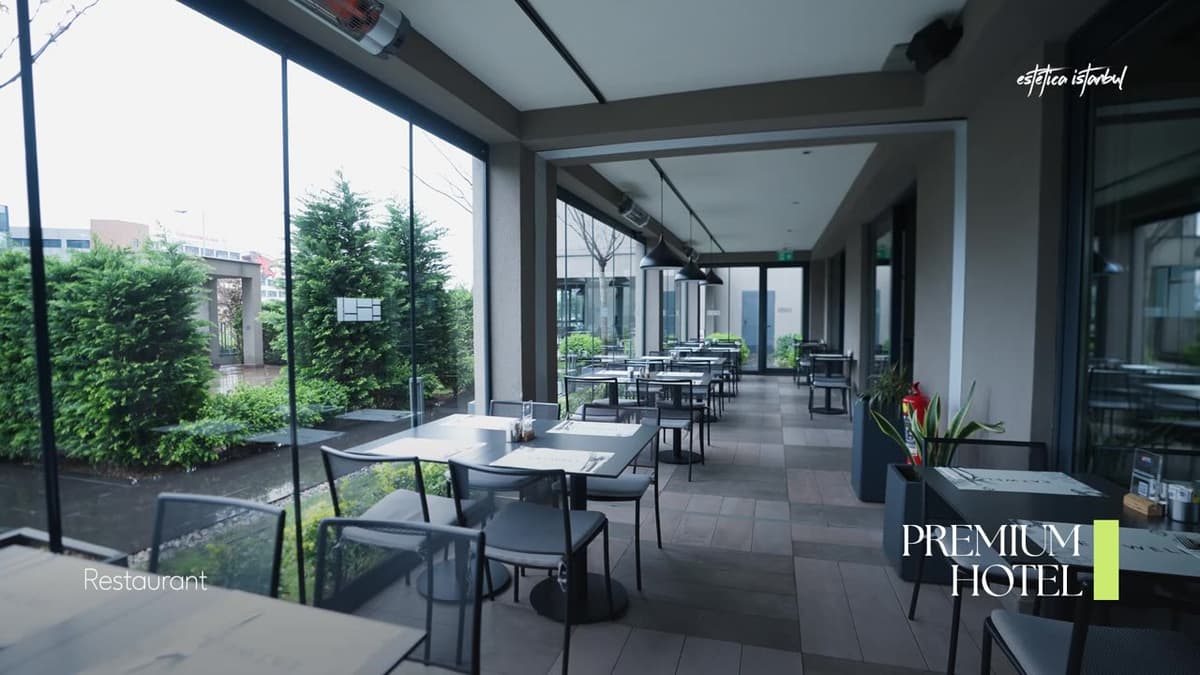
شما در هتلی با مراقبت پزشکی در محل بهبود مییابید، سپس به خانه پرواز میکنید. ما تا یک سال کامل از راه دور پیگیری میکنیم — و اگر عارضهای پیش بیاید، هزینه مشاوره از راه دور با جراح شما و در موارد نادر جراحی اصلاحی را پوشش میدهیم — با ارتقای Antwell.
مشاوره رایگان
عکسها و اهداف خود را در واتساپ برای ما بفرستید. آنها را با جراح بررسی میکنیم و ظرف ۲۴ ساعت یک استعلام دقیق و همهشمول ارسال میکنیم. برای گفتگو نیازی به بیعانه نیست.
ما لجستیک را مدیریت میکنیم
بهمحض تصمیم شما، پرواز، هتل و ترانسفر VIP را رزرو میکنیم. آزمایشهای پیش از عمل، پذیرش بیمارستان، پشتیبانی به زبان شما — همه پیش از فرود شما ترتیب داده میشود.
جراحی در بیمارستان دارای اعتبار JCI
عمل شما در یک بیمارستان کاملاً معتبر انجام میشود — تیم اختصاصی بیهوشی و پرستاری، بخش مراقبتهای ویژه در همان طبقه، استانداردهای ایمنی بینالمللی. هرگز یک درمانگاه روزانه در پسکوچه نیست.
کلینیکهای تخصصی برای لبخند و مو
درمانهای غیرجراحی در مکانهای اختصاصی انجام میشوند — کلینیک دندانپزشکی شریک ما برای لمینت، روکش و ایمپلنت، و کلینیک احیای موی شریک ما برای کاشت مو. هر کدام توسط تیمهایی اداره میشوند که هر روز فقط همان کار را انجام میدهند.
بهبودی، پیگیری و لبخند شما
شما در هتلی با مراقبت پزشکی در محل بهبود مییابید، سپس به خانه پرواز میکنید. ما تا یک سال کامل از راه دور پیگیری میکنیم — و اگر عارضهای پیش بیاید، هزینه مشاوره از راه دور با جراح شما و در موارد نادر جراحی اصلاحی را پوشش میدهیم — با ارتقای Antwell.
چه چیزهایی شامل میشود
شامل نمیشود
سوالات متداول
کاشت ابرو چه مدت دوام میآورد؟
برای کاشت ابرو به چند گرافت نیاز است؟
آیا ابروی کاشتهشده طبیعی به نظر میرسد؟
مدت نقاهت کاشت ابرو چقدر است؟
هزینهٔ کاشت ابرو در استانبول چقدر است؟


مطالعه بیشتر
 از €۲٬۶۵۰
هزینه کاشت مو DHI در ترکیه: قیمت ۲۰۲۶ و اینکه چه زمانی کمتر پرداختن هوشمندانهتر است
کاشت مو به روش DHI در ترکیه از ۲٬۶۵۰ یورو بهصورت همهشمول آغاز میشود. این مبلغ چه چیزی را پوشش میدهد، چرا FUE استاندارد با ۲٬۳۵۰ یورو اغلب انتخاب بهتری است، و چگونه یک کلینیک را بدون قیمت بهعنوان معیار ارزیابی کنید.
 از €۲٬۶۵۰
کاشت موی زنان در ترکیه: هزینه، شرایط کاندید بودن و آنچه باید نخست بررسی شود
کاشت موی زنان در ترکیه از €۲٬۳۵۰ با همهچیز شامل و با تکنیک DHI بدون تراشیدن آغاز میشود. اما بسیاری از زنان باید نخست علت ریزش را درمان کنند: هزینه واقعی، شرایط کاندید بودن و چه کسی باید صبر کند.
 از €۲٬۳۵۰
کاشت مو در ایتالیا یا ترکیه: هزینه و آنچه واقعاً دریافت میکنید
کلینیکهای ایتالیا کاشت مو را چگونه قیمتگذاری میکنند، بسته ثابت FUE با قیمت €۲٬۳۵۰ در استانبول شامل چه چیزهایی است، چه کسی واقعاً عمل را انجام میدهد و چگونه صادقانه میان این دو انتخاب کنید.