
جراحی بینی در ترکیه · از €۳٬۱۹۰
بینیای که فراموش میکنید عملش کردهاید.
جراحی بینی با ظاهری طبیعی در بیمارستان دارای اعتبار JCI استانبول — همان استاندارد بینالمللی بیمارستانی که از هارلی استریت انتظار دارید، با کسری از قیمت بریتانیا. همهشمول. بیش از ۱٬۵۰۰ جراحی بینی از سال ۲۰۱۷.
از€۳٬۱۹۰US$3,700£2,740CA$5,140A$5,200NZ$6,320· همهشمول
بازبینی پزشکی توسط Mustafa Ekrem Güleş, Op. Dr., Board-Certified Plastic Surgeon· آخرین بازبینی:
دقیقاً این چیزی است که دریافت میکنید.
ارزش کل
€۷٬۲۵۰US$8,410£6,240CA$11,670A$11,820NZ$14,360
قیمت شما
€۳٬۱۹۰US$3,700£2,740CA$5,140A$5,200NZ$6,320
همهشمول
Invoiced in EUR (€3,190) at current bank rate
ارتقا به سوئیت لوکس Antwell — استخر، اسپا، حمام ترکی، باشگاه و پرستاری ۲۴ ساعته — €۴۰US$50£30CA$60A$70NZ$80 در هر شب
بیعانه شما قیمت و تاریخ جراحیتان را قفل میکند. مابقی در استانبول پرداخت میشود. بدون هزینه پنهان.
در یک نگاه
- چیست؟
- جراحی بینی در استانبول با تکنیکهای اولتراسونیک و حفظ ساختار، برای ظاهری طبیعی و…
- هزینه
- €3,190 — همهشمول جراح، بیمارستان، هتل، ترانسفر و مراقبت پس از عمل؛ پرواز شامل نمیشود
- بهبودی
- ۱–۲ هفته
- ایمنی و خطرات
- در بیمارستانهای دارای اعتبار JCI استانبول انجام میشود. محتوای پزشکی توسط دکتر Mustafa Ekrem Güleş بررسی شده است. هر عملی خطراتی دارد — مشاوره شما تناسب و عوارض را صادقانه پوشش میدهد.
قبل و بعد
مورد اعتماد بیش از ۵٬۰۰۰ بیمار بینالمللی
معتبر تا ۱ نوامبر ۲۰۲۶
قیمتهای ۲۰۲۶ برای هر رزروی که بیعانه آن تا ۱ نوامبر ۲۰۲۶ پرداخت شود معتبر است. از ۲ نوامبر نرخهای ۲۰۲۷ اعمال میشود. بیعانه به مدت ۱۴ روز یا تا زمان رزرو پرواز، هر کدام زودتر فرا برسد، قابل بازگشت است؛ پس از آن به اعتبار ۱۲ ماهه تبدیل میشود.
مشاوره رایگان خود را بگیرید
تیم پزشکی شریک ما پرونده شما را بررسی میکند و ظرف ۲۴ ساعت یک برنامه درمانی شخصیسازیشده برای شما ارسال میکند.
بیماران ما چه میگویند
چند روز. از ابتدا تا انتها، مدیریتشده.
روز ۱
شما فرود میآیید. ما کنترل را در دست میگیریم.
استقبال VIP در فرودگاه استانبول. ورود به هتل. مشاوره حضوری با جراح — شبیهسازی سهبعدی، علامتگذاری، ارزیابی تنفس، پرسش و پاسخ.
روز ۲
روز جراحی.
آزمایش خون پیش از عمل در بیمارستان JCI. عمل ۲ تا ۳ ساعته تحت بیهوشی کامل. یک شب در بیمارستان با پرستاری اختصاصی.
روز ۳
بهبودی سبک.
انتقال به هتل. اولین معاینه پس از عمل. کمپرس سرد، روال شستوشوی سرم بینی، پیادهروی کوتاه. هماهنگکننده شما یک پیام واتساپ فاصله دارد.
روزهای ۴ تا ۵
شما استراحت میکنید. ما سر میزنیم.
دومین معاینه پس از عمل. مدیریت تورم. کبودی بهوضوح کم میشود. گشت کوتاه اختیاری در استانبول هر وقت آماده بودید.
روز ۶
برداشتن اسپلینت. پرواز به خانه.
برداشتن اسپلینت. عکسهای قبل و بعد با جراح. برنامه بهبودی به زبان شما. ترانسفر VIP به فرودگاه. پیگیریها تا ۱۲ ماه ادامه دارد.
با جراحان خود آشنا شوید
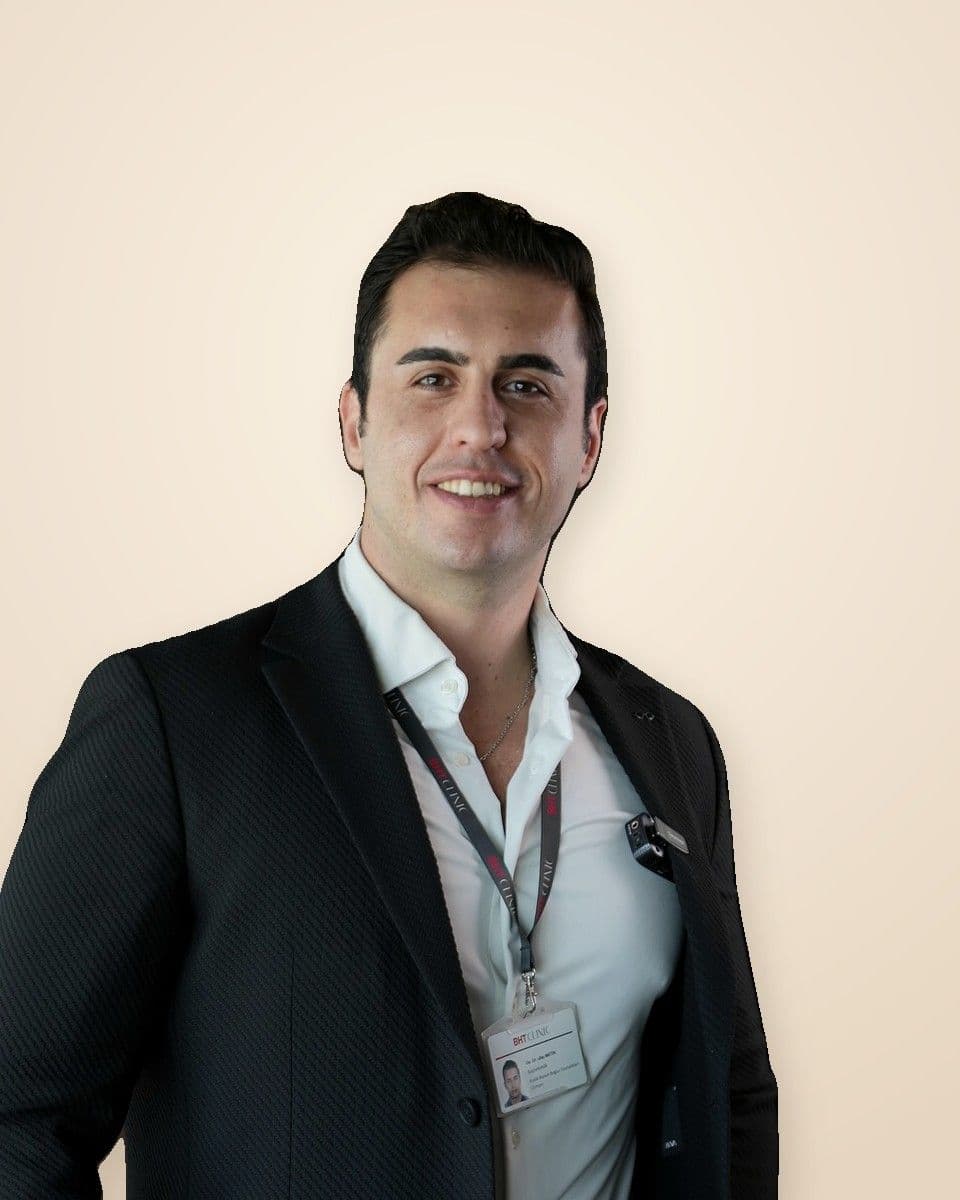
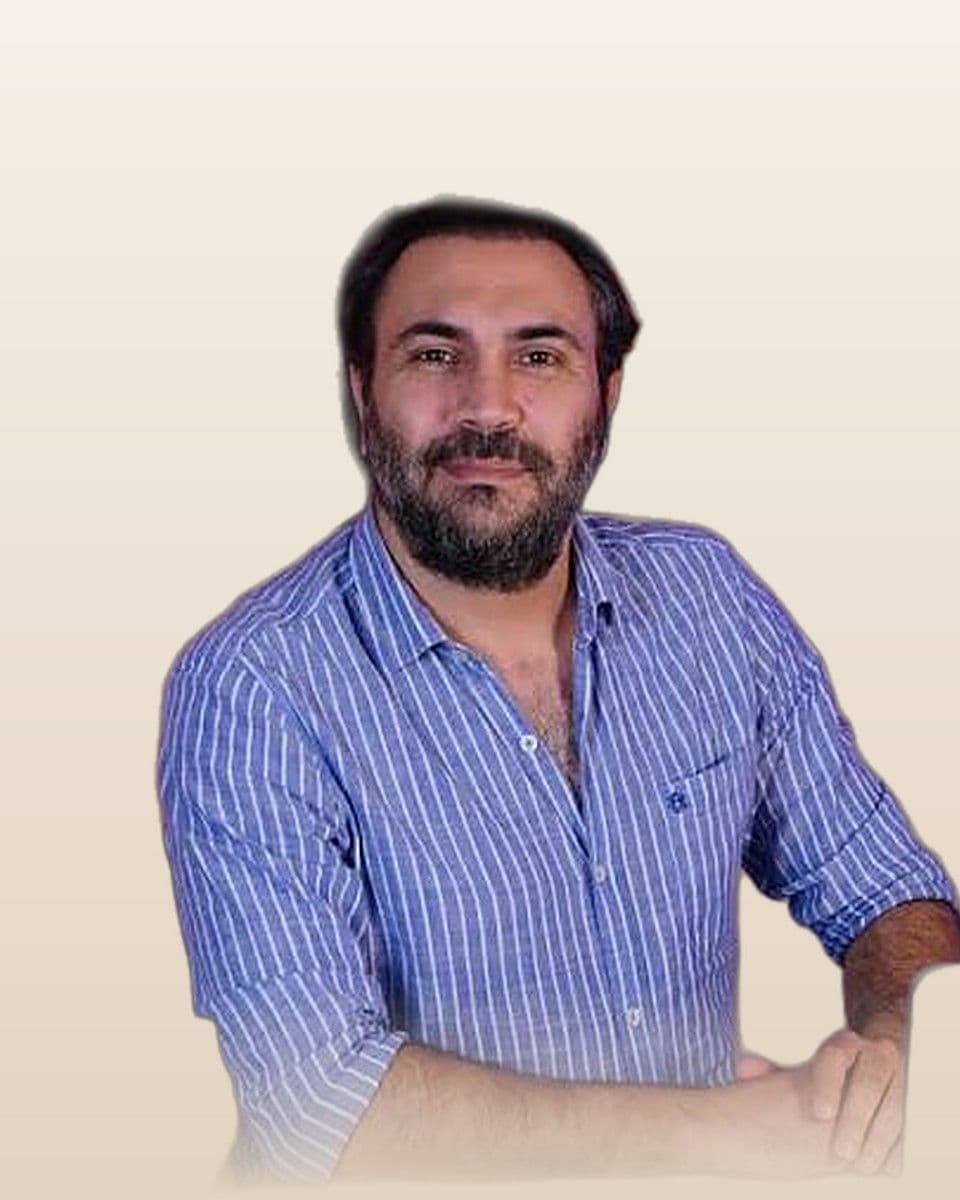
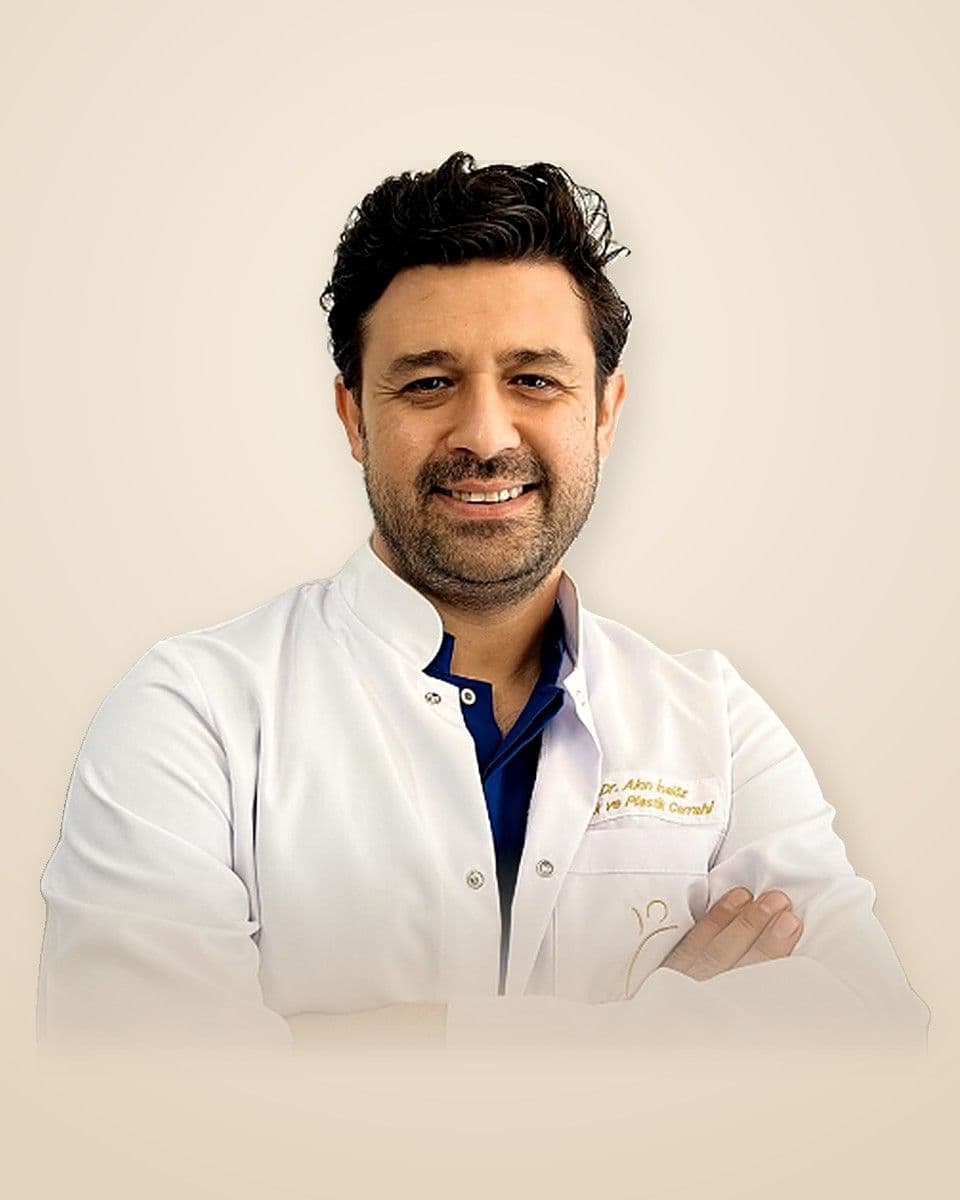
سفر شما. دستان ما.
از اولین پیام تا پرواز بازگشت — ما لجستیک را مدیریت میکنیم. شما روی نتیجهای که برایش آمدهاید تمرکز کنید.
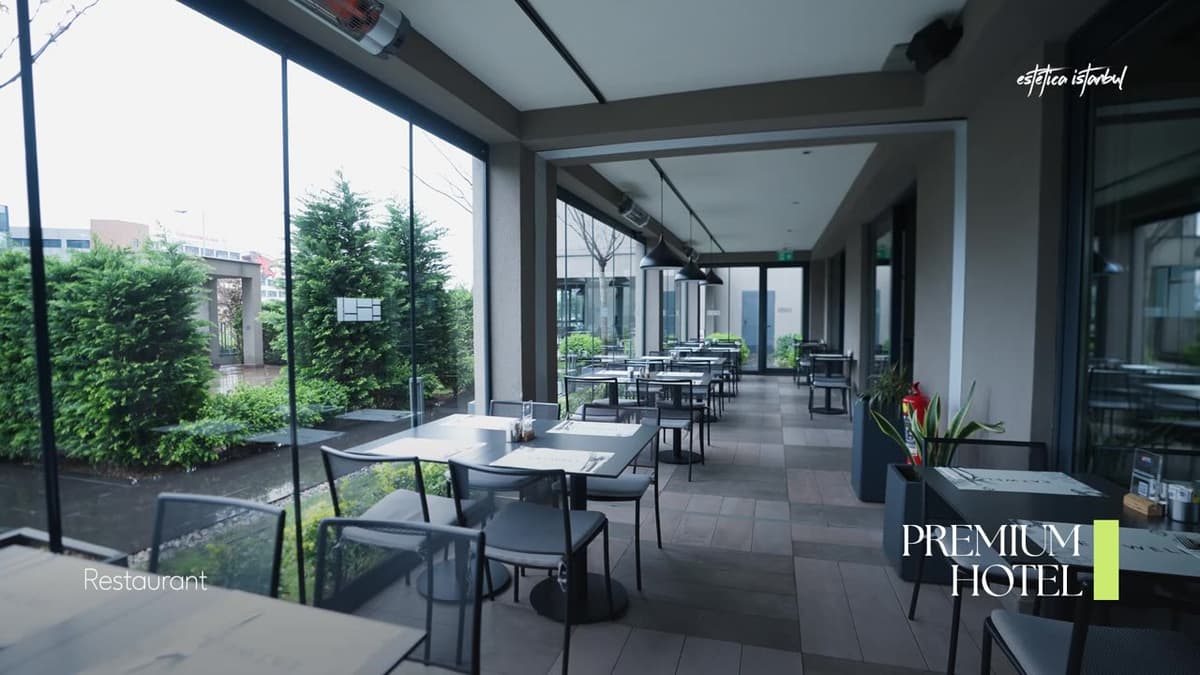
مشاوره رایگان
عکسها و اهداف خود را در واتساپ برای ما بفرستید. آنها را با جراح بررسی میکنیم و ظرف ۲۴ ساعت یک استعلام دقیق و همهشمول ارسال میکنیم. برای گفتگو نیازی به بیعانه نیست.
ما لجستیک را مدیریت میکنیم
بهمحض تصمیم شما، پرواز، هتل و ترانسفر VIP را رزرو میکنیم. آزمایشهای پیش از عمل، پذیرش بیمارستان، پشتیبانی به زبان شما — همه پیش از فرود شما ترتیب داده میشود.
جراحی در بیمارستان دارای اعتبار JCI
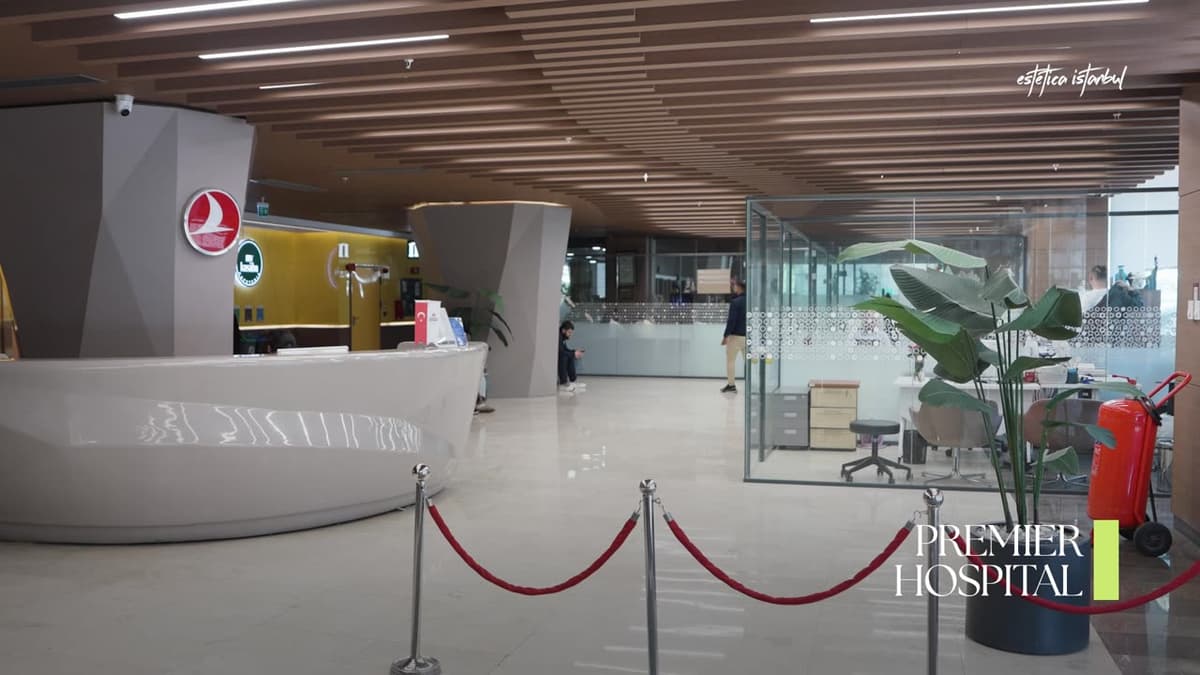
عمل شما در یک بیمارستان کاملاً معتبر انجام میشود — تیم اختصاصی بیهوشی و پرستاری، بخش مراقبتهای ویژه در همان طبقه، استانداردهای ایمنی بینالمللی. هرگز یک درمانگاه روزانه در پسکوچه نیست.
کلینیکهای تخصصی برای لبخند و مو
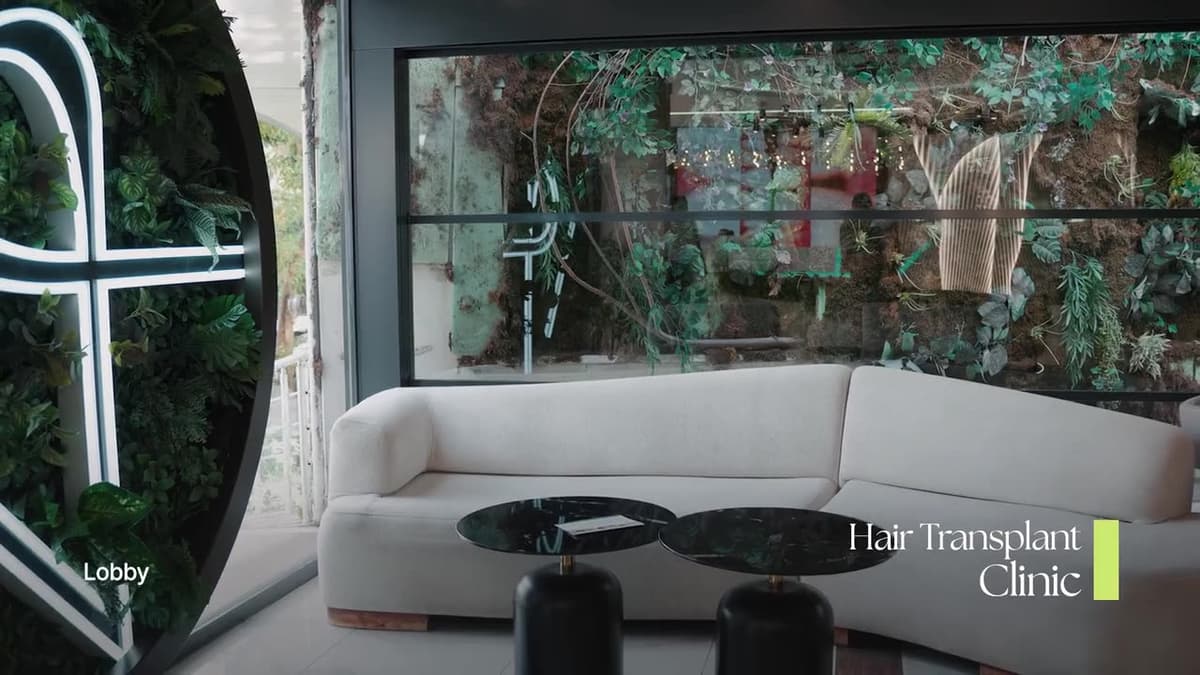
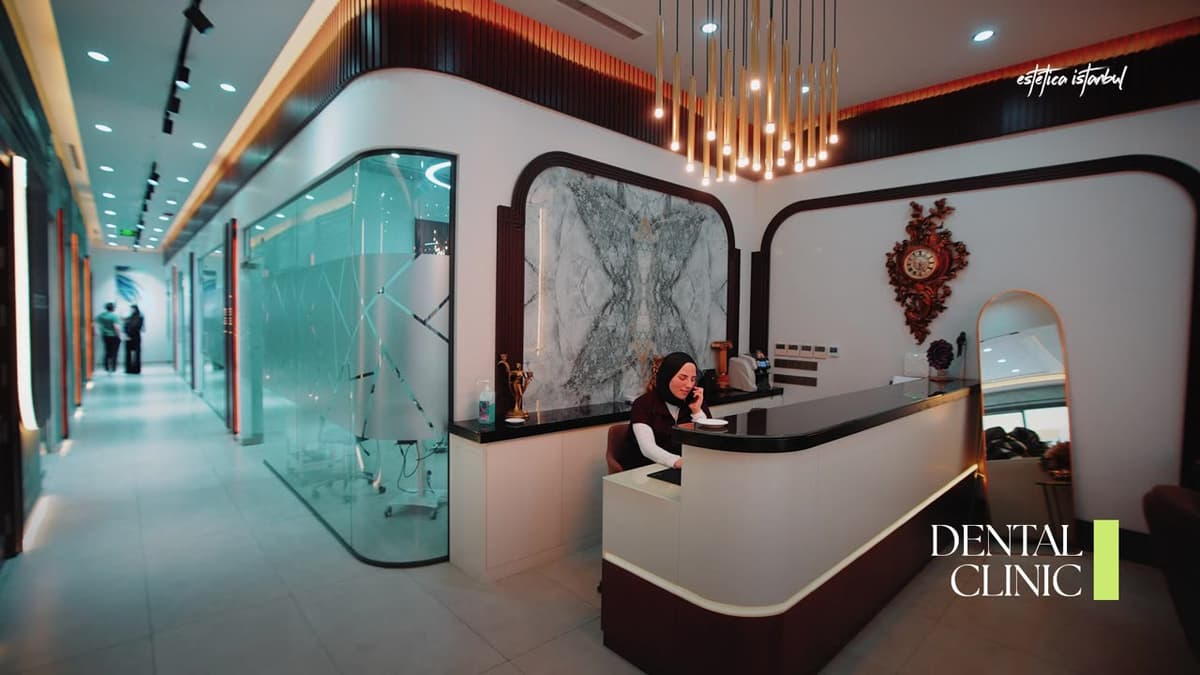
درمانهای غیرجراحی در مکانهای اختصاصی انجام میشوند — کلینیک دندانپزشکی شریک ما برای لمینت، روکش و ایمپلنت، و کلینیک احیای موی شریک ما برای کاشت مو. هر کدام توسط تیمهایی اداره میشوند که هر روز فقط همان کار را انجام میدهند.
بهبودی، پیگیری و لبخند شما
شما در هتلی با مراقبت پزشکی در محل بهبود مییابید، سپس به خانه پرواز میکنید. ما تا یک سال کامل از راه دور پیگیری میکنیم — و اگر عارضهای پیش بیاید، هزینه مشاوره از راه دور با جراح شما و در موارد نادر جراحی اصلاحی را پوشش میدهیم — با ارتقای Antwell.
مشاوره رایگان
عکسها و اهداف خود را در واتساپ برای ما بفرستید. آنها را با جراح بررسی میکنیم و ظرف ۲۴ ساعت یک استعلام دقیق و همهشمول ارسال میکنیم. برای گفتگو نیازی به بیعانه نیست.
ما لجستیک را مدیریت میکنیم
بهمحض تصمیم شما، پرواز، هتل و ترانسفر VIP را رزرو میکنیم. آزمایشهای پیش از عمل، پذیرش بیمارستان، پشتیبانی به زبان شما — همه پیش از فرود شما ترتیب داده میشود.
جراحی در بیمارستان دارای اعتبار JCI
عمل شما در یک بیمارستان کاملاً معتبر انجام میشود — تیم اختصاصی بیهوشی و پرستاری، بخش مراقبتهای ویژه در همان طبقه، استانداردهای ایمنی بینالمللی. هرگز یک درمانگاه روزانه در پسکوچه نیست.
کلینیکهای تخصصی برای لبخند و مو
درمانهای غیرجراحی در مکانهای اختصاصی انجام میشوند — کلینیک دندانپزشکی شریک ما برای لمینت، روکش و ایمپلنت، و کلینیک احیای موی شریک ما برای کاشت مو. هر کدام توسط تیمهایی اداره میشوند که هر روز فقط همان کار را انجام میدهند.
بهبودی، پیگیری و لبخند شما
شما در هتلی با مراقبت پزشکی در محل بهبود مییابید، سپس به خانه پرواز میکنید. ما تا یک سال کامل از راه دور پیگیری میکنیم — و اگر عارضهای پیش بیاید، هزینه مشاوره از راه دور با جراح شما و در موارد نادر جراحی اصلاحی را پوشش میدهیم — با ارتقای Antwell.
تا 75٪ در استانبول صرفهجویی کنید
قیمتهای معمول همهشمول به تفکیک کشور. منابع: ASPS، RealSelf، نرخنامه کلینیکهای بزرگ بریتانیا/آمریکا، ۲۰۲۵.
ترکیه (استانبول)
از €۳٬۱۹۰US$3,700£2,740CA$5,140A$5,200NZ$6,320
صرفهجویی 75%
بریتانیا
از €۱۱٬۰۰۰US$12,760£9,460CA$17,710A$17,930NZ$21,780
ایالات متحده
از €۱۳٬۰۰۰US$15,080£11,180CA$20,930A$21,190NZ$25,740
ایتالیا
از €۹٬۰۰۰US$10,440£7,740CA$14,490A$14,670NZ$17,820
آلمان
از €۹٬۵۰۰US$11,020£8,170CA$15,300A$15,480NZ$18,810









معرفیشده در
پوشش از رسانههای برجسته بینالمللی


تعهد استتیکا
شما در آستانه اعتماد به ما با صورت، تنفس، وقت و پول خود هستید. این چیزی است که در مقابل قول میدهیم — بهصورت کتبی، پیش از سوار شدن به هواپیما.
بند اصلاح ۱۲ ماهه
اگر ظرف ۱۲ ماه نتیجه با برنامهای که شما و جراحتان توافق کردید مطابقت نداشته باشد، بدون هیچ هزینه جراحی یا بیمارستانی اصلاح میکنیم. همان محافظتی که جراحان عضو BAAPS در بریتانیا ارائه میدهند، پیش از پرواز در قرارداد شما نوشته میشود.
پنجره ۱۴ روزه استرداد بیعانه
ظرف ۱۴ روز و پیش از رزرو پرواز نظرتان عوض شد؟ بیعانه شما را کامل باز میگردانیم. پس از آن، بیعانه بهعنوان اعتبار جراحی به مدت ۱۲ ماه برای شما باقی میماند.
قیمتگذاری ثابت و همهشمول
عددی که به شما اعلام میشود همان عددی است که میپردازید. بدون «هزینه اضافی بیهوشی»، بدون «انعام جراح»، بدون غافلگیری در روز عمل. کتبی، امضاشده و به زبان شما.
— امضاشده از طرف Estetica Istanbul و تیم جراحی شریک ما.
سوالات متداول
هزینهٔ جراحی بینی در استانبول چقدر است؟
دورهٔ نقاهت پس از جراحی بینی چقدر است؟
آیا پس از جراحی بینی جای زخم قابل مشاهده خواهم داشت؟
چه مدت باید در استانبول بمانم؟
آیا جراحی بینی میتواند مشکلات تنفسی را برطرف کند؟
اگر از نتیجه راضی نباشم چه؟
مشاوره رایگان خود را بگیرید
تیم پزشکی شریک ما پرونده شما را بررسی میکند و ظرف ۲۴ ساعت یک برنامه درمانی شخصیسازیشده برای شما ارسال میکند.
هر آنچه باید بدانید
جراحی بینی ساختار بینی را بازسازی میکند تا ظاهر آن بهبود یابد، تنفس اصلاح شود یا نتیجه یک جراحی قبلی ترمیم شود. بینی در مرکز صورت قرار دارد — حتی تغییرات کوچک هم تعادل اجزای صورت شما را جابهجا میکنند. به همین دلیل است که این یکی از دشوارترین اعمال از نظر فنی در جراحی زیبایی است و در صورتی که بهخوبی انجام شود، یکی از رضایتبخشترین آنها.
استانبول بیش از هر شهر دیگری در جهان جراحی بینی انجام میدهد — بیش از 50,000 مورد در سال. این تمرکز بالای حجم، تجربه میسازد و این تجربه است که بینیای با ظاهر طبیعی را از بینیای که «عملشده» به نظر میرسد جدا میکند. جراحان شریک ما هر هفته بینی جراحی میکنند.
جراحی بینی برای چه کسانی مناسب است
جراحی بینی برای بزرگسالانی مناسب است که از سلامت عمومی خوبی برخوردارند، رشد بینیشان کامل شده (17 سال برای زنان، 18 سال برای مردان) و درباره آنچه جراحی میتواند و نمیتواند تغییر دهد واقعبین هستند. هدف کپیکردن یک مدل یا سلبریتی نیست — بلکه ظریفکردن بینی شماست تا با بقیه اجزای صورتتان هماهنگ باشد.
بیشتر بیمارانی که به ما مراجعه میکنند یک یا چند مورد از این نگرانیها را دارند: قوز برجسته پشت بینی که در نمای نیمرخ دیده میشود، نوک بینی گِرد، افتاده، بیشازحد برجسته یا نامتقارن، بینیای که بیشازحد پهن یا بیشازحد باریک است یا با چانه و پیشانی تناسب ندارد، مشکلات تنفسی ناشی از انحراف تیغه بینی یا فروریختگی دریچه، یا نتیجه نامطلوب یک جراحی قبلی که نیاز به اصلاح دارد.
اگر هنوز در حال رشد هستید، اگر سیگار زیاد میکشید، یا اگر انتظار نتیجهای را دارید که آناتومی شما از آن پشتیبانی نمیکند، در جلسه مشاوره به شما خواهیم گفت — جراح شریک جراحی نخواهد کرد.
جراحی بینی باز یا بسته
دو رویکرد جراحی وجود دارد. جراح بر اساس آنچه بینی شما واقعاً به آن نیاز دارد انتخاب میکند، نه بهعنوان یک موضع بازاریابی.
جراحی بینی بسته
تمام برشها در داخل سوراخهای بینی انجام میشوند، بنابراین هیچ اسکار خارجی قابلمشاهدهای وجود ندارد. این روش سریعتر است، تورم پس از عمل کمتری ایجاد میکند و سریعتر بهبود مییابد. برای تغییرات متوسط بهخوبی جواب میدهد: کاهش قوز، ظریفکاریهای کوچک نوک بینی، صافکردن پل بینی.
جراحی بینی باز
یک برش خارجی کوچک روی کلوملا (نوار بافتی بین دو سوراخ بینی) اضافه میشود. این کار دید مستقیم جراح به غضروف زیرین را فراهم میکند — که برای کارهای پیچیده روی نوک بینی، بازسازی گسترده، پیوند غضروف و بیشتر جراحیهای ترمیمی ضروری است. اسکار طی چند ماه به یک خط ظریف و بهسختی قابلمشاهده محو میشود.
انواع جراحی بینی که ارائه میدهیم
جراحی بینی اولیه
جراحی زیبایی روی بینیای که پیشتر هرگز جراحی نشده است. رایجترین مداخلات شامل کاهش قوز، بازسازی و جابهجایی نوک بینی، باریککردن پل بینی و اصلاح سوراخهای بینی است. چون آناتومی دستنخورده است، نتایج قابلپیشبینی و روند بهبود یکنواخت است.
جراحی بینی قومی (اتنیک)
جراحی زیبایی بینی برای بیماران با تبار آفریقایی، خاورمیانهای، جنوب آسیایی، شرق آسیایی، مدیترانهای و لاتین. اصل راهنما، ظریفسازی است، نه دگرگونی. ما بینی را بازسازی میکنیم و در عین حال ویژگیهایی را که هویت شما را تعریف میکنند حفظ میکنیم — پاککردن آنها نتیجهای میسازد که شبیه شما نیست.
هر تبار نقطه شروع آناتومیک متفاوتی دارد. بینیهای مدیترانهای — که اغلب با پشت بینی قوی و نوک مشخص شناخته میشوند — به تکنیک اولتراسونیک همراه با رویکردی محافظهکارانه به نوک بینی، پاسخ خوبی میدهند. بینیهای آفریقایی اغلب نوکهای قوی و پایههای پهنتری دارند. بینیهای خاورمیانهای اغلب پشت بینی برجستهای دارند. بینیهای جنوب آسیایی معمولاً پل بینی پایینتری دارند که بهجای کاهش، از افزایش حجم بهره میبرند. بینیهای شرق آسیایی اغلب به برجستهسازی در نوک و پل بینی نیاز دارند. پوست ضخیمتر، که در بسیاری از بینیهای قومی رایج است، به این معناست که شکلگیری نهایی میتواند تا دوازده ماه طول بکشد — طولانیتر از شش ماه استاندارد.
جراحی بینی ترمیمی (ثانویه)
جراحی اصلاحی پس از یک جراحی بینی قبلی که نتیجهای نامطلوب — زیبایی، عملکردی یا هر دو — به همراه داشته است. جراحی ترمیمی از نظر فنی پیچیدهتر از جراحی اولیه است، زیرا آناتومی از پیش تغییر کرده و بافت اسکار وجود دارد. اغلب به پیوند غضروف برداشتشده از گوش یا دنده برای بازسازی ساختار نیاز دارد.
جراحی ترمیمی یکی از پرتقاضاترین اعمال در میان بیماران بینالمللی ماست — بهویژه از بریتانیا و ایرلند، جایی که جراحیهای ترمیمی پس از جراحیهای زیبایی NHS یا کلینیکهای خصوصی رو به افزایش است. ما در مورد آنچه وعده میدهیم محافظهکار هستیم. اگر باور نداشته باشیم که بهبود چشمگیر واقعبینانه است، در همان تماس اول، پیش از رزرو، به شما خواهیم گفت.
سپتوپلاستی (جراحی تیغه بینی)
جراحی عملکردی برای اصلاح انحراف تیغه بینی — دیواره غضروفی که دو مجرای هوایی بینی را از هم جدا میکند. انحراف، تنفس را مسدود میکند، خواب را مختل میکند و میتواند باعث گرفتگی مزمن شود. سپتوپلاستی کاملاً عملکردی است: ظاهر خارجی بینی را تغییر نمیدهد.
سپتورینوپلاستی
یک عمل ترکیبی زیبایی و عملکردی در یک جراحی واحد. بسیاری از بیماران هم انحراف تیغه بینی و هم نگرانیهای زیبایی دارند. انجام همزمان آنها ایمنتر است، هزینه کمتری دارد و از یک دوره بهبود دوم جلوگیری میکند.
جراحی، گامبهگام
روز جراحی با یک مشاوره نهایی و بررسی تصویربرداریهای پیش از عمل آغاز میشود. عمل تحت بیهوشی عمومی و با حضور یک متخصص بیهوشی اختصاصی در تمام مدت انجام میشود. بسته به رویکرد و پیچیدگی، جراحی دو تا سه ساعت طول میکشد.
جراح استخوان و غضروف را مطابق طرح توافقشده بازسازی میکند و برای کار روی استخوان، جایی که دقت بیشترین اهمیت را دارد، از ابزارهای اولتراسونیک استفاده میکند. در صورت نیاز به پیوند غضروف، غضروف برداشت و برای پشتیبانی از ساختار جدید جایگذاری میشود. جراحی با بخیههای داخلی جذبی و یک اسپلینت خارجی سبک که در هفته اول بهبود از ساختار جدید محافظت میکند، به پایان میرسد.
شما در اتاق ریکاوری به هوش میآیید و به اتاق خصوصی خود منتقل میشوید. بیشتر بیماران یک شب را در بیمارستان میگذرانند، سپس برای ادامه دوره بهبود به هتل منتقل میشوند، جایی که تیم پزشکی شریک در تمام مدت اقامتتان همچنان شما را پیگیری میکند.
جدول زمانی بهبود
تورم و کبودی حدود روز سوم یا چهارم به اوج میرسد و سپس بهتدریج بهبود مییابد. درد معمولاً متوسط است و با داروهای تجویزشده کنترل میشود. ما در روزهای اول بهصورت حضوری و پس از بازگشت شما به خانه، از راه دور شما را پیگیری میکنیم.
روزهای ۱ تا ۷
انتظار تورم اطراف چشمها و بینی را داشته باشید، همراه با گرفتگی ناشی از تورم داخلی. با سر بالا بخوابید. اسپلینت خارجی برای تمام هفته باقی میماند. روز هفتم آن را برمیداریم و تا آن زمان بیشتر کبودیهای قابلمشاهده محو شدهاند.
هفتههای ۲ تا ۴
تورم هر روز بهطور محسوسی بهبود مییابد. بیشتر بیماران از هفته دوم در محیطهای اجتماعی راحت هستند. کار پشت میز قابلانجام است. فعالیت بدنی سبک — پیادهروی، ورزش هوازی ملایم — حدود هفته سوم از سر گرفته میشود.
ماههای ۲ تا ۶
تورم همچنان فروکش میکند. شکلی که در ماه سوم میبینید برای بیشتر بیماران به نتیجه نهایی نزدیک است. ورزشهای برخوردی یا فعالیتهای با خطر ضربه برای حداقل سه ماه ممنوع هستند.
ماههای ۶ تا ۱۲
نتیجه نهایی. بینی کاملاً تثبیت شده است. موارد با پوست ضخیمتر و جراحیهای ترمیمی ممکن است به تمام دوازده ماه نیاز داشته باشند تا کاملاً شکل بگیرند.
تکنیکهای پیشرفتهای که به کار میبریم
ابزارهای اولتراسونیک (پیزوالکتریک)
برش استخوان با اولتراسونیک به جراح امکان میدهد استخوانهای بینی را با دقت میلیمتری و بدون آسیب جانبی قلمهای سنتی بازسازی کند. نتیجه: کبودی کمتر، تورم کمتر و کنترل ظریفتر بر شکل نهایی پل بینی.
پیوند غضروف
موارد پیچیده — بهویژه جراحیهای ترمیمی و جراحیهای بینی قومی که نیاز به افزایش حجم دارند — به پیوند نیاز دارند. جراحان شریک برای مقادیر کم از گوش، در صورت قابلاستفادهبودن از تیغه بینی، و برای بازسازی گسترده از دنده برداشت میکنند. کار با پیوند جایی است که تجربه جراح بیشترین نمود را دارد.
تصویربرداری سهبعدی و طراحی دیجیتال
پیش از جراحی از تصویربرداری دیجیتال استفاده میکنیم تا تخمینی واقعبینانه از نتیجه احتمالی را به شما نشان دهیم. این یک ابزار برنامهریزی است، نه یک تضمین — بافت زنده دقیقاً مانند یک مدل رفتار نمیکند — اما پیش از جراحی، جراح و بیمار را درباره معنای «بهتر» همنظر میکند.
خطرات و انتظارات واقعبینانه
هر جراحی بینی خطرات استانداردی دارد: خونریزی، عفونت، واکنش به بیهوشی، بیحسی موقت، عدم تقارنهایی که ممکن است به اصلاحات کوچک نیاز داشته باشند. جراحی بینی ترمیمی همه این موارد را بهعلاوه چالشهای اضافی جراحی روی بافتی که از پیش تغییر کرده، دربر میگیرد.
جراحی بینی قومی نیازمند نکتهای خاص درباره انتظارات است. چون ما بهجای دگرگونکردن، ظریفسازی میکنیم، تغییر بیشتر ظریفسازی است تا اصلاح ریشهای. بیماری که با انتظار داشتن بینیای کاملاً متفاوت، برگرفته از یک الگوی قومی دیگر، مراجعه میکند، کاندیدای مناسبی نیست.
دکتر Mustafa Ekrem Güleş شخصاً هر مشاوره جراحی بینی را پیش از عمل بررسی میکند — اولیه، قومی، ترمیمی و عملکردی. هیچ بیماری بدون تأیید او جراحی نمیشود.
چرا استانبول بهجای سایر مقاصد کمهزینه
قیمت اولین دلیلی است که بیشتر بیماران بینالمللی ترکیه را در نظر میگیرند. اما نباید تنها دلیل باشد — بهویژه اکنون که کلینیکهایی در آلبانی، مولداوی، اوکراین و برخی کشورهای اروپای شرقی جراحی بینی را با قیمت €1,200-1,500 در Instagram و TikTok تبلیغ میکنند. بپرسید در آن قیمت چه چیزی حذف میشود.
آنچه بیشتر اهمیت دارد، تمرکز تجربه است. جراحان شریک ما در یک ماه بیش از آنچه یک جراح غربی در یک سال میبیند، جراحی بینی میبینند. این حجم، قضاوت میسازد — توانایی نگاهکردن به یک بینی و دانستن فوری اینکه چه چیزی جواب میدهد و چه چیزی نه.
شما به جراحانی دسترسی دارید که در جراحی ترمیمی تخصص دارند، حوزهای که بسیاری از کلینیکهای اروپای غربی و شرقی تجربه محدودی در آن دارند. و شما استانداردی بالینی دارید — بیمارستانهای دارای اعتبار JCI، جراحان دارای بورد تخصصی، بیهوشی در سطح بینالمللی — معادل بهترین کلینیکهای خصوصی در لندن، دوبلین، نیویورک یا سیدنی، بدون قیمت لندن، دوبلین، نیویورک یا سیدنی.
آنچه شامل میشود
مشاوره آنلاین با ارزیابی روی عکس. جراحی بینی تحت بیهوشی عمومی در بیمارستان دارای اعتبار JCI. یک شب اقامت در بیمارستان در اتاق خصوصی. آزمایش خون پیش از عمل، نوار قلب، تأییدیه قلب و عروق. داروهای پس از عمل و برداشتن اسپلینت. شش شب اقامت در هتل همکار با ترانسفر فرودگاهی. هماهنگکننده بیمار انگلیسیزبان در تمام مدت. پیگیری در ماههای 1، 3، 6 و 12 از طریق WhatsApp.
آنچه با ما در برابر یک کلینیک کمهزینه بابت آن پول میپردازید
تفاوت بین ما و کلینیک €1,200 به پنج چیز مشخص برمیگردد: اعتبار JCI بیمارستان (هر کلینیک استانبولی آن را ندارد)، یک متخصص بیهوشی اختصاصی در تمام طول جراحی، یک شب اقامت در بیمارستان که در بسته گنجانده شده، پیگیری پس از عمل تحت نظارت دکتر Güleş، و یک تیم انگلیسیزبان هفت روز هفته. وقتی پای صورت شما در میان است، هیچکدام از اینها قابل چشمپوشی نیستند.
در سوی دیگر طیف — در مقایسه با جراحی بینی در Harley Street با قیمت £7-12K، یا جراحی بینی در منهتن با قیمت $15-25K، یا جراحی بینی در سیدنی با قیمت AU$20-30K — شما استانداردها را کنار نمیگذارید. شما تفاوت میان هزینههای عمل در ترکیه و هزینههای غربی را میپردازید، در همان درجه از بیمارستان، برای جراحانی با حجم سالانه بالاتر.
تیم انگلیسیزبان — از اولین پیام تا پیگیری یکساله
تیم ما به انگلیسی در WhatsApp، تلفن و ایمیل پاسخ میدهد. شما نیازی به ترجمه علائم، نگرانیها یا پرسشهای پس از عمل نخواهید داشت. هماهنگکنندهای که به اولین درخواست شما رسیدگی میکند، همان کسی است که در پیگیری یکساله با او صحبت میکنید.
درخواست قیمت رایگان خود را ثبت کنید — تیم ما در ساعات کاری بریتانیا/ایرلند و در بازه دوم که از زمان شرق آمریکا تا صبح استرالیا را پوشش میدهد پاسخ میدهد. ارزیابی اولیه مبتنی بر عکس در همان روز.


مطالعه بیشتر
 از €۱٬۱۸۰
هزینهٔ بیشکتومی 2026: 1,180 یورو در استانبول در برابر 2,300 یورو در آلمان، 2,600 یورو در ایتالیا و 4,083 یورو در بریتانیا
بستهٔ استانبول از 1,180 یورو آغاز میشود، در برابر 2,300 یورو در آلمان، 2,600 یورو در ایتالیا، 4,083 یورو در بریتانیا و 4,403 یورو بهعنوان کف واقعبینانه در آمریکا. در برابر بریتانیا و آمریکا صرفهجویی از هر هزینهٔ سفر جان سالم میبرد. در برابر آلمان و ایتالیا، پروازی 350 یورویی حدود یکسوم اختلاف را میخورد.
 از €۳٬۵۵۰
هزینهٔ لیفت ابرو 2026: 3,550 یورو در استانبول، ارزانتر از بریتانیا، آلمان و آمریکا اما نه ارزانتر از ایتالیا
لیفت ابرو از طریق Estetica Istanbul 3,550 یورو با احتساب همه چیز، در لندن 5,500–10,500 پوند، در آمریکا 5,460 دلار تنها بهعنوان حقالزحمهٔ جراح و در آلمان 8,000–13,000 یورو برای تکنیک اندوسکوپیک است. بازهٔ منتشرشدهٔ ایتالیا، 2,500–5,000 یورو، با بستهٔ استانبول همپوشانی دارد و در انتهای پایین از آن کمتر است، بنابراین قیمت بهتنهایی سفر از ایتالیا را توجیه نمیکند.
 از €۴٬۰۲۰
هزینه ایمپلنت چانه 2026: 4,020 یورو در استانبول، ارزانتر از بریتانیا و آمریکا اما نه ارزانتر از آلمان یا ایتالیا
ایمپلنت چانه رزروشده از طریق Estetica Istanbul به صورت پکیج کامل 4,020 یورو است. این در برابر بریتانیا (4,500 تا 6,500 پوند) و ایالات متحده (3,500 تا بیش از 11,000 دلار) صرفهجویی روشنی است و در برابر میانگین آلمان یعنی 3,466 یورو یا میانگین ایتالیا یعنی 3,276 یورو هیچ صرفهجویی نیست. اینجا اعداد، منابع و تنها موقعیتی را میخوانید که در آن پرواز به استانبول برای چانه هنوز بهصرفه است.