
Mellnagyobbítás Törökország · már 4 300 € ártól
Egy forma, amely Önhöz igazodik.
Természetes hatású mellnagyobbítás Motiva vagy Mentor prémium implantátumokkal — plasztikai sebész szakorvosok végzik Isztambul JCI-akkreditált kórházában. All-inclusive már 4 300 €-tól. Több mint 250 mellnagyobbítás 2021 óta.
ettől4 300 €US$4,990£3,700CA$6,920A$7,010NZ$8,510· Minden költséget tartalmaz
Orvosi ellenőrzést végezte Mustafa Ekrem Güleş, Op. Dr., Board-Certified Plastic Surgeon
Pontosan ezt kapja.
Teljes érték
8 250 €US$9,570£7,100CA$13,280A$13,450NZ$16,340
Az Ön ára
4 300 €US$4,990£3,700CA$6,920A$7,010NZ$8,510
All-inclusive
Invoiced in EUR (4 300 €) at current bank rate
Feljebb lépés az Antwell luxuslakosztályba — medence, spa, hamam, konditerem és 0–24 ápolói ügyelet — 40 €US$50£30CA$60A$70NZ$80/éjszaka
A 500 € előleggel rögzíti az árat és a műtéti időpontot. A fennmaradó összeget Isztambulban fizeti. Nincsenek rejtett költségek. Nincsenek árfolyam-meglepetések.
Egy pillantásra
- Mi ez?
- Mellnagyobbítás Isztambulban Motiva, Mentor és Allergan implantátumokkal. Természetes, a…
- Költség
- €4,300 — minden költséget tartalmaz: sebész, kórház, szálloda, transzferek és utókezelés; a repülőjegy nem tartozik bele
- Felépülés
- 2–3 hét
- Biztonság és kockázatok
- JCI-akkreditált isztambuli kórházakban végezve. Az orvosi tartalmat Dr. Mustafa Ekrem Güleş ellenőrizte. Minden beavatkozás bizonyos kockázattal jár — konzultációja során őszintén áttekintjük az alkalmasságot és a lehetséges szövődményeket.
Előtte és utána
Több mint 6000 nemzetközi páciens bizalmát élvezzük
Érvényes eddig 2026. november 1.
A 2026-os árak minden olyan foglalásra érvényesek, amelynek 500 € előlege 2026. november 1-jéig beérkezik. November 2-től a 2027-es tarifák érvényesek. Az előleg 14 napig vagy a repülőjegy lefoglalásáig visszatéríthető, amelyik előbb bekövetkezik; ezt követően 12 hónapig érvényes jóváírássá alakul.
Kérje ingyenes konzultációját
Partner orvoscsapatunk áttekinti az Ön esetét, és 24 órán belül személyre szabott kezelési tervet küld Önnek.
Amit pácienseink mondanak
Néhány nap. A-tól Z-ig megszervezve.
1. nap
Megérkezés. Mindenről gondoskodtunk.
VIP-fogadás az isztambuli reptéren. Bejelentkezés a hotelbe. Személyes konzultáció szakorvosával — implantátumválasztás forma és méret szerint, 3D-szimuláció, berajzolás, nyitott kérdések.
2. nap
A műtét napja.
Műtét előtti vérvizsgálatok a JCI-kórházban. 1,5-2 órás beavatkozás altatásban. Kórházi éjszaka 1:1 ápolói felügyelettel.
3. nap
Kíméletes lábadozás.
Transzfer vissza a hotelbe. Első posztoperatív kontroll. A tartó melltartó felpróbálása. Rövid séták. Koordinátora WhatsAppon elérhető.
4–5. nap
Ön lábadozik. Mi felügyeljük.
Második posztoperatív kontroll. A duzzanat stabilizálódik, a véraláfutások halványulnak. Opcionális rövid isztambuli körút, amint úgy érzi, készen áll rá. Adjon időt testének a gyógyulásra.
6. nap
Zárókontroll. Hazautazás.
Utolsó vizit szakorvosánál. Hegkezelési rutin és mozgásterv magyarul. VIP-transzfer a reptérre. Az utókövetés 12 hónapig folytatódik.
Ismerje meg sebészeit
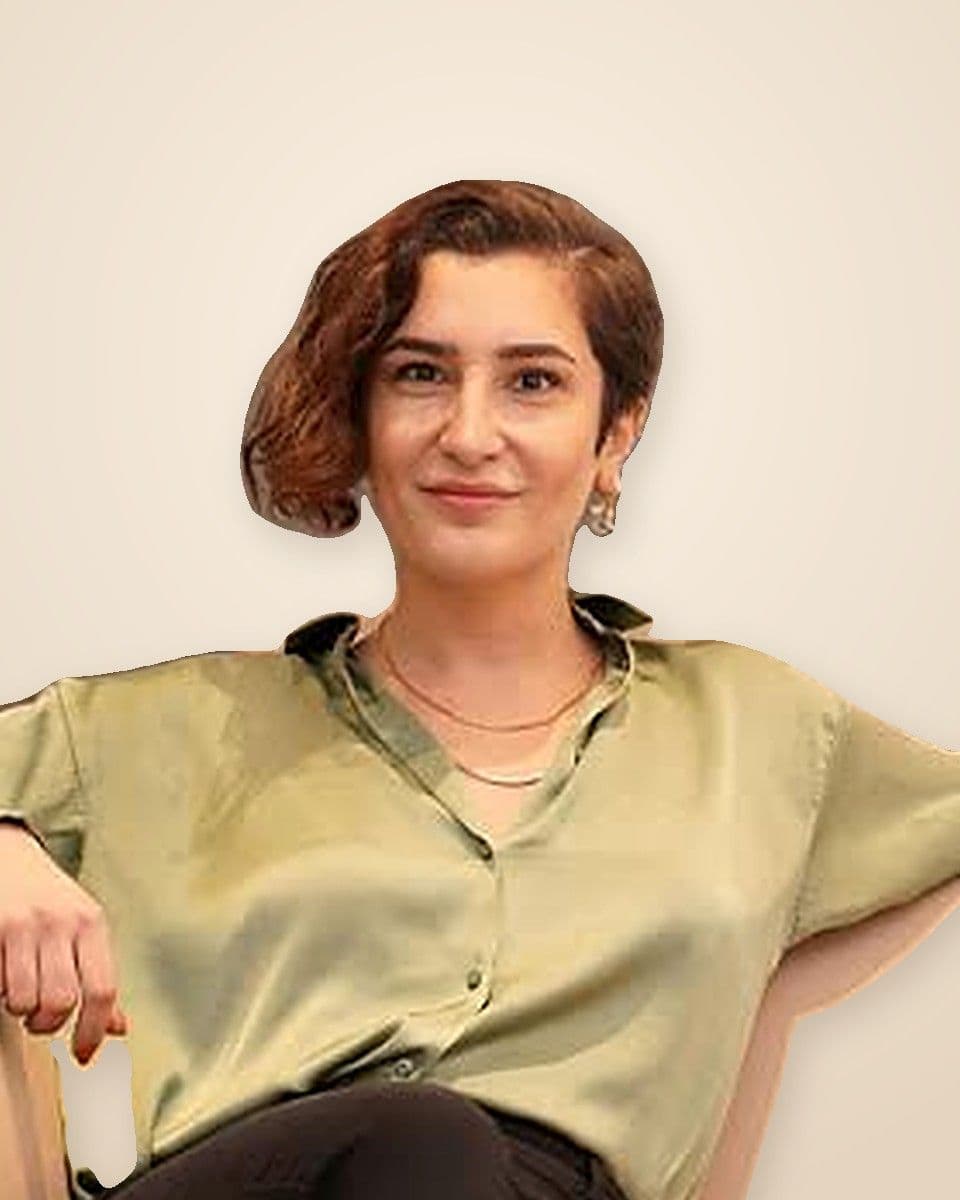
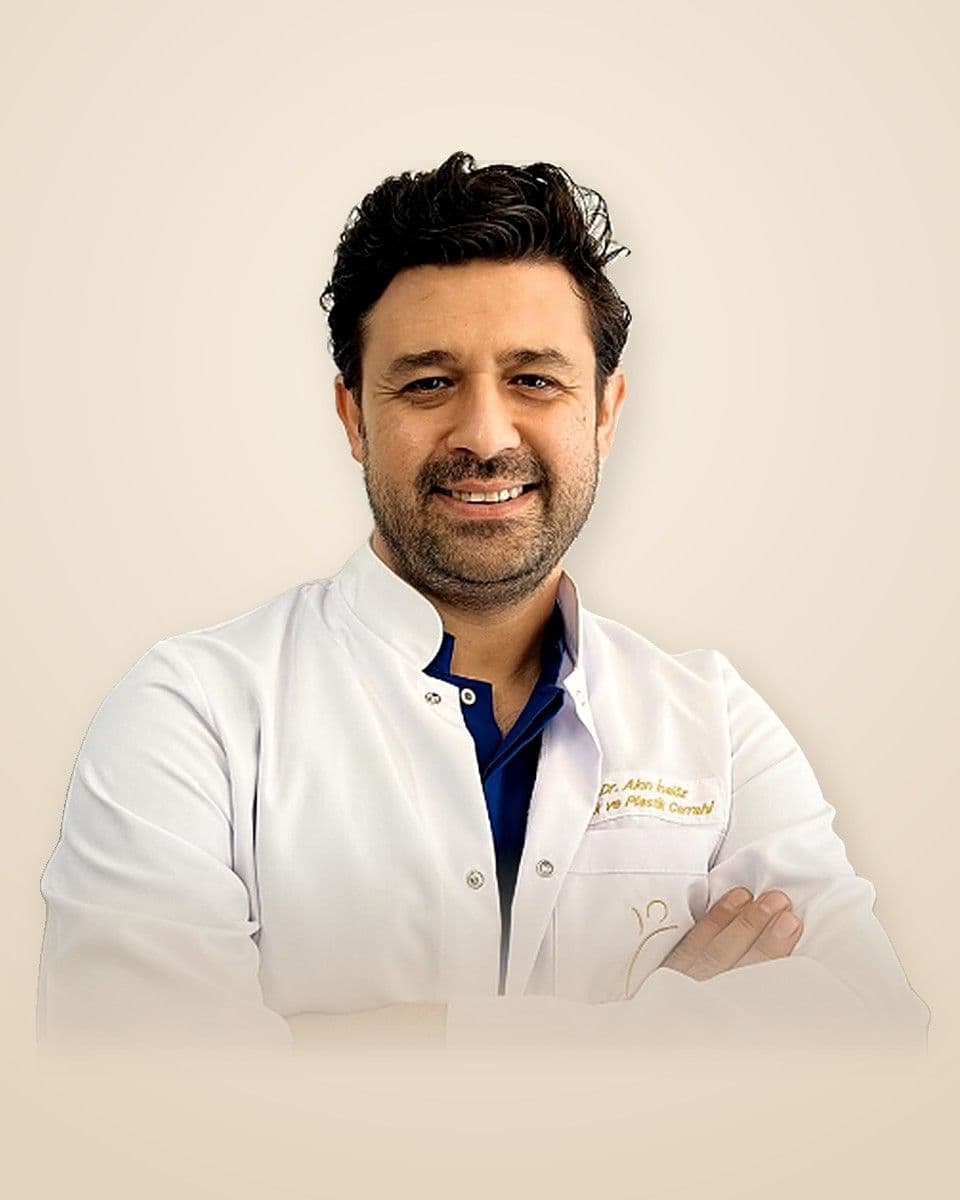
Az Ön útja. A mi kezünkben.
Az első üzenettől a hazautazásig — mi intézzük a logisztikát. Ön arra az eredményre összpontosíthat, amiért jött.
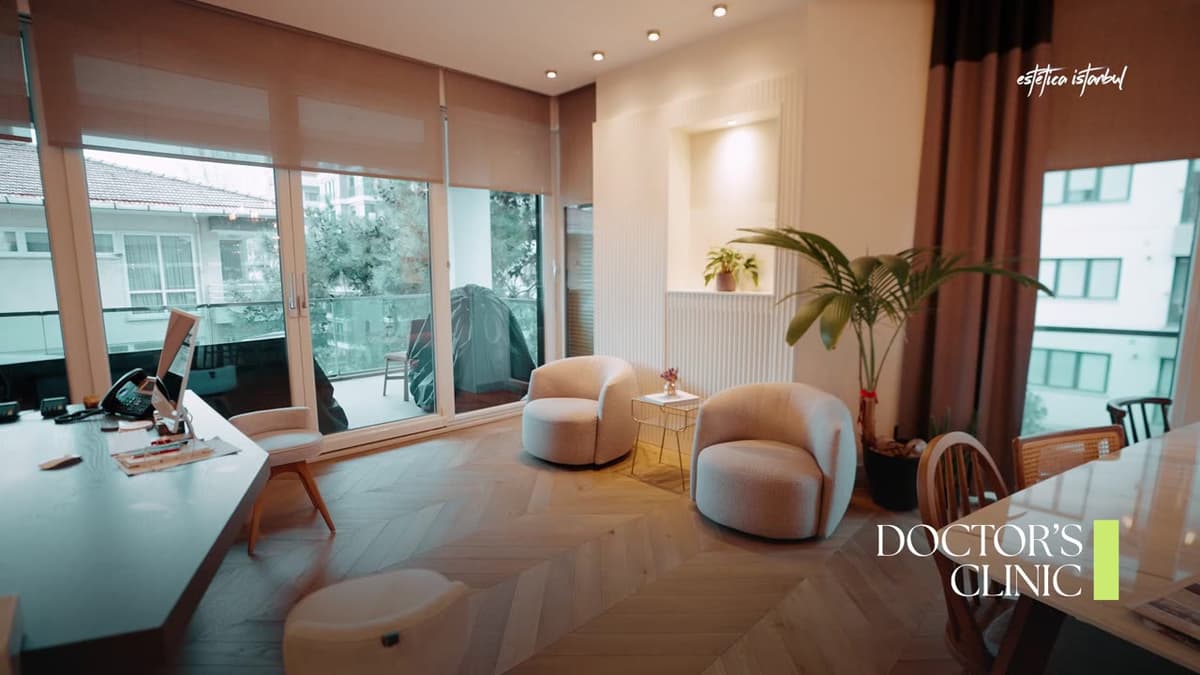
Ingyenes konzultáció
Küldje el nekünk fényképeit és céljait WhatsAppon. Átnézzük őket a sebésszel, és 24 órán belül részletes, all-inclusive árajánlatot küldünk. A beszélgetéshez nem kell előleg.
Mi intézzük a logisztikát
Miután döntött, lefoglaljuk a repülőjegyét, a hotelét és a VIP-transzfereket. Műtét előtti vizsgálatok, kórházi felvétel, angolul beszélő támogatás — mindent elintézünk, mielőtt Ön landolna.
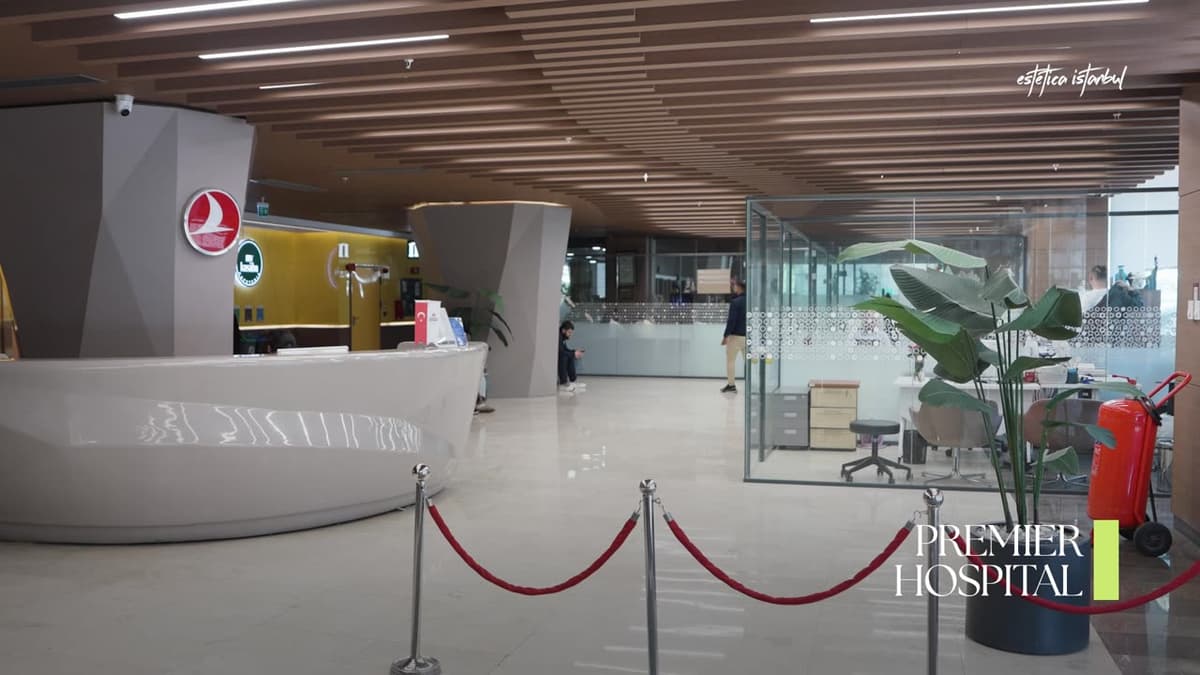
Műtét a JCI-akkreditált kórházban
Az Ön műtétje egy teljes körűen akkreditált kórházban zajlik — dedikált aneszteziológiai és ápolószemélyzet, intenzív osztály ugyanazon az emeleten, nemzetközi biztonsági szabványok. Soha nem egy eldugott nappali klinikán.
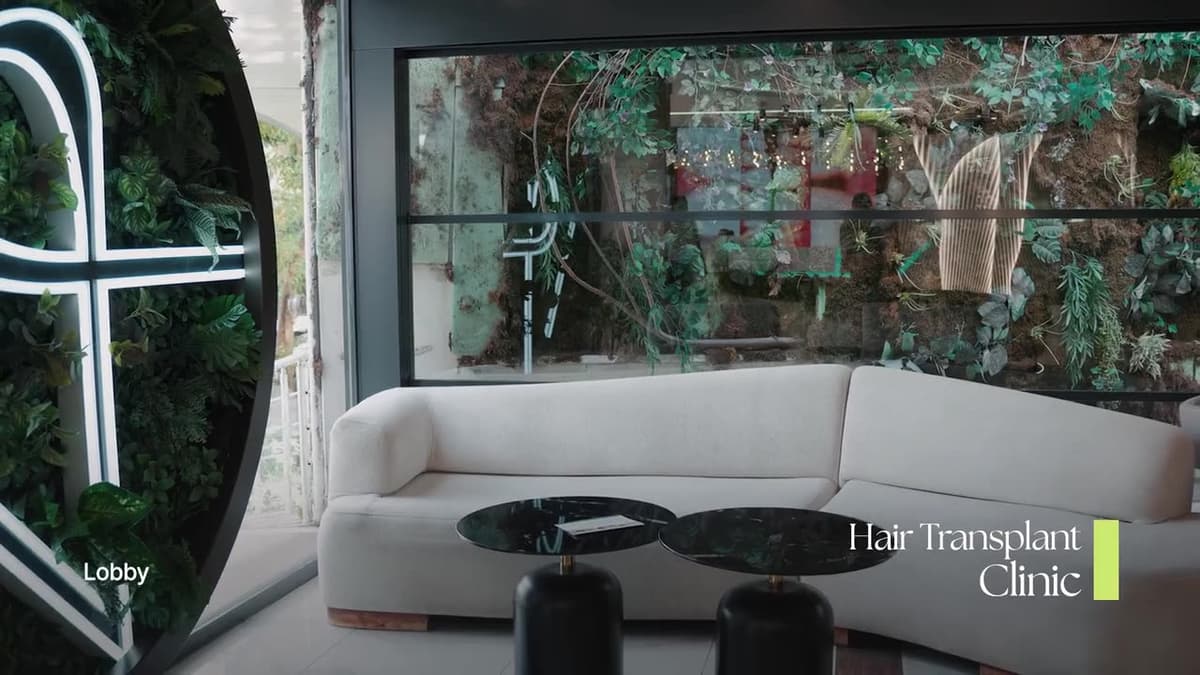
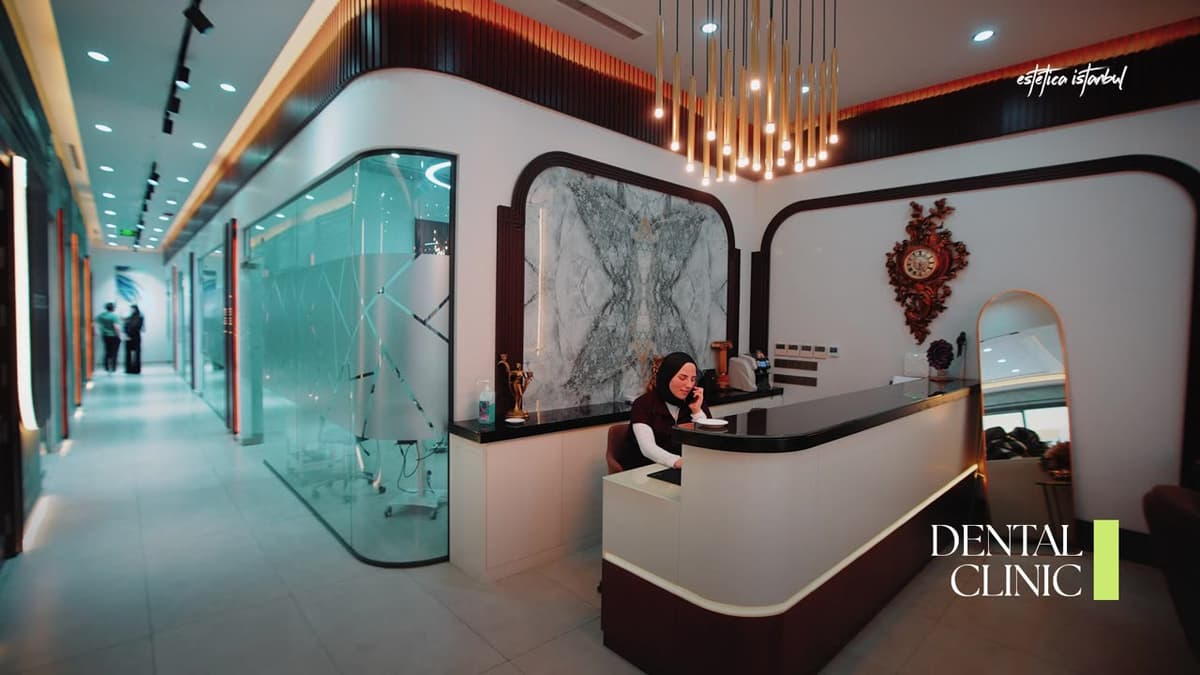
Szakosodott klinikák a mosolyhoz és a hajhoz
A nem sebészi kezelések erre a célra kialakított helyszíneken történnek — dedikált partner fogászati klinikánkon a héjakhoz, koronákhoz és implantátumokhoz, valamint partner hajrestaurációs klinikánkon a beültetésekhez. Mindegyiket olyan csapatok vezetik, akik nap mint nap kizárólag ezzel foglalkoznak.
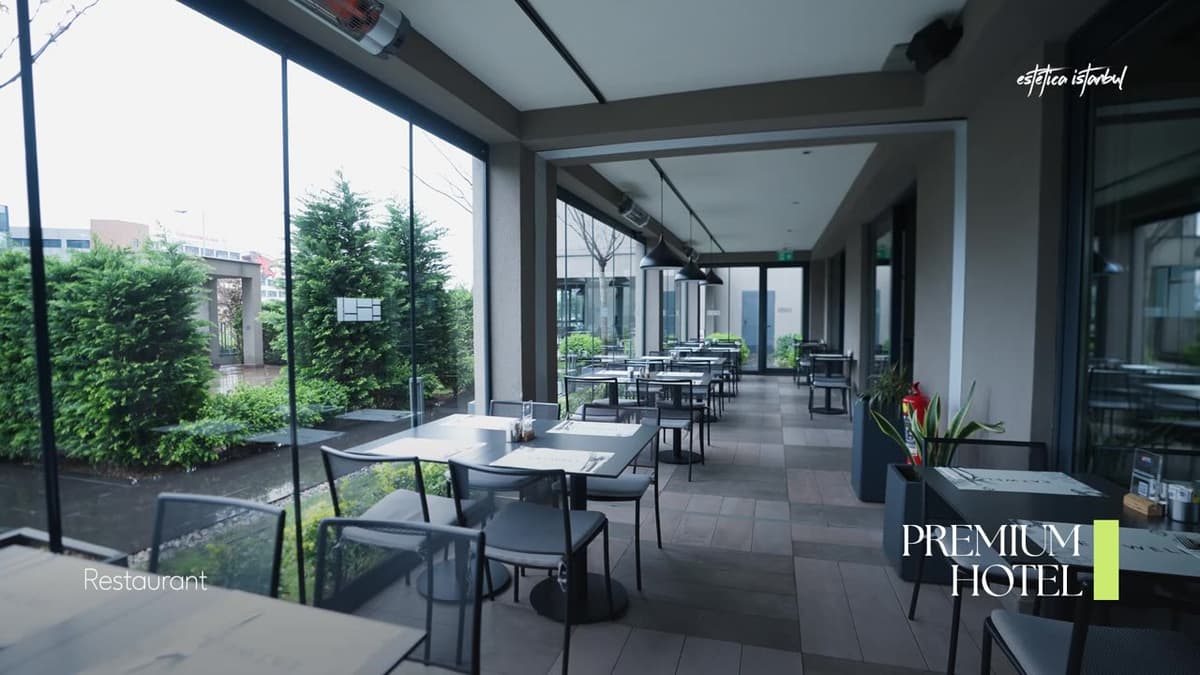
Lábadozás, kontroll és az Ön mosolya
Ön egy helyszíni orvosi ellátással rendelkező hotelben lábadozik, majd hazarepül. Egy teljes évig távolról nyomon követjük Önt — és ha szövődmény lép fel, fedezzük a sebészével folytatott távkonzultációkat, valamint ritka esetben a korrekciós műtétet is — az Antwell-feljebb lépéssel.
Ingyenes konzultáció
Küldje el nekünk fényképeit és céljait WhatsAppon. Átnézzük őket a sebésszel, és 24 órán belül részletes, all-inclusive árajánlatot küldünk. A beszélgetéshez nem kell előleg.
Mi intézzük a logisztikát
Miután döntött, lefoglaljuk a repülőjegyét, a hotelét és a VIP-transzfereket. Műtét előtti vizsgálatok, kórházi felvétel, angolul beszélő támogatás — mindent elintézünk, mielőtt Ön landolna.
Műtét a JCI-akkreditált kórházban
Az Ön műtétje egy teljes körűen akkreditált kórházban zajlik — dedikált aneszteziológiai és ápolószemélyzet, intenzív osztály ugyanazon az emeleten, nemzetközi biztonsági szabványok. Soha nem egy eldugott nappali klinikán.
Szakosodott klinikák a mosolyhoz és a hajhoz
A nem sebészi kezelések erre a célra kialakított helyszíneken történnek — dedikált partner fogászati klinikánkon a héjakhoz, koronákhoz és implantátumokhoz, valamint partner hajrestaurációs klinikánkon a beültetésekhez. Mindegyiket olyan csapatok vezetik, akik nap mint nap kizárólag ezzel foglalkoznak.
Lábadozás, kontroll és az Ön mosolya
Ön egy helyszíni orvosi ellátással rendelkező hotelben lábadozik, majd hazarepül. Egy teljes évig távolról nyomon követjük Önt — és ha szövődmény lép fel, fedezzük a sebészével folytatott távkonzultációkat, valamint ritka esetben a korrekciós műtétet is — az Antwell-feljebb lépéssel.
Takarítson meg akár 78%-ot Isztambulban
Jellemző, minden költséget tartalmazó árak országonként. Források: ASPS, RealSelf, jelentős brit/amerikai klinikák árlistái, 2025.
Törökország (Isztambul)
ettől 4 300 €US$4,990£3,700CA$6,920A$7,010NZ$8,510
megtakarítás 78%
Egyesült Királyság
ettől 16 500 €US$19,140£14,190CA$26,570A$26,900NZ$32,670
Egyesült Államok
ettől 19 500 €US$22,620£16,770CA$31,400A$31,780NZ$38,610
Olaszország
ettől 13 000 €US$15,080£11,180CA$20,930A$21,190NZ$25,740
Németország
ettől 14 000 €US$16,240£12,040CA$22,540A$22,820NZ$27,720






Rólunk írták
Tudósítások vezető nemzetközi médiaorgánumoktól


Az Estetica-ígéret
Ön ránk bízza a testét, a nőiességét, az idejét és a pénzét. Cserébe a következőket ígérjük — írásban, még mielőtt egyáltalán repülőre szállna.
12 hónapos korrekciós záradék
Ha az eredmény 12 hónapon belül nem felel meg a szakorvosával megállapodott kezelési tervnek, korrigálunk — műtéti vagy kórházi költség nélkül.
14 napos előleg-visszatérítési időszak
Meggondolja magát 14 napon belül és a repülőjegy foglalása előtt? A 500 € előleget 100%-ban visszatérítjük. Ezt követően az Öné marad, 12 hónapig a műtétre felhasználható jóváírásként.
Fix ár, all-inclusive
Az árajánlat az ár. Semmi „altatási felár", semmi „felár az implantátumért", semmi meglepetés a műtét napján. Írásban. Aláírva. Magyarul.
— Aláírva az Estetica Istanbul és partner sebészcsapatunk nevében.
Gyakran ismételt kérdések
Mennyibe kerül a mellnagyobbítás Isztambulban?
Meddig tartanak a mellimplantátumok?
Milyen méretű implantátumot válasszak?
Mennyire fájdalmas a mellnagyobbítás utáni felépülés?
Szoptathatok mellnagyobbítás után?
Mikor sportolhatok mellnagyobbítás után?
Végeznek mellnagyobbítást a Preservé technikával?
Mennyibe kerül a Preservé a hagyományos mellnagyobbításhoz képest?
A Preservé valóban altatás nélkül történik?
Kérje ingyenes konzultációját
Partner orvoscsapatunk áttekinti az Ön esetét, és 24 órán belül személyre szabott kezelési tervet küld Önnek.
Minden, amit tudnia kell
A mellnagyobbítás a világ leggyakrabban végzett esztétikai műtétje, és egyben azon beavatkozások egyike, amelyek a legmagasabb hosszú távú elégedettségi arányt mutatják – feltéve, hogy gondos tervezés és tapasztalt kezek végzik. Elvégezhető implantátummal, saját zsír átültetésével (a saját testből származó zsírral történő lipofillinggel), vagy a kettő kombinációjával.
Partnersebész-csapatunk hetente végez mellnagyobbításokat, következetes módszertan szerint: gondos műtét előtti méréssel, átgondolt implantátumválasztással, tiszta anatómiai zsebpreparálással és a kényelmet előtérbe helyező posztoperatív protokollal. A beavatkozásból természetes, kiegyensúlyozott és arányos eredménnyel kell kikerülnie – nem pedig „nagyobbal a nagyobb kedvéért”.
Kinek ajánlott a mellnagyobbítás
Ön akkor alkalmas jelölt, ha jó egészségi állapotban van, reális elvárásai vannak a volumennel és a formával kapcsolatban, és tisztában van azzal, hogy a mellimplantátumok hosszú távú ellenőrzést igényelnek – képalkotó utánkövetést, valamint évtizedek múlva várhatóan cserét.
A leggyakrabban a következő profilokkal találkozunk: nők, akik terhesség vagy fogyás után szeretnék visszaállítani a volument; nők, akik természetesen kis vagy aszimmetrikus mellükhöz keresnek arányt és formát; nők, akik a zsírátültetéses nagyobbítást (lipofilling) implantátummentes alternatívaként mérlegelik; valamint rekonstrukciós páciensek mellrákműtét után – a rekonstrukció külön klinikai út, saját dedikált konzultációval.
Az implantátum kiválasztása
Az új generációs implantátumok biztonságosabbak, természetesebbek és tartósabbak, mint a tíz vagy tizenöt évvel ezelőttiek. Négy fő döntést kell meghoznia.
Meddig tartanak a mellimplantátumok?
A modern implantátumok nem örök életre szóló eszközök, de évtizedekig tartó élettartamra tervezték őket. A tipikus csereidő tizenöt–húsz év – néha korábban, ha szövődmény jelentkezik (tokos zsugorodás, képalkotáson kimutatott repedés), néha később, ha minden stabil marad. Éves kontrollvizsgálatokat, valamint a tízéves határ után néhány évente ultrahang- vagy MRI-ellenőrzést javasolunk.
Kohézív szilikon vagy fiziológiás sóoldat
A kohézív szilikonimplantátumok – amelyeket gyakran „gumimaci” implantátumnak neveznek – az alapértelmezett választásunk. Ezek hasonlítanak leginkább a természetes mellszövetre látványban és tapintásban, és vékony lágyszöveti fedettségű pácienseknél sem okoznak látható hullámosodást. Fiziológiás sóoldatos implantátumok is elérhetők, de ma már ritkán használatosak.
Kerek vagy anatómiai (csepp alakú)
A kerek implantátumok teltséget adnak a felső póluson. Az anatómiai implantátumok a mellmirigy természetes ívét követik. Mindkettő természetes eredményt ad, ha megfelelően igazítják az Ön anatómiájához és céljaihoz. Nincs elvont helyes válasz – csak az Ön testéhez illő megfelelő implantátum van.
Az izom fölött vagy alatt
Az izom alá (submuscularis) vagy kettős síkba (dual-plane) helyezés természetesebb felső pólusívet ad, és karcsú pácienseknél csökkenti az implantátum láthatóságát. Az izom fölé helyezés gyorsabb felépülést tesz lehetővé, de kevés mellszövettel rendelkező pácienseknél kevésbé megbocsátó. Sebésze a lágyszöveti fedettség felmérése után javasol elhelyezést.
Metszés: inframammáris, periareoláris vagy transzaxilláris
Az inframammáris metszés (a mell alatti redőben) az arany standard: a redőben rejtve marad, kiváló sebészi hozzáférést biztosít, és alacsony a szövődményaránya. A legtöbb esetben ez az első választásunk.
Bizonyos anatómiák esetén alkalmazunk transzaxilláris metszést is (a hónaljban, a mellen nem marad heg – fiziológiás sóoldatos vagy bizonyos előtöltött szilikonimplantátumokhoz javallott), periareoláris metszést (az udvar alsó széle mentén, a heg jól rejtve marad, ha az udvar és a bőr határa éles, de az inframammáris úthoz képest jobban zavarhatja a későbbi szoptatást), valamint ritkán transzumbilikális metszést (TUBA – a köldökön keresztül, kizárólag fiziológiás sóoldatos implantátumhoz).
Preservé™ a Motivától: a minimálisan invazív mellnagyobbítás
A Preservé™ a Motiva által kifejlesztett sebészi protokoll, amelynek célja a szöveti trauma minimálisra csökkentése. A hagyományos nagyobbításhoz képest három dolog változik: az inframammáris metszés hozzávetőleg 2,5–3 centiméterre csökken; a zseb az izom fölött, dedikált eszközökkel készül – a Channel Separatorral és egy felfújható expanderrel, amely fokozatosan tágítja a szövetet ahelyett, hogy preparálná –; valamint SmoothSilk Ergonomix2 implantátumokat használnak. Drént nem helyeznek be. A beavatkozást helyi érzéstelenítésben, éber szedálás mellett végzik, nem pedig altatásban.
A valódi különbséget a felépülésben érzi meg. Még aznap hazabocsátják, kórházi éjszaka nélkül. A könnyű tevékenység huszonnégy–negyvennyolc órán belül, az irodai munka pedig három–öt nap után folytatható, szemben a hagyományos út hét–tíz napjával. A sport és a nehéz emelés ugyanúgy hat–nyolc hetet vár: az implantátum körüli szövet a maga ütemében gyógyul, és ezt semmilyen technika nem rövidíti le.
A Preservé nem mindenkinek megfelelő, és ezt jobb előre elmondani, mint utólag. Az izom fölötti zseb megfelelő lágyszöveti fedettséget igényel: ha Ön nagyon vékony, a látható hullámosodás valós kockázat, és a submuscularis sík marad a helyes választás. Jelentős ptosis (megereszkedés) esetén felvarrásra van szükség, nem minimálisan invazív implantátumra. Nagy volumennövelés esetén pedig a hagyományos megközelítés továbbra is jobb kontrollt ad a zseb felett. Sebésze ezt a konzultáción, az Ön fényképei és anatómiája alapján méri fel – és ha a Preservé nem javallott az Ön számára, azt meg is mondja.
Olaszországban a technika ára €7,500 és €12,000 között mozog, átlagosan €8,500 körül. A standard nagyobbításhoz képesti felárat a dedikált Motiva-készlet és az Ergonomix2 implantátumok adják, nem a marketing. Isztambulban a Preservé ára az Ön minden költséget tartalmazó csomagjában szerepel, és jóval a nyugat-európai árszint alatt marad.
Ha szeretné megtudni, hogy Ön alkalmas jelölt-e, küldje el nekünk fényképeit és kórtörténetét: a sebész javaslattal és árajánlattal jelentkezik vissza, általában huszonnégy órán belül.
Zsírátültetéses mellnagyobbítás
Azoknak a nőknek, akik implantátum nélkül szeretnének mérsékelt növelést, a lipofilling – zsír kinyerése a hasból, a derékból vagy a combokból, majd annak a mellbe történő beültetése – valódi alternatíva. A várható növekedés alkalmanként körülbelül egy–másfél kosárméret, lágy, természetes tapintással és évtizedeken át kezelendő implantátum nélkül. Nem minden zsír marad meg: körülbelül hatvan százalékos beépülés a várható érték.
A lipofilling akkor a megfelelő megoldás, ha elegendő donorzsírral rendelkezik, természetes megjelenésre vágyik, és megelégszik a mérsékelt növeléssel. Nagyobb növelés esetén az implantátum marad a helyes eszköz.
A műtét lépésről lépésre
A mellnagyobbítást altatásban, JCI-akkreditált kórházban végzik, végig jelen lévő dedikált aneszteziológussal. A műtét egy–két órát vesz igénybe. Egy kórházi éjszaka a szokásos.
A sebész elkészíti a kiválasztott metszést, kialakítja az implantátum zsebét a kiválasztott síkban, behelyezi az implantátumot, majd rétegesen, felszívódó varratokkal zárja a sebet. A beavatkozás végén sebészi tartómelltartót helyeznek fel.
Felépülés
1. hét
Feszülésérzés a mellkason, valamint enyhe-közepes fájdalom – felírt fájdalomcsillapítókkal kontrollálva. A háton alszik, kissé megemelt felsőtesttel. Tilos az emelés és a vezetés.
2–3. hét
A legtöbb páciens az első hét végére visszatér az irodai munkához. A karmozgások kíméletesek maradnak – tilos a tolás, a húzás és a fej fölötti munka.
4–6. hét
A könnyű fizikai tevékenység újrakezdődik. A duzzanat tovább csökken. Az implantátumok a következő három hónap során a végleges helyzetükbe „ereszkednek és rendeződnek” („drop and fluff”) – ez normális folyamat, amely javítja a mell formáját.
3–6. hónap
Végleges forma. A lágyság fokozatosan javul. A hegek elhalványulnak, finom vonalakká szelídülnek.
Kockázatok és reális elvárások
A mellnagyobbítás tapasztalt kezekben biztonságos beavatkozás, de nem kockázatmentes. Az őszinte kockázatok közé tartozik a tokos zsugorodás (az implantátum körüli hegszövet összehúzódása), a hullámosodás (látható hullámok) nagyon vékony pácienseknél, az aszimmetria, amely kisebb korrekciót igényelhet, valamint az implantátum valószínű cseréje tizenöt–húsz év múlva.
A mellimplantátumok nem örök életre szóló eszközök. Számoljon a képalkotó utánkövetéssel és azzal, hogy évtizedek múltán csere válhat szükségessé. Sebésze végigvezeti Önt a BIA-ALCL ellenőrzési protokollon (bizonyos texturált implantátumokhoz kapcsolódó ritka limfómakockázat) és minden ritka, de valós kockázaton, anélkül, hogy bármit is bagatellizálna az üzlet lezárása érdekében.
Kifejezetten az Allergan Biocellről: ezeket az implantátumokat 2019-ben világszerte visszahívták. Mi nem használjuk őket. Az általunk kínált implantátumok – Motiva, Mentor, Allergan (a jelenlegi, nem Biocell termékcsalád) – mind CE-jelöléssel és, ahol releváns, FDA-engedéllyel rendelkeznek, nyomon követhető gyártási tételszámmal és gyártói garanciával.
Miért Isztambul más úti célokkal szemben
Szakvizsgázott plasztikai sebészek, JCI-akkreditált kórházak műtői és megnevezett, referenciaértékű implantátumok – Motiva, Mentor, Allergan. Nem pedig névtelen implantátumok kelet-európai beszállítóktól. Partnersebészeink esetszáma és tapasztalata bármely londoni, New York-i vagy sydney-i klinikáéval kedvezően összevethető, olyan áron, amely indokolttá teszi az utazást.
Dr. Narmin Mammadova partnersebészként végzi a mellnagyobbítást; vezető partnersebészünk, Dr. Akın İnalöz a műtét előtt minden esetet áttekint. Dr. Mustafa Ekrem Güleş minden pácienst klinikailag jóváhagy – az ő jóváhagyása nélkül egyetlen műtét sem kezdődik el.
Miért ne az €1,800-as mellnagyobbítást válassza
A mellnagyobbításnál az alacsony ár olyan konkrét döntéseket rejt, amelyekért később megfizet. Az €1,800-at kínáló klinika ott spórol, ahol nem szabadna: márkajelzés nélküli implantátumok (vagy régi, kifutott termékcsaládból származó márkás implantátumok), óradíjas – nem pedig dedikált – aneszteziológus, korrekciós garancia nélkül, és hazatérése után semmilyen érdemi utánkövetés nélkül.
Amiért nálunk fizet, az ellenőrizhető: Motiva, Mentor vagy Allergan implantátumok nyomon követhető gyártási tételszámmal és gyártói garanciával; végig jelen lévő dedikált aneszteziológus; JCI-akkreditált kórház; Dr. İnalöz és Dr. Güleş felügyelete; 3, 6 és 12 hónapos utánkövetés WhatsAppon, angol nyelven. Ezek azok a dolgok, amelyekről három évvel később derül ki, hogy hiányoznak – amikor már túl késő olcsón orvosolni.
A piac másik végéhez képest – az USA-ban a mellnagyobbítás $8–12K, Beverly Hillsben vagy Manhattanben $12–18K, az Egyesült Királyságban magánellátásban £5–8K, Ausztráliában AU$10–15K – nem mond le a színvonalról. Ön csupán a török és a nyugati működési költségek közötti különbséget fizeti meg, ugyanazokon az implantátumokon és ugyanolyan színvonalú kórházban.
Angolul beszélő csapat – az első üzenettől a tizenkét hónapos utánkövetésig
Csapatunk angol nyelven válaszol WhatsAppon, telefonon és e-mailben. Az árajánlatkéréstől a tizenkét hónapos kontrollig olyasvalakivel beszél, aki érti az Ön nyelvét, és emlékszik az Ön esetére. A sebészi melltartóval, az alvási pozíciókkal, a munkába való visszatérés vagy a futás újrakezdésének időpontjával kapcsolatos kérdések – mindegyik világos, valós idejű angol választ érdemel.
Kérje ingyenes árajánlatát – csapatunk brit/ír munkaidőben, valamint egy második, az USA keleti partjától az ausztrál reggelig terjedő időablakban válaszol. Fénykép alapú előzetes felmérés még aznap.


További olvasnivaló
 már 4 300 € ártól
Repülés mellnagyobbítás után: nem a kabinnyomás a kockázat, az 5–7. nap a dátum
Az isztambuli partner sebészek az 5. és a 7. nap között, személyes kontrollvizsgálat után engedélyezik a mellnagyobbításon átesett páciensek repülését, 7–9 éjszakás tartózkodás mellett. Nem a kabinnyomás az ok: a szilikon és a fiziológiás sóoldat 8000 láb magasságban alig változtatja a térfogatát. A dátumot a négy óránál hosszabb repülések trombózisveszélye és az szabja meg, hogy a haematoma és a fertőzés – egyaránt 1 százalék alatt – szinte mindig az első héten jelentkezik.
 már 3 400 € ártól
Mellfelvarrás ára 2026: Törökország vs Egyesült Királyság, USA, Németország és Olaszország
A mellfelvarrás Törökországban 3 400 eurótól indul, szemben a 6 185 eurós németországi, 7 420 eurós olaszországi és 8 298 eurós egyesült államokbeli átlaggal, valamint a 7 395 fontos brit induló árral. A 2026-os számok forrásokkal, a különbség a repülőjegy után, és a kérdések, amelyek összehasonlíthatóvá tesznek két ajánlatot.
 már 3 450 € ártól
Mellcsökkentés ára 2026: Törökország, Egyesült Királyság, USA, Németország, Olaszország
Forrásolt 2026-os mellcsökkentési árak öt országban, 3450 eurótól Isztambulban 18 000 dollárig az USA-ban, mit tartalmaz mindegyik összeg, és mikor éri meg otthon maradni.