
Magahjáveita
Hjáveituaðgerð á maga í Istanbúl — Roux-en-Y hjáveita með kviðsjá fyrir sjúklinga með hærri BMI, sykursýki af tegund 2 eða svæsið bakflæði. Flóknari en magaermi og krefst eftirlits með vítamínum ævilangt. 12 mánaða eftirfylgni innifalin. Læknisfræðileg umsjón Dr. Güleş, JCI-faggilt sjúkrahús.
frá3.870 €$4,490£3,330CA$6,230A$6,310NZ$7,660· Allt innifalið
Læknisfræðilega yfirfarið af Mustafa Ekrem Güleş, Op. Dr., Board-Certified Plastic Surgeon· Síðast yfirfarið:
1,500+ erlendir sjúklingar treysta okkur
Fáðu ókeypis ráðgjöf
Samstarfslæknateymið okkar fer yfir málið þitt og sendir þér persónulega meðferðaráætlun innan 24 klukkustunda.
500 € deposit, refundable for 14 days or until your flight is booked · Our guarantee
Sparaðu allt að 82% í Istanbúl
Dæmigert verð með allt innifalið eftir löndum. Heimildir: ASPS, RealSelf, verðskrár stórra klíníka í Bretlandi og Bandaríkjunum, 2025.
Tyrkland (Istanbúl)
frá 3.870 €$4,490£3,330CA$6,230A$6,310NZ$7,660
sparaðu 82%
Bretland
frá 17.500 €$20,300£15,050CA$28,180A$28,520NZ$34,650
Bandaríkin
frá 21.500 €$24,940£18,490CA$34,620A$35,050NZ$42,570
Ítalía
frá 11.500 €$13,340£9,890CA$18,520A$18,750NZ$22,770
Þýskaland
frá 11.500 €$13,340£9,890CA$18,520A$18,750NZ$22,770
Lengd
2–4 hours
Svæfing
General anesthesia
Dvöl á sjúkrahúsi
3 nights
Aftur til vinnu
2–3 weeks
Batatími
4–6 weeks
Árangur sýnilegur
12–18 months
Í hnotskurn
- Hvað er þetta?
- Hjáveituaðgerð á maga í Istanbúl — Roux-en-Y fyrir hærri BMI, sykursýki af tegund 2 eða…
- Kostnaður
- €3,870 — allt innifalið: skurðlæknir, sjúkrahús, hótel, flugvallarakstur og eftirfylgni; flug er ekki innifalið
- Bati
- 4–6 weeks
- Öryggi og áhætta
- Framkvæmt á JCI-vottuðum sjúkrahúsum í Istanbúl. Læknisfræðilegt efni yfirfarið af dr. Mustafa Ekrem Güleş. Öllum aðgerðum fylgir einhver áhætta — í ráðgjöfinni förum við hreinskilnislega yfir hvort aðgerðin hentar þér og hvaða fylgikvillar geta komið upp.
Magahjáveita — nánar tiltekið kviðsjáraðgerð með Roux-en-Y hjáveitu — er flóknasta af helstu offituaðgerðunum og sú sem skilar sterkustum langtímaárangri, bæði í þyngdartapi og í sjúkdómshléi sykursýki af tegund 2. Hún er ekki rétta aðgerðin fyrir alla offitusjúklinga — fyrir BMI 35–45 án alvarlegs bakflæðis er magaermi yfirleitt rétta fyrsta valið. Hjáveita á við í tilteknum aðstæðum: hærri BMI (yfirleitt yfir 50), umtalsverður bakflæðissjúkdómur (hjáveita leysir bakflæðið, magaermi getur gert það verra), sykursýki af tegund 2 þar sem markmiðið er sem mest sjúkdómshlé, og — í vaxandi mæli — sjúklingar sem fóru í magaermi fyrir fimm til fimmtán árum og hafa þyngst umtalsvert aftur.
Aðgerðin breytir efri hluta meltingarvegarins varanlega: búinn er til lítill magapoki, um það bil 30 ml að stærð, hann tengdur beint við mjógirnið (framhjá stærstum hluta magans og efsta hluta mjógirnisins) og galli og brissafa er beint þannig að þau mæti fæðunni neðar í mjógirninu. Þessar líffærafræðilegu breytingar hafa þrennt í för með sér: minna rúmtak fyrir fæðu, minna upptak næringarefna og hormónabreytingar sem hafa mikil áhrif á boð um hungur og seddu.
Hverjum hentar magahjáveita
Aðgerðin á við í tilteknum klínískum aðstæðum, ekki sem almenn þyngdarstjórnun. Réttur umsækjandi hefur yfirleitt BMI yfir 50; eða BMI 35–50 ásamt sykursýki af tegund 2 þar sem sjúkdómshlé sykursýkinnar er meginmarkmiðið (hjáveita skilar sjúkdómshléi hjá 60–80% sjúklinga með sykursýki af tegund 2, umtalsvert oftar en magaermi); eða BMI 35–50 ásamt alvarlegum bakflæðissjúkdómi (hjáveita útrýmir bakflæðinu en magaermi getur gert það verra); eða hefur áður farið í magaermi og kemur aftur til umbreytingar vegna þyngdaraukningar eða þráláts bakflæðis; hefur lokið skjalfestum tilraunum til þyngdartaps án aðgerðar í tólf mánuði eða lengur; er sálrænt undirbúinn fyrir varanlega líffærafræðilega breytingu og vítamínuppbót ævilangt; reykir ekki eða hefur hætt að reykja fjórum vikum fyrir aðgerð; er ekki með sjúkdóma sem útiloka aðgerð.
Hverjum hentar hjáveita ekki: sjúklingum sem eru betur settir með magaermi (flestum með BMI 35–45 án alvarlegs bakflæðis eða sykursýki); sjúklingum sem eru ekki tilbúnir að skuldbinda sig til vítamínuppbótar ævilangt og árlegra blóðprufa; sjúklingum sem eiga við áfengis- eða vímuefnavanda að stríða (hjáveita breytir umbroti áfengis verulega); sjúklingum með umtalsverðan bólgusjúkdóm í mjógirni.
Hvers vegna hjáveita skilar svo sterkum árangri gegn sykursýki
Hjáveita hefur sterkasta vísindalega grunninn af öllum skurðaðgerðum þegar kemur að sjúkdómshléi sykursýki af tegund 2. Verkunin felst ekki eingöngu í þyngdartapi — hún er líffærafræðileg. Með því að beina fæðunni framhjá skeifugörninni og efsta hluta ásgarnarinnar breytir aðgerðin þeim hormónaboðum sem stýra blóðsykri. Margir sjúklingar með sykursýki af tegund 2 finna fyrir umtalsverðum bata á blóðsykri innan fárra daga frá aðgerð, áður en marktækt þyngdartap hefur orðið. Langvarandi sjúkdómshlé (HbA1c komið í eðlilegt horf án lyfja) næst hjá meirihluta þeirra sjúklinga sem uppfylla skilyrði.
Fyrir sykursjúkan einstakling sem á fram undan ævilanga meðferð með metformíni, insúlíni eða GLP-1 lyfjum er hjáveita oft sú aðgerð sem skilar sterkustum langtímaárangri — og fyrir áhugasaman sjúkling með viðeigandi BMI og sykursýkismynd mælum við oft með hjáveitu fram yfir magaermi einmitt af þessari ástæðu.
Aðgerðin, skref fyrir skref
Gerð í svæfingu á JCI-faggiltu sjúkrahúsi með svæfingateymi sem sérhæfir sig í offituaðgerðum. Aðgerðin tekur yfirleitt tvær til þrjár klukkustundir — lengur en magaermi því hún felur í sér tvær aðskildar samtengingar (anastómósur) í stað einnar brottnámsaðgerðar. Tvær til þrjár nætur á sjúkrahúsi eru venjan.
Aðgerðin er gerð með kviðsjá — fjórir til sex litlir skurðir efst á kviðnum, og í gegnum þá býr skurðlæknirinn til litla magapokann, skiptir mjógirninu, tengir annan legginn við pokann, tengir galli- og brisleggin aftur neðar og prófar samtengingarnar með tilliti til leka. Enginn opinn skurður.
Eftirfylgniáætlunin
Eftirfylgni eftir hjáveitu er umfangsmeiri en eftir magaermi og hún er skýrt innifalin hjá okkur. Undirbúningsrannsóknir og lifrarminnkandi mataræðið fyrir aðgerð eru þau sömu og fyrir magaermi. Eftirmeðferðin er hins vegar viðameiri:
Sjúkrahúslega: tvær til þrjár nætur með stöðugu eftirliti og lekaprófi fyrir útskrift.
Strax eftir aðgerð: skipulögð stígandi í mataræði, eins og eftir magaermi (tærir vökvar → fljótandi fæði → maukað → mjúkt → fast); næringaruppbót frá útskrift — hjáveita krefst meiri uppbótar en magaermi vegna minna upptaks (ákveðið skema sem inniheldur járn, kalsíumsítrat, vítamín D3, B12, þíamín og fjölvítamín sérsniðið að offituaðgerðum); bakflæðis- og sáravarnarlyf í að minnsta kosti sex mánuði.
Eftirfylgni ævilangt: blóðprufur eftir 3, 6, 12 mánuði og árlega eftir það — þetta er ævilangt og ekki valkvætt. Sjúklingar eftir hjáveitu geta fengið skort á próteini, járni, B12, kalsíum, D-vítamíni, fólati og þíamíni árum eftir aðgerð ef uppbótin er ófullnægjandi. Við samhæfum eftirfylgniblóðprufur við heimilislækninn þinn í UK/IE/US/CA/AU/NZ og gefum upp ákveðin viðmiðunarbil og mörk sem kalla á viðbrögð. Enskumælandi næringarfræðingur er tiltækur í 12 mánuði eftir aðgerð.
„Dumping-heilkennið“ — kostur eða galli
Sjúklingar eftir hjáveitu geta fundið fyrir „dumping-heilkenni“ — lífeðlisfræðilegu viðbragði við sykurríkri eða kolvetnaríkri fæðu sem veldur svita, hjartsláttarónotum, kviðverkjum og stundum niðurgangi. Hjá flestum sjúklingum virkar þetta sem öflug endurgjöf á hegðun — líkaminn refsar fyrir sykurríkt mataræði og hegðunin breytist. Hjá sumum er þetta nógu óþægilegt til að krefjast vandaðrar skipulagningar á mataræði. Við útskýrum þetta skýrt í ráðgjöfinni því þetta er einkennandi þáttur í lífinu eftir hjáveitu og greinir hjáveitu frá magaermi.
Bati
Vika 1
Tvær til þrjár nætur á sjúkrahúsi og síðan bati á hótelinu. Aðeins tærir vökvar í sjö daga. Væg til meðalmikil óþægindi í kvið. Ganga frá fyrsta degi er skylda. Heimflug á áttunda til ellefta degi, eftir klínískt samþykki.
Vikur 2–6
Stígandi í gegnum fljótandi fæði, maukað, mjúkt og loks fast fæði samkvæmt skema. Skammtar mjög litlir. Áframhaldandi prótein- og vítamínuppbót. Aftur í skrifstofuvinnu frá annarri til þriðju viku. Engar þungar lyftur í sex vikur.
Mánuðir 2–6
Tímabil hraðasta þyngdartapsins — yfirleitt 10–15 kg/mánuði í byrjun. Áframhaldandi skipulögð uppbót. Blóðprufur eftir 3 og 6 mánuði.
Mánuðir 6–24
Þyngdartapið heldur áfram en hægar. Flestir sjúklingar ná stöðugri þyngd á milli 18 og 24 mánaða með 70–80% tapi af umframþyngd. Sjúkdómshlé sykursýki verður yfirleitt stöðugt um 6. mánuð. Hægt er að skipuleggja mótandi aðgerðir á líkama eftir offituaðgerð frá 18. mánuði, þegar þyngdin er orðin stöðug.
Áhætta og raunhæfar væntingar
Heiðarleg upptalning á áhættu: leki við samtengingu (alvarlegasti fylgikvillinn snemma — prófað er fyrir honum fyrir útskrift); sár eða þrengsli við samtengingu (getur komið fram vikum til árum eftir aðgerð og gæti þurft víkkun með speglun eða lyfjameðferð); blæðing sem kallar á endurtekna aðgerð; blóðsegarek í bláæðum; innri haull (sértækur síðbúinn fylgikvilli hjáveitu — getur komið fram mörgum árum síðar með kviðverkjum og krefst skurðaðgerðar); dumping-heilkenni (rætt hér að ofan); næringarskortur ef uppbót er ekki viðhaldið — hann getur verið alvarlegur (þíamínskortur getur til dæmis valdið varanlegum taugaskaða); breytingar á umbroti áfengis sem krefjast aðgátar; þyngdaraukning á ný eftir 5–10 ár hjá minnihluta sjúklinga.
Hjáveita er varanleg og erfiðara er að snúa henni við en magaermi. Við leggjum áherslu á þetta í ráðgjöfinni. Tæknilega er hægt að færa líffærafræðina í fyrra horf en það á sjaldan við og fylgir sín eigin áhætta.
Magahjáveita eða magaermi — heiðarlega ákvörðunartréð
Fyrir flesta sjúklinga með BMI 35–45 án alvarlegs bakflæðis eða sykursýki mælum við fyrst með magaermi — styttri aðgerð, minni uppbótarbyrði og minni breyting á líffærafræðinni.
Fyrir BMI >50, fyrir sjúklinga með sykursýki af tegund 2 þar sem markmiðið er sjúkdómshlé, fyrir sjúklinga með umtalsvert bakflæði og fyrir þá sem magaermi hefur ekki dugað er hjáveita betri aðgerð.
Ákvörðunin er einstaklingsbundin og við gefum okkur tíma í hana í ráðgjöfinni. Við seljum ekki hjáveitu upp á sjúklinga sem henta í magaermi til að hækka verðið, og við tölum ekki sjúklinga sem þurfa hjáveitu niður í magaermi til að einfalda okkur verkið. Rétta aðgerðin er sú sem passar sjúklingnum.
Hvers vegna Istanbúl frekar en aðrir áfangastaðir
Reynsla sem byggist á miklum fjölda aðgerða er sterkasti forspárþátturinn um árangur hjáveitu, og tyrkneskar offituskurðdeildir framkvæma þann fjölda hjáveituaðgerða sem fáar stöðvar í Bretlandi, Bandaríkjunum eða Ástralíu jafna. Ásamt JCI-faggiltum sjúkrahúsum, svæfingu sem sérhæfir sig í offituaðgerðum og alvöru eftirfylgniáætlun okkar er klíníska myndin og öryggið sambærilegt við einkarekna þjónustu á Vesturlöndum fyrir brot af kostnaðinum.
Dr. Mustafa Ekrem Güleş samþykkir hvern sjúkling klínískt fyrir aðgerð.
Hvers vegna ekki 2.500 € magahjáveitan
Þegar kemur að hjáveitu er botnverðið greitt á sama hátt og við ódýra magaermi — ófullnægjandi undirbúningsrannsóknir, stytt sjúkrahúslega, engin alvöru eftirfylgni — auk sértækrar áhættu sem fylgir hjáveitu: ófullnægjandi uppbótarskema sem leiðir til þíamín- eða B12-skorts eftir 5 ár, engin leið til að bregðast við innri haul sem kemur fram seint og ekkert eftirlit með sáramyndun við samtengingu.
Það sem þú borgar fyrir hjá okkur er hægt að sannreyna: ítarlegar undirbúningsrannsóknir fyrir offituaðgerð, tvær til þrjár nætur á sjúkrahúsi með lekaprófi, skipulagt uppbótarskema ævilangt, enskumælandi næringarfræðing í 12 mánuði, samhæfingu blóðprufa við heimilislækninn þinn eftir 3, 6, 12 mánuði og árlega eftir það, JCI-faggilt sjúkrahús.
Enskumælandi teymi — frá fyrstu ráðgjöf til árlegrar eftirfylgni ævilangt
Hjáveita er ævilangt samband — ekki ein ferð. Teymið okkar svarar á ensku á WhatsApp, í síma og með tölvupósti, frá fyrstu ráðgjöf og alla leið í árlega eftirfylgni svo lengi sem þú ert sjúklingur hjá okkur. Spurningum um næringu, vandamálum með uppbót og túlkun einkenna (er þetta eðlilegt? á ég að leita til læknis?) er svarað fljótt á ensku.
Pantaðu ókeypis ráðgjöf — teymið okkar svarar á skrifstofutíma í UK/IE og í öðrum glugga sem nær frá bandarískum austurstrandartíma fram á ástralskan morgun. Mat á BMI og því hvort þú uppfyllir skilyrði samdægurs, þar með talin heiðarleg ráðlegging um hvort magaermi eða hjáveita hentar þínu tilviki.
Þín ferð. Okkar hendur.
Frá fyrstu skilaboðunum þínum til heimferðarinnar sjáum við um allt skipulag. Þú einbeitir þér að árangrinum sem þú komst fyrir.

Ókeypis ráðgjöf
Sendu okkur myndir og markmiðin þín á WhatsApp. Við förum yfir þær með skurðlækninum og sendum þér ítarlegt verðtilboð með öllu inniföldu innan 24 klukkustunda. Ekkert staðfestingargjald til að spjalla.
Við sjáum um skipulagið
Þegar þú hefur ákveðið þig bókum við flugið, hótelið og VIP-akstur. Rannsóknir fyrir aðgerð, innlögn á sjúkrahús og enskumælandi aðstoð — allt frágengið áður en þú lendir.
Aðgerð á JCI-vottuðu sjúkrahúsi
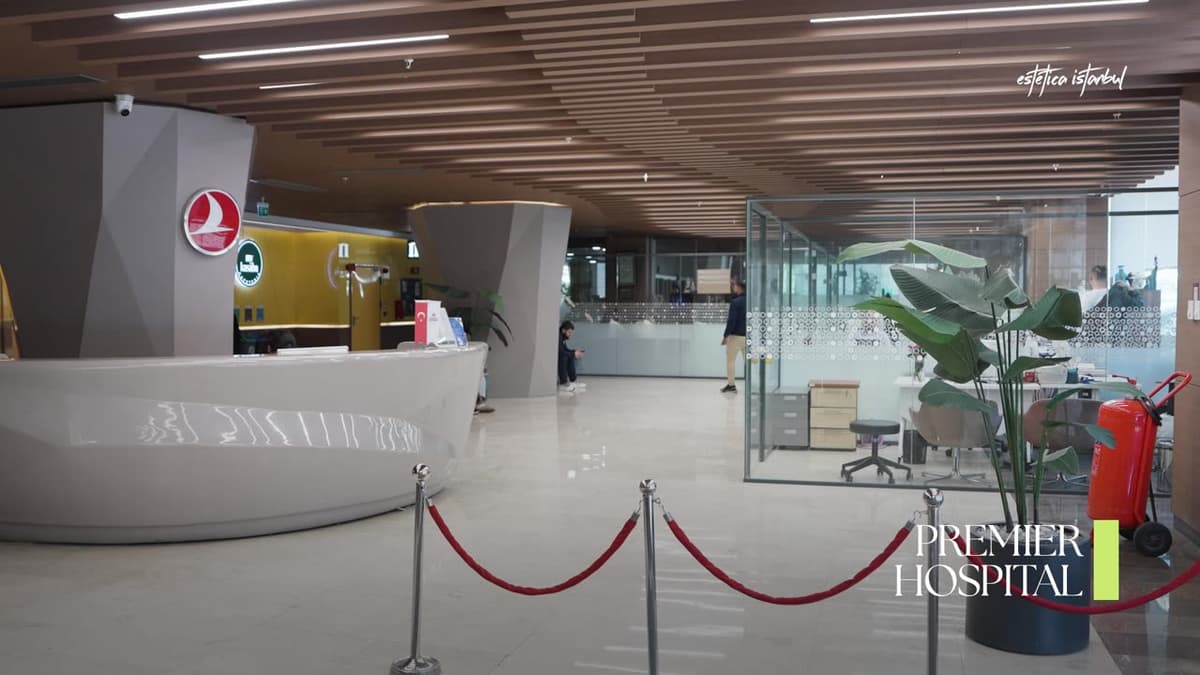
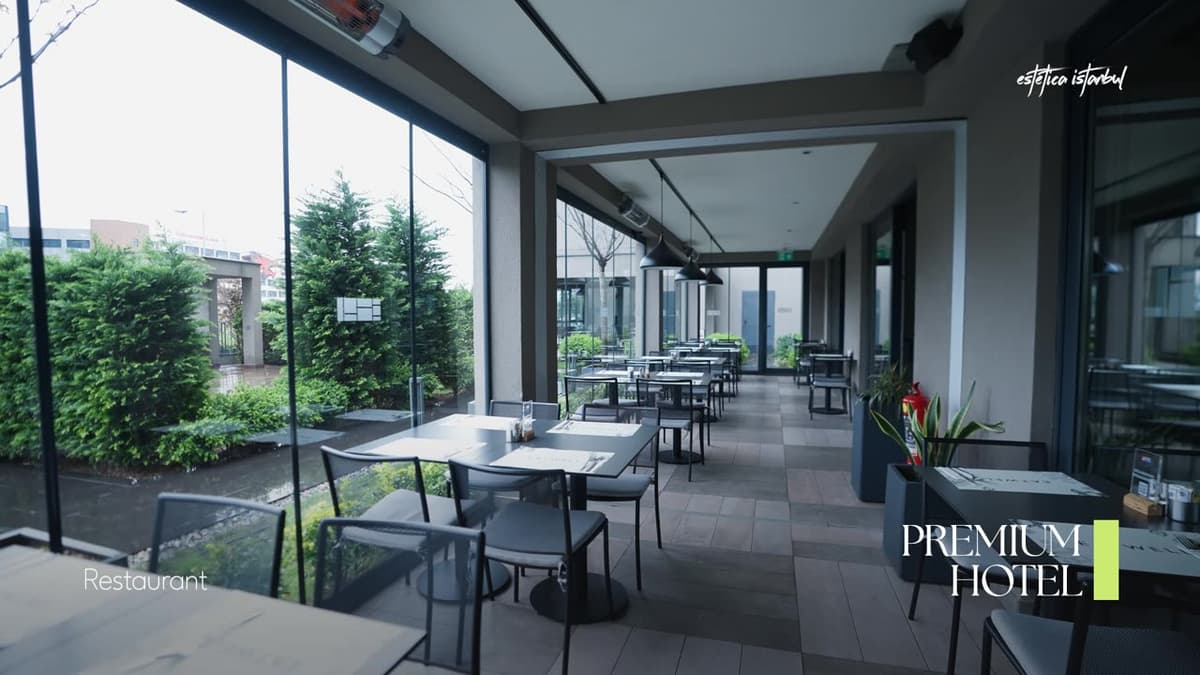
Aðgerðin þín fer fram á fullvottuðu sjúkrahúsi — sérhæft svæfinga- og hjúkrunarteymi, gjörgæsla á sömu hæð og alþjóðlegir öryggisstaðlar. Aldrei einhver dagklíník úti í bæ.
Sérhæfðar klíníkur fyrir bros og hár
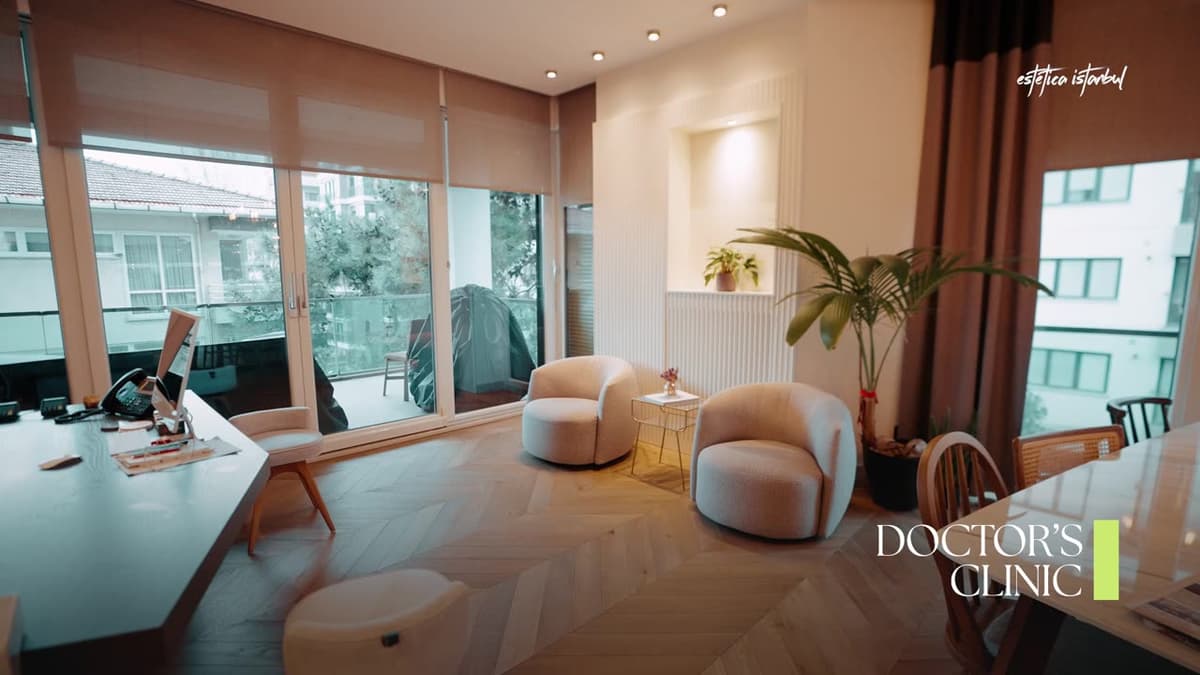
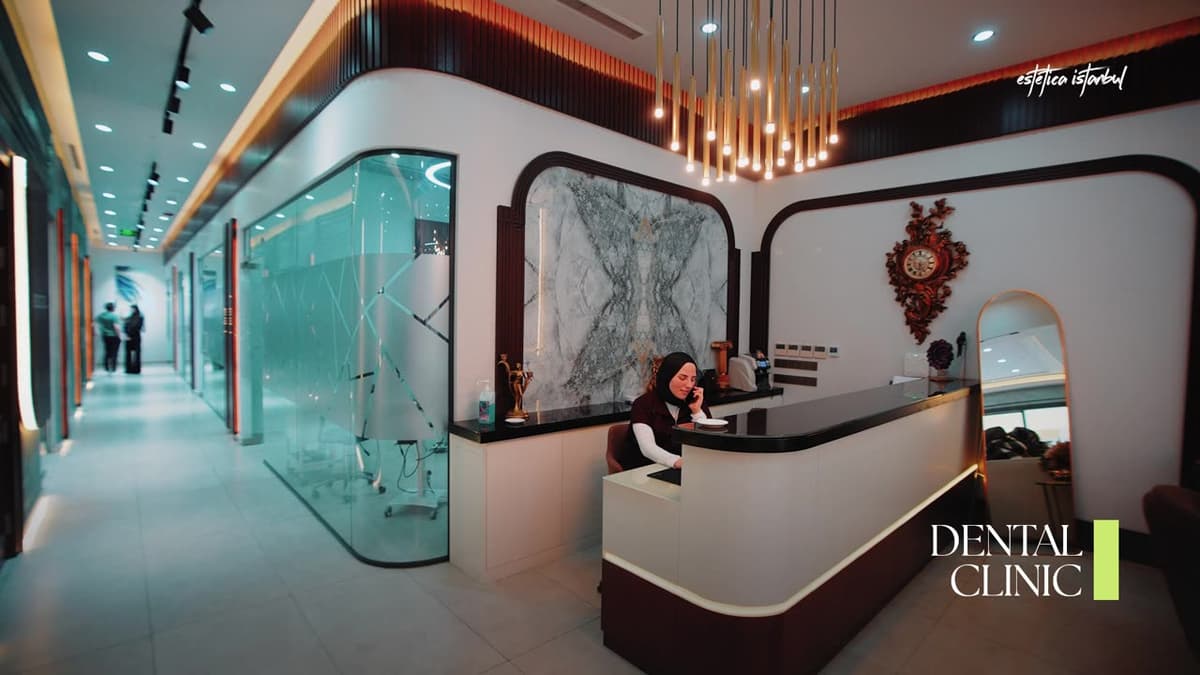
Meðferðir án skurðaðgerðar fara fram í sérhönnuðu húsnæði — samstarfstannlæknaklíníkinni okkar fyrir postulínsspóna, krónur og tannígræðslur, og samstarfshárklíníkinni okkar fyrir hárígræðslur. Hvor um sig rekin af teymum sem gera ekkert annað, alla daga.
Bati, eftirfylgni og brosið þitt
Þú jafnar þig á hóteli með læknisþjónustu á staðnum og flýgur svo heim. Við fylgjum þér eftir í fjarþjónustu í heilt ár — og komi upp fylgikvilli greiðum við fjarráðgjöf hjá skurðlækninum þínum og, í undantekningartilvikum, endurbótaaðgerð — með Antwell-viðbótinni.
Ókeypis ráðgjöf
Sendu okkur myndir og markmiðin þín á WhatsApp. Við förum yfir þær með skurðlækninum og sendum þér ítarlegt verðtilboð með öllu inniföldu innan 24 klukkustunda. Ekkert staðfestingargjald til að spjalla.
Við sjáum um skipulagið
Þegar þú hefur ákveðið þig bókum við flugið, hótelið og VIP-akstur. Rannsóknir fyrir aðgerð, innlögn á sjúkrahús og enskumælandi aðstoð — allt frágengið áður en þú lendir.
Aðgerð á JCI-vottuðu sjúkrahúsi
Aðgerðin þín fer fram á fullvottuðu sjúkrahúsi — sérhæft svæfinga- og hjúkrunarteymi, gjörgæsla á sömu hæð og alþjóðlegir öryggisstaðlar. Aldrei einhver dagklíník úti í bæ.
Sérhæfðar klíníkur fyrir bros og hár
Meðferðir án skurðaðgerðar fara fram í sérhönnuðu húsnæði — samstarfstannlæknaklíníkinni okkar fyrir postulínsspóna, krónur og tannígræðslur, og samstarfshárklíníkinni okkar fyrir hárígræðslur. Hvor um sig rekin af teymum sem gera ekkert annað, alla daga.
Bati, eftirfylgni og brosið þitt
Þú jafnar þig á hóteli með læknisþjónustu á staðnum og flýgur svo heim. Við fylgjum þér eftir í fjarþjónustu í heilt ár — og komi upp fylgikvilli greiðum við fjarráðgjöf hjá skurðlækninum þínum og, í undantekningartilvikum, endurbótaaðgerð — með Antwell-viðbótinni.
Hvað er innifalið
Ekki innifalið
Algengar spurningar
Hver er munurinn á magahjáveitu og magaermi?
Hversu miklu þyngdartapi má búast við eftir magahjáveitu?
Hvað kostar magahjáveita í Istanbúl?
Hver er áhættan við magahjáveitu?
Þarf ég vítamín eftir magahjáveitu?
Hversu langur er batinn eftir magahjáveitu?
Ítarefni
 frá 1.180 €
Kostnaður við bichektomíu 2026: 1.180 € í Istanbúl á móti 2.300 € í Þýskalandi, 2.600 € á Ítalíu og 4.083 € í Bretlandi
Istanbúl-pakkinn byrjar í 1.180 € á móti 2.300 € í Þýskalandi, 2.600 € á Ítalíu, 4.083 € í Bretlandi og 4.403 € sem raunhæfu lágmarki í Bandaríkjunum. Á móti Bretlandi og Bandaríkjunum lifir sparnaðurinn af hvern ferðakostnað. Á móti Þýskalandi og Ítalíu étur flug á 350 € um þriðjung bilsins.
 frá 3.550 €
Kostnaður við augnabrúnalyftingu 2026: 3.550 € í Istanbúl, ódýrara en í Bretlandi, Þýskalandi og Bandaríkjunum en ekki ódýrara en á Ítalíu
Augnabrúnalyfting kostar 3.550 € með öllu innifalið í gegnum Estetica Istanbul, 5.500 £ til 10.500 £ í London, 5.460 $ sem þóknun skurðlæknis eina og sér í Bandaríkjunum og 8.000 € til 13.000 € fyrir speglunaraðferðina í Þýskalandi. Birt ítalskt verðbil, 2.500 € til 5.000 €, skarast við Istanbúl-pakkann og fer undir hann í neðri mörkunum, svo verðið eitt og sér réttlætir ekki ferðina frá Ítalíu.
 frá 4.020 €
Verð á hökuígræðslu 2026: 4370 € í Istanbúl, ódýrara en í Bretlandi og Bandaríkjunum en ekki ódýrara en í Þýskalandi eða á Ítalíu
Hökuígræðsla bókuð í gegnum Estetica Istanbul kostar 4370 € sem pakki með öllu innifalinu. Það er skýr sparnaður miðað við Bretland (4500-6500 £) og Bandaríkin (3500 $ til meira en 11000 $) og enginn sparnaður miðað við þýska meðaltalið 3466 € eða ítalska meðaltalið 3276 €. Hér eru tölurnar, heimildirnar og eina tilvikið þar sem það borgar sig enn að fljúga til Istanbúl vegna hökunnar.