
Augabrúnaígræðsla
Augabrúnaígræðsla í Istanbúl — DHI (Direct Hair Implantation) til að endurbyggja eða móta þunnar, ofplokkaðar eða öraskemmdar augabrúnir. Millimetranákvæmni í halla og þéttleika. Varanlegur árangur — engar fleiri microblading-uppfærslur. Læknisfræðileg umsjón Dr. Güleş.
frá1.750 €$2,030£1,510CA$2,820A$2,850NZ$3,470· Allt innifalið
Læknisfræðilega yfirfarið af Akın İnalöz, MD, vottaður lýtalæknir· Síðast yfirfarið:
1,500+ erlendir sjúklingar treysta okkur
Fáðu ókeypis ráðgjöf
Samstarfslæknateymið okkar fer yfir málið þitt og sendir þér persónulega meðferðaráætlun innan 24 klukkustunda.
Sparaðu allt að 87% í Istanbúl
Dæmigert verð með allt innifalið eftir löndum. Heimildir: ASPS, RealSelf, verðskrár stórra klíníka í Bretlandi og Bandaríkjunum, 2025.
Tyrkland (Istanbúl)
frá 1.750 €$2,030£1,510CA$2,820A$2,850NZ$3,470
sparaðu 87%
Bretland
frá 9.000 €$10,440£7,740CA$14,490A$14,670NZ$17,820
Bandaríkin
frá 13.000 €$15,080£11,180CA$20,930A$21,190NZ$25,740
Ítalía
frá 6.000 €$6,960£5,160CA$9,660A$9,780NZ$11,880
Þýskaland
frá 6.500 €$7,540£5,590CA$10,470A$10,600NZ$12,870
Lengd
2–3 hours
Svæfing
Local anesthesia
Dvöl á sjúkrahúsi
Day procedure
Aftur til vinnu
2–3 days
Batatími
5–7 days
Árangur sýnilegur
6–9 months
Í hnotskurn
- Hvað er þetta?
- Augabrúnaígræðsla í Istanbúl — DHI tækni til að endurbyggja þunnar, gisnar eða…
- Kostnaður
- €1,750 — allt innifalið: skurðlæknir, sjúkrahús, hótel, flugvallarakstur og eftirfylgni; flug er ekki innifalið
- Bati
- 5–7 days
- Öryggi og áhætta
- Framkvæmt á JCI-vottuðum sjúkrahúsum í Istanbúl. Læknisfræðilegt efni yfirfarið af dr. Mustafa Ekrem Güleş. Öllum aðgerðum fylgir einhver áhætta — í ráðgjöfinni förum við hreinskilnislega yfir hvort aðgerðin hentar þér og hvaða fylgikvillar geta komið upp.
Augabrúnaígræðsla endurbyggir þunnar, gisnar, ofplokkaðar eða öruskemmdar augabrúnir með DHI-tækni (Direct Hair Implantation). Græðlingar eru teknir úr gjafasvæði í hársverði og settir einn og einn í brúnina í nákvæmlega þeim halla, þeirri stefnu og þeim þéttleika sem þarf til að útkoman verði eðlileg. Aðgerðin er varanleg — ólíkt microblading, sem þarf að endurnýja á tólf til átján mánaða fresti og dofnar jafnt og þétt með árunum.
Hjá flestum sjúklingum úr enskumælandi löndum sem bóka hjá okkur hefur leiðin að þessari ákvörðun verið hreinn útreikningur. Ár eftir ár af microblading á £400–600 hverja meðferð, á 12–18 mánaða fresti, skilar heildarkostnaði yfir áratug sem er hærri en eingreiðslan fyrir ígræðslu. Microblading-útkoman dofnar; útkoman úr ígræðslunni er varanleg; og útlit alvöru hára — sem vaxa í raunverulegum halla úr raunverulegum hársekkjum — er annað í návígi en nokkurt litarefnahúðflúr, hversu vel sem það er gert.
Hverjum hentar augabrúnaígræðsla
Dæmigerður umsækjandi er kona (70–80% augabrúnasjúklinga okkar) eða karl (ört stækkandi hópur), yfirleitt 30–55, með ofplokkaðar brúnir frá 1990- og 2000-árunum sem hafa ekki jafnað sig; erfðabundið gisnar eða þunnar brúnir; örsvæði eftir áverka, göt eða fyrri fegrunaraðgerðir; blettaskalla (alopecia areata) á brúnasvæðinu (yfirleitt með að minnsta kosti 12 mánaða stöðugu sjúkdómshléi); þreytu á endalausum microblading-hring þar sem liturinn dofnar og þarf sífellt að endurnýja; eða löngun í varanlegar brúnir sem hægt er að klippa, bursta og móta eins og eigin hár.
Sjúklingar með virkan blettaskalla sem ekki er í stöðugu sjúkdómshléi, virkan bólgusjúkdóm í húð á brúnasvæðinu eða trichotillomania sem er nú að hafa áhrif á brúnirnar (áráttukennt hártog, sem myndi einnig hafa áhrif á ígrædd hár) ættu að fresta aðgerð eða endurskoða hana. Við skimum fyrir þessu í ráðgjöfinni.
DHI — af hverju tæknin skiptir máli fyrir augabrúnina
Augabrúnin er millimetranákvæmasta svæðið í allri hárendurbyggingu. Hvert hár í eigin brún vex í ákveðnum halla, í ákveðna stefnu og á ákveðnu dýpi. Innri hluti brúnarinnar — næst nefinu — vex nánast beint upp. Meginhluti brúnarinnar vex út á við og örlítið upp. Halinn — ysti hlutinn — vex út á við og örlítið niður. Ígræðsla sem virðir ekki þennan halla skilar "skelkuðu" eða "grasleitu" útliti sem þekkist samstundis sem ígræðsla.
DHI notar Choi-ígræðslupenna, sem gerir þeim sem framkvæmir ígræðsluna kleift að stýra bæði innkomuhalla og dýpi. Þetta er tæknin sem valin er fyrir augabrúnir. Klíník sem býður FUE með forgerðum rásum fyrir brúnir gerir það yfirleitt vegna þess að DHI er tæknilega kröfuharðara og hægara — og munurinn sést í návígi sex mánuðum síðar.
Aðgerðin, skref fyrir skref
Eingöngu staðdeyfing. Aðgerðin tekur fjórar til sex klukkustundir eftir fjölda græðlinga — dæmigerð augabrúnaígræðsla notar 150–400 græðlinga í hvora brún (60–120 í hvora fyrir uppfyllingu, fleiri fyrir heildarendurbyggingu). Framkvæmt í einni setu á klíník sem sérhæfir sig í hárígræðslu, undir læknisfræðilegu eftirliti.
Fyrsta stig: gjafasvæðið í hársverðinum er klippt (lítið svæði, yfirleitt ósýnilegt undir hárinu ofan á) og deyft, og græðlingar eru teknir einn og einn með 0.6–0.7 mm örstansi. Annað stig: græðlingarnir eru flokkaðir — einshárs græðlingar eru látnir ganga fyrir í brúnasvæðið, því eigin brúnahár eru að langmestu leyti einshárs hársekkir. Þriðja stig: ígræðsla með Choi-pennum í fyrirfram teiknaða brúnahönnun, í réttum halla, réttri stefnu og réttum þéttleika fyrir hvert undirsvæði.
Hönnun augabrúnarinnar — undirbúningurinn fyrir aðgerð
Hönnun nýju brúnarinnar er unnin í samráði við sjúklinginn fyrir aðgerð. Teymi klíníkunnar ljósmyndar andlitið, greinir stöðu brúnarinnar eins og hún er (þegar eitthvað er eftir af henni) og hlutföll andlitsins, ræðir útlitsmarkmiðið (eðlileg endurbygging eða tiltekið form) og teiknar endanlega hönnun með snyrtiblýanti til samþykkis. Sjúklingurinn sér formið á eigin andliti og samþykkir það áður en ígræðslan hefst.
Þetta skref er munurinn á góðri og lélegri útkomu. Staðlað "húsform" sem sett er á alla sjúklinga skilar einsleitri útkomu sem passar ekki við hlutföll hvers andlits. Við hönnum hverja brún fyrir sig.
Bati
Vika 1
Litlar skorpur myndast á hverjum ígræðslustað og losna á fyrstu sjö til tíu dögunum. Vægur roði og lítilsháttar bólga á brúnasvæðinu. Gjafasvæðið í hársverðinum er hulið af hárinu í kring og grær ósýnilega á þremur til fimm dögum. Flestir sjúklingar snúa aftur til venjulegrar vinnu á þriðja til fimmta degi, með þeim fyrirvara að brúnasvæðið verður sýnilega alsett örsmáum hrúðurdílum fyrstu vikuna.
Vikur 2–8
Ígræddu hárin detta af um þriðju til fjórðu viku — svokallaður "shock loss"-fasi. Þetta er eðlilegt og merkir ekki að aðgerðin hafi mistekist. Brúnin virðist þynnri á þessu tímabili en hún var á fyrsta degi.
Mánuðir 3–6
Nýr vöxtur fer að koma fram úr ígræddu hársekkjunum. Brúnin fyllist smám saman. Við sex mánuði sjá flestir sjúklingar um það bil 70% af endanlegri útkomu.
Mánuðir 9–12
Endanlegur þéttleiki og vaxtareiginleikar verða stöðug á níunda til tólfta mánuði. Þá má klippa brúnina, bursta hana og móta eins og venjulegt hár.
Sérkenni ígrædds brúnahárs
Ígræddu hárin halda vaxtareiginleikum gjafasvæðisins — sem þýðir að þau halda áfram að vaxa á hraða hársvarðarhárs, ekki brúnahárs. Í reynd þýðir það að klippa þarf brúnahárin á um það bil fjögurra til átta vikna fresti til að halda eðlilegri lengd. Flestir sjúklingar gera það sjálfir með litlum skærum á þrjátíu sekúndum; þetta er eina viðvarandi viðhaldið sem fylgir aðgerðinni og við segjum hreint út frá því strax í upphafi.
Áhætta og raunhæfar væntingar
Raunveruleg áhætta: hársekkjabólga (litlar sýkingar sem meðhöndlaðar eru með staðbundinni umhirðu); skakkur halli á litlum hluta græðlinga sem þarf annaðhvort að fjarlægja eða sætta sig við; ósamhverfa milli brúnanna tveggja (lágmörkuð með vandaðri hönnun en einhver lítilsháttar munur er mögulegur); shock loss í aðliggjandi eigin brúnahárum (jafnar sig yfirleitt á nokkrum mánuðum); örlítið grófari áferð á hári úr hársverði samanborið við eigin brúnahár (sést yfirleitt ekki en er tæknilegur veruleiki).
Útkoman er varanleg fyrir ígræddu hárin. Það sem þessi aðgerð getur ekki gert: hún getur ekki búið til brún frá grunni ef sjúklingurinn vill form sem gjafasvæðið stendur ekki undir; hún getur ekki losað þig undan því að klippa á nokkurra vikna fresti; hún getur ekki breytt því hvort hárið er gróft eða fínt umfram það sem gjafahársekkurinn gefur.
Augabrúnaígræðsla eða microblading
Microblading er snyrtihúðflúr sem endist hálfvaranlega. Það dofnar á 12–18 mánuðum og þarf að endurnýja. Kostnaður er yfirleitt £400–600 fyrir hverja meðferð. Útkoma: litarmerki sem les sem brún í venjulegri fjarlægð, síður sannfærandi í návígi.
Augabrúnaígræðsla er alvöru hár sem vex varanlega. Kostnaður: ein aðgerð, greidd einu sinni. Útkoma: alvöru hár með alvöru áferð í návígi, sem þarf að klippa reglulega.
Fyrir þá sem vilja varanlega lausn og eru tilbúnir að klippa reglulega er ígræðsla betri kostur til lengri tíma. Fyrir þá sem vilja hálfvaranlegan valkost án daglegs viðhalds er microblading áfram skynsamleg leið.
Af hverju Istanbúl frekar en aðrir áfangastaðir
Umfang hárígræðslna í Tyrklandi hefur skapað þá millimetranákvæmni í halla sem augabrúnaígræðsla krefst sérstaklega. Samstarfsklíníkin okkar framkvæmir augabrúnaígræðslur reglulega, með sérfræðingum sem hafa reynslu af ólíkum hallakröfum hvers undirsvæðis. Verðmunurinn miðað við Bretland, Bandaríkin og Ástralíu er verulegur.
Dr. Mustafa Ekrem Güleş sér um læknisfræðilegt eftirlit.
Af hverju ekki €600 augabrúnaígræðslan
Í augabrúnaígræðslu er botnverðið greitt með ígræðslu í röngum halla ("skelkuðu brúninni"), stöðluðum húsformum sem sett eru á hvert einasta andlit og ofteknum græðlingum úr gjafasvæði sem vandvirkt teymi hefði hlíft. Klíník sem verðleggur augabrún á €600 tekur græðlingana oft í færibandavinnu, án þess að hanna nokkuð fyrir hvern og einn.
Það sem þú borgar fyrir hjá okkur er hægt að sannreyna: einstaklingsbundin hönnun brúna fyrir aðgerð út frá hlutföllum þíns andlits, DHI með Choi-pennum fyrir nákvæman halla, einshárs græðlingar látnir ganga fyrir svo þéttleikinn verði eðlilegur, læknisfræðilegt eftirlit í samstarfi við JCI-faggilt sjúkrahús og enskumælandi eftirfylgni eftir 3, 6 og 12 mánuði.
Enskumælandi teymi — frá fyrstu skilaboðum að útkomunni eftir 12 mánuði
Teymið okkar svarar á ensku á WhatsApp, í síma og í tölvupósti. Endurvexti augabrúna fylgja kvíðnir mánuðir (tímabilið 2–4 eftir shock loss, þegar brúnin lítur út fyrir að vera þynnri en hún var á fyrsta degi) — við veitum hughreystingu og eftirlit á ensku allan þann tíma.
Fáðu ókeypis verðtilboð — teymið okkar svarar á skrifstofutíma í Bretlandi og á Írlandi og á öðrum tíma sem nær frá austurströnd Bandaríkjanna fram á morgun í Ástralíu. Forskoðun út frá myndum og hönnunartillaga samdægurs.
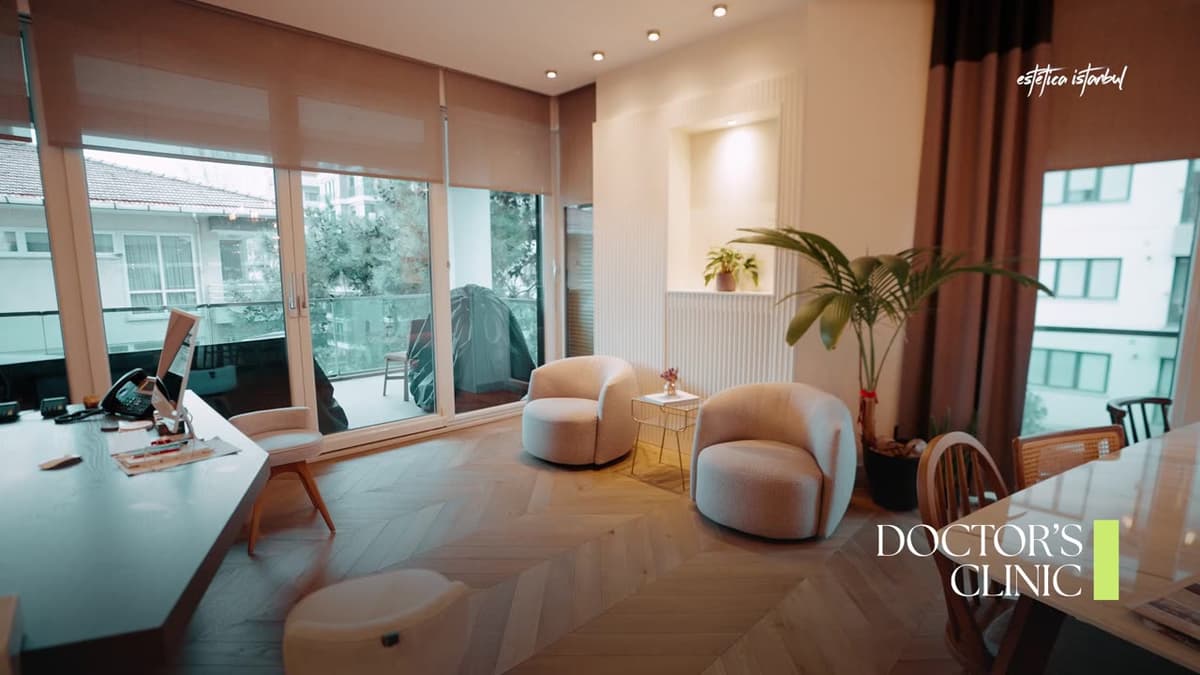
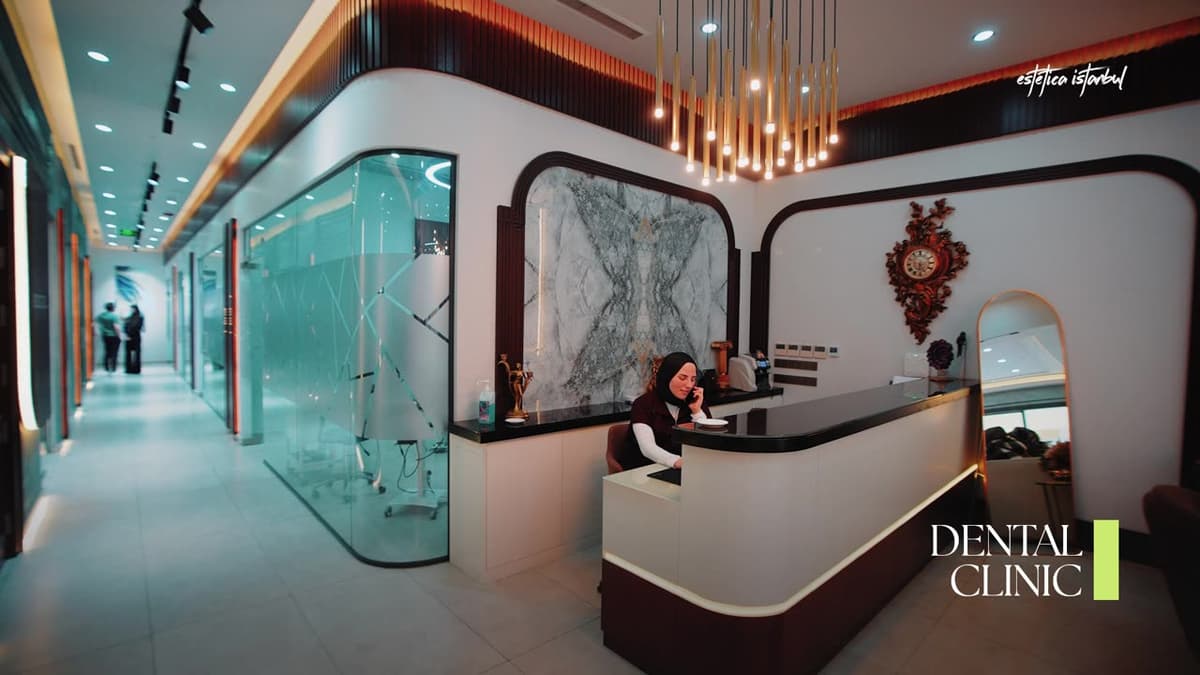
Inni á stofunni þar sem ígræðslan þín fer fram
Tekið upp í september 2026 — ekkert safnefni. Anddyri, viðtalsherbergi, PRP-herbergi, meðferðarherbergi. Ígræðslan þín er framkvæmd af reyndu tækniteymi okkar á þessari sérhæfðu stofu, með JCI-vottaða samstarfssjúkrahúsið okkar til taks.
Þín ferð. Okkar hendur.
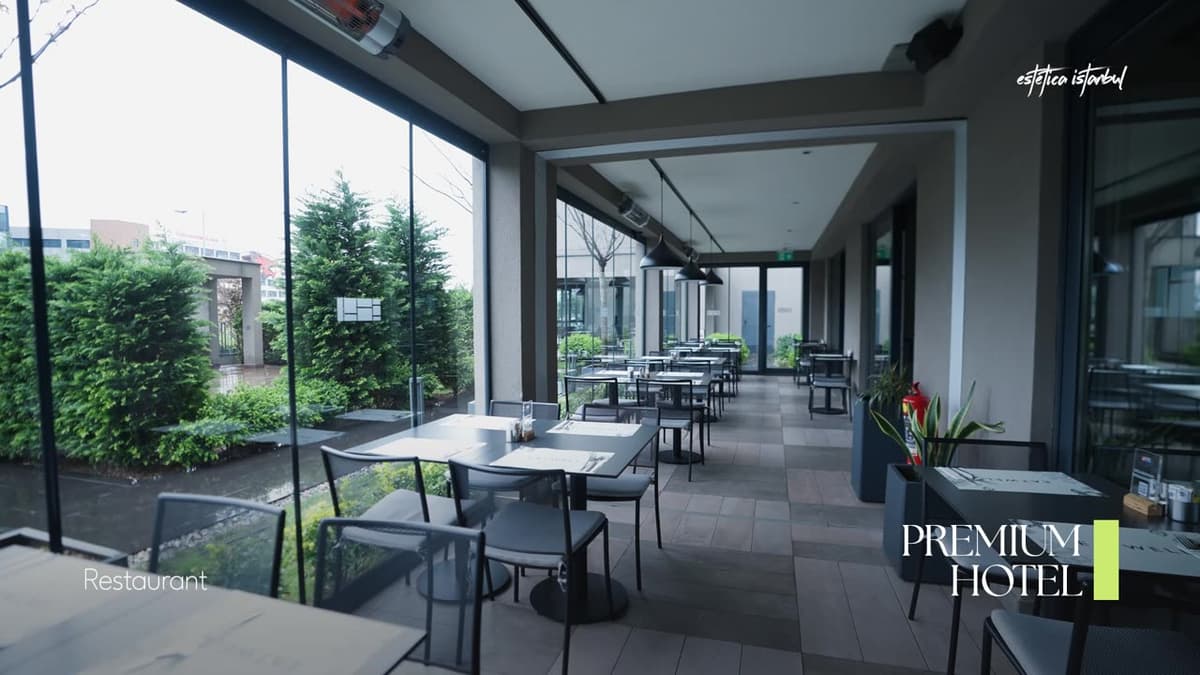
Frá fyrstu skilaboðunum þínum til heimferðarinnar sjáum við um allt skipulag. Þú einbeitir þér að árangrinum sem þú komst fyrir.
Ókeypis ráðgjöf
Sendu okkur myndir og markmiðin þín á WhatsApp. Við förum yfir þær með skurðlækninum og sendum þér ítarlegt verðtilboð með öllu inniföldu innan 24 klukkustunda. Ekkert staðfestingargjald til að spjalla.
Við sjáum um skipulagið
Þegar þú hefur ákveðið þig bókum við flugið, hótelið og VIP-akstur. Rannsóknir fyrir aðgerð, innlögn á sjúkrahús og enskumælandi aðstoð — allt frágengið áður en þú lendir.
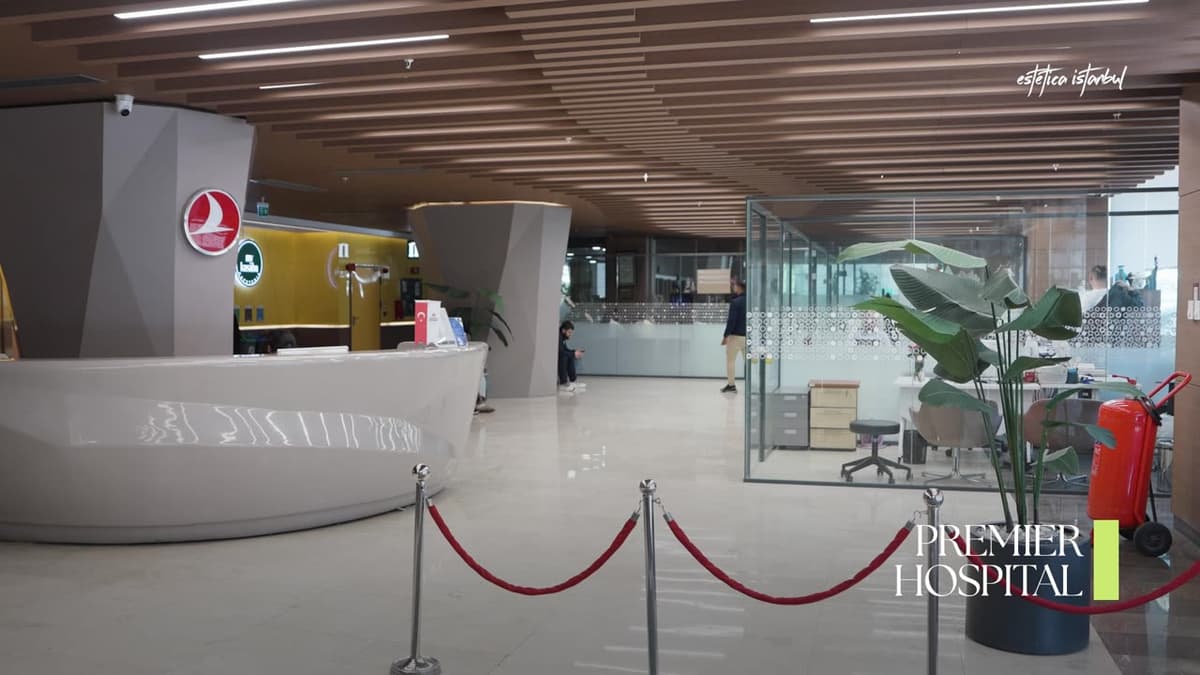
Aðgerð á JCI-vottuðu sjúkrahúsi
Aðgerðin þín fer fram á fullvottuðu sjúkrahúsi — sérhæft svæfinga- og hjúkrunarteymi, gjörgæsla á sömu hæð og alþjóðlegir öryggisstaðlar. Aldrei einhver dagklíník úti í bæ.
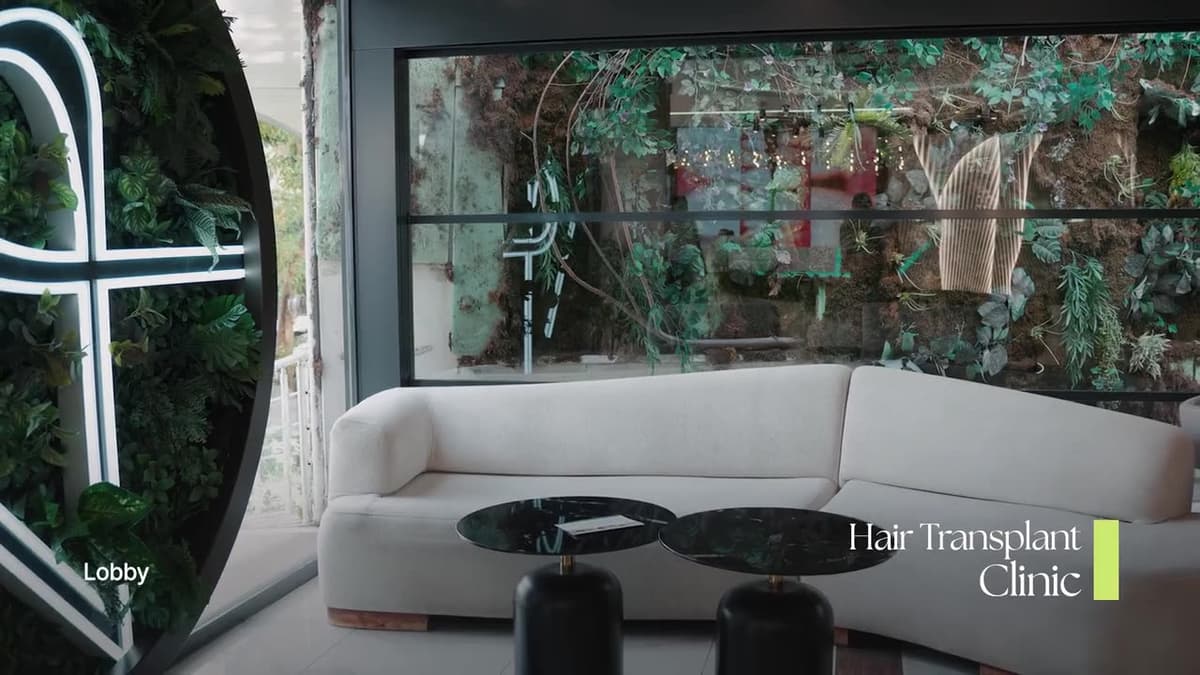
Sérhæfðar klíníkur fyrir bros og hár
Meðferðir án skurðaðgerðar fara fram í sérhönnuðu húsnæði — samstarfstannlæknaklíníkinni okkar fyrir postulínsspóna, krónur og tannígræðslur, og samstarfshárklíníkinni okkar fyrir hárígræðslur. Hvor um sig rekin af teymum sem gera ekkert annað, alla daga.
Bati, eftirfylgni og brosið þitt
Þú jafnar þig á hóteli með læknisþjónustu á staðnum og flýgur svo heim. Við fylgjum þér eftir í fjarþjónustu í heilt ár — og komi upp fylgikvilli greiðum við fjarráðgjöf hjá skurðlækninum þínum og, í undantekningartilvikum, endurbótaaðgerð — með Antwell-viðbótinni.
Ókeypis ráðgjöf
Sendu okkur myndir og markmiðin þín á WhatsApp. Við förum yfir þær með skurðlækninum og sendum þér ítarlegt verðtilboð með öllu inniföldu innan 24 klukkustunda. Ekkert staðfestingargjald til að spjalla.
Við sjáum um skipulagið
Þegar þú hefur ákveðið þig bókum við flugið, hótelið og VIP-akstur. Rannsóknir fyrir aðgerð, innlögn á sjúkrahús og enskumælandi aðstoð — allt frágengið áður en þú lendir.
Aðgerð á JCI-vottuðu sjúkrahúsi
Aðgerðin þín fer fram á fullvottuðu sjúkrahúsi — sérhæft svæfinga- og hjúkrunarteymi, gjörgæsla á sömu hæð og alþjóðlegir öryggisstaðlar. Aldrei einhver dagklíník úti í bæ.
Sérhæfðar klíníkur fyrir bros og hár
Meðferðir án skurðaðgerðar fara fram í sérhönnuðu húsnæði — samstarfstannlæknaklíníkinni okkar fyrir postulínsspóna, krónur og tannígræðslur, og samstarfshárklíníkinni okkar fyrir hárígræðslur. Hvor um sig rekin af teymum sem gera ekkert annað, alla daga.
Bati, eftirfylgni og brosið þitt
Þú jafnar þig á hóteli með læknisþjónustu á staðnum og flýgur svo heim. Við fylgjum þér eftir í fjarþjónustu í heilt ár — og komi upp fylgikvilli greiðum við fjarráðgjöf hjá skurðlækninum þínum og, í undantekningartilvikum, endurbótaaðgerð — með Antwell-viðbótinni.
Hvað er innifalið
Ekki innifalið
Algengar spurningar
Hversu lengi endist augabrúnaígræðsla?
Hversu marga græðlinga þarf í augabrúnaígræðslu?
Munu ígræddu augabrúnirnar líta náttúrulega út?
Hversu langur er batinn eftir augabrúnaígræðslu?
Hvað kostar augabrúnaígræðsla í Istanbúl?


Ítarefni
 frá 2.450 €
Verð á DHI hárígræðslu í Tyrklandi: verðið 2026 og hvenær á að borga minna
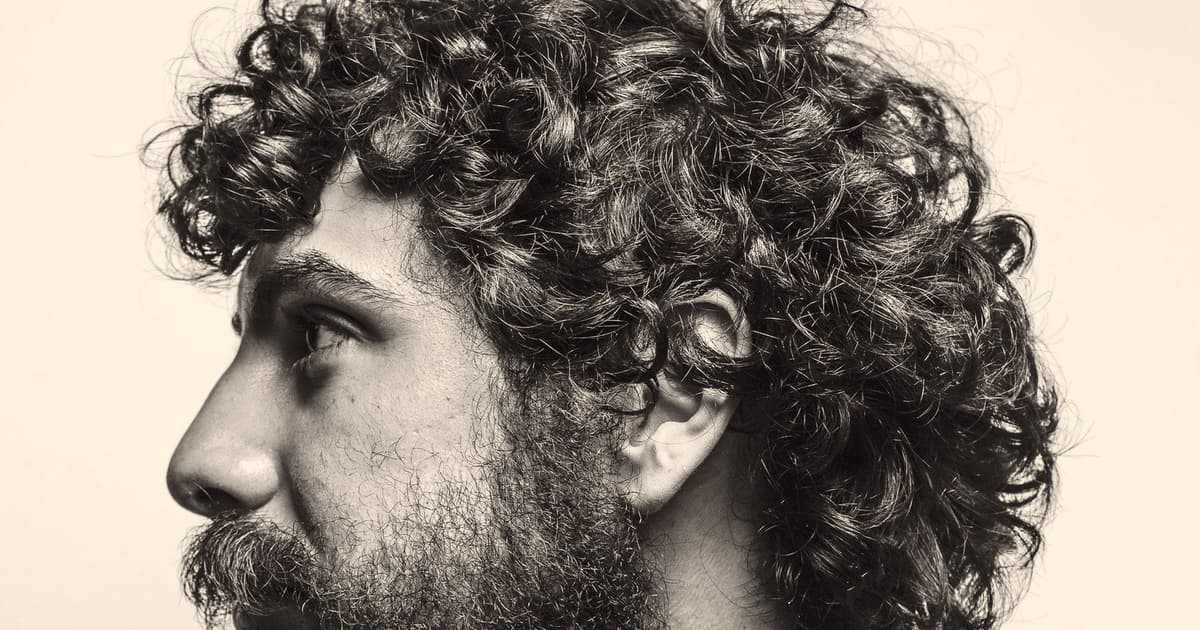
DHI hárígræðsla í Tyrklandi kostar frá 2.450 € með allt innifalið. Hvað fylgir því verði, hvers vegna hefðbundin FUE á 2.150 € eru oft skynsamlegri kaup og hvernig þú metur klíník án þess að nota verðið sem síu.
 frá 2.450 €
Hárígræðsla fyrir konur í Tyrklandi: verð, hverjar henta og hvað á að kanna fyrst
Hárígræðsla fyrir konur í Tyrklandi kostar frá 2.450 € með allt innifalið, með DHI-tækni án rakstrar. En margar konur ættu að meðhöndla orsök hárlossins áður en þær bóka ígræðslu — hér er raunverulegt verð, hverjar henta og hverjar ættu að bíða.
 frá 2.150 €
Hárígræðsla á Ítalíu: verð, hvernig hún fer fram og samanburður við Tyrkland
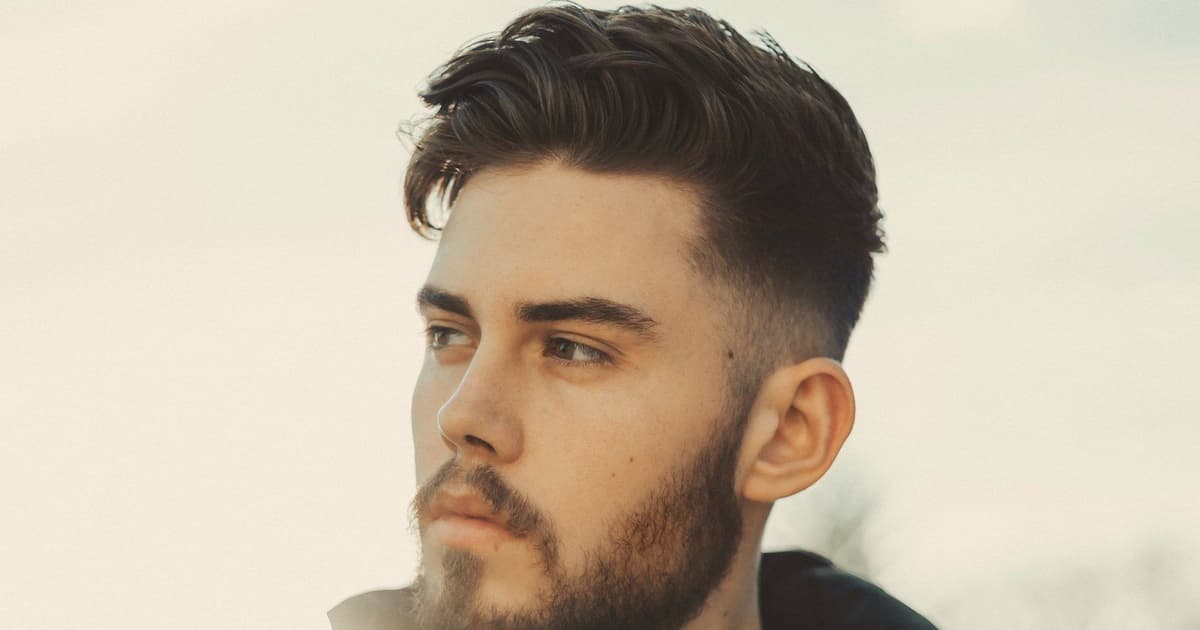
Hárígræðsla á Ítalíu kostar frá 3.500 € með öllu innifalið þegar teymið frá Istanbúl kemur á viðurkennda ítalska samstarfsklíník — 1.350 € meira en í Tyrklandi, en ekkert flug. Hvað er innifalið, hverjum hvor kosturinn hentar og hver áhættan er í raun.