
Hárígræðsla fyrir konur
Hárígræðsla fyrir konur í Istanbúl — DHI-tækni án rakstrar við hörfandi hárlínu, þynningu í hvirfli, breikkandi skiptingu og minnkandi þéttleika. Full læknisskoðun fyrir aðgerð til að útiloka fyrst orsakir sem hægt er að snúa við. Læknisfræðileg umsjón Dr. Güleş.
frá2.450 €$2,840£2,110CA$3,940A$3,990NZ$4,850· Allt innifalið
Læknisfræðilega yfirfarið af Akın İnalöz, MD, vottaður lýtalæknir· Síðast yfirfarið:
1,500+ erlendir sjúklingar treysta okkur
Fáðu ókeypis ráðgjöf
Samstarfslæknateymið okkar fer yfir málið þitt og sendir þér persónulega meðferðaráætlun innan 24 klukkustunda.
500 € deposit, refundable for 14 days or until your flight is booked · Our guarantee
Sparaðu allt að 87% í Istanbúl
Dæmigert verð með allt innifalið eftir löndum. Heimildir: ASPS, RealSelf, verðskrár stórra klíníka í Bretlandi og Bandaríkjunum, 2025.
Tyrkland (Istanbúl)
frá 2.450 €$2,840£2,110CA$3,940A$3,990NZ$4,850
sparaðu 87%
Bretland
frá 12.500 €$14,500£10,750CA$20,130A$20,380NZ$24,750
Bandaríkin
frá 18.500 €$21,460£15,910CA$29,790A$30,150NZ$36,630
Ítalía
frá 8.500 €$9,860£7,310CA$13,690A$13,860NZ$16,830
Þýskaland
frá 9.500 €$11,020£8,170CA$15,300A$15,480NZ$18,810
Hvað er innifalið
Ekki innifalið
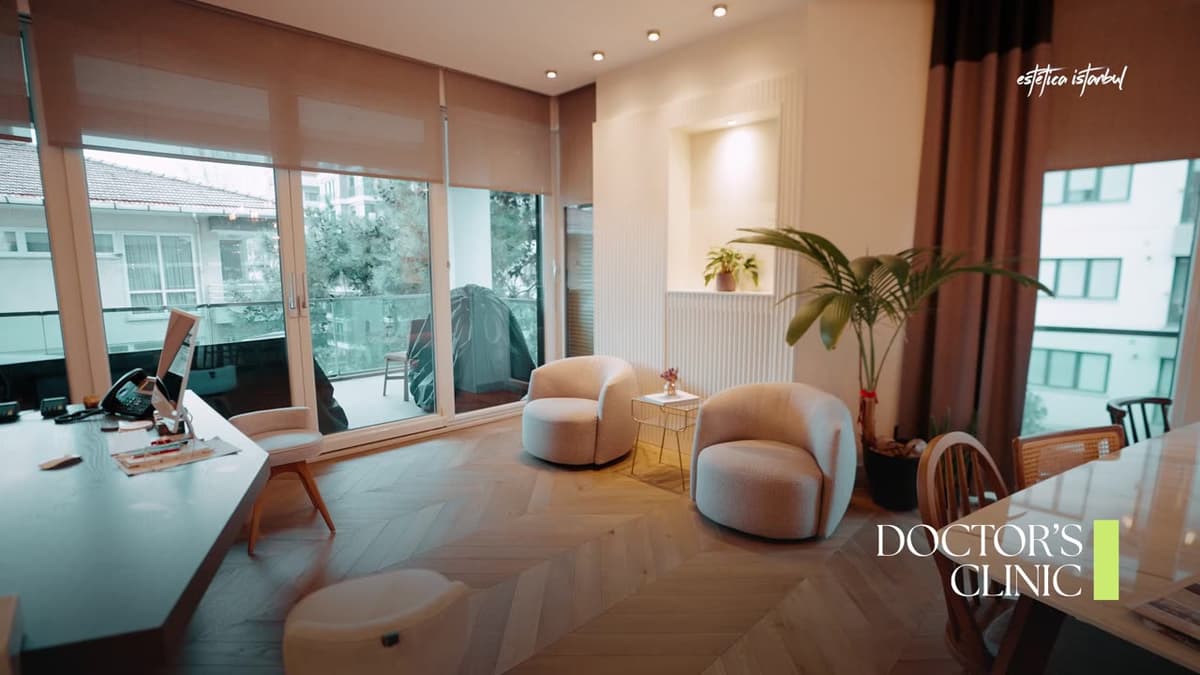
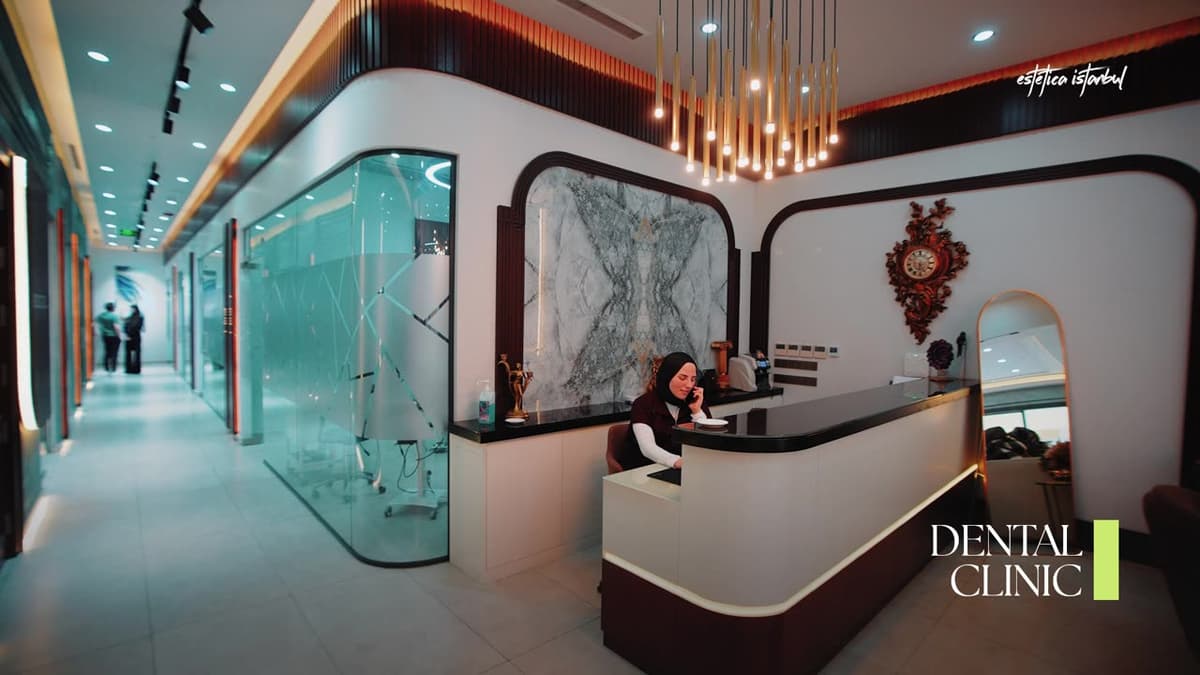
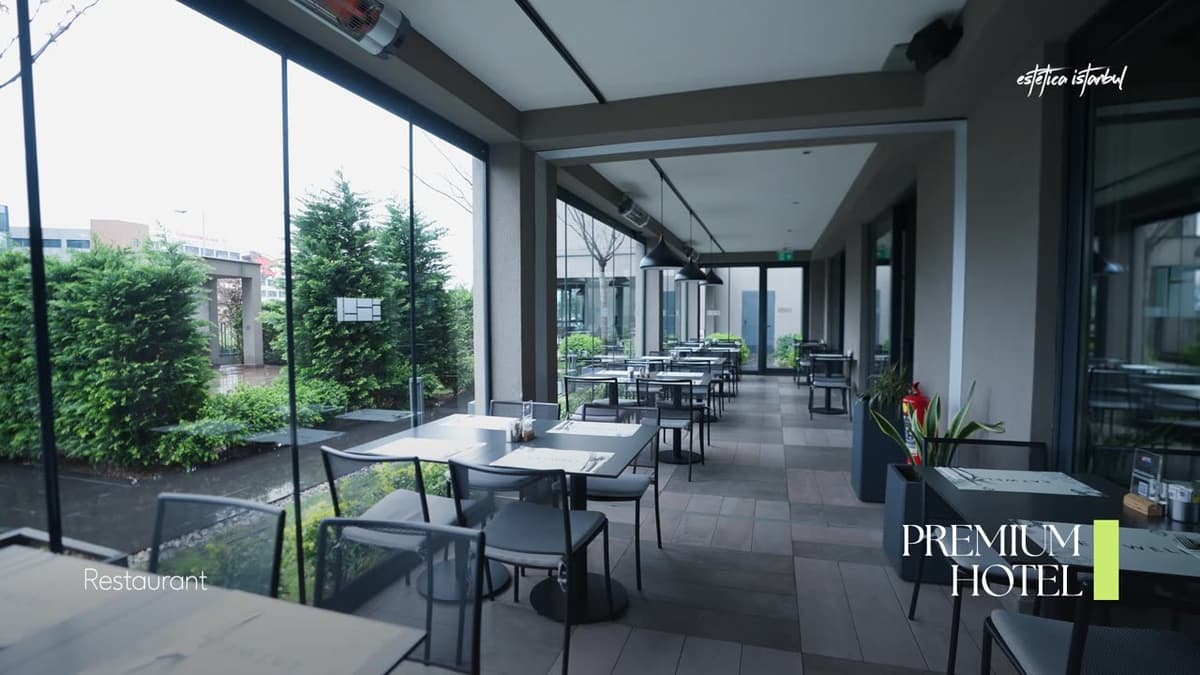
Inni á stofunni þar sem ígræðslan þín fer fram
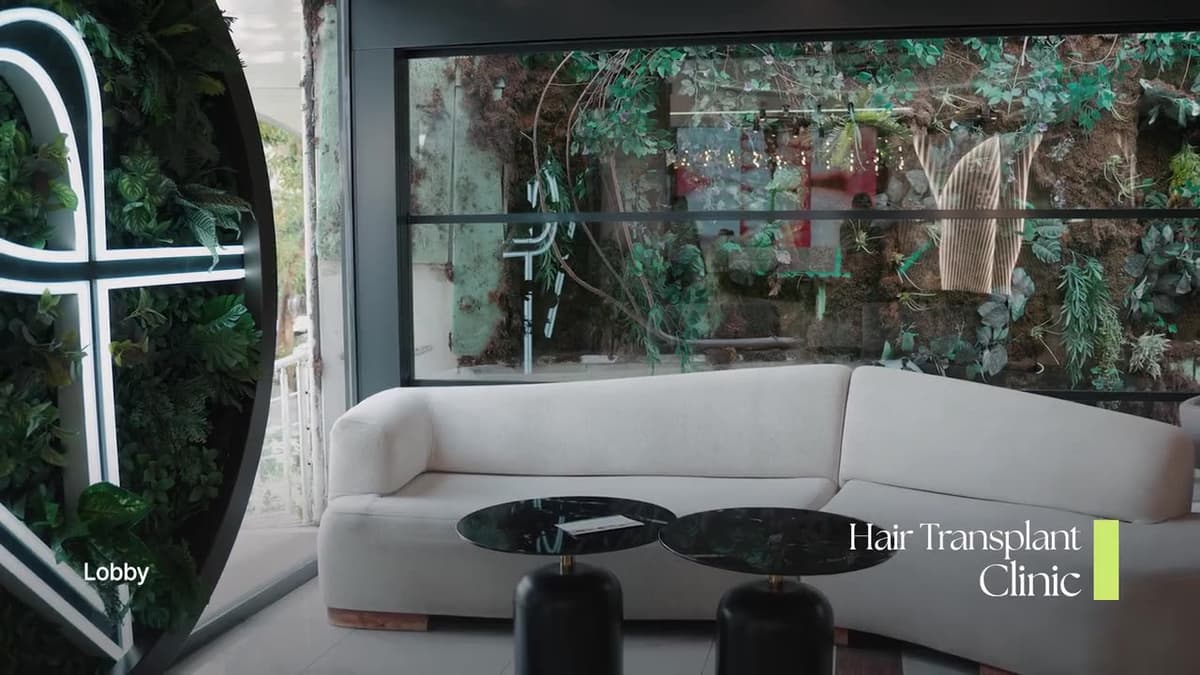
Tekið upp í september 2026 — ekkert safnefni. Anddyri, viðtalsherbergi, PRP-herbergi, meðferðarherbergi. Ígræðslan þín er framkvæmd af reyndu tækniteymi okkar á þessari sérhæfðu stofu, með JCI-vottaða samstarfssjúkrahúsið okkar til taks.
Þín ferð. Okkar hendur.
Frá fyrstu skilaboðunum þínum til heimferðarinnar sjáum við um allt skipulag. Þú einbeitir þér að árangrinum sem þú komst fyrir.
Ókeypis ráðgjöf
Sendu okkur myndir og markmiðin þín á WhatsApp. Við förum yfir þær með skurðlækninum og sendum þér ítarlegt verðtilboð með öllu inniföldu innan 24 klukkustunda. Ekkert staðfestingargjald til að spjalla.
Við sjáum um skipulagið
Þegar þú hefur ákveðið þig bókum við flugið, hótelið og VIP-akstur. Rannsóknir fyrir aðgerð, innlögn á sjúkrahús og enskumælandi aðstoð — allt frágengið áður en þú lendir.
Aðgerð á JCI-vottuðu sjúkrahúsi
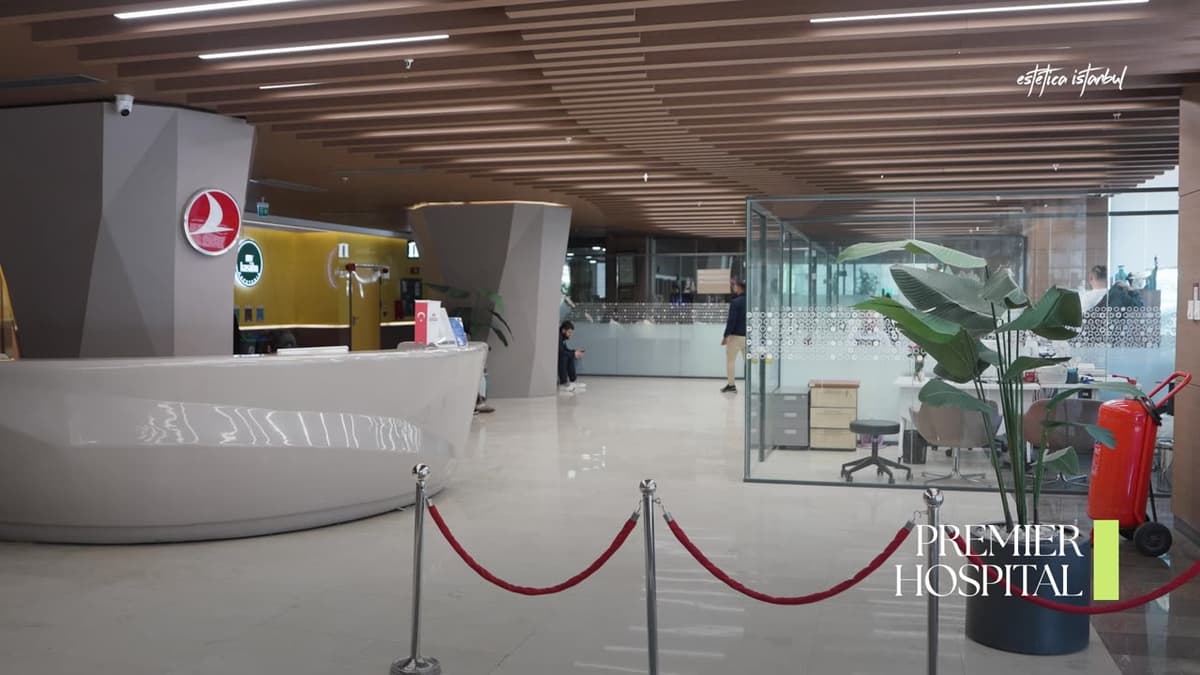
Aðgerðin þín fer fram á fullvottuðu sjúkrahúsi — sérhæft svæfinga- og hjúkrunarteymi, gjörgæsla á sömu hæð og alþjóðlegir öryggisstaðlar. Aldrei einhver dagklíník úti í bæ.
Sérhæfðar klíníkur fyrir bros og hár
Meðferðir án skurðaðgerðar fara fram í sérhönnuðu húsnæði — samstarfstannlæknaklíníkinni okkar fyrir postulínsspóna, krónur og tannígræðslur, og samstarfshárklíníkinni okkar fyrir hárígræðslur. Hvor um sig rekin af teymum sem gera ekkert annað, alla daga.
Bati, eftirfylgni og brosið þitt
Þú jafnar þig á hóteli með læknisþjónustu á staðnum og flýgur svo heim. Við fylgjum þér eftir í fjarþjónustu í heilt ár — og komi upp fylgikvilli greiðum við fjarráðgjöf hjá skurðlækninum þínum og, í undantekningartilvikum, endurbótaaðgerð — með Antwell-viðbótinni.
Ókeypis ráðgjöf
Sendu okkur myndir og markmiðin þín á WhatsApp. Við förum yfir þær með skurðlækninum og sendum þér ítarlegt verðtilboð með öllu inniföldu innan 24 klukkustunda. Ekkert staðfestingargjald til að spjalla.
Við sjáum um skipulagið
Þegar þú hefur ákveðið þig bókum við flugið, hótelið og VIP-akstur. Rannsóknir fyrir aðgerð, innlögn á sjúkrahús og enskumælandi aðstoð — allt frágengið áður en þú lendir.
Aðgerð á JCI-vottuðu sjúkrahúsi
Aðgerðin þín fer fram á fullvottuðu sjúkrahúsi — sérhæft svæfinga- og hjúkrunarteymi, gjörgæsla á sömu hæð og alþjóðlegir öryggisstaðlar. Aldrei einhver dagklíník úti í bæ.
Sérhæfðar klíníkur fyrir bros og hár
Meðferðir án skurðaðgerðar fara fram í sérhönnuðu húsnæði — samstarfstannlæknaklíníkinni okkar fyrir postulínsspóna, krónur og tannígræðslur, og samstarfshárklíníkinni okkar fyrir hárígræðslur. Hvor um sig rekin af teymum sem gera ekkert annað, alla daga.
Bati, eftirfylgni og brosið þitt
Þú jafnar þig á hóteli með læknisþjónustu á staðnum og flýgur svo heim. Við fylgjum þér eftir í fjarþjónustu í heilt ár — og komi upp fylgikvilli greiðum við fjarráðgjöf hjá skurðlækninum þínum og, í undantekningartilvikum, endurbótaaðgerð — með Antwell-viðbótinni.
Lengd
6–8 hours
Svæfing
Local anesthesia
Dvöl á sjúkrahúsi
Day procedure
Aftur til vinnu
2–3 days
Batatími
7–10 days
Árangur sýnilegur
9–12 months
Í hnotskurn
- Hvað er þetta?
- Hárígræðsla fyrir konur í Istanbúl — DHI án rakstrar að undangenginni læknisskoðun. Tekur…
- Kostnaður
- €2,450 — allt innifalið: skurðlæknir, sjúkrahús, hótel, flugvallarakstur og eftirfylgni; flug er ekki innifalið
- Bati
- 7–10 days
- Öryggi og áhætta
- Framkvæmt á JCI-vottuðum sjúkrahúsum í Istanbúl. Læknisfræðilegt efni yfirfarið af dr. Mustafa Ekrem Güleş. Öllum aðgerðum fylgir einhver áhætta — í ráðgjöfinni förum við hreinskilnislega yfir hvort aðgerðin hentar þér og hvaða fylgikvillar geta komið upp.
Hvað segja sjúklingarnir okkar









Fjallað um okkur í
Umfjöllun í leiðandi alþjóðlegum fjölmiðlum


Algengar spurningar
Er hárígræðsla öðruvísi hjá konum?
Þurfa konur að raka höfuðið fyrir hárígræðslu?
Hvað kostar hárígræðsla fyrir konur í Istanbúl?
Hvað veldur hárlosi hjá konum?
Hvenær sérðu árangur eftir hárígræðslu?
Fáðu ókeypis ráðgjöf
Samstarfslæknateymið okkar fer yfir málið þitt og sendir þér persónulega meðferðaráætlun innan 24 klukkustunda.
500 € deposit, refundable for 14 days or until your flight is booked · Our guarantee
Hárígræðsla hjá konum er sú aðgerð innan hárendurheimtar sem er flóknust greiningarlega. Ástæðan: hjá 40 til 60 prósentum kvenna sem leita vegna hárloss liggur meðhöndlanleg læknisfræðileg orsök að baki — vanstarfsemi skjaldkirtils, járnskortur, fjölblöðrueggjastokkaheilkenni, hárlos eftir barnsburð, langvarandi streita, aukaverkanir lyfja. Að græða hár ofan í virkt sjúkdómsferli skilar lélegri niðurstöðu: ígræddu hárin lifa, en upprunalegu hárin í kring halda áfram að þynnast og heildarþéttleikinn virðist minni eftir sex mánuði en hann var fyrir aðgerð.
Þess vegna byrjar hver einasta kona sem kemur til okkar á læknisfræðilegri forskoðun. Blóðprufur (skjaldkirtilspróf, járnbúskapur, D-vítamín, B12, fólat og hormónamæling þar sem það á við), smásjárskoðun á hársverði og ítarleg sjúkrasaga eru fyrstu skrefin — ekki græðlingastóllinn. Hjá umtalsverðum hluta þeirra kvenna sem leita til okkar er rétta svarið eftir forskoðun ekki ígræðsla: það er markviss læknismeðferð sem endurheimtir þéttleika án nokkurrar ígræðslu, fyrir brot af kostnaðinum. Við segjum það hreint út.
Aðeins þegar læknisfræðilegar orsakir hafa verið rannsakaðar og annaðhvort útilokaðar eða meðhöndlaðar, og þegar mynstrið er raunverulega erfðabundið hárlos eða örtengt hárlos, höldum við áfram að skipuleggja ígræðslu.
Hverjum hentar hárígræðsla fyrir konur
Rétti umsækjandinn hefur lokið læknisfræðilegri forskoðun og hefur annaðhvort enga afturkræfa orsök eða búið er að taka á henni; hefur haft stöðugt hárlosmynstur (ekki virkt los) í að minnsta kosti 12 mánuði; hefur mynstur sem hentar ígræðslu — erfðabundið hárlos hjá konum með innskot við enni, þynningu á hvirfli eða breikkun á skiptingu, eða örtengt staðbundið hárlos vegna toghárloss, aðgerða, áverka eða snyrtimeðferða; hefur nægan þéttleika á gjafasvæðinu aftan á höfðinu (kvenmynstrað hárlos hlífir yfirleitt því svæði); er að minnsta kosti 25 ára (yngri sjúklingar hafa sjaldan stöðugt mynstur); og reykir ekki þegar aðgerðin fer fram eða hefur hætt fjórum vikum áður.
Hverjum hentar hún ekki — eða ekki strax: öllum þeim sem eru með ómeðhöndlaða vanstarfsemi skjaldkirtils, ómeðhöndlaðan járnskort, ómeðhöndlað PCOS, hárlos eftir barnsburð sem enn er innan eðlilegs 12 mánaða batatíma, eða dreift og mynsturlaust hárlos sem bendir til undirliggjandi læknisfræðilegrar orsakar. Við sjáum þessa sjúklinga reglulega og rétta svarið er læknismeðferð fyrst, ígræðsla síðar (ef hennar reynist þá þörf).
DHI án rakstrar — tæknin fyrir konur
Fyrir konur er DHI-tæknin „án rakstrar“ (eða með lágmarksrakstri) betri kostur en hefðbundin hárígræðsla af einni einfaldri ástæðu: konur vilja ekki mæta aftur í vinnuna snoðklipptar. Hefðbundin FUE krefst þess að gjafasvæðið sé rakað og oft móttökusvæðið allt líka, sem skilur eftir 2–3 vikna tímabil þar sem hárið er augljóslega stutt.
Í rakstursfríu tækninni er aðeins lítill hluti gjafasvæðisins aftan á hársverðinum snyrtur — svæði sem hárið í kring hylur og sést ekki þegar hárið er greitt á venjulegan hátt. Móttökusvæðið er alls ekki rakað. Græðlingarnir eru teknir í gegnum órakað hárið í kring og græddir með DHI Choi-pennum í gegnum hárið sem fyrir er. Batinn er mun lágstemmdari: konur snúa yfirleitt aftur til vinnu og félagslífs innan 5–7 daga án þess að nokkur taki eftir því.
Tæknin er hægari og tæknilega kröfuharðari en hefðbundin FUE — þess vegna er hún dýrari á vönduðum klíníkum og þess vegna bjóða ódýrar klíníkur hana oft ekki. Við teljum hana nauðsynlega fyrir konur og hún er innifalin í pakkanum okkar.
Læknisfræðilega forskoðunin — hvað er innifalið
Hver einasta hárígræðsla hjá konu hefst á eftirfarandi, áður en nokkur ígræðsla er skipulögð:
Blóðprufur: TSH, frítt T4, ferritín (járnbirgðir), járn í sermi, D-vítamín, B12, fólat, blóðhagur og hormónamæling (DHEA-S, heildartestósterón, frítt testósterón, SHBG) þegar grunur leikur á PCOS eða andrógentengdu mynstri.
Smásjárskoðun á hársverði: stækkuð skoðun á hársverði og uppbyggingu hársekkja til að meta gerð mynstursins (erfðabundið, örtengt eða dreift) og hvort um virkt hárlos eða stöðugt ástand er að ræða.
Ítarleg sjúkrasaga: hvenær hárlosið hófst, barnsburður, lyfjabreytingar, álagstímabil, ættarsaga og fyrri meðferðir (minoxidil, finasteríð þar sem því hefur verið ávísað utan ábendingar fyrir konur, PRP, örnálameðferð).
Út frá forskoðuninni mælum við annaðhvort með (a) læknismeðferð fyrst, endurmati eftir 6 mánuði og ígræðslu aðeins ef læknismeðferðin hefur ekki skilað nægum árangri; (b) blandaðri leið, þar sem læknismeðferð og ígræðsla fara saman og minoxidil eða önnur meðferð heldur áfram í gegnum aðgerðina og eftir hana; eða (c) ígræðslu beint ef engin afturkræf orsök finnst og mynstrið er greinilega stöðugt.
Aðgerðin, skref fyrir skref
Staðdeyfing. Aðgerðin tekur sex til níu klukkustundir eftir fjölda græðlinga (yfirleitt 1,500–3,500 græðlingar hjá konu, sem endurspeglar minni svæði en í karlmynstri en krefst sömu tæknilegu nákvæmni). Ein seta hjá flestum.
Svæðið aftan á gjafasvæði hársvarðarins er snyrt (svæði sem er um það bil á stærð við lófa og felst undir hárinu yfir). Græðlingarnir eru teknir með 0.7–0.8 mm örstansi. Þeir eru síðan flokkaðir; einshárs græðlingar eru settir fremst í hárlínuna og við skiptinguna (þar skiptir eðlilegt útlit meira máli en þéttleiki) og fjölhára græðlingar fara í helstu þéttleikasvæðin. Ígræðslan fer fram með Choi-ígræðslupennum í órakað móttökusvæðið, með réttum halla fyrir hvert undirsvæði (skiptingu, hvirfil og hárlínu að framan).
Bati
Vika 1
Litlar skorpur á hverjum ígræðslustað sem hverfa á sjö til tíu dögum. Vægur roði á móttökusvæðinu. Snyrta gjafasvæðið er hulið af hárinu í kring. Hárið má þvo varlega frá þriðja degi samkvæmt því ferli sem þú færð. Flestar konur snúa aftur til vinnu á fimmta til sjöunda degi og hárgreiðslan sem fyrir er felur það sem eftir sést.
Vikur 2–8
Ígræddu hárin falla af í viku þrjú til fjögur (það er eðlilegt og tímabundið). Hugsanlega verður vægt los á aðliggjandi upprunalegum hárum (jafnar sig yfirleitt). Hárið virðist þynnra á þessu tímabili en það var daginn eftir aðgerð.
Mánuðir 3–6
Nývöxtur hefst frá ígræddu hársekkjunum. Þéttleikinn byggist upp smám saman.
Mánuðir 9–12
Endanlegur þéttleiki og eiginleikar hársins verða stöðug á mánuði 9–12.
Áhætta og raunhæfar væntingar
Raunveruleg áhætta: hársekkjabólga; los á aðliggjandi upprunalegum hárum; ónákvæmur halli á litlum hluta græðlinga; lítilsháttar minnkun á þéttleika gjafasvæðisins sem reynd tækni heldur í lágmarki; og verri lifun græðlinga en vænst er ef fyrirmælum eftir aðgerð er ekki fylgt.
Áhætta sem er sértæk fyrir konur og önnur en hjá körlum: þar sem undirliggjandi læknisfræðileg orsök vegur þyngra í hárlosi kvenna er mikilvægasta „áhættan“ sú að gera aðgerð á sjúklingi þar sem undirliggjandi ástand hefur ekki verið greint og meðhöndlað. Ígrædda hárið lifir, en upprunalegu hárin sem ekki voru grædd halda áfram að þynnast og valda vonbrigðum eftir eitt ár. Þess vegna er læknisfræðilega forskoðunin ófrávíkjanleg hjá okkur.
Af hverju Istanbúl frekar en aðrir áfangastaðir
Hvergi í heiminum eru gerðar fleiri hárígræðslur en í Tyrklandi. Samstarfsklíníkin okkar sameinar þá reynslu og sérstakt ferli fyrir konur: skyldubundna læknisfræðilega forskoðun fyrir aðgerð, DHI án rakstrar, mynsturskipulag sem miðast við konur og enskumælandi stuðning allan 12 mánaða vaxtartímann.
Dr. Mustafa Ekrem Güleş sér um læknisfræðilegt eftirlit.
Af hverju ekki 1.500 € hárígræðsla fyrir konur
Í hárígræðslu hjá konum er lægsta verðið oftast greitt með því að sleppa læknisfræðilegu forskoðuninni — hárið er grætt ofan í ómeðhöndlaða vanstarfsemi skjaldkirtils, járnskort eða PCOS. Hárin vaxa; upprunalegu hárin í kring halda áfram að þynnast; sjúklingurinn verður fyrir vonbrigðum eftir 12 mánuði; og engin „lagfæringaraðgerð“ leysir undirliggjandi læknisfræðilega vandann. Einnig algengt: heilrakstur á konu (óásættanlegt fyrir vinnu og félagslíf flestra kvenna) og enginn stuðningur eftir aðgerð á kvíðvænlegu mánuðunum 3–6 þegar hárlosið er mest áberandi.
Það sem þú borgar fyrir hjá okkur er hægt að staðfesta: ítarlega læknisfræðilega forskoðun fyrir aðgerð (blóðprufur + smásjárskoðun á hársverði + sjúkrasaga), DHI án rakstrar, mynsturskipulag miðað við konur, læknisfræðilegt eftirlit í samstarfi við JCI-faggilt sjúkrahús og enskumælandi eftirfylgni eftir 3, 6 og 12 mánuði með leiðsögn sem er sniðin að konum (atriði tengd barnsburði, breytingaskeiði og milliverkunum lyfja).
Enskumælandi teymi — allan 12 mánaða ferilinn
Teymið okkar svarar á ensku á WhatsApp, í síma og með tölvupósti. Hárendurheimt hjá konum hefur ákveðin kvíðatímabil (hárlosið á mánuðum 1–3, hægi vöxturinn á mánuðum 3–6) þar sem frumkvæði og stuðningur á ensku skiptir máli. Við veitum hann allan tímann.
Pantaðu ókeypis ráðgjöf — teymið okkar svarar á skrifstofutíma í Bretlandi og á Írlandi og í öðrum glugga sem nær frá austurströnd Bandaríkjanna til morguns í Ástralíu. Frummat út frá myndum, tillaga um læknisfræðilega forskoðun og mat á því hvort aðgerð henti, allt sama dag.
Ítarefni
 frá 2.450 €
Verð á DHI hárígræðslu í Tyrklandi: verðið 2026 og hvenær á að borga minna
DHI hárígræðsla í Tyrklandi kostar frá 2.450 € með allt innifalið. Hvað fylgir því verði, hvers vegna hefðbundin FUE á 2.150 € eru oft skynsamlegri kaup og hvernig þú metur klíník án þess að nota verðið sem síu.
 frá 2.450 €
Hárígræðsla fyrir konur í Tyrklandi: verð, hverjar henta og hvað á að kanna fyrst
Hárígræðsla fyrir konur í Tyrklandi kostar frá 2.450 € með allt innifalið, með DHI-tækni án rakstrar. En margar konur ættu að meðhöndla orsök hárlossins áður en þær bóka ígræðslu — hér er raunverulegt verð, hverjar henta og hverjar ættu að bíða.
 frá 2.150 €
Hárígræðsla á Ítalíu: verð, hvernig hún fer fram og samanburður við Tyrkland
Hárígræðsla á Ítalíu kostar frá 3.500 € með öllu innifalið þegar teymið frá Istanbúl kemur á viðurkennda ítalska samstarfsklíník — 1.350 € meira en í Tyrklandi, en ekkert flug. Hvað er innifalið, hverjum hvor kosturinn hentar og hver áhættan er í raun.