
Skrandžio šuntavimas
Skrandžio šuntavimas Stambule – laparoskopinis Roux-en-Y šuntavimas pacientams su didesniu KMI, sunkiu refliuksu ar 2 tipo diabetu. Sudėtingesnis nei rankovė, reikalauja visą gyvenimą stebimo vitaminų lygio. Įskaičiuota 12 mėnesių priežiūros programa. Medicininė priežiūra – dr. Güleş, JCI akredituotos ligoninės.
nuo3 870 €$4,490£3,330CA$6,230A$6,310NZ$7,660· Viskas įskaičiuota
Medicininę peržiūrą atliko Mustafa Ekrem Güleş, Op. Dr., Board-Certified Plastic Surgeon· Paskutinė peržiūra:
Pasitiki 1 500+ tarptautinių pacientų
Gaukite nemokamą konsultaciją
Mūsų partnerių medicinos komanda peržiūrės jūsų atvejį ir per 24 valandas atsiųs asmeninį gydymo planą.
Sutaupykite iki 82% Stambule
Tipinės kainos su viskuo įskaičiuota pagal šalį. Šaltiniai: ASPS, RealSelf, pagrindiniai JK/JAV klinikų įkainiai, 2025.
Turkija (Stambulas)
nuo 3 870 €$4,490£3,330CA$6,230A$6,310NZ$7,660
sutaupote 82%
Jungtinė Karalystė
nuo 17 500 €$20,300£15,050CA$28,180A$28,520NZ$34,650
Jungtinės Valstijos
nuo 21 500 €$24,940£18,490CA$34,620A$35,050NZ$42,570
Italija
nuo 11 500 €$13,340£9,890CA$18,520A$18,750NZ$22,770
Vokietija
nuo 11 500 €$13,340£9,890CA$18,520A$18,750NZ$22,770
Trukmė
2–4 hours
Anestezija
General anesthesia
Buvimas ligoninėje
3 nights
Grįžimas į darbą
2–3 weeks
Atsigavimo laikas
4–6 weeks
Rezultatai matomi
12–18 months
Trumpai
- Kas tai?
- Skrandžio šuntavimas Stambule – Roux-en-Y didesniam KMI, sunkiam refliuksui ar 2 tipo…
- Kaina
- €3,870 — viskas įskaičiuota: chirurgas, ligoninė, viešbutis, pervežimai ir priežiūra; skrydžiai neįskaičiuoti
- Atsigavimas
- 4–6 weeks
- Sauga ir rizika
- Atliekama JCI akredituotose Stambulo ligoninėse. Medicininį turinį peržiūrėjo dr. Mustafa Ekrem Güleş. Kiekviena procedūra turi tam tikrą riziką — konsultacijos metu sąžiningai aptarsime tinkamumą ir galimas komplikacijas.
Skrandžio šuntavimas – konkrečiai laparoskopinis Roux-en-Y skrandžio šuntavimas – yra sudėtingiausia iš pagrindinių bariatrinių operacijų ir turinti geriausius ilgalaikius svorio metimo bei 2 tipo diabeto remisijos rezultatus. Tai nėra tinkama operacija kiekvienam bariatrijos pacientui – esant KMI 35–45 be sunkaus refliukso, skrandžio rankovė paprastai yra teisingas pirmasis pasirinkimas. Šuntavimas skiriamas konkrečiais atvejais: didesnis KMI (paprastai virš 50), reikšminga refliukso liga (šuntavimas pašalina refliuksą, o rankovė gali jį pabloginti), 2 tipo diabetas, kai siekiama stipriausios remisijos, ir – vis dažniau – pacientai, kuriems prieš penkerius–penkiolika metų buvo atlikta rankovė ir kurie reikšmingai susigrąžino svorį.
Operacija visam laikui perkonfigūruoja viršutinę virškinimo trakto dalį: sukuriamas mažas apie 30 ml skrandžio maišelis, jis tiesiogiai sujungiamas su plonąja žarna (apeinant didesnę skrandžio dalį ir proksimalinę plonąja žarną), o tulžis ir kasos sultys nukreipiamos susitikti su maistu žemiau plonąjoje žarnoje. Anatominiai pokyčiai sukelia tris efektus: sumažėjusią maisto talpą, sumažėjusį įsisavinimą ir hormoninius pokyčius, kurie galingai keičia alkio ir sotumo signalus.
Kam tinka skrandžio šuntavimas
Operacija skiriama konkrečiais klinikiniais atvejais, o ne bendram svorio valdymui. Tinkamas kandidatas paprastai turi KMI virš 50; arba KMI 35–50 su 2 tipo diabetu, kai pagrindinis tikslas yra diabeto remisija (šuntavimas sukelia remisiją 60–80 % 2 tipo diabetu sergančių pacientų, gerokai dažniau nei rankovė); arba KMI 35–50 su sunkia refliukso liga (šuntavimas pašalina refliuksą, o rankovė gali jį pabloginti); arba anksčiau yra turėjęs rankovės operaciją ir grįžta konversijai dėl svorio susigrąžinimo ar nuolatinio refliukso; yra dokumentuotai dvylika ar daugiau mėnesių bandęs numesti svorio nechirurginiais būdais; yra psichologiškai pasirengęs nuolatiniam anatominiam pokyčiui ir visam gyvenimui trunkančiam vitaminų papildymui; yra nerūkantis arba metęs rūkyti prieš keturias savaites; neturi kontraindikuojančių medicininių būklių.
Kam šuntavimas netinka: pacientams, kuriems geriau tinka rankovė (daugumai KMI 35–45 pacientų be sunkaus refliukso ar diabeto); pacientams, nenorintiems įsipareigoti visam gyvenimui vartoti vitaminų papildus ir kasmet tikrintis kraujo; pacientams su aktyviomis alkoholio ar medžiagų vartojimo problemomis (šuntavimas reikšmingai keičia alkoholio metabolizmą); pacientams su reikšminga uždegimine žarnų liga plonąjoje žarnoje.
Kodėl šuntavimas duoda tokius stiprius diabeto rezultatus
Šuntavimas turi stipriausią įrodymų bazę iš visų chirurginių intervencijų 2 tipo diabeto remisijai. Mechanizmas – tai ne tik svorio metimas, tai anatomija. Nukreipiant maistą pro dvylikapirštę žarną ir proksimalinę tuščiąją žarną, operacija pakeičia hormoninį signalizavimą, reguliuojantį gliukozės kiekį kraujyje. Daugelis 2 tipo diabetu sergančių pacientų mato reikšmingą gliukozės kiekio pagerėjimą jau per kelias dienas po operacijos, dar prieš reikšmingą svorio metimą. Ilgalaikė remisija (HbA1c normalizuojasi be vaistų) pasiekiama daugumai tinkamų pacientų.
Diabetu sergančiam pacientui, kuriam gresia visam gyvenimui skiriamas metforminas, insulinas ar GLP-1 vaistai, šuntavimas dažnai yra operacija su stipriausiu ilgalaikiu rezultatu – ir motyvuotam pacientui su tinkamu KMI bei diabeto ypatumais mes dažnai rekomenduojame šuntavimą, o ne rankovę, būtent dėl šios priežasties.
Operacija žingsnis po žingsnio
Atliekama taikant bendrąjį nuskausminimą JCI akredituotoje ligoninėje su bariatrijos srityje besispecializuojančia anesteziologijos komanda. Trukmė paprastai dvi–trys valandos – ilgiau nei rankovės, nes operacija apima dvi atskiras anastomozes (chirurgines jungtis), o ne vieną rezekciją. Įprasta dvi–trys nakvynės ligoninėje.
Operacija atliekama laparoskopiškai – viršutinėje pilvo dalyje padaromi keturi–šeši maži pjūviai, per kuriuos chirurgas sukuria mažą skrandžio maišelį, perdalija plonąją žarną, prijungia vieną šaką prie maišelio, žemiau vėl prijungia tulžies / kasos šaką ir patikrina anastomozes dėl nesandarumo. Jokio atviro pjūvio.
Priežiūros programa
Šuntavimo priežiūra yra sudėtingesnė nei rankovės priežiūra, ir mes ją aiškiai įtraukiame. Priešoperacinis tyrimas ir priešoperacinė kepenis mažinanti dieta yra tokie patys kaip ir rankovės atveju. Pooperacinis protokolas yra pratęstas:
Buvimas ligoninėje: dvi–trys nakvynės su nuolatine stebėsena ir nesandarumo testu prieš išrašymą.
Iškart po operacijos: struktūruota mitybos progresija, identiška rankovės (skaidrūs skysčiai → pilni skysčiai → trintas → minkštas → kietas maistas); mitybos papildai skiriami nuo išrašymo – šuntavimui reikia daugiau papildymo nei rankovei dėl sumažėjusio įsisavinimo (konkretus protokolas, apimantis geležį, kalcio citratą, vitaminą D3, B12, tiaminą ir bariatrijai pritaikytą multivitaminą); vaistai nuo refliukso ir opos prevencijai ne trumpiau kaip šešis mėnesius.
Visam gyvenimui trunkanti stebėsena: kraujo tyrimai po 3, 6, 12 mėnesių ir kasmet po to – tai visam gyvenimui, o ne pasirenkama. Šuntavimo pacientams gali išsivystyti baltymų, geležies, B12, kalcio, vitamino D, folato ir tiamino trūkumai praėjus metams po operacijos, jei papildymas nepakankamas. Tolesnius kraujo tyrimus deriname su jūsų šeimos gydytoju JK/IE/US/CA/AU/NZ ir pateikiame konkrečias ribas bei veiksmų slenksčius. Angliškai kalbantis dietologas pasiekiamas 12 mėnesių po operacijos.
„Dempingo sindromas“ – privalumas ar trūkumas
Šuntavimo pacientai gali patirti „dempingo sindromą“ – fiziologinę reakciją į daug cukraus ar daug angliavandenių turintį maistą, sukeliančią prakaitavimą, širdies plakimą, pilvo mėšlungius ir kartais viduriavimą. Daugumai pacientų tai veikia kaip galingas elgesio grįžtamojo ryšio mechanizmas – kūnas baudžia už daug cukraus valgymą, ir elgesys keičiasi. Kai kuriems pacientams tai būna pakankamai nemalonu, kad reiktų atidaus mitybos planavimo. Tai aiškiai paaiškiname konsultacijos metu, nes tai yra apibrėžiantis pooperacinio patyrimo bruožas ir skiria šuntavimą nuo rankovės.
Atsigavimas
1 savaitė
Dvi–trys nakvynės ligoninėje, po to atsigavimas viešbutyje. Septynias dienas tik skaidrūs skysčiai. Nedidelis ar vidutinis pilvo diskomfortas. Vaikščiojimas nuo pirmos dienos yra privalomas. Skrydis atgal aštuntą–vienuoliktą dieną, gavus klinikinį leidimą.
2–6 savaitės
Progresija per pilnus skysčius, trintą, minkštą ir kietą maistą pagal protokolą. Porcijos labai mažos. Tęsiamas baltymų ir vitaminų papildų vartojimas. Grįžimas prie darbo prie stalo nuo antros–trečios savaitės. Jokio sunkių daiktų kėlimo šešias savaites.
2–6 mėnesiai
Spartaus svorio metimo etapas – paprastai iš pradžių 10–15 kg per mėnesį. Tęsiamas struktūruotas papildymas. Kraujo tyrimai po 3 ir 6 mėnesių.
6–24 mėnesiai
Svorio metimas tęsiasi lėčiau. Dauguma pacientų pasiekia stabilų svorį per 18–24 mėnesius, numetę 70–80 % perteklinio svorio. Diabeto remisija paprastai stabilizuojasi iki 6 mėnesio. Pooperacinė kūno kontūravimo operacija gali būti planuojama nuo 18 mėnesio, kai svoris stabilizuojasi.
Rizikos ir realūs lūkesčiai
Sąžiningos rizikos: anastomozės nesandarumas (rimčiausia ankstyva komplikacija – tikrinama prieš išrašymą); anastomozės opa ar susiaurėjimas (gali išsivystyti po kelių savaičių iki kelių metų, gali prireikti endoskopinio išplėtimo ar vaistų); kraujavimas, reikalaujantis pakartotinės operacijos; venų tromboembolija; vidinė išvarža (specifinė vėlyva šuntavimo komplikacija – gali pasireikšti po kelerių metų pilvo skausmu ir reikalauja chirurginio taisymo); dempingo sindromas (aptartas aukščiau); mitybos trūkumai, jei papildymas nepalaikomas – jie gali būti rimti (pavyzdžiui, tiamino trūkumas gali sukelti nuolatinį neurologinį pažeidimą); alkoholio metabolizmo pokyčiai, reikalaujantys atidaus valdymo; svorio susigrąžinimas po 5–10 metų daliai pacientų.
Šuntavimas yra nuolatinis ir sunkiau atstatomas nei rankovė. Tai pabrėžiame konsultacijos metu. Grįžimas prie normalios anatomijos techniškai įmanomas, bet retai skiriamas ir turi savo rizikų.
Skrandžio šuntavimas prieš skrandžio rankovę – sąžiningas sprendimų medis
Daugumai pacientų, kurių KMI 35–45 be sunkaus refliukso ar diabeto, rankovė yra mūsų pirmoji rekomendacija – trumpesnė operacija, mažesnė papildymo našta, mažiau anatominių pokyčių.
Esant KMI virš 50, pacientams su 2 tipo diabetu, kai siekiama remisijos, pacientams su reikšmingu refliuksu arba pacientams, kuriems rankovė nepavyko, šuntavimas yra geresnė operacija.
Sprendimas yra individualus, ir mes jam skiriame konsultacijos laiką. Mes ne„parduodame“ šuntavimo rankovei tinkantiems pacientams, kad padidintume kainą, ir nesiūlome rankovės šuntavimui indikuotiems pacientams, kad sumažintume sudėtingumą. Tinkama operacija yra ta, kuri atitinka pacientą.
Kodėl Stambulas, o ne kitos vietos
Apimtimi paremta patirtis yra svarbiausias šuntavimo rezultatų rodiklis, o Turkijos bariatrijos centrai atlieka tokį šuntavimo operacijų kiekį, kurį prilygsta nedaug JK, JAV ar Australijos centrų. Kartu su JCI akredituotomis įstaigomis, bariatrijai pritaikyta anestezija ir mūsų rimta priežiūros programa, klinikinis ir saugumo profilis prilygsta Vakarų privačiajai praktikai už dalį kainos.
Dr. Mustafa Ekrem Güleş kliniškai patvirtina kiekvieną pacientą prieš operaciją.
Kodėl ne 2 500 EUR skrandžio šuntavimas
Šuntavimo atveju žemiausia kaina sumokama tais pačiais būdais kaip ir pigi rankovė – nepakankamas priešoperacinis tyrimas, sutrumpintas buvimas ligoninėje, jokios rimtos priežiūros programos – plius papildomos šuntavimui būdingos rizikos: nepakankami papildymo protokolai, sukeliantys tiamino ar B12 trūkumą penktaisiais metais, jokio būdo vėlai pasireikšiančiai vidinei išvaržai, jokios anastomozės opos stebėsenos.
Tai, už ką mokate pas mus, yra patikrinama: išsamus priešoperacinis bariatrinis tyrimas, dvi–trys nakvynės ligoninėje su nesandarumo testu, struktūruotas visam gyvenimui skirtas papildymo protokolas, 12 mėnesių angliškai kalbantis dietologas, kraujo tyrimų derinimas su jūsų šeimos gydytoju po 3, 6, 12 mėnesių ir kasmet, JCI akredituota ligoninė.
Angliškai kalbanti komanda – nuo pirmos konsultacijos iki kasmetinės visam gyvenimui trunkančios stebėsenos
Šuntavimas yra visam gyvenimui trunkantis santykis, o ne viena kelionė. Mūsų komanda atsako anglų kalba per WhatsApp, telefonu ir el. paštu nuo pirmos konsultacijos iki kasmetinės stebėsenos tiek laiko, kiek liekate pacientu. Mitybos klausimai, papildymo problemų sprendimas, simptomų aiškinimas (ar tai normalu? ar reikėtų kreiptis į gydytoją?) atsakomi anglų kalba nedelsiant.
Užsisakykite nemokamą konsultaciją – mūsų komanda atsako JK/IE darbo valandomis ir antru laiko langu, apimančiu nuo JAV Rytų laiko iki Australijos ryto. KMI ir tinkamumo įvertinimas tą pačią dieną, įskaitant sąžiningą rekomendaciją tarp rankovės ir šuntavimo pagal jūsų atvejį.
Jūsų kelionė. Mūsų rankos.
Nuo pirmos žinutės iki skrydžio namo — logistiką tvarkome mes. Jūs susitelkiate į rezultatą, dėl kurio atvykote.
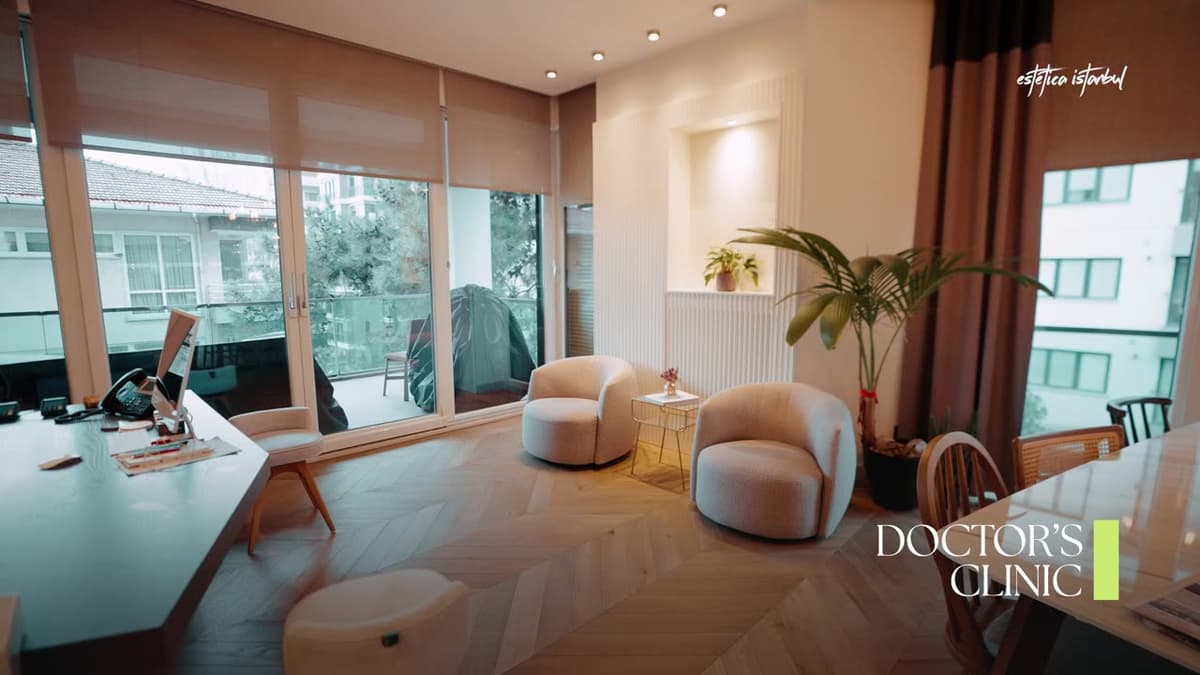

Nemokama konsultacija
Atsiųskite mums nuotraukas ir savo tikslus per WhatsApp. Peržiūrime juos su chirurgu ir per 24 valandas atsiunčiame išsamų pasiūlymą, į kurį viskas įskaičiuota. Pokalbiui užstato nereikia.
Tvarkome logistiką
Kai apsisprendžiate, rezervuojame jūsų skrydžius, viešbutį ir VIP pervežimus. Priešoperaciniai tyrimai, priėmimas į ligoninę, jūsų kalba kalbanti pagalba — viskas sutvarkyta prieš jums nusileidžiant.
Operacija JCI akredituotoje ligoninėje
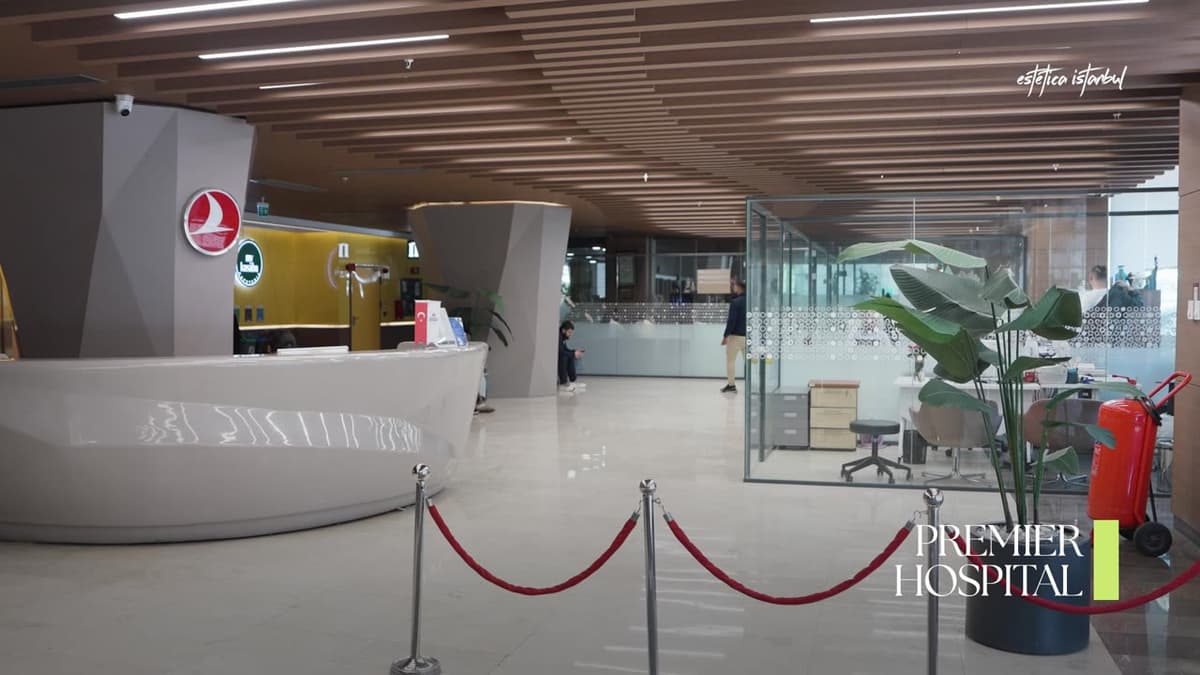
Jūsų operacija vyksta pilnai akredituotoje ligoninėje — atskiros anestezijos ir slaugos komandos, intensyvi terapija tame pačiame aukšte, tarptautiniai saugumo standartai. Niekada ne užkampio dienos klinikoje.
Specializuotos klinikos šypsenai ir plaukams
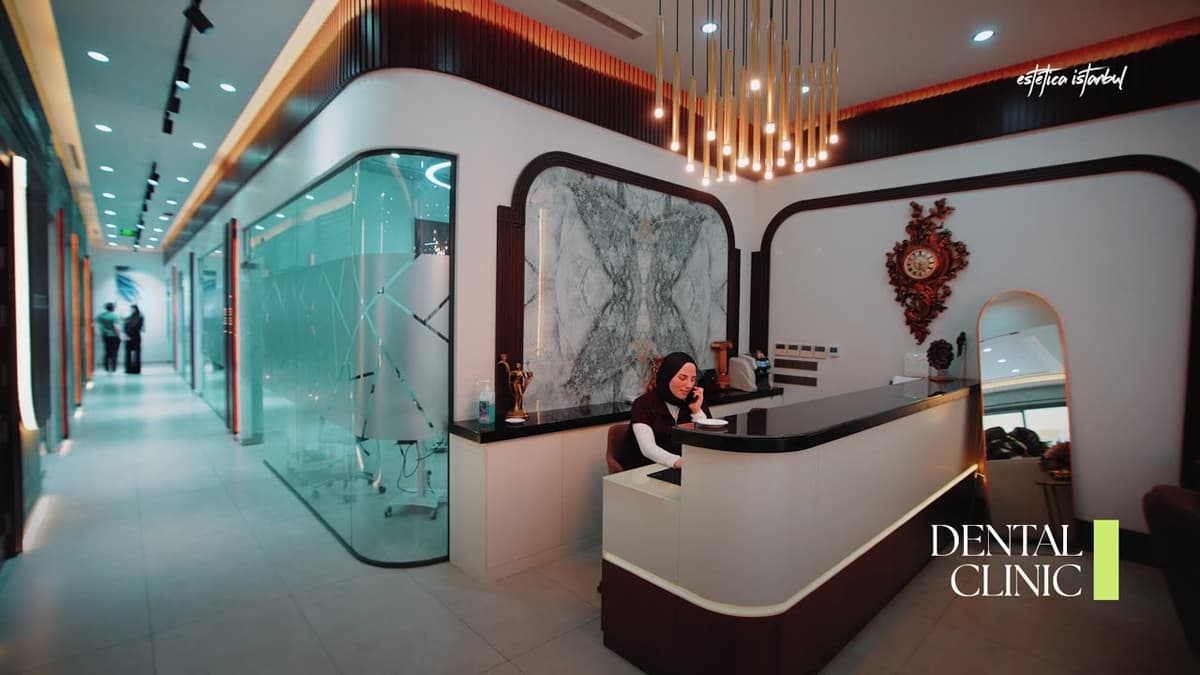
Nechirurginės procedūros atliekamos tam skirtose vietose — mūsų partnerės odontologijos klinikoje laminatams, karūnėlėms ir implantams bei partnerės plaukų atkūrimo klinikoje transplantacijoms. Kiekvieną valdo komandos, kurios daro tik tai, kiekvieną dieną.
Atsigavimas, stebėjimas ir jūsų šypsena
Atsigaunate viešbutyje su medicinos priežiūra vietoje, tada skrendate namo. Nuotoliniu būdu jus stebime ištisus metus — o iškilus komplikacijai padengiame nuotolines konsultacijas su chirurgu ir, retais atvejais, korekcinę operaciją — su Antwell patobulinimu.
Nemokama konsultacija
Atsiųskite mums nuotraukas ir savo tikslus per WhatsApp. Peržiūrime juos su chirurgu ir per 24 valandas atsiunčiame išsamų pasiūlymą, į kurį viskas įskaičiuota. Pokalbiui užstato nereikia.
Tvarkome logistiką
Kai apsisprendžiate, rezervuojame jūsų skrydžius, viešbutį ir VIP pervežimus. Priešoperaciniai tyrimai, priėmimas į ligoninę, jūsų kalba kalbanti pagalba — viskas sutvarkyta prieš jums nusileidžiant.
Operacija JCI akredituotoje ligoninėje
Jūsų operacija vyksta pilnai akredituotoje ligoninėje — atskiros anestezijos ir slaugos komandos, intensyvi terapija tame pačiame aukšte, tarptautiniai saugumo standartai. Niekada ne užkampio dienos klinikoje.
Specializuotos klinikos šypsenai ir plaukams
Nechirurginės procedūros atliekamos tam skirtose vietose — mūsų partnerės odontologijos klinikoje laminatams, karūnėlėms ir implantams bei partnerės plaukų atkūrimo klinikoje transplantacijoms. Kiekvieną valdo komandos, kurios daro tik tai, kiekvieną dieną.
Atsigavimas, stebėjimas ir jūsų šypsena
Atsigaunate viešbutyje su medicinos priežiūra vietoje, tada skrendate namo. Nuotoliniu būdu jus stebime ištisus metus — o iškilus komplikacijai padengiame nuotolines konsultacijas su chirurgu ir, retais atvejais, korekcinę operaciją — su Antwell patobulinimu.
Kas įskaičiuota
Neįskaičiuota
Dažnai užduodami klausimai
Kuo skiriasi skrandžio šuntavimas ir skrandžio rankovės operacija?
Kiek svorio numesiu po skrandžio šuntavimo?
Kiek Stambule kainuoja skrandžio šuntavimas?
Kokia skrandžio šuntavimo rizika?
Ar po skrandžio šuntavimo reikės vitaminų?
Kiek trunka atsigavimas po skrandžio šuntavimo?
Tolesnis skaitymas
 nuo 4 370 €
Smakro implanto kaina 2026 m.: 4370 € Stambule, pigiau nei Jungtinėje Karalystėje ir JAV, bet ne pigiau nei Vokietijoje ar Italijoje
Per Estetica Istanbul užsakytas smakro implantas kainuoja 4370 € kaip viską apimantis paketas. Tai aiškus sutaupymas palyginti su Jungtine Karalyste (4500-6500 £) ir Jungtinėmis Amerikos Valstijomis (nuo 3500 $ iki daugiau kaip 11000 $) ir jokio sutaupymo palyginti su Vokietijos vidurkiu 3466 € ar Italijos vidurkiu 3276 €. Štai skaičiai, šaltiniai ir ta viena situacija, kai dėl smakro vis dar apsimoka skristi į Stambulą.
Nikotinas prieš operaciją užsienyje: kiek laiko tikrai reikia nerūkyti
Nikotinas suspaudžia kraujagysles, kurios išlaiko šviežią operacinę žaizdą gyvą, o rūkantiems audinių nekrozės tikimybė yra maždaug 3,6 karto didesnė. Čia rasite, kiek savaičių prieš operaciją ir po jos reikia nerūkyti, kodėl pleistrai ir elektroninės cigaretės yra tokie pat pavojingi ir ką padarys chirurgas Stambule, jei nenustojote.
 nuo 10 060 €
Veido feminizacijos kaina 2026: Turkija, Jungtinė Karalystė, JAV, Vokietija ir Italija
Jungtinis FFS paketas Stambule prasideda nuo 10 060 €. Štai kiek tas pats operacijų rinkinys kainuoja Jungtinėje Karalystėje, JAV, Vokietijoje ir Italijoje, su įvardytais šaltiniais, ECB kursais ir išimtimis, kurias nutyli kiekvienas pasiūlymas.