
Forma, kuri tebejaučiama kaip Jūsų.
Natūraliai atrodantis krūtų didinimas su aukščiausios klasės Motiva arba Mentor implantais — atliekamas sertifikuotų chirurgų JCI akredituotoje Stambulo ligoninėje. Viskas įskaičiuota nuo 4 300 €. Daugiau nei 250 krūtų didinimų nuo 2021 m.
nuo4 300 €$4,990£3,700CA$6,920A$7,010NZ$8,510· Viskas įskaičiuota
Medicininę peržiūrą atliko Akın İnalöz, MD, Board-Certified Plastic Surgeon· Paskutinė peržiūra:
Štai ką tiksliai gaunate.
Bendra vertė
8 250 €$9,570£7,100CA$13,280A$13,450NZ$16,340
Jūsų kaina
4 300 €$4,990£3,700CA$6,920A$7,010NZ$8,510
Viskas įskaičiuota
Invoiced in EUR (4 300 €) at current bank rate
Patobulinimas iki prabangaus Antwell apartamento — baseinas, SPA, hamamas, sporto salė ir slaugos punktas 24/7 — 40 €$50£30CA$60A$70NZ$80/naktį
Užstatas 500 € užfiksuoja Jūsų kainą ir operacijos datą. Likutį sumokate Stambule. Jokių paslėptų mokesčių.
Prieš ir po
Pasitiki 1 500+ tarptautinių pacientų
Galioja iki 2026 m. lapkričio 1 d.
2026 metu kainos galioja kiekvienam uzsakymui, kurio 500 € uzstatas sumoketas iki 2026 m. lapkricio 1 d. Nuo lapkricio 2 d. taikomos 2027 m. kainos. Grazinama, kol nerezervuotas skrydis.
Gaukite nemokamą konsultaciją
Mūsų partnerių medicinos komanda peržiūrės jūsų atvejį ir per 24 valandas atsiųs asmeninį gydymo planą.
Ką sako mūsų pacientai
Kelios dienos. Sutvarkyta nuo A iki Z.
1 diena
Jūs nusileidžiate. Toliau viskuo pasirūpiname mes.
VIP pasitikimas Stambulo oro uoste. Registracija viešbutyje. Konsultacija gyvai su Jūsų chirurgu — implantų dydis ir forma, 3D simuliacija, žymėjimai, klausimai ir atsakymai.
2 diena
Operacijos diena.
Priešoperaciniai kraujo tyrimai JCI ligoninėje. 1,5–2 val. procedūra taikant bendrąją nejautrą. Naktis ligoninėje su 1:1 slauga.
3 diena
Lengvas pasveikimas.
Pervežimas į viešbutį. Pirmoji pooperacinė patikra. Palaikomosios liemenėlės pritaikymas. Trumpi pasivaikščiojimai. Jūsų koordinatorius pasiekiamas per „WhatsApp“.
4–5 dienos
Jūs ilsitės. Mes stebime.
Antroji pooperacinė patikra. Patinimas stabilizuojasi, mėlynės blanksta. Neprivaloma išvyka po Stambulą, kai tik pasijusite gerai. Leiskite kūnui atlikti savo darbą.
6 diena
Baigiamoji patikra. Skrydis namo.
Baigiamoji chirurgo apžiūra. Randų priežiūros ir aktyvumo planas raštu. VIP pervežimas į oro uostą. Stebėsena tęsiasi 12 mėnesių.
Meet our surgeons
Akın İnalöz
MD, Board-Certified Plastic Surgeon
Mustafa Ekrem Güleş
Op. Dr., Board-Certified Plastic Surgeon
Tiber Menteşe
Op. Dr., Board-Certified Plastic Surgeon
Jūsų kelionė. Mūsų rankos.
Nuo pirmos žinutės iki skrydžio namo — logistiką tvarkome mes. Jūs susitelkiate į rezultatą, dėl kurio atvykote.
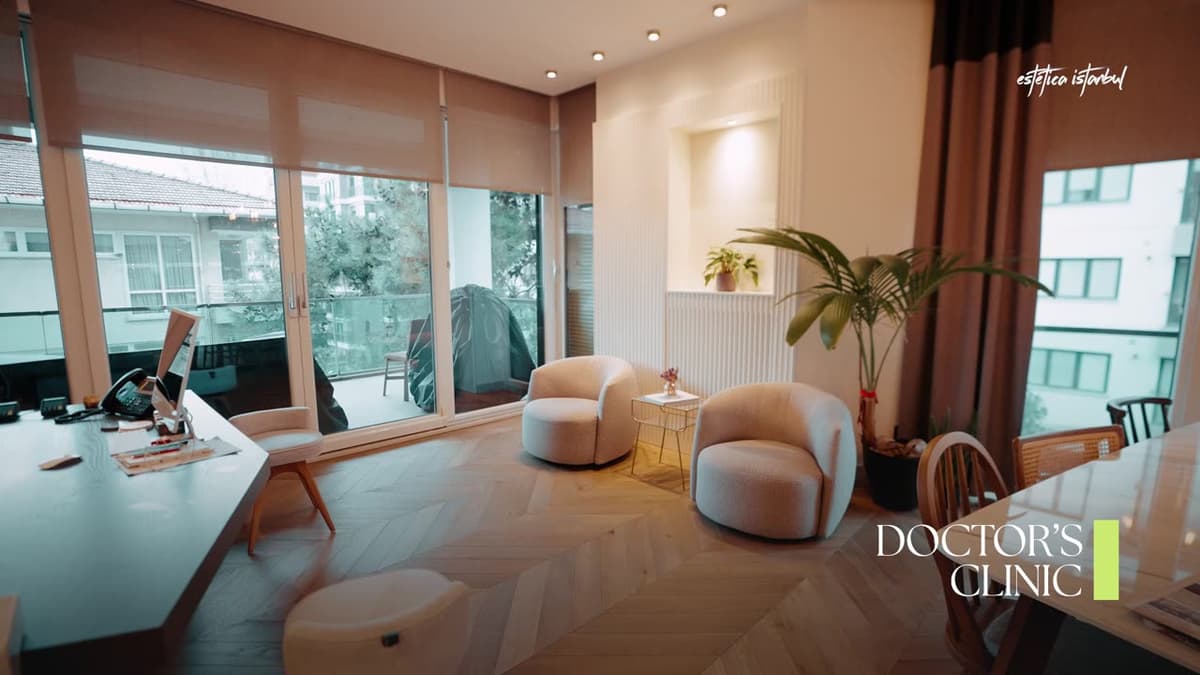
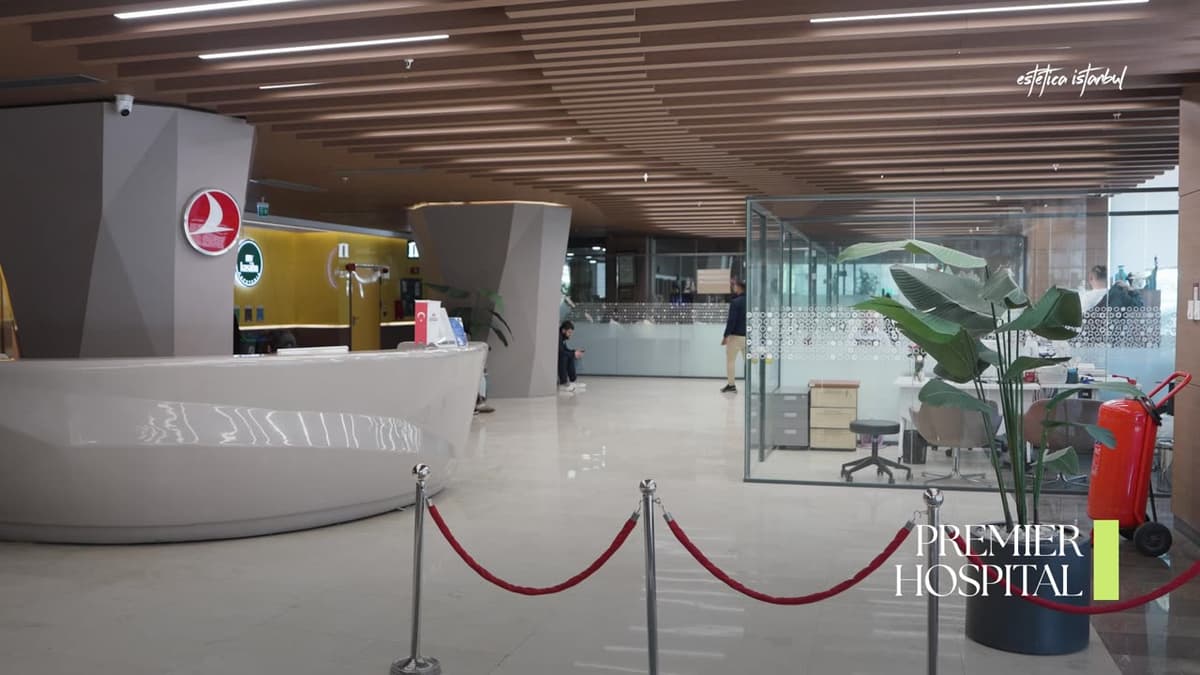
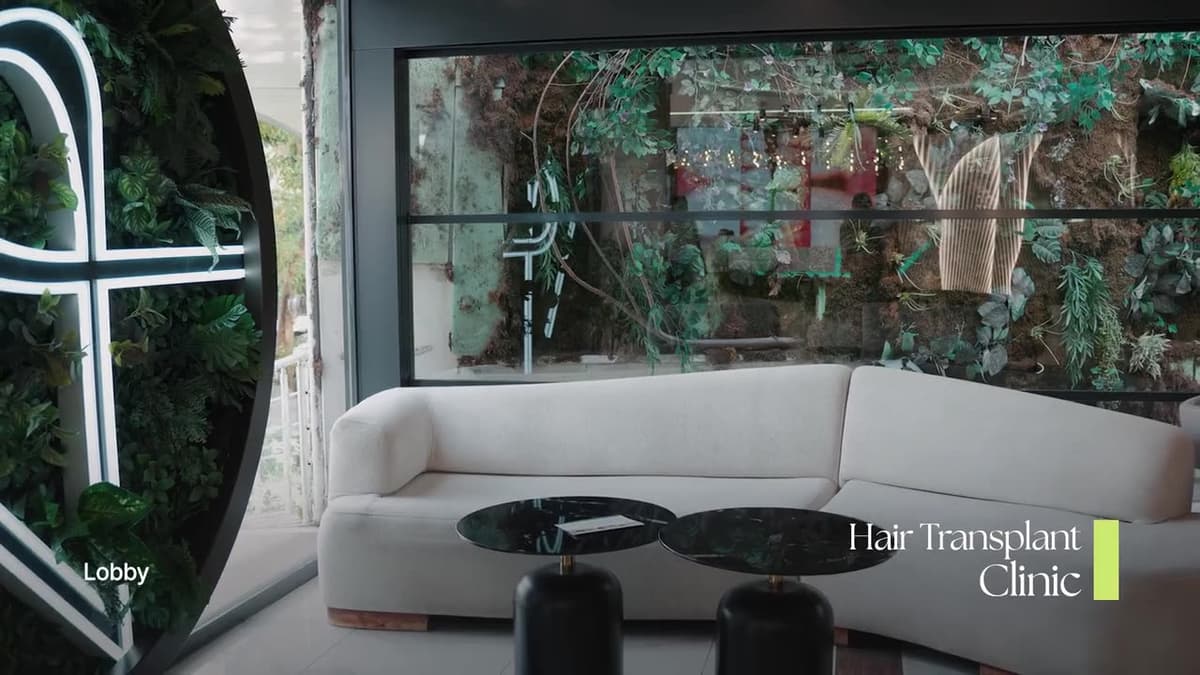
Nemokama konsultacija
Atsiųskite mums nuotraukas ir savo tikslus per WhatsApp. Peržiūrime juos su chirurgu ir per 24 valandas atsiunčiame išsamų pasiūlymą, į kurį viskas įskaičiuota. Pokalbiui užstato nereikia.
Tvarkome logistiką
Kai apsisprendžiate, rezervuojame jūsų skrydžius, viešbutį ir VIP pervežimus. Priešoperaciniai tyrimai, priėmimas į ligoninę, jūsų kalba kalbanti pagalba — viskas sutvarkyta prieš jums nusileidžiant.
Operacija JCI akredituotoje ligoninėje
Jūsų operacija vyksta pilnai akredituotoje ligoninėje — atskiros anestezijos ir slaugos komandos, intensyvi terapija tame pačiame aukšte, tarptautiniai saugumo standartai. Niekada ne užkampio dienos klinikoje.
Specializuotos klinikos šypsenai ir plaukams
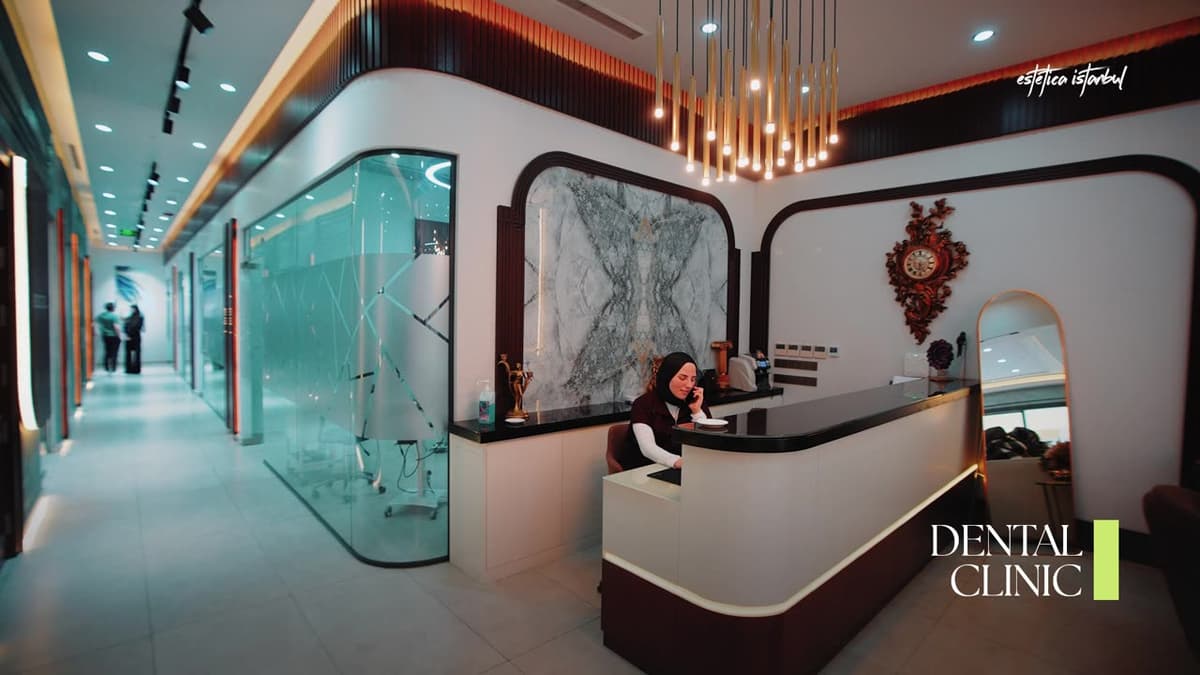
Nechirurginės procedūros atliekamos tam skirtose vietose — mūsų partnerės odontologijos klinikoje laminatams, karūnėlėms ir implantams bei partnerės plaukų atkūrimo klinikoje transplantacijoms. Kiekvieną valdo komandos, kurios daro tik tai, kiekvieną dieną.
Atsigavimas, stebėjimas ir jūsų šypsena
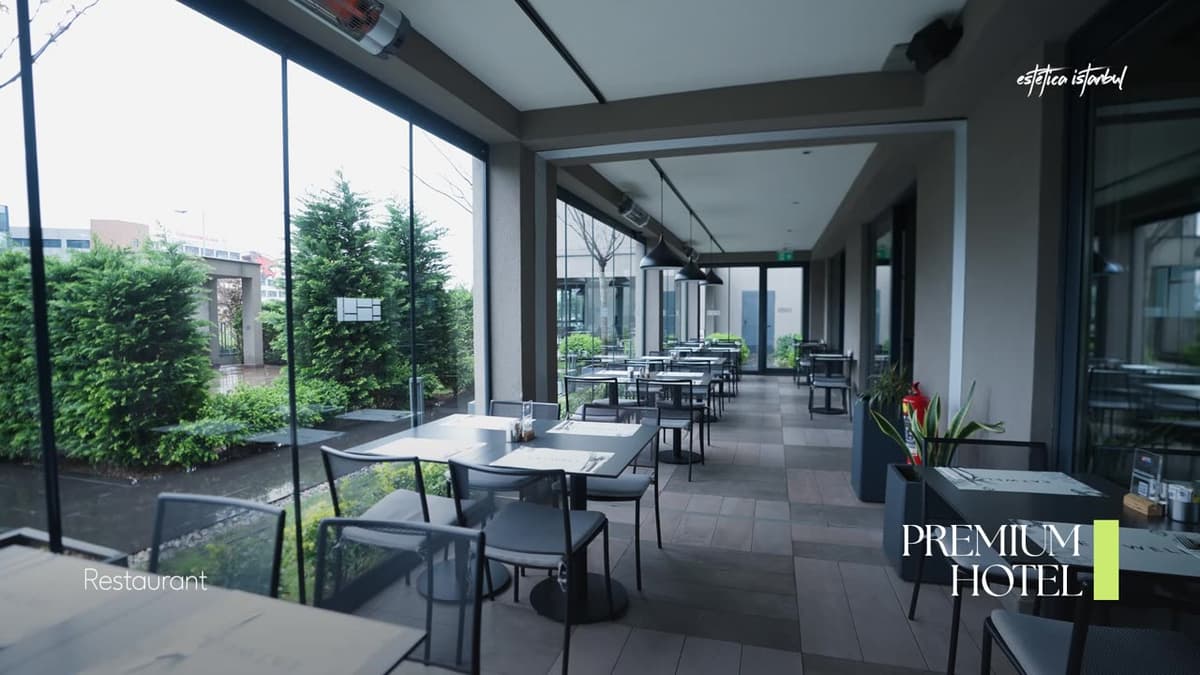
Atsigaunate viešbutyje su medicinos priežiūra vietoje, tada skrendate namo. Nuotoliniu būdu jus stebime ištisus metus — o iškilus komplikacijai padengiame nuotolines konsultacijas su chirurgu ir, retais atvejais, korekcinę operaciją — su Antwell patobulinimu.
Nemokama konsultacija
Atsiųskite mums nuotraukas ir savo tikslus per WhatsApp. Peržiūrime juos su chirurgu ir per 24 valandas atsiunčiame išsamų pasiūlymą, į kurį viskas įskaičiuota. Pokalbiui užstato nereikia.
Tvarkome logistiką
Kai apsisprendžiate, rezervuojame jūsų skrydžius, viešbutį ir VIP pervežimus. Priešoperaciniai tyrimai, priėmimas į ligoninę, jūsų kalba kalbanti pagalba — viskas sutvarkyta prieš jums nusileidžiant.
Operacija JCI akredituotoje ligoninėje
Jūsų operacija vyksta pilnai akredituotoje ligoninėje — atskiros anestezijos ir slaugos komandos, intensyvi terapija tame pačiame aukšte, tarptautiniai saugumo standartai. Niekada ne užkampio dienos klinikoje.
Specializuotos klinikos šypsenai ir plaukams
Nechirurginės procedūros atliekamos tam skirtose vietose — mūsų partnerės odontologijos klinikoje laminatams, karūnėlėms ir implantams bei partnerės plaukų atkūrimo klinikoje transplantacijoms. Kiekvieną valdo komandos, kurios daro tik tai, kiekvieną dieną.
Atsigavimas, stebėjimas ir jūsų šypsena
Atsigaunate viešbutyje su medicinos priežiūra vietoje, tada skrendate namo. Nuotoliniu būdu jus stebime ištisus metus — o iškilus komplikacijai padengiame nuotolines konsultacijas su chirurgu ir, retais atvejais, korekcinę operaciją — su Antwell patobulinimu.
Sutaupykite iki 78% Stambule
Tipinės kainos su viskuo įskaičiuota pagal šalį. Šaltiniai: ASPS, RealSelf, pagrindiniai JK/JAV klinikų įkainiai, 2025.
Turkija (Stambulas)
nuo 4 300 €$4,990£3,700CA$6,920A$7,010NZ$8,510
sutaupote 78%
Jungtinė Karalystė
nuo 16 500 €$19,140£14,190CA$26,570A$26,900NZ$32,670
Jungtinės Valstijos
nuo 19 500 €$22,620£16,770CA$31,400A$31,780NZ$38,610
Italija
nuo 13 000 €$15,080£11,180CA$20,930A$21,190NZ$25,740
Vokietija
nuo 14 000 €$16,240£12,040CA$22,540A$22,820NZ$27,720









Apie mus rašė
Pirmaujančių tarptautinių žiniasklaidos priemonių publikacijos


Estetica pažadas
Netrukus patikėsite mums savo kūną, savo moteriškumą, savo laiką ir savo pinigus. Štai ką pažadame mainais — raštu, dar prieš Jums įlipant į lėktuvą.
12 mėnesių korekcijos sąlyga
Jei per 12 mėnesių rezultatas neatitiks su Jūsų chirurgu sutarto plano, atliekame korekciją — be jokių chirurginių ar ligoninės mokesčių.
100 % užstato grąžinimo langas
Persigalvojote prieš rezervuodami skrydį? Grąžiname visą 500 € užstatą. Jokių klausimų, jokių žvaigždučių.
Fiksuota kaina, viskas įskaičiuota
Kokia kaina Jums nurodyta, tokią ir mokate. Jokių „anestezijos priemokų“, jokio „mokesčio už implanto pakeitimą“, jokių netikėtumų operacijos dieną. Raštu. Pasirašyta.
— Pasirašyta Estetica Istanbul ir mūsų partnerių chirurgų komandos vardu.
Dažnai užduodami klausimai
Kiek Stambule kainuoja krūtų didinimas?
Kiek laiko tarnauja krūtų implantai?
Kokio dydžio implantus rinktis?
Kiek skausmingas atsigavimas po krūtų didinimo?
Ar galėsiu žindyti po krūtų didinimo?
Kada galima sportuoti po krūtų didinimo?
Ar atliekate krūtų didinimą Preservé technika?
Kiek Preservé kainuoja palyginti su tradiciniu krūtų didinimu?
Ar Preservé tikrai atliekama be bendrinės nejautros?
Gaukite nemokamą konsultaciją
Mūsų partnerių medicinos komanda peržiūrės jūsų atvejį ir per 24 valandas atsiųs asmeninį gydymo planą.
Viskas, ką reikia žinoti
Krūtų didinimas yra dažniausiai pasaulyje atliekama estetinė operacija ir viena iš procedūrų, pasižyminčių didžiausiu ilgalaikiu pasitenkinimo rodikliu – kai ji kruopščiai suplanuota ir atliekama patyrusių rankų. Ji gali būti atliekama su implantais, su savų riebalų perkėlimu (lipofilingu iš jūsų pačios kūno) arba derinant abu būdus.
Mūsų partnerių chirurgų komanda krūtų didinimą atlieka kiekvieną savaitę taikydama nuoseklų metodą: kruopštų matavimą prieš operaciją, apgalvotą implanto pasirinkimą, tvarkingą anatominės kišenės atskyrimą ir pooperacinį protokolą, kuriame pirmenybė teikiama komfortui. Po operacijos turėtumėte jaustis natūraliai, harmoningai ir proporcingai – o ne „didesnės vien dėl didesnių“.
Kam tinka krūtų didinimas
Esate tinkama kandidatė, jei esate geros sveikatos, turite realistiškų lūkesčių dėl tūrio ir formos ir suprantate, kad krūtų implantams reikia ilgalaikės stebėsenos – vaizdinių tyrimų kontrolės ir tikėtino pakeitimo po dešimtmečių.
Dažniausiai matome tokias moteris: norinčias atkurti tūrį po nėštumo ar svorio netekimo; turinčias natūraliai mažas ar asimetriškas krūtis ir siekiančias proporcijos bei formos; svarstančias riebalų perkėlimo didinimą (lipofilingą) kaip alternatyvą be implantų; ir rekonstrukcijos pacientes po krūties vėžio operacijos – rekonstrukcija yra atskiras klinikinis kelias su savo skirta konsultacija.
Implanto pasirinkimas
Naujos kartos implantai yra saugesni, natūralesni ir patvaresni nei prieš dešimt ar penkiolika metų. Yra keturi pagrindiniai sprendimai.
Kiek laiko tarnauja krūtų implantai?
Šiuolaikiniai implantai nėra viso gyvenimo įtaisai, tačiau jie sukurti tarnauti dešimtmečius. Įprastas pakeitimo laikotarpis yra penkiolika–dvidešimt metų – kartais anksčiau, jei atsiranda komplikacija (kapsulinė kontraktūra, vaizdiniuose tyrimuose aptiktas plyšimas), kartais vėliau, jei viskas išlieka stabilu. Rekomenduojame kasmetinius patikrinimus ir ultragarso ar MRT stebėseną kas kelerius metus po dešimties metų ribos.
Kohezinis silikonas ar fiziologinis tirpalas
Koheziniai silikoniniai implantai – dažnai vadinami „meškiuko“ (angl. „gummy bear“) – yra mūsų numatytasis pasirinkimas. Jie atrodo ir jaučiasi artimiausi natūraliam krūties audiniui ir nesukelia matomo raibuliavimo pacientėms su plonu minkštųjų audinių sluoksniu. Fiziologinio tirpalo implantai yra prieinami, tačiau šiandien naudojami retai.
Apvalūs ar anatominiai (lašo formos)
Apvalūs implantai suteikia pilnumo viršutinėje dalyje. Anatominiai implantai atkartoja natūralų krūties liaukos linkį. Abu duoda natūralius rezultatus, kai teisingai parenkami pagal jūsų anatomiją ir tikslus. Nėra abstraktaus teisingo atsakymo – yra jūsų kūnui tinkamas implantas.
Virš raumens ar po raumeniu
Poraumeninis įdėjimas (arba dual-plane) suteikia natūralesnį viršutinės dalies linkį ir sumažina implanto matomumą lieknoms pacientėms. Įdėjimas virš raumens užtikrina greitesnį atsigavimą, tačiau yra mažiau atlaidus pacientėms su nedideliu krūties audinio kiekiu. Chirurgas rekomenduos įdėjimo būdą įvertinęs jūsų minkštųjų audinių sluoksnį.
Pjūvis: pokrūtinis, periareolinis ar transaksilinis
Pokrūtinis pjūvis (raukšlėje po krūtimi) yra auksinis standartas: paslėptas raukšlėje, puiki chirurginė prieiga, maža komplikacijų rizika. Daugeliu atvejų tai mūsų pirmasis pasirinkimas.
Esant specifinei anatomijai taip pat naudojame transaksilinį (pjūvis pažastyje, be rando ant krūties – tinka fiziologinio tirpalo ar tam tikriems iš anksto užpildytiems silikoniniams implantams), periareolinį (aplink apatinį areolės kraštą, randas gerai užmaskuojamas, kai areolės ir odos riba ryški, tačiau jis gali labiau nei pokrūtinis būdas trukdyti būsimą žindymą) ir retai transumbilikinį (TUBA – per bambą, tik fiziologinio tirpalo).
„Preservé™ by Motiva“: minimaliai invazinis krūtų didinimas
„Preserv陓 yra chirurginis protokolas, sukurtas Motiva, siekiant iki minimumo sumažinti audinių traumą. Palyginti su tradiciniu didinimu keičiasi trys dalykai: pokrūtinis pjūvis sumažinamas maždaug iki 2,5–3 centimetrų; kišenė sukuriama virš raumens naudojant specialius instrumentus – Channel Separator ir pripučiamą plėtiklį, kuris audinį palaipsniui tempia, o ne atskiria – ir naudojami SmoothSilk Ergonomix2 implantai. Drenai nededami. Procedūra atliekama taikant vietinę nejautrą su sąmoninga sedacija, o ne bendrąją nejautrą.
Skirtumą iš tikrųjų pajusite atsigavimo metu. Išrašomi tą pačią dieną, be nakvynės ligoninėje. Lengva veikla atnaujinama per dvidešimt keturias–keturiasdešimt aštuonias valandas, o darbas prie stalo – po trijų–penkių dienų, palyginti su septyniomis–dešimt tradiciniu būdu. Sportui ir sunkių daiktų kėlimui vis tiek reikia palaukti tų pačių šešių–aštuonių savaičių: audinys aplink implantą gyja savo tempu, ir joks metodas to nepagreitina.
„Preservé“ tinka ne visiems, ir tai geriau pasakyti prieš, o ne po. Kišenei virš raumens reikia pakankamo minkštųjų audinių sluoksnio: jei esate labai liekna, matomas raibuliavimas yra reali rizika, ir poraumeninė plokštuma išlieka teisingas pasirinkimas. Esant ryškiai ptozei reikia krūtų pakėlimo, o ne minimaliai invazinio implanto. O didesniam tūrio padidinimui tradicinis būdas vis tiek suteikia geresnę kišenės kontrolę. Chirurgas tai įvertina konsultacijos metu pagal jūsų nuotraukas ir anatomiją – ir jei „Preservé“ jums netinka, jis tai pasakys.
Italijoje ši technika įkainojama nuo 7 500 iki 12 000 €, vidutiniškai apie 8 500 €. Priedas prie standartinio didinimo susidaro dėl specialaus Motiva rinkinio ir Ergonomix2 implantų, o ne dėl rinkodaros. Stambule „Preservé“ įkainojama jūsų viskas įskaičiuota pakete ir išlieka gerokai mažesnė nei Vakarų Europos kainos.
Jei norite sužinoti, ar esate tinkama kandidatė, atsiųskite mums savo nuotraukas ir ligos istoriją: chirurgas pateiks išvadą ir kainos pasiūlymą, paprastai per dvidešimt keturias valandas.
Krūtų didinimas riebalų perkėlimu
Moterims, norinčioms saikingo padidinimo be implantų, lipofilingas – riebalų paėmimas iš pilvo, šonų ar šlaunų ir jų perkėlimas į krūtį – yra reali alternatyva. Tikėtinas padidėjimas yra maždaug vienas–pusantro krūtinės dydžio per vieną seansą, su minkštu, natūraliu pojūčiu ir be implanto, kurį reikėtų prižiūrėti dešimtmečius. Ne visi riebalai išgyvena: tikėtinas rodiklis – apie šešiasdešimt procentų prigijimo.
Lipofilingas yra tinkamas pasirinkimas, kai turite pakankamai savų riebalų, norite natūralios išvaizdos ir esate patenkinta saikingu padidinimu. Didesniam padidinimui implantai išlieka tinkama priemonė.
Operacija žingsnis po žingsnio
Krūtų didinimas atliekamas taikant bendrąją nejautrą JCI akredituotoje ligoninėje, visą laiką dalyvaujant skirtam anesteziologui. Operacija trunka vieną–dvi valandas. Standartiškai reikia praleisti ligoninėje vieną naktį.
Chirurgas padaro pasirinktą pjūvį, sukuria implanto kišenę pasirinktoje plokštumoje, įstato implantą ir sluoksniais užsiuvimą atlieka rezorbuojamais siūlais. Procedūros pabaigoje uždedama chirurginė palaikomoji liemenėlė.
Atsigavimas
1 savaitė
Įtempimo pojūtis krūtinėje ir nedidelis ar vidutinis skausmas – valdomas paskirtais analgetikais. Miegate ant nugaros, šiek tiek pakelta viršutine kūno dalimi. Draudžiama kelti, draudžiama vairuoti.
2–3 savaitės
Dauguma pacienčių prie darbo prie stalo grįžta pirmosios savaitės pabaigoje. Rankų judesiai lieka švelnūs – jokio stūmimo, jokio traukimo, jokio darbo virš galvos.
4–6 savaitės
Atnaujinama lengva fizinė veikla. Patinimas toliau mažėja. Per kitus tris mėnesius implantai „nusileidžia ir išsipurena“ į galutinę padėtį – tai normalus procesas, gerinantis krūties formą.
3–6 mėnesiai
Galutinė forma. Minkštumas palaipsniui gerėja. Randai pradeda blukti iki plonų linijų.
Rizikos ir realistiški lūkesčiai
Krūtų didinimas patyrusių rankų atliekamas saugiai, tačiau nėra visiškai be rizikos. Sąžiningai apie rizikas: kapsulinė kontraktūra (randinio audinio susitraukimas aplink implantą), raibuliavimas (matomos raukšlelės) labai lieknoms pacientėms, asimetrija, dėl kurios gali prireikti nedidelės korekcijos, ir tikėtinas implanto pakeitimas po penkiolikos–dvidešimties metų.
Krūtų implantai nėra viso gyvenimo įtaisai. Numatykite vaizdinių tyrimų stebėseną ir galimybę pakeisti implantus po dešimtmečių. Chirurgas paaiškins BIA-ALCL stebėsenos protokolą (reta limfomos rizika, siejama su tam tikrais tekstūruotais implantais) ir kiekvieną retą, bet realią riziką, nieko nesumenkindamas dėl pardavimo.
Konkrečiai dėl Allergan Biocell: šie implantai 2019 m. buvo atšaukti visame pasaulyje. Mes jų nenaudojame. Mūsų siūlomi implantai – Motiva, Mentor, Allergan (dabartinė ne Biocell linija) – visi turi CE ženklą ir, kur taikoma, FDA leidimą, su atsekamais partijos numeriais ir gamintojo garantija.
Kodėl Stambulas, o ne kitos šalys
Sertifikuoti plastikos chirurgai, operacinės JCI akredituotose ligoninėse ir įvardyti etaloniniai implantai – Motiva, Mentor, Allergan. Ne bevardžiai implantai iš Rytų Europos tiekėjų. Mūsų partnerių chirurgų atliekamų operacijų kiekis ir patirtis nenusileidžia bet kuriai Londono, Niujorko ar Sidnėjaus klinikai, o kaina pateisina kelionę.
Dr. Akın İnalöz yra mūsų vadovaujantis krūtų didinimo ir kūno kontūravimo chirurgas partneris. Jis asmeniškai peržiūri kiekvieną atvejį prieš operaciją. Dr. Mustafa Ekrem Güleş kliniškai patvirtina kiekvieną pacientę – jokia operacija nevykdoma be jo pritarimo.
Kodėl ne 1 800 € krūtų didinimas
Krūtų didinimo atveju žema kaina slepia konkrečius pasirinkimus, už kuriuos sumokėsite vėliau. Klinika, siūlanti 1 800 €, taupo ten, kur neturėtų: nemarkiniai implantai (arba firminiai implantai iš senos nutrauktos linijos), anesteziologas apmokamas už valandą, o ne skirtas, jokios korekcijos garantijos, jokios prasmingos priežiūros jums grįžus namo.
Tai, už ką mokate pas mus, yra patikrinama: Motiva, Mentor ar Allergan implantai su atsekamais partijos numeriais ir gamintojo garantija; skirtas anesteziologas visą laiką; JCI akredituota ligoninė; dr. İnalöz ir dr. Güleş priežiūra; stebėsena po 3, 6 ir 12 mėnesių per „WhatsApp“ anglų kalba. Būtent šių dalykų trūkumą sužinote po trejų metų, kai jau per vėlu pigiai ištaisyti.
Palyginti su kitu rinkos galu – krūtų didinimas JAV už 8–12 tūkst. $, Beverli Hilse ar Manhetene už 12–18 tūkst. $, JK privačiai už 5–8 tūkst. £, Australijoje už 10–15 tūkst. AU$ – jūs neatsisakote standartų. Jūs mokate tik skirtumą tarp Turkijos ir Vakarų operacinių sąnaudų, su tais pačiais implantais ir tokio pat lygio ligoninėje.
Angliškai kalbanti komanda – nuo pirmosios žinutės iki dvylikos mėnesių stebėsenos
Mūsų komanda atsako angliškai per „WhatsApp“, telefonu ir el. paštu. Nuo pasiūlymo užklausos iki dvylikos mėnesių patikros bendraujate su žmogumi, kuris supranta jūsų kalbą ir prisimena jūsų atvejį. Klausimai apie chirurginę liemenėlę, miego padėtis, kada grįžti į darbą, kada vėl bėgioti – visi jie nusipelno aiškių atsakymų anglų kalba realiu laiku.
Užsisakykite nemokamą pasiūlymą – mūsų komanda atsako JK / Airijos darbo valandomis ir antruoju laikotarpiu, apimančiu JAV Rytų pakrantės laiką iki Australijos ryto. Vertinimas pagal nuotraukas tą pačią dieną.


Tolesnis skaitymas
 nuo 3 250 €
Krūtų pakėlimo kaina 2026: Turkija vs JK, JAV, Vokietija ir Italija
Krūtų pakėlimas Turkijoje kainuoja nuo 3 250 €, palyginti su 6 185 € vidurkiu Vokietijoje, 7 420 € Italijoje ir 8 298 € Jungtinėse Valstijose bei 7 395 svarų pradine kaina Jungtinėje Karalystėje. 2026 m. skaičiai su šaltiniais, skirtumas pridėjus skrydius ir klausimai, dėl kurių du pasiūlymai tampa palyginami.
 nuo 3 250 €
Krūtų mažinimo kaina 2026: Turkija, Jungtinė Karalystė, JAV, Vokietija, Italija
Šaltiniais pagrįstos 2026 metų krūtų mažinimo kainos penkiose šalyse, nuo 3 250 eurų Stambule iki 18 000 dolerių JAV, ką apima kiekviena suma ir kada apsimoka likti namuose.
 nuo 4 300 €
Atsigavimas po krūtų didinimo: savaitė po savaitės
Vaikščiojimas tą pačią dieną, biuro darbas po vienos–dviejų savaičių, leidimas skristi namo pirmosios savaitės pabaigoje, sporto salė po keturių–aštuonių savaičių, o krūtinės raumenys paskutiniai, ir galutinė nusistovėjusi forma po trijų–šešių mėnesių. Sąžininga savaitė po savaitės atsigavimo eiga po krūtų didinimo.