
Ausų korekcija
Ausų korekcija Stambule – atlėpusių ausų taisymas suaugusiesiems ir vaikams nuo šešerių metų. Randas paslėptas užausio raukšlėje. Operacija, kurią dauguma suaugusiųjų apibūdina „reikėjo tai padaryti prieš dvidešimt metų“. Medicininė priežiūra – dr. Güleş, JCI akredituotos ligoninės.
nuo1 720 €$2,000£1,480CA$2,770A$2,800NZ$3,410· Viskas įskaičiuota
Pasitiki 1 500+ tarptautinių pacientų
Gaukite nemokamą konsultaciją
Mūsų partnerių medicinos komanda peržiūrės jūsų atvejį ir per 24 valandas atsiųs asmeninį gydymo planą.
Sutaupykite iki 77% Stambule
Tipinės kainos su viskuo įskaičiuota pagal šalį. Šaltiniai: ASPS, RealSelf, pagrindiniai JK/JAV klinikų įkainiai, 2025.
Turkija (Stambulas)
nuo 1 720 €$2,000£1,480CA$2,770A$2,800NZ$3,410
sutaupote 77%
Jungtinė Karalystė
nuo 6 500 €$7,540£5,590CA$10,470A$10,600NZ$12,870
Jungtinės Valstijos
nuo 7 500 €$8,700£6,450CA$12,080A$12,230NZ$14,850
Italija
nuo 5 000 €$5,800£4,300CA$8,050A$8,150NZ$9,900
Vokietija
nuo 5 500 €$6,380£4,730CA$8,860A$8,970NZ$10,890
Trukmė
1–2 hours
Anestezija
Local or general
Buvimas ligoninėje
Day procedure
Grįžimas į darbą
5–7 days
Atsigavimo laikas
1–2 weeks
Rezultatai matomi
1–2 months
Trumpai
- Kas tai?
- Ausų korekcija (otoplastika) Stambule atlėpusioms ausims koreguoti. Suaugusiesiems ar…
- Kaina
- €1,720 — viskas įskaičiuota: chirurgas, ligoninė, viešbutis, pervežimai ir priežiūra; skrydžiai neįskaičiuoti
- Atsigavimas
- 1–2 weeks
- Sauga ir rizika
- Atliekama JCI akredituotose Stambulo ligoninėse. Medicininį turinį peržiūrėjo dr. Mustafa Ekrem Güleş. Kiekviena procedūra turi tam tikrą riziką — konsultacijos metu sąžiningai aptarsime tinkamumą ir galimas komplikacijas.
Otoplastika – atlėpusių ausų korekcija – yra tiksli operacija, pertvarkanti išorinės ausies kremzlę, kad ji būtų priartinta prie galvos šono. Tai viena labiausiai pasitenkinimą teikiančių operacijų kataloge dėl paprastos priežasties: dauguma suaugusių pacientų apie ją galvojo dvidešimt ar trisdešimt metų, o per patikrą apibūdina taip: „reikėjo tai padaryti dvidešimtmetyje“.
Operacija anatomiškai ribota, techniškai paprasta patyrusiose rankose, atsigavimas greitas, rezultatas ilgalaikis, o daugeliui pacientų poveikis yra tyliai transformuojantis – pirmą kartą per dešimtmečius plaukai sušukuoti atgal, nuotraukos daromos iš trijų ketvirčių kampo apie tai negalvojant, akiniai nešiojami be nerimo. Tai ne tuštybės operacija; tai maža anatominės ypatybės, formavusios paciento laikyseną visą gyvenimą, korekcija.
Kam tinka otoplastika
Tipiniai kandidatai priklauso dviem aiškioms grupėms. Bet kokio amžiaus suaugusieji (dažniausiai 25–55 metų), turintys atlėpusias ausis – ausies spenelis ar viršutinė dalis atsikišusi nuo galvos šono labiau nei įprasta, kartais su abiejų pusių asimetrija. Paprastai jie visą gyvenimą dengė plaukais ir priėjo momentą, kai nusprendžia „gana“. Vaikai nuo šešerių metų, dažniausiai tėvų atvedami po erzinimo mokykloje laikotarpio. Šešeri – apatinė riba, nes iki šio amžiaus ausis pasiekia maždaug 90 % suaugusiojo dydžio – operuojant anksčiau kyla rizika sutrikdyti kremzlės augimą. Vaikų atvejais reikia bendrinės anestezijos ir vaikams pritaikyto ligoninės kelio, kurį suteikiame Acıbadem. Tėvai iš JK/Airijos, kurie kitaip lauktų NHS eilėje 18+ mėnesių, dažnai renkasi apmokėti patys Stambule dėl trumpesnio termino.
Pacientai su aktyviomis ausų infekcijomis ar negydytomis galvos odos ligomis turi jas išspręsti prieš operaciją – tai pasakome konsultacijos metu.
Technikos
Yra kelios technikos; pasirinkimas priklauso nuo to, kuri ausies dalis atsikiša ir kodėl. Daugeliu atvejų problema slypi antihelikso raukšlėje (kuri nesusiformavo tinkamai) ir (arba) per dideliame kaušelio gylyje. Vieną ar abu sprendžiame per tą patį užpakalinį pjūvį.
Kremzlės įpjovimo technika (Mustardé siūlės + kremzlės įpjovimas): pertvarko antihelikso raukšlę nuolatinėmis siūlėmis prie kremzlės, su lengvu įpjovimu, padedančiu kremzlei įgauti naują formą. Tai pagrindinė technika daugeliui atvejų.
Kaušelio atitraukimas (Furnas siūlės): kai kaušelis per gilus ir stumia ausį į išorę, jį repozicionuojame siūlėmis, pritvirtintomis prie speninės ataugos antkaulio.
Ausies spenelio korekcija: kai spenelis taip pat atsikiša, nedidelis papildomas pjūvis jį ištaiso tuo pačiu seansu.
Konsultacijos metu vertiname jūsų konkrečią ausies konfigūraciją ir paaiškiname, kuri technika (-os) indikuojama. Retai naudojama tik viena technika; daugumai atvejų reikia derinio, pritaikyto anatomijai.
Operacija žingsnis po žingsnio
Suaugusiesiems: atliekama taikant vietinę anesteziją su lengva sedacija. Trukmė – nuo pusantros iki dviejų valandų abiem ausims. Dienos chirurgijos procedūra – į viešbutį grįžtate tą pačią popietę. JCI akredituotoje ligoninėje, prireikus dalyvaujant anesteziologui.
Vaikams: trumpa bendrinė anestezija vaikams pritaikytame ligoninės kelyje, išleidimas tą pačią dieną, prireikus su stebėjimu per naktį. Trukmė panaši – nuo pusantros iki dviejų valandų.
Pjūvis paslėptas užausio raukšlėje – natūralioje klostėje, kur ausies užpakalinė dalis susijungia su galvos oda – ir po užgijimo nematomas esant ausiai bet kokioje padėtyje. Siūlės plonos, odoje nerezorbuojamos (pašalinamos septintą dieną) ir nuolatinės kremzlėje (lieka vietoje, po oda, neribotą laiką).
Atsigavimas
1 savaitė
Galvos raištis nešiojamas 24 valandas per parą pirmąją savaitę, vėliau tik naktį dar dvi–tris savaites. Lengvas ar vidutinis diskomfortas pirmąsias 48 valandas, gerai valdomas standartiniais analgetikais. Pirmąsias dvi savaites miegate ant nugaros (ne ant šono). Siūlės pašalinamos šeštą–septintą dieną. Grįžimas prie darbo prie stalo realus nuo penktos iki septintos dienos – galvos raištį pridengus kepure ar džemperio gobtuvu.
2–4 savaitės
Likęs patinimas palaipsniui išnyksta. Kontaktinio sporto, plaukimo ir intensyvaus fizinio krūvio vengiama iki ketvirtos savaitės. Ketvirtos savaitės pabaigoje dauguma pacientų grįžta prie visiškai normalaus gyvenimo.
2–6 mėnesiai
Galutinė forma nusistovi per tris–šešis mėnesius. Nuolatinės siūlės giliai kremzlėje stabiliai išlaiko korekciją ilgą laiką. Užausio randas trečią mėnesį paprastai nematomas pokalbio atstumu.
Rizikos ir realistiški lūkesčiai
Sąžiningos rizikos: abiejų pusių asimetrija, kurios patyrusi technika didele dalimi išvengia, tačiau gali pasireikšti nedideliais laipsniais; per didelė korekcija („prisegtos“ ausys, per arti galvos pritrauktos) – specifinis nepakankamos kvalifikacijos technikos ženklas, prieš kurį aktyviai projektuojame; nepakankama korekcija, kai problema išsprendžiama iš dalies; hematoma (kraujo susikaupimas, galintis pareikalauti drenažo); ir – retai – atsinaujinimas metams bėgant, jei nuolatinės siūlės atsileidžia.
Rezultatas ilgalaikis didžiajai atvejų daugumai. Nedidelė dalis pacientų (mažiau nei 5 %) patiria dalinį atsinaujinimą metams bėgant, kremzlei atsipalaiduojant, o prireikus nedidelę korekciją galima atlikti taikant vietinę anesteziją.
Kodėl Stambulas, o ne kitos kryptys
Otoplastika yra apimties nulemta operacija – mūsų partneriai chirurgai ją atlieka reguliariai tiek suaugusiesiems, tiek vaikams, ir sukaupta patirtis matoma rezultatų nuoseklume. JCI akredituotos ligoninės, vaikams pritaikytas kelias mažiesiems pacientams, suaugusiųjų dienos chirurgijos kelias dirbantiems pacientams, kuriems reikia grįžti į lėktuvą per 48–72 valandas.
Dr. Mustafa Ekrem Güleş kliniškai patvirtina kiekvieną pacientą prieš operaciją.
Kodėl ne 500 € otoplastika
Otoplastikoje pati žemiausia kaina sumokama prisegtomis „akivaizdžiai operuotomis“ ausimis, asimetrijomis ir ankstyvu atsinaujinimu. Klinika, siūlanti otoplastiką už 500 €, dažnai naudoja rezorbuojamas kremzlės siūles (rezultatas atsileidžia per metus), nepritaiko technikos anatomijai (kiekvienai ausiai taiko tą pačią procedūrą) ir neturi stebėsenos personalo jums grįžus namo lėktuvu.
Tai, už ką pas mus mokate, yra patikrinama: nuolatinės Mustardé ir Furnas siūlės pagal indikacijas, technikos, parinktos pagal jūsų konkrečią anatomiją, priešoperacinis fotografinis planavimas, JCI akredituota ligoninė, suaugusiųjų ar vaikų kelias pagal poreikį, stebėsena 1, 3 ir 6 mėnesį per WhatsApp anglų kalba.
Keliaujant su vaiku pacientu – ką suteikiame
Tėvams iš JK, Airijos ar kitur, keliaujantiems su vaiku pacientu: suteikiame vaikams pritaikytą ligoninės kelią, su vaikais patyrusį anesteziologą, rašytines priešoperacines instrukcijas tėvams anglų kalba, šeimai patogią viešbučio kambario konfigūraciją ir paskirtą komandos narį, kalbantį angliškai visą viešnagės laiką. Vaiko saugumas ir komfortas yra pagrindinis planavimo veiksnys.
Angliškai kalbanti komanda – nuo pirmos žinutės iki šešių mėnesių stebėsenos
Mūsų komanda atsako angliškai per WhatsApp, telefonu ir el. paštu. Nuo pirmojo nuotraukomis pagrįsto įvertinimo iki šešių mėnesių patikros jūsų kontaktinis asmuo (ar jūsų vaiko kelias) yra nuoseklus ir kalba angliškai.
Užsisakykite nemokamą pasiūlymą – mūsų komanda atsako JK/Airijos darbo valandomis ir antruoju laiku, apimančiu nuo JAV Rytų iki Australijos ryto. Nuotraukomis pagrįstas išankstinis įvertinimas tą pačią dieną.
Meet our surgeons
Akın İnalöz
MD, Board-Certified Plastic Surgeon
Mustafa Ekrem Güleş
Op. Dr., Board-Certified Plastic Surgeon
Tiber Menteşe
Op. Dr., Board-Certified Plastic Surgeon
Jūsų kelionė. Mūsų rankos.
Nuo pirmos žinutės iki skrydžio namo — logistiką tvarkome mes. Jūs susitelkiate į rezultatą, dėl kurio atvykote.
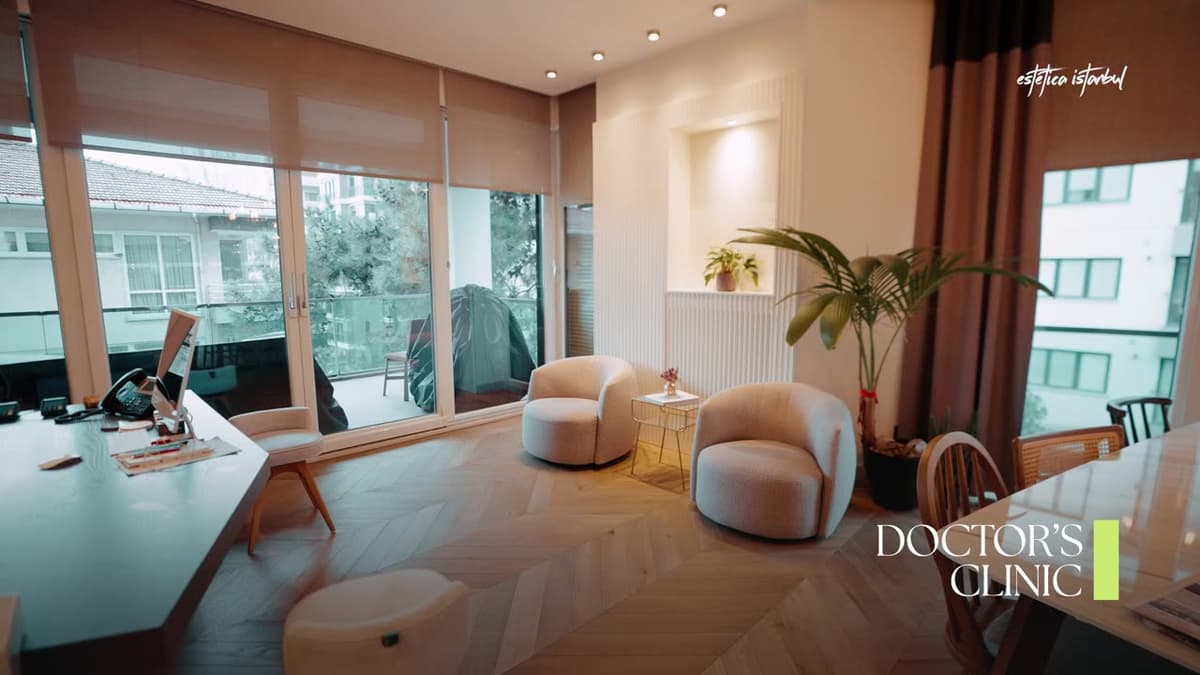
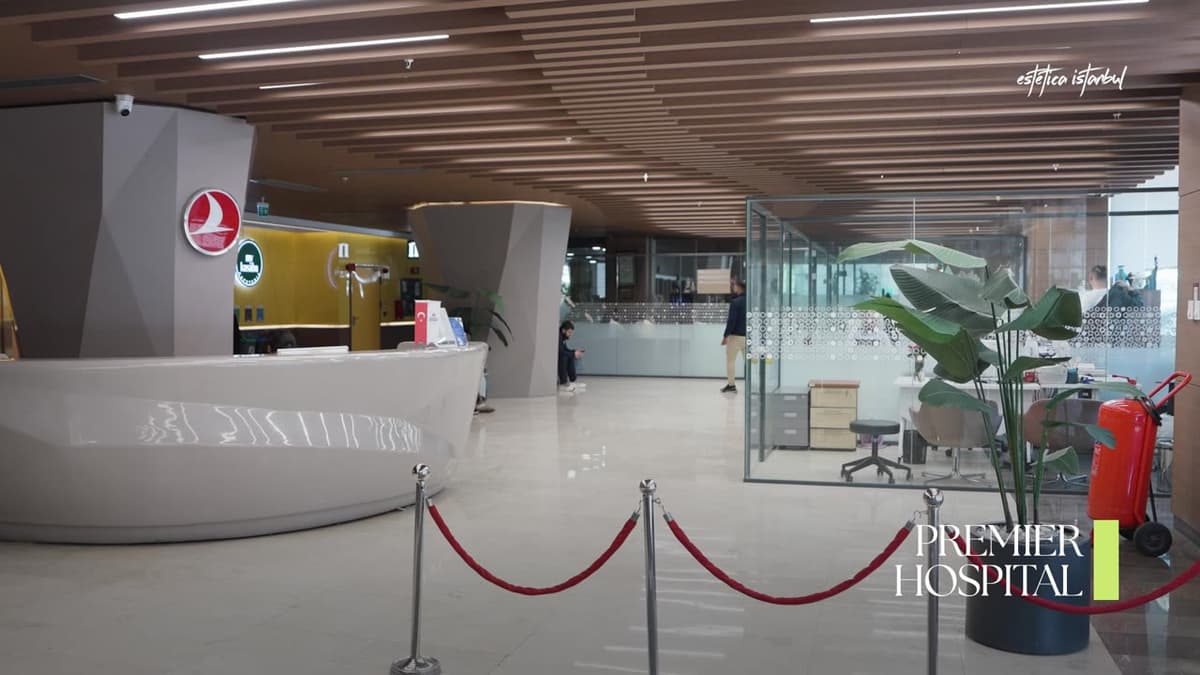
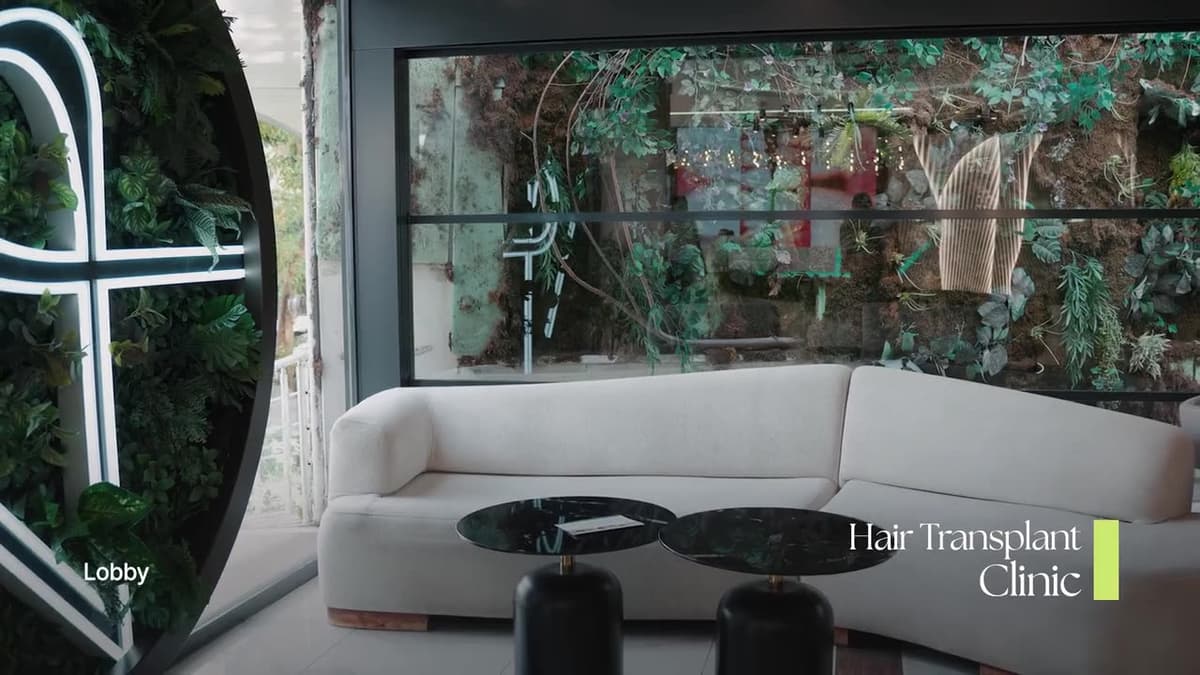
Nemokama konsultacija
Atsiųskite mums nuotraukas ir savo tikslus per WhatsApp. Peržiūrime juos su chirurgu ir per 24 valandas atsiunčiame išsamų pasiūlymą, į kurį viskas įskaičiuota. Pokalbiui užstato nereikia.
Tvarkome logistiką
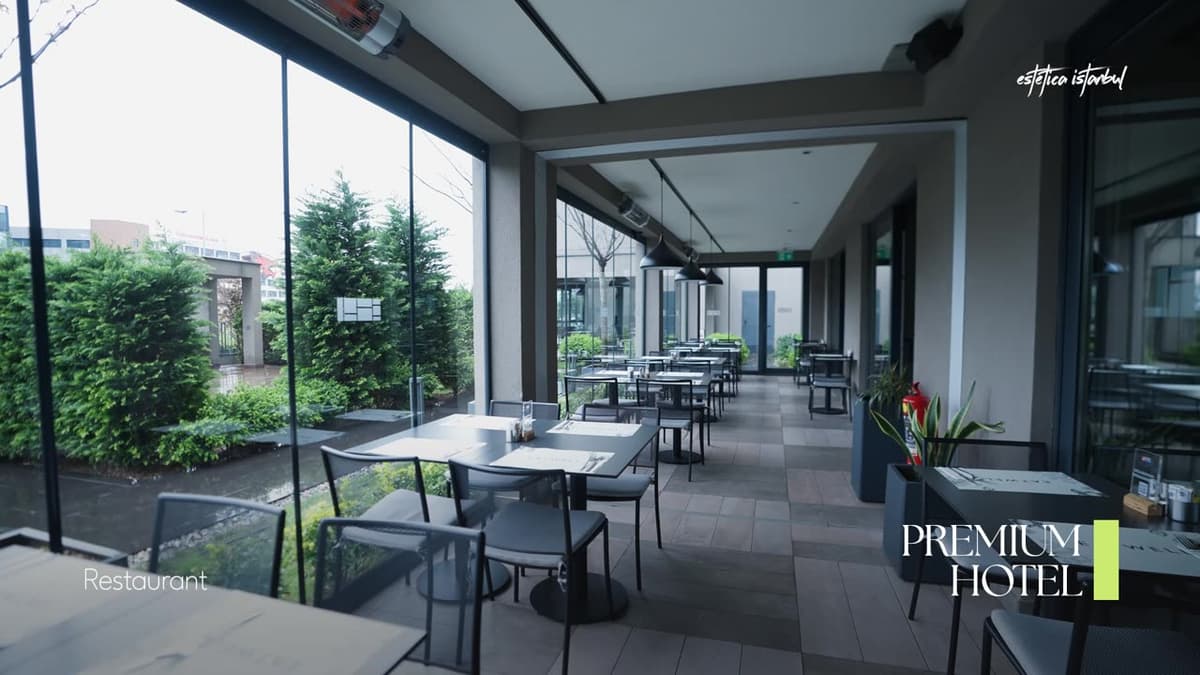
Kai apsisprendžiate, rezervuojame jūsų skrydžius, viešbutį ir VIP pervežimus. Priešoperaciniai tyrimai, priėmimas į ligoninę, jūsų kalba kalbanti pagalba — viskas sutvarkyta prieš jums nusileidžiant.
Operacija JCI akredituotoje ligoninėje
Jūsų operacija vyksta pilnai akredituotoje ligoninėje — atskiros anestezijos ir slaugos komandos, intensyvi terapija tame pačiame aukšte, tarptautiniai saugumo standartai. Niekada ne užkampio dienos klinikoje.
Specializuotos klinikos šypsenai ir plaukams
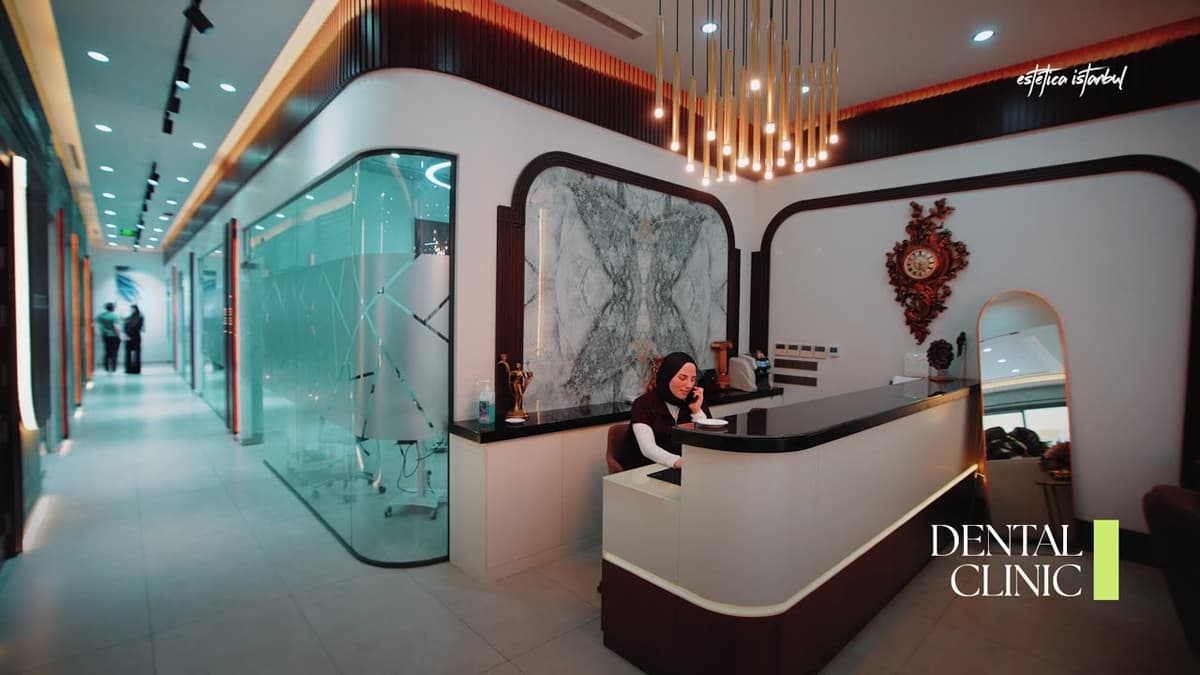
Nechirurginės procedūros atliekamos tam skirtose vietose — mūsų partnerės odontologijos klinikoje laminatams, karūnėlėms ir implantams bei partnerės plaukų atkūrimo klinikoje transplantacijoms. Kiekvieną valdo komandos, kurios daro tik tai, kiekvieną dieną.
Atsigavimas, stebėjimas ir jūsų šypsena
Atsigaunate viešbutyje su medicinos priežiūra vietoje, tada skrendate namo. Nuotoliniu būdu jus stebime ištisus metus — o iškilus komplikacijai padengiame nuotolines konsultacijas su chirurgu ir, retais atvejais, korekcinę operaciją — su Antwell patobulinimu.
Nemokama konsultacija
Atsiųskite mums nuotraukas ir savo tikslus per WhatsApp. Peržiūrime juos su chirurgu ir per 24 valandas atsiunčiame išsamų pasiūlymą, į kurį viskas įskaičiuota. Pokalbiui užstato nereikia.
Tvarkome logistiką
Kai apsisprendžiate, rezervuojame jūsų skrydžius, viešbutį ir VIP pervežimus. Priešoperaciniai tyrimai, priėmimas į ligoninę, jūsų kalba kalbanti pagalba — viskas sutvarkyta prieš jums nusileidžiant.
Operacija JCI akredituotoje ligoninėje
Jūsų operacija vyksta pilnai akredituotoje ligoninėje — atskiros anestezijos ir slaugos komandos, intensyvi terapija tame pačiame aukšte, tarptautiniai saugumo standartai. Niekada ne užkampio dienos klinikoje.
Specializuotos klinikos šypsenai ir plaukams
Nechirurginės procedūros atliekamos tam skirtose vietose — mūsų partnerės odontologijos klinikoje laminatams, karūnėlėms ir implantams bei partnerės plaukų atkūrimo klinikoje transplantacijoms. Kiekvieną valdo komandos, kurios daro tik tai, kiekvieną dieną.
Atsigavimas, stebėjimas ir jūsų šypsena
Atsigaunate viešbutyje su medicinos priežiūra vietoje, tada skrendate namo. Nuotoliniu būdu jus stebime ištisus metus — o iškilus komplikacijai padengiame nuotolines konsultacijas su chirurgu ir, retais atvejais, korekcinę operaciją — su Antwell patobulinimu.
Kas įskaičiuota
Neįskaičiuota
Dažnai užduodami klausimai
Kiek trunka ausų korekcijos operacija?
Kada vaikams galima atlikti ausų operaciją Stambule?
Koks yra atsigavimas po ausų korekcijos?
Kiek kainuoja otoplastika Stambule?
Ar randai bus matomi po ausų operacijos?
Ar ausų korekcijos rezultatai yra ilgalaikiai?
Ar ausų korekciją gali atlikti ir suaugusieji?


Tolesnis skaitymas
 nuo 3 190 €
Skrydis po rinoplastikos: ką iš tikrųjų daro slėgis salone
Slėgis salone nepakenks gyjančiai nosiai. Patinimas, sausas oras ir atstumas iki chirurgo – tikrosios priežastys palaukti. Štai skaičiai ir kada rezervuoti skrydį namo.
 nuo 3 190 €
Rinoplastikos kaina: Turkija vs Jungtinė Karalystė vs JAV vs Vokietija vs Italija (2026 m. palyginimas)
Rinoplastika Turkijoje kainuoja nuo 3.190 € su viskuo įskaičiuota, palyginti su £4.000–£7.500 Jungtinėje Karalystėje, vidutiniu 7.637 $ chirurgo honoraru JAV, 3.000–9.000 € Vokietijoje ir apie 6.065 € Italijoje. Štai išsamus 2026 m. palyginimas pagal šalis.
 nuo 3 190 €
Pakartotinė rinoplastika Turkijoje: kaina, laikas ir kaip pasirinkti
Pakartotinė rinoplastika Turkijoje įkainojama nuo €3,190 pirminės operacijos bazės ir aukščiau. Kodėl ji kainuoja daugiau, kada palaukti 12 mėnesių ir kaip pasirinkti specialistą.