
Dešimčia metų jaunesni. Ir niekas nesupras kodėl.
SMAS / gilaus sluoksnio veido lifingas JCI akredituotoje Stambulo ligoninėje — toks pats tarptautinis ligoninės standartas, už dalį Vakarų Europos kainos. Viskas įskaičiuota nuo 3 750 €. Daugiau nei 1 500 pacientų.
nuo3 750 €$4,350£3,230CA$6,040A$6,110NZ$7,430· Viskas įskaičiuota
Štai ką tiksliai gaunate.
Bendra vertė
10 600 €$12,300£9,120CA$17,070A$17,280NZ$20,990
Jūsų kaina
3 750 €$4,350£3,230CA$6,040A$6,110NZ$7,430
Viskas įskaičiuota
Invoiced in EUR (3 750 €) at current bank rate
Patobulinimas iki prabangaus Antwell apartamento — baseinas, SPA, hamamas, sporto salė ir slaugos punktas 24/7 — 40 €$50£30CA$60A$70NZ$80/naktį
Jūsų užstatas užfiksuoja kainą ir operacijos datą. Likutis sumokamas Stambule. Jokių paslėptų mokesčių.
Prieš ir po
Pasitiki 1 500+ tarptautinių pacientų
Galioja iki 2026 m. lapkričio 1 d.
2026 metu kainos galioja kiekvienam uzsakymui, kurio uzstatas sumoketas iki 2026 m. lapkricio 1 d. Nuo lapkricio 2 d. taikomos musu 2027 metu kainos. Uzstatas grazinamas tol, kol nerezervuotas skrydis.
Gaukite nemokamą konsultaciją
Mūsų partnerių medicinos komanda peržiūrės jūsų atvejį ir per 24 valandas atsiųs asmeninį gydymo planą.
Ką sako mūsų pacientai
Kelios dienos. Sutvarkyta nuo A iki Z.
1 diena
Jūs nusileidžiate. Mes perimame.
VIP pasitikimas oro uoste. Registracija. Konsultacija su chirurgu — veido analizė, planas, klausimai.
2 diena
Operacijos diena.
Priešoperaciniai kraujo tyrimai JCI ligoninėje. Procedūra taikant bendrąją nejautrą. Naktis ligoninėje su 1:1 slauga.
3 diena
Lengvas pasveikimas.
Pervežimas į viešbutį. Pirmoji patikra ir tvarsčių keitimas. Poilsis. Koordinatorius per „WhatsApp“.
4–5 dienos
Jūs ilsitės. Mes stebime.
Antroji patikra. Patinimas atslūgsta. Neprivaloma rami išvyka po Stambulą, kai pasijusite pasirengę.
6 diena
Baigiamoji patikra. Skrydis namo.
Baigiamoji apžiūra. Pasveikimo planas raštu. VIP pervežimas į oro uostą. Stebėsena 12 mėnesių.
Meet our surgeons
Akın İnalöz
MD, Board-Certified Plastic Surgeon
Mustafa Ekrem Güleş
Op. Dr., Board-Certified Plastic Surgeon
Tiber Menteşe
Op. Dr., Board-Certified Plastic Surgeon
Jūsų kelionė. Mūsų rankos.
Nuo pirmos žinutės iki skrydžio namo — logistiką tvarkome mes. Jūs susitelkiate į rezultatą, dėl kurio atvykote.
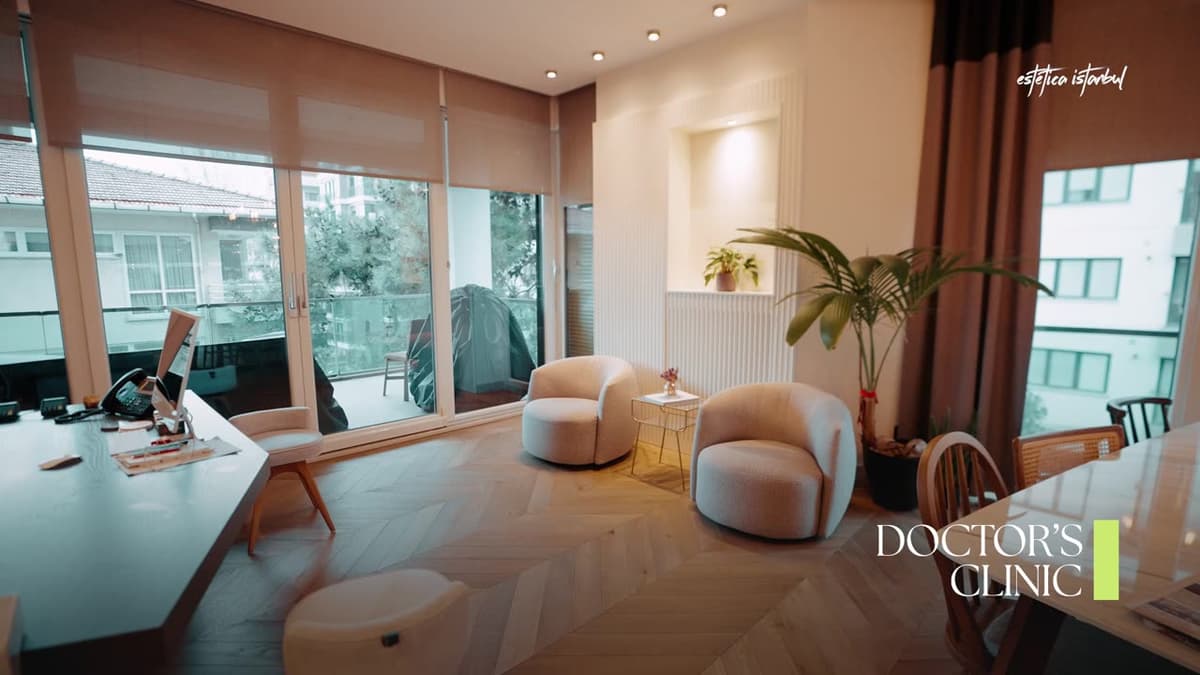
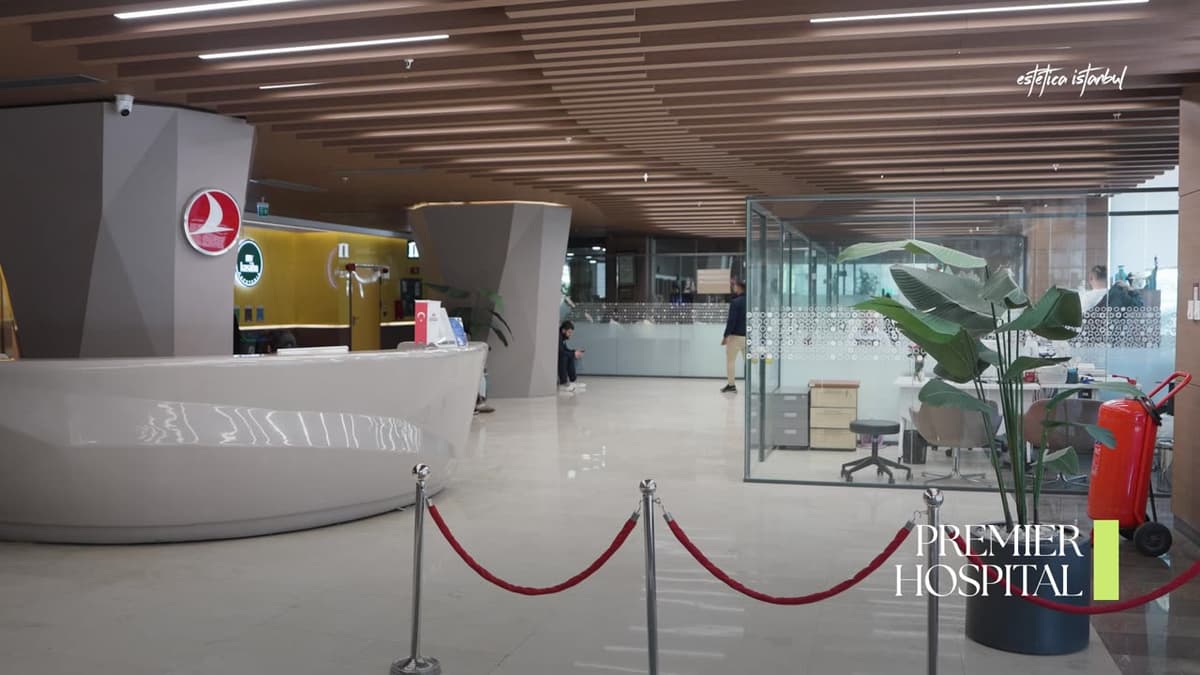
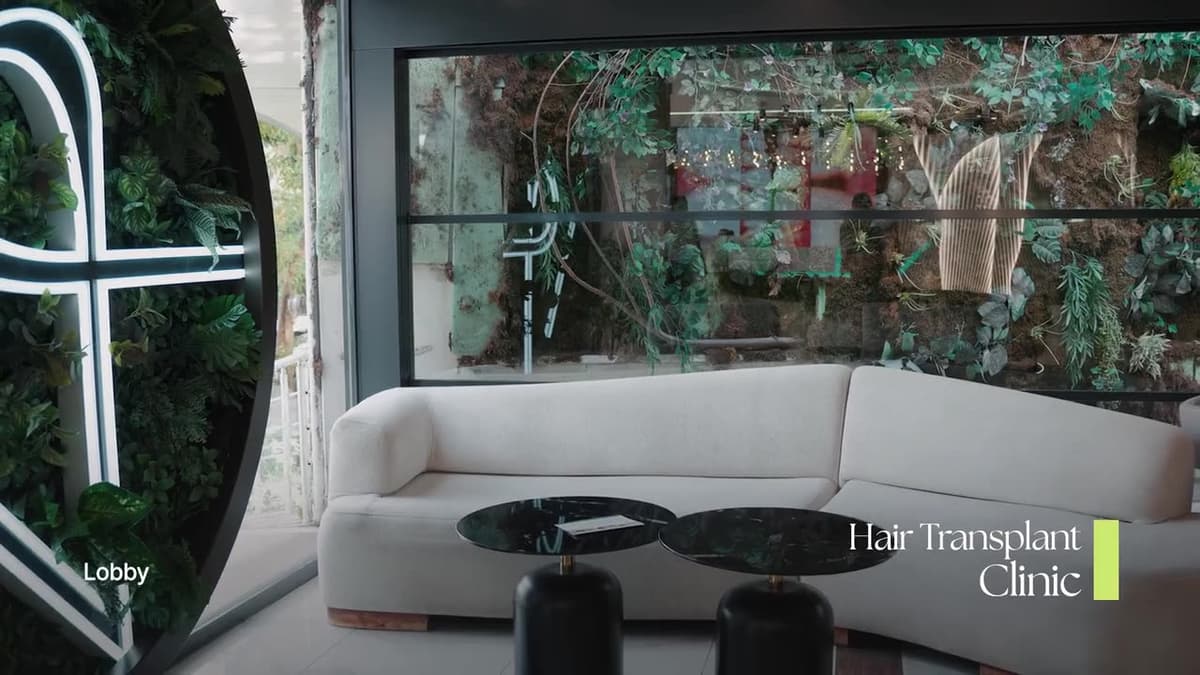
Nemokama konsultacija
Atsiųskite mums nuotraukas ir savo tikslus per WhatsApp. Peržiūrime juos su chirurgu ir per 24 valandas atsiunčiame išsamų pasiūlymą, į kurį viskas įskaičiuota. Pokalbiui užstato nereikia.
Tvarkome logistiką
Kai apsisprendžiate, rezervuojame jūsų skrydžius, viešbutį ir VIP pervežimus. Priešoperaciniai tyrimai, priėmimas į ligoninę, jūsų kalba kalbanti pagalba — viskas sutvarkyta prieš jums nusileidžiant.
Operacija JCI akredituotoje ligoninėje
Jūsų operacija vyksta pilnai akredituotoje ligoninėje — atskiros anestezijos ir slaugos komandos, intensyvi terapija tame pačiame aukšte, tarptautiniai saugumo standartai. Niekada ne užkampio dienos klinikoje.
Specializuotos klinikos šypsenai ir plaukams
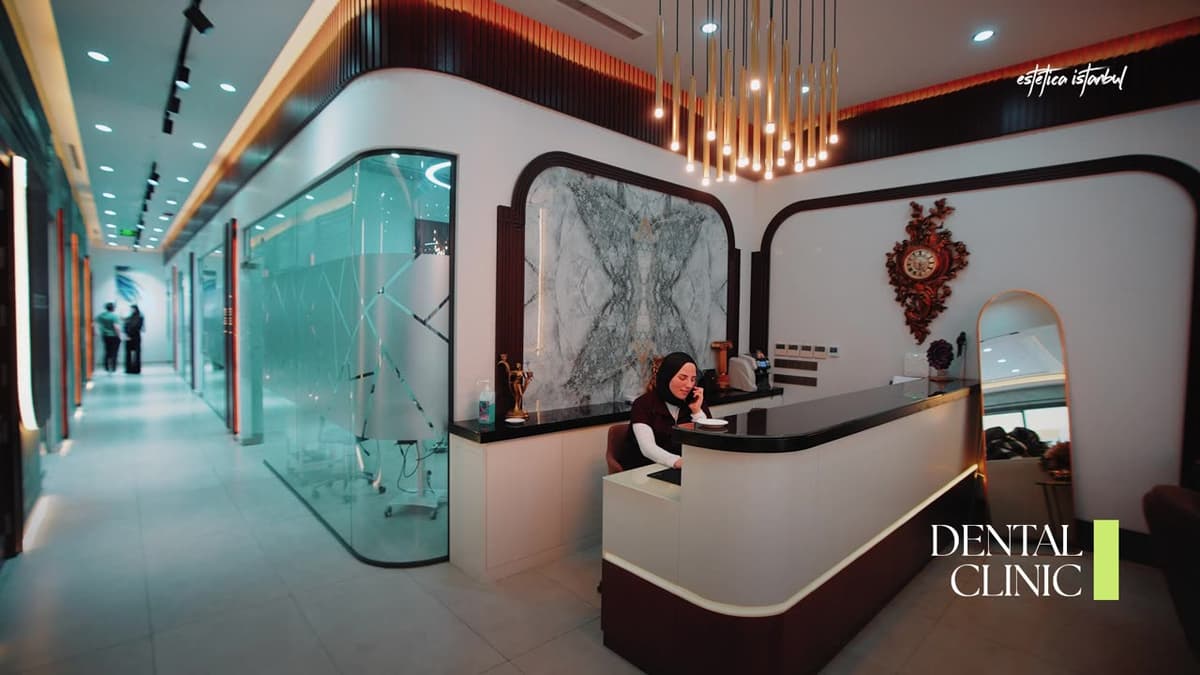
Nechirurginės procedūros atliekamos tam skirtose vietose — mūsų partnerės odontologijos klinikoje laminatams, karūnėlėms ir implantams bei partnerės plaukų atkūrimo klinikoje transplantacijoms. Kiekvieną valdo komandos, kurios daro tik tai, kiekvieną dieną.
Atsigavimas, stebėjimas ir jūsų šypsena
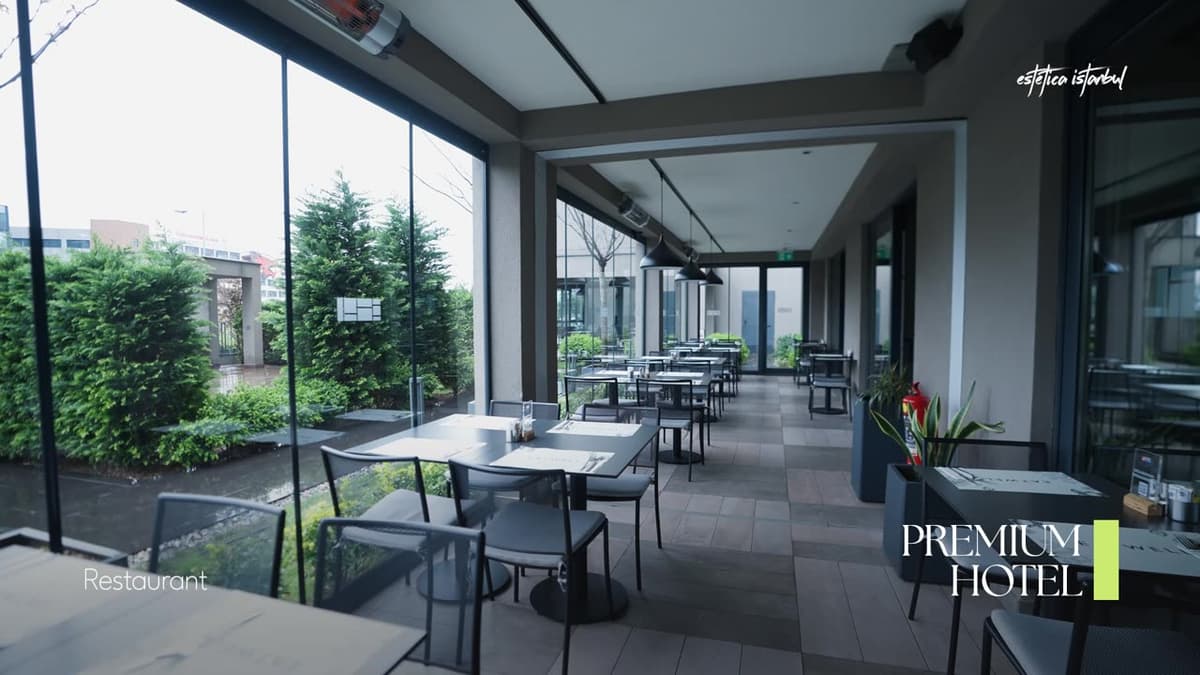
Atsigaunate viešbutyje su medicinos priežiūra vietoje, tada skrendate namo. Nuotoliniu būdu jus stebime ištisus metus — o iškilus komplikacijai padengiame nuotolines konsultacijas su chirurgu ir, retais atvejais, korekcinę operaciją — su Antwell patobulinimu.
Nemokama konsultacija
Atsiųskite mums nuotraukas ir savo tikslus per WhatsApp. Peržiūrime juos su chirurgu ir per 24 valandas atsiunčiame išsamų pasiūlymą, į kurį viskas įskaičiuota. Pokalbiui užstato nereikia.
Tvarkome logistiką
Kai apsisprendžiate, rezervuojame jūsų skrydžius, viešbutį ir VIP pervežimus. Priešoperaciniai tyrimai, priėmimas į ligoninę, jūsų kalba kalbanti pagalba — viskas sutvarkyta prieš jums nusileidžiant.
Operacija JCI akredituotoje ligoninėje
Jūsų operacija vyksta pilnai akredituotoje ligoninėje — atskiros anestezijos ir slaugos komandos, intensyvi terapija tame pačiame aukšte, tarptautiniai saugumo standartai. Niekada ne užkampio dienos klinikoje.
Specializuotos klinikos šypsenai ir plaukams
Nechirurginės procedūros atliekamos tam skirtose vietose — mūsų partnerės odontologijos klinikoje laminatams, karūnėlėms ir implantams bei partnerės plaukų atkūrimo klinikoje transplantacijoms. Kiekvieną valdo komandos, kurios daro tik tai, kiekvieną dieną.
Atsigavimas, stebėjimas ir jūsų šypsena
Atsigaunate viešbutyje su medicinos priežiūra vietoje, tada skrendate namo. Nuotoliniu būdu jus stebime ištisus metus — o iškilus komplikacijai padengiame nuotolines konsultacijas su chirurgu ir, retais atvejais, korekcinę operaciją — su Antwell patobulinimu.
Sutaupykite iki 78% Stambule
Tipinės kainos su viskuo įskaičiuota pagal šalį. Šaltiniai: ASPS, RealSelf, pagrindiniai JK/JAV klinikų įkainiai, 2025.
Turkija (Stambulas)
nuo 3 750 €$4,350£3,230CA$6,040A$6,110NZ$7,430
sutaupote 78%
Jungtinė Karalystė
nuo 14 500 €$16,820£12,470CA$23,350A$23,640NZ$28,710
Jungtinės Valstijos
nuo 17 000 €$19,720£14,620CA$27,370A$27,710NZ$33,660
Italija
nuo 11 500 €$13,340£9,890CA$18,520A$18,750NZ$22,770
Vokietija
nuo 12 000 €$13,920£10,320CA$19,320A$19,560NZ$23,760









Apie mus rašė
Pirmaujančių tarptautinių žiniasklaidos priemonių publikacijos


Estetica pažadas
Jūs patikite mums savo veidą, savo laiką ir savo pinigus. Štai ką pažadame mainais — raštu, dar prieš Jums įlipant į lėktuvą.
Operacija tik ligoninėje — niekada klinikoje
Jūsų veido lifingas atliekamas JCI akredituotoje ligoninėje su intensyviosios terapijos skyriumi tame pačiame aukšte.
12 mėnesių korekcijos sąlyga
Jei per 12 mėnesių rezultatas neatitiks sutarto plano, atliekame korekciją — be jokių chirurginių ar ligoninės mokesčių.
Fiksuota kaina, viskas įskaičiuota
Kokia kaina nurodyta, tokią ir mokate. Jokių priemokų, jokio pardavinėjimo. Raštu. Pasirašyta. Užstatas grąžinamas, kol nerezervuotas skrydis.
— Raštu. Pasirašyta. — Estetica Istanbul ir mūsų partnerių chirurgų komandos vardu.
Dažnai užduodami klausimai
Kuo skiriasi tradicinis veido pakėlimas nuo mini veido pakėlimo?
Kiek laiko išlieka veido pakėlimo rezultatai?
Ar veido pakėlimo randai bus matomi?
Kaip greitai galiu grįžti prie įprastos veiklos po veido pakėlimo?
Ar veido pakėlimo operacija skausminga?
Ar galiu derinti veido pakėlimą su kitomis kosmetinėmis procedūromis?
Kokių komplikacijų gali kilti po veido pakėlimo operacijos?
Kiek kainuoja veido pakėlimo operacija Stambule?
Ko turėčiau vengti prieš veido pakėlimo operaciją?
Ar dėl veido pakėlimo atrodysiu nenatūraliai ar „pertemptai“?
Gaukite nemokamą konsultaciją
Mūsų partnerių medicinos komanda peržiūrės jūsų atvejį ir per 24 valandas atsiųs asmeninį gydymo planą.
Viskas, ką reikia žinoti
Veido pakėlimas – kliniškai vadinamas ritidektomija – repozicionuoja giliuosius vidurinės veido dalies ir kaklo audinius, kurie laikui bėgant nusileidžia, ir pašalina po to atsirandantį odos perteklių. Tai veiksmingiausia operacija veidui grąžinti pailsėjusią, dešimt–penkiolika metų jaunesnę išvaizdą, o rezultatas turi atrodyti natūraliai – niekada pertemptas, niekada „padarytas“.
Šiuolaikinė veido pakėlimo operacija ne stangrina odą: ji repozicionuoja gilųjį struktūrinį sluoksnį (SMAS ir po juo esantį planą). Vien odos tempimas kaip tik ir sukūrė įtemptus, nenatūralius veidus 1980-ųjų ir 1990-ųjų žurnaluose – ir būtent to informuotas pacientas nenori. Grąžinus gilųjį planą į vietą, skruostams atkuriamas tūris, o žandikaulio linijai – kontūras be paviršiaus įtempimo. Rezultatas – atrodote pailsėję, o ne perdaryti.
Kiekvienas mūsų partnerių chirurgų atliekamas veido pakėlimas – ir kiek jis kainuoja
Nėra vienos operacijos, vadinamos „veido pakėlimu“. Yra pakopos – nuo trumpo rando pakėlimo, trunkančio valandą, iki kombinuoto paketo, per vieną narkozę atkuriančio antakius, akių vokus, vidurinę veido dalį ir kaklą. Žemiau pateikiame visas pakopas su kainomis, kurias iš tiesų taikome, kad prieš kalbėdami su bet kuo galėtumėte suprasti, kurioje vietoje esate. Kiekviena suma yra viską apimanti paketo kaina – chirurgas, ligoninė, anestezija, nakvynės viešbutyje ir pervežimai – eurais, be skrydžių. Kurios operacijos jums reikia, sprendžiama iš jūsų nuotraukų, o ne iš šio puslapio.
Mini veido pakėlimas, trumpo rando pakėlimas – nuo 3 750 €
Trumpesni pjūviai, mažesnė audinių atsklaida, greitesnis sveikimas – operacija sprendžia tik žandikaulio linijos ir apatinės veido dalies problemas. Geras pasirinkimas 40-ies vidurio sulaukusiems, kai atsipalaidavimas dar ankstyvas, o kaklas tvarkingas. Ji nepakeičia pilno veido pakėlimo, kai įtrauktas ir kaklas: tokiu atveju sąžiningai pasakome, kad mini jums nepakaks. Tai žemiausia šio puslapio kaina ir dažniausiai mūsų partnerių operacinėse atliekamas pakėlimas.
Antakių, skruostų ir smakro lanko pakėlimas – 4 420 €
Trijų zonų viršutinės ir vidurinės veido dalies pakėlimas: antakių padėtis, skruostų atrama ir smakro lankas, neliečiant kaklo. Tinka veidui, kurio vidurinis trečdalis nusileido, bet žandikaulio linija dar laikosi – paprastai nuo 40-ies pabaigos iki 50-ies vidurio. Atlieka Akın İnalöz, Barış Kanık, Tiber Menteşe, Narmin Mammadova arba Mustafa Ekrem Güleş – priklausomai nuo laisvo laiko ir nuo to, kas geriausiai atitinka jūsų anatomiją.
Midi veido pakėlimas su kaklo pakėlimu – 4 420 €
Midi pakėlimas apima apatinius du trečdalius ir tos pačios narkozės metu derinamas su kaklu. Tai dažniausias derinys, kurį rezervuojame vyresniems nei 50 metų pacientams, nes kaklas beveik visada išduoda amžių anksčiau nei veidas. Ta pati kaina kaip ir aukščiau aprašyto trijų zonų pakėlimo, tačiau sprendžiama kitokia anatomija – pasirinkimas tarp jų yra klinikinis, o ne komercinis.
Pilnas veido ir kaklo pakėlimas – nuo 5 060 € iki 6 120 €
Visa apimanti operacija: veidas ir kaklas per vieną seansą, gilus struktūrinis repozicionavimas, šešios naktys. Kaina priklauso nuo chirurgo, o ne nuo to, ką gaunate – 5 060 € pas Tiber Menteşe, 5 220 € pas Barış Kanık, 5 460 € pas Mustafa Ekrem Güleş, 5 820 € pas Ulaş Metin. Kiekvienas jų – sertifikuotas plastikos chirurgas, dirbantis ligoninėje, turinčioje tarptautinę sveikatos turizmo licenciją. Pasakysime, kuris iš jų turi stipriausią patirtį būtent su jūsų veidu, užuot siūlę pigiausią laiką.
Endoskopinis veido pakėlimas – nuo 4 650 € iki 5 620 €
Atliekamas per mažus pjūvius su kamera, o ne atvira atsklaida – todėl mažesnis patinimas ir greitesnis grįžimas į viešumą, tačiau ir mažesnė keliamoji galia esant pažengusiam nusileidimui. 4 650 € už endoskopinį mini ir 5 620 € už endoskopinį antakių, skruostų ir smakro pakėlimą pas Akın İnalöz. Verta pasiteirauti, jei nusileidimas vidutinis, o jūsų kalendorius įtemptas.
Kombinuoti paketai – nuo 5 690 € iki 10 060 €
Tiber Menteşe sudaro juos pagal poreikį, ir būtent dėl to daugelis pacientų keliauja vieną kartą, o ne tris. Pakopos prasideda nuo 5 690 € už midi ir mini veido pakėlimą kartu, toliau – 6 490 € su smilkinių pakėlimu, 7 060 € įtraukiant kaklą, 8 760 € pridėjus antakių, smilkinių ir pilną vokų pakėlimą, iki 10 060 € už visą paketą – antakių pakėlimas, smilkinių pakėlimas, pilnas viršutinių ir apatinių vokų pakėlimas, midi ir mini veido pakėlimas, kaklo pakėlimas bei veido riebalų injekcijos per vieną narkozę, aštuonios naktys. Vienas sveikimas, vienas skrydis, vienas randų brendimo laikotarpis.
Pakartotinis veido pakėlimas – 8 920 €
Antra operacija veidui, jau pakeltam kitur – randų atlaisvinimas, audinių, kurie buvo tempti, o ne perstruktūrinti, repozicionavimas, per stipriai įtempto ar asimetriško rezultato korekcija. Šiuos atvejus imasi Ulaş Metin. Tai kainuoja daugiau nei pirminis veido pakėlimas, nes trunka ilgiau ir kelia didesnę riziką, todėl prieš pateikdami bet kokią kainą peržiūrime jūsų operacijos protokolą. Jei rezultatas, kuris jums nepatinka, dar tik pusės metų senumo, paprastai patarsime palaukti.
Vien kaklo pakėlimas – nuo 3 620 €, smilkinių pakėlimas – 3 650 €
Abi operacijos atliekamos ir atskirai – pacientams, kuriems reikia vienos zonos, o ne viso veido. Kaklo pakėlimas sprendžia platizmos juostų, pasmakrės riebalų ir atsipalaidavusios odos problemas, prireikus galima pridėti kaklo liposukciją. Smilkinių pakėlimas per plaukų liniją pakelia išorinį antakio galą ir akies kampą, atveriant viršutinį veido trečdalį; tai mažiausiai invazinė pakopa šiame sąraše ir dažniausiai prie kažko kito pridedama procedūra.
„Deep-plane“ ir SMAS – technika, o ne atskiras produktas
„Deep-plane“ ir SMAS apibūdina, kaip giliai po oda dirba chirurgas, o ne kitą operaciją, kurią galima nusipirkti. Gilusis planas, esantis po SMAS, atlaisvinamas ir repozicionuojamas kaip vientisas vienetas – taip atkuriamas vidurinės veido dalies tūris ir ilgam bei natūraliai iš naujo apibrėžiama žandikaulio linija; SMAS pakėlimas yra konservatyvesnė atsklaida tame pačiame struktūriniame sluoksnyje, tinkanti vidutiniam atsipalaidavimui ir trumpesniam sveikimui. Šiuolaikinė veido pakėlimo chirurgija odos nestangrina – vien odos tempimas kaip tik ir sukuria tą nutemptą, „padarytą“ išvaizdą, kurios žmonės bijo. Kurią iš aukščiau išvardytų operacijų bepasirinktumėte, jūsų chirurgas dirbs būtent tame struktūriniame sluoksnyje; technika įskaičiuota į kainą, o ne parduodama kaip priedas.
Kam tinka veido pakėlimas
Idealus kandidatas turi žandikaulio liniją, praradusią kontūrą (pakabusius skruostus), atsipalaidavusią kaklo odą, skruostų tūrio praradimą ir vidurinės veido dalies nusileidimą. Mūsų partnerių chirurgų operuojami pacientai paprastai yra 45–68 metų, geros sveikatos, operacijos metu nerūkantys, turintys realistiškus lūkesčius, ką operacija gali ir ko negali pakeisti.
Dažniausios indikacijos – žandikaulio linijos nusileidimas su ovalo kontūro praradimu, atsipalaidavusi oda ir matomos platizmos juostos kakle, vidurinės veido dalies suplokštėjimas ir nasolabialinių raukšlių pagilėjimas bei realistiškas lūkestis atrodyti pailsėjusiam, o ne tapti kitu žmogumi.
Veido pakėlimas nepagerina odos paviršiaus kokybės – tono, pigmentacijos, saulės pažeidimų – tam reikia lazerių ar cheminių pilingų, kuriuos galime suplanuoti kartu. Jis nekeičia kaulų struktūros. Jis atkuria padėtį ir proporciją, nei daugiau, nei mažiau.
Mūsų taikomos technikos
„Deep-plane“ veido pakėlimas
Mūsų pageidaujama technika daugeliu atvejų. Gilusis planas po SMAS atlaisvinamas ir repozicionuojamas kaip vienetas: rezultatas atkuria vidurinės veido dalies tūrį ir iš naujo apibrėžia žandikaulio liniją ilgai ir natūraliai. Pjūviai eina aplink ausį, po plaukų linija ir už ausies kaušelio, todėl subrendę jie praktiškai nematomi.
Būtent ši technika ir sudaro skirtumą, palyginti su „pertemptais“ rezultatais, kurių žmonės bijo. Ji reikalauja specialisto patirties – tai procedūra, kurios neimprovizuojama – ir dėl to informuoti pacientai ieško klinikų, kurios ją iš tikrųjų atlieka, o ne klinikų, kurios ją tik mini savo reklamoje.
SMAS veido pakėlimas
Konservatyvesnė disekcija, kuri vis tiek dirba su struktūriniu sluoksniu, neįeinant į gilųjį planą. Tinka pacientams su vidutiniu odos atsipalaidavimu ir visiems, kurie renkasi trumpesnį atsigavimą. Puikus rezultatas tinkamais atvejais, tačiau mažiau galingas nei „deep-plane“, kai nusileidimas pažengęs.
Mini veido pakėlimas / trumpo rando pakėlimas
Trumpesni pjūviai, sumažinta disekcija, greitesnis atsigavimas – tačiau operacija sprendžia tik žandikaulio liniją ir apatinę veido dalį. Geras pasirinkimas pacientams, vyresniems nei 45 metų, su ankstyvu odos atsipalaidavimu ir dar tvarkingu kaklu. Ji nepakeičia pilno veido pakėlimo, kai įtrauktas kaklas: tokiu atveju sąžiningai sakome „mini jums nepakaks“.
Kaklo pakėlimas
Atskira kaklo operacija, kuri gali būti atliekama kaip pilno veido pakėlimo dalis arba kaip atskira procedūra. Ji sprendžia platizmos juostas, pasmakrės riebalus ir atsipalaidavusią kaklo odą. Daugeliui vyresnių nei 55 metų pacientų kaklas yra ta sritis, kuri „išduoda“ amžių anksčiau nei veidas – ir kaklo pakėlimas išsprendžia būtent tai.
Operacija žingsnis po žingsnio
Veido pakėlimas atliekamas taikant bendrinę anesteziją JCI akredituotoje ligoninėje, dalyvaujant paskirtam anesteziologui visą laiką. Trukmė – nuo trijų iki penkių valandų, priklausomai nuo apimties. Standartiškai lieka viena nakvynė ligoninėje.
Pjūviai daromi po plaukų linija, aplink ausį ir už ausies kaušelio – užgiję jie paslėpti, net jei plaukus susisegate aukštyn. Gilusis struktūrinis sluoksnis atlaisvinamas, repozicionuojamas ir pritvirtinamas nuolatinėmis siūlėmis. Odos perteklius pašalinamas be įtempimo – jokio „pertempto“ efekto, kuris yra matomas blogai atlikto veido pakėlimo ženklas. Pirmoms 24–48 valandoms įdedami maži drenai.
Atsigavimas
1–2 savaitės
Reikšmingas patinimas ir mėlynės pasiekia piką trečią–ketvirtą dieną, tada palaipsniui išnyksta. Pirmąją savaitę didžiąją dienos dalį dėvimas lengvas kompresinis apdaras. Miegate pakelta galva. Skausmas vidutinis – mažesnis, nei tikisi dauguma pacientų.
2–3 savaitės
Dauguma pacientų viešumoje tinkamai atrodo antrą savaitę, makiažui pridengiant likusias mėlynes. Siūlės aplink ausį pašalinamos tarp septintos ir dešimtos dienos. Daugelis pacientų grįžta į profesinę aplinką trečią savaitę – susitikimas su geru makiažu ir ausis dengiančiais plaukais, ir niekas nepastebi.
3–6 savaitės
Patinimas toliau nyksta. Jautrumas palaipsniui grįžta į normą. Randai vis dar rausvi ir bręsta.
3–12 mėnesiai
Randai subręsta iki plonų baltų linijų. Galutinis rezultatas matomas apie šeštą mėnesį ir toliau tobulėja per pirmuosius metus.
Rizikos ir realistiški lūkesčiai
Sąžiningos rizikos: hematoma (dažniausia ankstyva komplikacija, reikalaujanti skubaus valdymo), laikinas veido mimikos nervų silpnumas, ausų ir skruostų jautrumo pokyčiai ir retai asimetrija ar plaukų linijos pakitimas. Rezultatai paprastai išlieka dešimt–penkiolika metų; po operacijos veidas ir toliau natūraliai senėja.
Veido pakėlimas nesustabdo laiko. Jis pasuka jį atgal. Tai, ką perkate, yra geras dešimtmetis, kai atrodote geriau, nei atrodytumėte kitaip.
Kodėl Stambulas, o ne kitos kryptys
„Deep-plane“ technikos patirtis yra specialisto įgūdis – ne tai, ko išmokstama perskaičius protokolą. Mūsų patyrę partneriai plastikos chirurgai atlieka veido pakėlimus šiuo lygiu su apimtimi ir disciplina, reikalinga jiems atlikti gerai. Kartu su ekosistema – JCI akredituotomis ligoninėmis, patyrusia anestezija, kokybiška atsigavimo logistika – Stambulas siūlo tarptautinio lygio veido pakėlimus maždaug už trečdalį Londono, Niujorko ar Sidnėjaus kainos.
Dr. Mustafa Ekrem Güleş kliniškai patvirtina kiekvieną pacientą prieš operaciją. Už jūsų atvejį atsakingas chirurgas pristatomas pirminės konsultacijos metu ir lydi jus nuo pradžios iki pabaigos.
Kodėl ne 2 500 € veido pakėlimas
Veido pakėlime pati žemiausia kaina palieka matomus pėdsakus ant veido – tiesiogine prasme. Klinika, siūlanti „mini veido pakėlimą“ už 2 500 €, dažnai atlieka tik odos iškirpimą su susiuvimu, neliesdama struktūrinio plano. Rezultatas: po šešių mėnesių veidas vėl karo, arba dar blogiau – tas paviršiaus „pertemptas“ efektas, kurio norėjote išvengti. Kaklo srityje pigios klinikos dažnai nedaro nieko – o būtent kaklas išduoda amžių anksčiau nei veidas.
Tai, už ką pas mus mokate, yra patikrinama: „deep-plane“ technika (arba gerai atliktas SMAS, kai tai jums tinkamiausias pasirinkimas), paskirtas anesteziologas visą laiką, JCI akredituota ligoninė, kaklas įtrauktas, kur reikia, stebėsena 3, 6 ir 12 mėnesį per WhatsApp anglų kalba. Moters, kuri metų metus svarstė šią operaciją, veide šie skirtumai pasireiškia kaip rezultato natūralumas ir ilgaamžiškumas.
Palyginti su kitu rinkos poliumi – veido pakėlimas JAV už 15–25 tūkst. $, „deep-plane“ Beverli Hilse ar Manhatane už 40–75 tūkst. $, privatus JK už 10–20 tūkst. £, Australijoje už 20–35 tūkst. AU$ – jūs neatsisakote standartų. Jūs mokate skirtumą tarp Turkijos ir Vakarų operacinių sąnaudų, taikant tą pačią techniką ir tos pačios klasės ligoninę.
Angliškai kalbanti komanda – diskretiška, ta pati kalba visą laiką
Mūsų komanda atsako angliškai per WhatsApp, telefonu ir el. paštu. Suprantame, kad veido pakėlimas yra intymi operacija: norite diskretiškumo, norite tiksliai žinoti, kas įvyks, ir norite jaustis suprasti. Nuo pirmojo pasiūlymo iki dvylikos mėnesių patikros visada kalbate su tuo, kuris supranta jūsų kalbą ir prisimena jūsų atvejį.
Užsisakykite nemokamą pasiūlymą – diskretiškai, tą pačią dieną. Mūsų komanda atsako JK/Airijos darbo valandomis ir antruoju laiku, apimančiu nuo JAV Rytų iki Australijos ryto.


Tolesnis skaitymas
 nuo 3 190 €
Skrydis po rinoplastikos: ką iš tikrųjų daro slėgis salone
Slėgis salone nepakenks gyjančiai nosiai. Patinimas, sausas oras ir atstumas iki chirurgo – tikrosios priežastys palaukti. Štai skaičiai ir kada rezervuoti skrydį namo.
 nuo 3 190 €
Rinoplastikos kaina: Turkija vs Jungtinė Karalystė vs JAV vs Vokietija vs Italija (2026 m. palyginimas)
Rinoplastika Turkijoje kainuoja nuo 3.190 € su viskuo įskaičiuota, palyginti su £4.000–£7.500 Jungtinėje Karalystėje, vidutiniu 7.637 $ chirurgo honoraru JAV, 3.000–9.000 € Vokietijoje ir apie 6.065 € Italijoje. Štai išsamus 2026 m. palyginimas pagal šalis.
 nuo 3 190 €
Pakartotinė rinoplastika Turkijoje: kaina, laikas ir kaip pasirinkti
Pakartotinė rinoplastika Turkijoje įkainojama nuo €3,190 pirminės operacijos bazės ir aukščiau. Kodėl ji kainuoja daugiau, kada palaukti 12 mėnesių ir kaip pasirinkti specialistą.