
Barzdos transplantacija
Barzdos transplantacija Stambule – DHI (tiesioginė plaukų implantacija) retai barzdai, ūsams ir žandenoms atkurti ar sutankinti. Grafai imami iš galvos donorinės zonos; ilgalaikis ir natūralus. Medicininė priežiūra – dr. Güleş.
nuo2 050 €$2,380£1,760CA$3,300A$3,340NZ$4,060· Viskas įskaičiuota
Medicininę peržiūrą atliko Akın İnalöz, MD, Board-Certified Plastic Surgeon· Paskutinė peržiūra:
Pasitiki 1 500+ tarptautinių pacientų
Gaukite nemokamą konsultaciją
Mūsų partnerių medicinos komanda peržiūrės jūsų atvejį ir per 24 valandas atsiųs asmeninį gydymo planą.
Sutaupykite iki 87% Stambule
Tipinės kainos su viskuo įskaičiuota pagal šalį. Šaltiniai: ASPS, RealSelf, pagrindiniai JK/JAV klinikų įkainiai, 2025.
Turkija (Stambulas)
nuo 2 050 €$2,380£1,760CA$3,300A$3,340NZ$4,060
sutaupote 87%
Jungtinė Karalystė
nuo 10 500 €$12,180£9,030CA$16,910A$17,120NZ$20,790
Jungtinės Valstijos
nuo 15 500 €$17,980£13,330CA$24,960A$25,270NZ$30,690
Italija
nuo 7 000 €$8,120£6,020CA$11,270A$11,410NZ$13,860
Vokietija
nuo 8 000 €$9,280£6,880CA$12,880A$13,040NZ$15,840
Trukmė
4–6 hours
Anestezija
Local anesthesia
Buvimas ligoninėje
Day procedure
Grįžimas į darbą
2–3 days
Atsigavimo laikas
7–10 days
Rezultatai matomi
6–9 months
Trumpai
- Kas tai?
- Barzdos transplantacija Stambule – DHI technika retai ar netolygiai barzdai, ūsams ir…
- Kaina
- €2,050 — viskas įskaičiuota: chirurgas, ligoninė, viešbutis, pervežimai ir priežiūra; skrydžiai neįskaičiuoti
- Atsigavimas
- 7–10 days
- Sauga ir rizika
- Atliekama JCI akredituotose Stambulo ligoninėse. Medicininį turinį peržiūrėjo dr. Mustafa Ekrem Güleş. Kiekviena procedūra turi tam tikrą riziką — konsultacijos metu sąžiningai aptarsime tinkamumą ir galimas komplikacijas.
Barzdos transplantacija yra plaukų atkūrimo procedūra, skirta specialiai barzdos, ūsų ir žandenų zonoms. Taikant DHI (tiesioginės plaukų implantacijos) techniką, transplantai paimami iš galvos odos donorinės zonos ir po vieną įsodinami į barzdos sritį tiksliai tokiu kampu, kryptimi ir tankiu, kokių reikia natūraliam rezultatui. Rezultatas yra nuolatinis – persodinti folikulai išlaiko savo donorinės vietos augimo savybes (nuolatinis augimas visą gyvenimą), tačiau tankiu ir tekstūra prisitaiko prie veido konfigūracijos.
Tai vis dažniau pageidaujama procedūra tarp 25–45 metų anglakalbių šalių vyrų – tiek dėl genetiškai retos barzdos (dažniausias atvejis), tiek dėl randų nuo aknės, traumos ar židininės alopecijos, palikusios matomas plikas dėmes kitaip pilnoje barzdoje.
Kam tinka barzdos transplantacija
Tinkamas kandidatas yra vyras, paprastai 25 metų ar vyresnis (palaukus, kol paaiškės barzdos augimo potencialas – kai kuriems vyrams barzda toliau pilnėja iki maždaug 25 metų), su genetiškai reta ar netolygiai augančia barzda, su randais susijusiomis plikomis dėmėmis nuo aknės ar traumos, barzdos zoną paveikiančia židinine alopecija (paprastai po bent 12 mėnesių stabilios būklės be aktyvių paūmėjimų) arba neišsivysčiusiomis žandenomis ar ūsais; turi pakankamą galvos odos donorinį tankį planuojamam paėmimui (paprastai bent vidutinį plaukų tankį galvos užpakalinėje dalyje); turi realių lūkesčių (rezultatas atrodo natūraliai, bet nėra toks pat kaip genetiškai pilna barzda – kampas ir tankis gali būti puikūs, tačiau individuali plaukų tekstūra priklauso nuo donorinės zonos).
Pacientai su aktyvia židinine alopecija, nesant stabilios remisijos, aktyvia akne barzdos zonoje arba polinkiu į keloidinius randus turėtų atidėti procedūrą arba ją permąstyti – tai patikriname konsultacijos metu.
DHI technika – ir kodėl ji svarbi barzdai
Plaukų transplantacijai į galvos odą tinka ir FUE, ir DHI technikos. Barzdai DHI yra gerokai pranašesnė. Štai kodėl.
Barzda yra milimetrinė zona. Kampas, kuriuo kiekvienas plaukas išeina iš odos, kinta kas milimetrą barzdos – skruostų plaukai auga į išorę ir šiek tiek žemyn; smakro plaukai auga žemyn ir į priekį; žandenų plaukai auga specifiniu kaskadiniu raštu; ūsų kampučių plaukai auga į išorę. Transplantacija, kuri nepaiso šių kampų, sukuria „žolės“ arba „pliušinės lėlės“ išvaizdą, kuri iškart atpažįstama kaip persodinta.
DHI kiekvieną transplantą įsodina Choi implantavimo rašikliu, kuris leidžia technikui valdyti ir įėjimo kampą, ir įsodinimo gylį. Iš anksto kanalo daryti nereikia. Rezultatas patyrusiose rankose – barzda, kurios kampai kiekvienoje zonoje atitinka natūralų raštą, o tankis sukalibruotas atrodyti natūraliai, o ne per tankiai.
Klinika, siūlanti FUE barzdos transplantacijai, paprastai tai daro todėl, kad DHI yra techniškai sudėtingesnė ir lėtesnė. Pirmą dieną rezultatas dažnai atrodo tankesnis, bet ilgainiui – mažiau natūralus.
Seansas žingsnis po žingsnio
Tik vietinė nejautra. Trukmė nuo šešių iki devynių valandų, priklausomai nuo reikalingų transplantų skaičiaus (barzdos procedūrai paprastai 800–2 500, palyginti su 3 000–5 000 galvos odos transplantacijai). Atliekama per vieną seansą plaukų transplantacijai specializuotoje klinikoje su medicinine priežiūra.
Pirmas etapas: donorinė zona – paprastai galvos užpakalinė ir šoninės dalys – nukerpama ir užmarinama, o transplantai paimami po vieną mikropunšu (0,7–0,8 mm). Antras etapas: transplantai rūšiuojami ir paruošiami po operaciniu mikroskopu. Trečias etapas: transplantai Choi implantavimo rašikliais įsodinami į barzdos, ūsų ir žandenų zonas pagal priešoperacinį planą, kampus ir tankį sukalibruojant kiekvienam posričiui.
Atsigavimas
1 savaitė
Ant kiekvienos implantavimo vietos susiformuoja maži šašeliai; jie nusilupa per pirmąsias septynias–dešimt dienų, odai gyjant. Nedidelis paraudimas barzdos srityje. Dvi savaites nesiskusti. Galvos odos donorinę zoną uždengia esami plaukai, ir ji nepastebimai užgyja per tris–penkias dienas. Dauguma pacientų prie įprasto darbo grįžta nuo trečios iki penktos dienos – atkreipiant dėmesį, kad pirmąją savaitę barzdos sritis bus matomai nusėta mažais šašeliais.
2–8 savaitės
Persodinti plaukai iškrenta maždaug trečią–ketvirtą savaitę. Tai tikėtina ir vadinama „šoko netekimu“ – plaukų stiebai iškrenta, bet folikulai lieka gyvybingi ir vėl užaugins plaukus. Šiuo laikotarpiu barzda atrodys retesnė nei kitą dieną po procedūros.
3–6 mėnesiai
Iš persodintų folikulų pradeda augti nauji plaukai. Barzda palaipsniui pilnėja. Iki šešto mėnesio dauguma pacientų mato maždaug 70 % galutinio rezultato.
9–12 mėnesiai
Galutinis tankis ir augimo savybės stabilizuojasi iki devinto–dvylikto mėnesio. Nuo šio momento barzdą galima normaliai skusti, kirpti ir formuoti.
Rizikos ir realūs lūkesčiai
Sąžiningai apie rizikas: gretimų natūralių barzdos plaukų šoko netekimas (paprastai atsistato per kelis mėnesius); folikulitas (nedidelė pavienių folikulų infekcija, gydoma vietine priežiūra); mažesnis nei tikėtasi transplantų išgyvenamumas, jei nesilaikoma pooperacinių nurodymų (ypač jei pacientas liečia ar judina transplantus pirmąsias septynias dienas); donorinės zonos per didelis paėmimas, jei komanda nesaugo tankio (todėl esame atsargūs dėl paimamų kiekių); nedidelis tekstūros neatitikimas tarp galvos odos donorinių plaukų ir natūralių barzdos plaukų – paprastai vizualiai nepastebimas, bet tai techninė realybė, apie kurią pasakome iš anksto.
Persodintiems plaukams rezultatas yra nuolatinis. Ko ši procedūra negali: ji negali sukurti barzdos ten, kur nebuvo jokio potencialo, negali užtikrinti virsmo iš nieko į pilną barzdą, jei donorinė zona nepakankama, ir negali pakeisti storos ar plonos plaukų tekstūros daugiau, nei nulemia donorinis folikulas.
Kodėl Stambulas, o ne kitos kryptys
Turkija yra pasaulinė plaukų transplantacijos sostinė, o mūsų partnerio klinika reguliariai atlieka barzdos transplantacijas su technikų komanda, ypač patyrusia veido plaukų kampo ir tankio kalibravime. Kainos skirtumas, palyginti su JK/JAV/Australija, yra reikšmingas, naudojama technika (DHI su Choi rašikliu) prilygsta Vakarų klinikoms arba jas pranoksta, o mūsų pooperacinė priežiūra ir parama anglų kalba yra struktūruotos.
Dr. Mustafa Ekrem Güleş teikia medicininę priežiūrą. Partnerio plaukų klinikos technikų komanda transplantacijas atlieka kas savaitę.
Kodėl ne €800 barzdos transplantacija
Barzdos transplantacijoje itin žema kaina apmokama netinkamo kampo implantavimu, sukuriančiu „pliušinės lėlės“ išvaizdą, per dideliu paėmimu iš donorinės zonos (paliekant matomas retesnes dėmes galvos užpakalinėje dalyje) ir vien FUE technika, nepritaikyta veido plaukų zonoms. Klinika, siūlanti barzdos transplantaciją už €800, dažnai paėmimą įtraukia į fabrikinį darbo srautą, praleidžia milimetrinį kampų planavimą ir neturi pooperacinės priežiūros.
Tai, už ką mokate pas mus, yra patikrinama: DHI su Choi implantavimo rašikliais, milimetrinis kampų planavimas kiekvienam posričiui, atsargus donorinės zonos paėmimas išsaugant pooperacinį tankį, su JCI partneryste teikiama klinikinė priežiūra, angliškai kalbančių specialistų stebėjimas po 3, 6 ir 12 mėnesių.
Angliškai kalbanti komanda – nuo pirmosios žinutės iki 12 mėnesių patikros
Mūsų komanda atsako angliškai per „WhatsApp“, telefonu ir el. paštu. Barzdos ataugimas turi specifinių etapų ir tikėtinų stadijų (šoko netekimas, ankstyvas ataugimas, visiškas subrendimas), kuriuos pacientams dažnai reikia aptarti – ypač nerimą keliančiais 1–4 mėnesiais, kai atrodo, kad transplantas iškrito. Šią paramą anglų kalba teikiame visą laiką.
Užsisakykite nemokamą pasiūlymą – mūsų komanda atsako JK/Airijos darbo valandomis ir per antrą laiko tarpą, apimantį JAV Rytų pakrantės iki Australijos ryto laiką. Įvertinimas pagal nuotraukas tą pačią dieną su konkrečiu transplantų skaičiaus įvertinimu ir planu.
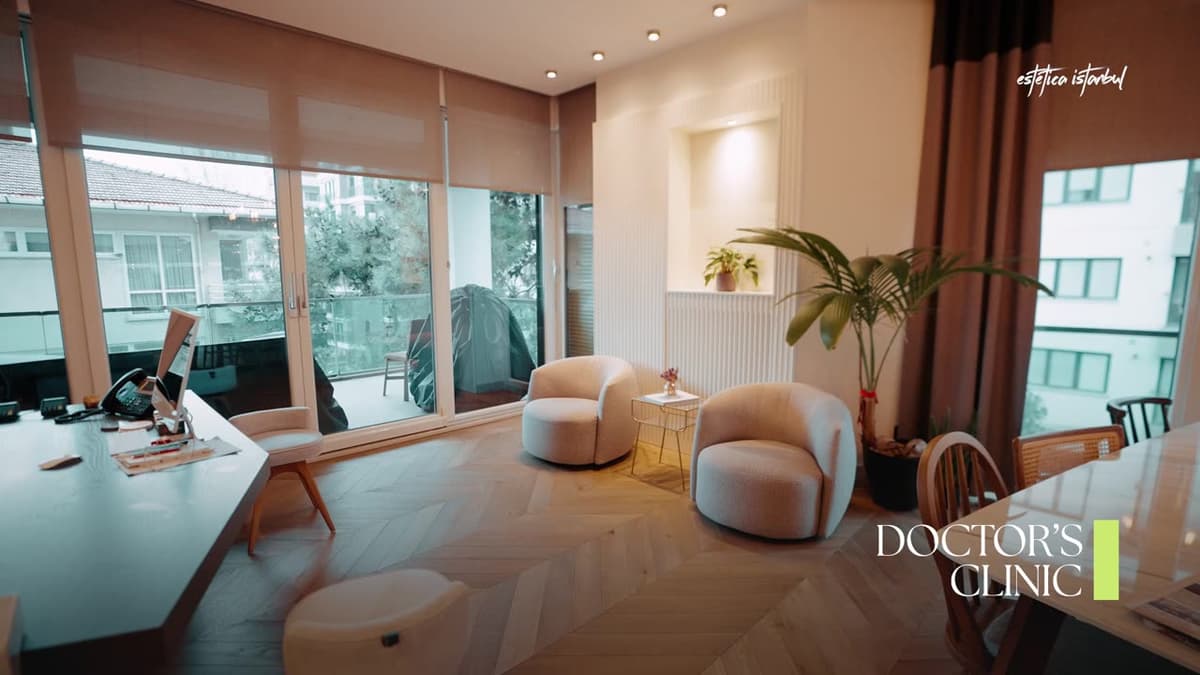
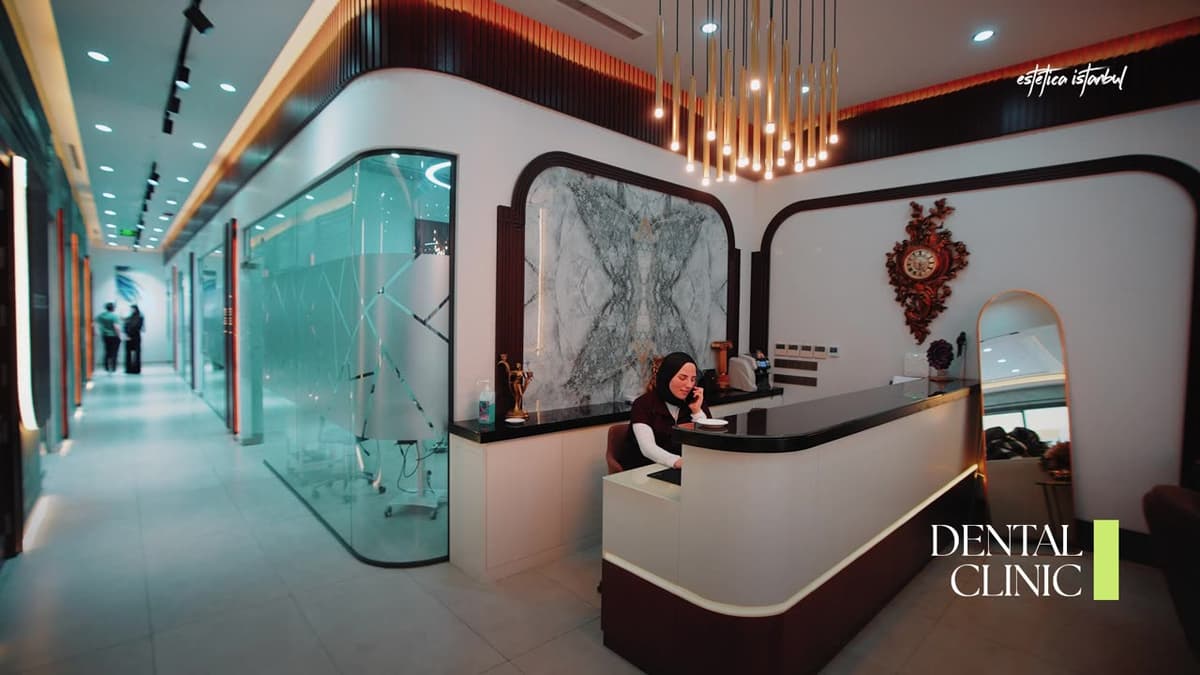
Klinikos viduje, kurioje atliekama jūsų transplantacija
Filmuota 2026 m. rugsėjį — jokių archyvinių kadrų. Fojė, konsultacijų kabinetas, PRP kabinetas, procedūrų kabinetai. Jūsų transplantaciją atlieka patyrusi mūsų technikų komanda šioje specializuotoje klinikoje, o mūsų JCI akredituota ligoninė partnerė budi.
Jūsų kelionė. Mūsų rankos.
Nuo pirmos žinutės iki skrydžio namo — logistiką tvarkome mes. Jūs susitelkiate į rezultatą, dėl kurio atvykote.
Nemokama konsultacija
Atsiųskite mums nuotraukas ir savo tikslus per WhatsApp. Peržiūrime juos su chirurgu ir per 24 valandas atsiunčiame išsamų pasiūlymą, į kurį viskas įskaičiuota. Pokalbiui užstato nereikia.
Tvarkome logistiką
Kai apsisprendžiate, rezervuojame jūsų skrydžius, viešbutį ir VIP pervežimus. Priešoperaciniai tyrimai, priėmimas į ligoninę, jūsų kalba kalbanti pagalba — viskas sutvarkyta prieš jums nusileidžiant.
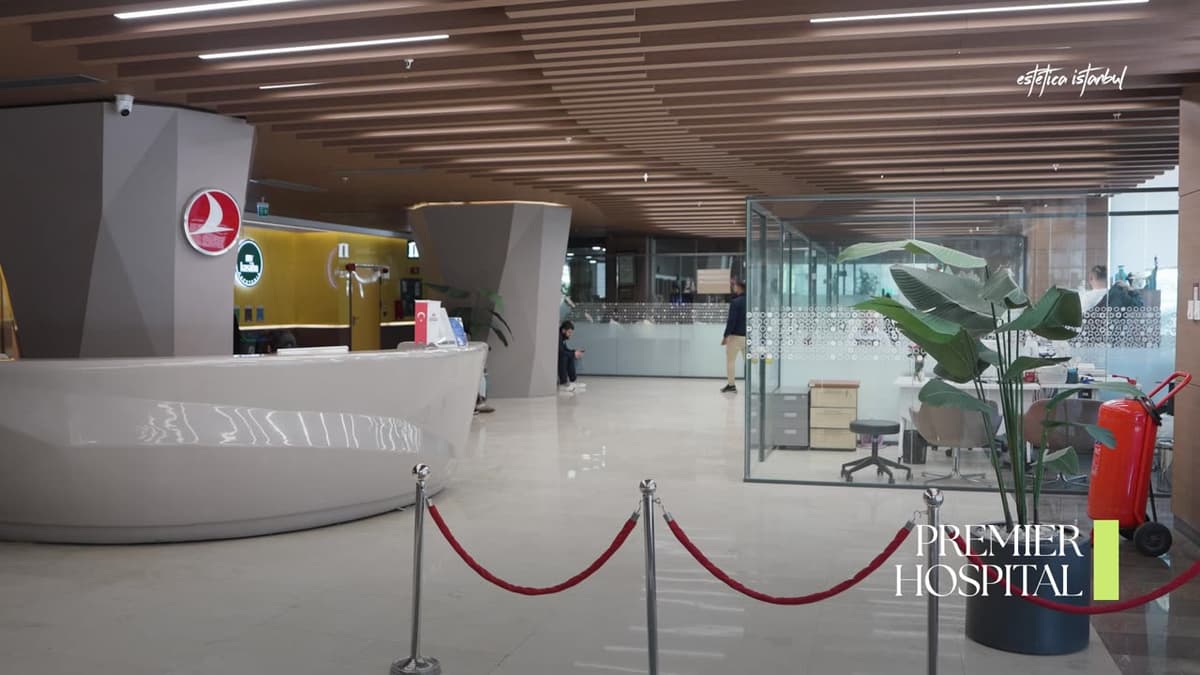
Operacija JCI akredituotoje ligoninėje
Jūsų operacija vyksta pilnai akredituotoje ligoninėje — atskiros anestezijos ir slaugos komandos, intensyvi terapija tame pačiame aukšte, tarptautiniai saugumo standartai. Niekada ne užkampio dienos klinikoje.
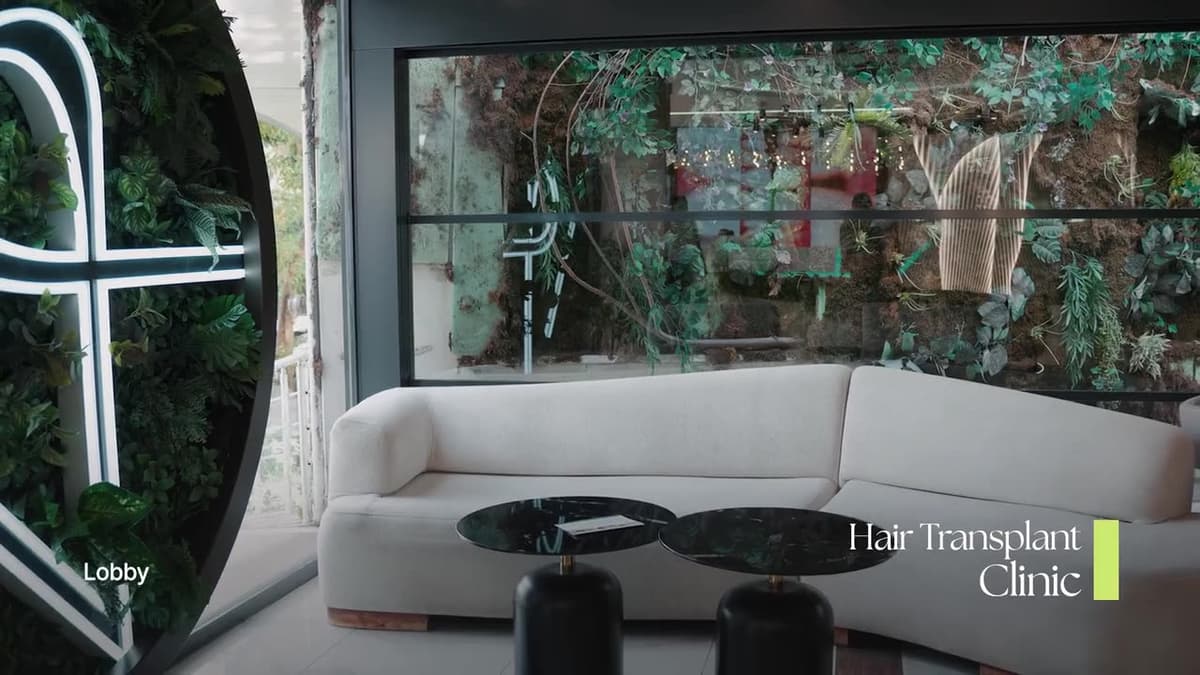
Specializuotos klinikos šypsenai ir plaukams
Nechirurginės procedūros atliekamos tam skirtose vietose — mūsų partnerės odontologijos klinikoje laminatams, karūnėlėms ir implantams bei partnerės plaukų atkūrimo klinikoje transplantacijoms. Kiekvieną valdo komandos, kurios daro tik tai, kiekvieną dieną.
Atsigavimas, stebėjimas ir jūsų šypsena
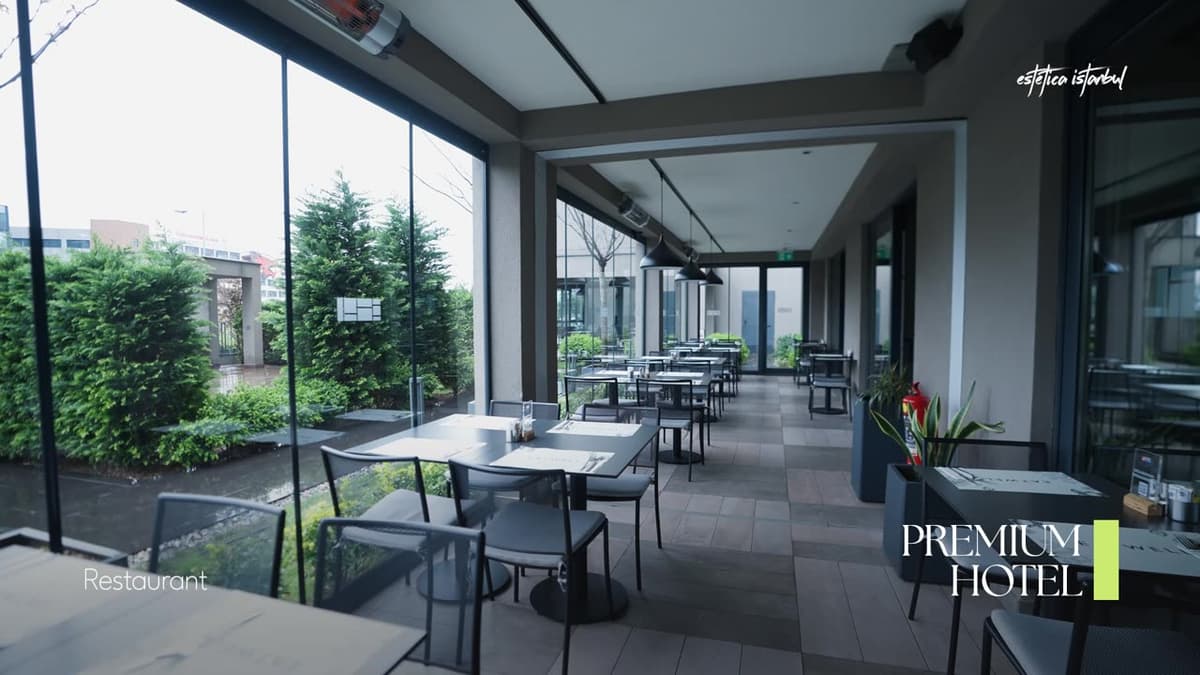
Atsigaunate viešbutyje su medicinos priežiūra vietoje, tada skrendate namo. Nuotoliniu būdu jus stebime ištisus metus — o iškilus komplikacijai padengiame nuotolines konsultacijas su chirurgu ir, retais atvejais, korekcinę operaciją — su Antwell patobulinimu.
Nemokama konsultacija
Atsiųskite mums nuotraukas ir savo tikslus per WhatsApp. Peržiūrime juos su chirurgu ir per 24 valandas atsiunčiame išsamų pasiūlymą, į kurį viskas įskaičiuota. Pokalbiui užstato nereikia.
Tvarkome logistiką
Kai apsisprendžiate, rezervuojame jūsų skrydžius, viešbutį ir VIP pervežimus. Priešoperaciniai tyrimai, priėmimas į ligoninę, jūsų kalba kalbanti pagalba — viskas sutvarkyta prieš jums nusileidžiant.
Operacija JCI akredituotoje ligoninėje
Jūsų operacija vyksta pilnai akredituotoje ligoninėje — atskiros anestezijos ir slaugos komandos, intensyvi terapija tame pačiame aukšte, tarptautiniai saugumo standartai. Niekada ne užkampio dienos klinikoje.
Specializuotos klinikos šypsenai ir plaukams
Nechirurginės procedūros atliekamos tam skirtose vietose — mūsų partnerės odontologijos klinikoje laminatams, karūnėlėms ir implantams bei partnerės plaukų atkūrimo klinikoje transplantacijoms. Kiekvieną valdo komandos, kurios daro tik tai, kiekvieną dieną.
Atsigavimas, stebėjimas ir jūsų šypsena
Atsigaunate viešbutyje su medicinos priežiūra vietoje, tada skrendate namo. Nuotoliniu būdu jus stebime ištisus metus — o iškilus komplikacijai padengiame nuotolines konsultacijas su chirurgu ir, retais atvejais, korekcinę operaciją — su Antwell patobulinimu.
Kas įskaičiuota
Neįskaičiuota
Ką sako mūsų pacientai
Dažnai užduodami klausimai
Kaip natūraliai atrodo barzdos transplantacija?
Kiek transplantų man reikia pilnai barzdai?
Ar barzdos transplantacija skauda?
Po kiek laiko galiu skustis po barzdos transplantacijos?
Kiek Stambule kainuoja barzdos transplantacija?


Tolesnis skaitymas
 nuo 2 450 €
DHI plaukų transplantacijos kaina Turkijoje: 2026 m. kaina ir kada verta mokėti mažiau
DHI plaukų transplantacija Turkijoje kainuoja nuo 2 450 €, viską įskaičiavus. Kas įeina į kainą, kodėl standartinis FUE už 2 150 € dažnai yra protingesnis pasirinkimas ir kaip vertinti kliniką neremiantis kaina.
 nuo 2 450 €
Moters plaukų persodinimas Turkijoje: kaina, tinkamumas ir ką pasitikrinti pirmiausia
Moters plaukų persodinimas Turkijoje kainuoja nuo €2,450 su viskuo įskaičiuota, taikant plaukų nekerpančią DHI techniką. Tačiau daugelis moterų prieš registruodamosi transplantacijai turėtų gydyti plaukų slinkimo priežastį — čia rasite realią kainą, kam tai tinka, o kam vertėtų palaukti.
 nuo 2 150 €
Plaukų transplantacija Italijoje: kaina, kaip ji vyksta ir palyginimas su Turkija
Plaukų transplantacija Italijoje kainuoja nuo €3,500, viską įskaičiavus, kai Stambulo komanda atvyksta į įgaliotą partnerinę Italijos kliniką – €1,350 daugiau nei Turkijoje, be skrydžio. Kas įskaičiuota, kam kuris variantas tinka ir sąžiningai apie riziką.