
Želodčni obvod
Želodčni obvod v Istanbulu — laparoskopski obvod Roux-en-Y za paciente z višjim ITM, hudim refluksom ali sladkorno boleznijo tipa 2. Zahtevnejši od tubulacije, zahteva doživljenjsko spremljanje vitaminov. Vključen je 12-mesečni program oskrbe po posegu. Zdravniški nadzor Dr. Güleş, bolnišnice z akreditacijo JCI.
od3.870 €$4,490£3,330CA$6,230A$6,310NZ$7,660· Vse vključeno
Medicinsko pregledal Mustafa Ekrem Güleş, Op. Dr., Board-Certified Plastic Surgeon· Zadnji pregled:
Zaupa nam 1,500+ mednarodnih pacientov
Pridobite brezplačen posvet
Naša partnerska zdravstvena ekipa bo pregledala Vaš primer in Vam v 24 urah poslala osebni načrt zdravljenja.
500 € deposit, fully refundable until your flight is booked · Our guarantee
V Istanbulu prihranite do 82%
Značilne cene z vsem vključenim po državah. Viri: ASPS, RealSelf, ceniki večjih klinik v Združenem kraljestvu in ZDA, 2025.
Turčija (Istanbul)
od 3.870 €$4,490£3,330CA$6,230A$6,310NZ$7,660
prihranite 82%
Združeno kraljestvo
od 17.500 €$20,300£15,050CA$28,180A$28,520NZ$34,650
Združene države Amerike
od 21.500 €$24,940£18,490CA$34,620A$35,050NZ$42,570
Italija
od 11.500 €$13,340£9,890CA$18,520A$18,750NZ$22,770
Nemčija
od 11.500 €$13,340£9,890CA$18,520A$18,750NZ$22,770
Trajanje
2–4 hours
Anestezija
General anesthesia
Bivanje v bolnišnici
3 nights
Vrnitev na delo
2–3 weeks
Čas okrevanja
4–6 weeks
Vidni rezultati
12–18 months
Na kratko
- Kaj je to?
- Želodčni obvod v Istanbulu — Roux-en-Y za višji ITM, hud refluks ali sladkorno bolezen…
- Cena
- €3,870 — vse vključeno: kirurg, bolnišnica, hotel, prevozi in oskrba po posegu; leti niso vključeni
- Okrevanje
- 4–6 weeks
- Varnost in tveganja
- Poseg se izvaja v istanbulskih bolnišnicah z akreditacijo JCI. Medicinsko vsebino je pregledal Dr. Mustafa Ekrem Güleş. Vsak poseg nosi določeno tveganje — na posvetu odkrito predstavimo vašo primernost in možne zaplete.
Želodčni obvod — natančneje laparoskopski želodčni obvod po Roux-en-Y — je najzahtevnejša med osnovnimi bariatričnimi operacijami in tista z najmočnejšimi dolgoročnimi rezultati pri izgubi teže in pri remisiji sladkorne bolezni tipa 2. Ni prava operacija za vsakega bariatričnega pacienta — pri ITM 35–45 brez hudega refluksa je tubulacija želodca običajno pravilna prva izbira. Obvod je indiciran v točno določenih primerih: višji ITM (običajno nad 50), izrazita refluksna bolezen (obvod refluks odpravi, tubulacija ga lahko poslabša), sladkorna bolezen tipa 2, kadar je cilj najmočnejši rezultat remisije, in — vse pogosteje — pacienti, ki so pred petimi do petnajstimi leti imeli tubulacijo in so znatno pridobili nazaj.
Operacija trajno preuredi zgornji del prebavil: oblikuje majhen želodčni žepek s prostornino približno 30 ml, ta žepek neposredno poveže s tankim črevesom (pri čemer obide večji del želodca in začetni del tankega črevesa) ter preusmeri žolč in sok trebušne slinavke tako, da se s hrano srečata nižje v tankem črevesu. Anatomske spremembe povzročijo tri učinke: manjšo kapaciteto za hrano, zmanjšano absorpcijo in hormonske spremembe, ki močno spremenijo signale lakote in sitosti.
Za koga je želodčni obvod primeren
Operacija je indicirana v točno določenih kliničnih okoliščinah, ne za splošno uravnavanje telesne teže. Ustrezen kandidat ima običajno ITM nad 50; ali ITM 35–50 s sladkorno boleznijo tipa 2, kjer je glavni cilj remisija sladkorne bolezni (obvod doseže remisijo pri 60–80% pacientov s sladkorno boleznijo tipa 2, znatno pogosteje kot tubulacija); ali ITM 35–50 s hudo refluksno boleznijo (obvod refluks odpravi, medtem ko ga tubulacija lahko poslabša); ali je v preteklosti že imel tubulacijo in se vrača na pretvorbo zaradi ponovnega pridobivanja teže ali vztrajajočega refluksa; ima za sabo dokumentirane nekirurške poskuse hujšanja v obdobju dvanajstih mesecev ali več; je psihološko pripravljen na trajno anatomsko spremembo in vseživljenjsko jemanje vitaminskih dodatkov; ne kadi ali je s kajenjem prenehal štiri tedne pred posegom; nima zdravstvenih stanj, ki bi pomenila kontraindikacijo.
Kdo naj obvoda ne opravi: pacienti, katerih primer bolje reši tubulacija (večina pacientov z ITM 35–45 brez hudega refluksa ali sladkorne bolezni); pacienti, ki niso pripravljeni na vseživljenjsko jemanje vitaminskih dodatkov in letne krvne kontrole; pacienti z aktivnimi težavami z alkoholom ali odvisnostjo od substanc (obvod znatno spremeni presnovo alkohola); pacienti z izrazito kronično vnetno črevesno boleznijo v tankem črevesu.
Zakaj obvod prinaša tako močne rezultate pri sladkorni bolezni
Obvod ima med vsemi kirurškimi posegi najmočnejšo dokazno podlago za remisijo sladkorne bolezni tipa 2. Mehanizem ni samo izguba teže — je anatomski. S preusmeritvijo hrane mimo dvanajstnika in začetnega dela jejunuma operacija spremeni hormonsko signaliziranje, ki uravnava krvni sladkor. Mnogi pacienti s sladkorno boleznijo tipa 2 opazijo pomembno izboljšanje krvnega sladkorja že v nekaj dneh po operaciji, še preden pride do pomembnejše izgube teže. Dolgoročna remisija (normaliziran HbA1c brez zdravil) je dosežena pri večini ustreznih pacientov.
Za pacienta s sladkorno boleznijo, ki ga čaka vseživljenjsko jemanje metformina, inzulina ali zdravil iz skupine GLP-1, je obvod pogosto operacija z najmočnejšim dolgoročnim izidom — in pri motiviranem pacientu z ustreznim ITM in značilnostmi sladkorne bolezni prav zaradi tega pogosto priporočimo obvod namesto tubulacije.
Operacija, korak za korakom
Izvedena je v splošni anesteziji v bolnišnici z akreditacijo JCI, z anesteziološko ekipo, specializirano za bariatrijo. Trajanje je običajno dve do tri ure — dlje kot pri tubulaciji, ker operacija vključuje dve ločeni anastomozi (kirurški povezavi) namesto ene same resekcije. Standardni sta dve do tri prenočitvi v bolnišnici.
Operacija je laparoskopska — štiri do šest majhnih rezov v zgornjem delu trebuha, skozi katere kirurg oblikuje majhen želodčni žepek, prekine tanko črevo, en krak poveže z žepkom, žolčno-pankreatični krak ponovno priključi nižje in obe anastomozi preveri glede puščanja. Brez odprtega reza.
Program oskrbe po posegu
Oskrba po obvodu je zahtevnejša kot oskrba po tubulaciji in jo izrecno vključimo. Predoperativna obravnava in predoperativna dieta za zmanjšanje jeter sta enaki kot pri tubulaciji. Pooperativni protokol je razširjen:
Bivanje v bolnišnici: dve do tri prenočitve z neprekinjenim nadzorom in testom puščanja pred odpustom.
Neposredno po operaciji: strukturirano napredovanje diete, enako kot pri tubulaciji (bistre tekočine → polne tekočine → pasirana hrana → mehka hrana → trdna hrana); prehranska dopolnila prejmete ob odpustu — obvod zahteva več dodatkov kot tubulacija zaradi zmanjšane absorpcije (poseben protokol z železom, kalcijevim citratom, vitaminom D3, B12, tiaminom in bariatrično prilagojenim multivitaminom); zdravila proti refluksu in za preprečevanje razjed najmanj šest mesecev.
Vseživljenjsko spremljanje: krvne preiskave po 3, 6 in 12 mesecih ter nato enkrat letno — to je vseživljenjsko in ni izbirno. Pri pacientih po obvodu se lahko leta po operaciji razvijejo pomanjkanja beljakovin, železa, B12, kalcija, vitamina D, folata in tiamina, če je nadomeščanje neustrezno. Krvne preiskave uskladimo z Vašim osebnim zdravnikom v Združenem kraljestvu, na Irskem, v ZDA, Kanadi, Avstraliji ali Novi Zelandiji ter posredujemo konkretne referenčne razpone in mejne vrednosti za ukrepanje. Angleško govoreči nutricionist je na voljo 12 mesecev po operaciji.
"Dumping sindrom" — prednost ali pomanjkljivost
Pri pacientih po obvodu se lahko pojavi "dumping sindrom" — fiziološki odziv na hrano z veliko sladkorja ali ogljikovih hidratov, ki povzroči potenje, razbijanje srca, krče v trebuhu in včasih drisko. Pri večini pacientov deluje kot močan vedenjski povratni mehanizem — telo kaznuje uživanje sladkorja in vedenje se prilagodi. Za nekatere paciente je dovolj neprijeten, da zahteva skrbno načrtovanje prehrane. To izrecno pojasnimo na posvetu, ker gre za značilno lastnost izkušnje po obvodu in ker prav to loči obvod od tubulacije.
Okrevanje
1. teden
Dve do tri prenočitve, nato okrevanje v hotelu. Sedem dni samo bistre tekočine. Blago do zmerno nelagodje v trebuhu. Hoja od prvega dne je obvezna. Povratni let osmi do enajsti dan, po kliničnem dovoljenju.
2.–6. teden
Napredovanje skozi polne tekočine, pasirano, mehko in trdno hrano v skladu s protokolom. Zelo majhne porcije. Nadaljnje jemanje beljakovin in vitaminskih dodatkov. Vrnitev k pisarniškemu delu od drugega do tretjega tedna. Šest tednov brez dvigovanja težjih bremen.
2.–6. mesec
Faza hitre izgube teže — na začetku običajno 10–15 kg/mesec. Nadaljnje strukturirano jemanje dodatkov. Krvne preiskave po 3 in 6 mesecih.
6.–24. mesec
Izguba teže se nadaljuje bolj postopno. Večina pacientov doseže stabilno težo med 18. in 24. mesecem, s 70–80% izgube presežne telesne teže. Remisija sladkorne bolezni se običajno ustali do šestega meseca. Postbariatrično oblikovanje telesa je mogoče načrtovati od 18. meseca naprej, ko se teža ustali.
Tveganja in realna pričakovanja
Poštena tveganja: puščanje anastomoze (najresnejši zgodnji zaplet — pred odpustom ga preverimo s testom); razjeda ali zožitev anastomoze (lahko se razvije v tednih do letih po posegu, včasih zahteva endoskopsko dilatacijo ali zdravila); krvavitev, ki zahteva ponovno operacijo; venska trombembolija; notranja kila (specifičen pozni zaplet obvoda — lahko se pokaže šele leta pozneje z bolečinami v trebuhu in zahteva kirurško popravo); dumping sindrom (opisan zgoraj); pomanjkanja hranil, če nadomeščanje ni dosledno — ta so lahko resna (pomanjkanje tiamina lahko na primer povzroči trajno nevrološko okvaro); spremembe presnove alkohola, ki zahtevajo previdno obvladovanje; ponovno pridobivanje teže po 5–10 letih pri manjšem delu pacientov.
Obvod je trajen in ga je težje razveljaviti kot tubulacijo. To na posvetu poudarimo. Vrnitev v normalno anatomijo je tehnično mogoča, vendar je redko indicirana in nosi svoja tveganja.
Želodčni obvod ali tubulacija želodca — poštena odločitvena shema
Za večino pacientov z ITM 35–45 brez hudega refluksa ali sladkorne bolezni je naše prvo priporočilo tubulacija — krajša operacija, manjše breme jemanja dodatkov, manj anatomskega preurejanja.
Pri ITM >50, pri pacientih s sladkorno boleznijo tipa 2, kjer je cilj remisija, pri pacientih z izrazitim refluksom in pri pacientih, pri katerih tubulacija ni bila uspešna, je obvod boljša operacija.
Odločitev je individualna in ji na posvetu namenimo čas. Pacientom, ki so primerni za tubulacijo, ne prodajamo dražjega obvoda, da bi dvignili ceno, in pacientom, pri katerih je indiciran obvod, ne ponujamo tubulacije, da bi si zmanjšali zahtevnost. Prava operacija je tista, ki ustreza pacientu.
Zakaj Istanbul in ne druge destinacije
Izkušnje, ki izhajajo iz obsega opravljenih posegov, so najmočnejši posamični napovednik izida obvoda, turški bariatrični centri pa opravijo toliko obvodov, kolikor jih dosežejo le redki centri v Združenem kraljestvu, ZDA ali Avstraliji. Skupaj z ustanovami z akreditacijo JCI, anestezijo, specializirano za bariatrijo, in našim resnim programom oskrbe po posegu je klinični in varnostni profil primerljiv z zahodno zasebno prakso, po delčku cene.
Dr. Mustafa Ekrem Güleş klinično odobri vsakega pacienta pred operacijo.
Zakaj ne želodčni obvod za 2.500 €
Pri obvodu se najnižja cena plača na enak način kot pri poceni tubulaciji — pomanjkljiva predoperativna obravnava, skrajšano bivanje v bolnišnici, brez resnega programa oskrbe po posegu — poleg tega pa še s tveganji, ki so specifična za obvod: neustrezni protokoli nadomeščanja, ki v petem letu vodijo v pomanjkanje tiamina ali B12, nobene poti za obravnavo pozno nastale notranje kile, nobenega spremljanja glede razjede na anastomozi.
Kar pri nas plačate, je preverljivo: celovita predoperativna bariatrična obravnava, dve do tri prenočitve v bolnišnici s testom puščanja, strukturiran vseživljenjski protokol nadomeščanja, 12 mesecev angleško govorečega nutricionista, usklajevanje krvnih preiskav z Vašim osebnim zdravnikom po 3, 6 in 12 mesecih ter nato letno, bolnišnica z akreditacijo JCI.
Angleško govoreča ekipa — od prvega posveta do letnega vseživljenjskega spremljanja
Obvod je vseživljenjski odnos — ne enkratno potovanje. Naša ekipa odgovarja v angleščini na WhatsApp, po telefonu in po e-pošti, od prvega posveta do letnih kontrol, dokler ste naš pacient. Na vprašanja o prehrani, težave z jemanjem dodatkov in razlago simptomov (je to normalno? ali naj obiščem zdravnika?) odgovorimo v angleščini brez odlašanja.
Zaprosite za brezplačen posvet — naša ekipa odgovarja v poslovnem času za Združeno kraljestvo in Irsko ter v drugem oknu, ki pokriva čas od ameriške vzhodne obale do avstralskega jutra. Ocena ITM in primernosti še isti dan, vključno s poštenim priporočilom med tubulacijo in obvodom glede na Vaš primer.
Vaša pot. V naših rokah.
Od Vašega prvega sporočila do leta domov — logistiko vodimo mi. Vi se osredotočite na rezultat, zaradi katerega ste prišli.
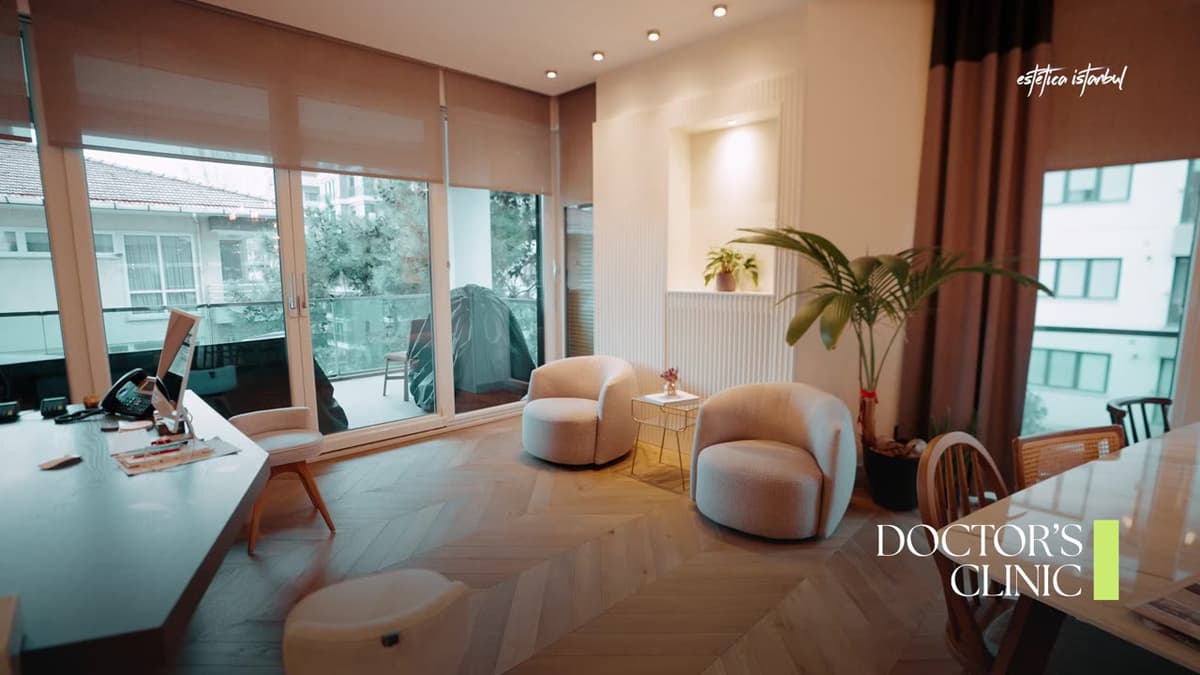


Brezplačen posvet
Pošljite nam fotografije in svoje cilje prek WhatsApp. Pregledamo jih s kirurgom in Vam v 24 urah pošljemo podrobno ponudbo z vsem vključenim. Za pogovor ni potrebna ara.
Za logistiko poskrbimo mi
Ko se odločite, rezerviramo Vaše lete, hotel in VIP prevoze. Predoperativne preiskave, sprejem v bolnišnico, podpora v angleščini — vse urejeno, še preden pristanete.
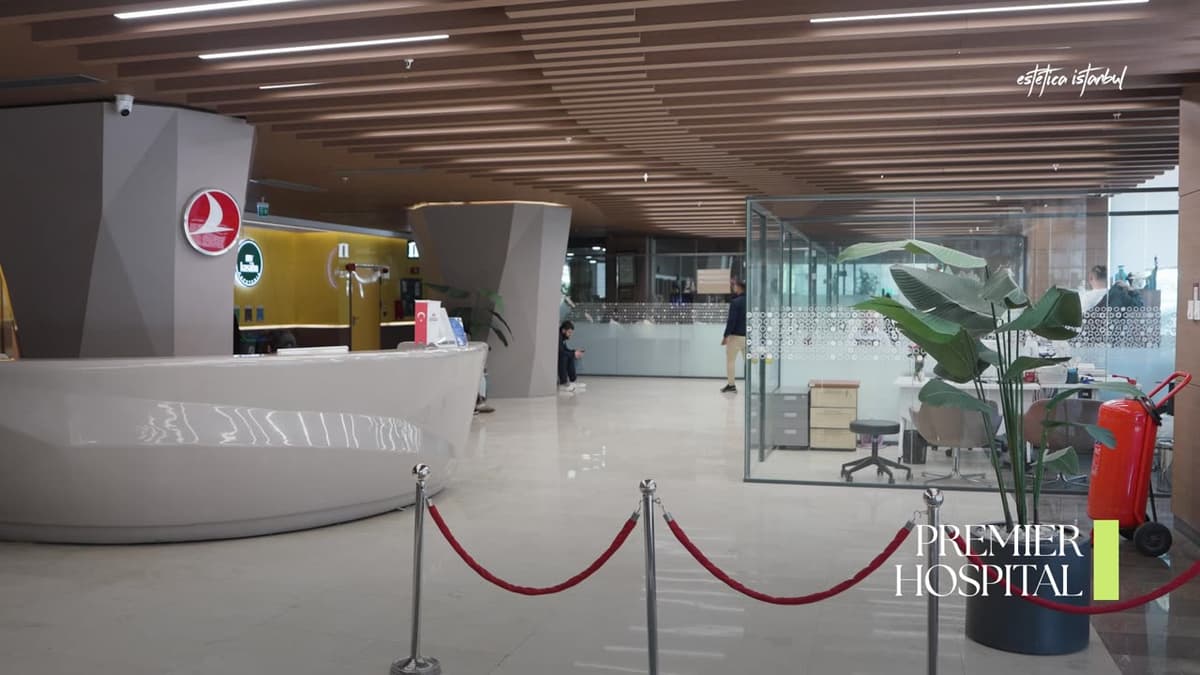
Operacija v bolnišnici z akreditacijo JCI
Vaša operacija poteka v popolnoma akreditirani bolnišnici — z lastnimi ekipami za anestezijo in zdravstveno nego, intenzivno enoto na istem nadstropju in mednarodnimi varnostnimi standardi. Nikoli v priložnostni dnevni ambulanti.
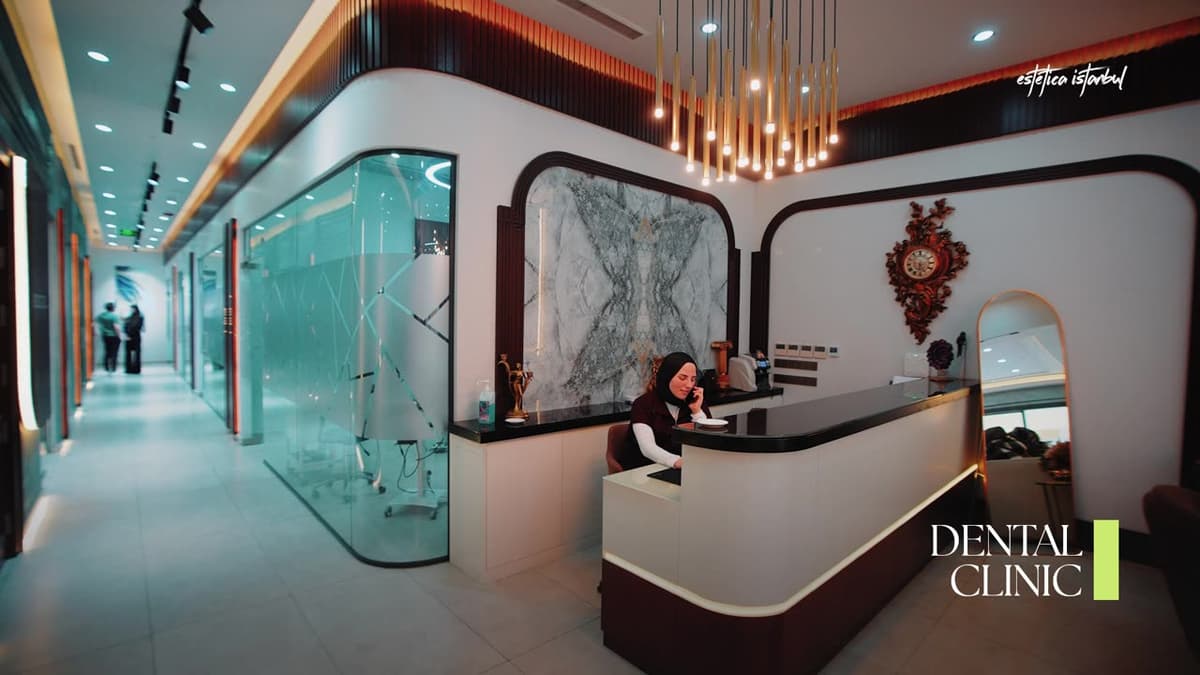
Specializirane klinike za nasmeh in lase
Nekirurški posegi potekajo v za to namenjenih prostorih — v naši partnerski zobozdravstveni kliniki za luske (vinirje), prevleke in vsadke ter v naši partnerski kliniki za obnovo las za presaditve. Vsako vodijo ekipe, ki vsak dan počnejo samo to.
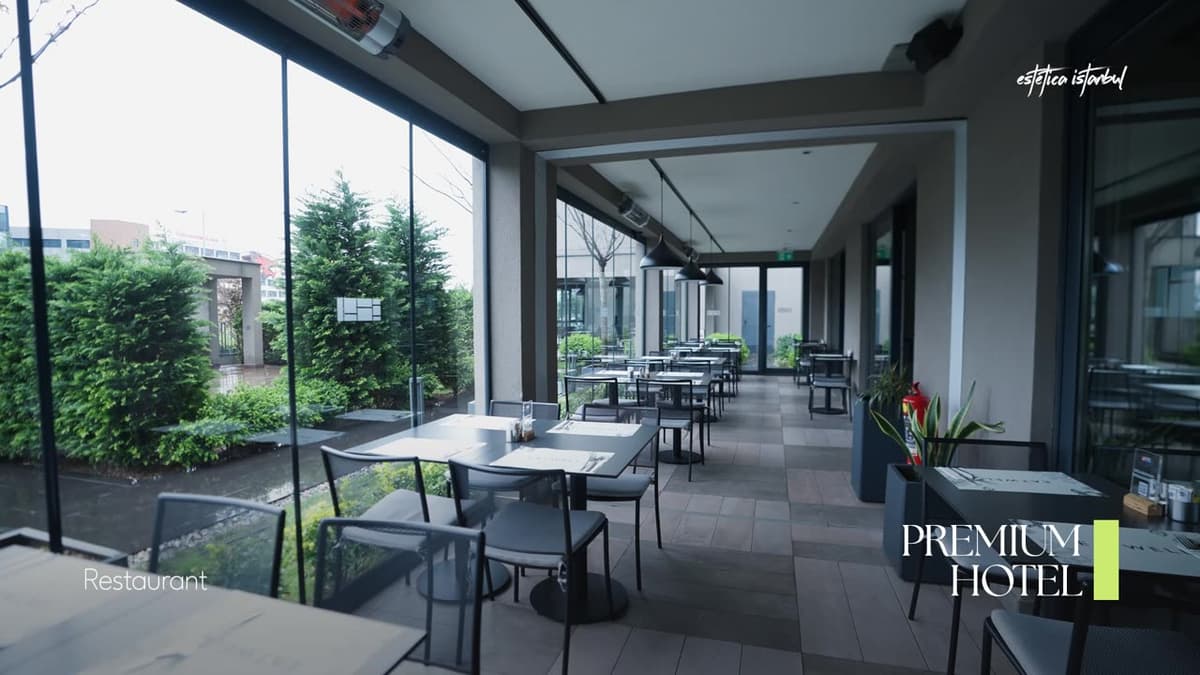
Okrevanje, spremljanje in Vaš nasmeh
Okrevate v hotelu z zdravstveno oskrbo na kraju samem, nato odletite domov. Na daljavo Vas spremljamo celo leto — če pride do zapletov, pa krijemo posvete s kirurgom na daljavo in v redkih primerih tudi korekcijski poseg — z nadgradnjo Antwell.
Brezplačen posvet
Pošljite nam fotografije in svoje cilje prek WhatsApp. Pregledamo jih s kirurgom in Vam v 24 urah pošljemo podrobno ponudbo z vsem vključenim. Za pogovor ni potrebna ara.
Za logistiko poskrbimo mi
Ko se odločite, rezerviramo Vaše lete, hotel in VIP prevoze. Predoperativne preiskave, sprejem v bolnišnico, podpora v angleščini — vse urejeno, še preden pristanete.
Operacija v bolnišnici z akreditacijo JCI
Vaša operacija poteka v popolnoma akreditirani bolnišnici — z lastnimi ekipami za anestezijo in zdravstveno nego, intenzivno enoto na istem nadstropju in mednarodnimi varnostnimi standardi. Nikoli v priložnostni dnevni ambulanti.
Specializirane klinike za nasmeh in lase
Nekirurški posegi potekajo v za to namenjenih prostorih — v naši partnerski zobozdravstveni kliniki za luske (vinirje), prevleke in vsadke ter v naši partnerski kliniki za obnovo las za presaditve. Vsako vodijo ekipe, ki vsak dan počnejo samo to.
Okrevanje, spremljanje in Vaš nasmeh
Okrevate v hotelu z zdravstveno oskrbo na kraju samem, nato odletite domov. Na daljavo Vas spremljamo celo leto — če pride do zapletov, pa krijemo posvete s kirurgom na daljavo in v redkih primerih tudi korekcijski poseg — z nadgradnjo Antwell.
Kaj je vključeno
Ni vključeno
Pogosta vprašanja
Kakšna je razlika med želodčnim obvodom in tubulacijo želodca?
Koliko telesne teže izgubim z želodčnim obvodom?
Koliko stane želodčni obvod v Istanbulu?
Kakšna so tveganja želodčnega obvoda?
Ali po želodčnem obvodu potrebujem vitamine?
Kako dolgo traja okrevanje po želodčnem obvodu?
Nadaljnje branje
 od 1.180 €
Cena bihektomije 2026: 1.180 € v Istanbulu proti 2.300 € v Nemčiji, 2.600 € v Italiji in 4.083 € v Združenem kraljestvu
Istanbulski paket se začne pri 1.180 € proti 2.300 € v Nemčiji, 2.600 € v Italiji, 4.083 € v Združenem kraljestvu in 4.403 € kot realnem dnu v ZDA. Proti Združenemu kraljestvu in ZDA prihranek preživi vsak potni strošek. Proti Nemčiji in Italiji polet za 350 € poje približno tretjino razlike.
 od 3.550 €
Cena dviga obrvi 2026: 3.550 € v Istanbulu, ceneje kot v Združenem kraljestvu, Nemčiji in ZDA, a ne ceneje kot v Italiji
Dvig obrvi stane 3.550 € z vsem vključenim prek agencije Estetica Istanbul, od 5.500 £ do 10.500 £ v Londonu, 5.460 $ zgolj kot kirurgov honorar v Združenih državah in od 8.000 € do 13.000 € za endoskopsko tehniko v Nemčiji. Objavljeni italijanski razpon od 2.500 € do 5.000 € se prekriva z istanbulskim paketom in je na spodnjem koncu nižji od njega, zato zgolj cena ne upraviči poti iz Italije.
 od 4.370 €
Cena bradnega vsadka 2026: 4370 € v Istanbulu, ceneje kot v Veliki Britaniji in ZDA, a ne ceneje kot v Nemčiji ali Italiji
Bradni vsadek, rezerviran prek Estetica Istanbul, stane 4370 € kot paket z vsem vključenim. To je jasen prihranek v primerjavi z Združenim kraljestvom (4500-6500 £) in Združenimi državami (od 3500 $ do več kot 11000 $) ter nikakršen prihranek v primerjavi z nemškim povprečjem 3466 € ali italijanskim povprečjem 3276 €. Tukaj so številke, viri in edini primer, ko se polet v Istanbul zaradi brade še vedno izplača.