Breast Surgery in Istanbul
Augmentation, reduction, lift and gynecomastia with board-certified surgeons and Motiva/Mentor implants.
from€3,400US$3,940£2,920CA$5,470A$5,540NZ$6,730· All-inclusive

Procedures
5 procedures available
Breast Augmentation
Breast augmentation in Istanbul with Motiva, Mentor and Allergan implants. Natural results in proportion with your body — never exaggerated. JCI-accredited hospitals.
from €4,300
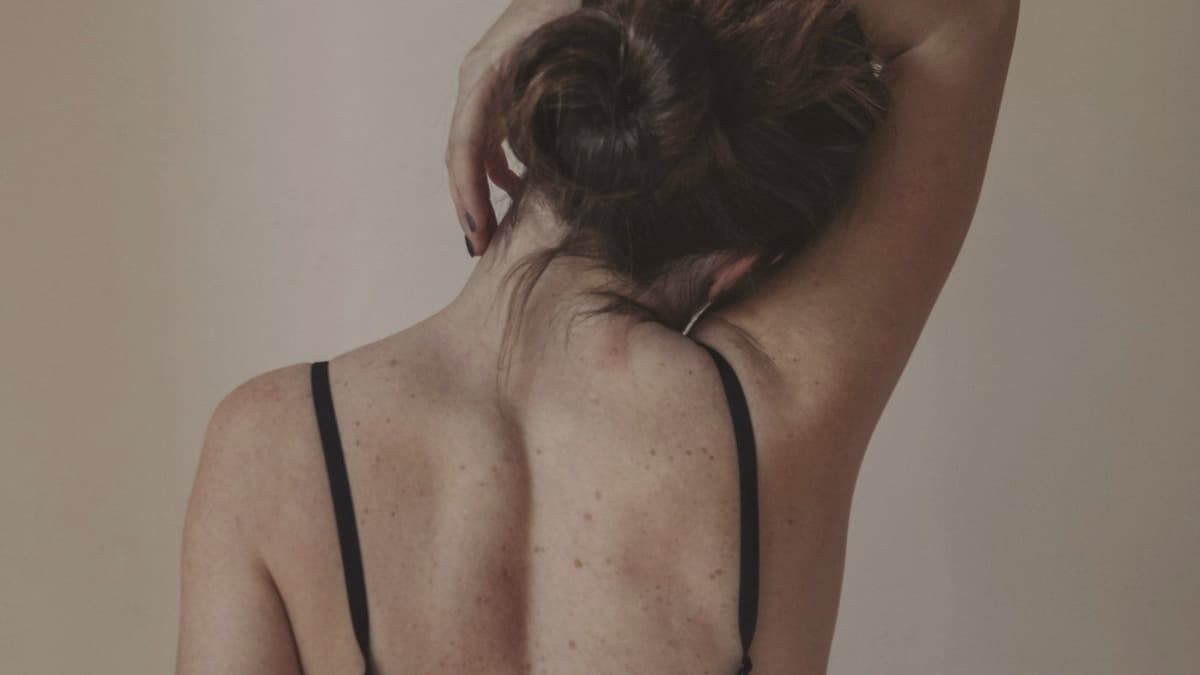
Breast Augmentation for Trans Women
Breast augmentation for trans women in Istanbul — implant plan tailored to a wider chest and higher nipple position, by board-certified plastic surgeons.
from €4,500

Breast Lift
Breast lift in Istanbul to restore shape and position after pregnancy, breastfeeding or weight loss. With or without implants, decided at consultation.
from €3,400

Breast Reduction
Breast reduction in Istanbul to reduce breast volume and weight, relieving back pain, neck pain and bra-strap grooves. Functional and aesthetic result.
from €3,450
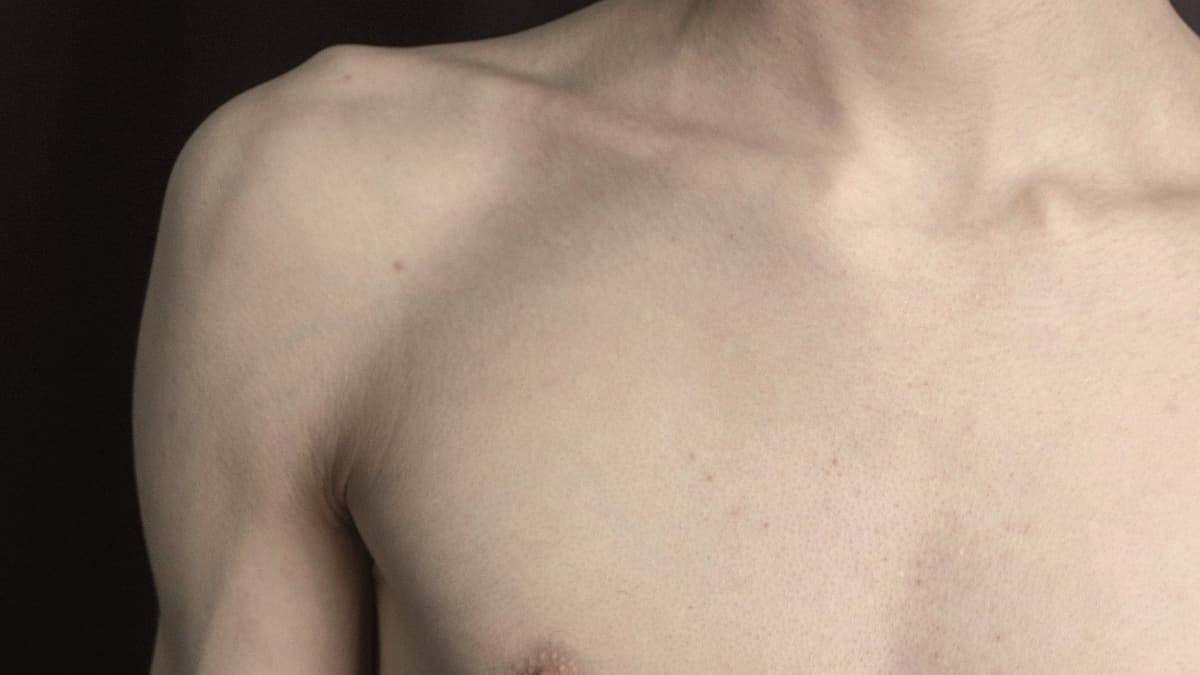
FtM Top Surgery (Chest Masculinization)
FtM top surgery in Istanbul — subcutaneous mastectomy with chest contouring and nipple repositioning, by board-certified plastic surgeons.
from €3,900
Breast surgery in Istanbul: implants, lifts and reductions
Breast augmentation, breast lift, breast reduction and gynecomastia are among the procedures our patients travel for most. Estetica Istanbul is a medical-tourism agency: our partner plastic surgeons operate in accredited private hospitals in Istanbul, and we coordinate everything around the surgery, from the first photo review to your check-ups after you fly home.
For augmentation we work with premium implant brands such as Motiva and Mentor, and the implant size, profile and placement are agreed with the surgeon before you travel. Lifts and reductions are planned around your anatomy and breastfeeding plans. Chest masculinisation and breast augmentation for trans women are also available with an LGBTQ+-friendly team.
Packages include surgery, anaesthesia, hospital stay, implants where relevant, a compression bra, medication, check-ups, private transfers and nights at one of three partner hotels. Flights are not included. A free coordinator call and a 30-euro surgeon video consultation, credited on booking, come before any deposit.
Which breast procedure fits you?
Breast surgery is really several different operations. Start from what you want to change:
- More volume or better upper fullness: breast augmentation from €4,300, with Motiva implants included in the price.
- Breasts that have dropped after pregnancy, breastfeeding or weight loss, with enough volume: breast lift from €3,400.
- Breasts that have dropped and lost volume: a lift combined with implants, priced after the surgeon reviews your photos.
- Breasts that are too heavy, causing neck or back pain, bra-strap grooves or skin irritation: breast reduction from €3,450.
- Enlarged breast tissue in men: gynecomastia surgery from €2,950.
- Gender-affirming surgery: FtM top surgery from €3,900 or breast augmentation for trans women from €4,500.
- Breast surgery together with a tummy tuck after children: mommy makeover from €5,520.
Each published price includes the surgery, anaesthesia, one hospital night, five nights at our partner hotel, a compression bra, medication, check-ups and private transfers.
Breast augmentation: the decisions you make
Implant size and profile
The right size depends on your chest width, the tissue you already have and the look you want, not on a cup letter. The surgeon measures and proposes a range. Bring photos of results you like and dislike: they say more than numbers.
Round or anatomical shape
Round implants give more upper fullness. Anatomical (teardrop) implants slope more gently from top to bottom. Modern round implants filled with cohesive gel look natural in most women.
Above or below the muscle
Placing the implant partly under the chest muscle covers it better when you have little natural tissue. Placing it above the muscle can mean an easier recovery when you have enough tissue to cover it. The surgeon recommends one placement for your anatomy.
Incision
Most augmentations use a short incision in the fold under the breast, which heals into a fine line hidden by a bra or bikini. Other incisions exist. Ask your surgeon which they use and why.
Lift or reduction: the scars
Lifts and reductions remove skin, so they leave scars. Depending on how much needs to change, the scar runs around the areola, around it and straight down, or around it, down and along the fold (the anchor pattern). Scars are red at first and fade over 12 to 18 months. Surgeons trade a slightly longer scar for a better and longer-lasting shape, and that is usually the right trade.
If you plan to breastfeed in future, tell the surgeon. Many lift and reduction techniques keep breastfeeding possible, but none can guarantee it.
The trip, day by day
Most patients stay six nights: one in hospital and five at the hotel.
- Day 1: arrival, blood tests, consultation and markings with the surgeon.
- Day 2: surgery (one to four hours depending on the procedure) under general anaesthesia, then one night in hospital.
- Day 3: discharge to the hotel in your compression bra.
- Days 4 to 6: rest, short walks, a check-up and dressing change.
- Day 7: final check and flight home.
Recovery after you fly home
- Week one: tightness and soreness, controlled with medication. Most patients go back to desk work after five to ten days for augmentation, and after 10 to 14 days for lifts and reductions.
- Weeks two to six: compression bra day and night as instructed, no lifting above shoulder height, no gym.
- Months three to six: implants settle into position, swelling resolves, and the shape becomes final. Scars keep fading for over a year.
Risks, honestly
General risks include bleeding, infection, poor wound healing and reactions to anaesthesia. Implant-specific risks include capsular contracture (scar tissue tightening around the implant), rippling, implant malposition and, rarely, rupture. Implants are not lifetime devices: some women never need another operation, others replace or remove them years later. Your surgeon will also explain the rare implant-associated lymphoma (BIA-ALCL) and the signs to watch for. Lifts and reductions carry risks of asymmetry, changes in nipple sensation and wound healing problems where the scars meet.
What moves the price
- Combining a lift with implants, or breast surgery with a tummy tuck or liposuction.
- A different implant brand or size range than the one included.
- Revision of previous breast surgery.
- Upgrading to the Antwell hotel (€40 more per night than Deniz).
More questions
Which implants do you use?
Breast augmentation is priced with Motiva implants. Other premium brands such as Mentor are available. Your quote names the brand.
Will I need to replace my implants?
Not on a fixed schedule. You replace or remove them if a problem develops or you want a change. Have them checked as your surgeon advises.
How soon can I fly home?
Usually around day seven, after the final check. Walk regularly on the flight and drink plenty of water.
What should I send for a free assessment?
Photos of your chest from the front and both sides, standing, without filters, plus your height, weight and bra size. Your coordinator sends back the surgeon's view and a written quote.
Frequently Asked Questions
Which implants do you use?
How long should I stay after breast surgery?
Can I combine a breast lift with implants?
Will I be able to breastfeed?
Do you treat gynecomastia in men?
Didn't find what you're looking for?
Contact our team for a personalized consultation. We'll help you find the perfect procedure and package.
Get Free Consultation