Arm Lift (Brachioplasty) in Turkey: Cost, Scars & Recovery (2026)
All-inclusive
Arm Lift
from€3,250$3,770£2,800CA$5,230A$5,300NZ$6,440
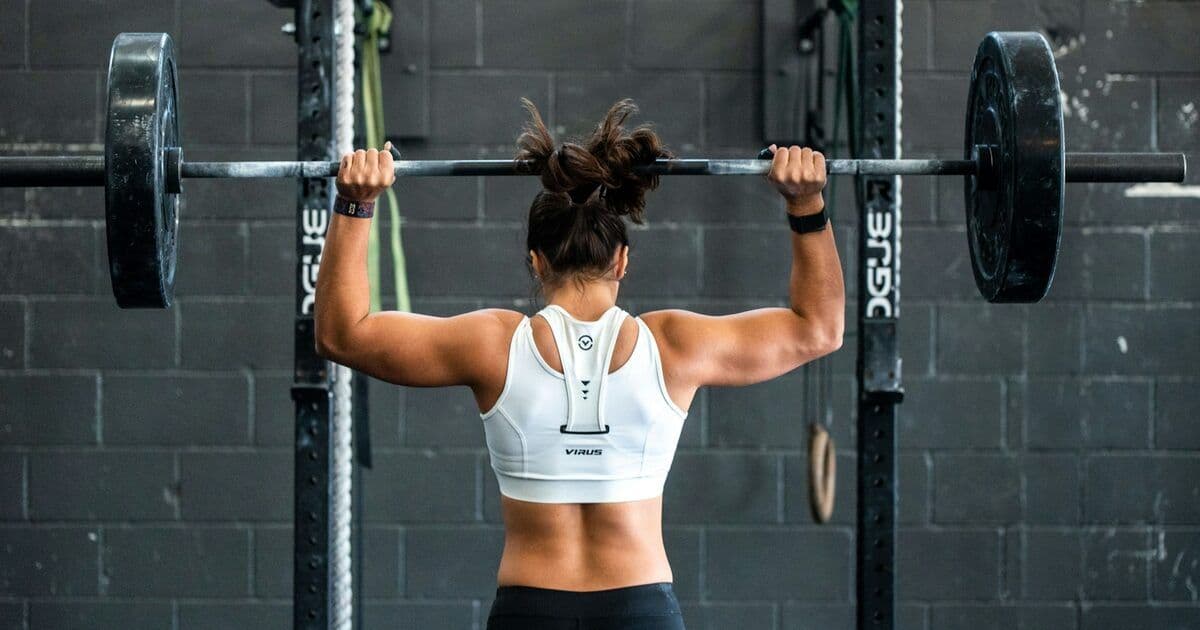
An arm lift — known medically as brachioplasty — removes the loose, sagging skin and stubborn fat that develop on the upper arms after major weight loss or with age. No amount of triceps training tightens skin that has lost its elasticity; once it hangs, surgery is the only way to remove it. If you've priced brachioplasty in the UK, US, or Western Europe, you've likely seen £4,500–7,000 or more. In Turkey, the same operation in a JCI-accredited hospital starts from €3,250, all-inclusive. This guide breaks down what drives that gap, who is a good candidate, the scars and recovery you should realistically expect, and how to choose a clinic safely.
How much does an arm lift cost in Turkey?
At Estetica Istanbul, arm lift surgery starts from €3,250 as an all-inclusive package. That figure covers the surgeon's fee, the operating theatre and your stay in a JCI-accredited partner hospital, anaesthesia, your compression garments, post-operative medication, and recovery-hotel nights with airport transfers. The only thing it never includes is your flights. By comparison, brachioplasty in the UK typically runs £4,500–7,000, in the US $6,000–9,000, and across Western Europe €5,000–8,000 — usually before consultation fees, garments, and follow-up appointments are added on top. A €500 deposit secures your booking; the balance is settled before surgery.
All-inclusive
Arm Lift
from€3,250$3,770£2,800CA$5,230A$5,300NZ$6,440
Why is it cheaper than the UK or US?
A lower price does not mean lower quality, and it's worth understanding why. Turkey's cost advantage comes from structural factors, not corner-cutting: lower clinical overheads and staff costs, a favourable exchange rate, and an enormous volume of medical-tourism procedures that lets hospitals run efficiently. The surgeons performing these operations are board-certified specialists working in hospitals accredited by the same international body (JCI) that accredits leading Western hospitals. Instruments, suture materials, and sterilisation standards are identical. What you are not paying for is the premium overhead of a Harley Street or Beverly Hills address.
Who is a good candidate for an arm lift?
Brachioplasty is most often sought by people who have lost a significant amount of weight — through diet, exercise, or bariatric surgery — and are left with skin that no longer retracts. It also suits those whose upper-arm skin has loosened with age and sun exposure. The best candidates are at or near a stable target weight, in good general health, and non-smokers (or willing to stop well before surgery, as smoking impairs healing). If your concern is mainly excess fat with good skin tone, liposuction alone may be enough; if loose skin is the issue, only an arm lift removes it. A proper consultation assesses skin laxity, fat distribution, and your goals before recommending an approach.
What the procedure involves
An arm lift is performed under general anaesthesia and usually takes one to two hours. The surgeon removes excess skin and tightens the underlying tissue, often combining this with liposuction to refine the contour. The extent depends on how much skin needs to go: a mini arm lift uses a short incision near the armpit for limited laxity, while a full or extended brachioplasty addresses significant sagging from the armpit toward the elbow. The right technique is chosen during consultation, based on where the loose skin sits and how much there is.
Scars: the honest trade-off
Brachioplasty leaves a scar, and any clinic that tells you otherwise is not being straight with you. To remove loose skin along the arm, the incision typically runs on the inner or back of the upper arm, where it is less visible day to day. The scar is permanent but fades and flattens considerably over 12–18 months, and most patients consider it a fair exchange for arms they can finally bare. For people with only mild laxity, a shorter incision is possible. Your surgeon should show you realistic before-and-after photos of comparable cases so you know what to expect.
Recovery timeline: what to expect
Most patients are up and walking the same day and fly home after 3–5 days, once a post-operative check clears them. Compression garments are worn for several weeks to control swelling and support the new contour. Desk-based work is usually resumed within 7–10 days, though you'll need to keep arm movement gentle. Light activity returns after a few weeks, and full upper-body exercise after roughly six weeks with your surgeon's clearance. Swelling settles over a few months and scars continue to mature for up to a year and a half. Flying too soon after any surgery carries a small blood-clot risk — never book a return flight earlier than your clinic advises.
Is an arm lift in Turkey safe, and how do you choose a clinic?
Safety depends far more on where and with whom you have surgery than on which country you're in. The genuine risks of medical tourism come from clinics that operate in non-accredited facilities, skip proper consultation, or sell package deals without a surgical plan. Before you pay a deposit anywhere, confirm four things: that the surgery takes place in an accredited hospital, that you can see the operating surgeon's credentials, that real before-and-after photos of similar cases are available, and that aftercare and revision policy are in writing. Be sceptical of prices that look implausibly low and of reviews that are uniformly perfect — both are red flags. Estetica Istanbul operates as a medical-tourism agency coordinating board-certified partner surgeons and JCI-accredited hospitals, so the same standards apply as you would expect at home.
Will the scars be very visible?
The scar is placed on the inner or back of the upper arm where it is least noticeable in everyday positions. It is permanent but fades and flattens significantly over 12–18 months. Following your surgeon's scar-care advice — sun protection and any recommended treatments — improves the final appearance.
Can I combine an arm lift with other procedures?
Often, yes. Arm lifts are frequently combined with other body-contouring procedures after weight loss, such as a tummy tuck or thigh lift, in a single trip. Whether combining is safe for you depends on your health and the total operating time, which the surgeon assesses at consultation.
How long until I can fly home?
Most patients fly home 3–5 days after surgery, following a post-operative check. Your recovery-hotel nights are built into the package for exactly this window, so you're not arranging accommodation alone.
Is the result permanent?
Yes, provided your weight stays stable. The removed skin does not come back. Significant future weight gain or loss can affect the result, but for patients at a stable weight an arm lift is a lasting solution.
Considering an arm lift? Request a free, no-obligation assessment and a personalised quote from Estetica Istanbul. Send a few photos and a note about your weight history, and our team will explain your options honestly — including whether an arm lift or liposuction alone is the better route for you.


Get Your Free Consultation
Our medical team will review your case and send you a personalized treatment plan within 24 hours.