Calf Implants Recovery Time: A Week-by-Week Timeline
Medically reviewed by Akın İnalöz, MD, Board-Certified Plastic Surgeon· Last reviewed:
All-inclusive
Calf Implants
from€4,400US$5,100£3,780CA$7,080A$7,170NZ$8,710
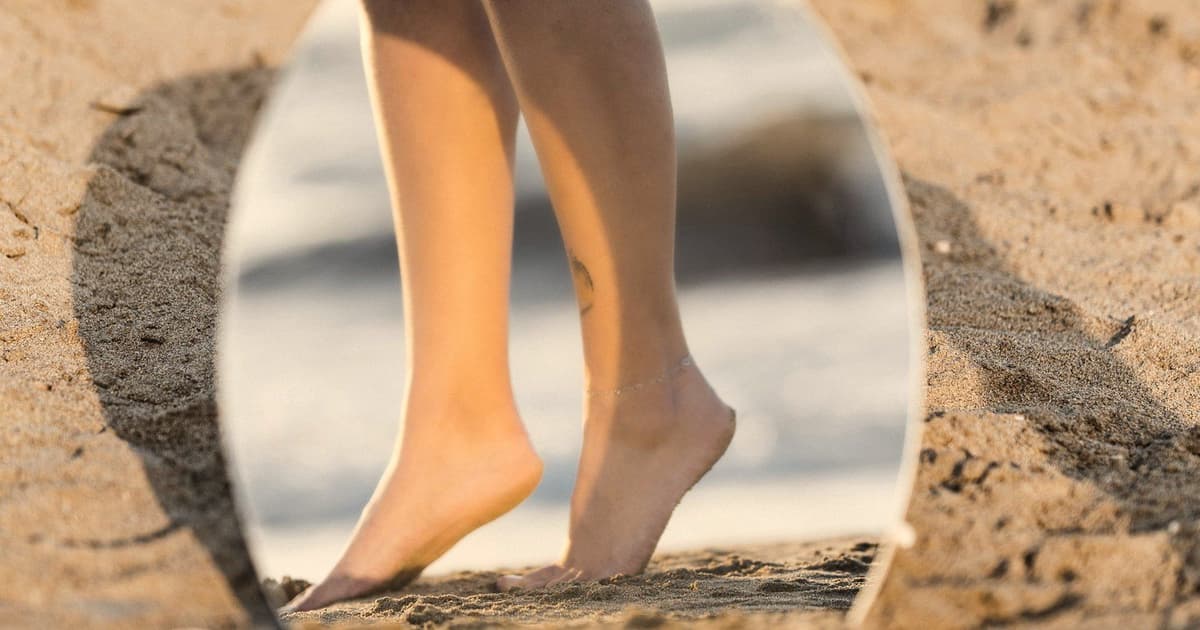
How long is calf implants recovery time? The short answer up front: most patients walk — carefully and stiffly — from the first day, manage desk work after about two weeks, return to the gym at six to eight weeks with direct calf training cleared last, and see the final settled shape at three to six months. Calf implants place a solid, medical-grade silicone implant through a small incision hidden in the crease behind the knee to add shape and volume to thin lower legs — at Estetica Istanbul from €4,400 as an all-inclusive package, performed by a board-certified partner plastic surgeon in a JCI-accredited partner hospital. This guide walks through what actually happens from day one to month six: when you can fly home, when you can work and train again, and which warning signs genuinely matter.
Why calf implant recovery is different
One thing makes recovery from calf implants different from almost any other cosmetic operation: you cannot fully rest the operated area, because you walk on it. The implant sits in a snug pocket over the gastrocnemius muscle, under its strong fascia, and every step in the first days engages exactly that region. That is why the first week feels stiffer than most people expect — walking is deliberately slow and short-stepped, and some patients describe walking slightly on tiptoe for a few days, because pressing the heel fully down stretches the calf. None of this means something has gone wrong. It means the plan has to respect the legs' double job of healing and carrying you, and that is exactly what the timeline below is built around.
All-inclusive
Calf Implants
from€4,400US$5,100£3,780CA$7,080A$7,170NZ$8,710
Days 1 to 3: surgery, first steps and controlled discomfort
The operation itself takes roughly an hour to an hour and a half under general anaesthesia, through an incision of a few centimetres hidden in the natural crease behind each knee. You typically spend the first night in the hospital. The first steps — usually the evening of surgery or the next morning — are assisted, short and stiff; that is normal and expected. The calves feel tight, swollen and heavy rather than sharply painful, and this is controlled with standard oral pain relief. From day one you wear compression bandages or garments, keep the legs elevated whenever you sit or lie down, and walk short distances several times a day — brief, frequent walking protects your circulation, while standing still for long periods works against you.
Week 1: your stay in Istanbul and when you can fly home
The first week is about protected walking, elevation and wound checks. You will walk a little further each day, still slowly and without forcing the heel down; sitting with the legs raised beats standing around. Your surgeon checks the incisions before you are cleared to travel. Do not book a flight home for the day after surgery: any operation on the legs raises the short-term risk of a blood clot, and a long flight adds to it. The safe return flight is the one your surgeon signs off — typically once you are walking comfortably around the hotel — with compression worn on the plane, a walk down the aisle every hour and plenty of water. Your patient coordinator plans the return around that clearance, not around the cheapest ticket.
Weeks 2 to 4: back to work and a normal walk
Most patients are back at desk work around the two-week mark, ideally with the legs raised under the desk for part of the day. The stiff, short-stepped walk gradually lengthens into a normal gait over these weeks as the fascia relaxes and the swelling eases; brisk walking usually feels fine by around week four. Jobs that involve standing all day or heavy physical effort need longer — agree the exact timing with your surgeon. Driving is sensible again once you can perform an emergency stop without hesitating. Scar care starts once the incisions are fully closed: the scar sits in the crease behind the knee, one of the more forgiving places on the body, but it still needs sun protection for the first year.
Weeks 6 to 8: returning to the gym
Training comes back in stages, and the legs come last. Light upper-body work is often possible after about four weeks with your surgeon's agreement, as long as the legs stay out of it. From roughly six to eight weeks, with clearance, you can reintroduce cycling, swimming and then running; direct calf loading — calf raises, jumping, heavy leg days — is the very last thing to return, because it works exactly the muscle the implant sits on. Rushing this stage is the classic self-inflicted setback: the pocket needs time to consolidate around the implant, and forcing it early risks swelling, pain or displacement. Athletes should plan the operation in an off-season for precisely this reason.
Months 3 to 6: the final shape
By month three the implants no longer feel like a presence in the leg for most patients — the tightness has gone, the gait is completely normal and training is back to full intensity. The final look settles between month three and month six, once the last deep swelling has resolved and the implant has fully integrated into its pocket. The scars behind the knees fade over the first year from red to pale lines inside the natural crease. The implants themselves are solid silicone — there is no liquid to rupture or leak, they are designed to be permanent, and they do not need routine replacement.
Warning signs: what to watch and when to call
Most recoveries are uneventful, but honesty matters more than reassurance. Call your coordinator or surgeon the same day if you notice spreading redness or heat over one calf, fever, a wound that opens or leaks, one calf becoming markedly more swollen or painful than the other, or pain that suddenly worsens instead of easing. Seek emergency care immediately for chest pain or breathlessness, which can signal a clot that has travelled. Severe, unrelenting pain out of proportion to the operation is also never something to sit on — it is rare, but building pressure in the leg must be assessed urgently. The realistic risk list for this operation includes infection, fluid collection (seroma), implant displacement or rotation, temporary nerve irritation and asymmetry — most are treatable, and treating them early is what keeps them minor.
How long is calf implants recovery time in total?
Plan on this rhythm: careful walking from day one, desk work at about two weeks, a normal walk by weeks three to four, gym from six to eight weeks with direct calf training last, and the final settled shape at three to six months. Standing jobs and leg-heavy sport sit at the later end of every range.
How long do calf implants last?
Calf implants are solid, medical-grade silicone and are designed to be permanent. There is no liquid to leak and no routine replacement schedule, unlike breast implants. They can be removed or exchanged later if you ever want that, but for most patients this is a one-time operation.
Are calf implants dangerous?
In the hands of a board-certified plastic surgeon operating in an accredited hospital, calf augmentation is a low-risk procedure — but no surgery is risk-free. The risks worth naming are infection, seroma, implant displacement, temporary nerve irritation and, rarely, building pressure in the leg that needs urgent review. Choosing an experienced surgeon and respecting the staged return to activity are the two biggest factors you control. And if your goal is a modest change, focused calf training or fat transfer may be the more proportionate route — an honest assessment should tell you that before you book anything.
When can I walk normally again after calf implants?
Most patients walk unaided within the first days — slowly and with short steps — and settle back into a fully normal gait over two to three weeks. Brisk walking typically feels comfortable around week four. What takes longest is not walking but loading: calf raises and running belong to the six-to-eight-week stage, with your surgeon's clearance.
Considering calf implants in Istanbul — or already booked and planning your recovery? Request a free, no-obligation assessment from Estetica Istanbul. Send us your photos and your goals, and our team will give you an honest view of what calf implants can and cannot do for your legs, how the recovery fits around your work and training, and whether an implant, fat transfer or simply targeted training is genuinely the right route for you.
Photo by Oktay Yildiz on Unsplash
Describe your walking demands before choosing a date
Calf-implant recovery needs a plan for the places you actually walk: stairs at home, a long workplace corridor, a station platform or uneven ground. Tell the surgeon how far you normally travel on foot and whether your job requires prolonged standing. Ask which tasks need help or modification after the proposed operation.
The ASPS article on calf augmentation discusses implant selection and recovery with specialist commentary. One contributor's timetable should not become a universal protocol. Ask your treating surgeon to explain the plan for your anatomy, implant and baseline mobility.
Include previous leg problems in the assessment
Tell the clinician about injuries, operations, neurological conditions, circulation concerns or an existing difference between the legs. Explain whether your goal is cosmetic symmetry, increased volume or a change related to a prior condition.
If appearance and function both concern you, ask whether another specialty should assess the functional issue before cosmetic treatment. An implant proposal should not imply that all weakness or gait problems will be corrected. Ask what can realistically change and what may remain.
Check footwear and movement advice rather than guessing
Ask the surgeon which footwear and walking pattern are appropriate after the operation and whether any aid is recommended. Do not force a movement, adopt a tiptoe gait or buy heel inserts simply because a blog describes another patient's experience.
If you normally use an orthotic or walking aid, bring that information to consultation. Ask whether it remains suitable and who can assess fit if your needs change. Any equipment should be matched to you and its use demonstrated where necessary.
Build a realistic room and commute plan
Check whether the hotel room can be reached without stairs, how meals are obtained and where you can rest according to the prescribed plan. At home, arrange help for shopping, rubbish, laundry and transport. Ask whether standing at a kitchen counter differs from walking a short distance in your situation.
For work, include the journey to and from the workplace. A desk role may still involve a crowded train, station stairs and a long walk. Discuss temporary remote work, shorter shifts or another travel arrangement rather than relying on one generic “desk-work return” date.
Ask how new symptoms will be assessed
Request clear instructions about wound changes, worsening pain, swelling, altered sensation or difficulty moving. Ask which changes require urgent local assessment and which can begin with a call to the treating team.
Severe or rapidly worsening symptoms should not be dismissed because calf tightness appears in a recovery article. Tell a clinician what changed and when. Do not massage an unexplained swelling, tighten a garment or take someone else's medicine while waiting.
Return to sport by movement and load
Tell the clinician whether you run, cycle, swim, jump, dance or lift weights. Ask about each activity, including how to enter a pool, mount a bicycle or carry gym equipment. A label such as “upper-body workout” may still involve standing or leg support.
If you play competitive sport, explain training and match dates before booking. Ask whether surgery timing leaves a realistic recovery margin. Do not plan a first competition from an average online estimate. A staged return may require assessment beyond simply feeling comfortable while walking.
Keep implant records and future-care terms
Ask for the implant identification details, operation date, discharge summary and instructions for later review. The current catalogue implant brand is Polytech; confirm the actual model and plan with the clinician.
Discuss possible future assessment, removal or exchange and the limits of any product policy. Do not interpret “permanent” as a guarantee that another operation will never be necessary. Ask what expenses a warranty or revision agreement actually covers, if one applies.
Budget for individual travel advice
Calf implants in Turkey currently start from €4,400 all-inclusive, flights excluded, with five package nights. Confirm itemised inclusions. Clinical fitness to fly is separate from the purchased nights, and your whole journey needs assessment.
Ask about extra accommodation, changed flights, a companion and treatment at home. If the required support is unavailable, discuss postponement or alternatives rather than fitting recovery into an unrealistic schedule.
Can I drive as soon as walking feels easier?
Ask about operating your actual vehicle and prescribed medicines. Walking comfort is not a driving assessment.
Will both legs recover identically?
Ask how differences should be monitored and when examination is needed; do not diagnose asymmetry yourself.
Use the consultation form for a free assessment and describe your walking, work and sporting demands.


Get Your Free Consultation
Our partner medical team will review your case and send you a personalized treatment plan.