BBL Safety: How Istanbul's Top Surgeons Minimize Risk
Medically reviewed by Akın İnalöz, MD, Board-Certified Plastic Surgeon· Last reviewed:
All-inclusive
Brazilian Butt Lift (BBL)
from€4,050US$4,700£3,480CA$6,520A$6,600NZ$8,020
BBL Safety: How Istanbul's Top Surgeons Minimize Risk
The Brazilian Butt Lift (BBL) has become one of the most popular body contouring procedures worldwide, with global demand increasing 45% since 2020. However, the procedure carries legitimate safety concerns, particularly regarding fat embolism risk when fat is injected into gluteal muscles. Istanbul has emerged as a leading destination for safe BBL surgery, with world-class surgeons and JCI-accredited hospitals implementing rigorous safety protocols that rival or exceed standards in North America and Europe. Understanding these safety measures is essential for patients considering a BBL procedure at any cosmetic surgery center. The combination of advanced surgical techniques, stringent hospital protocols, and board-certified surgeons is what makes gluteal augmentation safer — but that combination has to be verified for the individual surgeon and hospital a patient chooses, because safety depends on them rather than on the city or country.
All-inclusive
Brazilian Butt Lift (BBL)
from€4,050US$4,700£3,480CA$6,520A$6,600NZ$8,020
Understanding BBL Risks and Fat Embolism
The primary risk associated with BBL surgery is fat embolism syndrome (FES), which occurs when fat enters the bloodstream and travels to vital organs. Historical mortality rates from BBL were reported as high as 1 in 3,000 procedures, making it statistically one of the highest-risk cosmetic procedures. However, this risk has been dramatically reduced through improved surgical techniques and safety protocols. The American Society of Plastic Surgeons (ASPS) and International Society of Aesthetic Plastic Surgery (ISAPS) have published comprehensive guidelines specifically addressing BBL safety. Modern BBL mortality rates at accredited facilities are now estimated at less than 1 in 15,000 procedures, a reduction of over 80% from earlier methods. Istanbul's surgeons have adopted these guidelines rigorously.
Safe Fat Transfer Techniques
Istanbul's board-certified surgeons employ superficial fat injection techniques as the primary safety protocol for BBL procedures. Fat is carefully deposited into the subcutaneous layer above the gluteal muscle rather than deeply into muscle tissue where fat embolism risk is highest. This superficial placement reduces fat embolism risk while still creating excellent aesthetic results and projection. Surgeons use blunt-tip cannulas rather than sharp needles, further minimizing vascular injury. Multiple small injection points are used rather than large volumes injected through few sites, distributing the fat more safely throughout the gluteal region. All injections are performed with the patient in a supine position when possible, reducing pressure on gluteal vessels. These techniques have been validated through multiple international studies and are now considered standard in high-quality cosmetic surgery centers globally.
JCI-Accredited Hospitals and Accreditation
Istanbul's premier medical tourism facilities are accredited by the Joint Commission International (JCI), the gold standard for hospital accreditation worldwide. These hospitals meet rigorous standards for surgical protocols, infection control, emergency response capabilities, and equipment sterilization that exceed many facilities in North America. JCI-accredited hospitals maintain anesthesia safety protocols, equipment maintenance schedules, and emergency backup systems for all critical procedures. Surgeons in these facilities undergo continuous education in the latest surgical techniques and safety protocols. Anesthesia providers are board-certified professionals trained specifically in cosmetic surgery anesthesia, monitoring vital signs throughout procedures to detect any complications immediately. The combination of accredited facilities and experienced anesthesia teams provides patients with world-class safety standards.
ISAPS Guidelines and Surgical Standards
The International Society of Aesthetic Plastic Surgery (ISAPS) published comprehensive BBL safety guidelines in 2016 and updated them in 2020 based on emerging research. These guidelines specifically address surgeon qualifications, operative techniques, patient selection, and post-operative monitoring. ISAPS recommends that surgeons performing BBL procedures have extensive experience with body contouring techniques and specific training in safe fat transfer. All fat should be harvested from safe donor sites and processed appropriately before transfer. Surgeons should avoid injecting fat directly into muscle tissue, instead using the superficial technique validated by research. Post-operative monitoring should include specific assessment for signs of fat embolism or other complications. Istanbul's board-certified surgeons undergo regular continuing education in these ISAPS guidelines.
Mortality Rate Reduction Methods
Modern BBL safety protocols have reduced mortality rates through multiple simultaneous approaches. First, improved fat transfer techniques that avoid intramuscular injection have reduced fat embolism risk directly. Second, enhanced patient selection screens out high-risk candidates such as those with uncontrolled hypertension or clotting disorders. Third, operative techniques including patient positioning, slow injection rates, and monitoring for complications allow surgeons to detect issues immediately. Fourth, advanced anesthesia monitoring with continuous capnography, blood pressure monitoring, and oxygen saturation assessment allows detection of early embolism signs. Fifth, post-operative monitoring protocols in hospitals allow nurses trained in complication recognition to observe patients continuously. The combination of all these approaches has created a safety profile dramatically improved from historical rates.
Choosing a Qualified Surgeon for BBL Safety
When selecting a surgeon for BBL in Istanbul or elsewhere, verify board certification in plastic surgery or cosmetic surgery from recognized bodies like the Turkish Medical Association or international equivalents. Review the surgeon's specific experience with BBL procedures—experienced BBL surgeons should have performed hundreds or thousands of safe procedures. Ask specifically about the surgical technique they use and confirm they employ superficial fat placement protocols endorsed by ISAPS. Verify that the facility where surgery will occur is JCI-accredited or equivalent and has emergency capabilities. Request before-and-after photos from similar body types to assess aesthetic results and symmetry. Discuss the surgeon's complication rates, revision rates, and how they handle any adverse outcomes. Top BBL surgeons in Istanbul are transparent about their techniques and safety records.
Recovery and Post-Operative Safety Monitoring
BBL recovery typically involves three to four weeks of activity restriction, during which patients should avoid sitting directly on their buttocks to protect the transferred fat. Most JCI-accredited hospitals in Istanbul keep BBL patients under observation for 24 hours post-operatively, monitoring vital signs and watching for any signs of fat embolism. Patients are instructed to seek immediate medical attention if they experience shortness of breath, chest pain, or neurological symptoms. Follow-up appointments at one week, four weeks, and twelve weeks allow surgeons to assess results and healing. The transferred fat requires several months to fully integrate into the tissue, with final results visible after six months. Choosing a facility that provides comprehensive post-operative care and monitoring is essential for both safety and optimal aesthetic outcomes.
Turn “modern BBL technique” into specific questions
Ask how the surgeon determines and monitors where fat is placed, whether ultrasound is used during injection and who performs the fat-injection component. A device name alone is not an explanation of the actual technique. Request answers for your proposed operation at the named facility, rather than general statements about Istanbul.
The 2023 ISAPS-endorsed gluteal fat-grafting safety statement supports ultrasound monitoring of injection location and keeping fat in the subcutaneous space. These are safety recommendations, not evidence that every provider follows them.
Ask about the operation the surgeon would refuse
Describe the size and shape you want, then ask what would make that goal inappropriate for your anatomy or health. If donor fat is limited, ask what result is realistic and what alternatives exist. A refusal to transfer an advertised volume is a clinical decision, not necessarily a failure to deliver a package.
Tell the team about previous buttock procedures, fillers or injections. Also disclose previous liposuction, medication, nicotine use and relevant medical conditions. Ask whether any of those details changes the examination, technique or suitability assessment.
Consider a more modest target, postponement or no surgery alongside different treatment options. Ask about the distinct risks and limitations of implants or skin-removal procedures if they are proposed. They should not be advertised as automatic solutions for someone unsuitable for fat transfer.
Verify the treatment setting without relying on a logo
Request the exact facility address, the operating clinician's identity and the anaesthesia arrangement. Verify claims about credentials and accreditation against the named person and site. A hospital group's name or a professional-society logo does not establish every detail of an individual booking.
Ask what happens if an unexpected problem requires hospital treatment or transfer. Who makes that decision? Where would care be provided? What documents and contact details will you receive? Request the operational pathway in writing without assuming that all additional expenses are included.
Assess the combination rather than just the BBL component
The catalogue package includes 360 liposuction. Ask which areas the proposal covers and how they influence operative time and recovery. If another operation is added, request a new clinical explanation of the combined plan and the option of staging treatment.
“One anaesthetic” is not a complete safety argument. Ask why the combination is appropriate, what might lead the surgeon to reduce its scope and how decisions are consented. A discounted price should follow a suitable plan rather than determine it.
Ask how safety continues after the operation
Request the review schedule, the instructions for wounds and garments, and the symptoms that should prompt local examination. Ask how you reach the treating team and what happens when remote assessment is insufficient.
The ASPS buttock-recovery guide encourages patients to ask about postoperative care and follow-up. Use those topics to obtain an individual plan. The mere presence of a follow-up chat does not establish that every concern can be evaluated by photograph.
Keep the financial terms realistic
BBL in Turkey currently starts from €4,050 all-inclusive, flights excluded, for BBL with 360 liposuction and five package nights. Confirm all inclusions in the written quote. Clinical recovery and clearance to fly are individual decisions; the package's night count is not a safety guarantee.
Ask about extra nights, changed flights, complication treatment and care at home. Massage is optional at €100 for one session or €250 for three, subject to clinical advice and availability. A revision policy should explain its actual terms, rather than promise every future concern will be corrected free of charge.
Does ultrasound make BBL risk-free?
Ask what risks remain after the proposed safety measures. Discuss the remaining risks with the treating specialist.
Is a large annual case count enough?
Volume alone does not verify qualifications, technique, patient selection or aftercare. Request evidence for each.
What should I ask first?
Ask who will operate, where and how your suitability is assessed. Use the consultation form for a free assessment and request those details in writing.
Get Your Free Consultation
Our partner medical team will review your case and send you a personalized treatment plan.
Your Journey. Our Hands.
From your first message to your flight home — we run the logistics. You focus on the result you came for.
Free Consultation
Send us photos and your goals on WhatsApp. We review them with the partner medical team and send a detailed, written all-inclusive quote. No payment to get your quote.
We Handle the Logistics
Once you decide, we book your hotel and VIP transfers; you book your own flight (not included) and we help you choose the right dates. Pre-op tests, hospital admission, English-speaking support — all arranged before you land.
Partner healthcare institutions
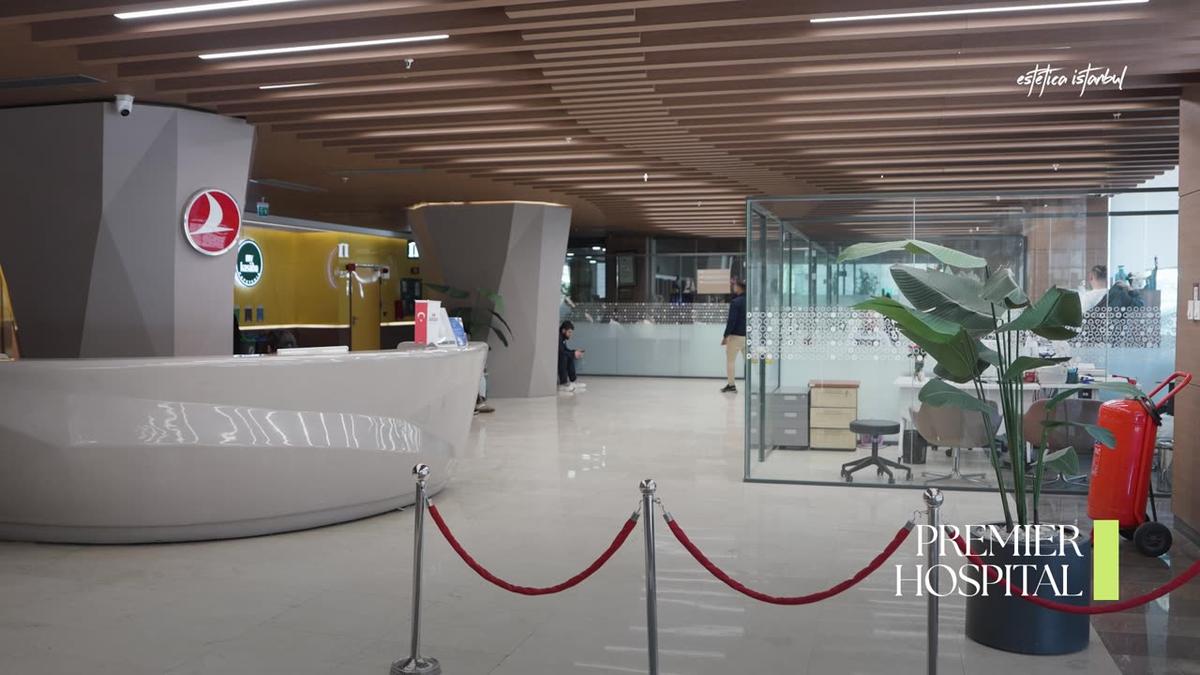
Your operation takes place inside a fully accredited hospital — dedicated anaesthesia and nursing teams, intensive care on the same floor, international safety standards. Never a back-street day-clinic.
Specialist Clinics for Smile & Hair
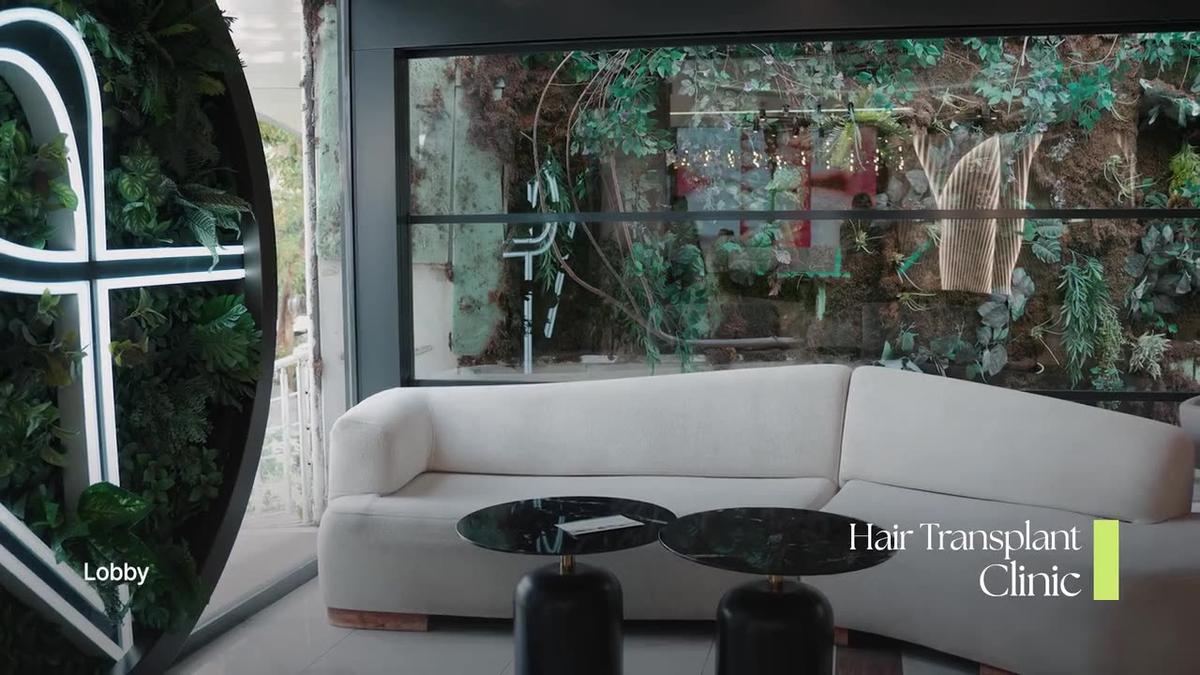
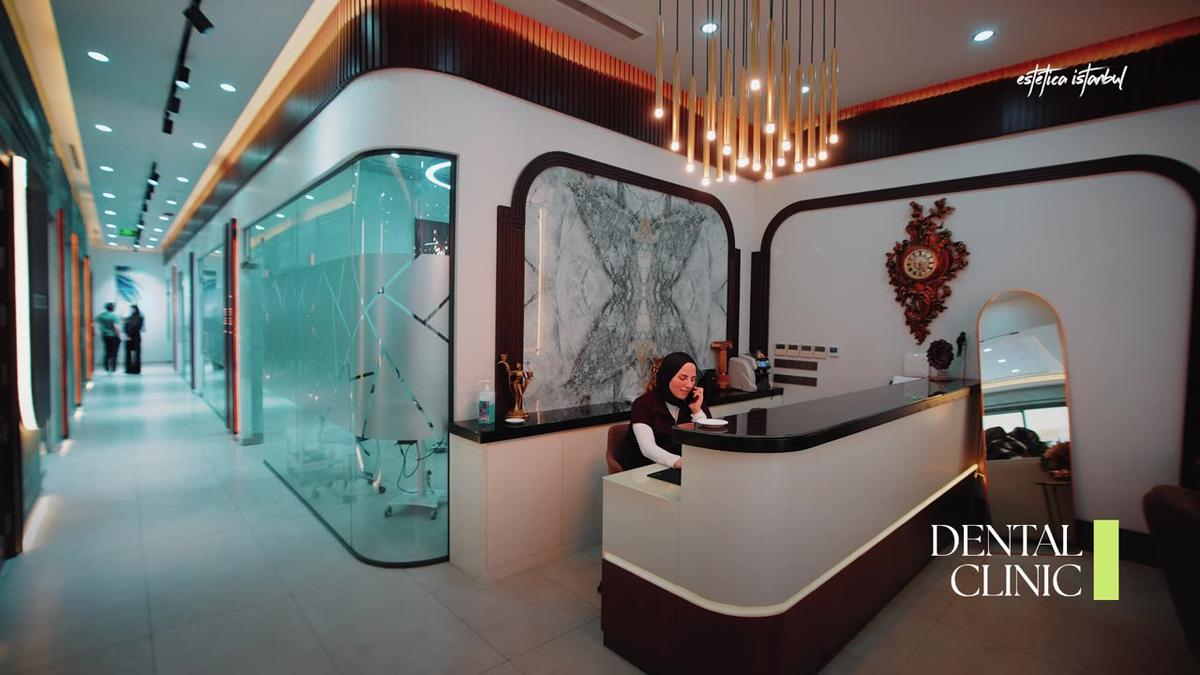
Non-surgical treatments happen at purpose-built venues — our dedicated partner dental clinic for veneers, crowns and implants, and our partner hair restoration clinic for transplants. Each run by teams who do only that, every day.
Recovery, Follow-Up & Your Smile
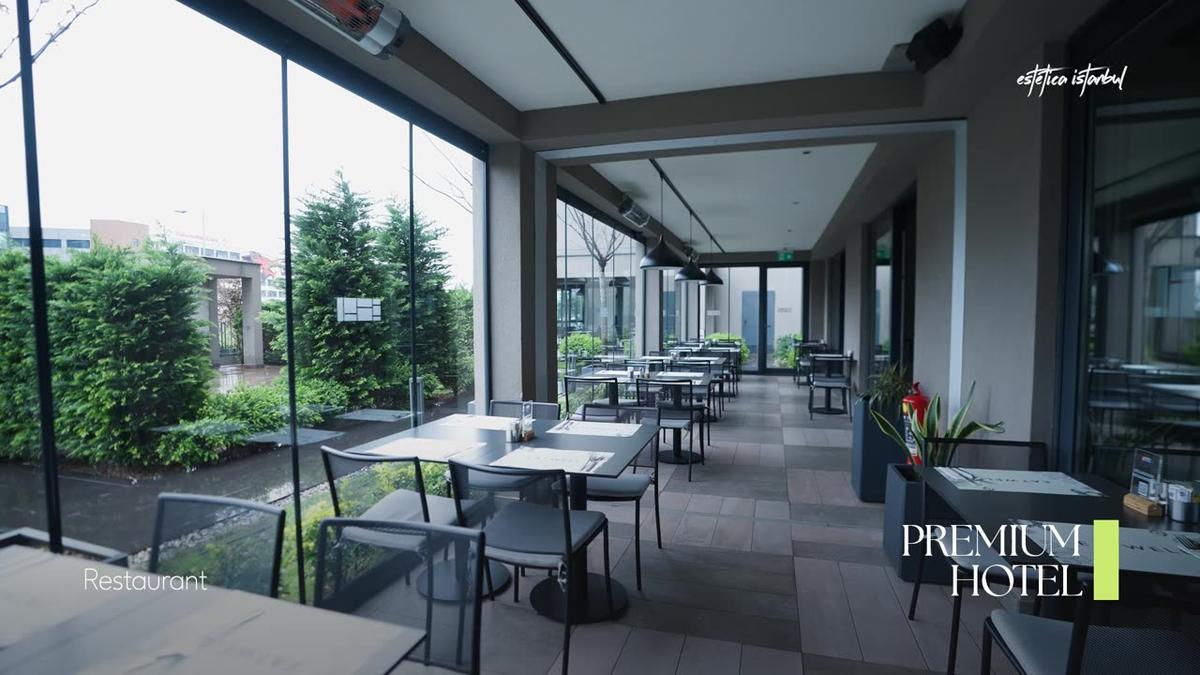
You recover in a hotel with on-site medical care, then fly home. We follow up remotely for a full year — and if a complication arises, we cover remote consultations with your surgeon and, in rare cases, revision surgery — with the Antwell upgrade.