Botched Facelift: What You Need to Know Before Your Surgery
Medically reviewed by Akın İnalöz, MD, Board-Certified Plastic Surgeon· Last reviewed:
All-inclusive
Facelift Surgery
from€3,750US$4,350£3,230CA$6,040A$6,110NZ$7,430
Why "botched" is a useful word, not a scary one
Most botched facelifts are not the result of catastrophic malpractice. They are the cumulative result of small, boring decisions made by inexperienced surgeons — slightly too much tension on the skin, the wrong incision placement, failing to address the deep muscle layer, or over-aggressive fat removal. The result is a face that looks "done": pulled, shiny, asymmetric, or strangely wind-blown.
All-inclusive
Facelift Surgery
from€3,750US$4,350£3,230CA$6,040A$6,110NZ$7,430
Knowing what can go wrong gives you the right questions to ask before surgery. That is far more useful than fear.
The five most common botched outcomes
First: the "wind tunnel" look. Skin pulled horizontally instead of upward and backward, creating an unnatural stretched appearance. Cause: wrong vector of pull, usually a surgeon who addressed only the skin and not the SMAS layer underneath.
Second: the "pixie ear" deformity. The earlobe appears stretched and attached too low on the face because of excessive tension where the incision meets the ear. This is a classic sign of a surgeon who removed too much skin.
Third: visible or widened scars around the temple or in front of the ear. Skilled surgeons hide incisions in the hairline and the tragus (ear cartilage); bad ones leave them in plain sight.
Fourth: hairline disruption. Poorly planned temporal incisions push the sideburn backward, exposing bald scalp and making the facelift permanently obvious.
Fifth: facial nerve injury. The most serious complication — weakness or paralysis in the lip, brow, or cheek on one side. This is rare (under 1% in experienced hands) but devastating. Most cases recover within 3–6 months; a small percentage are permanent.
The red flags to spot before you book
Avoid any surgeon who cannot show you 20+ facelift before-and-after photos with the same lighting and angle in each. Avoid any surgeon who offers a "thread lift" or "mini lift" for patients who clearly need a full deep plane procedure — this is a sign of skill limitation dressed up as patient choice.
Avoid any clinic that does not show you a written surgical plan describing which tissue layer will be addressed, where the incisions will be placed, and how the tension will be distributed. A surgeon who cannot explain the plan in five minutes is a surgeon who has not made one.
Avoid anyone who promises a "no scars" facelift. There are always scars — they should just be invisible unless you are looking for them with a flashlight.
What "deep plane" actually means and why it matters
The deep plane facelift repositions the underlying facial muscles and ligaments rather than just pulling the skin. This is the technique used by top facelift surgeons worldwide because it creates a natural lift, preserves facial expression, and lasts 10–15 years instead of 5–7.
A surgeon doing SMAS plication or skin-only lifting on a patient who needs deep plane work will produce a "botched" result even if technically nothing went wrong. Make sure the surgeon you choose has deep plane facelift as their primary technique, not as an upsell.
Can a botched facelift be fixed?
In most cases, yes — but revision is much harder than the original surgery. The tissue planes are scarred, the anatomy is distorted, and the surgeon has to work around mistakes instead of starting from clean anatomy. Revision facelifts are generally 40–60% more expensive than primary facelifts and have a higher complication risk.
At Estetica Istanbul our partner surgeons perform revision facelifts for patients who were unhappy with procedures done elsewhere. Most revisions can significantly improve the result, but realistic expectations matter: a revision makes things better, not perfect.
How to interview your surgeon
Ask these five questions in your consultation and listen carefully to the answers. First: "What technique will you use, and why that one for my face?" A good surgeon explains vector, layer, and tension. Second: "Can I see before-and-after photos of patients with my facial structure?" Not just any patients — your kind. Third: "What is your personal complication rate, and what was the last complication you had?" Honest surgeons have honest numbers. Fourth: "How many facelifts have you done in the last 12 months?" Volume matters; below 50 per year is a red flag for complexity cases. Fifth: "What happens if I am not happy with the result?" The answer should involve follow-up, not refund.
Frequently Asked Questions
How common are botched facelifts?
Serious complications (nerve injury, major asymmetry, skin necrosis) occur in under 2% of facelifts performed by experienced plastic surgeons. Minor dissatisfaction (subtle asymmetry, residual jowling, scar issues) is more common — around 10–15% — but most of these can be improved with minor revisions.
Are facelifts in Turkey more likely to be botched?
No, but the same rule applies as everywhere: surgeon matters more than country. A top Istanbul surgeon with 20 years of deep plane experience produces better results than an average surgeon anywhere in Europe. The risk in medical tourism is not the country — it is choosing on price without checking credentials. Ask for ISAPS or EBOPRAS certification and 20+ same-angle before/afters.
How long does a good facelift last?
A well-executed deep plane facelift lasts 10–15 years before patients typically want a refresh. Skin-only or SMAS plication facelifts last 5–7 years. Thread lifts and "liquid lifts" are not in the same category — they last 12–18 months at most.
Can I fix a facelift from another clinic?
Yes. Revision facelifts are a specialty of our partner surgeons. Bring all documentation from your previous procedure (operative notes, before/after photos, any complications reported). The surgeon will assess whether a revision is possible and what realistic improvement you can expect.
What is the typical cost of a revision facelift?
In Turkey, a revision deep plane facelift typically costs €6,500–9,500 while a primary deep-plane procedure is individually quoted. The €3,750 starting package applies only to mini facelift. In Italy or the UK the same revision is €18,000–30,000. The price difference is operating costs, not surgeon skill.
Before booking: ask how a concern would be handled
Avoiding a disappointing facelift starts with a clear assessment, realistic goals and an agreed follow-up pathway. It cannot be reduced to choosing one technique or requiring a particular number of gallery photographs. Ask the surgeon to explain the recommendation for your anatomy and what happens if recovery or appearance concerns arise.
A systematic review of facelift nerve injury treats nerve damage as a recognized complication. A pooled research estimate cannot verify a particular surgeon's results or predict yours, so no partner complication percentage is quoted here. Ask about risk without accepting a promise that technique or experience removes it.
Agree what the operation is intended to change
Describe the areas that concern you and what you would prefer to preserve. Ask the surgeon to explain the proposed work on the face and neck, the expected incisions and any additional procedure. A named technique alone does not tell you what is being treated.
Ask what will remain outside the plan, such as an area of skin texture or a feature that needs a different assessment. Discuss observation, a smaller intervention or no surgery where relevant. Do not assume that a less extensive recommendation means limited skill, or that deep-plane surgery is appropriate for everyone.
If you provide inspiration pictures, explain which feature you mean. Ask how differences in anatomy affect the proposal. A face selected from a gallery is a discussion aid rather than an attainable specification for another person's operation.
Use galleries to ask better questions
Look for consistent views, lighting and information about when images were taken. Ask whether additional procedures contributed to the result. A series showing only early images answers a different question from healed follow-up. Do not invent a minimum number of photographs that proves competence.
Ask whether the example resembles your starting concern and proposed scope. If your case involves previous surgery, seek relevant discussion of that history. A primary facelift portfolio should not be represented as proof of revision expertise.
Verify qualifications and the named operating facility through suitable records. Society membership, specialist training, operating privileges and hospital accreditation are different facts. Request evidence for the specific person and facility rather than treating a badge as proof of all four.
Ask about complication discussions without demanding zero risk
Ask which complications are relevant, how they are detected and where assessment or treatment occurs. If the surgeon shares personal figures, ask what operation types, follow-up period and definition they cover. A percentage without a denominator and timeframe is difficult to interpret.
Ask about movement, sensation, wound healing, scars and contour concerns separately. These are different outcomes and should not be collapsed into a single “botched rate.” Ask what would prompt urgent review and what may require planned observation.
Tell the surgeon about medicines, nicotine, earlier procedures and relevant health conditions. Ask whether these change the recommendation or preparation. No instruction to self-stop medicines or a universal quit interval is supplied here.
Clarify the response to dissatisfaction before it occurs
Ask who sees you if the result differs from the goal, when an in-person examination is needed and what records will be used to compare progress. Do not assume a remote photo review is sufficient for every concern.
Request a copy of the operative and discharge records after treatment. Preserve the original plan and dated images. If you later seek an independent opinion, those records help the clinician understand the procedure rather than guess from appearance alone.
Ask whether the written policy distinguishes routine follow-up, complication treatment and elective revision. A reduced surgical fee does not establish who pays anaesthesia, hospital, accommodation or flights. Do not infer a guarantee of correction or refund.
Match the financial and travel plan to the chosen operation
As of October 2026, mini facelift starts from €3,750 all-inclusive, flights excluded, with five package nights. Deep-plane and revision work are priced individually. Do not compare the mini floor with a full or revision quote as if the operation were the same.
Confirm the named surgeon, scope, facility, accommodation, transfers, medicines and review inclusions. Ask your patient coordinator about the dated itinerary and costs of an extension. The treating clinician assesses flight readiness; a package end date cannot make a clinical promise.
Consider the alternative of local treatment when you cannot accommodate a longer stay or local aftercare. Geography alone cannot prove equivalent results, but travel flexibility and access to assessment are practical differences you can compare.
Is deep-plane always the way to avoid a bad result?
Ask why the chosen method fits your case. No technique guarantees an outcome or is mandated for everyone.
Is an early scar proof of poor surgery?
Ask for assessment and the expected course in your own case. Do not assign cause or responsibility from appearance alone.
Can a policy promise satisfaction?
Read the actual coverage and exclusions. A service agreement cannot guarantee a particular clinical result.
Bring these questions to an initial assessment through the facelift page.
Get Your Free Consultation
Our partner medical team will review your case and send you a personalized treatment plan.
Your Journey. Our Hands.
From your first message to your flight home — we run the logistics. You focus on the result you came for.

Free Consultation
Send us photos and your goals on WhatsApp. We review them with the partner medical team and send a detailed, written all-inclusive quote. No payment to get your quote.
We Handle the Logistics
Once you decide, we book your hotel and VIP transfers; you book your own flight (not included) and we help you choose the right dates. Pre-op tests, hospital admission, English-speaking support — all arranged before you land.
Partner healthcare institutions
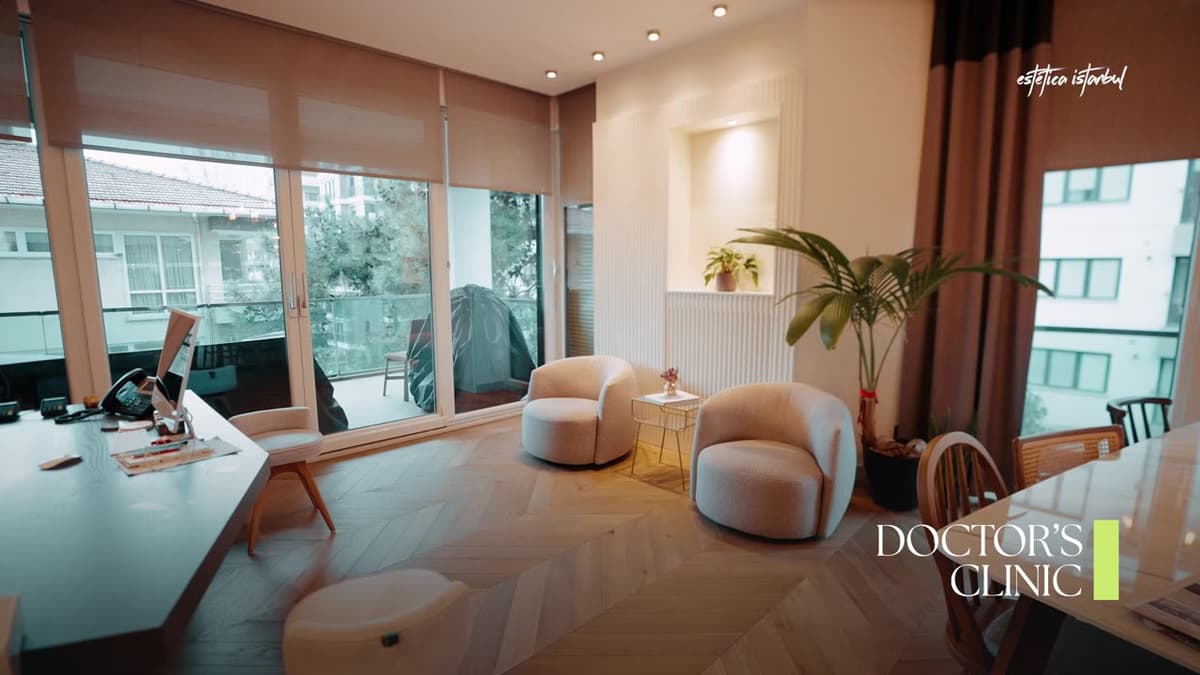
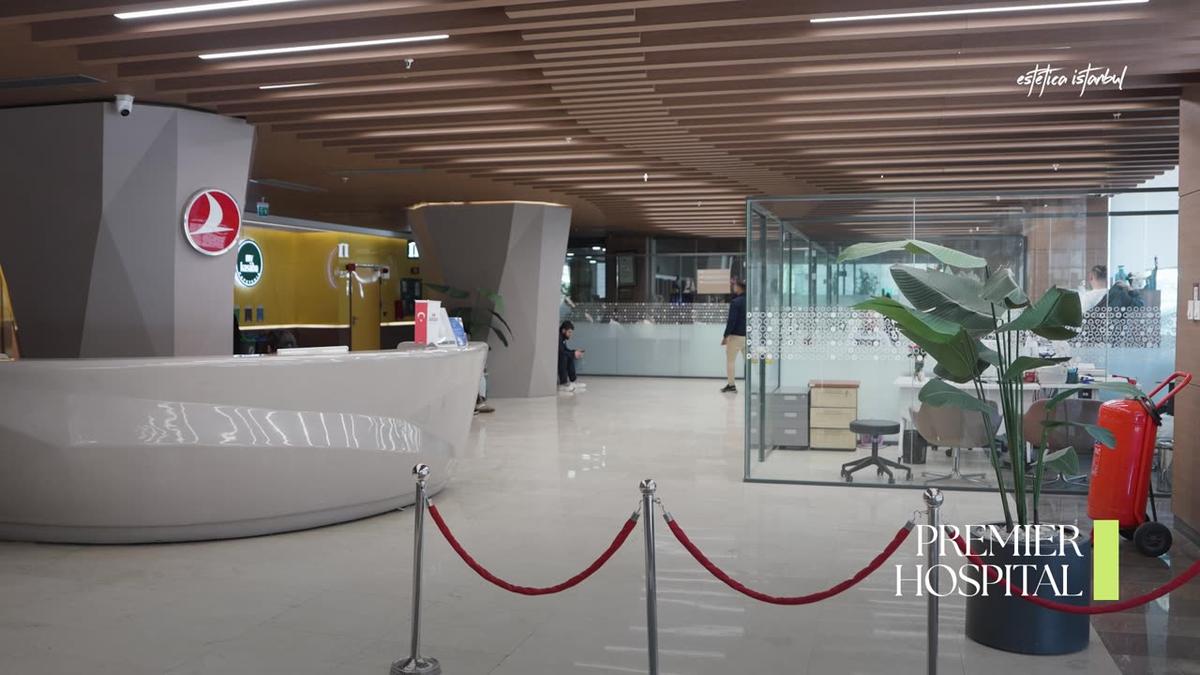
Your operation takes place inside a fully accredited hospital — dedicated anaesthesia and nursing teams, intensive care on the same floor, international safety standards. Never a back-street day-clinic.
Specialist Clinics for Smile & Hair
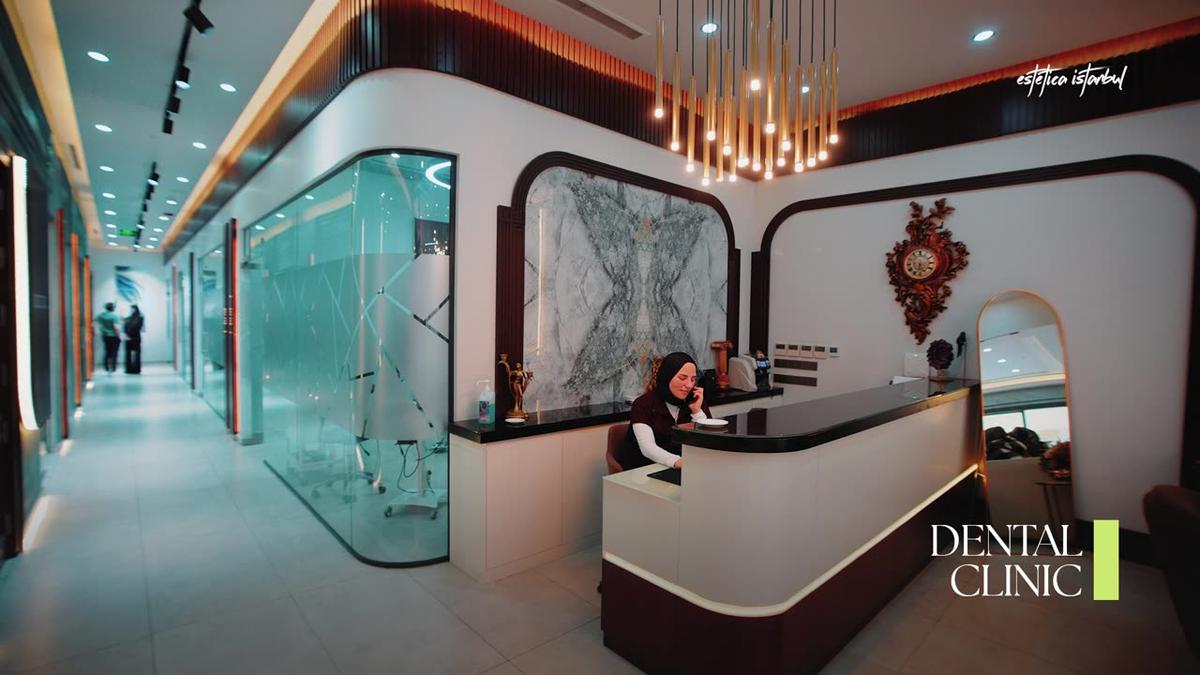
Non-surgical treatments happen at purpose-built venues — our dedicated partner dental clinic for veneers, crowns and implants, and our partner hair restoration clinic for transplants. Each run by teams who do only that, every day.
Recovery, Follow-Up & Your Smile
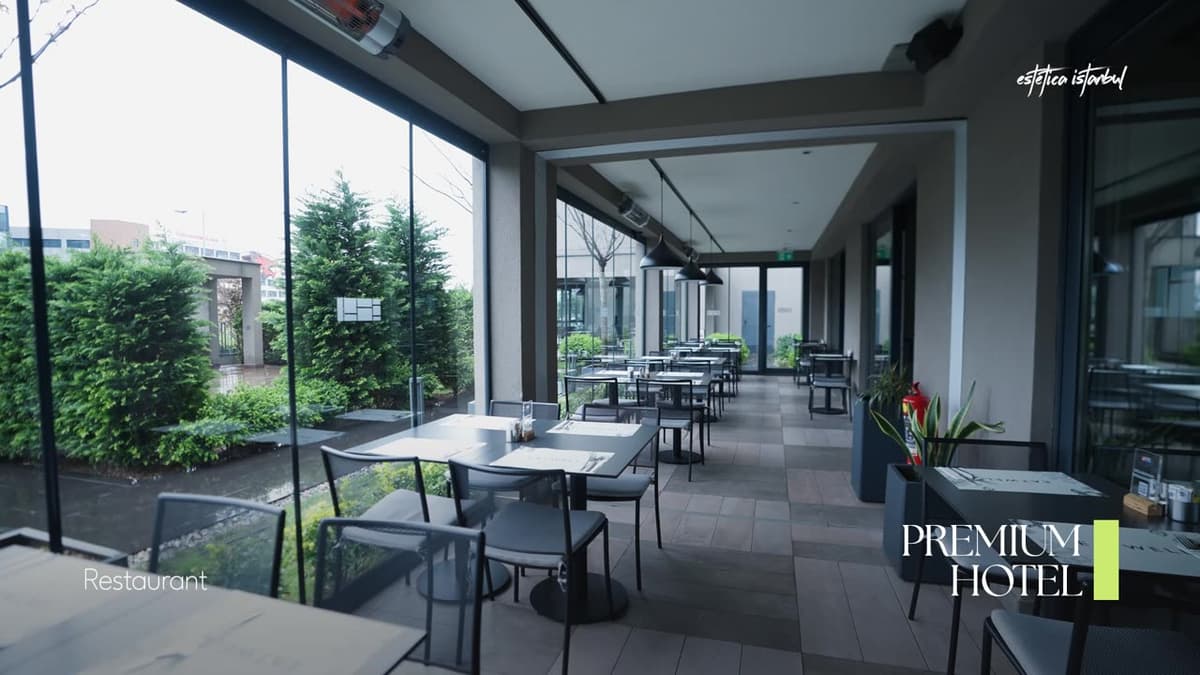
You recover in a hotel with on-site medical care, then fly home. We follow up remotely for a full year — and if a complication arises, we cover remote consultations with your surgeon and, in rare cases, revision surgery — with the Antwell upgrade.