Dental Crowns Turkey Cost: From €150 per Tooth — and How Many You Really Need
All-inclusive
Dental Crowns
from€150US$170£130CA$240A$240NZ$300/tooth
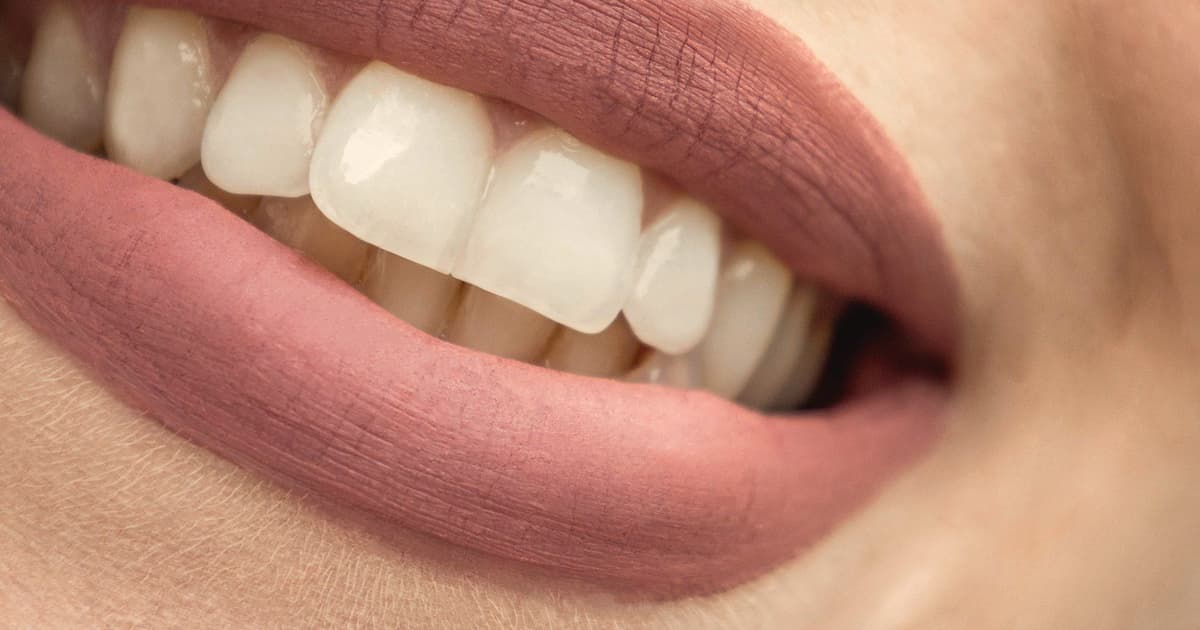
Dental crowns in Turkey start from €150 per tooth at our partner clinics in Istanbul, and the whole treatment is normally finished in a single 3–5 day trip under local anaesthetic. A private crown in the UK generally runs several hundred pounds and a US one over a thousand dollars, which is why the flight tends to pay for itself somewhere around the second or third tooth. But the number you should really be checking is not the price per crown. It is how many crowns you actually need.
That matters because a crown is not a cosmetic add-on. To fit one, the dentist has to reduce the tooth all the way around, and that is irreversible. Crowns are the right answer for a tooth that is broken, root-canalled, heavily filled or worn beyond what a filling can hold. They are the wrong answer for a healthy tooth that is simply the wrong shade or slightly crooked — that is what veneers, whitening or aligners are for. If a clinic quotes you sixteen crowns before it has seen an x-ray, you are being sold to, not treated.
How much do dental crowns cost in Turkey?
The published starting price at our partner clinics is €150 per tooth. At that rate a single crown is €150, a set of eight across the front of the mouth comes to around €1,200, and a full visible set of sixteen to roughly €2,400 — before any extra work the x-rays turn up. That figure covers the crown itself: the preparation appointment, the temporary crown, the laboratory work and the final fitting. Material choice moves the number, and so does anything the tooth needs underneath it.
All-inclusive
Dental Crowns
from€150US$170£130CA$240A$240NZ$300/tooth
For comparison, private crown pricing generally sits around £600–1,200 per tooth in the UK, €700–1,400 in Western Europe and $1,000–2,500 in the United States. Those are broad market ranges rather than quotes, and they vary by city and material. Even at the conservative end, eight crowns in Istanbul cost about what one or two cost at home.
Zirconia or E-max? What actually changes the price
Zirconia is the stronger of the two materials. It handles chewing load well, which makes it the usual choice for molars, for people who grind their teeth, and for bridges spanning more than one tooth. Modern monolithic zirconia looks far more natural than the chalky early generation, although a layered version is often preferred at the front, where translucency matters more than brute strength.
E-max, or lithium disilicate, is the more translucent material and generally gives the better result on front teeth — light passing through the edge of the tooth is what stops a crown looking like a tooth-shaped tile. It is strong enough for single front units but is not the first pick for heavy grinders or long bridges. Metal-ceramic crowns still exist and cost less, but the dark line that eventually shows at the gum is why most patients travelling for an aesthetic result skip them.
Crown or veneer? The choice that decides your bill
A veneer covers the front surface of a tooth and needs a sound tooth underneath to bond to. A crown covers the whole tooth and is used when the structure is already compromised. Most people who arrive asking for a complete smile makeover need a mixture: veneers on the healthy teeth, crowns only on the ones that are root-canalled, cracked or already carrying large fillings. A good dentist tells you which is which after the x-rays. A careless one crowns everything, because crowning everything is quicker and pays more.
For reference, our Hollywood Smile package is €3,350 for 12 E.max veneers including 7 hotel nights; each veneer is €230. Crowning healthy teeth is therefore rarely the cheaper route as well as being the more destructive one. If someone offers to convert your whole mouth to crowns for a headline price, ask specifically which teeth are being crowned and why. In a mouth with no existing damage, there is no honest answer that amounts to all of them.
What the all-inclusive price includes — and what it does not
The package covers consultation and x-rays, preparation of the teeth, temporary crowns while the laboratory works, the final fit and bite adjustment, hotel for the treatment nights, airport and clinic transfers, and an English- or Italian-speaking coordinator throughout. Request the deposit amount and applicable booking terms in writing before paying. Flights are excluded. Flights are never included, in this or any package we sell.
What is not in the per-tooth price is anything the tooth needs before it can take a crown: extractions, root canal treatment, gum treatment, bone grafting, or an implant where a tooth is missing altogether — implants start from €260 per implant, with the crown on top charged separately. Professional whitening starts from €230, flights excluded, with no hotel in the base item; ask the dentist whether it fits your plan. All of that is quoted after the x-rays, never before, and a clinic that gives you a final total without seeing an image is guessing.
The 3–5 day treatment timeline
Day one is the consultation, x-rays or a CT scan, the treatment plan and, if nothing unexpected appears, the preparation of the teeth and fitting of temporaries. The laboratory makes the crowns over the next day or two. Around day three or four you return for a try-in, where shade and shape can still be adjusted, and on the final visit the crowns are cemented and the bite checked. It is all done under local anaesthetic — no general anaesthetic, and no recovery in the surgical sense. Sensitivity to hot and cold for a few days afterwards is normal; pain that persists, or pain on biting, is not, and should be reported rather than waited out.
Be realistic about what does not fit into five days. A tooth that needs extracting, or an implant that has to fuse with the bone, is a two-trip treatment with three to six months in between. No compressed schedule changes bone biology. If a clinic promises implants and their final crowns inside one week, treat that as a warning sign rather than as efficiency.
How long crowns last, and what goes wrong
A well-made, well-fitted crown typically lasts ten to fifteen years, often longer, but nobody can honestly call one permanent. The common failure modes are decay starting at the margin where crown meets tooth, chipping of the porcelain layer on layered crowns, gum recession that exposes the edge, and occasionally a prepared tooth whose nerve becomes irritated and needs root canal treatment afterwards. None of that is exotic — it is ordinary dentistry.
You reduce the odds with unglamorous habits: interdental brushes around every margin, six-monthly check-ups at home, and a night guard if you grind. Before you travel, ask who handles a problem that appears a year later and what the guarantee actually covers. Get it in writing before you pay — terms differ between clinics, and a verbal promise made in the chair is worth little once you are home.
Why crowns cost less in Turkey
The materials are the same brands used in London or Munich; what differs is everything around them. Staffing, laboratory work, rent and equipment financing all cost substantially less in Istanbul, the lira exchange rate favours euro and sterling patients, and high international volumes spread fixed costs thinly. It is a cost-base difference, not a quality discount — which is also why a quote far below €150 per tooth should worry you rather than tempt you.
Choosing a clinic without getting burned
Check that the clinic holds a Turkish Ministry of Health international health tourism authorisation, and that the dentist who will actually prepare your teeth — not only the founder whose face is on the website — is registered and named to you before you book. Ask for unedited before-and-after photographs of crown cases rather than veneer cases. Refuse any treatment plan produced without an x-ray. Estetica Istanbul is a medical travel agency: the dentists and clinics we work with are accredited partners we contract with, not staff we employ, and we will tell you when the honest answer is fewer crowns than you asked for.
Frequently asked questions
How much is a dental crown in Turkey?
From €150 per tooth at our partner clinics, covering the preparation, the temporary crown, the laboratory work and the final fit. Your total depends on how many teeth genuinely need crowning and on whether any of them need root canal treatment or extraction first, which is why a plan is only issued after x-rays.
Are zirconium crowns in Turkey good quality?
The zirconia used in accredited Istanbul clinics comes from the same manufacturers that supply Western European laboratories, and the milling is digital. Quality depends far more on the dentist preparing the tooth and the laboratory finishing the crown than on the country — which is why the clinic and dentist matter more than the material brand.
Can I have crowns and dental implants on the same trip?
Implants can be placed and crowns prepared during the same visit, but an implant needs roughly three to six months to fuse with the bone before its own permanent crown goes on. In practice that means two trips. Crowns on your existing teeth can normally be finished during the first one.
If you want to know what your own mouth actually needs, send us a photograph of your teeth and any recent x-ray. Our partner dentists will come back with a written plan and a fixed price — how many crowns, which teeth, which material — before you commit to anything. The assessment is free, and if the answer is three crowns rather than sixteen, that is what we will tell you.
Photo by Vitaly Gariev on Unsplash
The useful quote begins with the tooth beneath the crown
Before comparing materials or countries, ask why each tooth needs a crown and whether it can be treated with a smaller restoration. A damaged or heavily restored tooth presents a different decision from a healthy tooth whose colour you dislike. Request a tooth-by-tooth explanation, with the findings behind it.
The Leeds Teaching Hospitals crown information describes crowns as restorations used to improve a tooth's strength, function and appearance, and explains preparation and maintenance. That supports a discussion of the underlying tooth; it does not justify a standard number of crowns for every smile or guarantee a lifespan.
Ask which teeth could instead have a filling, onlay, veneer, whitening, orthodontic treatment or no immediate treatment. The appropriate alternative depends on the examination. Do not automatically assume that every root-treated tooth needs the same design or that a crown is never appropriate for an aesthetic concern.
Separate crown fees from work needed underneath
As of October 2026, dental crowns start from €150 per tooth; the price list identifies a zirconia crown with no hotel in the base item. This floor does not verify a complete travel package, every material or all preparation-stage services. Ask for a written quote after assessment.
The quote should identify tooth numbers, proposed material, crown fees and any separate treatment needed first. Ask specifically about root canal treatment, replacement of a failing filling, gum care, removal of an old crown and additional diagnostics. Do not discover that distinction only after a tooth has been prepared.
If several teeth are planned, ask how the proposed order affects the estimate. Some teeth may need further assessment before a final decision. A provisional plan should state that uncertainty rather than hide it in the word “all-inclusive”. Compare foreign quotes with the same teeth, material and preliminary work, using dated original-currency figures.
Material choice is a clinical design question
Ask why the chosen material fits the tooth's location, remaining structure and the way your teeth meet. Tell the dentist about grinding, clenching and earlier chipped or fractured restorations. Discuss shade and appearance together with function.
A material label does not tell you the design, preparation or laboratory process. Ask whether the proposed restoration is a crown on your own tooth or a crown attached to an implant; they are different treatment pathways.
Ask what information the laboratory will receive and when you can discuss the appearance. A phone photograph does not by itself specify the final colour. Request an explanation of the point at which changes remain possible and what happens if you are uncertain.
Temporaries and final fitting deserve their own checklist
Ask whether a temporary crown will be fitted, how to care for it, what you may eat and what to do if it loosens. The Leeds leaflet describes temporary protection while a crown is made. Your individual instructions should account for the actual tooth and temporary restoration.
At the final appointment, ask the dentist to review comfort, contact with neighbouring teeth and how the bite feels. Report discomfort rather than deciding it must settle because you are about to depart. Ask which symptoms need prompt examination and what can be discussed remotely.
Ask about possible further treatment
Discuss sensitivity, changes in the gum margin, fracture, decay around the restoration and possible later treatment of the tooth. Ask what findings would change suitability for a crown.
Price recovery and later maintenance honestly
The included list should state examination, diagnostics, preparation, temporary work, laboratory fabrication, fitting and any agreed adjustment visits. Excluded items include flights, accommodation unless separately booked, additional dentistry and future repairs unless written terms cover them. Deniz nights cost €70 each; Antwell adds €40 per night above Deniz. Ask about insurance and the cost of local assessment after returning home.
Arrange a final review before departure and ask whether unexpected treatment changes your itinerary. There is no universal three-to-five-day completion promise here. Long-term maintenance should be discussed with your usual dentist; records of the material and treatment help another clinician assess later concerns.
Is eight times the starting fee a final quote for eight crowns?
It is arithmetic, not a verified plan. Additional work, material changes and services may change the total.
Can I whiten the crown later?
Discuss shade before manufacture and ask about the behaviour of restorations and natural teeth.
What happens if the crown fails after I go home?
Request the written assessment and repair policy, including travel and fees. No replacement guarantee is implied. Send photographs, dental history and available imaging for a free initial assessment.

Get Your Free Consultation
Our partner medical team will review your case and send you a personalized treatment plan.