
Dental Crowns
Protect and restore damaged teeth with custom crowns that match your natural smile.
from€150US$170£130CA$240A$240NZ$300· All-inclusive
Trusted by 6,000+ international patients since 2018
Get Your Free Consultation
Our partner medical team will review your case and send you a personalized treatment plan.
Duration
3–5 days total
Anesthesia
Local anesthesia
Hospital Stay
Outpatient
Back to Work
1 day
Recovery Time
1–2 days
Results Visible
Immediate
At a glance
- What is it?
- Dental crowns in Turkey to restore and protect damaged teeth with custom-made crowns at…
- Cost
- €150/tooth — all-inclusive of surgeon, hospital, hotel, transfers and aftercare; flights not included
- Recovery
- 1–2 days
- Safety & risks
- Every procedure carries risks. The treating professional should assess suitability and explain expected benefits, complications and follow-up before you consent.
A dental crown is a full-coverage restoration that wraps around a damaged or aesthetically compromised tooth, restoring strength, function, and appearance. Crowns are indicated for teeth that have been heavily filled, root-canal-treated, fractured, or significantly discoloured — and for patients seeking a Hollywood smile transformation across multiple teeth.
Who is a good candidate?
- Teeth with large fillings or weakened structure.
- Root canal-treated teeth that need full protection.
- Discolouration that does not respond to whitening.
- Full-smile aesthetic transformation across multiple teeth.
Crown materials — EMAX vs. zirconia vs. PFM
Zirconia
Our default for most posterior crowns and many anterior cases. Extremely strong, excellent long-term outcomes, and with modern multilayered zirconia the aesthetics rival any material.
EMAX (lithium disilicate)
The gold standard for anterior aesthetics. Superb translucency and light-behaviour that mimics natural enamel. Slightly less strong than zirconia, so we prefer it for front teeth where aesthetics lead the decision.
Porcelain-fused-to-metal (PFM)
The traditional standard. Durable but can show a grey line at the gum over time as gums recede. Rarely our first choice today except in specific cases.
Our recommendation
Full zirconia or multilayered zirconia for molars and premolars. EMAX for visible front teeth where maximum aesthetic quality matters. A mixed approach across a full smile makeover is common and sensible.
The procedure
Typically two to three visits across three to five working days — ideal for a combined consultation and treatment trip. Teeth are prepared, scanned digitally, and the crowns are manufactured in the partner clinic's on-site laboratory. Final cementation usually occurs in the last visit.
Risks and realistic expectations
Crown longevity averages ten to fifteen years, with best-case lifespans of twenty-plus in well-maintained mouths. The material removal during preparation is permanent — a crown is committed treatment, not reversible. Conservative case selection prevents over-treatment.
Start with a reason for each crown
A treatment plan should explain why each tooth needs a crown. A tooth that has already been extensively restored presents a different decision from a healthy tooth whose colour you dislike. Ask the dentist to show you the finding behind each recommendation and to discuss whether a smaller restoration, whitening, orthodontic treatment or no treatment is a reasonable alternative.
Avoid treating a package quantity as a clinical target. If you were initially quoted for several crowns, the examination should still establish which teeth need treatment individually. Ask for a tooth-by-tooth plan and ask which recommendations are about health, function or appearance. Understanding that distinction makes it easier to decide what to do now and what to defer.
Agree the design before irreversible preparation
Explain how you want your smile to look in everyday situations, not only in a close-up photograph. Bring examples of what you like, then ask the dentist to discuss their relevance to your own teeth. Decide which features matter most to you: colour, proportions, the appearance of older restorations, or a damaged tooth you are reluctant to show.
Ask how you will see and discuss the proposed design, when changes can be requested, and what happens if you are uncertain. Do not assume every package includes a digital simulation, an on-site laboratory or unlimited redesigns.
The Manchester University NHS dental leaflet explains that crowns, veneers and bridges may require removal of tooth surface. Ask what that means for your teeth and whether the preparation is reversible. The choice deserves time; it should not be rushed because a flight is approaching.
Compare the whole restoration, not only the material name
E.max and zirconia are material labels, not complete treatment plans. Ask which tooth is being restored, what the dentist is trying to achieve and why the proposed material suits that task. A good explanation connects the material to your situation rather than promising that the same option is best for every patient.
Your quote should state the number of crowns, the proposed material for each, and whether preparation, temporary restorations, laboratory work and final fitting are included. Ask what extra treatment might be needed after examination and whether it changes the price or trip length. Keep the cost of each additional item separate from the original estimate.
Plan maintenance before leaving Istanbul
Ask for written information about your restorations that you can share with your dentist at home. Clarify how to request help if a restoration feels uncomfortable or requires assessment, and which costs are covered by the written agreement.
Do I need crowns on every visible tooth?
Do not decide the number from a package name alone. Ask the dentist to justify treatment for each tooth and show how the plan addresses your goals.
Does choosing a premium material guarantee longevity?
No material label establishes how long an individual restoration will last. Ask about maintenance, limitations and the terms of any documented warranty; avoid treating a warranty as a prediction of clinical lifespan.
What should I receive before I book?
Request a proposed tooth-by-tooth plan, itemised quote, visit schedule and an explanation of what still depends on examination. Final clinical approval belongs to the dentist.
Check the tooth and bite before choosing the final shade
Tell the dentist about pain on biting, sensitivity, earlier root canal treatment and clenching or grinding. Ask which findings determine whether a crown is appropriate and whether underlying treatment is needed first. An attractive design does not settle the health of the tooth underneath it.
If several crowns are proposed, ask how the dentist evaluates them together when you bite, speak and chew. Explain the foods or activities that already cause difficulty. Discuss whether the proposed plan needs changes to your bite, rather than assuming each new crown can be considered only as a separate colour choice.
Understand sensitivity and the possibility of further treatment
Use Manchester University NHS guidance on crowns, veneers and bridges to ask about sensitivity and the possibility of further treatment, including root canal treatment. Ask which symptoms are expected, which require examination and what happens if discomfort persists. General information does not predict the course for your tooth.
Ask about loss of cementation, fracture, decay around the restoration and gum problems as well as appearance. A crown does not remove the need for cleaning or routine dental review. Request maintenance advice for your own restorations and any protection recommended for grinding.
Allow time for the fitting decision
Before final cementation, ask when you can discuss the shape, colour and feel, and how concerns are checked. Tell the dentist if a temporary or trial restoration feels high, painful or difficult to clean. A flight booking should not make an unresolved concern irrelevant.
As of 8 October 2026, the published price list lists zirconia crowns from €150 per tooth, with no hotel included. It does not price every E.max or mixed-material plan. Request a tooth-by-tooth quote identifying materials, temporary restorations, laboratory work and additional clinical treatment. Budget accommodation, flights and return visits separately unless specifically included in writing.
Should I whiten my natural teeth before matching crowns?
If colour change is part of your goal, discuss teeth whitening before the final restorative shade is chosen. Ask whether it is appropriate and how treatment should be sequenced. Existing crowns will not lighten like natural teeth; do not assume later whitening will correct every mismatch.
Your Journey. Our Hands.
From your first message to your flight home — we run the logistics. You focus on the result you came for.

Free Consultation
Send us photos and your goals on WhatsApp. We review them with the partner medical team and send a detailed, written all-inclusive quote. No deposit to talk.
We Handle the Logistics
Once you decide, we book your flights, hotel and VIP transfers. Pre-op tests, hospital admission, English-speaking support — all arranged before you land.
Partner healthcare institutions
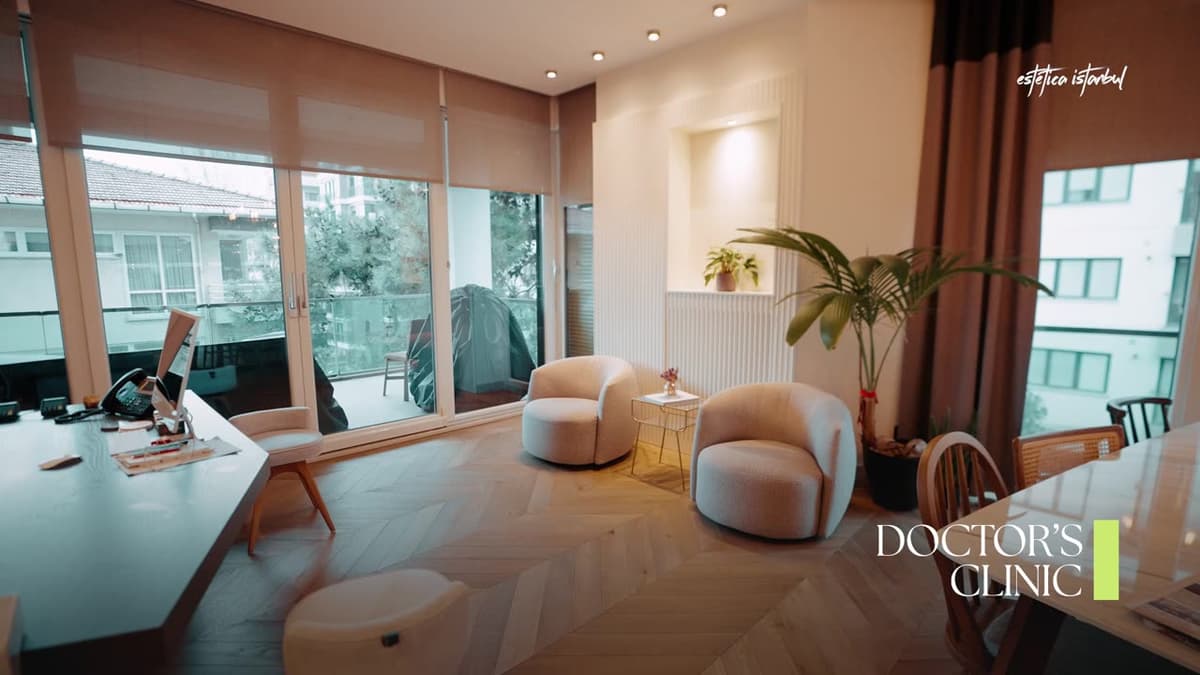
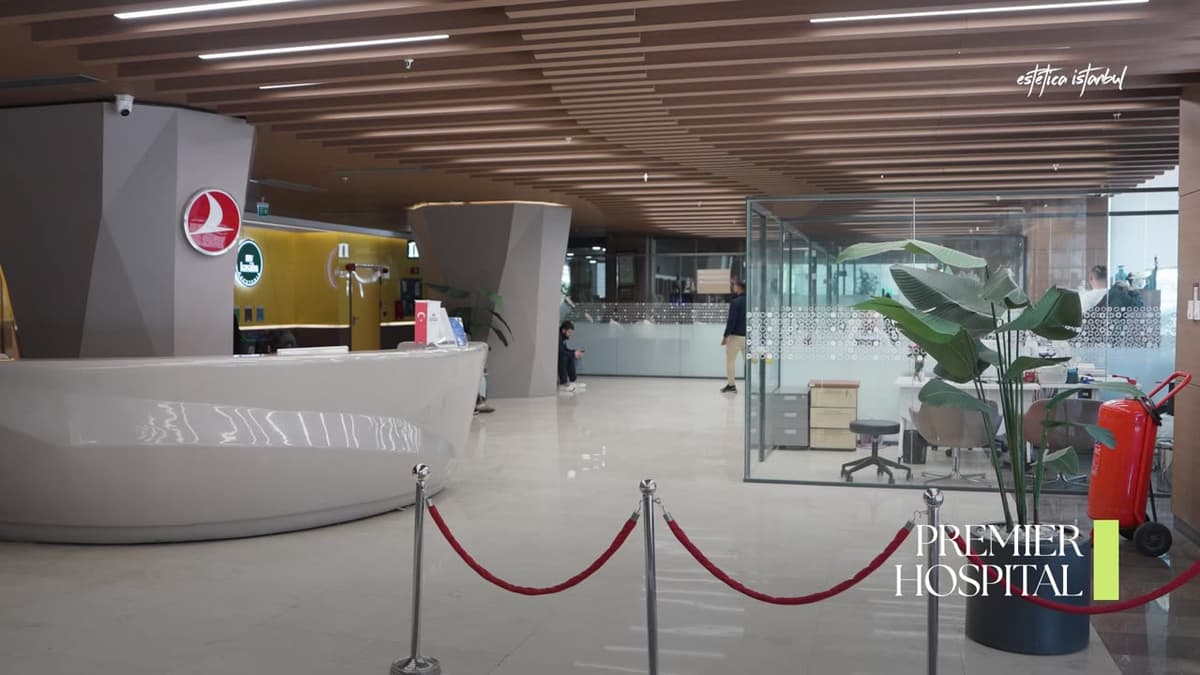
Your operation takes place inside a fully accredited hospital — dedicated anaesthesia and nursing teams, intensive care on the same floor, international safety standards. Never a back-street day-clinic.
Specialist Clinics for Smile & Hair
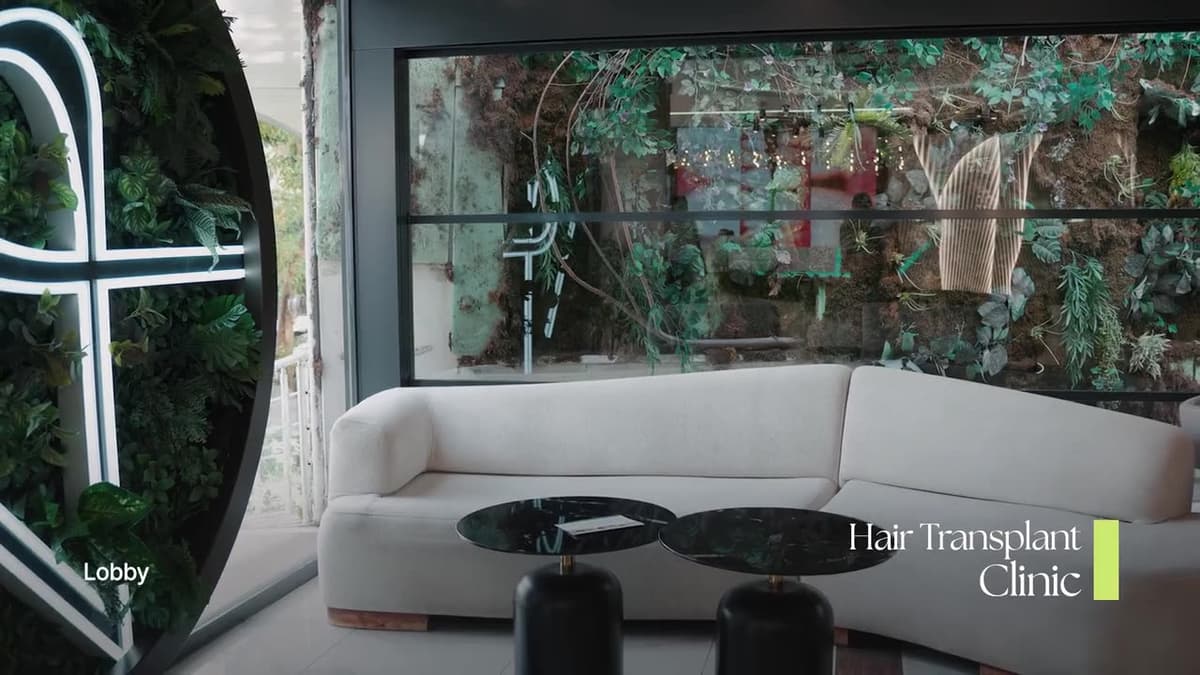
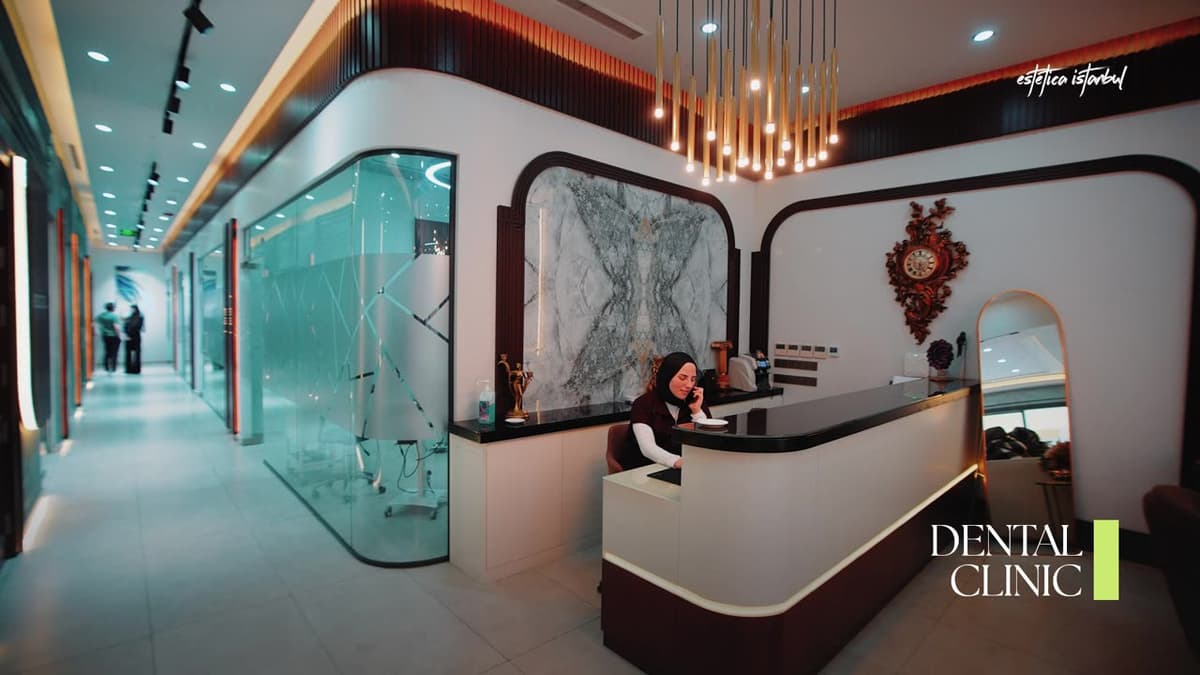
Non-surgical treatments happen at purpose-built venues — our dedicated partner dental clinic for veneers, crowns and implants, and our partner hair restoration clinic for transplants. Each run by teams who do only that, every day.
Recovery, Follow-Up & Your Smile
You recover in a hotel with on-site medical care, then fly home. We follow up remotely for a full year — and if a complication arises, we cover remote consultations with your surgeon and, in rare cases, revision surgery — with the Antwell upgrade.
What's Included
Not Included
Before & After
What Our Patients Say
Frequently Asked Questions
What is the cost of dental crowns in Istanbul?
How long does the crown placement process take?
Is crown placement painful?
How long do porcelain crowns last?
What are the risks and complications of crowns?
Can I get multiple crowns at once in Istanbul?
How do I maintain my crowns during travel back home?


Further Reading
 from €230
Teeth Whitening Turkey Cost: €230 — and When It Beats Veneers
Professional teeth whitening in Turkey costs from €230 for a 60–90 minute session. What it fixes, what it cannot touch, why nobody should fly here for it alone, and when €230 of whitening is the right answer instead of €3,350 of veneers.
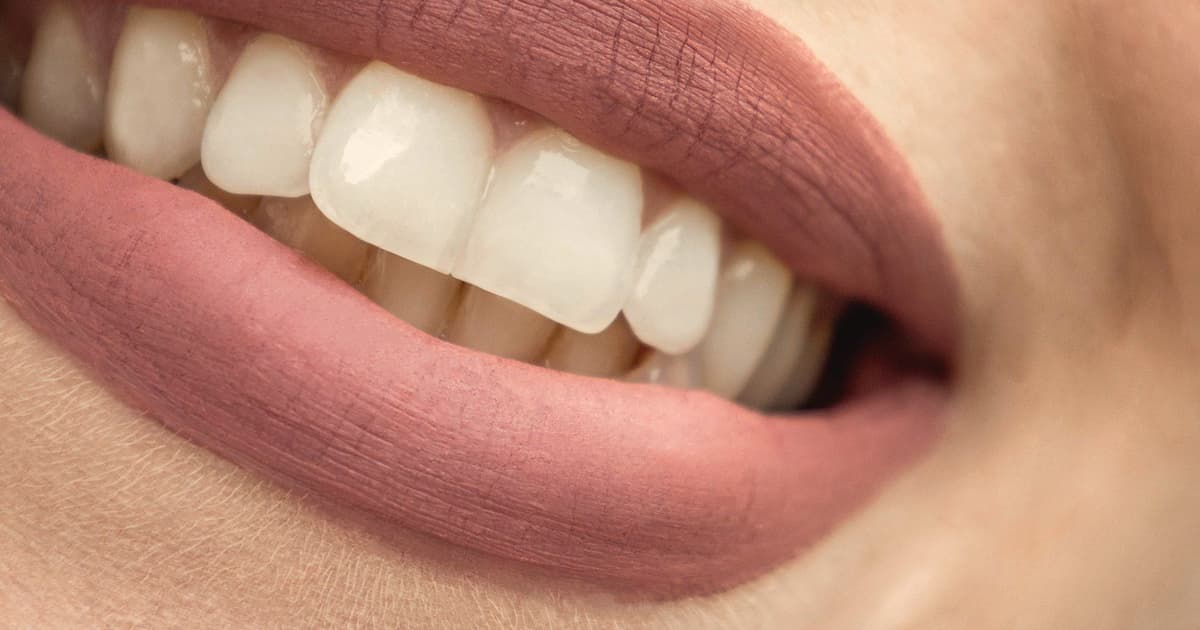 from €150/tooth
Dental Crowns Turkey Cost: From €150 per Tooth — and How Many You Really Need
Dental crowns in Turkey cost from €150 per tooth, all-inclusive, finished in a 3–5 day trip. Zirconia vs E-max, crown vs veneer, what the price leaves out, and why crowning healthy teeth is rarely the right answer.
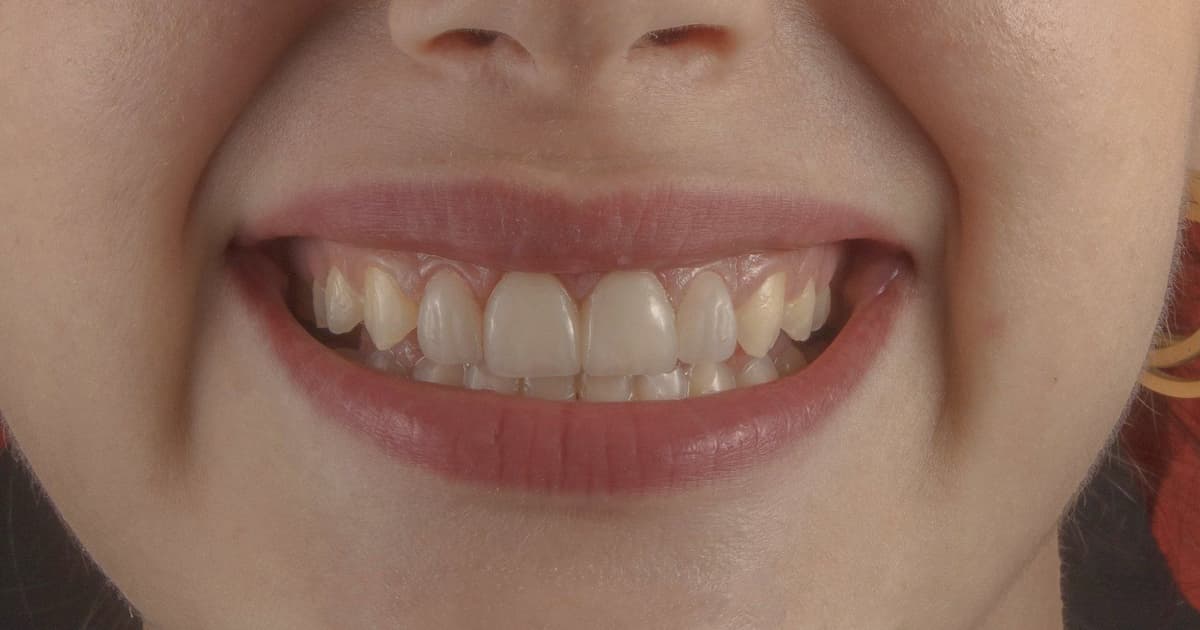 from €260/implant
Dental Implants in Turkey: Cost, Brands & How to Choose (2026)
Dental implants in Turkey start from €260 per implant — far less than the UK or US. What drives the price, single vs All-on-4, implant brands, the two-trip timeline, and how to choose a clinic safely.