Dental Implants in Turkey: Cost, Brands & How to Choose (2026)
All-inclusive
Dental Implants
from€260$300£220CA$420A$420NZ$510/implant
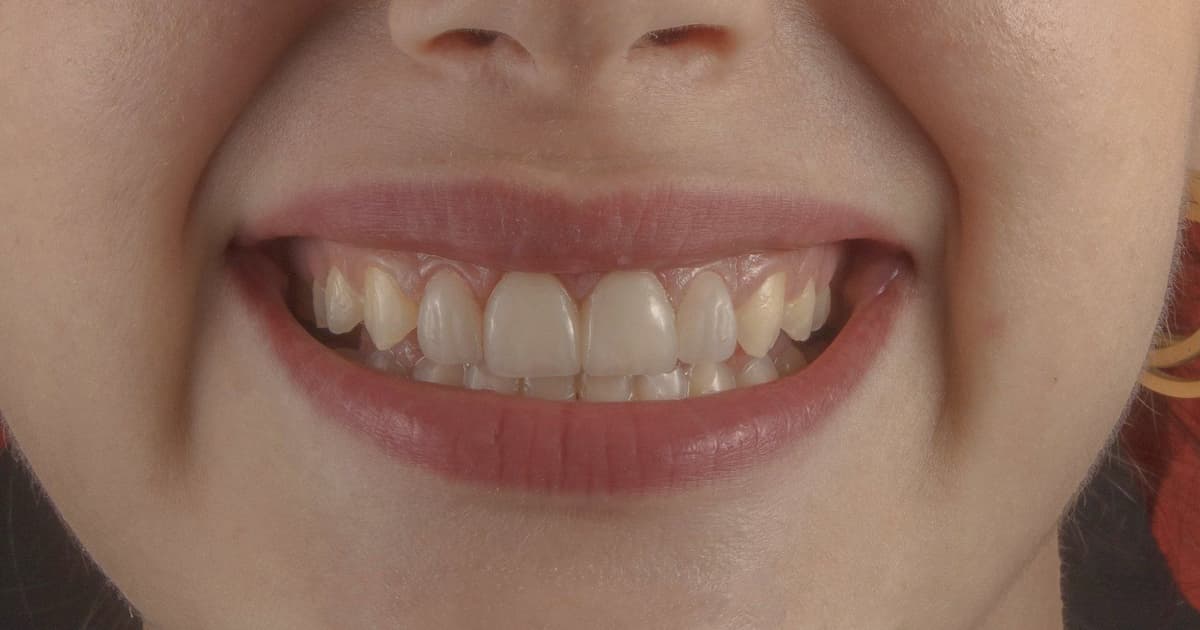
Dental implants in Turkey start from €260 per implant — a fraction of the £2,000–2,500 per implant typically quoted in the UK or the $3,000–5,000 charged in the United States. That gap is exactly why Istanbul has become one of the world's busiest destinations for dental tourism. But the headline number only tells part of the story: what you ultimately pay depends on how many implants you need, whether you choose single-tooth replacement or a full-arch solution like All-on-4, and which implant brand you select. This guide breaks down the real costs, the brands, the treatment timeline and how to choose a clinic safely.
How much do dental implants cost in Turkey?
At the dental clinics Estetica Istanbul partners with, a single dental implant starts from €260, and a crown to sit on top starts from €150 per tooth. A complete single-tooth replacement — implant, abutment and crown — is therefore usually quoted as a small package rather than one flat figure, because the crown material you choose affects the total. Full-arch solutions such as All-on-4 or All-on-6, which replace an entire upper or lower set of teeth on four or six implants, are priced as a fixed package and are best confirmed with a personalised quote. Packages typically include the surgery, your implants, consultation and a CT scan, and recovery-hotel nights with airport transfers; a €500 deposit secures your booking, and flights are never included.
All-inclusive
Dental Implants
from€260$300£220CA$420A$420NZ$510/implant
Why are dental implants so much cheaper in Turkey?
A lower price does not mean lower-quality materials. Turkey's cost advantage is structural: lower clinic and laboratory overheads, a favourable exchange rate, and an enormous volume of dental-tourism cases that lets clinics run efficiently and buy premium implant brands at scale. The same global implant systems used in London or New York are available in Istanbul. What you are not paying for is the high property and staffing overhead of a Western clinic. It is worth being realistic, though: extremely cheap all-inclusive offers can hide unbranded implants or rushed treatment, so always confirm exactly which brand and materials your quote covers.
Single implant vs full-arch: All-on-4 and All-on-6
If you are missing one or a few teeth, individual implants each topped with a crown are the standard solution. If you have lost most or all of the teeth in a jaw — or they are failing — a full-arch restoration is usually more cost-effective than replacing every tooth individually. All-on-4 anchors a fixed bridge of replacement teeth on four implants per arch; All-on-6 uses six for extra support, often where bone density allows or a larger bridge is planned. Both give you a fixed, non-removable set of teeth. Which is right for you depends on your bone volume and how many teeth are involved, assessed from a CT scan during consultation.
Which implant brands are used?
The implant brand matters more than almost any other line in your quote, because it determines long-term reliability and the worldwide availability of replacement parts. Premium clinics in Istanbul work with internationally recognised systems such as Straumann (Switzerland) and Nobel Biocare, alongside established mid-range brands. Premium systems cost more up front but carry extensive clinical track records and global support. Always ask your clinic to confirm in writing which brand and model is included in your price, and request the implant passport or certificate after treatment — this is your proof of exactly what was placed.
How many trips does dental implant treatment need?
Most implant treatment is split across two visits, because the implant must fuse with the jawbone — a process called osseointegration — before the final crown is fitted. On the first trip (typically 3–5 days) the implant is surgically placed and, where suitable, a temporary tooth is provided. You then heal at home for roughly three to six months. On the second trip (usually 2–4 days) the permanent crown or bridge is fitted. In selected cases with good bone and the right implant, immediate-load protocols allow a fixed temporary bridge on the same trip, but the final restoration still follows after healing. Your clinic confirms the exact plan after reviewing your scan.
Recovery and aftercare
Implant surgery is performed under local anaesthetic, with sedation available for anxious patients or larger cases. Most people manage the days afterwards with ordinary painkillers and describe it as comparable to a tooth extraction. Mild swelling and bruising are normal for a few days. You will be given aftercare instructions covering soft foods, oral hygiene and which activities to avoid while healing. Because some swelling is expected, do not book a flight home for the same day as surgery and follow your clinic's guidance on timing. Long-term, implants are cared for like natural teeth — brushing, flossing and regular check-ups.
Is dental treatment in Turkey safe, and how do I choose a clinic?
Safety depends far more on the specific clinic and dentist than on the country. Istanbul has world-class dental facilities alongside budget operations that cut corners, so vetting matters. Before paying a deposit, confirm that the clinic is licensed, that you can see the treating dentist's qualifications, that real before-and-after cases are available, and that the implant brand and a written aftercare and guarantee policy are spelled out. Be cautious of prices that look implausibly low and of packages promising a full mouth of implants in one short trip. Estetica Istanbul works as a medical-tourism agency coordinating licensed partner dental clinics and experienced dentists, so these standards are checked on your behalf.
How long do dental implants last?
With good oral hygiene and regular check-ups, a quality dental implant can last 20 years or more, and often a lifetime — the titanium post is designed to be permanent. The crown on top may need replacing after 10–15 years of normal wear. Smoking, gum disease and poorly controlled diabetes can shorten an implant's lifespan.
Do I really need to make two trips?
In most cases, yes — the jawbone needs three to six months to fuse with the implant before the permanent tooth is fitted. Some patients qualify for immediate-load protocols that provide a fixed temporary on the first trip, but the definitive crown still comes after healing. Your treatment plan is confirmed once the clinic reviews your CT scan.
Does getting a dental implant hurt?
The procedure itself is done under local anaesthetic, so you should not feel pain during surgery. Afterwards, most patients report only mild discomfort manageable with standard painkillers — similar to having a tooth removed. Sedation is available for nervous patients or more extensive cases.
What is included in the package price?
Dental packages typically include the implant surgery, the implants themselves, consultation, a CT scan, and recovery-hotel nights with airport transfers. Crowns, bone grafts or sinus lifts, and any additional treatment are usually quoted separately because they depend on your individual case. Flights are never included. Always ask for an itemised quote so you know exactly what is and isn't covered.
Considering dental implants in Turkey? Request a free, no-obligation assessment from Estetica Istanbul. Send a recent dental X-ray or photos and a short description of what you need, and our team will explain your options honestly — including how many implants and trips your case is likely to involve, and a clear, itemised quote.

Get Your Free Consultation
Our partner medical team will review your case and send you a personalized treatment plan within 24 hours.