Flying After Surgery: When Is It Safe? Complete Aviation Medicine Guide
Medically reviewed by Akın İnalöz, MD, Board-Certified Plastic Surgeon· Last reviewed:

The Medical Reality of Flight After Surgery
One of the most common questions medical tourism patients ask is: 'When can I fly home?' The answer depends entirely on the type of procedure you've undergone, your overall health, how your recovery is progressing, and your airline's medical clearance requirements. Flying after surgery introduces specific medical risks that don't exist during land-based recovery: cabin pressure changes, prolonged immobility, dehydration, and blood clotting risks. Understanding these risks and the evidence-based flight clearance timeline for each procedure type is essential for planning your medical tourism experience safely. The general principle is simple: the more invasive the procedure, the longer you should wait before flying. However, many patients underestimate their risk or rush home too quickly, potentially compromising their outcomes.
Procedure-Specific Flight Clearance Timelines
Hair Transplantation: 3-5 Days Minimum
Hair transplantation is one of the least invasive cosmetic procedures and among the safest for quick return to flying. The procedure involves extracting hair follicles and implanting them in the scalp—there's minimal blood loss, no general anesthesia required, and no systemic trauma. Most clinics clear hair transplant patients for flying 3-5 days post-procedure, assuming normal healing without complications. By day 3, the initial swelling begins subsiding, the implanted grafts have integrated partially, and risk of graft dislodgement from cabin pressure is minimal. However, some clinicians recommend waiting until day 5 to allow additional time for graft stabilization and to reduce flight-related swelling.
Dental Procedures: 2-3 Days for Minor Work, 5-7 Days for Extractions
Minor dental work—whitening, fillings, crown placement, or implant consultation—can typically be flown with immediately, sometimes the same day. The primary concern is infection risk and pain management. For tooth extractions, waiting 3-5 days reduces infection risk and allows initial clotting to stabilize. For bone grafting (required for some implant cases), surgeons typically recommend waiting 5-7 days before flying to minimize pressure-related bleeding risk and allow graft integration to begin.
Rhinoplasty (Nose Surgery): 7-10 Days Standard
Rhinoplasty is more invasive than hair transplantation and involves internal restructuring of nasal passages and possibly bone/cartilage modification. The primary concerns are internal bleeding and post-operative swelling. Flying too soon risks triggering post-operative bleeding from cabin pressure changes. Surgeons typically recommend 7-10 days before flying, and international surgical societies generally concur. Internal splints are often removed around day 7, which is considered an appropriate time for flight clearance. If you're flying before that, confirm with your surgeon that splints will be removed before flight.
Brazilian Butt Lift and Liposuction: 2-3 Weeks Recommended
BBL and liposuction present the highest flight-related risks among cosmetic procedures due to their invasiveness and the large amounts of fluid shifts they create. The procedures involve tunneling through fat layers, creating spaces that must heal, and significant swelling. The pressure changes in an aircraft cabin can exacerbate swelling, increase bruising, and potentially affect graft survival in BBL cases. Most surgeons recommend waiting 2-3 weeks before flying, with some recommending up to 4 weeks for optimal safety. Compression garments must be worn during flight, and you should plan for a business-class or premium seat if possible to allow movement and leg elevation.
Understanding the Medical Risks
Deep Vein Thrombosis (DVT) Risk
DVT—blood clot formation in the leg—is the most serious flying-after-surgery risk. The combination of surgical trauma, immobility, dehydration, and cabin pressure creates a perfect storm for clot formation. Patients with personal or family history of clotting disorders, obesity, cancer, or prolonged immobility are at higher risk. Surgeons may prescribe blood thinners (typically aspirin or heparin) before and after flight to reduce clotting risk. Compression socks or sleeves are standard recommendations, and you should move around the cabin frequently—get up every 1-2 hours, rotate your ankles, and perform in-seat leg exercises.
Cabin Pressure and Swelling
Airplane cabins are pressurized to approximately 8,000 feet elevation, which reduces oxygen availability and can exacerbate post-operative swelling. For the first 2 weeks post-surgery, your body is actively healing through inflammation—this is normal and necessary. However, flying adds external pressure that can increase swelling beyond what's expected for your recovery timeline. This is particularly problematic for facelift, rhinoplasty, and BBL patients, where swelling affects appearance and patient satisfaction. Flying earlier than recommended risks returning home significantly more swollen than your surgeon intended, which can distort your perception of the final result and delay healing.
Altitude Effects on Oxygen and Wound Healing
Reduced cabin pressure means reduced oxygen availability, which impairs wound healing. Your body needs adequate oxygen to fight infection and rebuild tissue. While cabin pressure won't completely prevent healing, it slows the process. This is another reason surgeons recommend waiting until your incisions are more stable before flying—typically when external sutures are removed or incisions are more fully sealed.
Practical Flight Guidance
If you must fly before the recommended timeline (genuine emergency situations), inform your surgeon and the airline before booking. Airlines may require a 'fitness to fly' medical certificate from your surgeon confirming you're safe to fly. Most airlines require this certificate if you're flying within 14 days of surgery. Don't try to hide your recent surgery—be transparent with the airline. Request wheelchair assistance if needed, inform the flight attendants that you've recently had surgery, and request seat selections that allow you to avoid excessive walking (aisle seat if possible, not a middle seat where you're trapped).
Pack compression stockings and wear them throughout your flight. Stay hydrated—drink water continuously during the flight, as cabin air is extremely dry and dehydration increases clotting risk. Avoid alcohol and caffeine, which are diuretics. Walk the aisles every 1-2 hours, perform ankle circles and leg lifts while seated, and avoid crossing your legs (which restricts blood flow). Consider traveling with someone who can help if you experience pain or complications. Bring all prescribed medications, compression garments, and wound care supplies in your carry-on bag—never check these items. If you experience severe pain, chest discomfort, shortness of breath, or leg swelling during or after your flight, seek medical attention immediately.
What a longer stay costs, in pounds and dollars
The UK Civil Aviation Authority's guidance for health professionals advises avoiding air travel for 10 days after abdominal surgery and for about 7 days after neurosurgical procedures — a reminder that the safe gap depends on the operation, not on your return ticket. Your surgeon makes the final call for your case.
Estetica Istanbul's packages already include the nights most patients need — for example 5 recovery-hotel nights for eyelid surgery or a BBL, 6 for rhinoplasty, and for a tummy tuck two nights in the partner hospital plus seven in the hotel, so you fly home on day 10. If your surgeon wants you to stay longer, each extra night at the Deniz Hotel costs €70, about £60 or $81. Compared with changing a flight or travelling home before you are cleared, a few extra nights are the cheapest insurance in the trip. Pound and dollar figures are converted from euros at €1 = £0.86 and €1 = $1.16; you are invoiced in euros, so the final amount in your currency moves slightly with the exchange rate.
Related guides: Tummy tuck in Turkey: cost and recovery · BBL recovery timeline · Blepharoplasty in Turkey: cost guide
Plan a return journey that can change after examination
The useful answer to “when can I fly?” is a provisional plan followed by individual clearance. A package's final hotel night is a booking detail. It is not evidence that your wounds, mobility and medical condition will be ready for air travel that morning.
The UK Civil Aviation Authority's passenger health guidance explains that medical clearance and airline requirements can matter. Confirm the rules of the carrier actually operating your flight, including each segment of a connecting itinerary. A surgeon's letter and an airline's permission to board serve different purposes.
Three dates belong in your itinerary
Write down the proposed operation date, the planned postoperative examination and the tentative flight. Include time for getting from the hotel to the appointment and from the appointment to the airport. If a check is scheduled on departure morning, ask whether there is enough time for further assessment without missing boarding.
Keep arrival and departure dates separate from clinical recovery days. “Seven nights” does not tell you whether surgery is on the arrival day or later, how hospital accommodation is counted, or when the surgeon expects to review you. Ask for a dated itinerary rather than working backwards from an advertised package length.
Before payment, identify the practical way to extend your stay. Check the fare conditions and whether the hotel can accommodate extra nights. Ask what happens if the clinician recommends postponement after the booked checkout time. Do not assume the agency covers those expenses unless your written terms say so.
Readiness has to include ordinary travel tasks
Ask your surgeon to discuss sitting, walking, toilet use, wound care and carrying a bag. These are different from being comfortable in a hotel bed. Explain whether you will travel alone, whether the airport has long walking distances and whether you need help with connections.
Request airport assistance in advance when appropriate. Confirm what the airport and airline actually provide, because wheelchair assistance does not mean someone will administer medication, manage a wound or provide personal nursing care. If that level of help is needed, discuss a suitable alternative with the clinical team rather than relying on cabin crew.
Choose a flight for its complete journey. A short airborne segment can still involve hours in a vehicle, check-in queues, delays and a connection. Give the team the door-to-door itinerary, including an onward train or long drive after landing.
Avoid using a generic table as permission
An online waiting period can provide background, but it cannot account for combined procedures, a new symptom or an unexpected finding at review. Ask which part of your own operation determines the travel recommendation. Facial, abdominal, breast, dental and hair procedures need their relevant specialist's judgment rather than a single clearance rule applied across the agency.
The NHS advice on cosmetic surgery abroad emphasizes aftercare planning. Keep your calendar flexible enough to accommodate a changed departure.
Pack documents that remain useful without internet access
Carry the discharge summary, medication list, allergy information and written wound-care instructions. Keep copies on your phone and an accessible paper copy. If an implant or other device is involved, ask what identifying information you will receive.
Make sure your home clinician knows you are arranging surgery abroad. Ask in advance who can assess a concern after you return, how appointment fees work and what information they would need. A clinic agreeing to routine care does not mean all complication treatment is included or immediately available.
What belongs in the contingency budget?
Include changed flights, extra accommodation, food, companion costs and additional leave. Ask whether reassessment, dressings or prescriptions beyond the initial plan are chargeable. Obtain insurance information in writing and check that elective treatment abroad and related complications are covered; do not rely on the name “travel insurance” alone.
What if I must get home for work?
Give that constraint before booking. If the required return date conflicts with the clinical plan, postponing treatment or choosing local care may be more practical.
Can I fly on the day my package ends?
Only if the clinical team clears your actual journey and the airline's requirements are satisfied. Neither checkout nor an ordinary discharge letter supplies that answer.
Is paying for a larger seat enough?
Comfort is one part of planning. Ask about the medical and functional criteria separately; a seat upgrade does not replace them.
When requesting an assessment for breast augmentation, include the proposed journey so the travel question is part of the consultation from the start.
Get Your Free Consultation
Our partner medical team will review your case and send you a personalized treatment plan.
Your Journey. Our Hands.
From your first message to your flight home — we run the logistics. You focus on the result you came for.



Free Consultation
Send us photos and your goals on WhatsApp. We review them with the partner medical team and send a detailed, written all-inclusive quote. No payment to get your quote.
We Handle the Logistics
Once you decide, we book your hotel and VIP transfers; you book your own flight (not included) and we help you choose the right dates. Pre-op tests, hospital admission, English-speaking support — all arranged before you land.
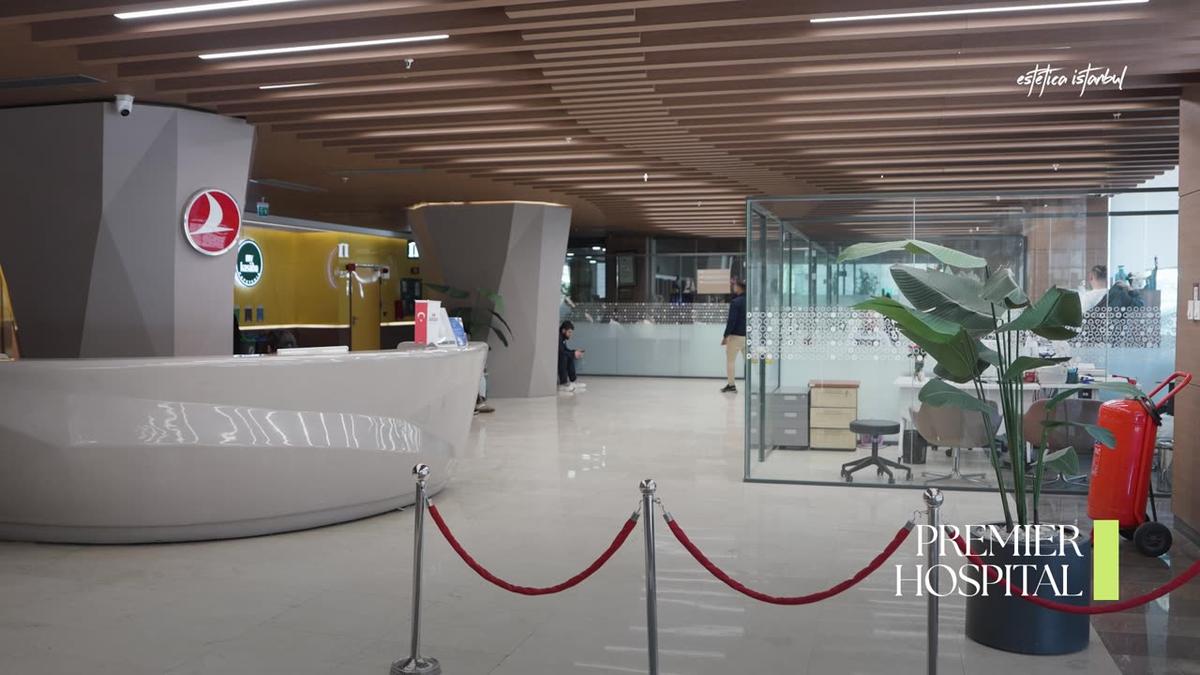
Partner healthcare institutions
Your operation takes place inside a fully accredited hospital — dedicated anaesthesia and nursing teams, intensive care on the same floor, international safety standards. Never a back-street day-clinic.
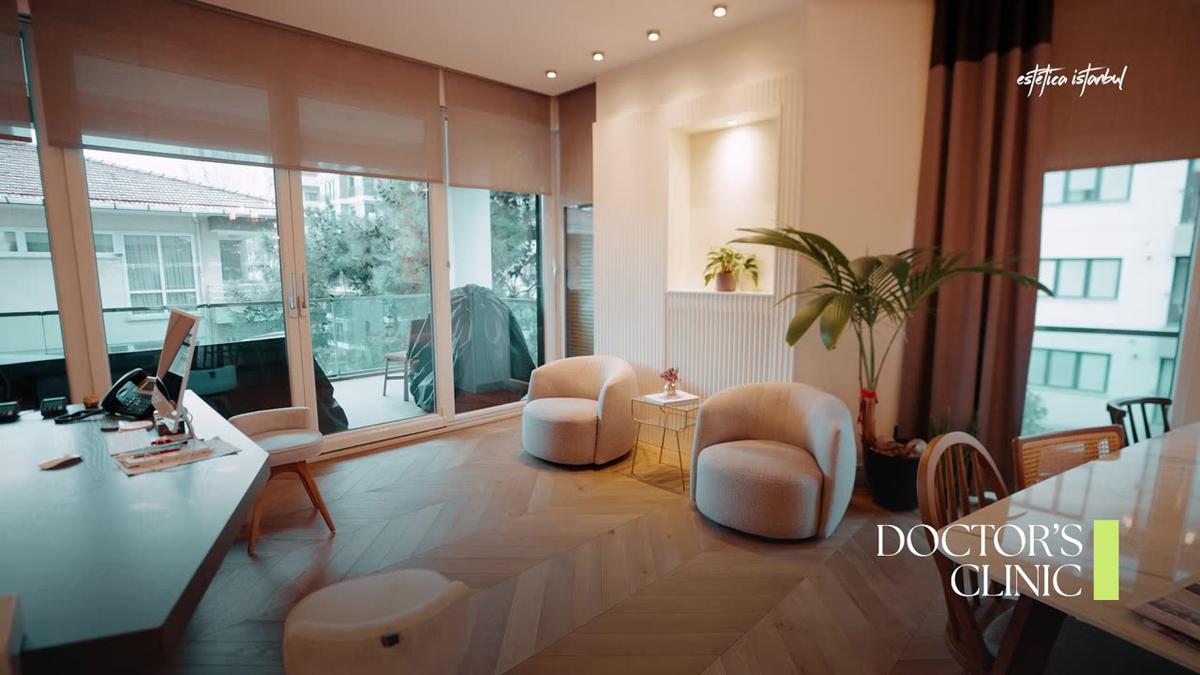
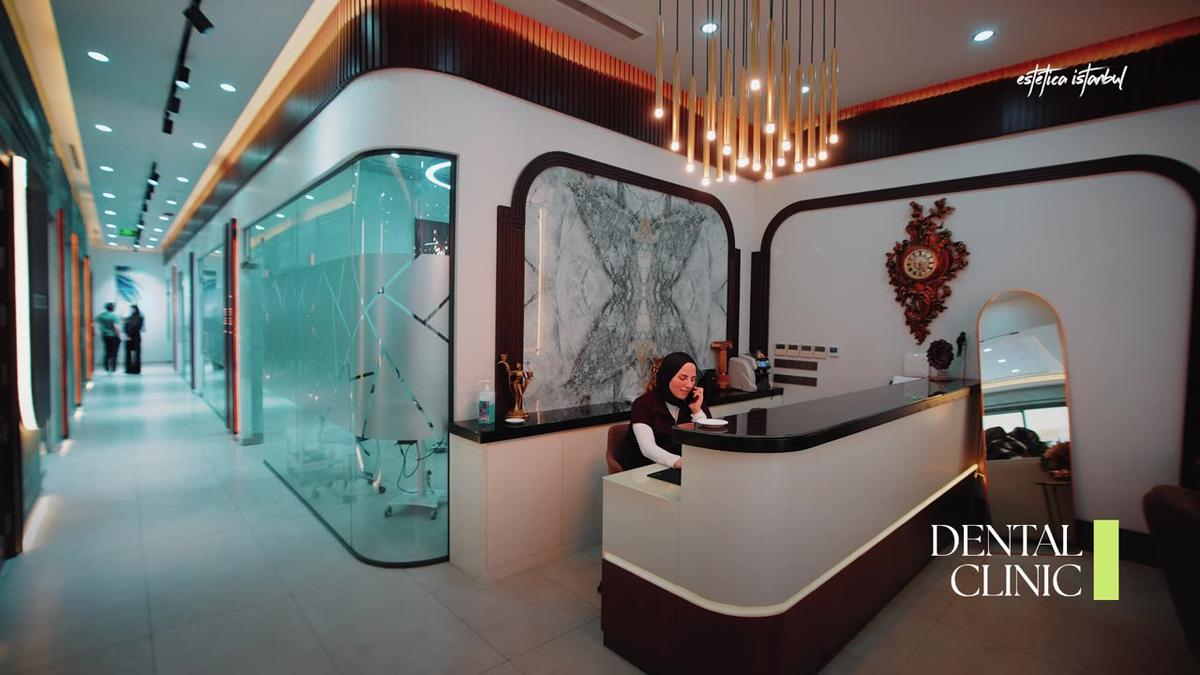
Specialist Clinics for Smile & Hair
Non-surgical treatments happen at purpose-built venues — our dedicated partner dental clinic for veneers, crowns and implants, and our partner hair restoration clinic for transplants. Each run by teams who do only that, every day.
Recovery, Follow-Up & Your Smile
You recover in a hotel with on-site medical care, then fly home. We follow up remotely for a full year — and if a complication arises, we cover remote consultations with your surgeon and, in rare cases, revision surgery — with the Antwell upgrade.