How to Choose a Medical Tourism Clinic: Red Flags & Green Flags
Medically reviewed by Akın İnalöz, MD, Board-Certified Plastic Surgeon· Last reviewed:

The Red Flags: What NOT to Choose
Before discussing what makes a great medical tourism clinic, let's establish the critical red flags that should immediately disqualify a facility from consideration. The most obvious warning sign is a clinic that refuses to name the surgeon who will perform your procedure. If a facility says 'you'll be assigned to a surgeon' or won't commit to a specific surgeon until you arrive, walk away. Your surgeon's identity, qualifications, and experience directly determine your outcome. A legitimate clinic will assign your specific surgeon before you book and provide their full credentials, including board certifications, years of experience, and volume of procedures performed. This is non-negotiable.
Another major red flag is pricing that seems too good to be true—because it usually is. If Clinic A quotes 40% less than Clinic B for the same procedure with the same surgeon qualifications, something is compromised. Medical tourism pricing varies by facility, but the variation should be reasonable (15-25%), not extreme (40-50%). The Industry Standard for Hair Restoration Surgery (ISHRS) has issued specific warnings about 'hair mills'—facilities that prioritize volume over quality, often using less experienced technicians, insufficient grafts, or corner-cutting in infection control. These mills typically advertise unbelievably low prices to attract international patients. ISHRS explicitly warns against clinics where patient volume exceeds reasonable daily capacity.
Be deeply skeptical of clinics that can't provide before-and-after photos. Yes, patients may refuse to share photos, but a clinic should have a portfolio of patient results spanning at least 5-10 years. Request photos of results specifically matching your hair type, skin tone, and surgical goals. If a clinic can only show you 'examples' or generic photos, it's a sign they may not have extensive real-world results. Similarly, if before-and-after photos look suspiciously perfect or use obvious digital enhancement, the clinic is misleading you. Legitimate clinics show real results with realistic expectations. Also examine the consistency of results: if some photos look excellent and others look mediocre, that suggests inconsistent execution—potentially indicating varying surgeon skill levels or inconsistent technique.
The Green Flags: What Indicates Quality
A quality medical tourism clinic maintains detailed, verifiable surgeon credentials. When you ask about your surgeon, the clinic should immediately provide: board certification status (and from which board), years in practice, number of procedures performed annually, before-and-after portfolio specific to your procedure type, and patient testimonials. For hair transplantation specifically, ask how experienced the team performing the procedure is and how many cases it completes, how graft counts are documented, and whether the clinic is linked to an accredited hospital. The surgeon's credentials should be independently verifiable through Turkish medical boards and professional organizations.
The clinic should provide comprehensive pre-operative consultation, ideally including video consultation with your surgeon before you commit financially. This consultation should cover realistic expectations for your case, potential risks, recovery timeline, and detailed post-operative care instructions. A quality clinic doesn't pressure you into quick decisions; they educate you. They should ask detailed questions about your medical history, current medications, and lifestyle factors that affect surgical outcomes. They should discourage you from smoking or certain medications before surgery. This level of detailed consultation indicates a clinic that prioritizes outcomes over volume.
Review verification should involve multiple independent platforms. Look for reviews on Google, Trustpilot, WhatClinic, and RealSelf. Be cautious of clinics with exclusively 5-star reviews (likely fake) or those with sudden spikes in positive reviews (suggesting review purchasing). Real patient experiences include diverse perspectives. Read negative reviews carefully—are complaints about outcome expectations, communication, or actual medical issues? A clinic with some critical reviews that thoughtfully addresses concerns is more trustworthy than one with suspiciously perfect ratings. Video testimonials from actual patients are particularly valuable because they're harder to fake and patients are more likely to be honest when on camera.
The Complete Verification Checklist
Before booking any procedure, complete this thorough checklist. First, verify JCI accreditation through the official JCI database. Second, confirm your surgeon's board certification through Turkish medical boards and international surgical associations (ISHRS for hair, ISAPS for cosmetic surgery, etc.). Third, request and independently verify patient references—not just names provided by the clinic, but real contact information for patients who've undergone the same procedure. Fourth, request detailed pre-operative and post-operative protocols in writing; compare them against international standards for your procedure type. Fifth, confirm that the facility maintains accreditation in infection control and sterilization protocols.
Sixth, clarify all financial terms in writing: what's included in the quoted price, what costs extra, whether the price is guaranteed, and what happens if revision surgery is needed. Many clinics offer revision procedures free or at reduced cost; clarify your specific terms. Seventh, understand the post-operative care plan: how many follow-up appointments are included, whether they're virtual or in-person, how to contact the clinic with concerns, and who provides care if issues arise after you return home. Eighth, request examples of how the clinic handles complications or dissatisfied patients. A clinic that doesn't have a clear process for managing problems is one you should avoid. Finally, trust your gut: if something feels off during communication or consultation, move on. The right clinic will make you feel informed, respected, and confident.
Questions to Ask Before Committing
When you've narrowed down to your top choices, ask these specific questions. 'How many of this procedure have you personally performed in the last 12 months?' This reveals volume and current experience—expect experienced surgeons to perform dozens to hundreds annually, depending on the procedure. 'What's your revision rate, and how do you define a revision?' This shows transparency about outcomes. A surgeon with 2-3% revision rate is reasonable; someone claiming zero revisions is likely not tracking honestly. 'What specific surgical techniques will you use for my case, and why?' This indicates whether the surgeon customizes approach to individual anatomy versus using a cookie-cutter method. 'Can I see before-and-after results specifically from patients with my hair type/skin tone/surgical goals?' This ensures you're not comparing your results against unrealistic comparisons.
Start with the proposed operation, then compare providers
A clinic shortlist is only useful when you know what each provider proposes to do. Two quotes for “nose surgery” may describe different work: cosmetic reshaping, correction of breathing problems, revision surgery or a combination. Ask for the diagnosis or concern being addressed, the proposed technique, its limitations and the alternatives. A confident sales explanation cannot replace the operating clinician's assessment.
Write your priorities in order before the consultation. If breathing is your main concern, make that clear rather than allowing a photo discussion to become entirely cosmetic. If you want a smaller breast but not an implant, ask why an implant appears in the proposal. For rhinoplasty in Turkey, ask which specialists assess your aesthetic and functional priorities and how their recommendations are coordinated.
Identify the legal and clinical relationships
Estetica Istanbul is a medical-tourism agency. Partner clinicians and facilities provide treatment. Ask which organisation takes your booking, which clinician obtains consent, which facility performs the procedure and which organisation invoices you. Put those names next to the actual services on your comparison sheet.
A provider can organise a smooth airport transfer without being the medical decision-maker. Equally, a skilled surgeon does not automatically determine your hotel terms. Separate clinical questions from operational questions so each reaches the person responsible. Your patient coordinator handles operational arrangements; clinical suitability and treatment decisions belong with the relevant treating specialist.
Use the consultation to test how disagreement is handled
Ask: “What would make you advise against this procedure for me?” A useful answer should relate to your history and objectives. Also ask what happens if the examination in Istanbul changes the recommendation made from photographs. Would surgery be postponed, reduced in scope or cancelled? Would a different procedure require new consent and a revised written quote?
The NHS guide to choosing a cosmetic-procedure provider recommends discussing suitability, alternatives, risks and aftercare. It is UK guidance, rather than a Turkish licensing register, but its consultation questions are useful when comparing providers abroad.
You should be able to explain the plan in your own words before paying for treatment. If you still do not understand whether an implant is permanent, whether scars are expected or whether a second visit is needed, request another explanation. A refusal to proceed is also a legitimate outcome of an assessment.
Compare the plan for the first unexpected event
Ask each provider the same scenario: “If I need an additional wound check after the planned departure date, where would it happen and who pays?” Then ask about an urgent hospital assessment, a changed flight and a problem after you return home. Save the written answers rather than relying on a reassuring phrase such as “everything is covered.”
A useful recovery plan identifies your review appointments, contact route, escalation arrangements and records supplied at discharge. A package hotel reservation does not itself establish fitness to fly.
Make the financial comparison complete
List the procedure, hospital or facility charges, anaesthesia where applicable, agreed accommodation and transfers separately, even when the offer groups them into one package. International flights are excluded from Estetica Istanbul packages. Ask about extra nights, upgrades, medication or equipment outside the standard offer, cancellation and treatment of complications. Do not treat an unspecified revision promise as insurance.
A lower total may reflect a different operation or fewer included services. A higher total may still omit follow-up. Request the written quote after photographs and your medical form have been reviewed. Take time to compare it with your alternatives, including treatment closer to home or postponing surgery.
Must I choose the provider with the most reviews?
Review volume is one piece of information. It cannot establish that the proposed operation is suitable or that the named clinician has the right qualifications. Compare the treatment plan and verifiable credentials alongside patient accounts.
Can I book before meeting the clinician in person?
Ask how provisional booking differs from final treatment consent, and what terms apply if the in-person assessment changes the plan. Do not assume that booking confirms eligibility.
What is the next step if my shortlist is still unclear?
Use the consultation form for a free assessment, include your priorities and ask for the missing details in writing. A useful comparison should leave you with fewer unanswered questions about the actual treatment.
Get Your Free Consultation
Our partner medical team will review your case and send you a personalized treatment plan.
Your Journey. Our Hands.
From your first message to your flight home — we run the logistics. You focus on the result you came for.



Free Consultation
Send us photos and your goals on WhatsApp. We review them with the partner medical team and send a detailed, written all-inclusive quote. No payment to get your quote.
We Handle the Logistics
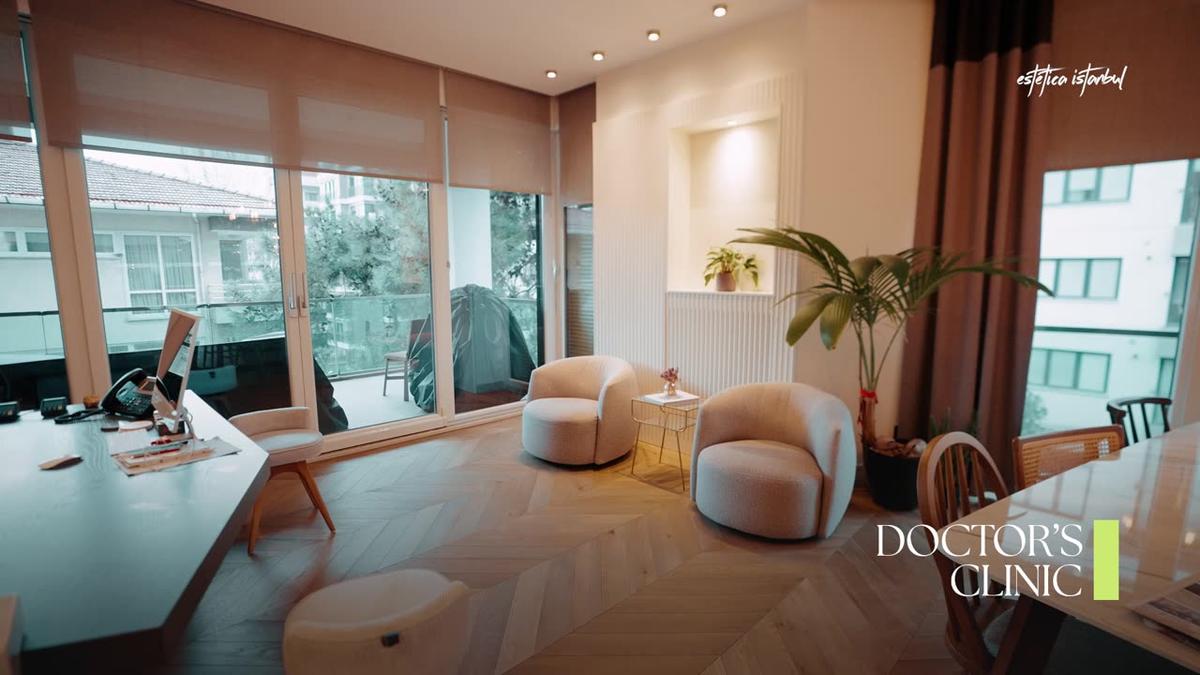
Once you decide, we book your hotel and VIP transfers; you book your own flight (not included) and we help you choose the right dates. Pre-op tests, hospital admission, English-speaking support — all arranged before you land.
Partner healthcare institutions
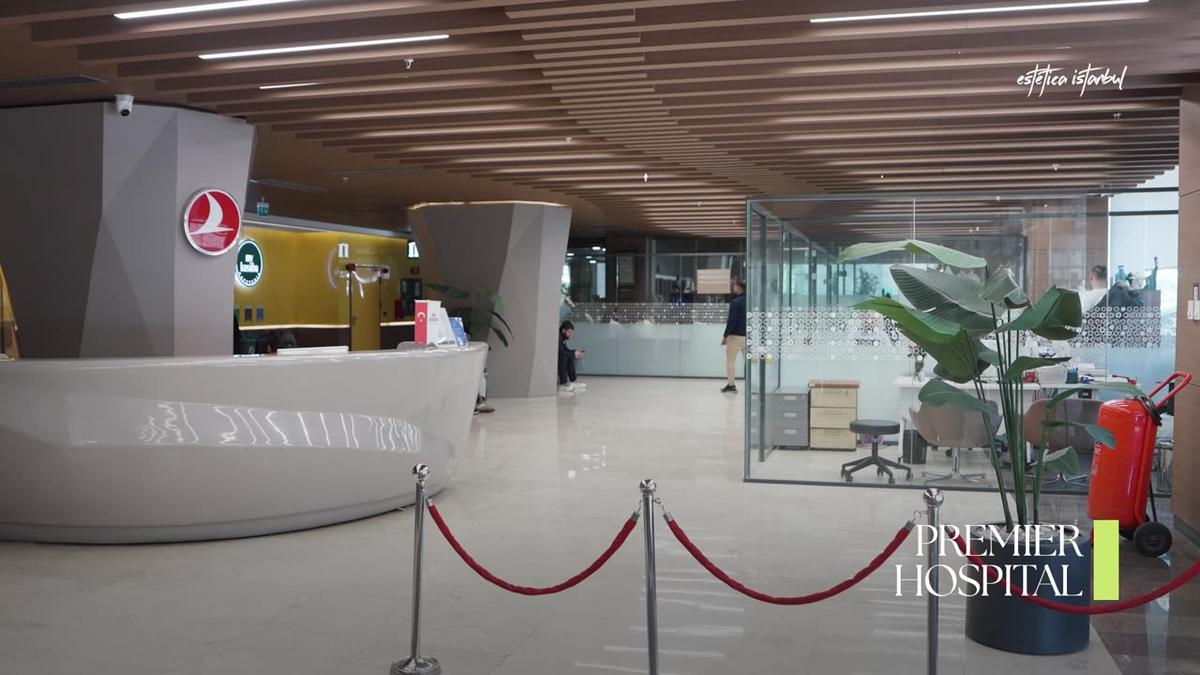
Your operation takes place inside a fully accredited hospital — dedicated anaesthesia and nursing teams, intensive care on the same floor, international safety standards. Never a back-street day-clinic.
Specialist Clinics for Smile & Hair
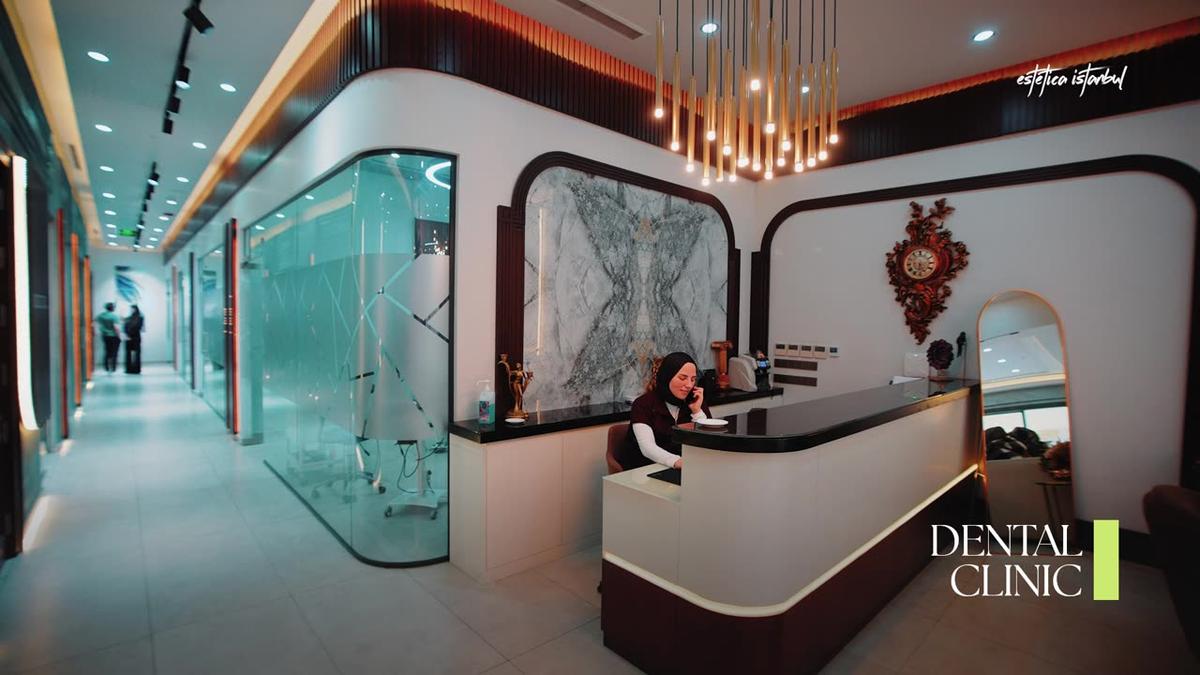
Non-surgical treatments happen at purpose-built venues — our dedicated partner dental clinic for veneers, crowns and implants, and our partner hair restoration clinic for transplants. Each run by teams who do only that, every day.
Recovery, Follow-Up & Your Smile
You recover in a hotel with on-site medical care, then fly home. We follow up remotely for a full year — and if a complication arises, we cover remote consultations with your surgeon and, in rare cases, revision surgery — with the Antwell upgrade.