Rhinoplasty in Turkey: Is It Worth It? A Complete 2026 Guide
Medically reviewed by Akın İnalöz, MD, Board-Certified Plastic Surgeon· Last reviewed:
All-inclusive
Rhinoplasty
from€3,190US$3,700£2,740CA$5,140A$5,200NZ$6,320
The actual question
"Is it worth it" means three different things depending on who is asking. For a patient in Italy looking at €7,000–10,000 prices at home, it means "will I get the same result for less money?" For a patient in the UK at £5,500–9,000, it means "is the quality the same?" For a patient worried about horror stories, it means "am I going to regret this?"
All-inclusive
Rhinoplasty
from€3,190US$3,700£2,740CA$5,140A$5,200NZ$6,320

This article answers all three versions of the question, backed by real 2026 numbers.
Price comparison: the real numbers
In 2026, a full open rhinoplasty by an experienced surgeon costs: €7,000–10,000 in Italy, €6,500–9,000 in Germany, £5,500–9,000 in the UK, $9,000–18,000 in the US. In Istanbul with a board-certified surgeon at a JCI hospital: €2,950–4,500 all-inclusive (hotel, transfers, medications, 12-month follow-up). A revision rhinoplasty is 40–60% more expensive in all countries.
The price difference is not marketing. Italian and UK surgeons charge more because their operating costs — clinic rent, anesthesia services, insurance premiums, staff salaries — are 60–75% higher than in Istanbul. Surgeon skill and training are comparable at the top end; the best Turkish rhinoplasty surgeons trained in the same European and American programs as their Italian and British peers.
Quality: how Turkey compares
The truthful answer is that the top tier of Turkish rhinoplasty surgeons match or exceed the top tier in most of Europe. Istanbul in particular has developed a reputation for rhinoplasty over the last 15 years — it is the single highest-volume rhinoplasty city in the world, with some surgeons performing 400–600 noses per year. That volume translates directly into surgical skill.
The bottom tier in Turkey is exactly as bad as the bottom tier anywhere else — possibly worse, because the patients booking on price alone often choose the cheapest clinic they can find. The solution is not "avoid Turkey"; it is "choose carefully everywhere".
Ask your surgeon: ISAPS or EBOPRAS membership (the international and European plastic surgery boards), number of primary rhinoplasties performed per year (should be above 100), before/after portfolio of noses similar to yours (same thickness, same shape, same ethnicity), and explicit operative plan.
Risks: the honest rate
A primary rhinoplasty in experienced hands has: infection rate under 1%, bleeding requiring intervention under 2%, need for revision surgery at any point in life 5–15% (this is the industry-wide number, including top surgeons), breathing problems if functional issues are not addressed during surgery 3–5%, clear-skin scarring under the nostril from an open approach virtually 0% if the incision is placed correctly.
These numbers are not different in Turkey vs. Europe when comparing equivalent surgeons. The risk profile of rhinoplasty is mostly a function of surgeon experience, not geography.
The decision checklist
A rhinoplasty in Turkey is worth it for you if all of the following are true: you have identified a specific surgeon (not just "a clinic"), you have verified their ISAPS/EBOPRAS certification, you have seen 20+ before-and-after photos of noses with your anatomy and goals, you have had a video consultation that included morphing software or a clear surgical plan, the package is all-inclusive with no hidden fees, you can take 8–10 days off work for the trip and recovery, you are willing to follow the post-op protocol exactly, and you are not looking for a "perfect nose" (there is no such thing) but rather a better version of your own nose.
It is not worth it if: you are choosing the clinic purely on price, you have not confirmed who the surgeon is, you have unrealistic expectations ("I want to look like this celebrity"), you cannot take the time off for recovery, or you have underlying health conditions that have not been cleared by your GP.
What the 10 days in Istanbul actually look like
Day 1: arrival, consultation with the surgeon, blood work, pre-operative photos, surgical planning session with morphing software.
Day 2: rhinoplasty procedure (3–5 hours under general anesthesia in a JCI hospital), one night in hospital for observation.
Days 3–6: hotel recovery. Cast on the nose, mild bruising under the eyes (peaks day 3, fades by day 7). You are fine to walk around the hotel and take short trips out wearing sunglasses.
Day 7: cast removal by the surgeon in clinic. First look at the preliminary result (very swollen, not the final shape). Internal splints removed. You are cleared to fly home the next day.
Day 8: departure. The first 2 weeks at home involve gentle recovery, no nose-blowing, no heavy lifting, sleep elevated. By week 3 you look normal to strangers, by month 3 you look normal to friends, and the final shape settles between month 6 and month 12.
Frequently Asked Questions
Is a cheap rhinoplasty in Turkey safe?
There is a difference between "cheap compared to Europe" (€2,950–4,500 is the honest range for top surgeons with full packages) and "cheap within Turkey" (below €1,800 almost always indicates a technician-led procedure, unlicensed surgeon, or dangerous cost-cutting). Compare internationally, but choose by surgeon credentials.
How long is rhinoplasty recovery?
Cast off at day 7. Back to office work at day 10–14. Bruising fully resolved at week 3. 70% of swelling gone at month 3. Final result at 12 months. You can fly home at day 8.
Do I need to come back to Istanbul for follow-up?
No. Follow-up is done via WhatsApp photo check-ins at weeks 2, 6, 12 and months 6, 12. An in-person revision is extremely rare (under 5% of cases) and would be coordinated through Estetica Istanbul with the same surgeon.
Can I get an ethnic-preserving rhinoplasty in Turkey?
Yes, and Istanbul has some of the highest-volume ethnic rhinoplasty surgeons in the world (particularly for Middle Eastern, Mediterranean and North African noses). Specify "ethnic preservation" or "structural rhinoplasty" in your consultation to ensure the right surgeon is assigned.
What if I do not like my result?
Schedule a video follow-up at month 12 when the final shape has settled. Most concerns at month 3 disappear by month 12 as the swelling resolves. If at 12 months there is a genuine issue, Estetica Istanbul offers a revision assessment with the same surgeon. Our package includes a reduced-rate revision if the issue is on our side.
Decide what would make the trip worthwhile for you
Rhinoplasty abroad may be worth considering when the proposed operation addresses your priorities, the clinician and care arrangements are clear, and you can accommodate recovery and follow-up. A lower starting price does not answer those questions. Define what matters most before comparing quotes: appearance, breathing, access to care, time away or total cost.
The NHS rhinoplasty information states that results cannot be guaranteed and describes risks including breathing difficulties and bleeding. This means the decision should include what remains uncertain, not just the changes you hope to see.
Turn the expected benefit into a concrete discussion
Name the feature you want assessed and what you would consider a useful improvement. Ask what the surgeon thinks can change, what might remain and which goals could conflict. A wish for a smaller nose should lead to an anatomical explanation rather than an automatic promise.
If breathing is part of the reason, describe symptoms and previous treatment. Ask whether functional assessment is required and whether the quote includes that work. Ask who assesses breathing and septal concerns and how that assessment relates to the aesthetic plan.
Discuss alternatives, including treating a functional problem separately, observation or deciding against surgery. If an injectable or other nonsurgical option is mentioned, ask what it can and cannot do and what risks it carries. No alternative is presented as an equivalent substitute for every rhinoplasty.
Compare access to care as carefully as the fee
Ask who examines you before surgery, who operates and who performs the postoperative review. Request the named facility and verify the relevant credentials. Do not use the country's reputation or surgeon volume as a substitute for that evidence.
Ask what happens if the recommendation changes after in-person examination. Which decisions remain provisional at the photo stage? How are the scope, quote and consent updated? Do not assume a virtual discussion establishes every anatomical finding.
Ask about care after you return home. Identify which concerns can be discussed remotely and which need local examination. Consider whether you already have a clinician able to assess a problem and what their care would cost.
Compare complete proposals rather than country ranges
As of October 2026, Estetica Istanbul's primary rhinoplasty starts from €3,190 all-inclusive, flights excluded, with six package nights. This is a primary package floor. Revision, extra functional work or another surgical component must be established through the individual written quote.
Obtain the local alternative in its original currency with its own included services. Record the quotation date, exact operation, facility and follow-up. Do not convert a surgeon-only fee into an all-inclusive country comparison or assume the difference is explained entirely by rent and wages.
For the Istanbul proposal, confirm surgical and anaesthetic care, tests, medicines, accommodation, transfers and reviews. Ask your patient coordinator to identify any item that is optional or charged separately.
Add flights, extra nights, hotel upgrades, companion expenses and time away from work. Include the cost of changing a ticket and of assessment at home if needed. A potential saving is meaningful only if these practical costs fit your situation.
Give recovery enough room to remain honest
Tell the surgeon about your job, glasses, exercise and caregiving responsibilities. Ask for the restrictions for the operation you are considering and a realistic plan for help. A package's hotel nights should not be represented as the entire recovery period.
Give the full return route, including transfers and connections. Ask when clearance is assessed and what might delay departure. If you cannot extend your stay, discuss whether the proposed trip is workable before accepting it.
Avoid anchoring the result to a wedding or another immovable event shortly afterward. Ask what uncertainty remains about appearance at that time and whether postponing treatment would be more practical.
A useful decision can be to wait
If the plan, provider or aftercare remains unclear, request the missing information rather than interpreting hesitation as a missed discount. If the desired change exceeds what the surgeon expects to achieve, another consultation or no treatment may be appropriate.
Keep a short comparison sheet with your priorities, unresolved questions and complete costs. It helps distinguish a clinical concern from a logistical or financial one without requiring a universal verdict about surgery in Turkey.
Is a price below a threshold proof of unsafe care?
No single price threshold establishes licensing or quality. Verify the actual provider and care plan.
Does a higher-volume city promise a better result?
Population or city claims cannot establish an individual's outcome. Ask about the named clinician and your case.
Can the lowest package be my final price?
Only the written personal quote can establish the scope and total. Ask about additions and exclusions before booking.
Start through the rhinoplasty page with your priorities and proposed travel constraints included.
Get Your Free Consultation
Our partner medical team will review your case and send you a personalized treatment plan.
Your Journey. Our Hands.
From your first message to your flight home — we run the logistics. You focus on the result you came for.
Free Consultation
Send us photos and your goals on WhatsApp. We review them with the partner medical team and send a detailed, written all-inclusive quote. No payment to get your quote.
We Handle the Logistics
Once you decide, we book your hotel and VIP transfers; you book your own flight (not included) and we help you choose the right dates. Pre-op tests, hospital admission, English-speaking support — all arranged before you land.
Partner healthcare institutions
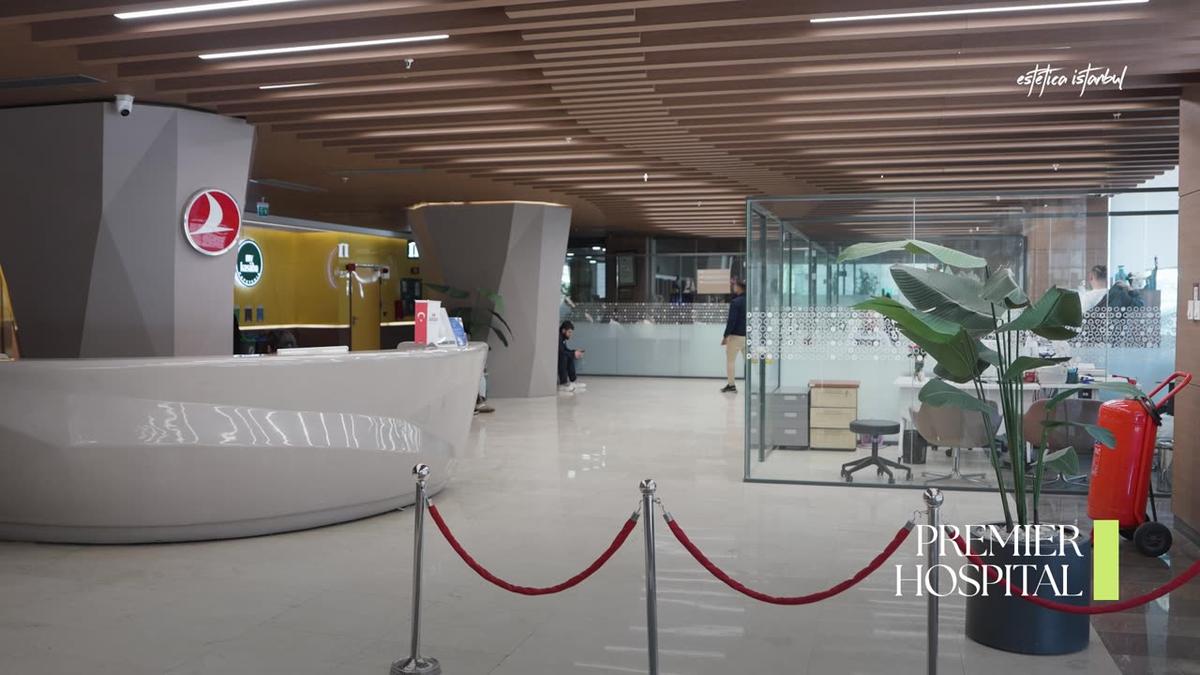
Your operation takes place inside a fully accredited hospital — dedicated anaesthesia and nursing teams, intensive care on the same floor, international safety standards. Never a back-street day-clinic.
Specialist Clinics for Smile & Hair
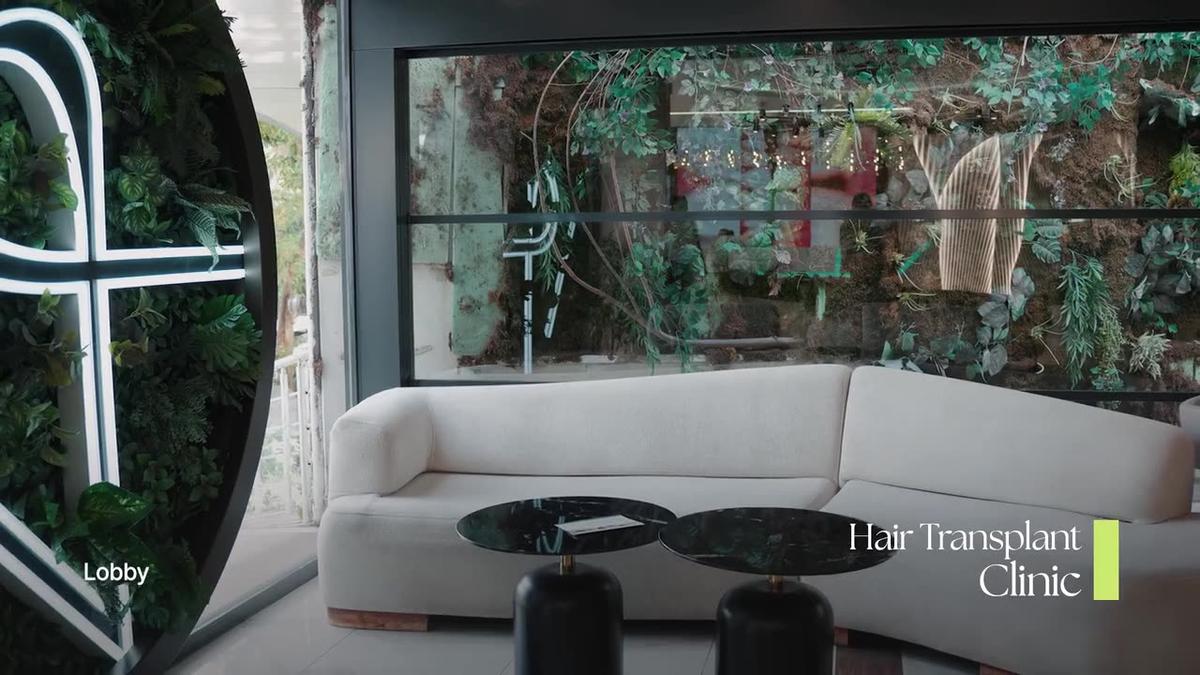
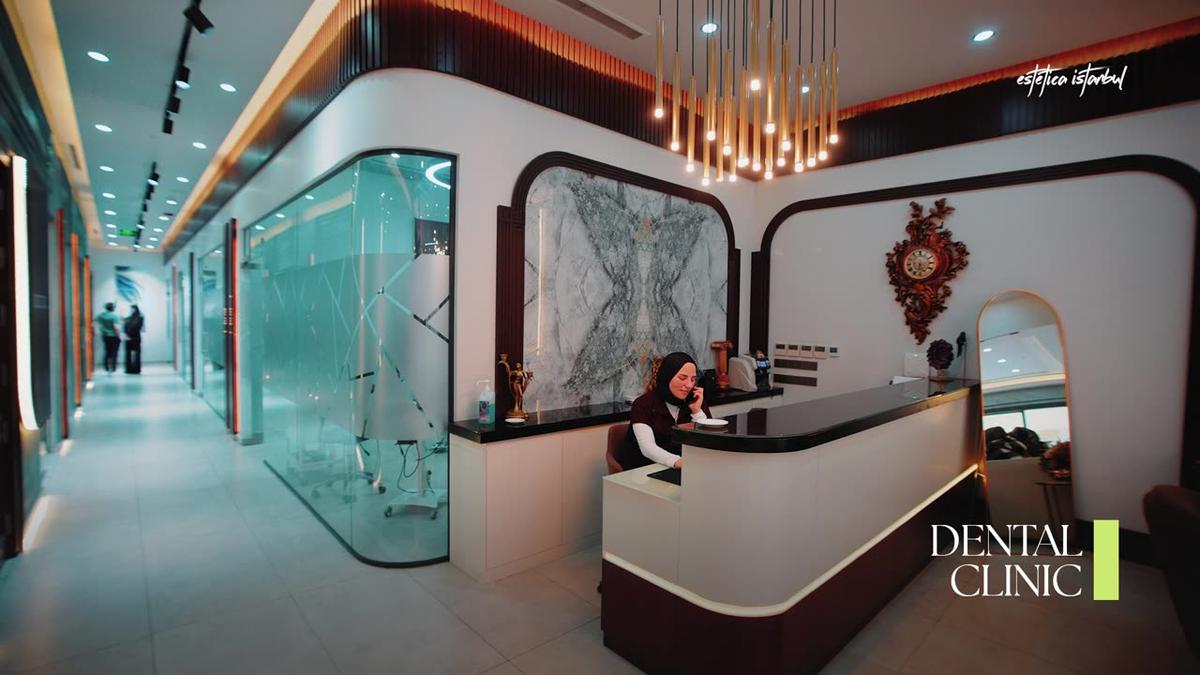
Non-surgical treatments happen at purpose-built venues — our dedicated partner dental clinic for veneers, crowns and implants, and our partner hair restoration clinic for transplants. Each run by teams who do only that, every day.
Recovery, Follow-Up & Your Smile
You recover in a hotel with on-site medical care, then fly home. We follow up remotely for a full year — and if a complication arises, we cover remote consultations with your surgeon and, in rare cases, revision surgery — with the Antwell upgrade.