Tummy Tuck Recovery: Your Complete Week-by-Week Guide
Medically reviewed by Akın İnalöz, MD, Board-Certified Plastic Surgeon· Last reviewed:
All-inclusive
Tummy Tuck
from€3,690US$4,280£3,170CA$5,940A$6,010NZ$7,310

What tummy tuck recovery actually involves
A tummy tuck is one of the bigger plastic surgery procedures in terms of recovery — bigger than liposuction, bigger than a breast augmentation, comparable to a facelift. The first 2 weeks are physically demanding and the full recovery takes 3–6 months to settle. Patients who understand this going in do well. Patients who expect to "bounce back in a week" struggle.
All-inclusive
Tummy Tuck
from€3,690US$4,280£3,170CA$5,940A$6,010NZ$7,310
This guide is what our partner surgical team actually tells patients the day before surgery. It is not pessimistic — most recoveries are uncomplicated and the long-term results are excellent — but it is honest about each phase.

Days 1–3: the most difficult phase
You wake up from surgery in a compression garment that wraps from mid-thigh to just below the breast. You have one or two drains in place (thin plastic tubes collecting fluid from under the skin). You are slightly folded at the waist because the surgeon repositioned the skin and closed it with moderate tension, and standing fully upright would stress the incision.
You walk within 6–8 hours of surgery — bent at the waist, supported, for short distances to the bathroom. Walking is mandatory to prevent blood clots even though it is uncomfortable. Pain is managed with scheduled medications and is rated 6–7/10 in the first 48 hours, dropping to 4–5 by day 3.
You eat small meals, low-salt, high-protein. You sleep in a semi-reclined position with knees bent — never flat on your back, never on your stomach.
Days 4–7: hospital to hotel, drains out
Day 2 or 3 you leave the hospital for the hotel. The drains are typically removed between days 3 and 7 depending on daily output (usually under 30 ml per 24 hours triggers removal). Having drains out is a major psychological relief; most patients sleep much better afterward.
By day 5 you can shower with the garment off, dry the incision line gently, and put the garment back on. You are still walking bent at the waist but less aggressively. You can manage stairs slowly. Office email is doable from bed; sustained concentration is still hard due to residual medication effects.

Week 2: the stitches come out and you start to stand up
Around day 10–14 the external stitches (if any) come out. You are cleared to fly home, ideally after a final in-clinic check. You can now begin standing slightly more upright each day — the rule is "stand as tall as you comfortably can without pulling the incision".
The compression garment stays on 24/7 for the first 4 weeks, then 12 hours per day for another 4 weeks. No driving until you can perform an emergency stop without pain (usually week 3). Sleeping is still elevated or on your side.
Weeks 3–6: returning to work and normal activity
Week 3 marks the return to sedentary work for most patients. Physical jobs require 4–6 weeks off. You are standing fully upright by week 3. Bruising is mostly gone by week 4. Swelling is still significant — your belly will look bigger than your pre-surgery belly at week 4, which is normal and due to tissue edema, not fat.
Light cardio resumes at week 4: walking up to 30 minutes, stationary bike on low resistance. No abdominal exercises. No heavy lifting (over 5 kg). No running or jumping.
Weeks 6–12: the shape starts to emerge
Between weeks 6 and 12 the swelling drops dramatically. At week 6 you can begin to see the new waistline. At week 8 the scar is red and raised — this is the peak of scar visibility. You start scar massage with silicone gel at week 6–8 and continue for 6 months. This is the single most important thing you can do for the final scar quality.
Full gym workouts including abdominal exercises resume at week 8–10 with your surgeon's clearance. Running at week 10. Sex at week 4 (with positions that avoid pressure on the incision) or week 6 for full activity.
Months 3–6: the scar fades, the shape settles
Between month 3 and month 6 the scar shifts from red to pink to pale. By month 6 it is fully settled in its long-term position and color, though full color maturation takes 12–18 months. Continue silicone gel throughout.
Residual swelling resolves by month 4–6. At month 6 you see your final shape — flat abdomen, restored waistline, tightened skin, repaired abdominal muscle separation (if that was part of the procedure). This is the result you will have long-term if your weight stays stable.
Frequently Asked Questions
When can I sleep flat on my back?
Not until week 4–6, and even then gradually. Sleeping semi-reclined with knees bent protects the abdominal incision from tension during the first month. Most patients transition back to flat sleeping at week 6.
When can I exercise after a tummy tuck?
Walking from day 1. Light cardio from week 4. Full gym workouts from week 8–10 with surgeon approval. Abdominal exercises from week 8. Running from week 10–12. Contact sports from week 12.
How long is the scar?
The typical full tummy tuck scar runs from hip to hip, just above the pubic area, and is designed to be hidden under underwear or a bikini bottom. For patients with less excess skin, a mini tummy tuck uses a shorter scar (around half the length) but addresses only the lower abdomen.
Can I combine a tummy tuck with liposuction?
Yes — this is called lipoabdominoplasty and is done routinely. The liposuction refines the waist and flanks while the tummy tuck addresses the loose skin and muscle separation. Recovery is the same as a standard tummy tuck; the combined procedure does not significantly extend the timeline.
What if I get pregnant after a tummy tuck?
Pregnancy after a tummy tuck is safe but will partially compromise the result — the skin stretches again and the muscle repair can loosen. This is why the procedure is recommended for women who have completed their family. If pregnancy happens, a revision tummy tuck is possible after delivery and full postpartum recovery.
Use review appointments as the anchors in your timeline
A recovery calendar should show more than an expected work date. Ask when wounds, dressings, medication, movement and travel will be reviewed, and what the clinician wants to assess at each appointment. If a milestone is conditional, write the condition beside the date.
The ASPS tummy-tuck recovery guide recommends obtaining instructions and asking about follow-up and return to activity. Use these topics to create a plan for your exact operation. Do not convert an average week number into a clearance without the relevant assessment.
Confirm what was done before applying the schedule
Ask whether your operation involves skin removal only, abdominal-wall repair, liposuction or another component. These details should appear in the operative proposal and later records. If the final operation differs from the initial plan, request updated recovery instructions.
A mini procedure, full abdominoplasty and a combined body operation should not be assumed to share one timetable. Ask what is different in your case and which restrictions are precautionary or depend on examination findings.
Record early care instructions in a usable format
Before discharge, ask for the medicine schedule, wound-care plan, next appointment and contact route. If drains are used, request the prescribed record and handling instructions. Clarify who reviews the information and what should prompt contact.
Do not remove a drain, change a dressing routine or alter medication because another patient's calendar says the time has arrived. The point of a timeline is to help you remember decisions, not make decisions on behalf of the treating clinician.
Track changes without turning the diary into a diagnosis
A short daily note can record what you noticed, when it changed and any instructions received. Use the team’s requested photo method where appropriate, but do not measure progress solely by comparing mirror images.
Ask how to report new pain, swelling, wound changes or difficulty with daily tasks. If symptoms worsen, request clinical advice rather than waiting for the next scheduled milestone. An online statement that swelling is expected cannot establish the cause of your own change.
Divide return to normal into separate activities
List driving, commuting, desk work, physical work, lifting children, exercise and intimate activity separately. Ask which require specific approval and what assessment informs it. A return-to-work note does not necessarily clear sport or lifting.
If your job is described as sedentary, include the full day: transport, stairs, carrying a bag, meetings and available breaks. If you train regularly, give examples of movements and loads rather than asking only about “the gym.” The clinician can then discuss an individual progression instead of a generic date.
Keep scar care on its own timeline
Ask when the wound is ready for any prescribed scar care, what products are appropriate and how skin reactions should be handled. Do not start massage or silicone solely because a published schedule recommends a week.
Ask when the surgeon expects to assess scar appearance and what change remains possible. Scar review and early wound-healing checks serve different purposes. Keep those appointments distinct so cosmetic discussion does not displace attention to a current wound concern.
Make the departure decision visible and conditional
Tummy tuck in Turkey currently starts from €3,690 all-inclusive, flights excluded, with seven package nights. Purchased nights are separate from the clinical stay and fitness to fly. Ask which review informs departure and what could require further assessment.
Give the clinician your flight length, connections and ground transport. Ask the airline about documentation requirements and make changed travel financially possible. Extra Deniz nights are €70; Antwell is €40 more per night than Deniz. Medical treatment, a companion's costs and changed flights need separate written terms.
Review the plan again after returning home
Confirm the next contact, records supplied and circumstances requiring local examination. If work or family pressures make the prescribed plan difficult, tell the clinician rather than quietly shortening it. Ask whether the plan needs adjustment, additional support or another assessment.
What if I miss a milestone?
Ask what has changed and whether review is needed. A longer recovery is not automatically evidence of a failed operation.
Does feeling better mean I can skip a check?
Request advice from the treating team. Comfort alone does not answer every question being assessed.
What should I request before booking?
A provisional calendar with review purposes and conditional activity milestones. Use the consultation form for a free assessment and explain your travel and work constraints.
Get Your Free Consultation
Our partner medical team will review your case and send you a personalized treatment plan.
Your Journey. Our Hands.
From your first message to your flight home — we run the logistics. You focus on the result you came for.





Free Consultation
Send us photos and your goals on WhatsApp. We review them with the partner medical team and send a detailed, written all-inclusive quote. No payment to get your quote.
We Handle the Logistics
Once you decide, we book your hotel and VIP transfers; you book your own flight (not included) and we help you choose the right dates. Pre-op tests, hospital admission, English-speaking support — all arranged before you land.
Partner healthcare institutions
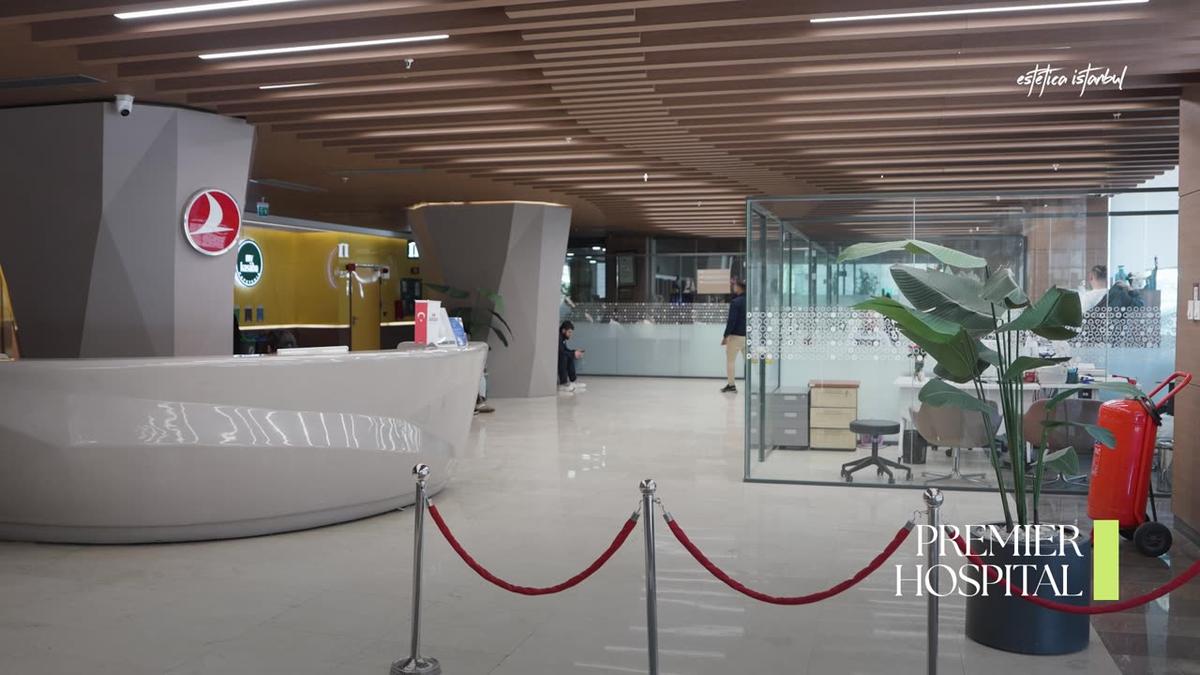
Your operation takes place inside a fully accredited hospital — dedicated anaesthesia and nursing teams, intensive care on the same floor, international safety standards. Never a back-street day-clinic.
Specialist Clinics for Smile & Hair
Non-surgical treatments happen at purpose-built venues — our dedicated partner dental clinic for veneers, crowns and implants, and our partner hair restoration clinic for transplants. Each run by teams who do only that, every day.
Recovery, Follow-Up & Your Smile
You recover in a hotel with on-site medical care, then fly home. We follow up remotely for a full year — and if a complication arises, we cover remote consultations with your surgeon and, in rare cases, revision surgery — with the Antwell upgrade.