
Breast Augmentation Turkey · from €4,300
Breast augmentation in Turkey, all-inclusive.
The shape that still feels like you. Motiva or Mentor implants, board-certified surgeons, Istanbul's JCI-accredited hospital — hotel, transfers and aftercare included. Over 250 breast augmentations since 2021.
from€4,300US$4,990£3,700CA$6,920A$7,010NZ$8,510· All-inclusive
Get Your Free Consultation
Before & After
Here's exactly what you get.
Total value
€8,100US$9,400£6,970CA$13,040A$13,200NZ$16,040
Your price
€4,300US$4,990£3,700CA$6,920A$7,010NZ$8,510
All-inclusive
Invoiced in EUR (€4,300) at current bank rate
Upgrade to the Antwell luxury recovery suite — pool, spa, hammam, gym and a 24/7 nurse on site — €40US$50£30CA$60A$70NZ$80/night
Your deposit locks your price and your surgery date. Balance is paid in Istanbul. No hidden fees.
At a glance
- What is it?
- Breast augmentation in Istanbul with Motiva, Mentor and Allergan implants. Natural…
- Cost
- €4,300 — all-inclusive of surgeon, hospital, hotel, transfers and aftercare; flights not included
- Recovery
- 2–3 weeks
- Safety & risks
- Every procedure carries risks. The treating professional should assess suitability and explain expected benefits, complications and follow-up before you consent.
Meet Your Surgeons
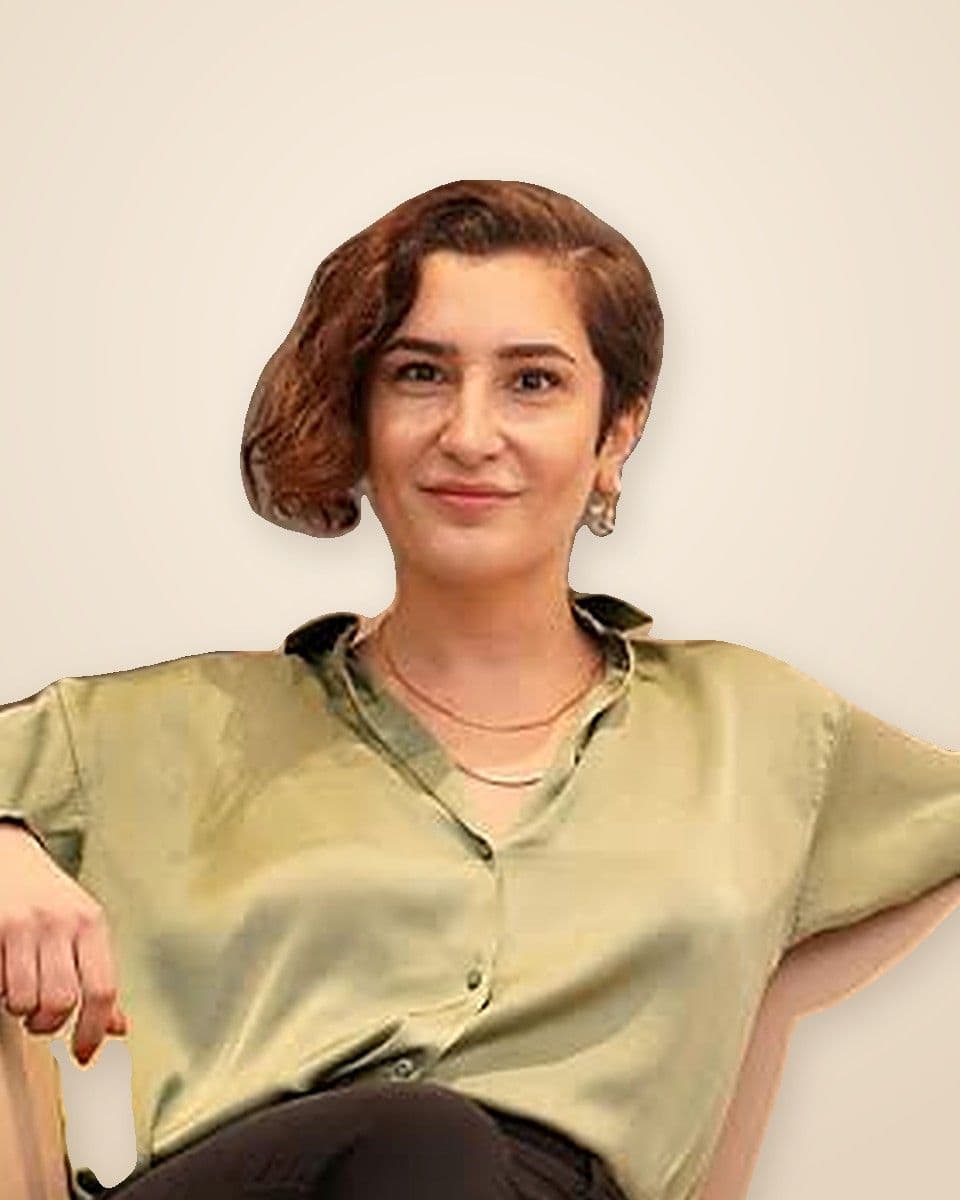
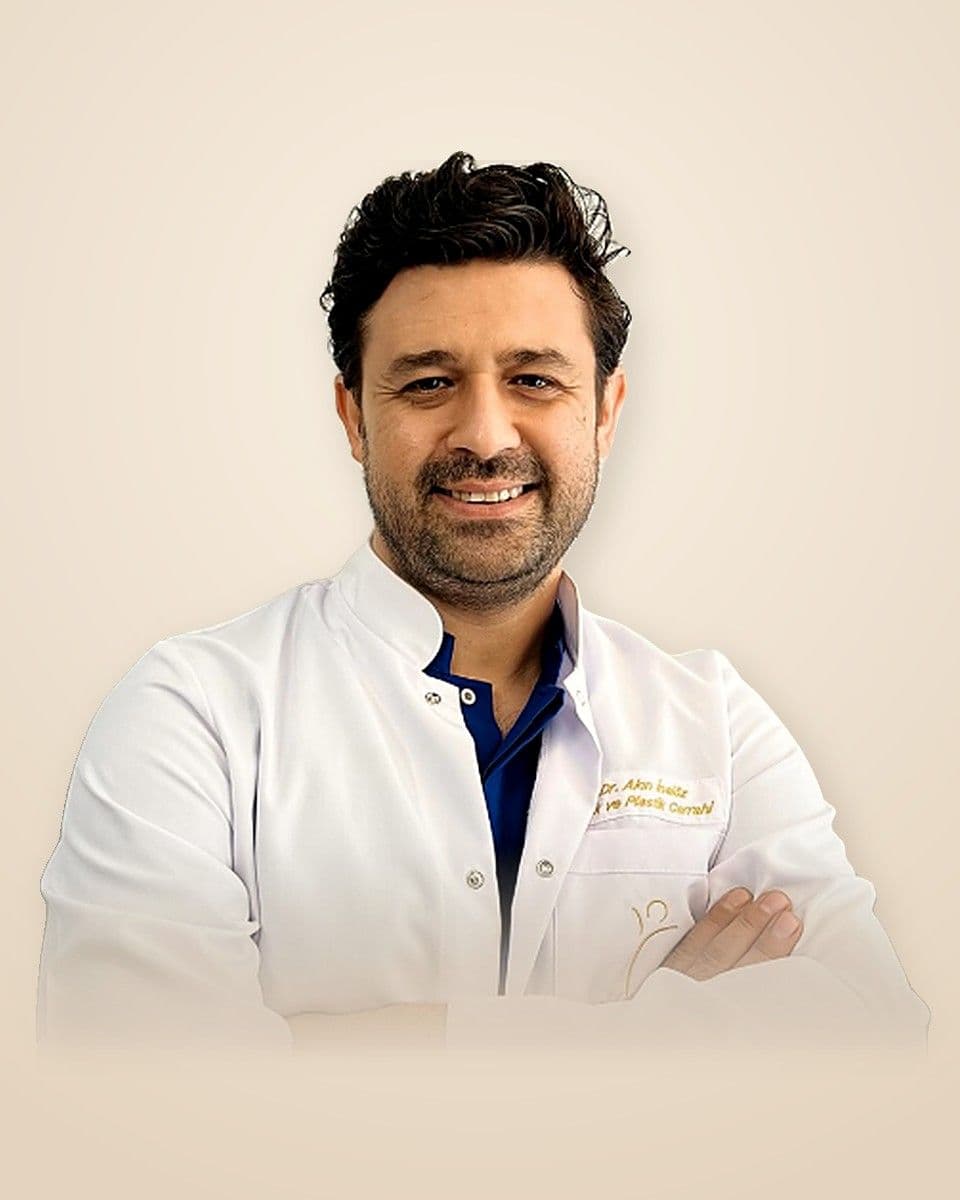
The Estetica Promise
You are about to trust us with your body, your femininity, your time, and your money. Here is what we promise in return — in writing, before you board the plane.
12-month revision clause
If within 12 months the result doesn't meet the plan you and your surgeon agreed on, we revise — at no surgical or hospital charge.
14-day deposit refund window
Change your mind within 14 days and before your flight is booked? We refund your deposit in full. After that, it stays yours as credit toward surgery for 12 months.
Fixed, all-inclusive pricing
The number you are quoted is the number you pay. No "anaesthesia surcharge", no "implant upgrade fee", no day-of-surgery surprises. Written, signed, and in your language.
— Signed on behalf of Estetica Istanbul and our partner surgical team.
Save up to 78% in Istanbul
Typical all-inclusive prices by country. Sources: ASPS, RealSelf, major UK/US clinic rate sheets, 2025.
Turkey (Istanbul)
from €4,300US$4,990£3,700CA$6,920A$7,010NZ$8,510
save 78%
United Kingdom
from €16,500US$19,140£14,190CA$26,570A$26,900NZ$32,670
United States
from €19,500US$22,620£16,770CA$31,400A$31,780NZ$38,610
Italy
from €13,000US$15,080£11,180CA$20,930A$21,190NZ$25,740
Germany
from €14,000US$16,240£12,040CA$22,540A$22,820NZ$27,720
Frequently Asked Questions
How much does breast augmentation cost in Istanbul?
How long do breast implants last?
What size implants should I get?
How painful is breast augmentation recovery?
Can I breastfeed after breast augmentation?
When can I exercise after breast augmentation?
Do you perform breast augmentation with the Preservé technique?
How much does Preservé cost compared with traditional breast augmentation?
Is Preservé really done without general anaesthesia?
Get Your Free Consultation
Everything you need to know
Breast augmentation is the most frequently performed cosmetic surgery in the world, and one of the procedures with the highest long-term satisfaction rate — when it is planned carefully and placed in experienced hands. It can be performed with implants, with autologous fat transfer (lipofilling from your own body), or with a combination of the two.
Our partner surgical team performs breast augmentations every week with a consistent method: careful pre-operative measurement, a considered implant choice, clean anatomical pocket dissection, and a post-operative protocol that prioritises comfort. You should come out of this feeling natural, balanced and in proportion — not "bigger for the sake of bigger".
Who breast augmentation is suitable for
You are a suitable candidate if you are in good health, have realistic expectations about volume and shape, and understand that breast implants require long-term monitoring — imaging surveillance and likely replacement after decades.
The most common profiles we see are women who want to restore volume after pregnancy or weight loss, women with naturally small or asymmetrical breasts seeking proportion and shape, women considering fat-transfer augmentation (lipofilling) as an implant-free alternative, and reconstruction patients after breast cancer surgery — reconstruction is a separate clinical pathway with its own dedicated consultation.
Choosing the implant
Next-generation implants are safer, more natural and more durable than those from ten or fifteen years ago. There are four main decisions.
How long do breast implants last?
Modern implants are not lifetime devices, but they are designed to last decades. The typical replacement window is fifteen to twenty years — sometimes sooner if a complication appears (capsular contracture, rupture detected on imaging), sometimes longer if everything stays stable. We recommend annual check-ups and ultrasound or MRI surveillance every few years after the ten-year mark.
Cohesive silicone or saline
Cohesive silicone implants — often called "gummy bear" — are our default choice. They look and feel closest to natural breast tissue and do not produce visible rippling in patients with thin soft-tissue coverage. Saline implants are available but are used rarely today.
Round or anatomical (teardrop)
Round implants give fullness in the upper pole. Anatomical implants follow the natural curve of the breast gland. Both produce natural results when matched correctly to your anatomy and goals. There is no abstract right answer — there is the right implant for your body.
Over or under the muscle
Submuscular placement (or dual-plane) gives a more natural upper-pole curve and reduces implant visibility in slender patients. Over-the-muscle placement has a faster recovery but is less forgiving in patients with limited breast tissue. Your surgeon will recommend placement after assessing your soft-tissue cover.
Incision: inframammary, periareolar or transaxillary
The inframammary incision (in the fold under the breast) is the gold standard: hidden in the crease, excellent surgical access, low complication rate. It is our first choice in most cases.
For specific anatomies we also use transaxillary (incision in the armpit, no scar on the breast — indicated for saline or certain pre-filled silicone implants), periareolar (around the lower edge of the areola, scar well-concealed when the areola-skin border is sharp, but it may interfere with future breastfeeding more than the inframammary route), and rarely transumbilical (TUBA — through the navel, saline only).
Preservé™ by Motiva: the minimally invasive breast augmentation
Preservé™ is a surgical protocol developed by Motiva to keep tissue trauma to a minimum. Three things change compared with traditional augmentation: the inframammary incision drops to roughly 2.5–3 centimetres, the pocket is created above the muscle using dedicated instruments — the Channel Separator and an inflatable expander that stretches tissue gradually rather than dissecting it — and SmoothSilk Ergonomix2 implants are used. No drains are placed. The procedure is performed under local anaesthesia with conscious sedation, not general anaesthesia.
The difference you actually feel is in recovery. You are discharged the same day, with no overnight hospital stay. Light activity resumes within twenty-four to forty-eight hours and desk work after three to five days, against seven to ten on the traditional route. Sport and heavy lifting still wait the same six to eight weeks: the tissue around the implant heals on its own schedule, and no technique shortcuts that.
Preservé is not right for everyone, and that is better said before than after. A pocket above the muscle needs adequate soft-tissue cover: if you are very slim, visible rippling is a real risk and the submuscular plane remains the correct choice. Significant ptosis calls for a lift, not a minimally invasive implant. And for large volume increases the traditional approach still gives better control of the pocket. Your surgeon assesses this at consultation, on your photographs and your anatomy — and if Preservé is not indicated for you, he will say so.
In Italy the technique is quoted between €7,500 and €12,000, averaging around €8,500. The premium over standard augmentation comes from the dedicated Motiva kit and the Ergonomix2 implants, not from marketing. In Istanbul, Preservé is quoted inside your all-inclusive package and stays well below Western European pricing.
If you want to know whether you are a candidate, send us your photographs and medical history: the surgeon comes back with an indication and a quote, usually within twenty-four hours.
Fat-transfer breast augmentation
For women who want a moderate increase without implants, lipofilling — harvesting fat from the abdomen, flanks or thighs and grafting it into the breast — is a real alternative. The expected increase is approximately one to one-and-a-half cup sizes per session, with a soft, natural feel and no implant to manage for decades. Not all fat survives: around sixty per cent graft take is the expected figure.
Lipofilling is the right option when you have enough donor fat, want a natural appearance, and are content with a moderate increase. For larger increases, implants remain the correct tool.
The surgery, step by step
Breast augmentation is performed under general anaesthesia in a JCI-accredited hospital, with a dedicated anaesthesiologist present throughout. Surgery takes one to two hours. One overnight stay in hospital is standard.
The surgeon makes the chosen incision, creates the implant pocket in the selected plane, positions the implant, and closes in layers with absorbable sutures. A surgical support bra is applied at the end of the procedure.
Recovery
Week 1
A feeling of tightness across the chest and mild-to-moderate soreness — controlled with prescribed analgesics. You sleep on your back with the upper body slightly elevated. No lifting, no driving.
Weeks 2–3
Most patients return to desk work by the end of week one. Arm movements stay gentle — no pushing, no pulling, no overhead work.
Weeks 4–6
Light physical activity resumes. Swelling continues to subside. Implants "drop and fluff" into their final position over the next three months — a normal process that improves the breast shape.
Months 3–6
Final shape. Softness improves gradually. Scars begin to fade to fine lines.
Risks and realistic expectations
Breast augmentation is a safe procedure in experienced hands but it is not risk-free. The honest risks include capsular contracture (scar tissue tightening around the implant), rippling (visible ripples) in very slim patients, asymmetry that may require a small revision, and the probable implant replacement after fifteen to twenty years.
Breast implants are not lifetime devices. Plan for imaging surveillance and the prospect of a replacement decades down the line. Your surgeon will walk you through the BIA-ALCL monitoring protocol (a rare risk of lymphoma associated with specific textured implants) and every rare-but-real risk, without minimising anything to close the sale.
On Allergan Biocell specifically: those implants were recalled globally in 2019. We do not use them. The implants we offer — Motiva, Mentor, Allergan (current non-Biocell line) — are all CE-marked and FDA-cleared where applicable, with traceable lot numbers and manufacturer warranty.
Why Istanbul versus other destinations
Board-certified plastic surgeons, operating theatres in JCI-accredited hospitals, and named reference implants — Motiva, Mentor, Allergan. Not unnamed implants from Eastern European suppliers. The volume and experience of our partner surgeons compares favourably with any clinic in London, New York or Sydney, at a price that justifies the trip.
Dr. Narmin Mammadova is the partner surgeon who performs breast augmentation; Dr. Akın İnalöz, our lead partner surgeon, reviews every case before surgery. Dr. Mustafa Ekrem Güleş approves every patient clinically — no surgery proceeds without his sign-off.
Why not the €1,800 breast augmentation
On breast augmentation, a low price hides concrete choices you will pay for later. A clinic quoting €1,800 is cutting where it shouldn't: unbranded implants (or branded implants from an old discontinued line), anaesthesiologist billed by the hour rather than dedicated, no revision guarantee, no meaningful follow-up once you return home.
What you pay for with us is verifiable: Motiva, Mentor or Allergan implants with traceable lot numbers and manufacturer warranty; dedicated anaesthesiologist throughout; JCI-accredited hospital; oversight from Dr. İnalöz and Dr. Güleş; follow-up at 3, 6 and 12 months via WhatsApp in English. These are the things you find out are missing three years later, when it is too late to fix cheaply.
Compared to the other end of the market — US breast aug at $8–12K, Beverly Hills or Manhattan at $12–18K, UK private at £5–8K, Australia at AU$10–15K — you are not giving up standards. You are paying the difference between Turkish operating costs and Western ones, on the same implants and the same grade of hospital.
English-speaking team — from first message to twelve-month follow-up
Our team replies in English on WhatsApp, phone and email. From quote request to your twelve-month check-up, you speak to someone who understands your language and remembers your case. Questions about the surgical bra, sleeping positions, when to return to work, when to resume running — all of them deserve clear English answers in real time.
Request your free quote — our team replies in UK/IE business hours and in a second window covering US Eastern through Australian morning. Photo-based pre-assessment.
Describe the change you want before choosing an implant
A useful consultation starts with a description of the problem you want to solve. Perhaps clothes fit differently after pregnancy, one breast appears fuller than the other, or your preferred silhouette is difficult to achieve with a bra. These are clearer starting points than a cup size taken from someone else's result. Write down which changes matter most, which would be welcome but optional, and which you would not accept.
Bring examples to explain your preference, but use them as conversation tools. Ask what the surgeon sees in your own photographs and examination, and whether the example is realistic for your starting anatomy. You should leave the discussion understanding the proposed shape, the compromises involved, and what the operation is unlikely to change.
If your priority is breast position rather than additional volume, ask specifically whether a lift belongs in the plan. Do not assume that choosing a larger implant avoids discussing skin, nipple position, or scars. A clear explanation of why a technique is recommended is more useful than a brand name on its own.
The implant decision needs its own written record
Ask for the proposed manufacturer and model, fill, surface, size, and intended placement to be recorded before you agree to the operation. If alternatives remain open until the examination, ask which decisions could change and who will discuss them with you. “Premium implants” does not identify a device, and a manufacturer warranty does not explain the complete cost of another operation.
Keep the implant identification information with your medical records after surgery. Ask how to obtain a copy if the original is lost, and what records another clinician would need if you move countries. Estetica Istanbul coordinates treatment with partner providers; the exact implant available through your proposed surgeon must be confirmed for your quote. Do not interpret a brand mentioned elsewhere on the website as a promise that every partner uses it.
The FDA's patient information explains that implants are not lifetime devices and further surgery may become necessary. This is US patient guidance, not confirmation of any particular device's Turkish regulatory status. Discuss long-term monitoring with the treating surgeon rather than relying on an advertised lifespan.
Plan the practical recovery around your actual responsibilities
List the tasks you normally do: lifting children, carrying shopping, using public transport, working with your arms, driving, or training. Ask for instructions for those activities individually. A general return-to-work estimate is less helpful if your job involves carrying equipment or providing personal care.
Arrange help before travelling, including at home. Decide who can assist with luggage, meals, childcare, and appointments if recovery takes longer than you hoped. Ask what clothing is easiest to use, which support garment is recommended, and whether it is supplied or needs purchasing.
Keep the departure date separate from clinical clearance to fly. Five package nights are a commercial allowance, not a promise that every patient is ready to travel after that interval.
Read the price as a specific proposal
As of October 2026, the published starting price is from €4,300 all-inclusive, flights excluded, with five package nights recorded in the published package. The final written quote should identify the operation and device being offered. A lift, revision, different implant proposal, or additional treatment needs its own confirmation; do not assume a starting augmentation price covers a combined procedure.
Ask for a line-by-line inclusion list covering surgery, anaesthesia, facility fees, tests, implant costs, accommodation, transfers, medication, and garments. These are questions for checking the quote, not a statement that every item is included.
Flights, additional nights, upgrades, and optional extras need a separate budget. Deniz additional nights are €70 per night and the Antwell upgrade adds €40 per night compared with Deniz. Confirm transport if your itinerary changes and who pays for unplanned medical care, an extended stay, or future revision. Do not make a decision using a device warranty as a substitute for those answers.
Questions to settle before booking
Can I request a particular cup size?
You can describe your goal, but ask the surgeon to explain the proposed outcome using your anatomy and measurements. A promise based only on a bra label is not a useful surgical plan.
What if I change my mind about the implant?
Raise this before paying or travelling. Ask when the device choice becomes final and how a change affects price, scheduling, and consent.
What should I send for an assessment?
Use the consultation form to provide the requested photographs, medical history, and your priorities. Request a written proposal for breast augmentation and keep unresolved questions together for the surgeon and coordinator.


