
Breast Reduction
Breast reduction in Istanbul — reduction mammaplasty to relieve chronic back pain, neck pain and bra-strap grooves caused by breast weight. Functional surgery that is aesthetic at the same time. Surgeon Dr. Narmin Mammadova, lead reviewer Dr. İnalöz, medical oversight Dr. Güleş, JCI-accredited hospitals.
from€3,450US$4,000£2,970CA$5,550A$5,620NZ$6,830· All-inclusive
Medically reviewed by Mustafa Ekrem Güleş, Op. Dr., Board-Certified Plastic Surgeon
Trusted by 6,000+ international patients since 2018
Get Your Free Consultation
Our partner medical team will review your case and send you a personalized treatment plan.
Save up to 78% in Istanbul
Typical all-inclusive prices by country. Sources: ASPS, RealSelf, major UK/US clinic rate sheets, 2025.
Turkey (Istanbul)
from €3,450US$4,000£2,970CA$5,550A$5,620NZ$6,830
save 78%
United Kingdom
from €13,000US$15,080£11,180CA$20,930A$21,190NZ$25,740
United States
from €15,500US$17,980£13,330CA$24,960A$25,270NZ$30,690
Italy
from €10,500US$12,180£9,030CA$16,910A$17,120NZ$20,790
Germany
from €11,000US$12,760£9,460CA$17,710A$17,930NZ$21,780
Duration
2–4 hours
Anesthesia
General anesthesia
Hospital Stay
1 night
Back to Work
10–14 days
Recovery Time
2–4 weeks
Results Visible
3–6 months
At a glance
- What is it?
- Breast reduction in Istanbul to reduce breast volume and weight, relieving back pain,…
- Cost
- €3,450 — all-inclusive of surgeon, hospital, hotel, transfers and aftercare; flights not included
- Recovery
- 2–4 weeks
- Safety & risks
- Every procedure carries risks. The treating professional should assess suitability and explain expected benefits, complications and follow-up before you consent.
Breast reduction removes excess breast tissue, fat and skin to produce smaller, lifted breasts in proportion to the rest of the body. It is one of the highest-satisfaction operations in all of plastic surgery — not because the aesthetic result is the best, but because the patients who arrive have typically suffered for years from significant physical problems. The operation resolves pain and shape simultaneously, and it is that combination that makes it, for anyone who truly needs it, an almost invariably transformative experience.
It is a functional operation as much as an aesthetic one. The patient who contacts us has often already tried physiotherapy, orthotic insoles, supportive bras, chiropractic, years of anti-inflammatories — with no lasting result. Because the cause of her pain is not in her back: it is in the weight her back carries every day. Reducing that weight is the only definitive solution.
Who the breast reduction is suitable for
The patients our partner surgeons operate on typically present chronic back, neck and shoulder pain due to breast weight, deep grooves on the shoulders from bra straps (even with orthopaedic bras), recurrent intertrigo, dermatitis or skin irritation in the inframammary fold, difficulty running or exercising because of volume, a completed family or acceptance that future breastfeeding may be partially compromised, and are non-smokers at the time of surgery — smoking dramatically increases healing complications and the risk of partial nipple necrosis.
A note for UK NHS patients
If you have been on an NHS waiting list for reduction mammaplasty — or been told you don't meet the local CCG/ICB threshold, or have been waiting more than 18 months — the medical documentation you already have (GP referrals, physiotherapy records, chiropractic notes, dermatology letters) is exactly what we want to see at consultation. Bring it. It is not required, but it helps us understand your case in seconds rather than minutes.
A note for US insurance patients
If your US insurance has denied coverage, or you've been caught in the "630 grams per side" documentation loop, the self-pay route abroad is often faster and cheaper than continuing to fight the denial. The same insurance documentation you have gathered (PT notes, imaging, dermatology) is useful at consultation — bring it.
The scars — the truth we tell at consultation
Breast reduction leaves permanent scars. There is no serious way to hide this fact. The most frequent pattern is the inverted-T (also called "anchor"): a line around the areola, a vertical line down to the inframammary fold, and a horizontal line hidden in the fold itself. In moderate reductions we can use the "vertical" pattern (without the horizontal limb), but when the volume to remove is significant — as in the majority of patients who contact us — the inverted-T is the technique that delivers the best result.
Our consultation approach is direct: we show you scar photos, we explain how they mature over the course of a year to fine white lines, and we give you time to think about it. The right patient for this operation almost always has the same reaction: "the scars are nothing compared to what I'm dealing with now". But if the trade-off weighs on you, we say so honestly — better to know before you book a flight than after.
The surgery, step by step
The breast reduction is performed under general anaesthesia in a JCI-accredited hospital, with a dedicated anaesthesiologist present throughout. Duration is two to four hours depending on volume removed. One or two overnight stays in hospital are standard.
The surgeon calculates the volume to remove based on your height, chest and the result agreed at consultation, removes the excess breast tissue and skin, repositions the nipple-areola complex to a higher, proportionate location, and reshapes the residual tissue into a solid supporting cone that lasts over time. Incisions are closed with meticulous multi-layer sutures — every layer contributes to the final quality of the scar.
Recovery
Weeks 1–2
Moderate soreness, managed with standard analgesics. Surgical support bra worn twenty-four hours a day. Sleep on your back. No lifting, no arms-above-the-head movements, no physical activity.
Weeks 2–4
Desk work resumes between weeks one and two. Most patients describe almost immediate relief from back pain and shoulder pain — the weight has literally disappeared from the chest. This is the most consistent finding in post-operative testimonials: "I woke up without back pain for the first time in years".
Months 2–6
Shape refines. Scars progress from pink to fine white lines over twelve to eighteen months.
Risks and realistic expectations
Honest risks: permanent but clothes-concealed scarring, temporary or permanent changes to nipple sensation, asymmetry and — in larger reductions — possible impact on future breastfeeding. Smoking dramatically increases healing complications and is an absolute contraindication in the weeks around surgery.
The trade-off is explicit and must be accepted consciously: you accept visible scars (seen only by you, under your bra) in exchange for a proportionate, comfortable, supportive breast, and relief from chronic pain. For patients who truly need this surgery, this trade-off is evaluated positively virtually every time.
Why Istanbul versus other destinations
The volume of breast operations our partner surgeons perform — every week — generates the experience that makes breast reduction safe and predictable. Pre-operative volume planning (too little = you don't solve the problem; too much = patients unhappy with smallness), positioning of the new nipple, management of the nipple-areola blood supply — all details that are refined only through repetition. JCI-accredited hospitals, plastic surgeons specialised in breast surgery.
Dr. Narmin Mammadova is the partner surgeon who performs breast reductions; Dr. Akın İnalöz, our lead partner surgeon, reviews every case before surgery. Dr. Mustafa Ekrem Güleş approves every patient clinically before surgery.
Why not the €2,000 breast reduction
On breast reduction, the rock-bottom price is paid in partial loss of nipple blood supply — a devastating complication that can require secondary reconstruction — major asymmetries and hypertrophic scars. A clinic quoting breast reduction at €2,000 typically cuts corners on pre-operative volume calculation (reducing "by eye" rather than calculating), on multi-layer suture closure (a scar closed in haste stays hypertrophic for years), and on post-operative follow-up (if you have a problem after your flight home, nobody answers).
What you pay for with us is verifiable: pre-operative volumetric planning, plastic surgeon specialised in breast surgery, dedicated anaesthesiologist, JCI-accredited hospital, surgical support bra included, follow-up at 3, 6 and 12 months via WhatsApp in English. On a breast scar — paid for once — those differences show up every day for the rest of your life.
Documentation for your own records
We provide a detailed operative report in English, including volume removed per side, technique used, and implant details if relevant. This is useful if you ever need to discuss the surgery with your GP, dermatologist or future obstetrician, and — in some US and UK jurisdictions — can support a post-hoc insurance reimbursement claim. We cannot promise your insurance will reimburse (it rarely does for overseas surgery), but the documentation is yours.
English-speaking team — from first message to twelve-month follow-up
Our team replies in English on WhatsApp, phone and email. We understand that you arrive with years of pain behind you, and that the decision to operate is one you are making after having tried everything else. From the first quote to the six-month check-up, you always speak to someone who understands your language and the journey that brought you here.
Request your free quote — our team replies in UK/IE business hours and in a second window covering US Eastern through Australian morning. Photo-based pre-assessment.
Describe symptoms in terms of everyday activities
A breast-reduction consultation is more useful when it includes your daily experience rather than only a requested size. Write down what is uncomfortable: certain bras, standing for a shift, running, sleeping, or skin irritation beneath the breasts. Include when the problem started, what makes it worse, and what you have already tried. This gives the clinician a clearer starting point for assessment.
Bring relevant medical records if you have them, but do not assume a referral guarantees surgery or reimbursement. Previous consultations, treatment for skin irritation, imaging reports, and medication lists can help organise the discussion. Explain any other causes of back, neck, or shoulder symptoms that have already been investigated.
Ask which of your goals are realistic and which may remain after surgery. A reduction proposal should not promise to solve every source of pain or every problem with posture. Make sure the consultation distinguishes your symptoms, the proposed surgical change, and the uncertainty that remains.
The NHS breast-reduction information is a useful UK patient resource for discussing the operation and its trade-offs. Its funding information concerns the UK system and does not establish eligibility or reimbursement for surgery in Turkey.
A target cup size is not a complete surgical plan
You may find a bra size helpful for describing your preference, but ask the surgeon how the intended result will be assessed. Request a discussion about proportion, comfort, symmetry, and what amount of reduction is considered appropriate for your anatomy.
If one breast is larger, ask how the plan accounts for that difference. Ask whether the proposed amount to be removed could change during surgery and what decisions you are consenting to beforehand. You should understand the aims without being promised identical breasts or an exact commercial bra label.
Discuss nipple position, the planned scar pattern, and the possible consequences for sensation and breastfeeding. These deserve separate answers rather than a single reassurance that the procedure is routine. If future breastfeeding matters to you, make that a leading topic in the consultation rather than leaving it until the end.
Ask about tissue handling and the records you will keep
Before booking, ask what information will be recorded about the operation. Depending on your plan, relevant questions include how removed tissue is handled, whether pathology is recommended, who receives a report, and whether its cost is included. Do not infer that a specific test is routine simply because another patient received it.
Ask how you can obtain the operative and discharge records for your own clinician. Keep the agreed procedure, consent information, discharge instructions, and any test reports in one place. If records need translating for use at home, establish who arranges this and what it costs.
If insurance or a public health service is part of your decision, obtain its answer directly before travel. A medical-tourism quote does not determine what a separate organisation will reimburse. Do not budget on the assumption that a letter issued after surgery will create eligibility.
Plan support for the activities you cannot avoid
Think through your first weeks at home using your real routine. Who will carry shopping, manage luggage, help with children, or cover work tasks involving lifting? Ask the surgical team which activities require help and how return to those tasks will be assessed.
Arrange work leave using a plan that allows flexibility. An office role, a healthcare job, and work involving physical equipment have different demands; a single “back to work” figure cannot describe all three. Ask what happens if healing takes longer than expected and whether documentation for your employer can be provided.
Discuss care of dressings and supplies before departure. Ask for clear instructions about wound concerns and local examination after returning home. Practical arrangements matter as much as how the final result is described in photographs.
Understand the starting price and the boundaries of the package
As of October 2026, breast reduction starts from €3,450 all-inclusive, flights excluded, with five package nights recorded in the published package. A personalised quote should name the operation, the partner provider, the planned facility, and any additional treatment being proposed. Estetica Istanbul is the agency coordinating the arrangements, not the operating clinic.
Request a checklist for surgeon and facility fees, anaesthesia, tests, pathology if indicated, medication, garment, accommodation, and transfers. Use the checklist to confirm your own inclusions before booking.
Flights, nights outside the package, and optional extras are separate. Deniz additional nights are €70 per night; Antwell is €40 per night above Deniz. Ask how extended accommodation, complications, and revision would be paid for. Keep the written answer with the quote.
Frequently asked questions
Will reduction guarantee that all my back pain disappears?
No such guarantee belongs in the proposal. Ask the clinician to assess the possible contribution of breast size and any other causes of your symptoms.
Can I send previous medical records?
Yes: provide relevant records through the requested assessment route and ask which ones the surgeon needs.
What should I ask first?
Request an assessment for breast reduction that addresses your symptoms, your desired change, and the trade-offs you are willing to accept.
Meet Your Surgeons


Your Journey. Our Hands.
From your first message to your flight home — we run the logistics. You focus on the result you came for.
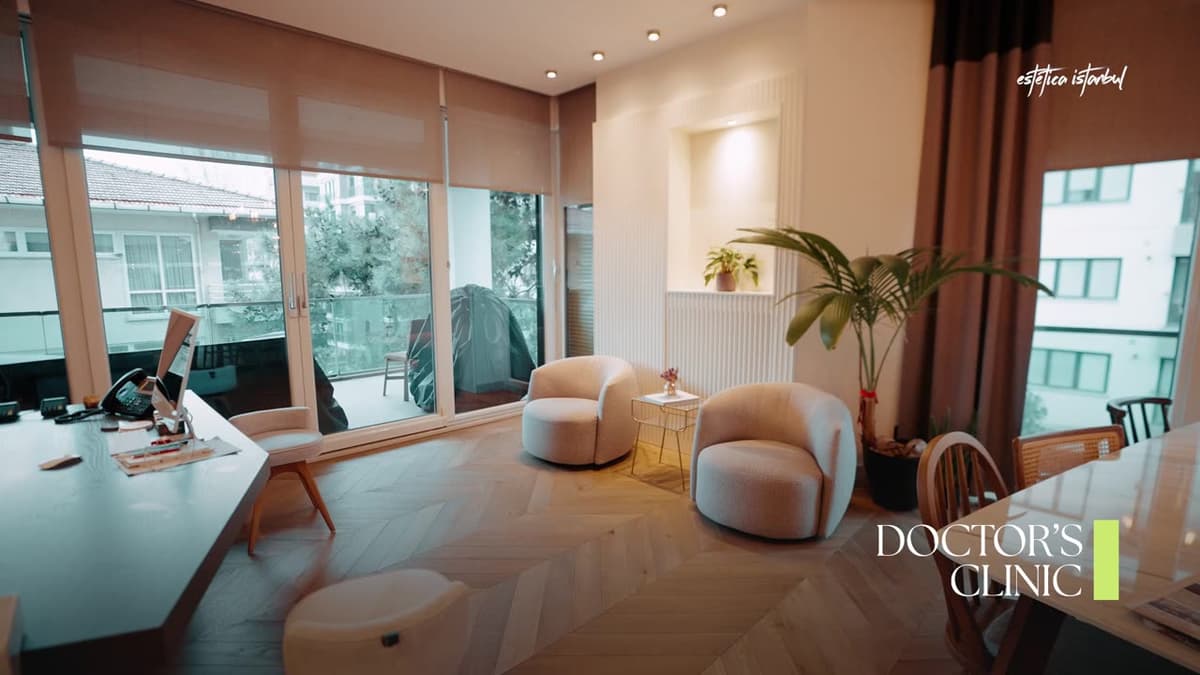
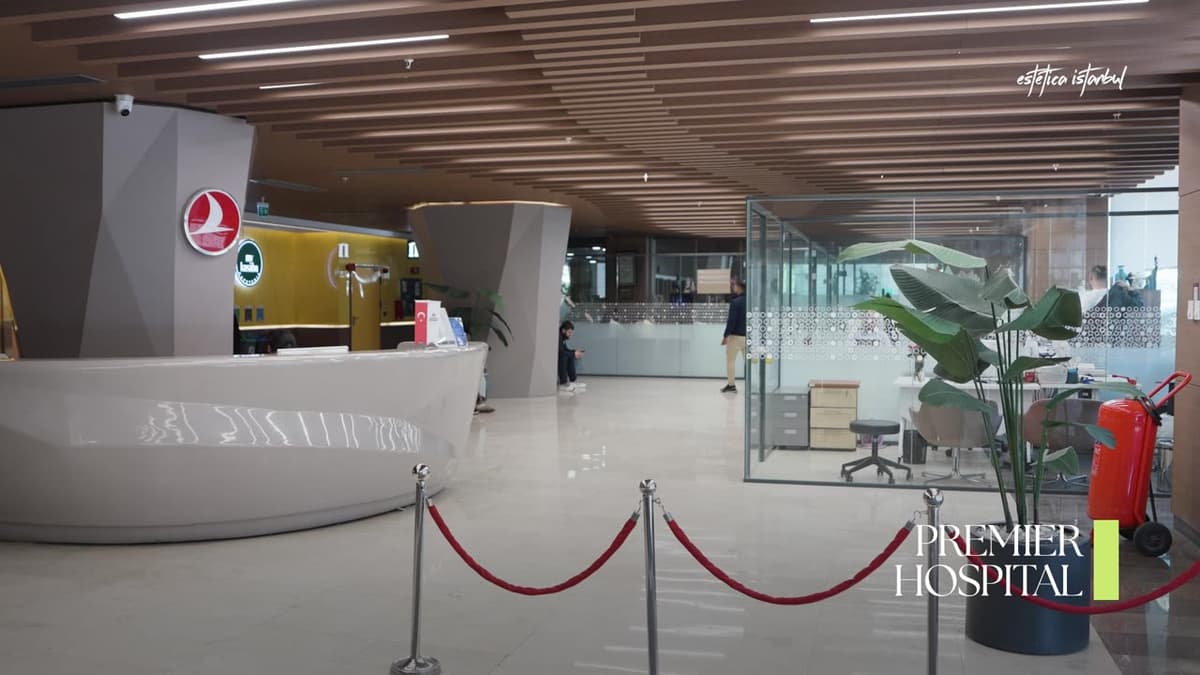

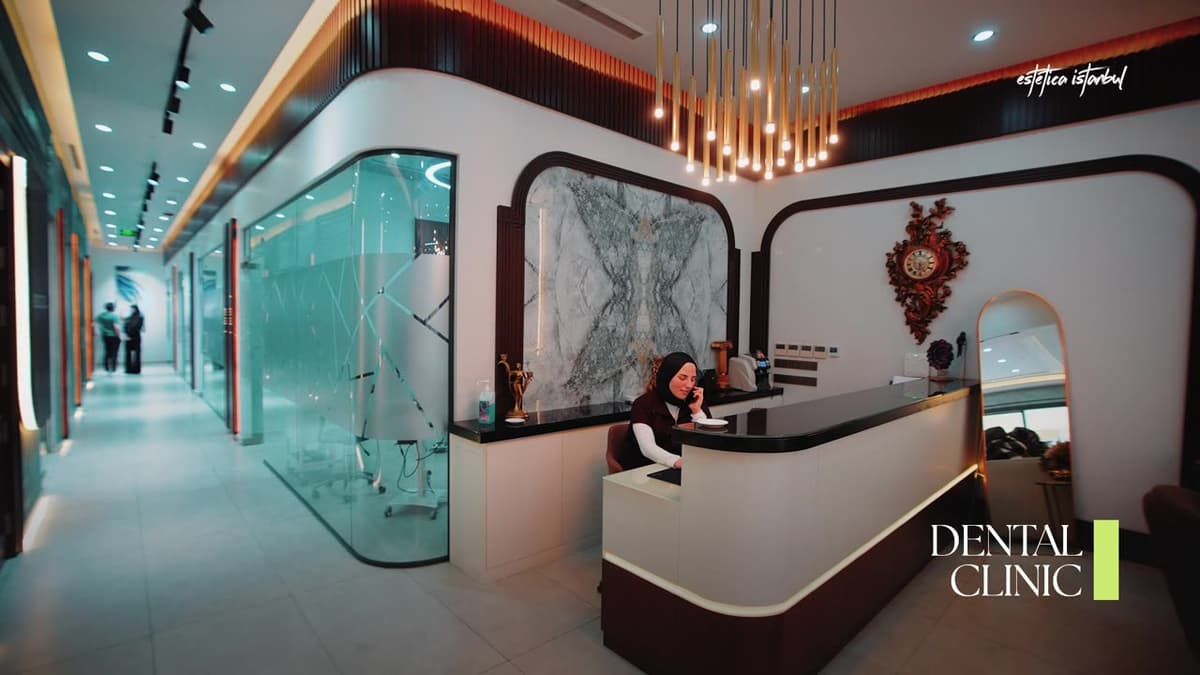
Free Consultation
Send us photos and your goals on WhatsApp. We review them with the partner medical team and send a detailed, written all-inclusive quote. No deposit to talk.
We Handle the Logistics
Once you decide, we book your flights, hotel and VIP transfers. Pre-op tests, hospital admission, English-speaking support — all arranged before you land.
Partner healthcare institutions
Your operation takes place inside a fully accredited hospital — dedicated anaesthesia and nursing teams, intensive care on the same floor, international safety standards. Never a back-street day-clinic.
Specialist Clinics for Smile & Hair
Non-surgical treatments happen at purpose-built venues — our dedicated partner dental clinic for veneers, crowns and implants, and our partner hair restoration clinic for transplants. Each run by teams who do only that, every day.
Recovery, Follow-Up & Your Smile
You recover in a hotel with on-site medical care, then fly home. We follow up remotely for a full year — and if a complication arises, we cover remote consultations with your surgeon and, in rare cases, revision surgery — with the Antwell upgrade.
What's Included
Not Included
Before & After
Frequently Asked Questions
How much does breast reduction cost in Istanbul?
Will breast reduction relieve my back pain?
How much can be removed during breast reduction?
Can I breastfeed after breast reduction?
What is the recovery time for breast reduction?


Further Reading
 from €4,300
Flying After Breast Augmentation: Cabin Pressure Is Not the Risk, Day 5 to 7 Is the Date
Partner surgeons in Istanbul clear breast augmentation patients to fly from day 5 to day 7, after an in-person check, on a 7-to-9-night stay. Cabin pressure is not the reason: silicone and saline barely change volume at 8,000 feet. The date is set by clot risk on flights over four hours and by the fact that haematoma and infection, each under 1 percent, nearly all appear in the first week.
 from €3,400
Breast Lift Cost 2026: Turkey vs UK, US, Germany and Italy
A breast lift costs from €3,400 in Turkey against averages of €6,185 in Germany, €7,420 in Italy and €8,298 in the United States, and a £7,395 starting price in the UK. Here are the 2026 numbers with sources, the gap after flights, and the questions that make two quotes comparable.
 from €3,450
Breast Reduction Cost 2026: Turkey vs UK, US, Germany and Italy
Sourced 2026 breast reduction prices in five countries, from €3,450 in Istanbul to $18,000 in the United States, plus what each figure includes and when staying home wins.