FUE vs DHI Hair Transplant: Which Technique Is Right for You?
Medically reviewed by Akın İnalöz, MD, Board-Certified Plastic Surgeon· Last reviewed:
All-inclusive
FUE Hair Transplant
from€2,350US$2,730£2,020CA$3,780A$3,830NZ$4,650
FUE vs DHI Hair Transplant: Which Technique Is Right for You?
Hair transplantation has revolutionized how we address hair loss, and two techniques dominate modern practice: Follicular Unit Extraction (FUE) and Direct Hair Implantation (DHI). Both are minimally invasive and offer excellent results, but they differ significantly in execution, recovery time, and cost. Understanding these differences helps you make an informed decision about which method aligns with your goals, hair characteristics, and budget. At Estetica Istanbul, our partner hair clinic's technician team is experienced in both techniques and can recommend the best approach during your consultation.
All-inclusive
FUE Hair Transplant
from€2,350US$2,730£2,020CA$3,780A$3,830NZ$4,650
What is FUE Hair Transplant?
FUE (Follicular Unit Extraction) involves extracting individual hair follicles one by one from the donor area—typically the back and sides of the scalp—using a specialized punch tool. These follicles are then implanted into recipient areas experiencing hair loss. The process leaves minimal scarring because each extraction point is tiny (less than 1mm), and the donor area heals naturally without stitches. FUE has been the gold standard since the early 2000s and remains popular worldwide. The technique works with virtually all hair types and is particularly effective for patients who want to keep their hair short or are concerned about visible scarring.
The FUE procedure takes 6-8 hours depending on graft count, and most patients can return to light activities within 3-5 days. Graft survival rates with FUE typically range from 85-95%, meaning the vast majority of transplanted hairs will grow permanently in their new location. The technique requires significant expertise to extract grafts without damaging them, which is why choosing a highly experienced team is critical. Estetica Istanbul's partner hair clinic team has performed thousands of FUE procedures with exceptional graft survival rates.
What is DHI Hair Transplant?
DHI (Direct Hair Implantation) is an advanced form of FUE that uses specially designed implanter pens to extract and immediately implant hair follicles without storing them in a holding solution. Each follicle is placed using a pre-loaded implanter pen that controls depth, angle, and direction with extraordinary precision. This direct, uninterrupted process minimizes graft handling time and reduces the window in which follicles are outside the scalp. DHI is sometimes called the "Choi pen" technique after Dr. Sung-Won Choi, who pioneered the implanter pen technology.
Because DHI eliminates the storage phase entirely, some surgeons argue it offers superior graft survival rates—potentially reaching 95-98%. The direct implantation also allows for precise angulation, which creates a more natural hairline with optimal density. However, DHI requires significantly more surgical time (8-12 hours for comparable graft counts) and demands exceptional skill from the surgical team. The cost is typically higher than standard FUE, reflecting the advanced technology and extended surgical time. Despite these considerations, many patients at Estetica Istanbul choose DHI for the superior precision and potentially faster results.
Key Differences: FUE vs DHI
The primary operational difference is that FUE extracts follicles and stores them temporarily before implantation, while DHI extracts and implants immediately. This fundamental difference cascades into several practical distinctions. FUE typically requires 6-8 hours of surgery, while DHI takes 8-12 hours or longer. FUE involves two separate procedures (extraction, then implantation), while DHI combines them into one continuous process. The graft survival rates are comparable in well-executed procedures, though DHI's reduced handling time may provide a marginal advantage. FUE is generally less expensive (one fixed package price of €2,350) compared to DHI (€2,650) because it requires fewer surgical team members and less operative time.
Graft survival and final density depend less on the technique itself and more on team expertise, patient health, and post-operative care. Both FUE and DHI can achieve excellent hairline design and natural-looking results when performed by experienced teams. The choice between them often comes down to personal preference, budget, and specific hair loss characteristics. Some patients prefer FUE's shorter operative time and lower cost, while others prefer DHI's precision and potentially faster visible results.
Recovery and Results Timeline
Both FUE and DHI follow similar recovery timelines, though some DHI patients report slightly faster initial growth due to the minimized graft manipulation. Most patients experience some redness and small scabs at recipient sites for 7-10 days, which heal completely within 2-3 weeks. Transplanted hairs enter the shedding phase (telogen effluvium) around weeks 2-3 and continue shedding for 4-6 weeks—this is completely normal and necessary for the growth cycle to begin. New hair growth typically begins around month 3-4, with significant density visible by month 9-12.
Who Should Choose FUE?
FUE is ideal for patients who want shorter operative time, lower cost, or who plan to keep their hair relatively short, which minimizes the visibility of small donor area scars. Patients with significant hair loss (5,000+ grafts) often prefer FUE because it remains efficient even with large graft counts. FUE also works well for patients needing secondary procedures or touch-ups, since additional donor hair can be harvested without concerns about interfering with previous implantation sites.
Who Should Choose DHI?
DHI suits patients who prioritize precision hairline design, are willing to spend additional operative time for potentially superior results, and can afford the premium pricing. Patients with limited donor density benefit from DHI's ability to maximize the density achieved from each graft through precise angulation and placement. Those seeking the absolute fastest visible results and minimal graft handling may prefer DHI's direct approach.
Making Your Decision
The best technique for you depends on your hair loss pattern, donor hair density, budget, and aesthetic goals. During a consultation at Estetica Istanbul, the partner hair clinic's team will evaluate your hair characteristics, perform density mapping, and recommend either FUE or DHI based on what will deliver your best possible outcome. Both techniques, when performed by expert teams using advanced technology, produce natural-looking results that are long-lasting, though how long they last varies from person to person. The key to success is selecting a team with extensive, verifiable experience in your chosen technique—a decision that matters far more than the technique itself.
Compare the proposed workflow, not two advertising labels
A useful FUE-versus-DHI comparison starts with what your provider proposes to do. Ask how donor harvesting, preparation, recipient-site planning, and implantation will be organised. Do not accept a comparison that treats an implanter pen as proof of superior growth or says a device removes the need for careful assessment.
Ask which part of the process the DHI label describes and whether donor harvesting uses a follicular-unit extraction approach. If one provider uses the word FUE for the overall process and another uses DHI to describe placement, you need the actual sequence before you can compare them fairly.
For general information to discuss with your treating clinician, see NHS hair-transplant resource. It does not establish that a DHI proposal produces a better result than a different placement method. Ask for evidence supporting any claimed advantage and for its relevance to your own case.
Ask both providers the same six questions
First, which areas are you proposing to treat? Second, what needs establishing about my donor supply? Third, what is the provisional design and why? Fourth, what will be trimmed? Fifth, who performs each step? Sixth, what follow-up will I receive? Write the answers alongside each quote so a technique label does not hide a different treatment scope.
Ask how the plan could change after examination. If one quote offers several areas and another prioritises only the hairline, the price difference may reflect the scope rather than the device.
When answers remain provisional, record that openly. A well-defined uncertainty is more useful than a confident promise based on photographs alone. You should know which questions will be resolved before treatment and how consent and price are updated if the plan changes.
Shaving and session length do not predict the result
A no-shave preference deserves discussion, but it is not a complete reason to choose a technique. Explain which hair you want retained and ask for the actual donor and recipient trimming plan. Ask how that plan affects visibility during recovery rather than assuming retained hair makes treatment invisible.
Similarly, ask what the estimated session time includes: assessment, design, anaesthesia arrangements, extraction, preparation, implantation, and breaks. A longer session is not automatically better, and a shorter one does not establish poor care.
Separate those logistical questions from clinical claims about growth, density, and recovery. Ask the assessing clinician to explain the uncertainties instead of ranking methods using an unsourced percentage or a universal recovery timetable.
Staffing deserves its own comparison
At Estetica Istanbul, the procedure is arranged through a partner hair clinic. Its technician team performs extraction and implantation, with a hospital on standby; for FUE, the recipient-site incisions are made by a licensed physician. Ask who is responsible for diagnosis, suitability, anaesthesia decisions, and complications.
This should be described honestly in the quote. A standby hospital does not establish the hair clinic's accreditation. Ask for the actual treating location and responsibility for medical questions.
Do the same with other offers. A technique name does not tell you whether you will meet a qualified clinician, who carries out invasive steps, or how a concern will be assessed after departure. Request specific answers instead of assuming the staffing model from a photograph of a doctor on a website.
Decide what the €300 difference buys in your proposal
As of October 2026, the published starts are FUE from €2,350 and DHI from €2,650, all-inclusive with flights excluded. Each has three package nights. The headline difference is €300, but the clinical recommendation should explain whether the DHI proposal is appropriate for your priorities; the premium alone proves nothing about the outcome.
Compare tests, medication, supplies, hotel, transport, and follow-up individually. Additional nights at the Kuruçeşme Palace Ataşehir are €75 per night. Request any extra services or later sessions as separate line items.
The hair guarantee is an 18-month certificate conditional on control photos on days 1, 2, and 3, day 10, and months 1, 3, 6, and 12. Ask for the complete terms without assuming a particular outcome or remedy.
Frequently asked questions
Which method should I choose first?
Start with an assessment and request the rationale for the proposed workflow.
Does the more expensive technique guarantee greater density?
No such guarantee should be inferred from price. Ask for the evidence and the individual limitations.
Can I request both quotes?
Use the FUE page or DHI page, explain that you want to compare suitable options, and send the requested medical form and photos.
Get Your Free Consultation
Our partner medical team will review your case and send you a personalized treatment plan.
Your Journey. Our Hands.
From your first message to your flight home — we run the logistics. You focus on the result you came for.

Free Consultation
Send us photos and your goals on WhatsApp. We review them with the partner medical team and send a detailed, written all-inclusive quote. No payment to get your quote.
We Handle the Logistics
Once you decide, we book your hotel and VIP transfers; you book your own flight (not included) and we help you choose the right dates. Pre-op tests, hospital admission, English-speaking support — all arranged before you land.
Partner healthcare institutions
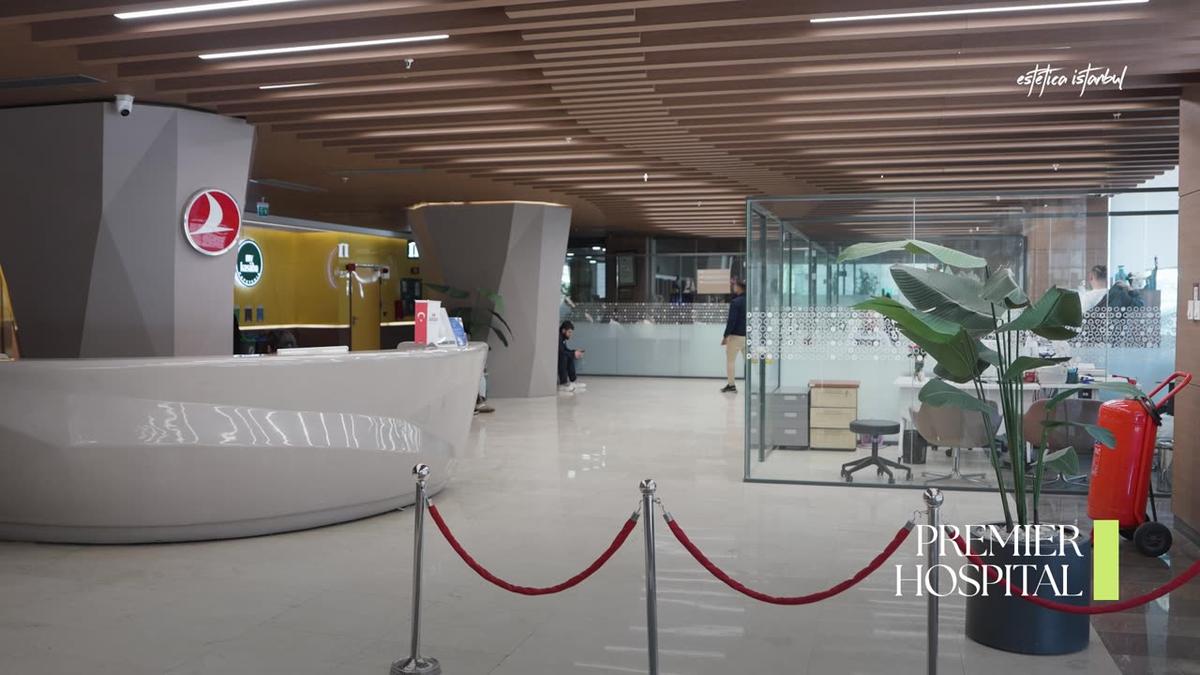
Your operation takes place inside a fully accredited hospital — dedicated anaesthesia and nursing teams, intensive care on the same floor, international safety standards. Never a back-street day-clinic.
Specialist Clinics for Smile & Hair
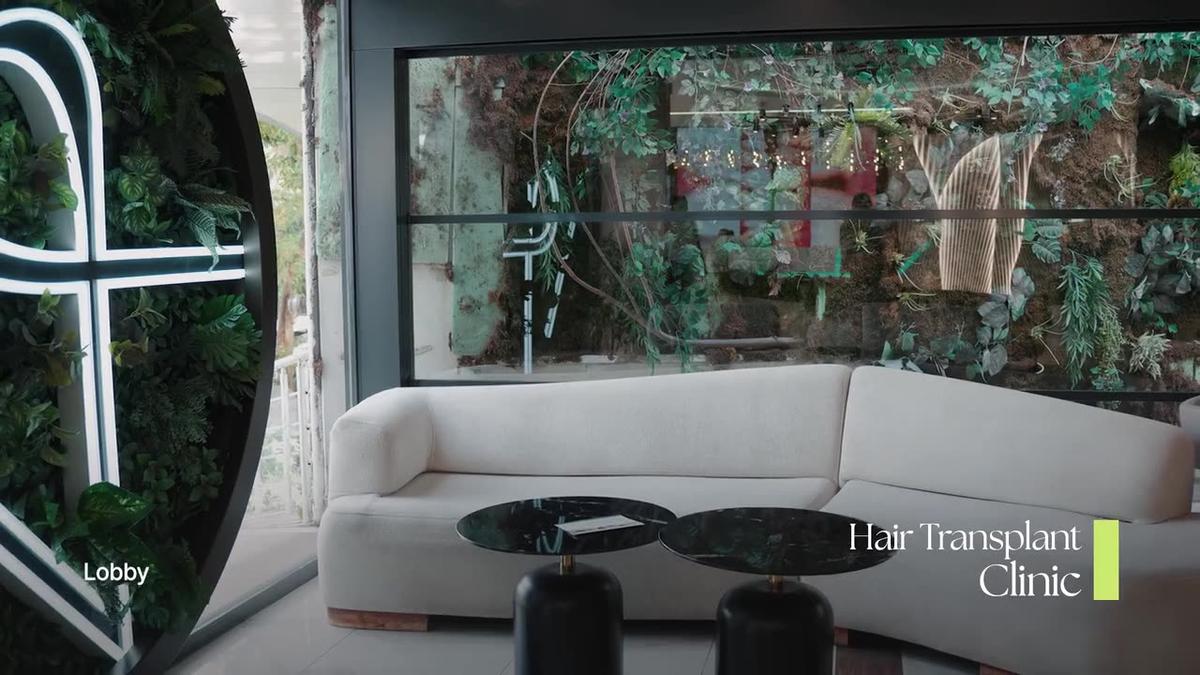
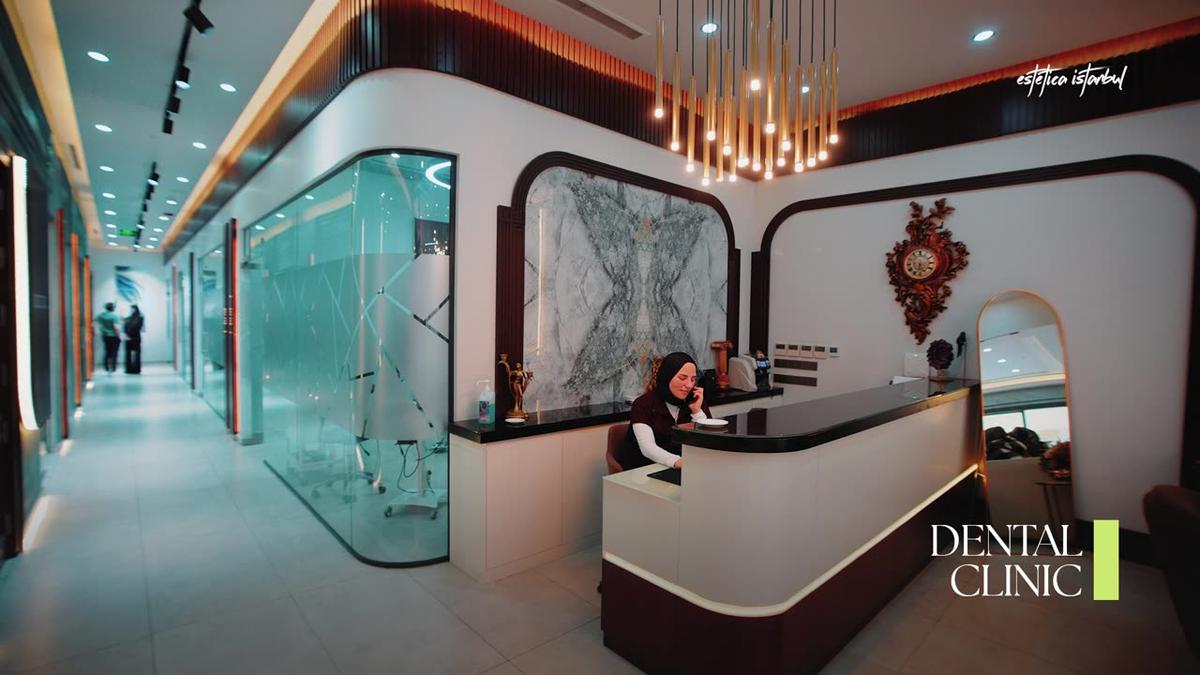
Non-surgical treatments happen at purpose-built venues — our dedicated partner dental clinic for veneers, crowns and implants, and our partner hair restoration clinic for transplants. Each run by teams who do only that, every day.
Recovery, Follow-Up & Your Smile
You recover in a hotel with on-site medical care, then fly home. We follow up remotely for a full year — and if a complication arises, we cover remote consultations with your surgeon and, in rare cases, revision surgery — with the Antwell upgrade.