Gastric Bypass Recovery: A Week-by-Week Timeline
All-inclusive
Gastric Bypass
from€3,870US$4,490£3,330CA$6,230A$6,310NZ$7,660

Recovery from gastric bypass follows a fairly predictable arc: two to three nights in hospital, walking within hours of surgery, about a week in Istanbul before your surgeon clears you to fly, desk work at around two to three weeks, and lifting or proper training from week four to six. Eating is the slower track — your stomach and rerouted intestine need a staged return from liquids to purées to soft food over roughly six weeks, and the weight itself comes off over twelve to eighteen months, not weeks. This guide walks through gastric bypass recovery week by week: what actually happens in hospital, when you can fly home, how the diet stages work, the complications that need a same-day call, and what life looks like after the surgical wounds have long healed.
What gastric bypass surgery actually does
A gastric bypass — usually a Roux-en-Y — is keyhole surgery that creates a small stomach pouch about the size of an egg and connects it directly to a loop of small intestine, so food bypasses most of the stomach and the first stretch of bowel. The operation itself typically takes around two hours under general anaesthesia. Understanding the anatomy explains why recovery runs on two clocks at once: the small laparoscopic incisions on your abdomen heal in a couple of weeks, but the new connections inside — and your relationship with food — take months to settle. Most of what follows is about protecting those internal joins while they heal, and training a much smaller stomach to do its job.
All-inclusive
Gastric Bypass
from€3,870US$4,490£3,330CA$6,230A$6,310NZ$7,660
Days one to three: the hospital stay
Expect two to three nights in a JCI-accredited partner hospital. You will be helped out of bed and walking the same day — early walking is the single most important thing you do for your own safety, because it cuts the risk of blood clots. Pain is usually gas-and-incision discomfort rather than sharp pain, managed with standard medication. Before discharge the team checks that the new connections are sealed, then starts you on small sips of clear fluids. You leave with written instructions on wound care, a staged diet plan and — because dehydration is the most common early problem — one job above all others: sip fluids constantly, even when you feel no thirst.
The rest of week one: recovering in Istanbul and the flight home
After discharge you recover at your hotel with your coordinator nearby, walking a little more each day and living on clear, then full, liquids. Most patients are cleared to fly home around five to seven days after surgery — your surgeon confirms this at the final check-up, so never book the return flight before that conversation. Long flights soon after abdominal surgery carry a small but real clot risk, so you will be told to walk the aisle regularly, wear compression stockings and keep drinking. At Estetica Istanbul the all-inclusive package (from €3,870) covers the hospital stay, your recovery-hotel nights, transfers and a coordinator who stays reachable — and the aftercare plan continues remotely for twelve months after you land.
Weeks two to six: the diet stages and getting back to normal life
The staged diet is the heart of bypass recovery. Weeks one and two are liquids; weeks three and four move to smooth purées; weeks five and six introduce soft foods; solid food returns gradually from around week six — always protein first, in portions of a few spoonfuls. The rules matter more than the menu: eat slowly, stop at the first sign of fullness, and do not drink with meals, because the pouch is too small to hold both. Your bariatric team adjusts the exact timings to you. In parallel, normal life returns: most people manage desk work at two to three weeks, gentle walking is encouraged from day one, and anything heavier — lifting, the gym, physical jobs — waits until week four to six so the internal healing is not strained.
Dumping syndrome and the parts nobody warns you about
A bypass routes food past the stomach's natural brake, so sugary or very rich food can rush into the intestine and trigger 'dumping' — cramping, nausea, sweating, a racing heart and sudden fatigue within an hour of eating. It is unpleasant rather than dangerous, and it is best treated as feedback: the foods that cause it are exactly the ones the surgery is designed to move you away from. Other honest realities of the first months: an energy dip around week three while calories stay low, temporary hair shedding between months three and six, constipation while the diet is liquid-heavy, and mood swings as hormones shift with rapid weight loss. All of these are common, and all of them pass.
Red flags: call your surgical team the same day
Most recoveries are uneventful, but gastric bypass has a short list of warning signs that must never wait until tomorrow: fever above 38°C, a persistently racing heart, abdominal or left-shoulder pain that gets worse rather than better, persistent vomiting, or being unable to keep any fluids down. Together these can signal a leak at the new connections — rare, but the complication your team most wants to hear about within hours, not days. The same urgency applies to a swollen, painful calf or sudden breathlessness or chest pain, which can mean a blood clot. Your Estetica Istanbul coordinator and the hospital team are reachable while you are in Istanbul, and your surgeon remains available remotely after you fly home.
After the wounds heal: vitamins, follow-up and the 12-month journey
Surgical recovery ends within weeks; the bypass journey does not. Because the operation deliberately reduces absorption, lifelong daily supplements — a multivitamin, B12, iron and calcium with vitamin D — are non-negotiable, with periodic blood tests to catch gaps early. Follow-up continues for twelve months, tracking weight, nutrition and bloodwork. Most patients lose the majority of their excess weight over twelve to eighteen months, fastest in the first six. And a bypass is a tool, not a cure: it makes portion control physically real, but the result depends on the eating habits, protein targets and activity you build around it. If you are still deciding — and your BMI or eating pattern does not clearly point to a bypass — a sleeve or even a non-surgical balloon can be the more sensible first conversation, and an honest team will tell you so.
How long does gastric bypass recovery take?
Two to three nights in hospital, about a week in Istanbul before flying, desk work at two to three weeks, and full physical activity at four to six weeks. The staged diet takes about six weeks to return to solid food, and the weight loss itself unfolds over twelve to eighteen months.
When can I fly home after gastric bypass in Turkey?
Most patients fly around five to seven days after surgery, once the surgeon has done a final check and cleared it. On the flight: compression stockings, regular walks up the aisle and constant sips of fluid, because immobility soon after abdominal surgery raises the risk of blood clots.
When can I go back to work after gastric bypass?
Desk jobs: usually two to three weeks after surgery, sometimes sooner if you can work from home and pace yourself. Physically demanding jobs need four to six weeks and your surgeon's explicit go-ahead, because lifting too early strains the healing abdominal wall.
Why can't I eat and drink at the same time after a bypass?
The new stomach pouch holds only a few tablespoons. If you drink with meals, liquid fills the pouch, pushes food through too quickly and leaves you hungry sooner — and it can trigger dumping. The rule most teams give is simple: stop drinking about 30 minutes before eating and wait 30 minutes after.
If you are considering gastric bypass in Istanbul — or you have had the surgery and want a clear aftercare plan — Estetica Istanbul can arrange a free, no-obligation assessment with a board-certified partner bariatric team. Send your questions and your medical history, and you will get an honest view of what recovery would look like for you, including whether a bypass, a sleeve or a non-surgical option is genuinely the right starting point.
Photo by Nikolai Kolosov on Unsplash
Use milestones rather than a universal weekly calendar
Gastric bypass recovery involves wound healing, recovery from the operation, learning the prescribed eating pattern and arranging long-term monitoring. These do not finish together. The next stage should be agreed with the treating bariatric team, rather than inferred because a week has passed.
The NHS recovery guidance after weight-loss surgery describes ongoing dietary change, supplements and follow-up. It is general guidance, not the partner's patient-specific schedule.
Before discharge: make the instructions usable in your room
Ask how much and what type of fluid or food the team wants you to take, what to record and which difficulty means you need assessment. Request guidance about prescribed medicines and whether the formulation or timing of a routine medicine changes. Do not crush tablets, change doses or add supplements without checking.
Make sure you know how to care for incisions, which dressings are supplied and when review is planned. Ask about walking, sleep, washing and the practical tasks you will perform alone. If you cannot carry out the instructions, tell the team before leaving the hospital rather than trying to improvise at the hotel.
Ask what happens if you cannot tolerate the agreed intake, repeatedly vomit or develop increasing pain. An online timetable cannot distinguish an expected symptom from a complication in your case.
Food progression needs a route back to the team
For each stage, ask about texture, portion guidance, eating pace and how to tell whether you are ready to move on. Ask what to do if a particular food causes problems and when a review is needed. A calendar is helpful only when it includes decisions for a stage that does not go smoothly.
Discuss symptoms after meals without treating every episode as harmless “dumping”. Record what happened, when it occurred and what you ate or drank, then obtain clinical advice. Severe symptoms should not be recast as evidence that surgery is working.
The NIDDK side-effects overview describes both early surgical problems and later nutritional risks. Ask which concerns should prompt urgent assessment and what monitoring is planned after the wounds look healed. The new internal anatomy still needs continuing care.
Work, exercise and travel each need a separate answer
Describe what your job requires, including long shifts, lifting, driving and limited access to suitable meals. Ask how to phase return rather than applying a desk-work estimate to every occupation. Arrange help with children, shopping and luggage before travel.
Give the team the whole journey home, including transfers and connections. Ask about movement, clot prevention, medicines and what the departure assessment must establish. Do not add aspirin or another preventive treatment yourself. A permitted flight does not mean you can resume all normal activities when you land.
Set up continuing care before the first trip
Identify who reviews weight, nutritional status, blood results, symptoms and medication changes. Ask which checks require attendance and what can be handled remotely. Confirm whether your usual clinician can provide the recommended monitoring and what additional private appointments cost. Do not assume the NHS automatically adopts every overseas provider's programme.
Discuss the decision itself if you are still considering surgery. Sleeve, another intervention, medical treatment or postponement should be compared according to your diagnosis and priorities. A faster recovery claim should not determine the operation.
Price the complete recovery arrangement
As of October 2026, gastric bypass starts from €3,870 all-inclusive, flights excluded.
The quote should list surgery, anaesthesia, facility care, agreed accommodation, transfers, medicines and follow-up where included. Flights, additional nights, Antwell upgrades, optional services and complication or revision care are separate unless stated otherwise. Deniz extra nights are €70; Antwell adds €40 per night. Ask about insurance, changed flights and continuing-care expenses.
Does healing of the incision finish recovery?
No. Follow the bariatric team's nutrition, monitoring and activity plan beyond the visible wound stage.
Can I skip a review if I feel well?
Ask which reviews are needed and why; comfort alone should not replace monitoring.
Who should review these instructions?
Request an initial assessment with your medical history and ask for a personalised written recovery plan.
Related Articles
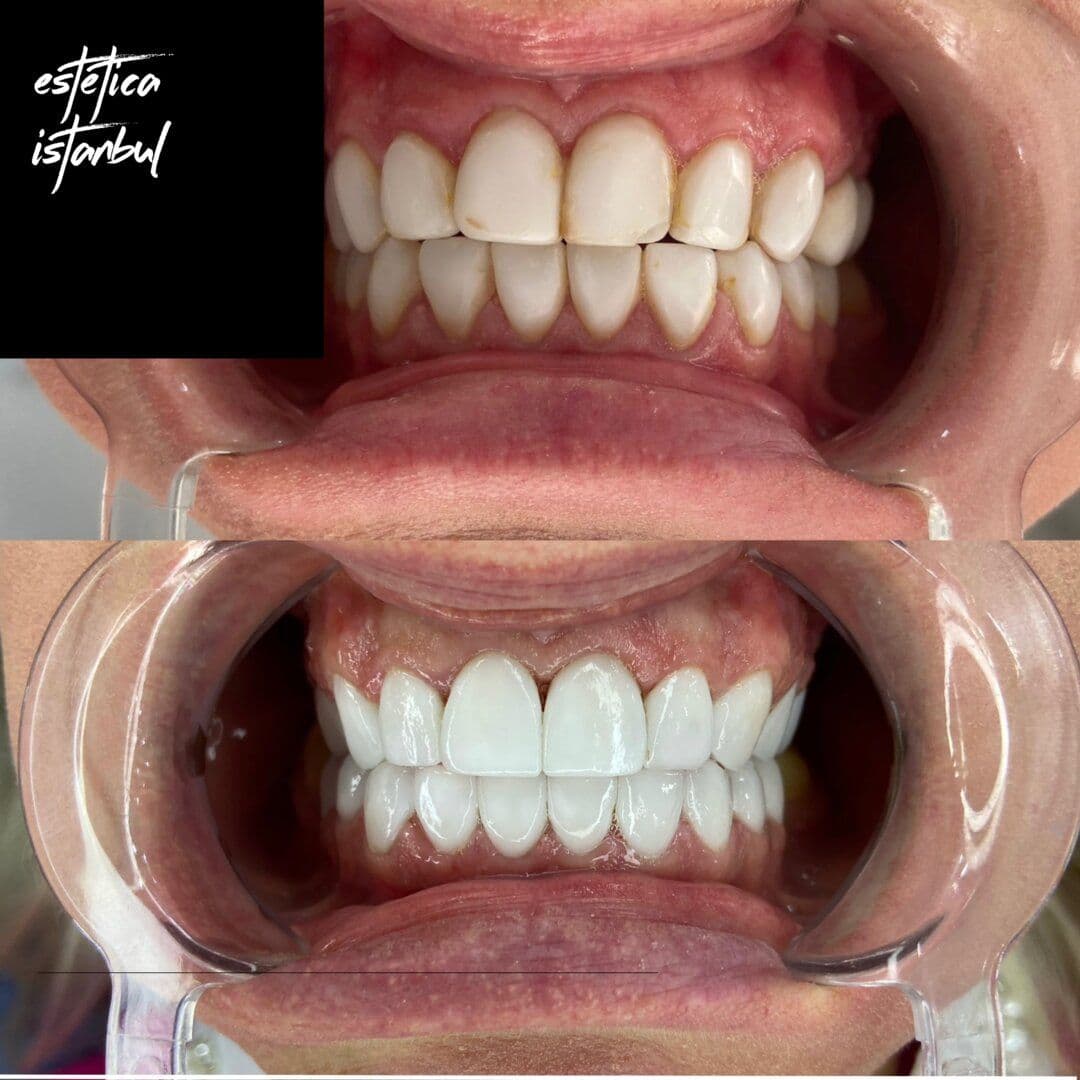
Hollywood Smile: from €3,350 in Istanbul vs €7,200+ in Rome and €8,400+ in Milan
November 6, 2026

Limb Lengthening Cost 2026: €40,100 per Stage in Istanbul vs the UK, US, Germany and Italy
October 31, 2026

Buccal Fat Removal Cost 2026: €1,180 in Istanbul vs €2,300 in Germany, €2,600 in Italy and €4,083 in the UK
September 30, 2026
Get Your Free Consultation
Our partner medical team will review your case and send you a personalized treatment plan.