Hair Transplant Recovery: A Complete Week-by-Week Guide
Medically reviewed by Akın İnalöz, MD, Board-Certified Plastic Surgeon· Last reviewed:
All-inclusive
FUE Hair Transplant
from€2,350US$2,730£2,020CA$3,780A$3,830NZ$4,650
What recovery actually looks like
Hair transplant recovery has three distinct phases most patients do not understand going in: the physical recovery of the scalp (days 1–14), the shock loss phase where transplanted hair falls out and your scalp looks worse than before (weeks 2–8), and the regrowth phase (months 3–12). Each phase has its own rules and each phase will test your patience.
All-inclusive
FUE Hair Transplant
from€2,350US$2,730£2,020CA$3,780A$3,830NZ$4,650
The good news is that the recovery is almost entirely predictable. What follows is what happens, when it happens, and what you should and should not be doing at each stage.
Day 1: the first 24 hours
You leave the clinic with a protective headband, specific instructions, and a bag of medications. The recipient area (where the new follicles were implanted) has tiny scabs forming around each graft. The donor area (back of your head) has small red dots from the extraction. You will feel tight and slightly sore but not in significant pain.
Sleep with your head elevated at 45 degrees on at least two pillows — ideally in a recliner or on a travel neck pillow. This is the single most important thing you can do for the first 72 hours. Gravity matters: if your head is flat, fluid pools in the forehead and makes day 2–3 swelling dramatic.
Days 2–3: the swelling peak
Around day 2–3, many patients wake up with noticeable forehead swelling that can extend to the eyes. This looks alarming and is completely harmless. It resolves within 3–4 days if you keep your head elevated and apply cold compresses to the forehead (never the grafts themselves). The swelling is caused by the saline solution used during the procedure draining downward under gravity.
The first wash happens in the clinic under supervision at day 2 or 3. You will be taught the exact technique: pour warm water over the grafts from a cup, gently dab (never rub) with a foam shampoo, and pat dry with a cotton towel. This exact technique must be repeated daily for 10–14 days.
Days 4–10: scabs form, scabs fall
By day 4 the grafts look like a field of tiny dark scabs. By day 7, with daily gentle washes, the scabs are starting to loosen. Between days 10 and 14, the last scabs fall off completely. Your scalp looks pink underneath but otherwise clean.
Do not pick scabs. Do not scratch. Both can dislodge a graft before it has taken root, and the graft is then lost permanently. If a scab itches, tap it gently with a fingertip — do not scrape.
You can return to desk work by day 5–7 if you are comfortable wearing a loose hat or baseball cap. No helmets, no tight hats, no woolen beanies that might grab the scabs.
Weeks 2–4: the transplanted hair falls out
This is the phase nobody prepares patients for emotionally. Between weeks 2 and 4, most of the transplanted hair falls out. This is called "shock loss" or "catagen shedding" and it is completely normal — the hair shaft falls but the follicle underneath is alive and healthy. Your scalp now looks like it did before the transplant, or even slightly worse due to shock loss in nearby native hairs.
This is where patients panic. Do not. The follicles are alive. They are in a dormant phase and will re-enter the growth phase around month 3. Shock loss is a sign that the body is processing the trauma, not that the transplant failed.
Months 3–6: the first real growth
Around month 3, you will see the first new hairs coming through — thin, soft, and often lighter than your final color. By month 4 these hairs are visible as peach fuzz across the transplanted area. By month 6 you have 40–60% of your final density and the hairs are thickening and darkening.
This is the phase where the result starts to feel real. You can now resume all normal activities including swimming (fresh water only — chlorine and salt water still recommended avoided until month 4), full workouts, and wearing any kind of hat.
Months 6–12: the final result emerges
Between months 6 and 12 the transplanted hair thickens, darkens to your natural color, and reaches full density. The final result is visible at month 12. The clinic team will schedule a 12-month follow-up photo comparison — this is the image you show friends and family.
At this point your transplanted hair is permanent. The follicles came from the genetically resistant donor area and will behave like donor hair for the rest of your life: they do not fall out under the same hormonal pressures that caused your original loss.
Frequently Asked Questions
When can I wash my hair normally?
Gentle cup-wash technique for the first 14 days. Regular hand washing with gentle pressure from day 15. Normal shampoo pressure from week 4. Strong scalp massage from month 2.
When can I exercise?
Walking from day 1. Light cardio (stationary bike, easy treadmill) from day 10. Full gym workouts from week 3. Contact sports from week 6. Swimming in fresh water from week 4, sea water from month 2.
When can I dye my hair?
Not before month 6. Chemical treatments stress hair follicles, and transplanted follicles need to be fully anchored before being exposed to dyes or bleaches.
Is shock loss guaranteed?
About 90% of patients experience visible shock loss in the transplanted area between weeks 2–6. It is not a complication — it is the normal hair cycle response to the procedure. The underlying follicles are alive and will re-grow.
What if I do not see growth by month 6?
Contact your clinic. Most patients see clear growth by month 4 and dramatic growth by month 6. If month 6 passes with minimal growth, the clinic team will investigate causes (PRP response, nutritional status, medication interactions) and may recommend additional PRP sessions. True "failed grafts" are rare with experienced teams — under 3%.
Organise recovery around the home you will return to
A recovery guide should help you carry out the partner clinic's instructions in real surroundings. Before booking, describe your work, household, usual hairstyle and travel arrangements. Ask which tasks need temporary help and what cannot be decided until examination.
The ISHRS FUE overview notes that aftercare policies differ between providers. Use the instructions for the actual procedure instead of combining parts of several online routines.
Prepare the bathroom before buying a product bundle
Explain whether you have a handheld shower, a fixed showerhead, a bath or limited access to warm water. Ask the team how to follow the approved washing method with that setup. If you have limited arm movement or poor vision, discuss assistance before the procedure.
The first wash in the documented Istanbul package is performed by the partner team the day after treatment. Ask whether a companion can observe and how you will receive instructions. Learn the sequence rather than rely on remembering a product name.
Ask what is included in the kit, how much product is supplied and how to obtain a replacement if needed. Post-operative medication is included; a hat is not in the kit.
Make sleep and clothing instructions workable
Tell the team your usual sleeping position and whether neck, back or breathing problems make a proposed position difficult. Ask for a plan you can actually follow, including what to do if it is uncomfortable. Do not force a pillow arrangement simply because a generic guide specifies an angle.
Ask about putting clothing on, washing your face, using headphones and protecting the treated areas during ordinary movements. Explain if work requires a helmet or a fitted cap. Permission for loose clothing or one item of headwear does not establish permission for every object contacting the scalp.
Arrange your room so essential documents and prescribed items are accessible. A companion can help with practical tasks, but should not diagnose a scalp change or modify a clinical instruction.
Work requires more than an appearance estimate
Describe physical work, outdoor heat, dust, machinery, protective equipment and the commute. For desk work, discuss long calls, camera use and whether you can attend required reviews. Ask which tasks can resume and what the reason is for continuing restrictions.
Ask how to handle an event you cannot postpone. A transplant can be delayed; it should not be planned around a guarantee that redness, crusts or hair growth will have disappeared by a presentation. Consider a later procedure date, leave from work or changing a social commitment rather than disguising symptoms with an unapproved product.
Keep clinical questions in a short accessible record
Write down the prescribed medicine schedule, approved washing plan, contact details and the next review. Add a symptom record if something changes. Report the location, timing and progression instead of saying only that the scalp looks wrong.
Ask about increasing pain, spreading skin changes, discharge, fever or bleeding that concerns you. Do not assume that every swelling is harmless or every shed hair means graft loss. Clinical assessment should determine the cause and whether local examination is needed.
Medication changes belong with the relevant prescriber and treating clinician. Do not borrow a friend's antibiotics or stop routine medicines because the scalp appears recovered.
Plan the departure and the first days back home
Three package hotel nights are part of the listed Istanbul FUE and DHI offers; they are not clinical clearance to fly. Give the team your complete route, luggage arrangements and access to care at home. Ask what examination must precede departure and what happens if the trip is extended.
As of October 2026, FUE starts from €2,350 all-inclusive, flights excluded, and DHI from €2,650. One procedure-day PRP session is included; additional PRP is paid. Extra Kuruçeşme Palace Ataşehir nights cost €75 each. Ask for written exclusions covering repeat visits, revision and complication treatment, and clarify insurance separately.
Can I recover alone?
Explain your home and mobility circumstances. Ask what help the actual procedure needs before deciding.
Does working from home mean I can work immediately?
A home workplace still has tasks and equipment requirements. Request individual advice.
Should I use the same routine as a previous patient?
Use it to prepare questions, then follow your own confirmed plan. Request a free initial assessment through the existing consultation form.
Get Your Free Consultation
Our partner medical team will review your case and send you a personalized treatment plan.
Your Journey. Our Hands.
From your first message to your flight home — we run the logistics. You focus on the result you came for.


Free Consultation
Send us photos and your goals on WhatsApp. We review them with the partner medical team and send a detailed, written all-inclusive quote. No payment to get your quote.
We Handle the Logistics
Once you decide, we book your hotel and VIP transfers; you book your own flight (not included) and we help you choose the right dates. Pre-op tests, hospital admission, English-speaking support — all arranged before you land.
Partner healthcare institutions
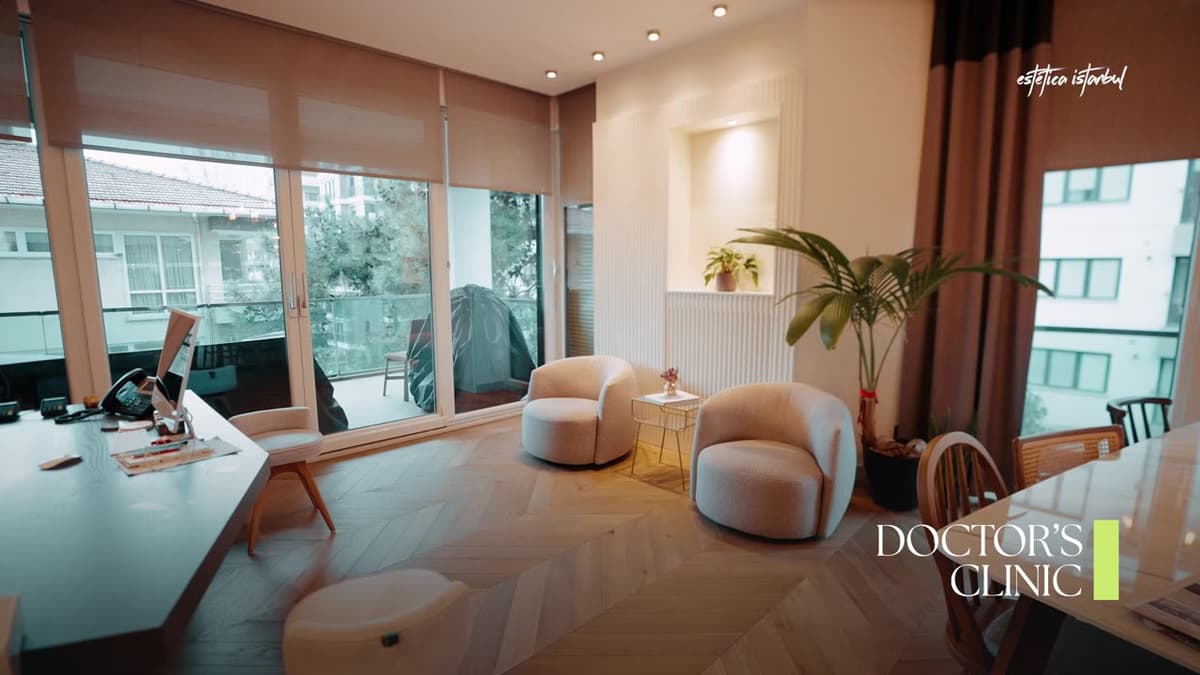
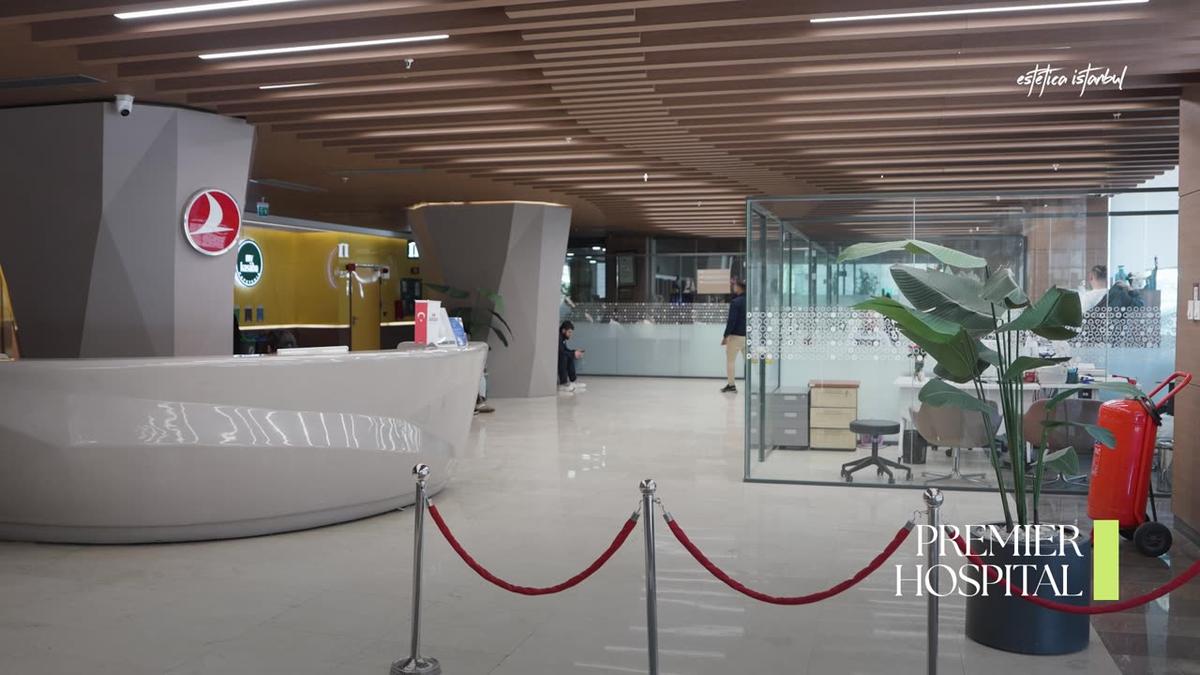
Your operation takes place inside a fully accredited hospital — dedicated anaesthesia and nursing teams, intensive care on the same floor, international safety standards. Never a back-street day-clinic.
Specialist Clinics for Smile & Hair
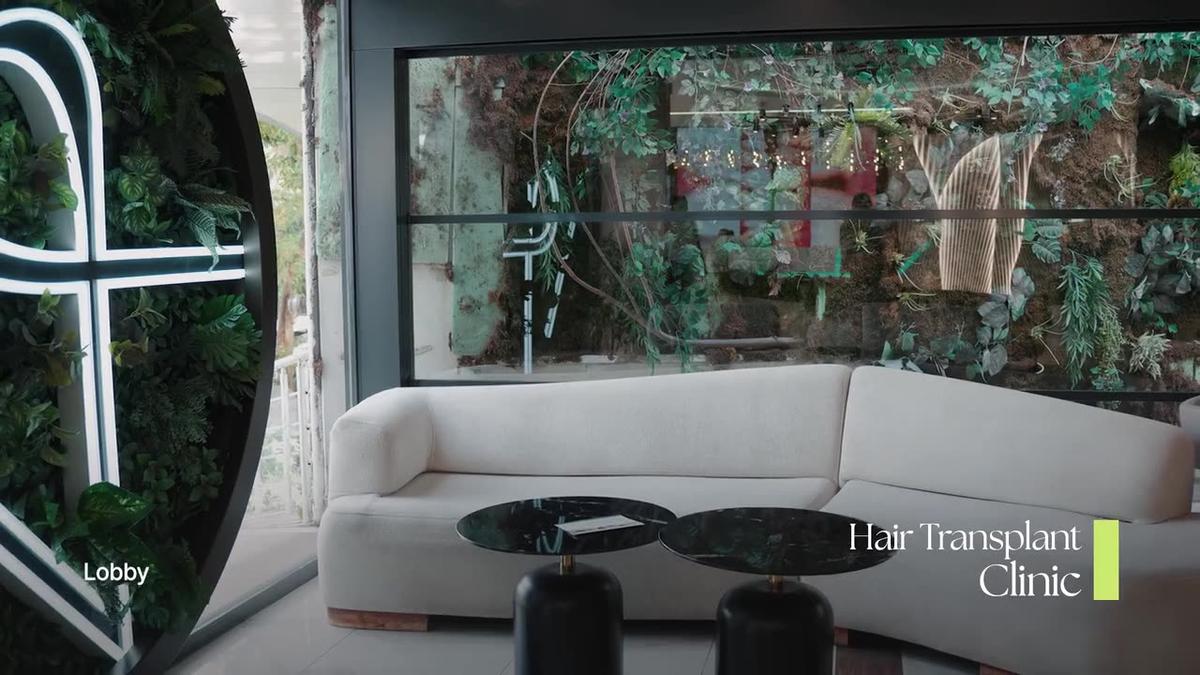
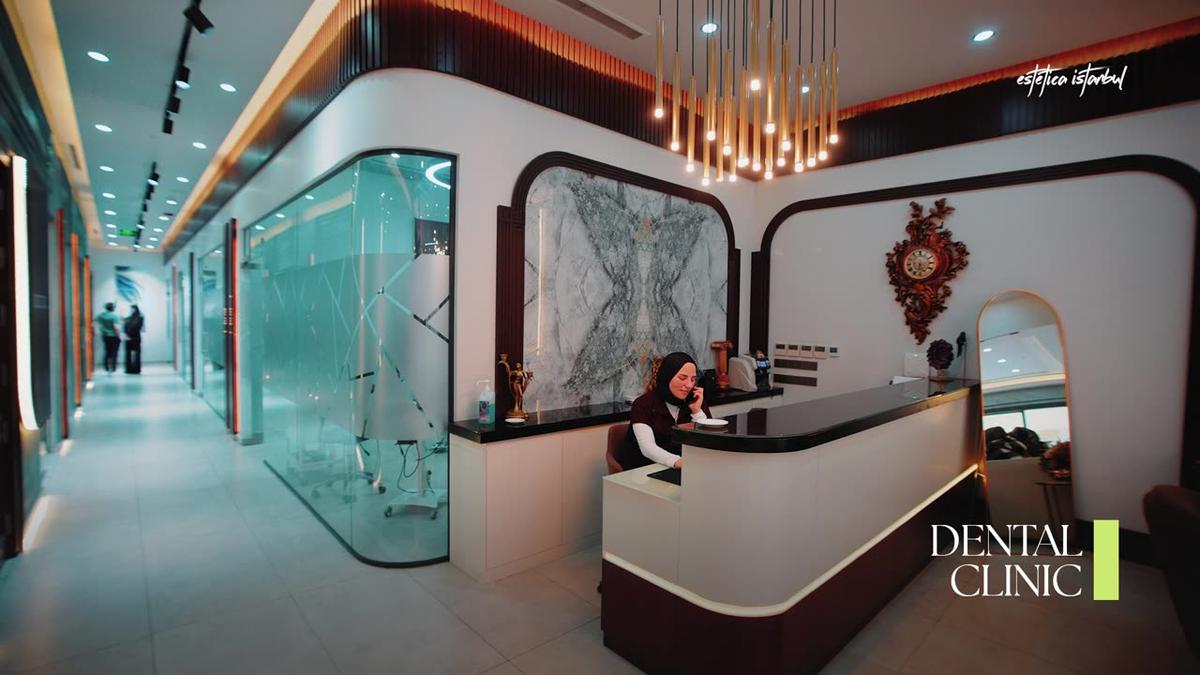
Non-surgical treatments happen at purpose-built venues — our dedicated partner dental clinic for veneers, crowns and implants, and our partner hair restoration clinic for transplants. Each run by teams who do only that, every day.
Recovery, Follow-Up & Your Smile
You recover in a hotel with on-site medical care, then fly home. We follow up remotely for a full year — and if a complication arises, we cover remote consultations with your surgeon and, in rare cases, revision surgery — with the Antwell upgrade.