Hair Transplant Risks and Side Effects: What Every Patient Should Know
Medically reviewed by Akın İnalöz, MD, Board-Certified Plastic Surgeon· Last reviewed:
All-inclusive
FUE Hair Transplant
from€2,350US$2,730£2,020CA$3,780A$3,830NZ$4,650

Why this article exists
Most hair transplant clinics minimize risks in their marketing. We take the opposite approach: an informed patient makes better decisions, asks better questions, and has better outcomes. What follows is the complete, honest list of possible side effects and complications after a modern FUE or DHI hair transplant, with real-world rates drawn from surgical literature and our partner clinic's own outcome tracking.
All-inclusive
FUE Hair Transplant
from€2,350US$2,730£2,020CA$3,780A$3,830NZ$4,650
Common and expected side effects
Swelling of the forehead and around the eyes: occurs in roughly 50% of patients, peaks at day 2–3, resolves by day 5–7. Prevented by sleeping elevated and applying cold compresses to the forehead (not grafts).
Itching during the healing phase: almost universal between days 7–14 as scabs fall. Treatable with prescribed saline sprays. Do not scratch — dislodged grafts do not recover.
Scabs at each graft site: 100% of patients have these for the first 7–14 days. They fall off naturally if you follow the wash protocol.
Temporary numbness at the donor and recipient areas: common, caused by minor nerve irritation during the procedure. Resolves within 2–4 months without treatment.
Shock loss of transplanted hair between weeks 2–6: happens in 90% of cases. The follicles are alive and will regrow from month 3.
Uncommon but possible side effects
Folliculitis (inflammation of a single follicle): occurs in around 5–10% of patients, usually between weeks 2–8. Treated with topical antibiotics or, in stubborn cases, a short oral antibiotic course. Does not affect final result.
Shock loss of native (surrounding) hair: 10–15% of patients experience some shock loss in non-transplanted hair near the recipient area. This is temporary — the native hair regrows within 3–6 months.
Hiccups: sounds strange, but post-procedure hiccups lasting several hours happen in about 2–3% of patients due to anesthesia drugs. Self-resolving within 12–48 hours.
Bleeding that restarts after you leave the clinic: uncommon (under 2%) and usually stops with 10 minutes of gentle pressure. If bleeding persists beyond 20 minutes of pressure, contact the clinic.
Rare but serious complications
Infection requiring oral antibiotics: occurs in 1–2% of cases. Presents as spreading redness, increasing warmth, and pus at the scalp. Treatable and does not damage final result if caught early.
Severe scarring in the donor area: under 1% with modern FUE technique. More common with older strip-method (FUT) procedures, which leave a linear scar by design. FUE does not cause linear scars if performed correctly.
Necrosis (tissue death) in the recipient area: extremely rare, under 0.5%. Caused by over-dense packing of grafts cutting off blood supply, or smoking during recovery. Prevented by choosing an experienced team that respects density limits.
Permanent loss of transplanted grafts due to poor survival: 3–5% typical graft loss is expected and built into the treatment plan. Loss rates above 10% indicate a technique or care problem and should trigger a follow-up with your clinic team.
What increases your risk
Smoking within 4 weeks before or after the procedure triples the risk of graft failure and infection. Nicotine constricts blood vessels and directly reduces oxygen to the follicles. Not negotiable — you must quit, and vaping counts.
Uncontrolled diabetes impairs healing and increases infection risk. If you are diabetic, have your HbA1c under 7.5 before the procedure.
Blood-thinning medications (including aspirin, ibuprofen, and supplements like ginkgo, garlic, vitamin E) increase bleeding risk. Stop for 10 days before the procedure in consultation with your GP.
Significant alcohol use within 72 hours of the procedure increases bleeding and reduces anesthesia effectiveness.
Choosing a low-volume or unlicensed clinic. The single biggest risk factor is not the procedure itself — it is who is performing it.
How to minimize every risk
Choose a clinic linked to an accredited hospital, with a team whose experience and case volume you can verify. Ask to meet the team before the procedure, not just a consultant. Confirm the graft count, hygiene standards and aftercare instructions in writing. Follow the pre-op instructions strictly, including the no-smoking window and medication adjustments. Follow the post-op wash protocol exactly. Attend follow-up appointments or send photos via WhatsApp at weeks 2, 6, and 12 so any issue can be caught early.
Frequently Asked Questions
Is a hair transplant a dangerous procedure?
No. Modern FUE and DHI are minor outpatient procedures performed under local anesthesia. Serious complications occur in under 2% of cases with experienced teams. The risk profile is comparable to routine dental surgery.
Can a hair transplant fail completely?
Complete failure (under 30% graft survival) is rare and almost always traceable to specific causes: team inexperience, smoking during recovery, severe infection, or underlying health conditions not screened before the procedure. With an experienced team and proper care, expected graft survival is 90–95%.
Will I have visible scars?
FUE and DHI do not leave linear scars. The donor area will have thousands of tiny dot scars, each about 1mm wide, that are invisible unless you shave your head to grade 0. FUT (strip method) leaves a linear scar — if your clinic recommends FUT, ask why and consider a second opinion.
What should I do if I suspect an infection?
Contact your clinic immediately via WhatsApp with clear photos. Do not wait for the next scheduled appointment. Signs of infection: spreading redness, increasing warmth, pus, fever over 38°C, increasing pain after day 5.
Can I get a hair transplant if I have underlying health conditions?
Many patients with controlled conditions (diabetes, hypertension, mild cardiovascular disease) are good candidates. The pre-operative blood work and medical consultation screen for safety. Patients with bleeding disorders, active skin conditions on the scalp, or poorly controlled diabetes may need treatment before becoming candidates.
Use a risk discussion to understand decisions, not to collect percentages
Hair transplantation has surgical risks and potential aesthetic limitations. A personal assessment should explain how your scalp, health, donor supply and proposed plan affect those questions. Ask what any quoted risk percentage measures, which population it concerns and whether it is relevant to your proposed procedure.
The peer-reviewed review of hair-transplant complications discusses problems involving anaesthesia, bleeding, infection, scarring, donor harvesting and growth. It supports a procedure-specific consent discussion, not an estimate that your risk is identical to a study population.
Separate expected effects from concerns needing examination
Ask the treating team to describe what it expects after your procedure and which changes need contact or assessment. Increasing pain, spreading redness, discharge, fever or persistent bleeding should not be dismissed because some redness and discomfort can occur after treatment.
Ask for the actual clinical plan. A photograph can describe a surface change, but may not answer every question about infection, circulation or a medicine reaction.
Keep emergency care separate from a booking dispute. Severe breathing difficulty, collapse or another acute emergency needs emergency assessment. A coordinator's reply cannot replace local clinical care.
Donor appearance deserves explicit consent
Ask where the donor units will come from, how the available supply is assessed and how harvesting could affect your usual haircut. Discuss previous transplantation and any visible thinning or scar. A full-looking recipient area is not the only part of the cosmetic result.
The ISHRS explanation of FUE scarring states that FUE is not scarless. Ask about uncertainty in your own healing and what choices remain if donor appearance becomes a concern.
Request an explanation of why the proposed count fits your donor rather than ask for the highest number. A repeated procedure may have different constraints from a first transplant. More grafts cannot remove every risk or guarantee density.
Medical history can change the plan
Disclose medicines, allergies, previous anaesthetic reactions, diabetes, bleeding or clotting problems, scalp conditions and earlier procedures. Include nicotine products and any treatment obtained elsewhere. The assessment may lead to further investigation, preparation, a smaller plan or postponement.
Do not stop anticoagulants, supplements or other medicines according to an online stop schedule. Ask the prescribing and treating clinicians to agree any changes in writing. Ask the clinical team for preparation requirements appropriate to your health and procedure.
Staff identity and accountability are separate from marketing labels
Estetica Istanbul is an agency; the partner technician team performs the Istanbul hair procedure; for FUE, the recipient-site incisions are made by a licensed physician. Ask who is responsible for medical assessment, anaesthesia, each procedural stage and management of a complication. A hospital standby arrangement should not be marketed as accreditation of the hair clinic itself.
Ask for the actual treatment site and relevant verification documents. A high case count, society logo or instrument brand does not answer every staffing or safety question. Do not infer that any provider is following a professional society's recommendations without evidence for that booking.
Discuss alternatives and later disappointment too
Ask whether medical care, cosmetic camouflage, a hair system, a smaller transplant or waiting better fits the diagnosis and your tolerance for risk. A clinical assessment may reasonably recommend against transplantation.
Discuss poor growth, ongoing native-hair loss and a result that does not meet your preference. Ask what can be assessed remotely, when an examination is needed and what a potential correction could achieve. No free revision, refund or exact result is promised.
Put the financial pathway in writing
As of October 2026, FUE starts from €2,350 all-inclusive, flights excluded, with three package nights. Medication and one procedure-day PRP session are included; extra PRP is paid. The quote should state other inclusions and exclusions. Ask who pays for additional assessment, an extended stay and complication treatment at home.
Does a technique name make the procedure safe for me?
It cannot replace screening, consent or verified staffing.
Can a complication prove poor aftercare?
Cause requires clinical assessment; do not assign blame from a symptom or photograph.
What should I ask before booking?
Request the personal assessment, written risk discussion, responsible team and contingency pathway with your initial photographs and medical form.
Get Your Free Consultation
Our partner medical team will review your case and send you a personalized treatment plan.
Your Journey. Our Hands.
From your first message to your flight home — we run the logistics. You focus on the result you came for.




Free Consultation
Send us photos and your goals on WhatsApp. We review them with the partner medical team and send a detailed, written all-inclusive quote. No payment to get your quote.
We Handle the Logistics
Once you decide, we book your hotel and VIP transfers; you book your own flight (not included) and we help you choose the right dates. Pre-op tests, hospital admission, English-speaking support — all arranged before you land.
Partner healthcare institutions
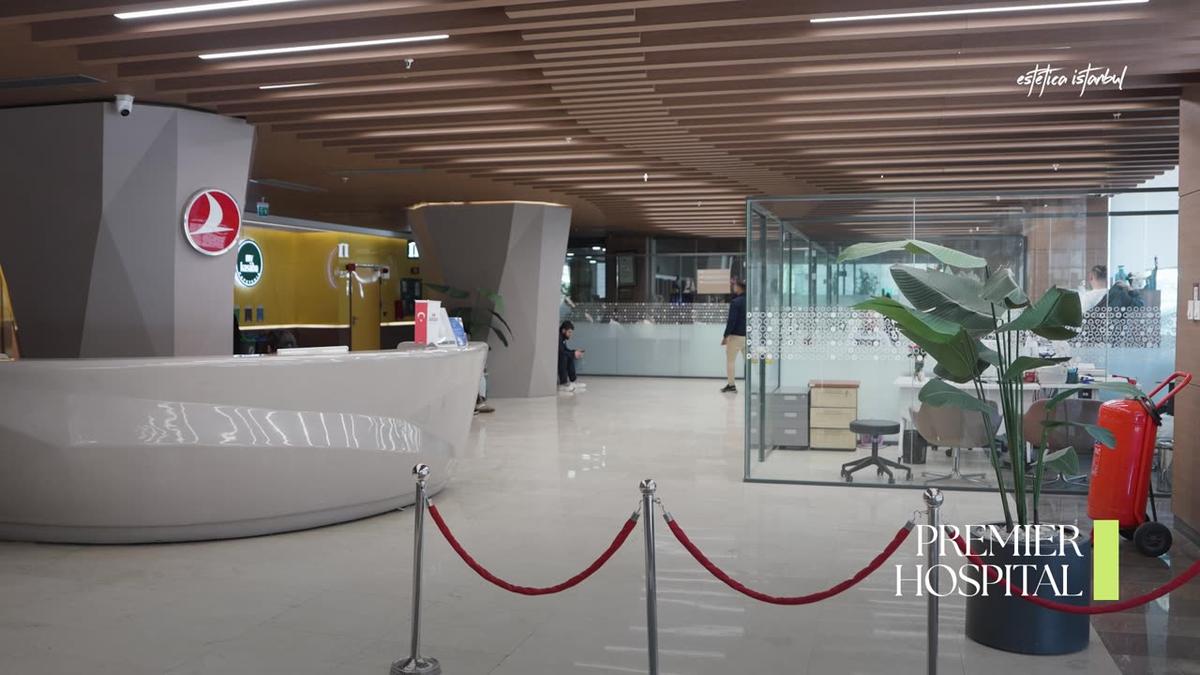
Your operation takes place inside a fully accredited hospital — dedicated anaesthesia and nursing teams, intensive care on the same floor, international safety standards. Never a back-street day-clinic.
Specialist Clinics for Smile & Hair
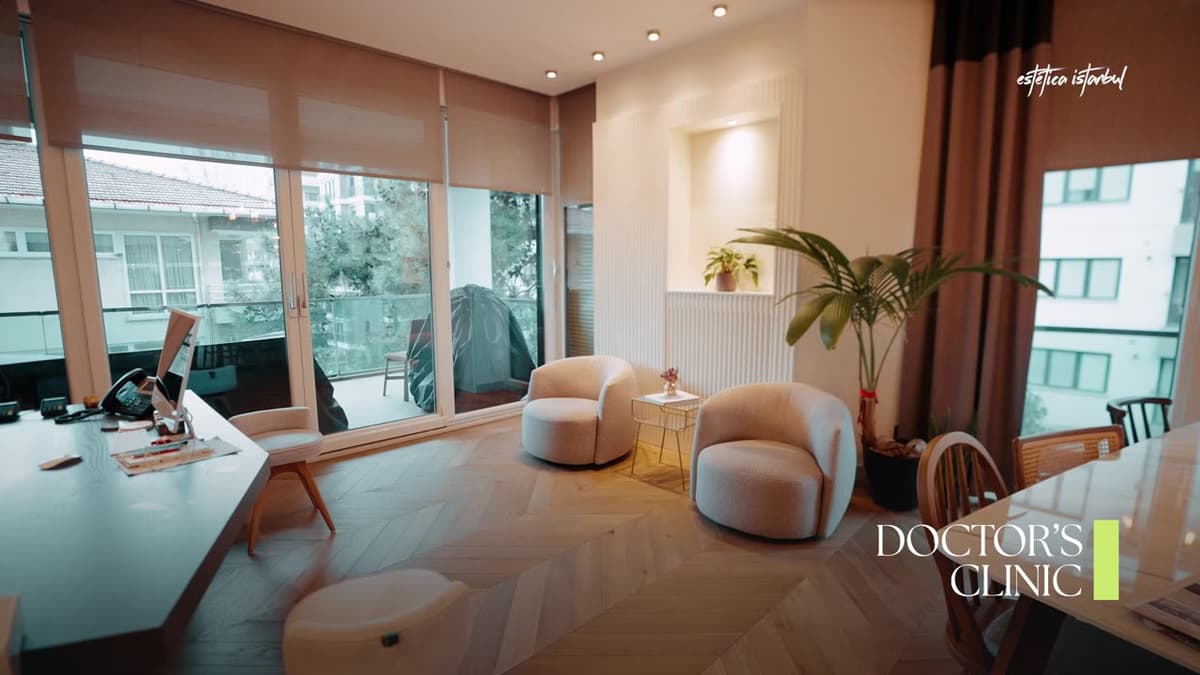
Non-surgical treatments happen at purpose-built venues — our dedicated partner dental clinic for veneers, crowns and implants, and our partner hair restoration clinic for transplants. Each run by teams who do only that, every day.
Recovery, Follow-Up & Your Smile
You recover in a hotel with on-site medical care, then fly home. We follow up remotely for a full year — and if a complication arises, we cover remote consultations with your surgeon and, in rare cases, revision surgery — with the Antwell upgrade.