Istanbul Travel Guide for Medical Tourism Patients (2026)
Medically reviewed by Akın İnalöz, MD, Board-Certified Plastic Surgeon· Last reviewed:
Best Time to Visit Istanbul for Medical Tourism
Istanbul's climate significantly affects your recovery experience, and choosing the right season matters. Spring (April-May) and early autumn (September-October) offer ideal conditions: temperatures between 15-25°C, comfortable humidity levels, and minimal rainfall. These seasons are perfect for medical tourists because moderate weather reduces swelling compared to hot summers, and your recovery won't be complicated by extreme heat. Summer (June-August) is extremely hot and humid (25-35°C), which exacerbates post-operative swelling, increases infection risk through heat and humidity, and makes wearing compression garments uncomfortable. Winter (November-February) is cool but rainy, which limits the outdoor activities that aid recovery.
For hair transplantation and most cosmetic procedures, spring is optimal. The moderate weather supports healing, you can begin walking for light exercise by week two without overheating, and you can experience Istanbul's outdoor culture (parks, waterfront, neighborhoods) during your recovery without heat-related complications. Autumn is equally excellent for these reasons. Book your procedure 2-3 months in advance and time it for spring or early autumn. If you must travel during summer or winter, plan your recovery activities accordingly—summer means staying in air-conditioned spaces and avoiding heat exposure, while winter means planning indoor activities and waterproof wound care.
Where to Stay: Neighborhoods for Medical Tourism Recovery
Istanbul is divided by the Bosphorus, with European and Asian sides. Medical tourists typically stay on the European side where most top hospitals and boutique surgical centers are located. Kadıköy is increasingly popular among medical tourists seeking authentic neighborhood experience combined with good accommodation. Located on the Asian side across from downtown Istanbul, Kadıköy offers excellent restaurants, bookstores, and a vibrant neighborhood atmosphere without the tourist crowds of Sultanahmet. The neighborhood has several quality hotels in the 100-200 dollar-per-night range, offering better value than tourist-centric areas. For recovery, Kadıköy's waterfront is perfect for gentle walking, and the neighborhood is compact enough for short distances that don't strain newly healing bodies.
Nişantaşı, on the European side, is Istanbul's upscale shopping and dining district. It's quieter than downtown but offers excellent restaurants, contemporary boutiques, and a less touristy atmosphere than Sultanahmet. Many high-end medical tourists stay in Nişantaşı because it offers luxury without overwhelming tourist energy. Hotels here range from 150-400 dollars per night. Şişli, adjacent to Nişantaşı, offers similar amenities with slightly lower prices. For budget-conscious patients, Aksaray (near the Blue Mosque and major tourist sites) offers very affordable accommodation (40-80 dollars per night) but is crowded and touristy—better for patients focused on clinic visits than recovery comfort. Regardless of neighborhood, choose accommodation within walking distance of restaurants and pharmacies, but not directly on loud main streets.
Transportation: Getting Around During Recovery
Public transportation in Istanbul includes metro, tram, bus, and ferry services. During the first week of recovery, minimize public transportation use because crowded metro cars and buses increase infection risk and put pressure on fresh incisions. Use taxis or ride-sharing apps (Uber and local alternatives like BiTaksi and Bolt operate in Istanbul) for clinic visits and essential activities. A five-minute taxi ride costs roughly 3-5 dollars, making taxis extremely affordable for medical tourists. By week two, as your recovery progresses and you're cleared for light activity, public transportation becomes safer. The metro is modern, relatively clean, and efficient for getting around the city. Download the Istanbulkart app for refillable transit cards—much cheaper than paying per ride.
For longer excursions once cleared for activity (typically week 3+), consider hiring a private driver for a day through your hotel or a tour company. This provides flexibility and comfort without the infection risks of crowded public transit. Ferry services across the Bosphorus are iconic Istanbul experiences and excellent for light post-operative activity by week 3—the gentle motion of ferries doesn't stress fresh incisions, and the water views are genuinely therapeutic. Walking distance from your accommodation should be short—clinic appointments, restaurants, and basic shopping shouldn't require more than 10-15 minutes walking even when you're not at full recovery capacity.
What to Pack: Recovery-Specific Packing List
Beyond standard travel items, pack recovery-specific essentials. Bring prescribed medications and antibiotics in original pharmacy bottles (in case you need refills). Bring multiple compression garments if your surgery requires them—have at least two so you can wear one while the other is washed. Pack sterile gauze, antibiotic ointment, and wound care supplies your surgeon recommends. Bring loose, comfortable clothing that doesn't compress incision sites—button-up shirts are ideal because you don't need to pull shirts over your head. Avoid tight pants if you've had liposuction or BBL; loose sweatpants or athletic wear are ideal. Bring a neck pillow for flight and sleeping—proper neck support reduces strain on facial incisions if you've had facelift or rhinoplasty. Pack prescription pain medication if your surgeon prescribed it (check Turkish customs regulations for your specific medication).
Bring entertainment for your early recovery when activity is limited: books, tablets for streaming, or noise-canceling headphones. Bring your phone charger, plug adapters (Turkey uses type-F European plugs), and a power bank. If you take daily vitamins or supplements that aid healing, bring adequate supply. Bring detailed before-and-after photos from your surgeon's portfolio on your phone in case you want to reference realistic outcome expectations while recovering. Pack sunscreen (SPF 50+) even for winter—sun exposure affects healing scars and pigmentation changes. Avoid heavy luggage; carry minimal belongings and arrange clinic transfers rather than hauling luggage between locations.
Recovery-Friendly Activities and Exploring Istanbul
Your activity level depends on your procedure type and healing progress. For the first week, recovery means rest: your clinic visits, short walks to nearby restaurants, and light neighborhood exploration. By week two for minimally invasive procedures (hair transplant, minor dental work), you can walk for 20-30 minutes at a comfortable pace, exploring your neighborhood, visiting local cafes, and engaging in gentle sightseeing. By week three, you can visit museums and major sites that involve moderate walking but not standing for extended periods. Avoid strenuous activities, sports, and heavy exercise for 4-6 weeks depending on your procedure.
The Bosphorus waterfront is perfect for recovery walks—the scenery is therapeutic, walking is gentle, and ferries provide rest breaks. Galata Tower offers 500 steps of climbing—fine for week 4+ recovery but not earlier. The Turkish and Islamic Arts Museum is excellent because it's not crowded, viewing doesn't require standing, and you can rest frequently. Grand Bazaar is overwhelming during early recovery (crowded, overstimulating, much walking); visit it week 3+ only. Topkapi Palace is spread over a large area; visit week 4+ only. Quiet neighborhoods like Balat and Fener offer authentic Istanbul character without tourist overwhelm. Sit in cafes, watch neighborhood life, take gentle walks—this type of activity aids psychological recovery and allows you to experience Istanbul authentically.
Food Recommendations for Recovery
Turkish cuisine offers excellent options for medical recovery. Turkish breakfast—fresh vegetables, white cheese, bread, olives, and light herbs—is ideal for early post-operative nutrition. Restaurants serving traditional Turkish breakfast (kahvaltı) are everywhere and inexpensive (8-15 dollars). Grilled fish (balık) is excellent protein for wound healing; visit waterfront restaurants in Kadıköy or Ortaköy for fresh seafood. Soup (çorba) is ideal for recovery—ask for chicken or vegetable soup without heavy oils. Stuffed vegetables (dolma) are gentle, nutritious, and authentic. Avoid spicy food during the first week because spices can increase inflammation. Turkish tea (çay) is served everywhere, free at hotels, and excellent for hydration. Turkish coffee is strong and excellent for alert recovery days.
Food safety is excellent in Istanbul—the tourism infrastructure ensures high hygiene standards at most restaurants. Eat at established restaurants rather than street vendors during early recovery when your immune system is compromised. Stay hydrated—drink 2-3 liters of water daily, more in summer. Ask restaurants for water without ice initially (until you're sure your stomach handles cold water). Avoid heavy foods like kebab and fatty meats during the first two weeks; save these for week 3+ when your digestion is fully recovered. Fresh fruit (pomegranate, apricots, grapes) is excellent for healing and available year-round in Istanbul's markets. Turkish yogurt is probiotic-rich and aids digestion and recovery.
Build the trip around appointments, not an attraction list
For a treatment trip, choose accommodation and transport around the actual care location and scheduled reviews. Istanbul's neighbourhood names are less useful than a practical route between your room and the facility. Ask which appointments require attendance, who arranges transport and what happens if an appointment time changes.
Create two versions of your itinerary: the planned course and an extended-stay version. Include a quiet place to recover, access to suitable meals and a way to reach clinical care. Sightseeing can remain optional. Ask the treating specialist which activities are suitable for your procedure; a generic “week two” timetable is not an individual recovery plan.
Check the room before choosing the neighbourhood
Ask the hotel whether you can reach your room without stairs, whether there is a lift, how meals are obtained and whether the bathroom layout suits your expected needs. A fashionable location may be inconvenient if every outing involves a steep walk or a lengthy transfer. Ask about noise, smoking rules and whether a companion can stay in the same room.
Explain any expected mobility limitations to the operations coordinator before arrival. Hotel staff provide accommodation services; do not assume they provide nursing or clinical monitoring. If you need help beyond a companion's practical support, ask what professional care can be arranged and at what cost.
Pack information as carefully as clothing
Bring an accessible list of medicines, allergies, previous operations and relevant diagnoses. Keep clinical letters and prescriptions available on your phone and in a backup format. If a medicine has more than one brand name, record its active ingredient and dose. Do not stop or add medication simply to simplify your luggage.
The FCDO's Turkey health advice advises checking medicine rules because legal status can differ between countries. This is UK traveller guidance; travellers from other countries should also check their own authorities and Turkish entry requirements. Confirm the rules for your exact medicine rather than assuming that a home prescription settles every border question.
Ask the treating team which wound-care items, clothing or equipment you actually need and which are supplied. Avoid buying supplements or copying another patient's medication schedule. A lighter bag is useful only if the things you need remain accessible.
Plan the airport journey as part of recovery
Discuss your actual journey home: flight duration, connections, walking through terminals, luggage and the trip from the arrival airport to your home. Request assistance from the airline or airport where appropriate, checking their current booking requirements directly. A wheelchair booking or aisle seat does not replace medical clearance.
The UK Civil Aviation Authority's guidance on medical clearance explains that airline medical-clearance arrangements may apply. Ask the airline what documentation it needs and the treating specialist whether your recovery permits the proposed journey.
Keep food plans practical and procedure-specific
Choose accommodation where you can obtain meals that fit the prescribed diet without a long outing. This matters particularly if treatment affects chewing, swallowing or digestion. Explain dietary needs, allergies and preferences in advance, and ask whether the hotel can actually meet them.
Do not treat a list of traditional foods as a medical diet. After Hollywood Smile treatment, the dental team should explain what is appropriate during the specific stages of your treatment. The same food choices may be unsuitable after a different procedure.
Make space in the budget for a changed itinerary
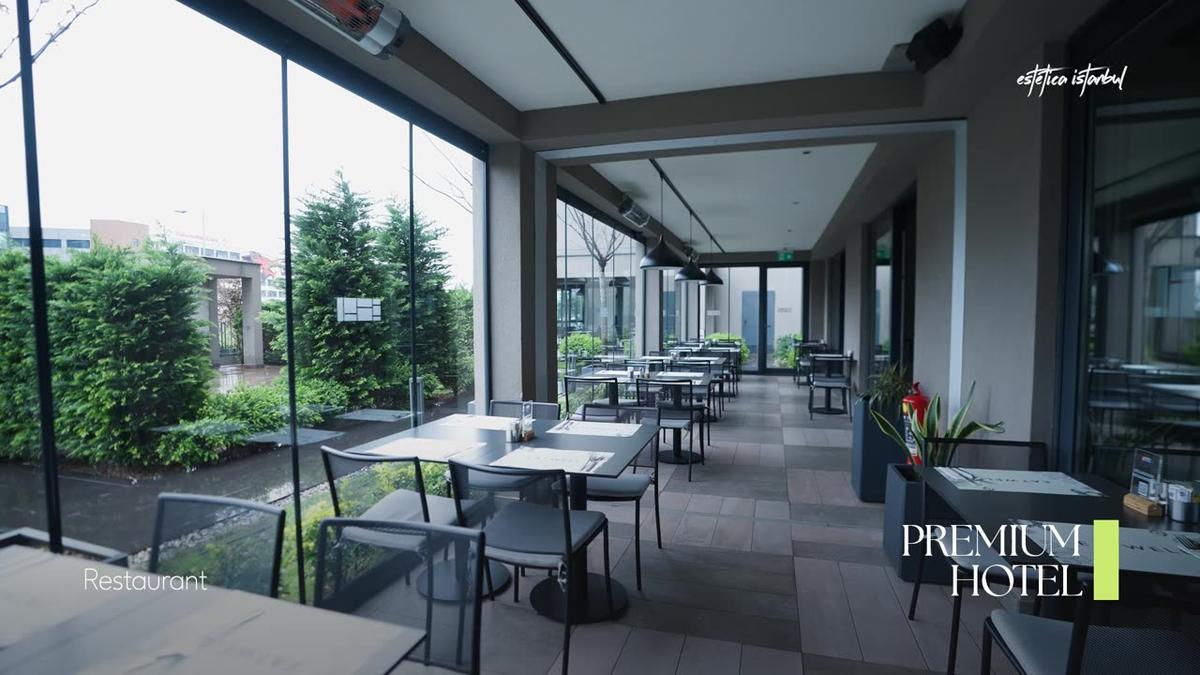
Flights are excluded from Estetica Istanbul packages. Confirm the booked nights, transfer arrangements and the cost of adding a companion or staying longer. Current catalogue accommodation is Deniz at €70 per extra night; the Antwell upgrade is €40 per night above Deniz. Confirm these items in the individual written quote before using them in a final travel budget.
Also allow for changed-flight charges, additional meals, airport assistance where charged and local clinical assessment outside the agreed package. Flexible arrangements may be more useful than a busy prepaid sightseeing schedule.
Can I recover alone?
Tell the specialist and your patient coordinator before booking. Ask what support your procedure requires and what is available; do not infer that accommodation includes personal care.
Should I book tours in advance?
Keep optional activities changeable until the treating team confirms suitable activity. An attraction's short description may hide stairs, queues and standing.
What is the best first planning step?
Request a free assessment through the consultation form, then build the travel itinerary around the written treatment and review plan.
Get Your Free Consultation
Our partner medical team will review your case and send you a personalized treatment plan.
Your Journey. Our Hands.
From your first message to your flight home — we run the logistics. You focus on the result you came for.
Free Consultation
Send us photos and your goals on WhatsApp. We review them with the partner medical team and send a detailed, written all-inclusive quote. No payment to get your quote.
We Handle the Logistics
Once you decide, we book your hotel and VIP transfers; you book your own flight (not included) and we help you choose the right dates. Pre-op tests, hospital admission, English-speaking support — all arranged before you land.
Partner healthcare institutions
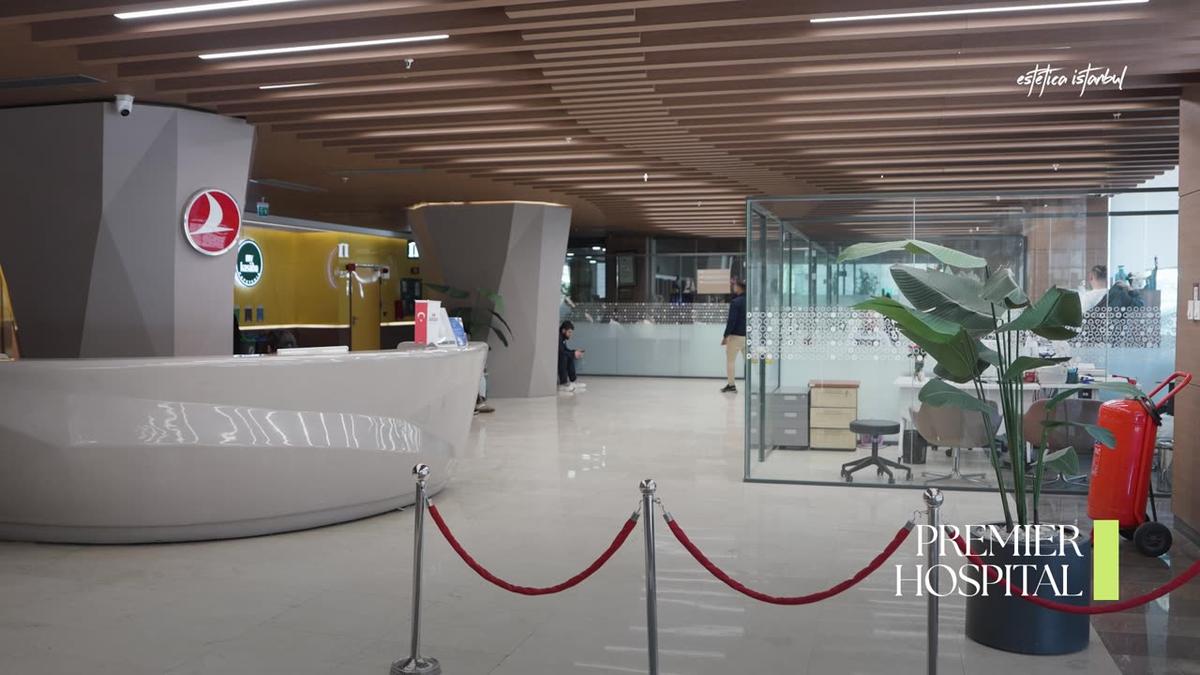
Your operation takes place inside a fully accredited hospital — dedicated anaesthesia and nursing teams, intensive care on the same floor, international safety standards. Never a back-street day-clinic.
Specialist Clinics for Smile & Hair
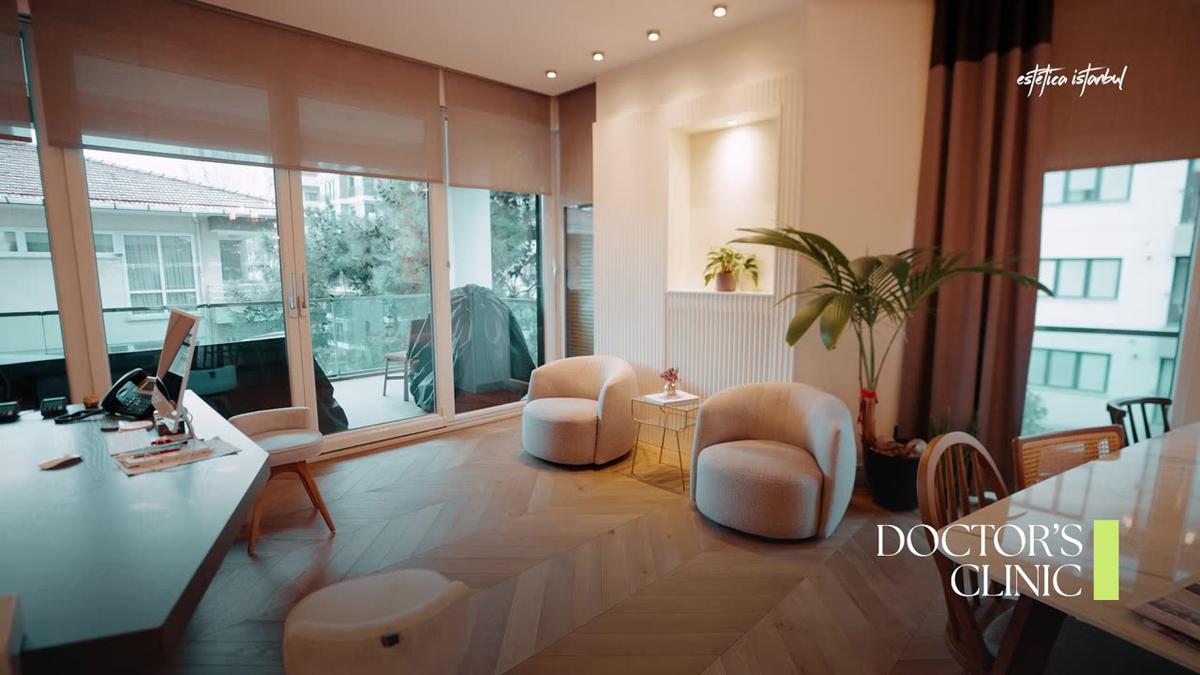
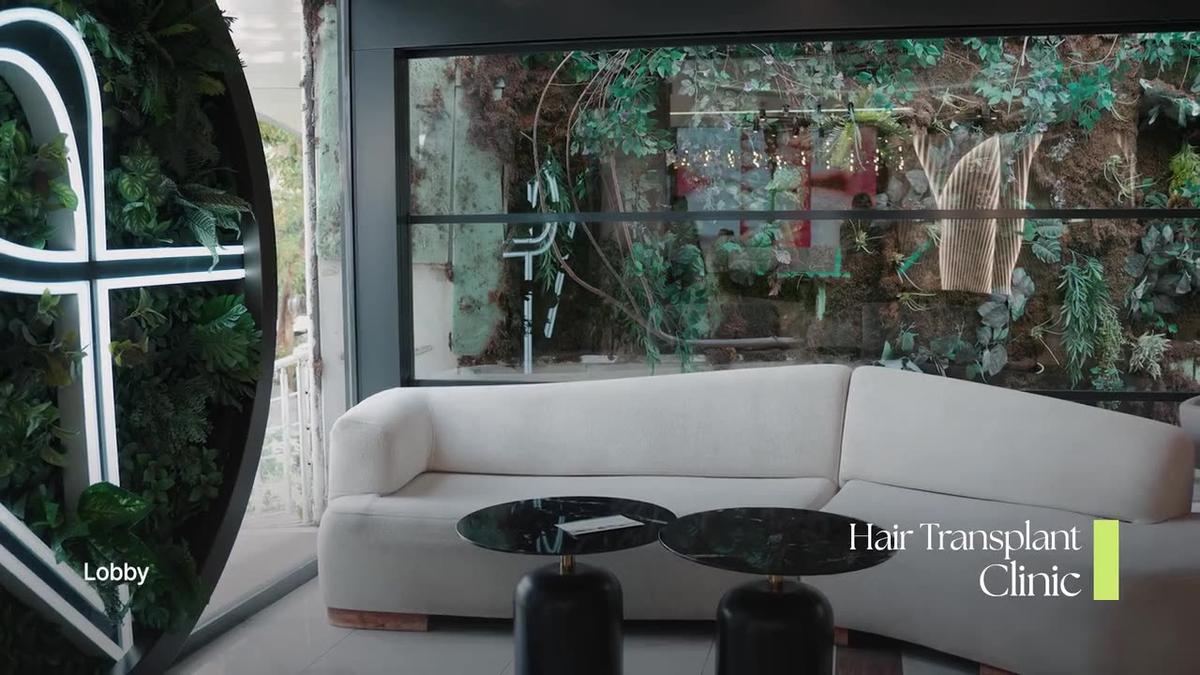
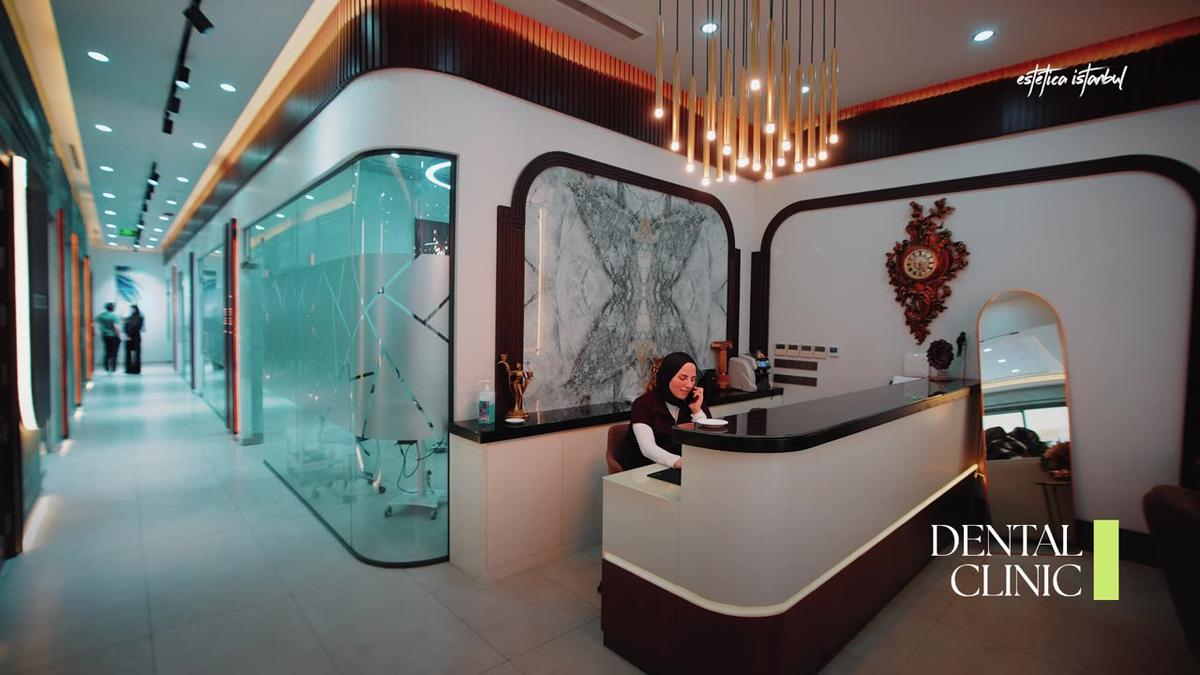
Non-surgical treatments happen at purpose-built venues — our dedicated partner dental clinic for veneers, crowns and implants, and our partner hair restoration clinic for transplants. Each run by teams who do only that, every day.
Recovery, Follow-Up & Your Smile
You recover in a hotel with on-site medical care, then fly home. We follow up remotely for a full year — and if a complication arises, we cover remote consultations with your surgeon and, in rare cases, revision surgery — with the Antwell upgrade.