Who Is Not a Candidate for Laser Eye Surgery? 7 Reasons a Surgeon Will Say No
All-inclusive
Laser Eye Surgery (LASIK)
from€1,490US$1,730£1,280CA$2,400A$2,430NZ$2,950
Laser eye surgery is ruled out, or postponed, for seven groups of people: anyone under 18, anyone whose glasses or contact lens prescription changed in the past year, people with a cornea that is too thin or misshapen (keratoconus), people with severe dry eye, people with a disease or medicine that slows healing, women who are pregnant or breastfeeding, and people who regularly take blows to the face in sport or whose job restricts refractive surgery. Over 40, a different operation is usually the better choice. Most of these limits come straight from the US Food and Drug Administration (FDA) guidance "When is LASIK not for me?"; the rest are the entry criteria Estetica Istanbul's partner ophthalmologist, Dr. Arda Emre, applies before he accepts a patient.
Knowing this before you book saves a flight. The partner team in Istanbul asks for a corneal topography (a map of the cornea) from your own eye doctor first, and that scan answers several of the questions below.
1. You are under 18, or over 40
The FDA states that no laser is approved for LASIK in people under 18. Eyes are still changing at that age, so a correction made today can be outgrown. In Istanbul, the partner eligibility window for laser eye surgery is 18 to 40.
All-inclusive
Laser Eye Surgery (LASIK)
from€1,490US$1,730£1,280CA$2,400A$2,430NZ$2,950
Over 40 the problem is different. The natural lens inside the eye stiffens, and reading glasses become necessary whatever the cornea looks like. Laser treatment of the cornea does not prevent that. For most patients over 40 the partner ophthalmologist therefore recommends lens replacement instead; a separate guide covers lens replacement risks and good candidates.
2. Your prescription changed in the last year
The FDA lists "refractive instability" as a reason not to operate: a change in your glasses or contact lens prescription within the past year. If the eye is still drifting, the laser corrects a number that will not hold. The FDA adds that people in their early 20s, people whose hormones fluctuate because of diabetes, pregnant or breastfeeding women, and people taking medicines that affect vision are more likely to have an unstable prescription. The partner criterion is the same: a prescription stable for at least one year.
3. Your cornea is too thin, or you have keratoconus
The laser corrects vision by removing a measured amount of corneal tissue. A thick cornea allows a high correction; a thin one may not allow even a small one. Keratoconus, a condition in which the cornea thins and bulges into a cone, is an exclusion in the partner criteria, because removing tissue from an already weak cornea can make it bulge further. This is why the corneal map comes before any booking.
A thinner cornea does not always mean no. No-Touch (TransPRK) treats the surface without cutting a flap and suits thinner corneas, while Femto-LASIK needs more depth. The choice between the two, and whether either is safe, is made from your scan; among the questions to ask an Istanbul eye clinic is which technique your corneal thickness allows.
4. You have severe dry eye
Laser eye surgery dries the eye for a period after treatment, and the partner criteria exclude severe dry eye. A mild, treated dry eye is assessed case by case. Contact lens wearers should stop wearing lenses at least two days before the measurements and use lubricating drops, so that the cornea is measured in its natural shape.
5. A disease or medicine slows your healing
The FDA names autoimmune diseases such as lupus and rheumatoid arthritis, immunodeficiency, diabetes, and medicines such as retinoic acid and steroids as conditions that can affect healing after refractive surgery. The partner criteria also exclude autoimmune disease. If you take a long-term medicine, list it on the medical form; the surgeon decides with the full list in front of him, not from a general rule.
6. You are pregnant or breastfeeding
Pregnancy and breastfeeding change hormone levels, and the FDA lists both among the causes of an unstable prescription. The usual advice is to wait until the prescription has settled after breastfeeding ends. This is a delay, not a permanent no.
7. Contact sports, or a job that restricts surgery
The FDA advises against refractive surgery for people who regularly box, wrestle or practise martial arts, where blows to the face and eyes are common. A flap made during LASIK can be displaced by a hard blow; this is one reason a surgeon may prefer a flapless surface treatment for such patients. The FDA also warns that some careers prohibit certain refractive procedures, so check your employer's or licensing body's rules before you book.
If you are not a candidate: what comes next
A no from the surgeon is a medical decision, not a sales one, and several outcomes are temporary. An unstable prescription can be rechecked in a year. Pregnancy and breastfeeding end. Dry eye can be treated and reassessed. A thin cornea may still allow No-Touch. Over 40, lens replacement replaces the eye's own lens and can correct distance and reading vision together.
Even when you are a candidate, laser eye surgery is not risk-free. The FDA notes that some complications cannot be avoided and that long-term data on current procedures are limited. Read the week-by-week recovery after laser eye surgery before deciding, so that you know what the first days and weeks involve.
How to find out before you fly
Start with a free video call with your Estetica assistant, then send your corneal topography and your current prescription. Dr. Arda Emre reviews them before any booking. If your scan rules you out, you find out at home, not in Istanbul. The first paid step after the offer is a €30 video call with the surgeon, credited if you book.
If you are accepted, laser eye surgery in Istanbul costs from €1,490 for both eyes, including the treatment, two hotel nights at the Deniz Hotel, airport transfers and follow-up checks; flights are not included. Both eyes are treated in one session of about fifteen minutes under anaesthetic drops.
Frequently Asked Questions
Can I have laser eye surgery if I wear contact lenses?
Yes, wearing contact lenses does not rule you out. You need to stop wearing them at least two days before your eye measurements and use lubricating drops instead, so the cornea returns to its natural shape and the corneal map is accurate. Soft and rigid lenses can affect the reading differently, so tell the clinic which type you wear.
What is the maximum prescription laser eye surgery can correct?
There is no single number. The limit depends on your corneal thickness, because the laser corrects vision by removing corneal tissue. A thick cornea allows a high correction, while a thin cornea may not allow even a small one. The surgeon calculates your limit from your corneal topography before confirming whether Femto-LASIK or No-Touch is possible.
Can I have laser eye surgery with diabetes?
Diabetes is not an automatic exclusion, but the FDA lists it among conditions that can affect healing, and notes that hormone fluctuations from diabetes make an unstable prescription more likely. Declare your diabetes and any medicines on the medical form so the surgeon can assess your eye scans and history before you travel.
Is laser eye surgery possible after 40?
It is possible in some cases, but it does not stop the need for reading glasses, which comes from the stiffening natural lens rather than the cornea. For most patients over 40 the partner ophthalmologist in Istanbul recommends lens replacement instead, which can correct distance and near vision together. The decision is made from your eye scans.
If I am told I am not a candidate, can I be reassessed later?
Often yes. An unstable prescription can be rechecked after another year, pregnancy and breastfeeding are temporary, and dry eye can be treated and measured again. A thin cornea may still allow the flapless No-Touch technique. Keratoconus and autoimmune disease are exclusions in the partner criteria, and in those cases the surgeon will explain the alternatives.
Get Your Free Consultation
Our partner medical team will review your case and send you a personalized treatment plan.
Your Journey. Our Hands.
From your first message to your flight home — we run the logistics. You focus on the result you came for.

Free Consultation
Send us photos and your goals on WhatsApp. We review them with the partner medical team and send a detailed, written all-inclusive quote. No payment to get your quote.
We Handle the Logistics
Once you decide, we book your hotel and VIP transfers; you book your own flight (not included) and we help you choose the right dates. Pre-op tests, hospital admission, English-speaking support — all arranged before you land.
Partner healthcare institutions
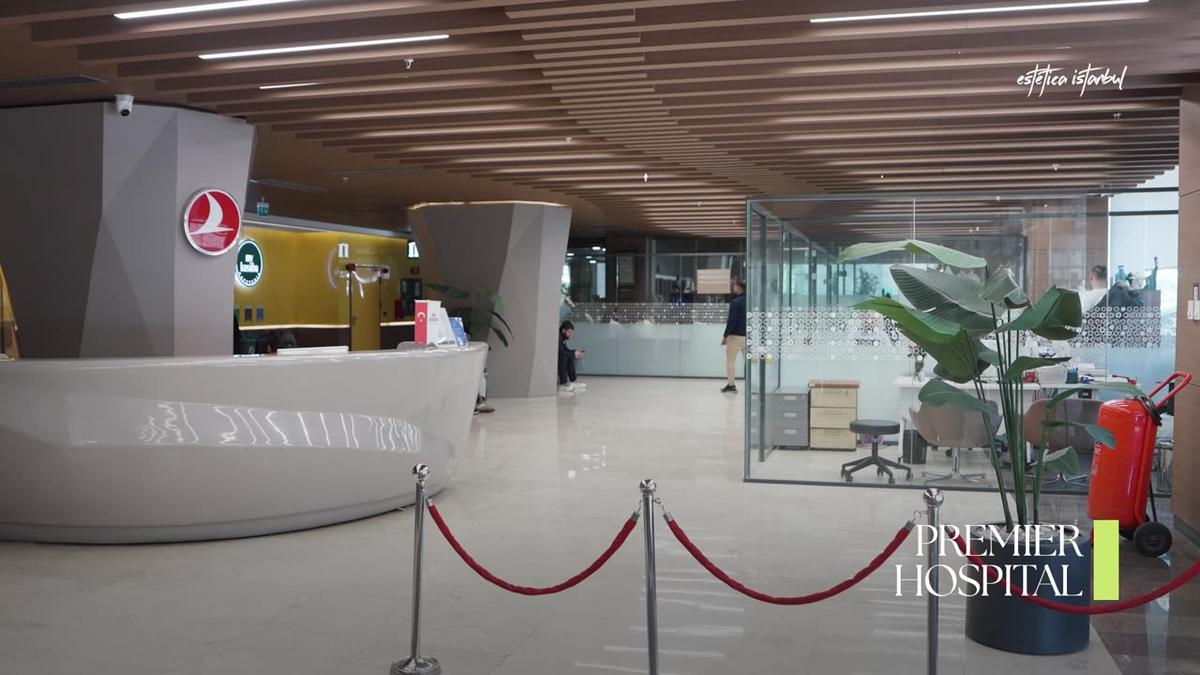
Your operation takes place inside a fully accredited hospital — dedicated anaesthesia and nursing teams, intensive care on the same floor, international safety standards. Never a back-street day-clinic.
Specialist Clinics for Smile & Hair
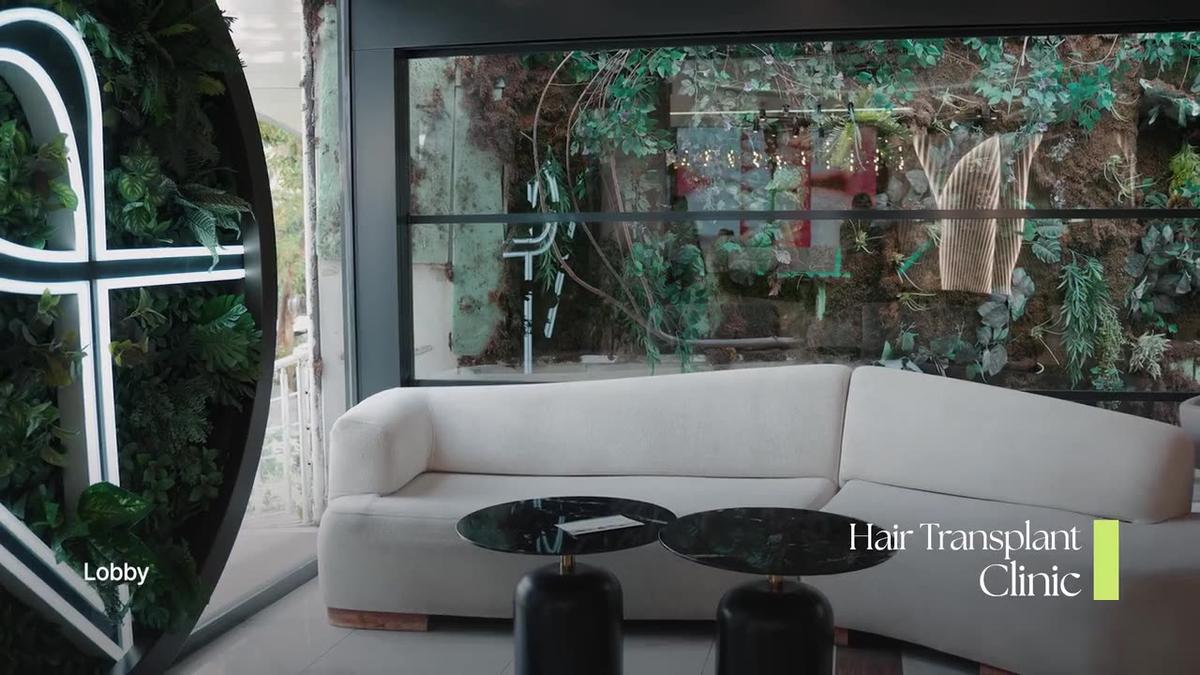
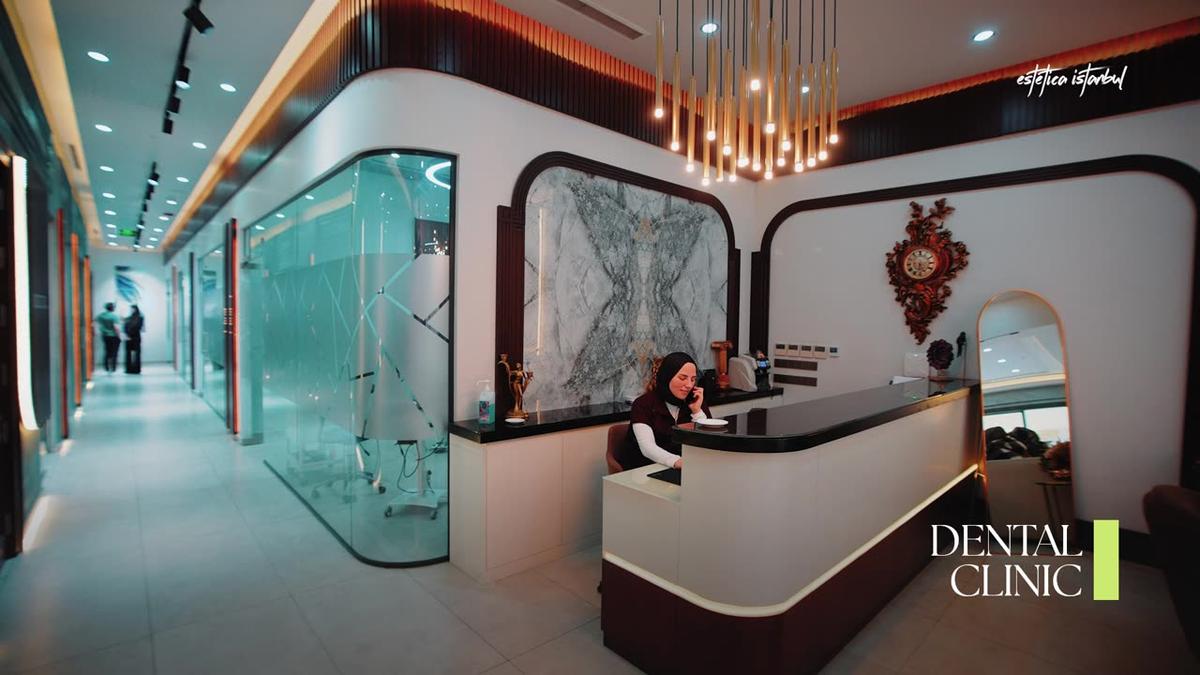
Non-surgical treatments happen at purpose-built venues — our dedicated partner dental clinic for veneers, crowns and implants, and our partner hair restoration clinic for transplants. Each run by teams who do only that, every day.
Recovery, Follow-Up & Your Smile
You recover in a hotel with on-site medical care, then fly home. We follow up remotely for a full year — and if a complication arises, we cover remote consultations with your surgeon and, in rare cases, revision surgery — with the Antwell upgrade.