Lens Replacement (RLE) Risks: Who Is a Good Candidate and Who Should Wait
All-inclusive
Lens Replacement Surgery (RLE)
from€2,990US$3,470£2,570CA$4,810A$4,870NZ$5,920
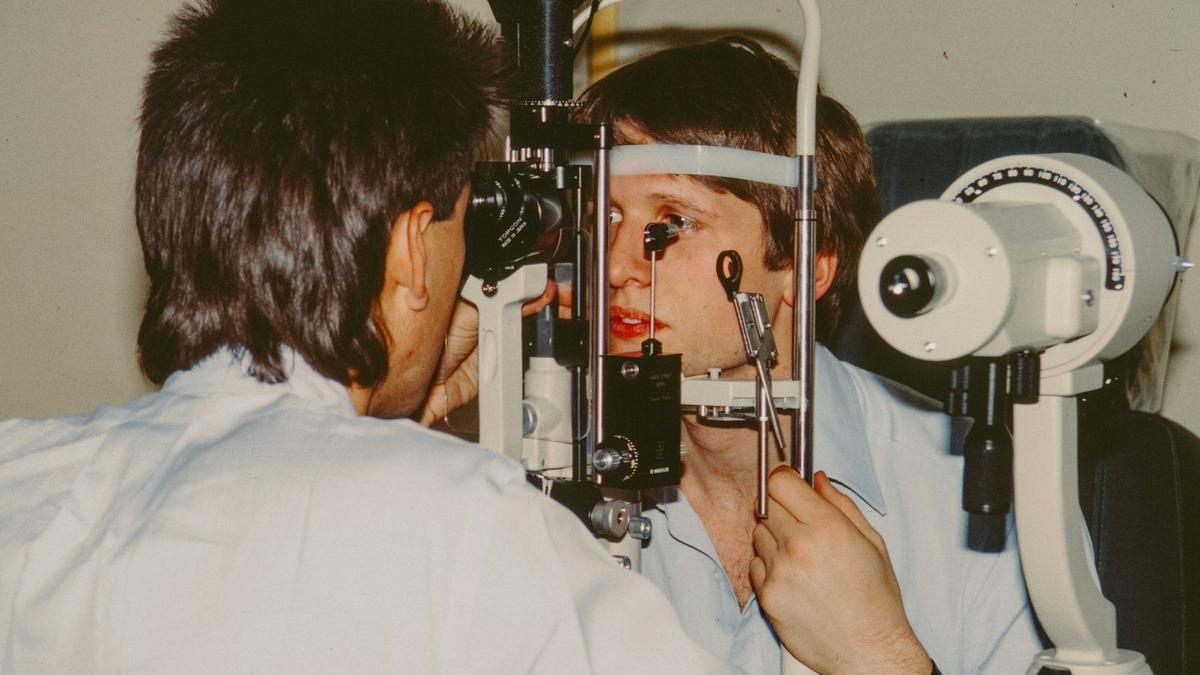
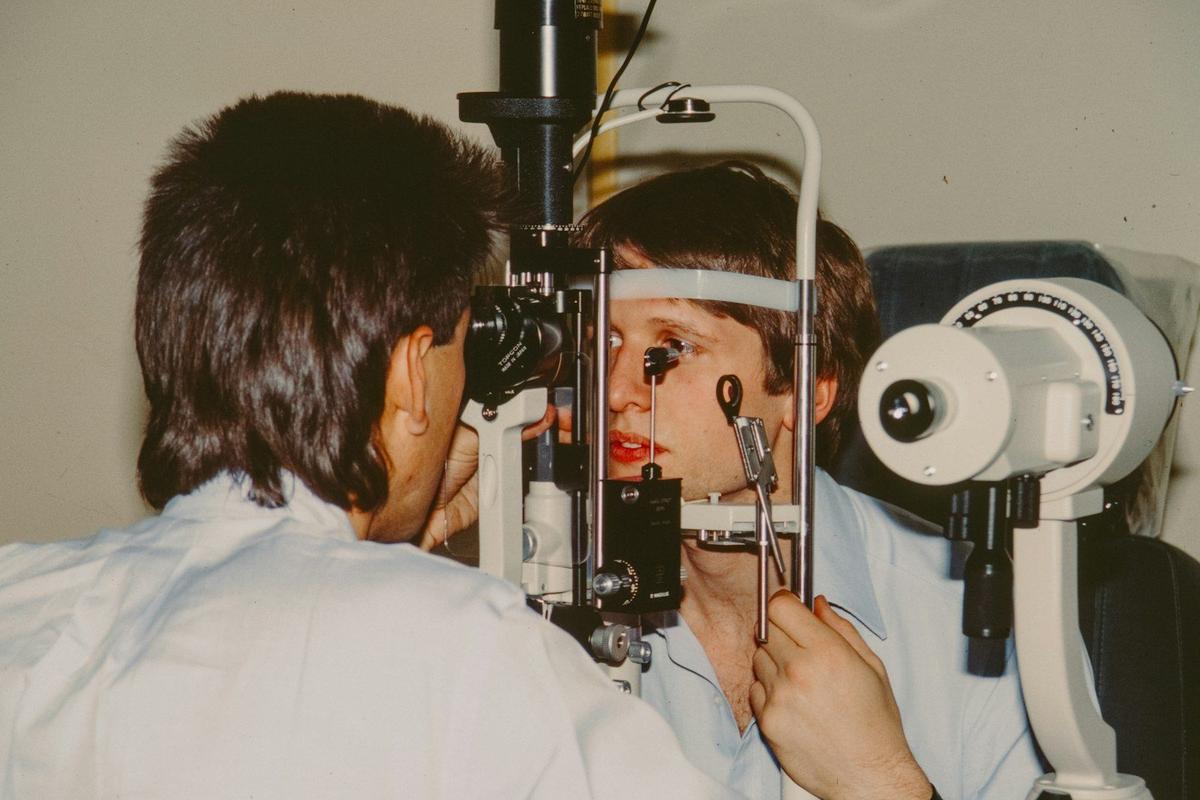
Refractive lens exchange (RLE) suits long-sighted people in their late 40s to early 60s who are losing their near vision, according to a feature published by the American Academy of Ophthalmology (AAO). It is a harder decision for a very short-sighted patient under 50, because the retinal detachment rate is higher in younger patients: one New Zealand review found 5.17% under 50 against 0.64% over 70. In Istanbul, lens replacement starts from €2,990 for both eyes with 4 hotel nights included. Below are the main risks, the published numbers behind each one, and the questions that tell you whether to go ahead or wait.
What lens replacement changes in the eye
RLE uses the same technique as cataract surgery: the natural lens is removed through a small incision and replaced with an artificial intraocular lens (IOL). The difference is the reason for the operation. In RLE the natural lens is still clear, and it is exchanged to reduce dependence on glasses, often with a multifocal or trifocal lens. Once the natural lens is gone, a cataract can no longer form in it, but the eye also gives up the focusing range it still had.
All-inclusive
Lens Replacement Surgery (RLE)
from€2,990US$3,470£2,570CA$4,810A$4,870NZ$5,920
In Istanbul the partner ophthalmology team treats one eye per day, with the second eye on a separate day. Each eye takes about 15 to 20 minutes under anaesthetic eye drops with light sedation, and you return to the hotel the same day. Our lens replacement week-by-week guide covers the recovery from the first night to the final result.
Who is a good candidate for RLE
In the AAO EyeNet feature on refractive lens exchange, ophthalmologist Rex Hamilton describes the ideal candidates as long-sighted (hyperopic) people between their late 40s and early 60s who already need reading glasses. At that age most of the eye's natural focusing range is already lost, so the exchange gives up little that the patient still uses.
Short-sighted patients take longer to adapt to multifocal optics, the same feature says, and Hamilton states that he stays conservative with them because of the retinal risk. In his example, macular disease, irregular astigmatism and significant amblyopia (lazy eye) ruled a patient out. Another surgeon in the feature flagged the self-described perfectionist: RLE may take that patient to a good place, but not a perfect one.
Retinal detachment: the risk that decides the most
In a meta-analysis presented at the AAO refractive surgery subspecialty day in 2005, Emanuel Rosen of the University of Manchester pooled 21 studies covering 6,522 short-sighted eyes that had their lens removed. Of those eyes, 1.8% developed a retinal detachment, about 1 in 56, and the individual studies ranged from 0% to 8.1%, as reported by Ophthalmology Times.
Age changes the picture. A New Zealand review of nearly 1,800 eyes, cited in the same report, found a detachment rate of 5.17% in patients under 50 against 0.64% in patients over 70. In a debate on RLE in adults under 40 published by ESCRS EuroTimes, one ophthalmologist cited a 17.1% incidence in eyes with an axial length of 27 mm or more, and referred to a Danish registry study that found the risk higher in younger patients and in men.
In practice, if you are very short-sighted and under 50, ask for your axial length and a dilated retinal examination before anything is booked. Learn the warning signs of a detachment: a sudden shower of new floaters, flashes of light, or a dark shadow or curtain spreading across part of your vision. Treat any of them as an emergency and go to the nearest eye casualty unit, wherever you are.
Halos, glare and the chance of a touch-up
Multifocal and trifocal lenses split incoming light into several focal points, so halos around lights at night are a known side effect. One surgeon quoted by the AAO forewarns patients about night-time halos before the operation. If night driving is central to your work, say so on the first call.
Lens power calculations are precise but not perfect. In the same AAO feature, Hamilton tells patients there is a 20% chance of an enhancement afterwards and reports his actual rate in the 5% to 10% range. An enhancement is usually a corneal laser treatment of the type explained in our guide to LASIK versus SMILE.
Capsule clouding: common, and treated with a laser
The thin capsule that holds the new lens can turn cloudy months or years later, so vision becomes hazy again. This is posterior capsule opacification, and it is treated with a short outpatient Nd:YAG laser capsulotomy. A 2024 real-world study from Spain in Clinical Ophthalmology (Belda and colleagues, 3,955 eyes) found five-year capsulotomy rates from 8.8% to 47.4% depending on the model of monofocal lens used, so ask which lens you are getting and why.
Having RLE in Istanbul: what follows you home
From Milano Malpensa (MXP), Bergamo (BGY) or Roma Fiumicino (FCO), the direct flight to Istanbul Airport (IST) takes about 3 hours. The lens replacement package in Istanbul starts from €2,990 for both eyes and includes 4 hotel nights and airport transfers; flights are never included. Before you fly home, the partner ophthalmologist checks both eyes.
Retinal detachment and capsule clouding can both appear months after you are home, so plan the follow-up before you book. Arrange a check with your own ophthalmologist for the weeks after your return, and ask the partner clinic for your operative report and your lens details, including model and power, in writing. Any eye doctor at home can then treat capsule clouding or assess new floaters without guesswork.
Questions to ask before you book
Bring these to the free video call with your Estetica assistant, and then to the €30 surgeon video call, which is credited if you book. What is my axial length, and what retinal detachment risk do you estimate for my eyes? Which lens model do you recommend, and why that one? How much night-time halo should I expect? What happens if I need an enhancement? Would laser eye surgery or a phakic lens suit my age and prescription better?
If the answers point to waiting, waiting is a valid result: the retinal detachment rates above fall with age, and the exchange gives up less focusing range. For the price side of the decision, our RLE cost comparison for 2026 sets Istanbul against other European countries.
Frequently Asked Questions
Is refractive lens exchange safe for very short-sighted people?
The main concern for short-sighted eyes is retinal detachment, and the risk is higher than in long-sighted eyes. A meta-analysis of 6,522 short-sighted eyes presented at the AAO in 2005 found a 1.8% detachment rate, with higher rates reported in patients under 50 and in eyes 27 mm or longer. Ask the surgeon for your axial length and a dilated retinal examination before booking.
Can a cataract come back after lens replacement?
No. A cataract forms in the natural lens, which RLE removes, so it cannot come back in the artificial lens. What can happen is clouding of the thin capsule behind the new lens, called posterior capsule opacification. It is treated with a short outpatient Nd:YAG laser capsulotomy, and a 2024 Spanish study found five-year rates from 8.8% to 47.4% depending on the lens model.
Are both eyes treated on the same trip to Istanbul?
Yes. The partner ophthalmology team treats one eye per day, with the second eye on a separate day, and the partner ophthalmologist checks both eyes before you fly home. The lens replacement package starts from €2,990 for both eyes and includes 4 hotel nights and airport transfers. Flights are never included; the direct flight from Milano or Roma to Istanbul takes about 3 hours.
What are the warning signs of retinal detachment after RLE?
The signs to know are a sudden shower of new floaters, flashes of light, or a dark shadow or curtain spreading across part of your vision. Any of them is an emergency: go to the nearest eye casualty unit the same day, wherever you are. Keep your operative report and lens details with you so the doctor at home can see exactly what was done.
How do I find out whether I am a candidate for RLE?
Start with the free video call with your Estetica assistant and send your recent eye measurements if you have them. The next step is a €30 video call with the partner surgeon, which is credited if you book. Ask about your axial length, your retinal detachment risk, the lens model, night-time halos and whether laser eye surgery would suit you better.
Get Your Free Consultation
Our partner medical team will review your case and send you a personalized treatment plan.
Your Journey. Our Hands.
From your first message to your flight home — we run the logistics. You focus on the result you came for.

Free Consultation
Send us photos and your goals on WhatsApp. We review them with the partner medical team and send a detailed, written all-inclusive quote. No payment to get your quote.
We Handle the Logistics
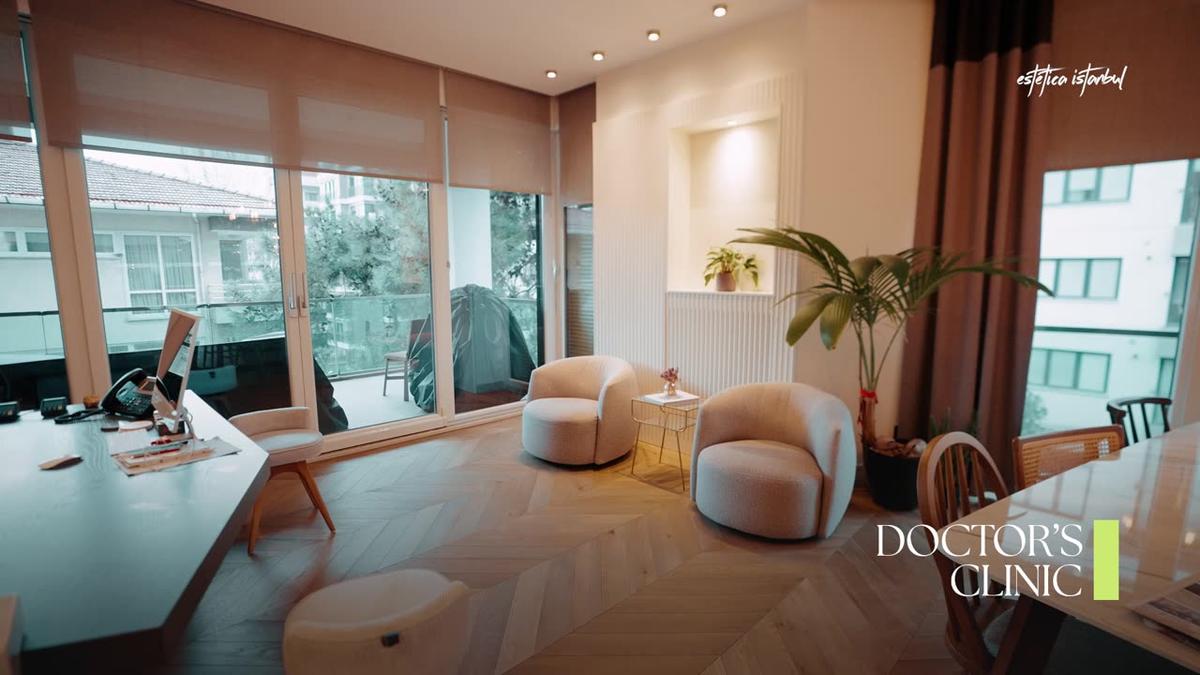
Once you decide, we book your hotel and VIP transfers; you book your own flight (not included) and we help you choose the right dates. Pre-op tests, hospital admission, English-speaking support — all arranged before you land.
Partner healthcare institutions
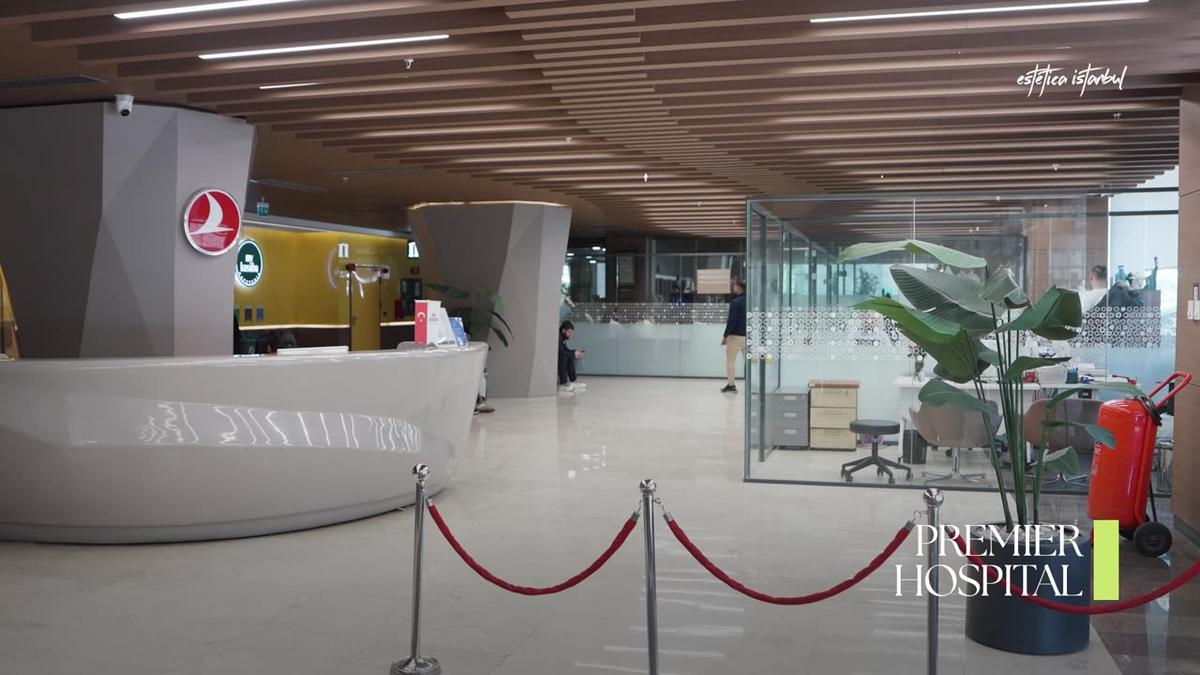
Your operation takes place inside a fully accredited hospital — dedicated anaesthesia and nursing teams, intensive care on the same floor, international safety standards. Never a back-street day-clinic.
Specialist Clinics for Smile & Hair
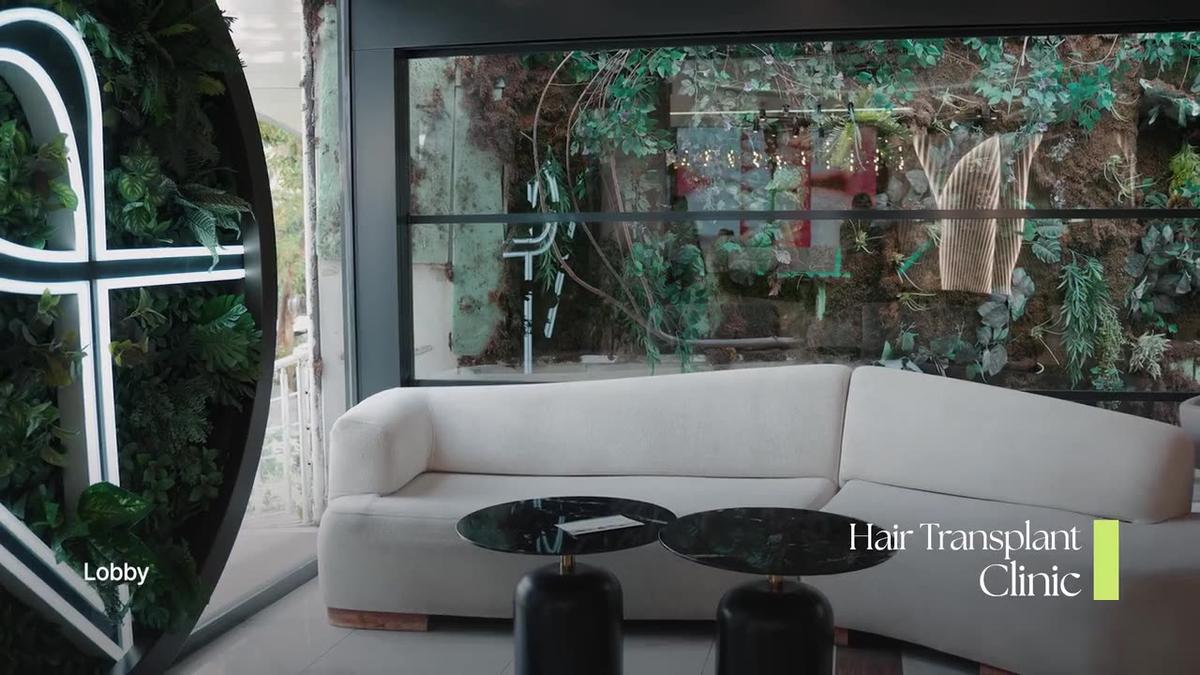
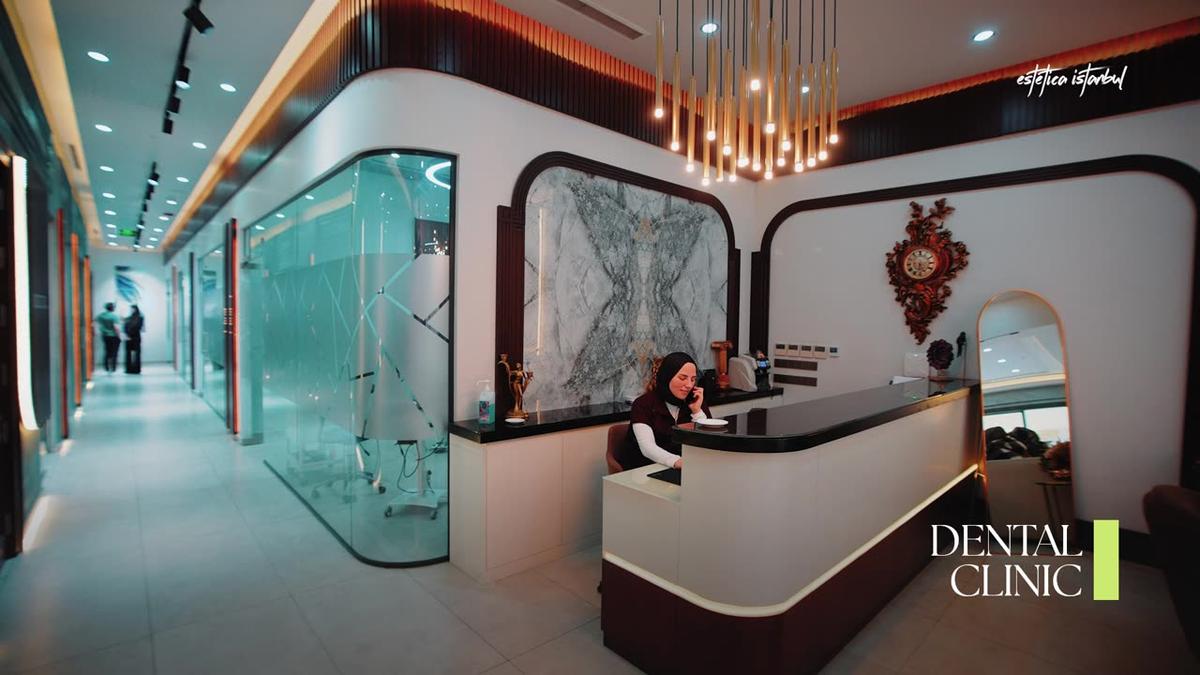
Non-surgical treatments happen at purpose-built venues — our dedicated partner dental clinic for veneers, crowns and implants, and our partner hair restoration clinic for transplants. Each run by teams who do only that, every day.
Recovery, Follow-Up & Your Smile
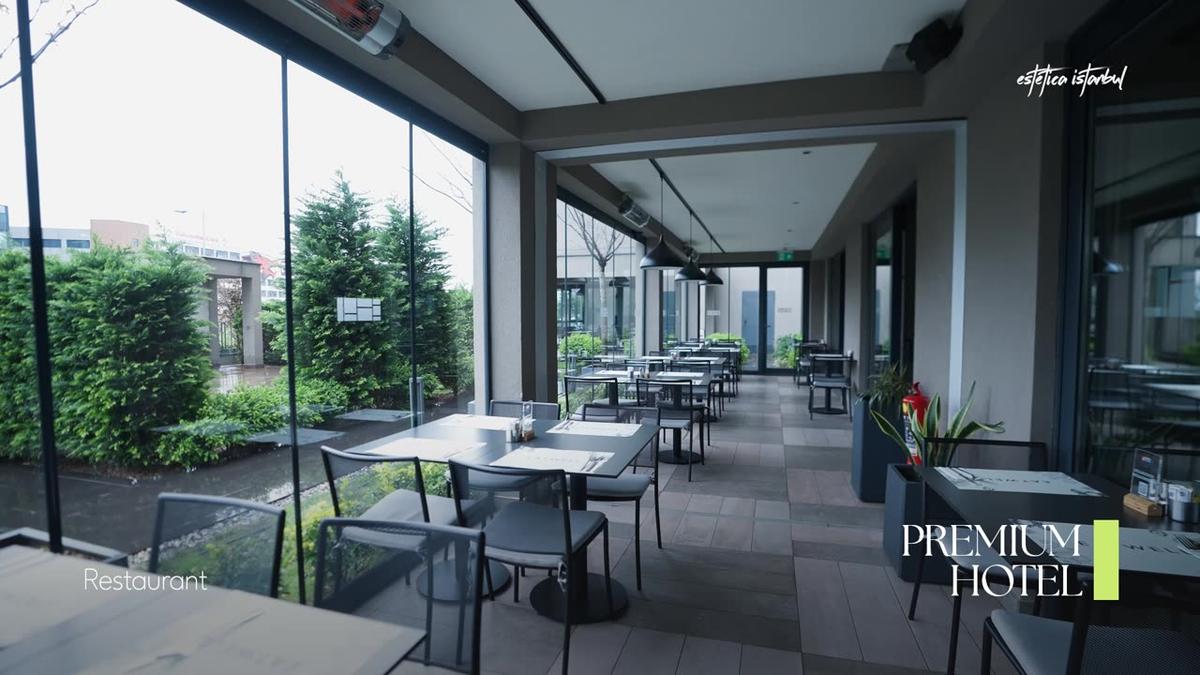
You recover in a hotel with on-site medical care, then fly home. We follow up remotely for a full year — and if a complication arises, we cover remote consultations with your surgeon and, in rare cases, revision surgery — with the Antwell upgrade.