
Lens Replacement Surgery (RLE)
Your natural lens replaced with a premium trifocal or EDOF lens — glasses-free for distance, screen and reading, and no cataract ever again. Both eyes in two days, in a JCI-accredited eye hospital in Istanbul, at a third of the UK price.
from€3,500US$4,060£3,010CA$5,640A$5,710NZ$6,930· All-inclusive
Trusted by 6,000+ international patients since 2018
Get Your Free Consultation
Our partner medical team will review your case and send you a personalized treatment plan.
Save up to 78% in Istanbul
Typical all-inclusive prices by country. Sources: ASPS, RealSelf, major UK/US clinic rate sheets, 2025.
Turkey (Istanbul)
from €3,500US$4,060£3,010CA$5,640A$5,710NZ$6,930
save 78%
United Kingdom
from €13,500US$15,660£11,610CA$21,740A$22,010NZ$26,730
United States
from €16,000US$18,560£13,760CA$25,760A$26,080NZ$31,680
Italy
from €10,500US$12,180£9,030CA$16,910A$17,120NZ$20,790
Germany
from €11,000US$12,760£9,460CA$17,710A$17,930NZ$21,780
Duration
15–20 minutes per eye
Anesthesia
Topical drops + sedation
Hospital Stay
Day procedure
Back to Work
2–3 days
Recovery Time
1–2 weeks
Results Visible
24–48 hours
At a glance
- What is it?
- Refractive lens exchange in Istanbul with premium trifocal or EDOF lenses — both eyes in…
- Cost
- €3,500 — all-inclusive of surgeon, hospital, hotel, transfers and aftercare; flights not included
- Recovery
- 1–2 weeks
- Safety & risks
- Every procedure carries risks. The treating professional should assess suitability and explain expected benefits, complications and follow-up before you consent.
What lens replacement involves
Refractive lens exchange (RLE) is the same operation as cataract surgery, performed before a cataract develops: the eye's natural lens is removed through a 2 mm incision by ultrasound and replaced with an artificial intraocular lens chosen to correct your prescription. With a trifocal or extended-depth-of-focus (EDOF) lens, most patients are free of glasses for distance, computer and reading; with a toric lens, astigmatism is corrected at the same time. Because the natural lens is gone, a cataract can never form.
It is the procedure of choice for patients over 45 with presbyopia (reading glasses), high long- or short-sightedness outside laser range, or early lens changes. Each eye takes 15–20 minutes under anaesthetic drops and light sedation; the second eye is done the next day.
Who is eligible
Adults, usually over 45, with a stable prescription and healthy retinas. Not suitable with active macular disease, advanced glaucoma or uncontrolled diabetes. Full biometry, corneal topography and a retinal OCT are done on arrival; the lens is chosen from those measurements, not in advance. Stop contact lenses one to two weeks before travel.
Why Istanbul, and why through us
Trifocal lens replacement costs £6,000–12,000 for both eyes in the UK and €5,500–9,000 in Germany. Our ophthalmology partner is a JCI-accredited dedicated eye hospital using the same Alcon, Zeiss and Johnson & Johnson lenses, at a third of the price, with both eyes done in two consecutive days and a coordinator who speaks your language at every appointment.
You deal with one coordinator, one hospital and one medical team from the first message to the last follow-up. Every price is itemised in writing before you pay a deposit, and the written quote does not change unless you change the plan. Flights are never included.
Recovery and follow-up
Vision is functional the next morning and sharpens over a week. Drops for four weeks; no eye rubbing, swimming or heavy lifting for two. Four nights in Istanbul: diagnostics on day one, surgery on days two and three, check and fly home on day four. Halos around lights at night are normal with multifocal lenses and fade over weeks to months as the brain adapts. Follow-up at one and three months can be done by any optometrist at home; the lens passport goes with you.
Cost of lens replacement in Turkey
The published price is for both eyes with premium trifocal lenses and includes diagnostics, surgery, drops, hotel, transfers and coordination. Toric (astigmatism) and EDOF lenses are quoted individually; monofocal lenses are cheaper. Flights are never included.
Choose a visual goal before choosing a lens label
Explain what matters most in ordinary life: reading, computer work, distance tasks or night driving. Ask the ophthalmologist how a proposed lens might address those priorities and which compromises you should understand. “Premium lens” should not be the entire explanation of a clinical recommendation.
For general information to discuss with your treating clinician, see Moorfields patient information on refractive lens exchange. Ask the treating ophthalmologist to explain the permanence and implications of that change for you.
Discuss each eye's plan explicitly
Ask which eye or eyes are being treated, which lens is proposed for each and why. If different choices are discussed for the two eyes, request an explanation of how they are intended to work together.
Tell the clinician about earlier eye surgery, current symptoms and how you use glasses or contacts. Ask which findings remain to be established before a final recommendation. A photo consultation cannot confirm the entire lens plan.
Understand the possible trade-offs
Ask about the limitations of the proposed lens, including whether you may still need glasses for some activities. Discuss what happens if visual quality differs from your expectations and what assessment would be required before considering further treatment.
Do not accept discomfort or a visual concern as automatically normal because another patient's review described it. Obtain personalised instructions about when to contact the team and how urgent assessment is arranged.
Clarify the itinerary without treating it as a guarantee
Ask how operations and checks are scheduled, what might delay treatment and what happens if the second eye is not treated on the originally planned date.
Your quote should identify the actual lens models, clinical fees, one-eye or two-eye coverage, accommodation and follow-up. Flights are not included. Request records of the implants used and a treatment summary to keep after travelling.
Does age alone establish which treatment is best?
Ask for a recommendation based on examination and your goals, rather than a universal age-based rule.
Is glasses-free vision guaranteed?
No absolute result is promised. Discuss the situations in which glasses may still be useful or necessary.
Can I choose a lens purely by its advertised price?
Request the clinical rationale and the whole written quote. Different lens options should be compared through their intended benefits and limitations.
Separate lens choice from the decision to have surgery
Ask first whether replacing the natural lens is appropriate at all. Continued glasses or contact-lens use and, where suitable, laser vision correction deserve discussion before comparing implant labels. Tell the ophthalmologist which compromises would matter most: reading glasses, night-driving effects or different visual needs between eyes.
If you have previously had laser correction, bring the available records and earlier prescriptions. Ask what measurements are needed and how uncertainty in the predicted result is explained. Do not select a lens from its marketing name before the eye assessment.
Understand serious risks and later changes in vision
Discuss the Royal College of Ophthalmologists' RLE patient guide with the ophthalmologist. Ask about infection, bleeding, retinal detachment, visual loss and capsule clouding, including how your history affects those risks and what would require further treatment.
Ask how the proposed implant could affect driving after dark, what adaptation may involve and what happens if unwanted light effects remain troublesome. Request a clear discussion of possible continuing need for glasses and further-treatment options rather than choosing on a promise of freedom from visual symptoms.
Know which changes require urgent eye care
Obtain the treating team's written emergency instructions before discharge. Ask how to respond to worsening pain, redness, light sensitivity, blurred vision, new flashes, increased floaters or a shadow in vision. Clarify where urgent eye assessment is available in Istanbul and at home, and which concerns should not wait for a scheduled remote appointment.
Price the actual implant plan and staged itinerary
The published price list lists a €3,500 market benchmark for trifocal RLE in both eyes with a four-night notation. This is not a confirmed partner offer. Ask for a quote naming each eye's implant and any additional cost for the proposed lens or procedure. Do not presume that toric, EDOF and trifocal descriptions identify mutually exclusive options or equivalent packages.
Ask what happens if the surgeon delays the second eye or changes its plan after the first operation. Clarify additional nights, return visits and costs, with flights separately budgeted. A four-night catalogue entry does not authorise two consecutive operations or departure on a fixed day.
Can my usual optician provide every follow-up check?
Ask which professional and examinations the treating ophthalmologist requires. Arrange acceptance of that plan locally before travelling; do not assume that any routine sight test replaces postoperative assessment.
Meet our surgeons
Akın İnalöz
MD, Board-Certified Plastic Surgeon
Celalettin Sever
Assoc. Prof. Dr., Plastic Surgeon
Mustafa Ekrem Güleş
Op. Dr., Board-Certified Plastic Surgeon
Tiber Menteşe
Op. Dr., Plastic Surgeon
Your Journey. Our Hands.
From your first message to your flight home — we run the logistics. You focus on the result you came for.

Free Consultation
Send us photos and your goals on WhatsApp. We review them with the partner medical team and send a detailed, written all-inclusive quote. No deposit to talk.
We Handle the Logistics
Once you decide, we book your flights, hotel and VIP transfers. Pre-op tests, hospital admission, English-speaking support — all arranged before you land.
Partner healthcare institutions
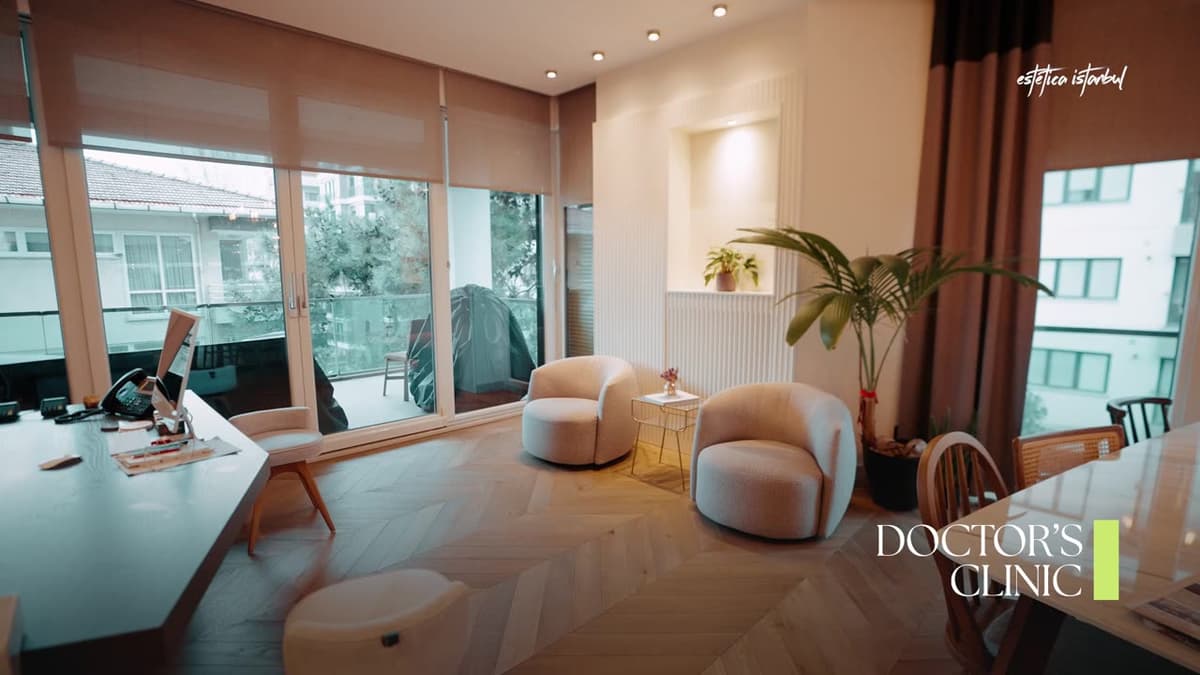
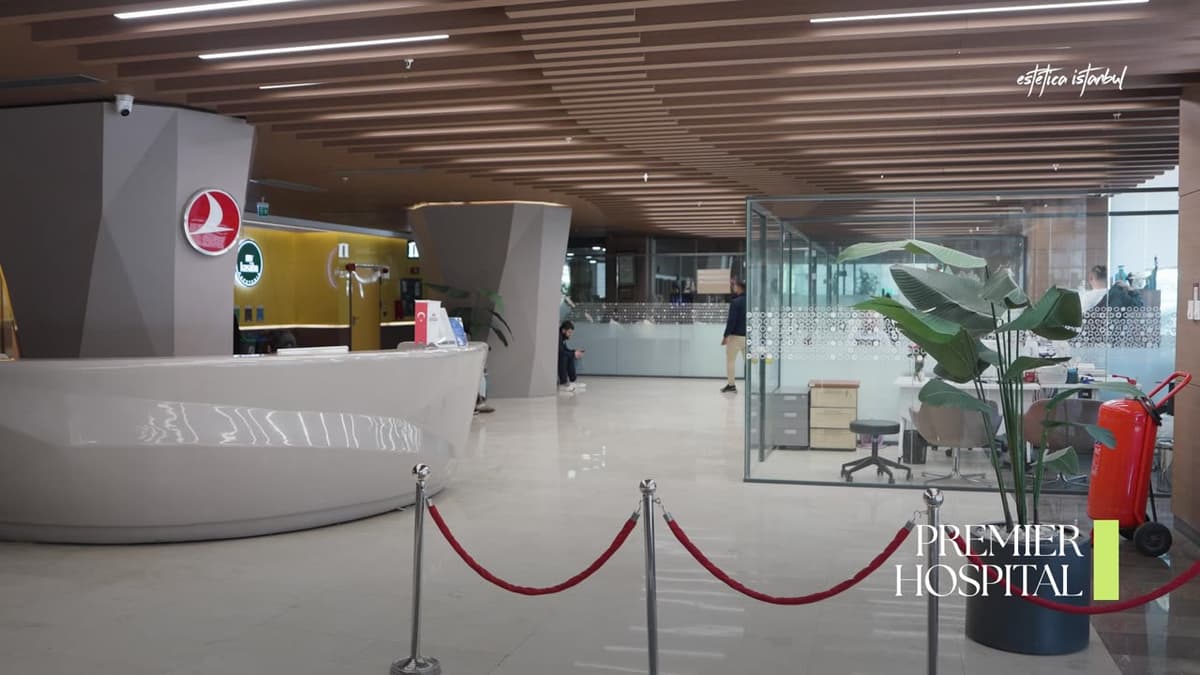
Your operation takes place inside a fully accredited hospital — dedicated anaesthesia and nursing teams, intensive care on the same floor, international safety standards. Never a back-street day-clinic.
Specialist Clinics for Smile & Hair
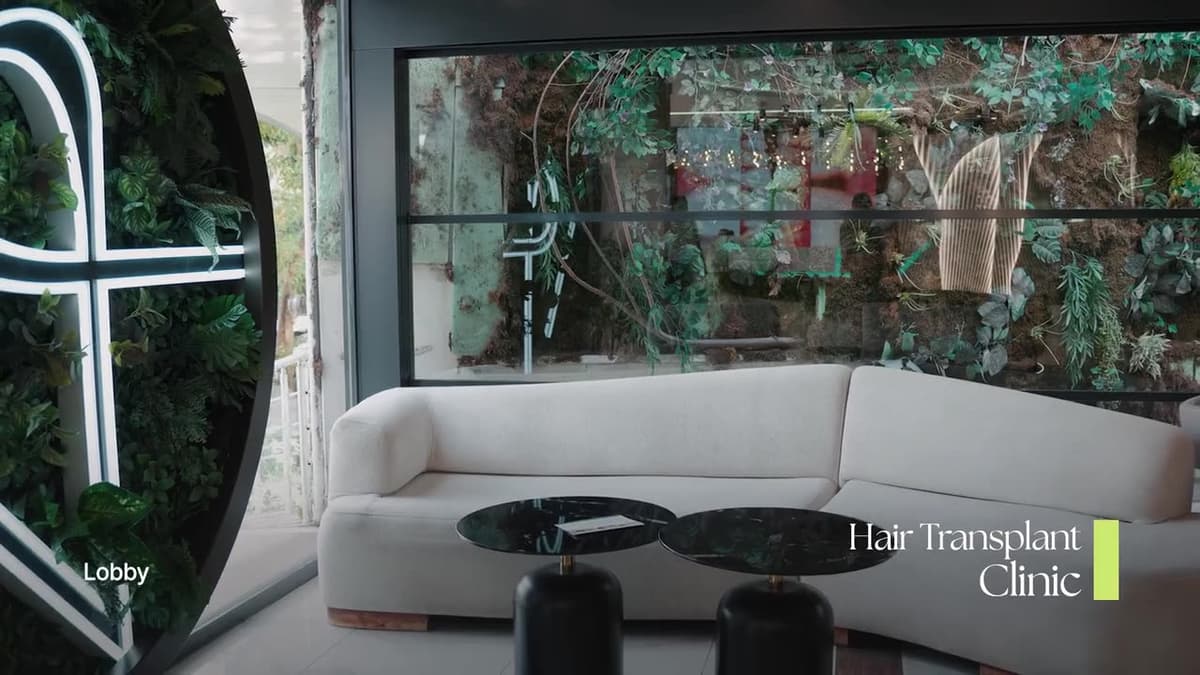
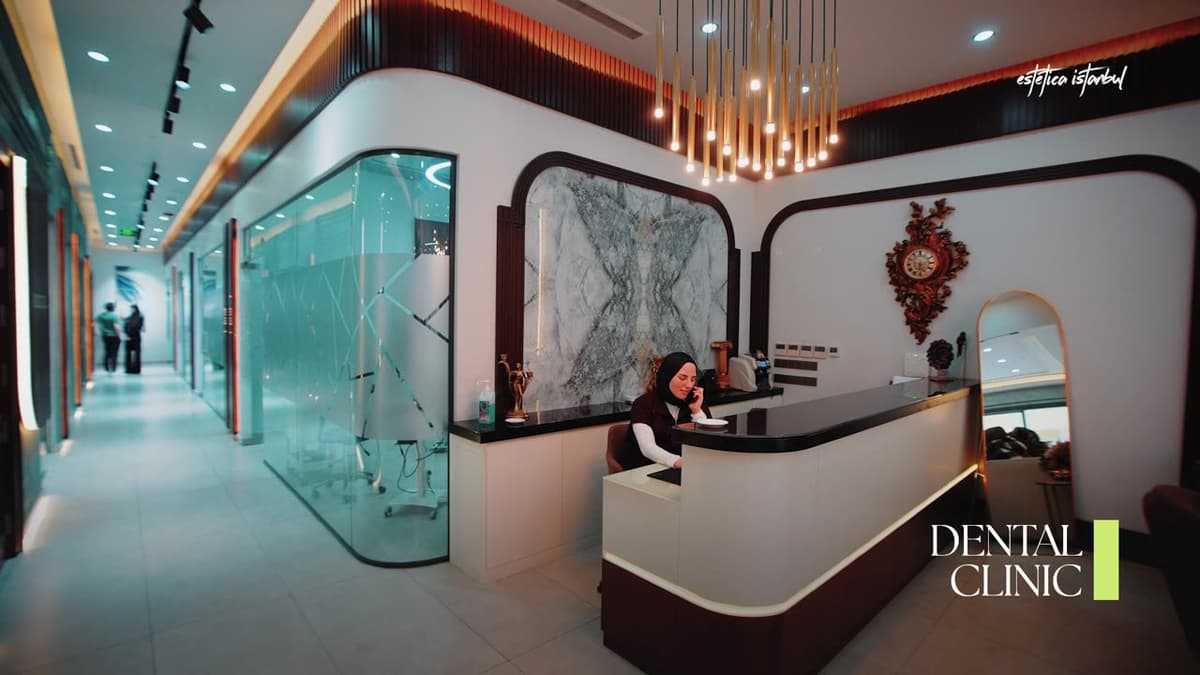
Non-surgical treatments happen at purpose-built venues — our dedicated partner dental clinic for veneers, crowns and implants, and our partner hair restoration clinic for transplants. Each run by teams who do only that, every day.
Recovery, Follow-Up & Your Smile
You recover in a hotel with on-site medical care, then fly home. We follow up remotely for a full year — and if a complication arises, we cover remote consultations with your surgeon and, in rare cases, revision surgery — with the Antwell upgrade.
What's Included
Frequently Asked Questions
Lens replacement or laser eye surgery?
Which lens brands are used?
Will I need glasses afterwards?
Is it permanent?
Further Reading
 from €3,190
Rhinoplasty in Istanbul vs Milan 2026: €3,190 With Six Nights vs €4,800 to €8,300
A rhinoplasty package in Istanbul starts at €3,190 with six hotel nights, transfers and a year of follow-up; flights are extra. Milan clinics publish €4,800 (LaCLINIC) to €8,300 (Istituto Estetico Italiano). Here is what each price buys.
 from €3,190
Flying After Rhinoplasty: What Cabin Pressure Really Does to a Healing Nose
Cabin pressure will not damage a healing nose. Swelling, dry cabin air and distance from your surgeon are the real reasons to wait. Here is what the numbers say and when to book the flight home.
 from €3,190
Rhinoplasty Cost: Turkey vs UK vs US vs Germany vs Italy (2026 Comparison)
Rhinoplasty costs from €3,190 all-inclusive in Turkey versus £4,000–£7,500 in the UK, an average $7,637 surgeon fee in the US, €3,000–€9,000 in Germany and around €6,065 in Italy. Here is the full 2026 country-by-country comparison.