E-Max vs Zirconia Crowns: Which Is Best for Your Smile?
All-inclusive
Dental Crowns
from€150US$170£130CA$240A$240NZ$300/tooth
E-Max vs Zirconia Crowns: Which Material Is Best for Your Smile?
When it comes to restoring a damaged or missing tooth with a cosmetic crown, the choice of material can significantly impact both the aesthetic outcome and the longevity of your restoration. Two of the most popular options in modern cosmetic dentistry are E-Max (lithium disilicate) and zirconia crowns, each offering distinct advantages and disadvantages. Understanding the differences between these materials is essential for making an informed decision about your dental restoration, whether you're replacing a single tooth or completing a full mouth rehabilitation.
All-inclusive
Dental Crowns
from€150US$170£130CA$240A$240NZ$300/tooth
E-Max crowns, made from lithium disilicate ceramic, represent a revolutionary advancement in cosmetic dentistry. This material combines exceptional aesthetic qualities with impressive strength and durability, making it an excellent choice for patients who prioritize a natural, lifelike appearance. E-Max achieves superior translucency and light diffusion compared to older ceramic materials, allowing light to pass through the crown much like natural tooth structure. This optical property is particularly important for front teeth, where any lack of translucency can make a crown look artificial or opaque compared to adjacent natural teeth.
Zirconia crowns, composed of zirconium oxide ceramic, are known for their exceptional strength and durability. Zirconia is an extremely hard material with a flexural strength significantly higher than both E-Max and porcelain, making it highly resistant to chipping, cracking, and fracturing even under heavy bite forces. This superior durability makes zirconia an excellent choice for patients who grind or clench their teeth, have a heavy bite, or are accident-prone. Zirconia crowns can withstand the demands of back teeth and patients with parafunctional habits where other materials might fail.
From an aesthetic perspective, E-Max crowns generally offer superior results for visible front teeth. The material's exceptional translucency allows dental technicians to create crowns that blend seamlessly with natural adjacent teeth, matching the subtle color variations and light properties of the original tooth. E-Max crowns can be fabricated to achieve any shade, from bright white to deeper natural tones, with perfect esthetic integration. Zirconia, while available in tooth-colored varieties, typically has a more opaque appearance that can sometimes look less natural, particularly when viewed under bright light or compared directly to adjacent natural teeth.
Durability and longevity represent another critical difference between these materials. E-Max crowns typically last 10-15 years with proper care, making them an excellent long-term investment for cosmetic restoration. Zirconia crowns often boast even longer lifespans, frequently lasting 15-20 years or even longer due to their superior resistance to chipping and fracturing. However, the extended durability of zirconia comes at a cost: zirconia is more difficult to adjust or modify after fabrication, and replacing or repairing a zirconia crown is more complicated than with E-Max.
For front teeth restoration, E-Max is generally considered the material of choice by leading cosmetic dentists. The superior aesthetics, natural appearance, translucency, and light-handling properties of E-Max make it the preferred option when achieving a lifelike, beautiful smile is the primary goal. Front teeth are highly visible and demand the best possible aesthetic match with natural teeth. E-Max crowns can replicate the subtle color gradations, translucency, and light reflection properties of natural enamel and dentin, resulting in restorations that are virtually indistinguishable from natural teeth.
For back teeth (premolars and molars), zirconia becomes the more practical choice despite its slightly less natural appearance. Back teeth experience significantly greater bite forces and chewing stress than front teeth, and zirconia's superior durability makes it ideal for withstanding these demands. Additionally, back teeth are less visible during normal conversation and smiling, so the slightly more opaque appearance of zirconia is less of a concern. Many cosmetic dentists use a layered approach for back teeth, employing tooth-colored zirconia cores covered with a thin veneer of E-Max or porcelain to achieve acceptable aesthetics while maintaining superior durability.
Cost is another important factor in choosing between E-Max and zirconia crowns. E-Max crowns typically cost between €600-1,200 per tooth in European private practices, while zirconia crowns usually range from €700-1,400. In Istanbul, at Estetica, our all-inclusive packages offer both materials at significantly reduced costs while maintaining the highest quality standards. The cost difference between these premium materials is relatively modest, so your decision should primarily be based on the tooth location (front vs. back) and your aesthetic priorities rather than price alone.
At Estetica Istanbul, our partner dentists recommend a personalized approach to crown selection based on your individual circumstances. For patients requiring multiple crown restorations, we often recommend E-Max for front teeth (where aesthetics are paramount) and zirconia for back teeth (where durability under chewing forces is essential). This combination approach optimizes both aesthetics and longevity across your entire mouth. The partner JCI-accredited facilities and experienced dental team use cutting-edge digital design technology to preview your new smile before treatment begins, ensuring that your chosen material will deliver the results you desire.
Material and restoration type are separate decisions
Before comparing E.max with zirconia, establish what is being made. A veneer and a full crown are different restorations, even when a quotation uses the same material name. The American Dental Association's veneer guide distinguishes a front-surface veneer from a crown that covers more of the tooth. Your decision should begin with the restoration you need.
Ask the dentist to explain the reason for each planned crown or veneer, the alternative options, and how much natural tooth must be prepared. Material selection comes within that treatment plan; it should not replace it.
Build a comparison around your own teeth
Ask why a particular material is recommended for a particular tooth. Ask how the dentist has considered your goals, previous restorations and the proposed design.
A sample photograph may show a look you like, but it cannot establish which restoration is appropriate for you. Request an explanation that makes sense without relying on “premium,” “strongest” or “most natural” as the entire argument.
Read a mixed-material quote carefully
If the plan uses different materials in different areas, ask for those choices to be itemised by tooth. Identify what the total covers: preparation, temporaries if used, laboratory work, fitting and any extra treatment.
Then ask which parts remain provisional until examination. A transparent quote can change when new findings emerge, but those changes should be explained before you agree to more treatment. Compare two proposals using the same restoration type, tooth count and included stages.
Ask how adjustments and maintenance work
Find out when you will discuss the proposed shade and shape, what can be adjusted and what happens if you are unsure at the fitting appointment. Avoid assuming that every material allows the same changes at every stage.
Request written care information and a record of the materials used. Ask how a dentist at home can obtain further clinical details if needed. If a warranty is offered, distinguish its terms from an assurance about how long a restoration will last.
Is one material always better?
Ask for a recommendation connected to your treatment plan. A universal ranking is less useful than an explanation of the choice for a particular tooth.
Should all visible teeth receive the same restoration?
The plan should justify the treatment for each tooth. Matching appearance does not by itself explain why every tooth needs a crown.
What if I am still unsure?
Request clarification or a second opinion before preparation. Do not let a pre-booked flight make the clinical decision for you.
Ask what supports the crown, not just what it is made from
Ask about the condition of the tooth beneath the proposed crown and whether the restoration concerns a natural tooth or an implant. The ADA crown guide can help frame that discussion. Ask what problem the restoration is intended to address before choosing a material.
For a natural tooth, ask which findings could change the plan before or during preparation. Would decay, an existing large filling or symptoms require additional investigation or treatment? Ask for any associated fees to be separated from the crown fee. Choosing E.max or zirconia does not settle those questions.
Turn the material name into a usable laboratory record
Request the specific restoration description that will appear in your records, including the material and whether the design uses layers or a single material. Ask the dentist to explain why that design fits this tooth and how it affects adjustment or repair. A product label alone should not become a promise of a particular lifespan.
Bring details of previous crowns and any known grinding or clenching to the consultation. Ask how the proposed restoration will be checked against the opposing teeth and whether protective measures are appropriate in your case. Avoid choosing a material solely because it is described as suitable for every heavy bite.
Does the zirconia price also cover an E.max crown?
As of October 2026, the published crown starting price is from €150 per tooth for zirconia, with no hotel accommodation included; flights are excluded. It is not a confirmed E.max crown price. Request a separate written quote for the actual material, restoration type and tooth count before comparing totals.
Get Your Free Consultation
Our partner medical team will review your case and send you a personalized treatment plan.
Your Journey. Our Hands.
From your first message to your flight home — we run the logistics. You focus on the result you came for.
Free Consultation
Send us photos and your goals on WhatsApp. We review them with the partner medical team and send a detailed, written all-inclusive quote. No payment to get your quote.
We Handle the Logistics
Once you decide, we book your hotel and VIP transfers; you book your own flight (not included) and we help you choose the right dates. Pre-op tests, hospital admission, English-speaking support — all arranged before you land.
Partner healthcare institutions
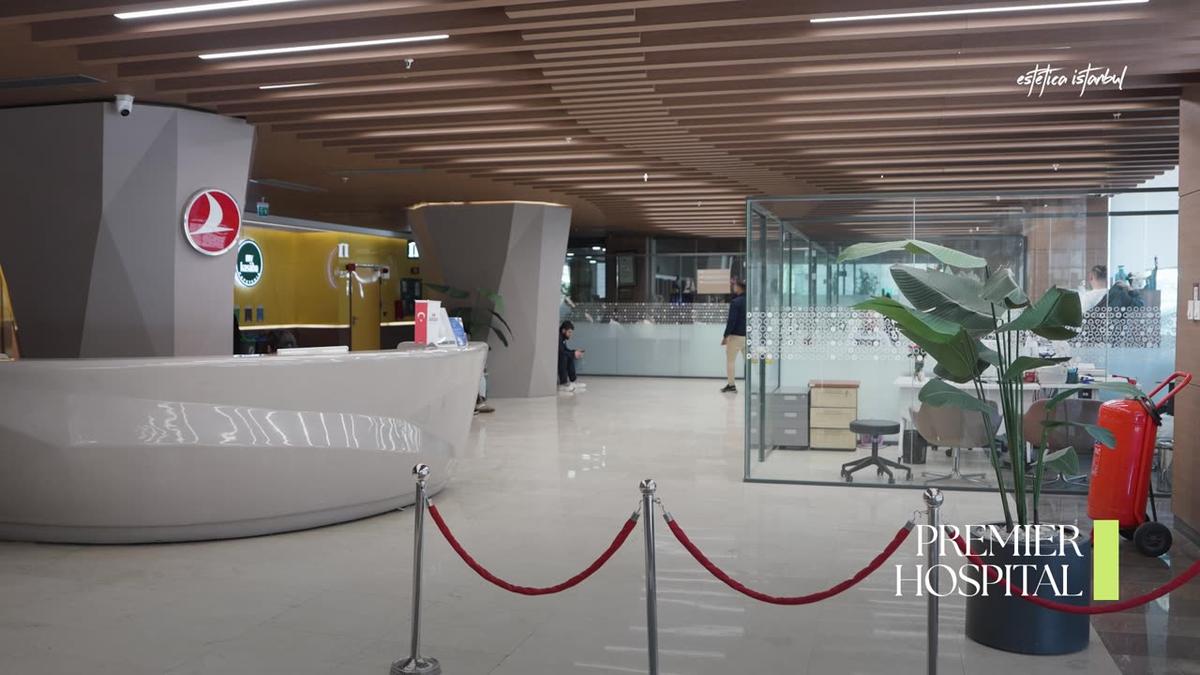
Your operation takes place inside a fully accredited hospital — dedicated anaesthesia and nursing teams, intensive care on the same floor, international safety standards. Never a back-street day-clinic.
Specialist Clinics for Smile & Hair
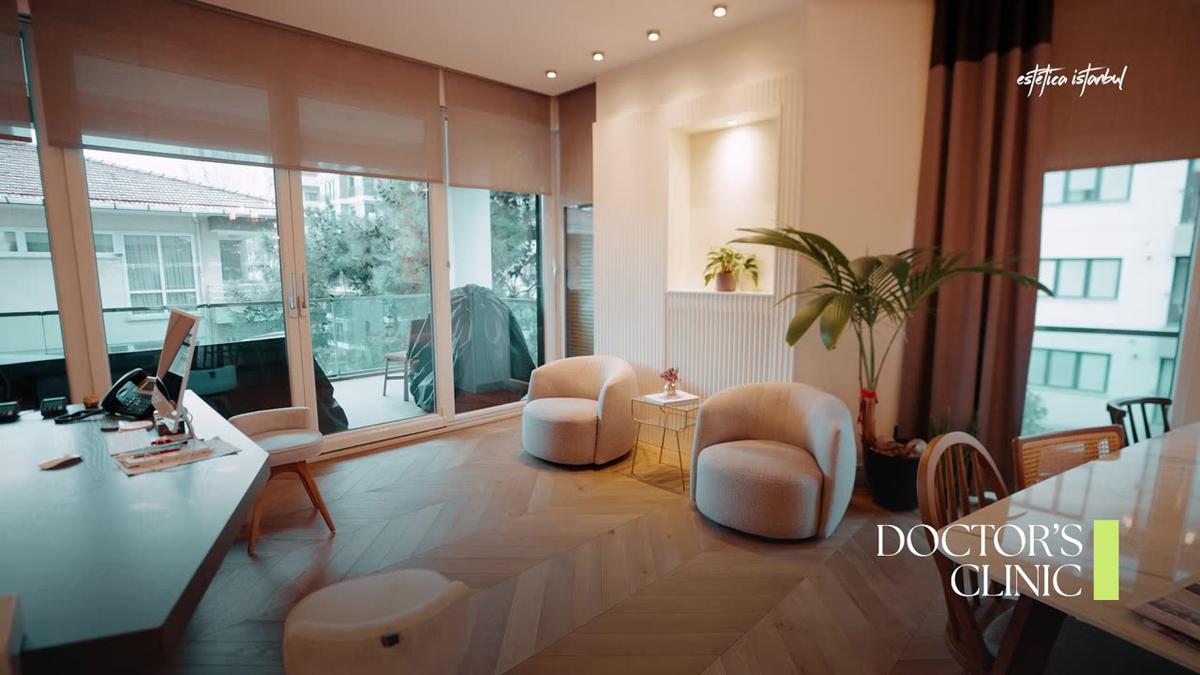
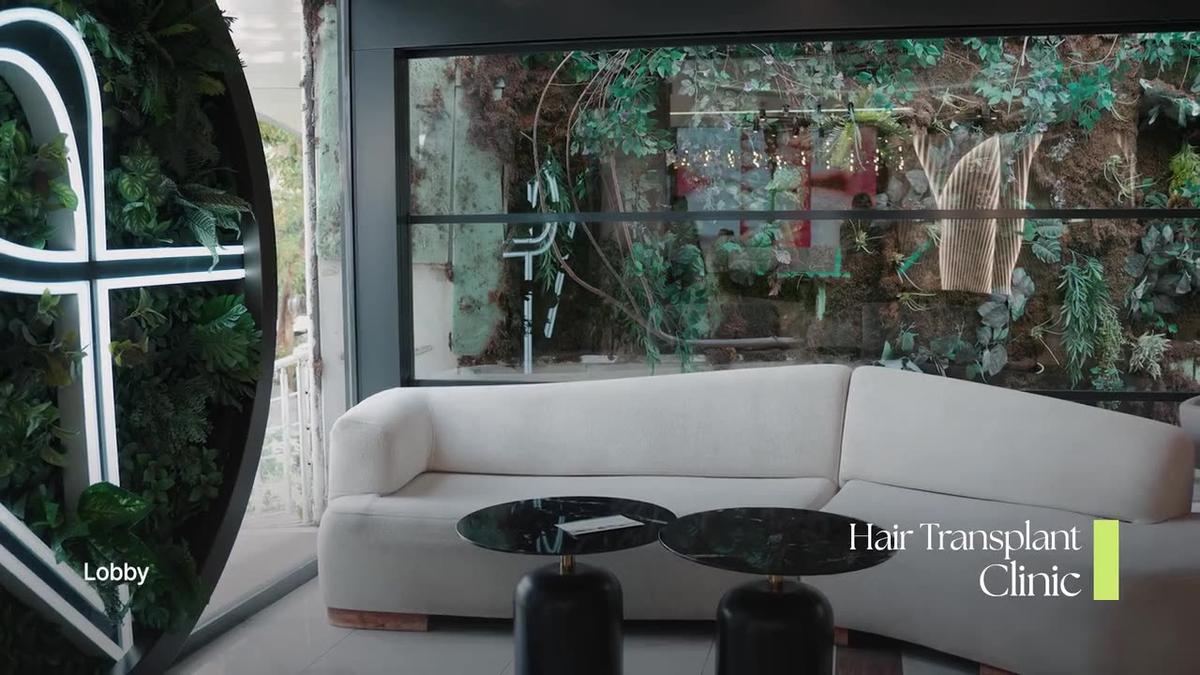
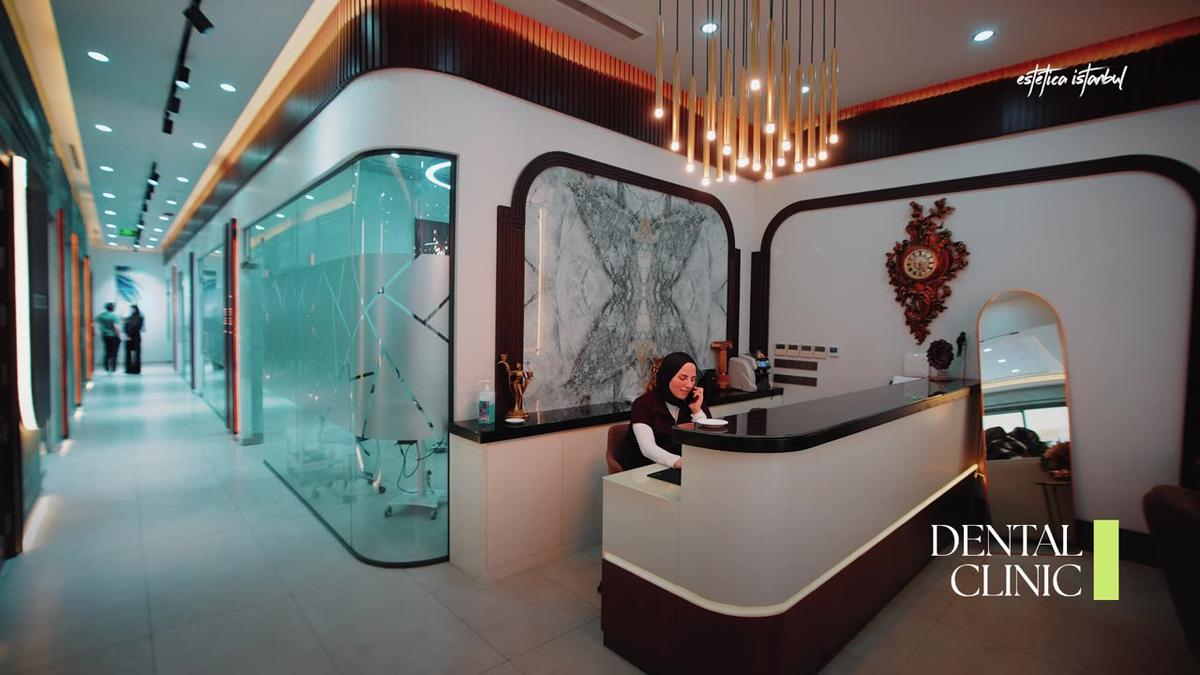
Non-surgical treatments happen at purpose-built venues — our dedicated partner dental clinic for veneers, crowns and implants, and our partner hair restoration clinic for transplants. Each run by teams who do only that, every day.
Recovery, Follow-Up & Your Smile
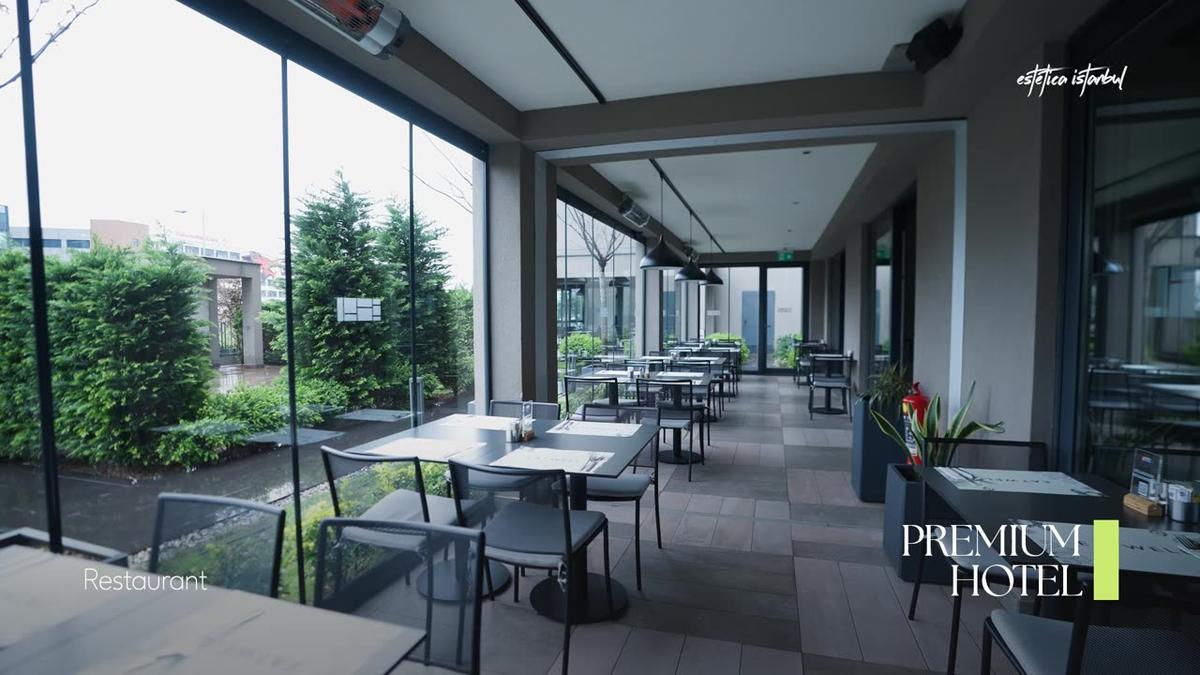
You recover in a hotel with on-site medical care, then fly home. We follow up remotely for a full year — and if a complication arises, we cover remote consultations with your surgeon and, in rare cases, revision surgery — with the Antwell upgrade.