Front Hairline Design in Hair Transplantation
Medically reviewed by Akın İnalöz, MD, Board-Certified Plastic Surgeon· Last reviewed:
All-inclusive
FUE Hair Transplant
from€2,150US$2,490£1,850CA$3,460A$3,500NZ$4,260
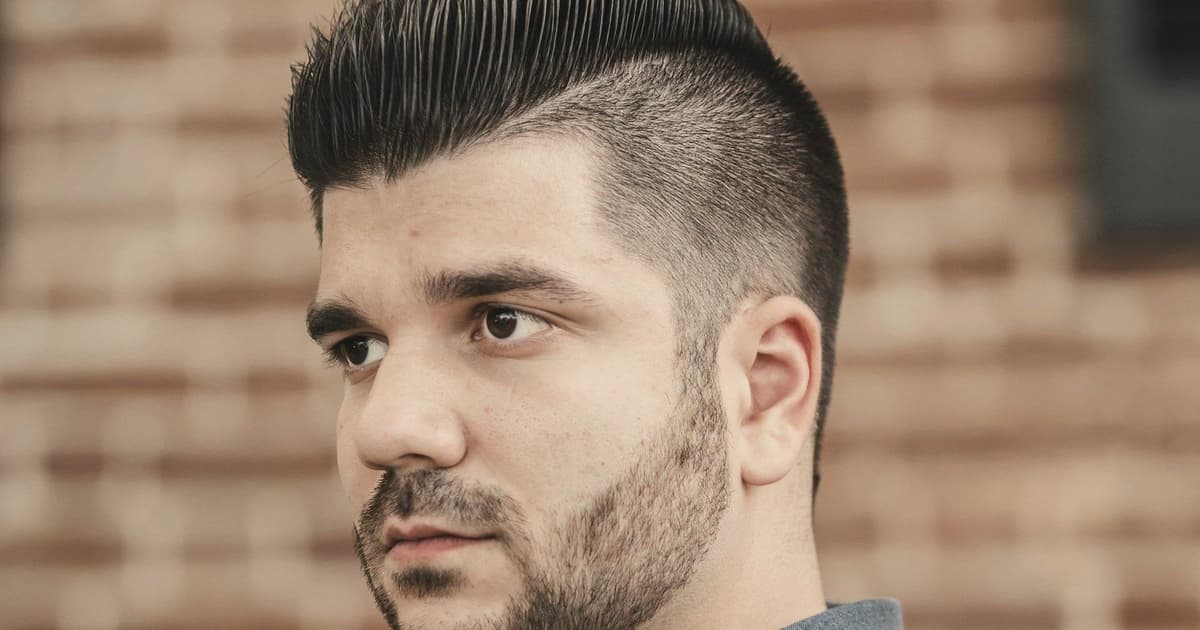
Due to genetic factors or other reasons, the front hair may fall out or become sparse. When you encounter such a problem, you can consider front hairline design. In this article, we talked about the front hairline design. We wish you a pleasant reading.
What is Front Hairline Design? How is Hairline Transplant Done?
Front hairline design is a procedure performed to restore the appearance of hair after hair loss and thinning. In addition, front hairline design is a very important step in hair transplantation procedures. The front hairline should be carefully planned according to the person's face shape, age, gender and personal preferences. In order to provide a natural and aesthetic appearance, the hairline must be positioned and created correctly.
All-inclusive
FUE Hair Transplant
from€2,150US$2,490£1,850CA$3,460A$3,500NZ$4,260
In the first step of the frontal hairline design, the hair transplant specialist, after planning according to the facial features of the person, removes the follicles required for hair transplantation from the scalp and carefully places them in the frontal hair area. This stage is critical for the hair to look natural.
Man Natural Front Hairline Design
Frontal hair loss in men is a very common condition caused by genetic and hormonal factors. For this reason, many men resort to frontal hair transplantation to reverse the effects of hair loss and restore their hair's former full and healthy appearance. This is one of the most typical problems of male pattern hair loss. These gaps formed by hair recession at the corners of the forehead can take a more pronounced M-shape over time. During hair transplantation, this natural recession is taken into account and the placement of the hair is done in accordance with the natural appearance and age of the person.
Woman Natural Front Hairline Design
Women's hairline should generally have softer curves and therefore hard transitions should be avoided. This emphasizes the feminine appearance and graceful features of the face and emphasizes natural beauty. The design of the front hairline should take into account the natural density of the hair and its balance with the rest of the hair.
What Should be Considered When Performing Natural Hairline Design?
There are some factors to be considered to make the front hair transplant design look natural. When these factors are taken into consideration, the results of the procedure will look natural. You can find these factors below:
Gender
When designing a natural hairline, gender is an important factor in the design process. This is because men and women may have different types of hair loss. The hairline designed for men should be proportional to the upper part of the face and should not be too low, as this can create an artificial look. Hairline design for women should take an approach that will cover the width of the forehead area in a balanced way and emphasize the feminine lines of the face.
The Muscle Structure in The Forehead
People's forehead muscles move in different ways during facial expressions. These muscle movements can pull and push the skin of the forehead, which can affect the appearance of the hairline. The design of the hairline should be done with these muscle movements in mind and should not be done on top of the forehead muscles.
Facial Features of The Person
The general shape of the face (oval, round, square, long, etc.) affects how the hairline is designed. For example, on a round face, the hairline may be higher and significantly curved, while on a long face, a straighter line may be preferred. Taking facial features into account ensures a successful design of the natural hairline. Since each individual's facial structure is different, the hairline design should be unique and individualized. Hair transplant specialists evaluate these factors and design a natural and aesthetic hairline suitable for each patient.
Number of Hair Follicles To Be Transplanted
Determining the correct number of hair follicles to be transplanted is both aesthetically and practically important. This not only makes the hairline look natural but also helps to protect the donor area. Hair transplant specialists evaluate these factors and make a special transplant plan for each patient.
What Techniques are Used in Hairline Design?
FUE technique and DHI technique are used in front hairline design. Both techniques produce natural-looking results. FUE and DHI offer advanced techniques to carefully control the density, direction and natural appearance of the hair. Which technique is preferred depends on the individual's hair loss, hair type, general health and personal preferences. Both methods should be carefully performed by an experienced hair transplant specialist. If you want to get more detailed information about these methods, you can read our article DHI vs. FUE Hair Transplant: Which is Better? You should also take good care of your hair after a hair transplant. After the front hairline design, you can get the Mossi 6-month therapy set and apply a great care. This set contains products that contain all the requirements your hair needs.
How to Adjust Hair Density at the Front Hairline?
The hair density at the front hairline should be adjusted according to some factors. You can find these factors below:
- The hair density should be adjusted to mimic the person's natural hairline and density. This makes the hair transplant look more natural.
- To achieve a natural look at the front hairline, the hair density should be increased gradually. Start with less density at the very front and increase the density towards the inner parts.
- Depending on the person's age and hair loss potential, future hair loss should also be taken into account. These factors should be taken into consideration when planning for the front hairline to remain natural over time.
If your front hair is also falling out, you can get a magnificent appearance by choosing the front hairline design. For more information, you can visit our Hair Transplant in Turkey page and contact us.
Frequently Asked Questions
Which hairline is best for hair transplant?
Everyone's face shape, forehead structure, etc. features are different. For this reason, there is no one-size-fits-all hairline design. Hairline design is determined and applied individually.
How is the hairline determined for transplant?
When determining the hairline, factors such as the person's face shape, age, gender, etc. are taken into consideration and the most appropriate shape is determined.
The front of my hair has fallen out, what should I do?
If your front hair has fallen out, you can have a hair transplant procedure. Hair transplant specialists design the front hairline with great care and make it look natural.
Plan a hairline you can live with as your hair changes
A hairline should be designed around your anatomy, your preferences and the hair that is available, with attention to possible future loss. The lowest possible outline or a sharply drawn line in a photograph is not automatically the right target. Bring examples to explain what you like, then ask how the proposed design fits your own scalp.
The American Academy of Dermatology's transplant information explains that candidacy involves having enough healthy donor hair and the ability to grow hair in the thinning area. That assessment needs to come before choosing a fashionable outline. Ask what could make treatment unsuitable or make a more limited plan appropriate.
Describe the appearance in real situations
Show the partner team how you usually wear your hair: brushed forward, parted, tied back or cut short. Include views with your hair away from the forehead as well as your preferred styling. Explain which changes matter most to you: the corners, central height, asymmetry or a scar you want assessed. Avoid compressing several concerns into a single request to “bring it down”.
Ask to discuss the outline from the front, side and oblique views. A design that you like in a frontal close-up may look different with facial expression or in profile. Ask what you will review before the procedure starts and how a change in the agreed plan would be discussed.
Your hairline preferences should be discussed individually rather than inferred from a gender label. Explain the hairline you want and ask the team to assess what is achievable without suggesting that one shape is appropriate for everyone of the same gender.
Allocate the hair before agreeing the outline
Ask for the proposed area and estimated graft allocation to be explained together. What would changing the outline do to the area being treated? What might that mean for coverage behind the front? If the crown is also a concern, discuss its priority instead of assuming both areas can receive the same treatment in one session.
Request an explanation of how hair characteristics affect the expected appearance. Discuss direction, texture, colour contrast and your intended haircut rather than asking for a universal density number.
Ask what happens if further loss develops around the transplanted area. The NHS guide notes that surrounding hair may continue to thin. Ask whether medical management, a smaller initial plan, staged treatment or waiting is appropriate for your diagnosis. None should be presented as a guaranteed way to prevent future loss.
Understand what you are agreeing to on the day
Ask who makes and confirms the plan and who carries out each part of the procedure. At Estetica Istanbul, hair transplants are performed by the technician team at a partner hair clinic. Any description of a clinician's involvement needs its actual scope confirmed; the generic claim that a surgeon does every stage should not be borrowed from another provider.
Ask when you will see the final marking and what happens if you disagree with it. Give yourself time to revisit a question rather than treating your arrival as a commitment to a particular outline. A digital simulation, if offered, needs to be explained as a discussion tool with its limits.
Keep price and recovery connected to the actual plan
As of October 2026, Istanbul FUE starts from €2,150 all-inclusive, flights excluded, with three package hotel nights. DHI and the female-hair package start from €2,450 with three nights. Ask why the proposed technique fits your case; a device name alone does not establish a better hairline. The final written quote follows assessment of your photos and medical form.
Ask whether the quote covers the agreed recipient areas and whether a staged or revision plan would need a separate offer. Medication and one procedure-day PRP session are included in the documented Istanbul hair package; extra PRP is separate. Ask for the rest of the current inclusion list and written complication terms.
For early recovery, ask about work, styling, headwear and sleep arrangements in relation to the frontal area. For later review, take photographs using a consistent angle and hair position so the team can compare progress. Three hotel nights do not grant flight clearance or describe when the result is mature.
Can I bring a celebrity photograph?
Yes, as an explanation of preference. Ask the team which features fit your anatomy and which do not, without treating the photograph as a result guarantee.
What if my donor hair is limited?
Ask for an alternative plan that states its priorities and limits, including the choice to defer treatment.
Use the existing consultation route on the FUE page to discuss your own hairline goals.


Get Your Free Consultation
Our partner medical team will review your case and send you a personalized treatment plan.